
💭 Xclusive Thoughts 🧠
The inflation picture remains complex and is fundamentally reshaping my medium-term outlook.
The recent conflict involving Iran and the Strait of Hormuz has created significant energy market disruptions, with crude oil trading around $95.60 and Brent at $101.80. Goldman Sahcs estimates global oil stocks at approximately 101 days of demand, falling to 98 days by month-end, with acute shortages in refined products like jet fuel and naphtha. Chevron's CEO has warned that fuel shortages are becoming a growing concern in some regions while the Strait of Hormuz remains effectively closed. This energy shock is reminiscent of past crises, yet the Fed's response function appears different this time—rather than hiking into the shock as markets initially feared, historical precedent suggests the Fed is more likely to ease rates into oil shocks to prevent demand destruction, with the notable exceptions of the 1970s and 2022.
What concerns me most is the structural shift toward stickier inflation that appears to be taking hold. Supply chains are being rerouted to prioritize national security over cost efficiency, there's a renewed premium on bringing production clooser to end consumers, and both governments and corporations are demonstrating a willingness to pay more to prepare for potential economic shocks. This suggests inflation may resettle at a higher baseline for years to come, with price changes more tilted toward physical goods rather than wages and labor.
Additionally, the transition to Kevin Warsh as the incoming Fed chair adds another layer of *uncertainty.* Recent surveys of Fed watchers reveal significant concerns about his ability to lead the Fed's monetary policy team, particularly given his skepticism of the standard economic framework used by Fed staf.f. A majority of respondents oppose raising the inflation target from 2%, and most favor maintaining a point target rather than a range. Warsh's biggest challenges will likely include restoring the Fed's credibility after the 2020-2022 period, managing the transition toward potentially raising rates despite presidential opposition, and bringing inflation back to the 2% target.
I'm STILL maintaining heightened attention to energy and commodity-linked equities as both a hedge against inflation and a tactical opportunity. The supply disruptions and geopolitical risk premiums embedded in energy markets create both volatility and potential alpha generation opportunities. The market environment remains constructive in the neear term, supported by strong corporate earnings and resilient economic data. However, the confluence of "sticky inflation", energy market disruptions, Fed policy *uncertainty*, and compressed volatility suggests we're in a regime where risk management and tcatical positioning will be paramount. I'm keeping our powder dry for potential dislocations while remaining engaged with current market momentum, but with tighter stop-losses and more active hedging than we've employed in recent months.
2
2
17
1,239

Voici le résumé de la conférence.
En tout cas la conférence que les experts ont organisé sur la question disent que :
Des entreprises du Group Glodman Sahcs et autres ont déjà quitté Ey et KPMG pour cette entreprise.
Imagine que tu es une entreprise de taille moyenne :
- Avant (2025) : tu payes Deloitte 2 à 5 millions de Xfa pour une transformation IA. On te sers 6-9 mois de PowerPoint 20 consultants juniors .
• Après (mai 2026) : la nouvelle boîte d’Anthropic te propose d’intégrer Claude directement dans tes process (finance, ops, reporting, etc.) pour une fraction du prix, en quelques semaines, avec des résultats mesurables tout de suite.
Le fonds PE qui te possède va choisir l’option 2 à 100 % parce qu’il veut maximiser son exit. Point final.
C’est exactement ce qui est en train de se passer : Anthropic ne vend plus seulement de l’IA, elle vend le service complet que les Big 4 vendaient avant… mais en version turbo, moins chère et meilleure.
Résultat prévisible dans les 2-3 ans :
• Perte massive sur les missions d’AI transformation et de consulting opérationnel (le segment le plus juteux).
• Les Big 4 vont être relégués sur l’audit réglementaire et le tax (les trucs où l’humain la signature restent obligatoires).
• Leur marge va chuter parce qu’ils devront baisser leurs prix pour rester dans la course… ou perdre les clients.
C’est pas une « menace » théorique. C’est déjà annoncé, financé à hauteur de 1,5 milliard $, et porté par les mêmes gens qui contrôlent les entreprises clientes.
Les Big 4 ont eu 3 ans pour construire leur propre « AI-native services company ». Ils ont préféré faire des partenariats et des PowerPoint. Anthropic vient de leur passer devant avec un bulldozer. Game over pour une grosse partie de leur business consulting.
1
133

Apr 6
Ever noticed how he’s completely unbothered by titles? Even at conferences, as President of the (SAHCS), he remains grounded and humble.While others might stack titles...Dr, Dr (PhD) Ndiviwe Mphothulo ,he leads with substance, not status.
Congratulations, President. 🎉@Nmphothulo
1
5
15
7,675

Mar 31
Bây giờ có tiểu mục mới thay cho tượng đài là viện bảo tàng
Dân thì đói rã mỗm không hề có bất kỳ chính sahcs hỗ trợ thiết thực nào. Hay xây thêm bệnh viện giảm tải giường bệnh cho dân Chúng trơ trẽn dùng thuế dân 1 cách lãng phí và vô ích @realDonaldTrump

9
1
68
1,571

Mar 28
Doesnt matter what it did destroyed. The point is, American, British, France, Denmark etc. weapons are hitting the Russian land, killing Russian people, It is shameful what Putin allowed. You see, what Iran did in a month, Putin and his Stanford 'educated', Goldman-Sahcs crony, Wikoffs surfing buddy Kiril Dmitriev couldnt do in a 100 years. Imagine what would Stalin or any other leader do if his country man were being burned alive in Odessa by CIA assets and Ukro-Nazis. Something is very wrong here..
2
75

Jeffrey Sachs openly supports Russia's genocidal war in Ukraine. Why are you promoting Jeffrey Sahcs?
2
298

21 Oct 2025
Sahcs je zahodni tranzicijski tajkun, ki je zavohal v 90 tranzicijski denar vzhoda.
1
7
212

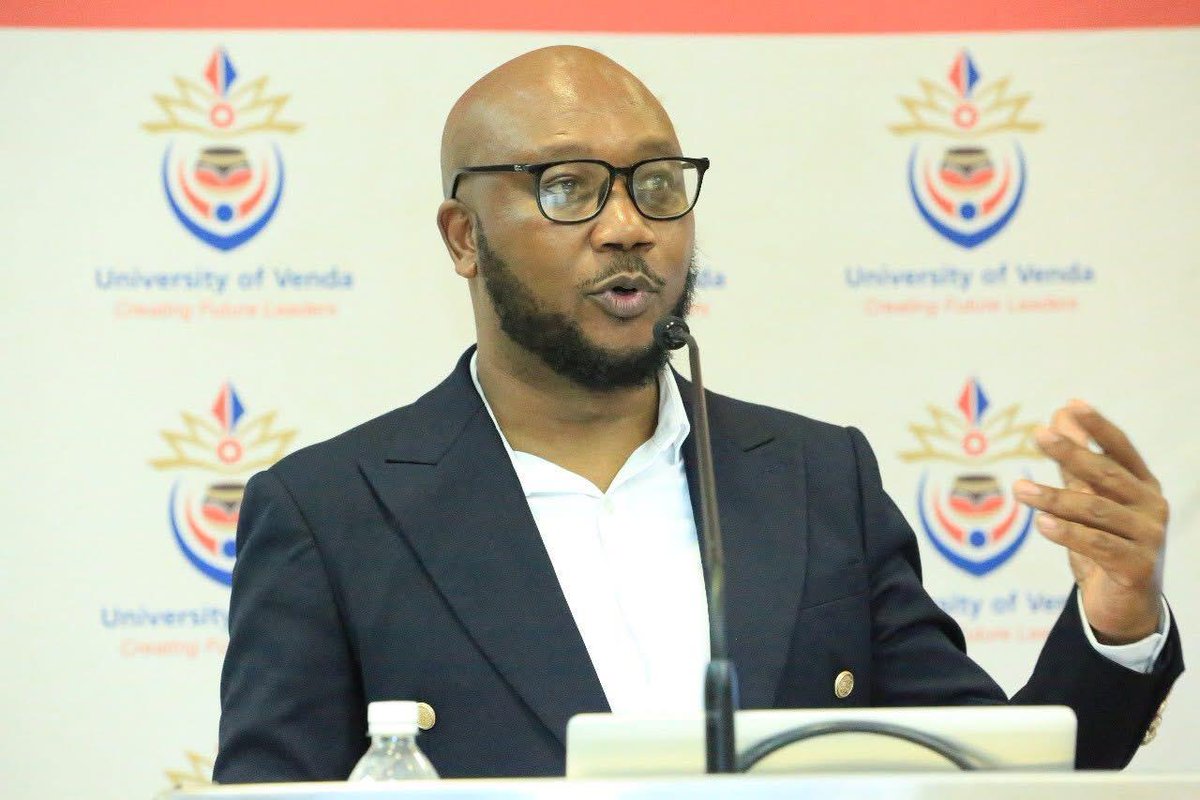
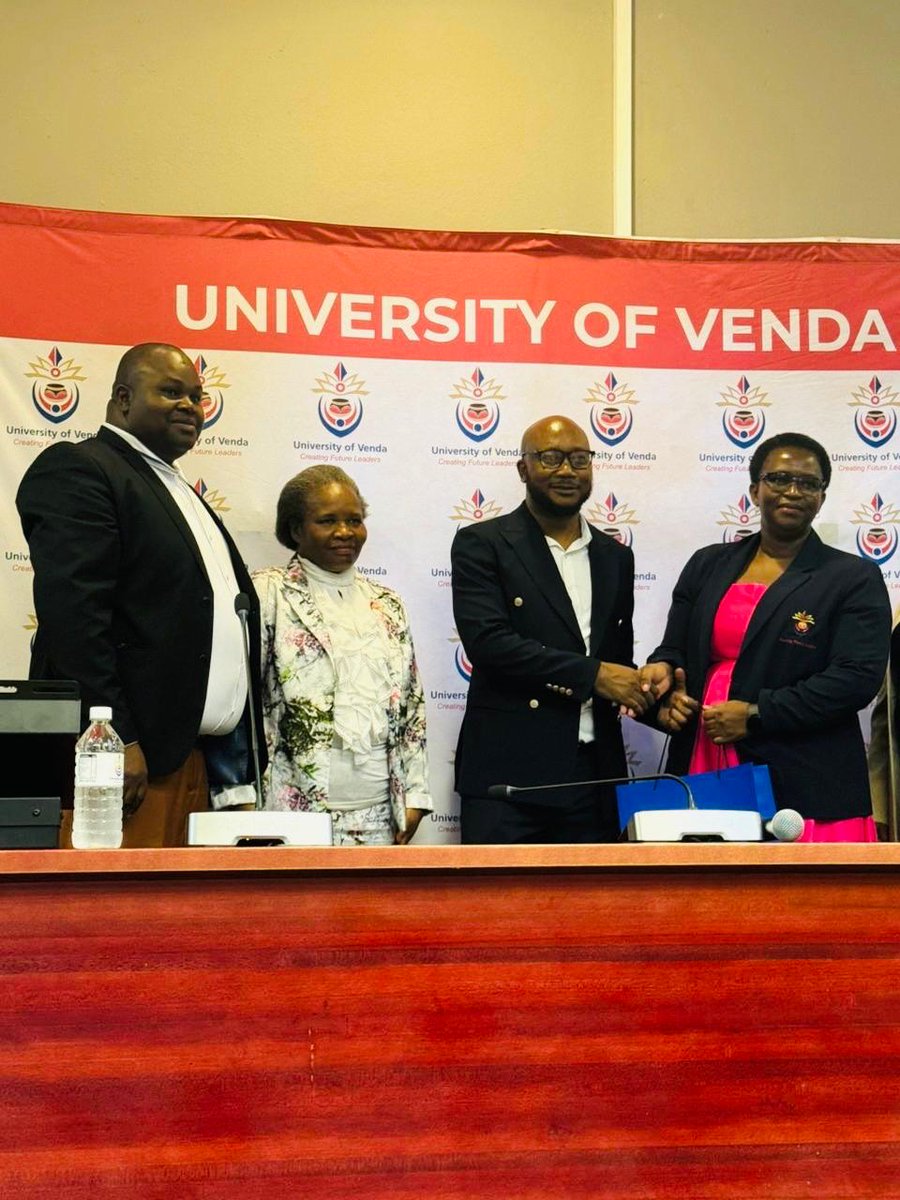
Dr Mpothulo, SAHCS President, delivered a Public Lecture at the University of Venda on Rural Health Matters: Breaking Barriers and Building Bridges for Inclusive, Accessible Care – The Colliding TB/HIV Epidemics. We’re inspired to keep advancing quality HIV & TB care @Nmphothulo
3
8
393
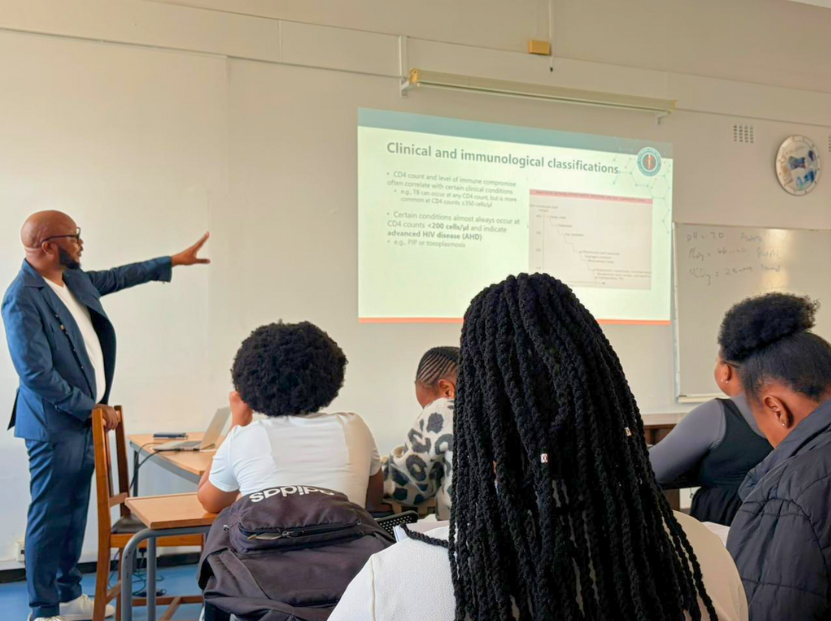
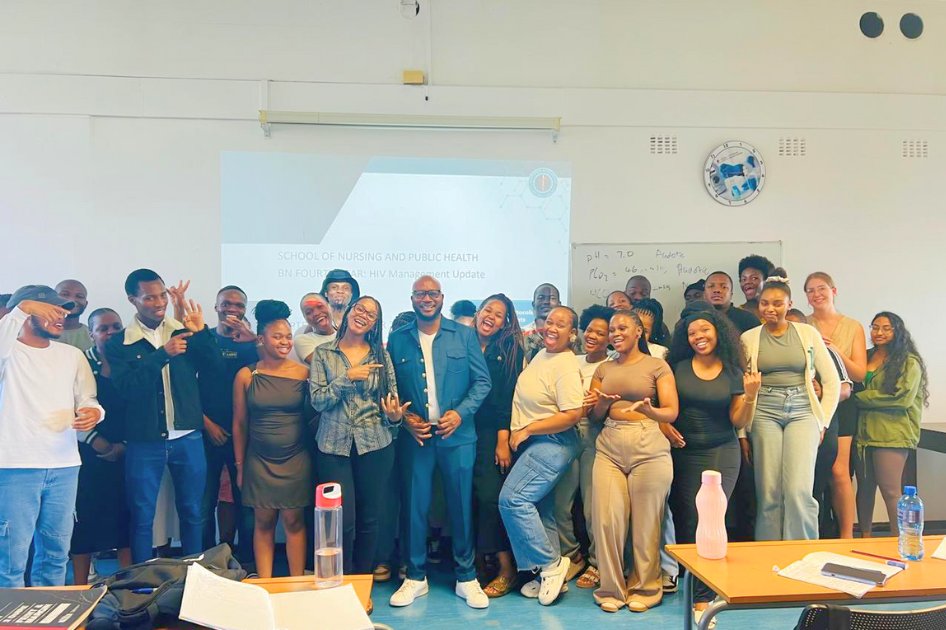
Our President, Dr Ndiviwe Mpothulo, was back at UKZN's College of Health Sciences this week, guest lecturing final-year nursing students as they prepare to enter the next phase of their careers. Joined by @SilingeneNgcob1 (SAHCS Board Member) @Nmphothulo
1
4
1,755


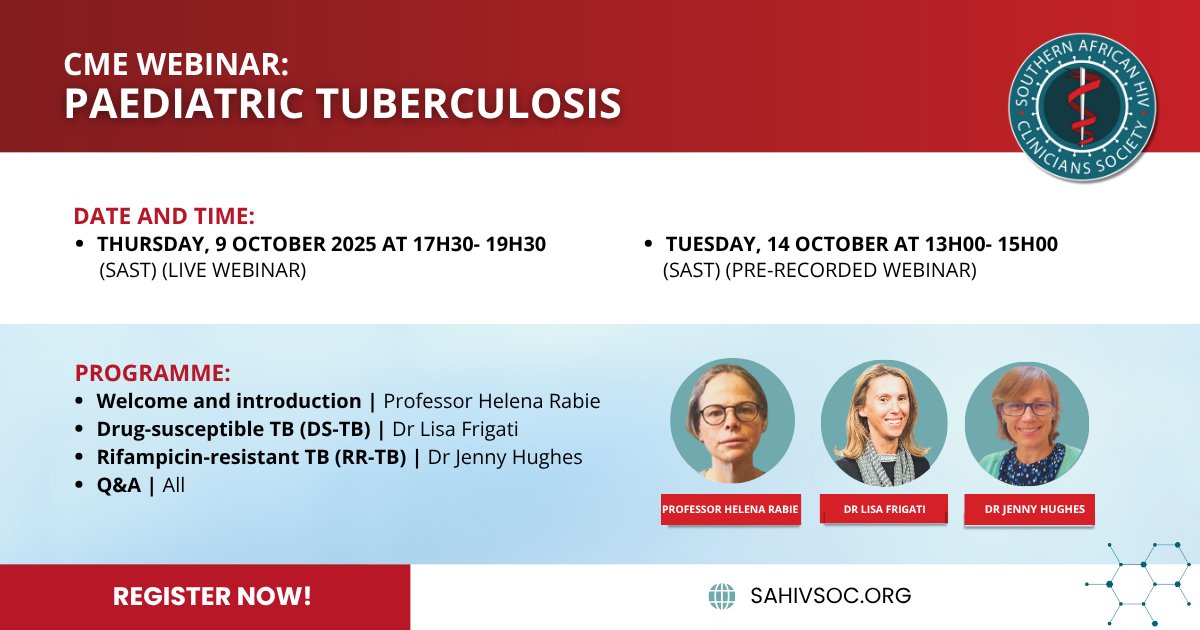
SAHCS invites you to our next continuing medical education webinar on “Paediatric Tuberculosis”. Register here bit.ly/4gWzhADfor this Thursday, 9 October, and here bit.ly/3Kzh7J4 for next Tuesday, 14 October (Re-Run) @Nmphothulo @MSFPaedsDays @paed_sa @StopTB
4
2
366

27 Sep 2025
Goldman Sahcs, Türkiye için enflasyon tahminini yükseltti
'Türk Lirası' ayrıntısı dikkat çekti!
cumhuriyet.com.tr/ekonomi/go…
1
8
8,949

27 Sep 2025
Goldman Sahcs, Türkiye için yıl sonu enflasyon tahminini yükseltti
birgun.net/haber/goldman-sah…
1
1
4
9,255

22 Aug 2025
Who is Katie Lam?
Katie Lam is the Conservative Mp for the Weald of Kent.
Right, that was easy, I'm off for a coffee.
Except that it isn't easy at all. I have been hearing and seeing Katie Lam much more frequently in recent weeks. She first came to my attention when she stood up in parliament and stated that you are far more likely to be attacked by an Afghan man than a white British one — another per capita statistics manipulation.
I mentioned her on the pod back then in the heady days of three months ago and have been meaning to look into her a bit further ever since.
Well, here we are. Finally.
It transpires that this recent Conservative intake may be more than just a new MP; there is one intriguing entry into her Registered Interests that set my Spidey senses off.
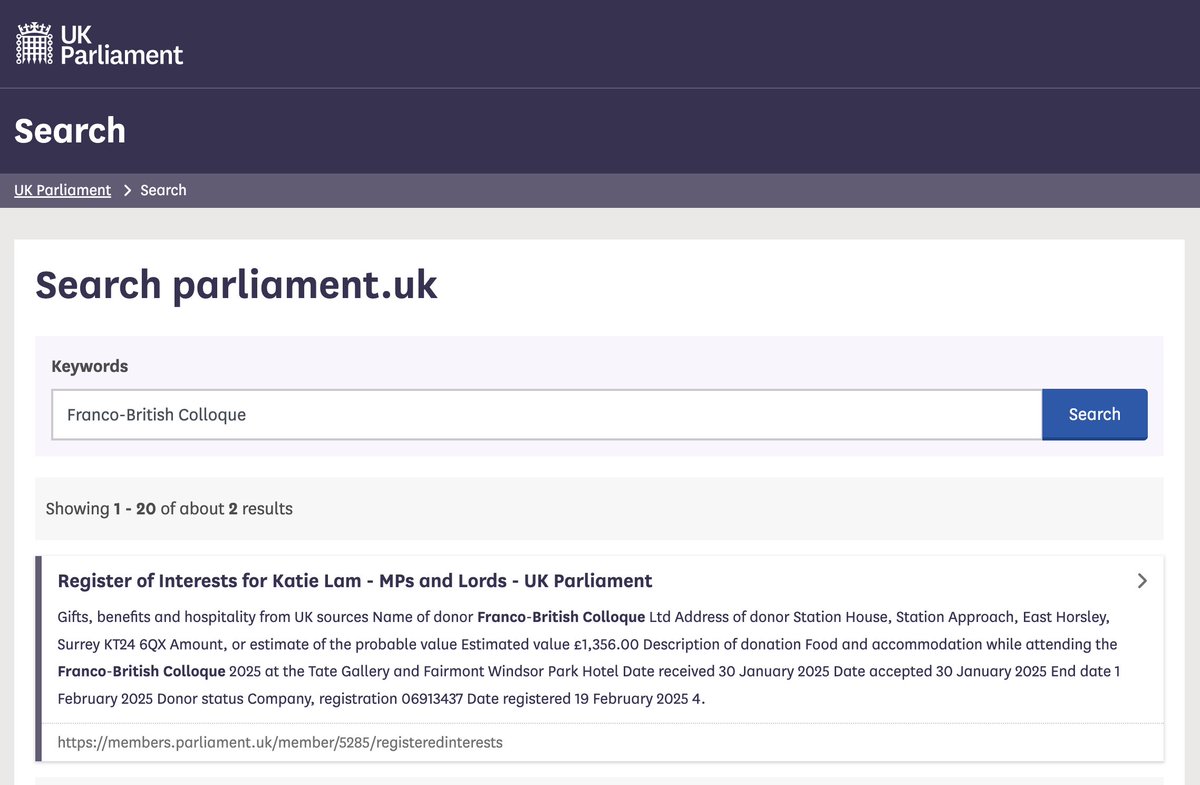
On the 30th of January, Katie Lam accepted under the 'Gifts, benefits and hospitality from UK sources' heading, she stated that an estimated £1,356.00 was gifted to her by Franco-British Colloque.
I had no particular reason to be suspicious of this entry at first. It looked like a standard hospitality type donation of the sort that MPs receive all the time. So I did my usual highlight and search with Google to find out what the company was. It didn't return a great deal of results that were relevant, especially in the top ten.
Only by scrolling down a ways, can you find more compelling returns. The first in the list that caught my attention was a shady government response to a Freedom of Information request [FOI] regarding a civil servant named Sarah Munby.
Following on from that, in the Google returns is an article in the Morning Star from 2017 entitled: The Anglo-French summit MPs don't want you to know about.
OK, now I'm really getting interested.
The article is excellent and is linked below. It highlights the secretive nature of the conference and how previous MPs had failed to declare their attendance at the event — Jo Johnson and Amber Rudd to name but two.
The entire event seems designed to mix MPs and civil servants with high level business and industry lobbyists. The fact that we are not allowed to know the delegates and there are no recorded, publicly available minutes means that it is highly suspect.
I did a search across the Parliamentary website for Franco-British Colloque and the only person who has stated their attendance was Katie Lam. Are we saying that this annual event that brings in members of Parliament was only attended this year by a junior Tory MP? It seems unlikely.
I have submitted an FOI to the Home Office to find out more; previous attempts have not been granted, but it's worth a try.
OK, is that it for Katie Lam? Definitely not.
I was looking at her Wiki page, and it shows the usual brief synopsis with her personal life and career before hitting Parliament … it looked like nothing to me.
Goldman Sahcs; natch. Portland Communications; interesting but nothing odd.
Chief of Staff at AI company Faculty. I almost didn't click the link to Faculty, but I'm very glad I did.
Faculty is a British tech company that's been in business since 2014. On further reading, it turns out that in a 2017 article by the peerless Carole Cadwalladr, Faculty were outed as being complicit in the Cambridge Analytica scandal.
Faculty were intrinsically linked with Cambridge Analytica, paid by the Vote Leave campaign and received vast sums of cash from Dominic Cummings' company, Dynamic Maps.
There are multiple references to Faculty and links to the Conservative government, including being given over £3 million grants between 2018 and 2020. They worked with the Home Office to develop a failed terrorist content blocking tool.
>interjection< On the personal website of Katie Lam MP it says that: in the Home Office, Katie focused on national security (counter terrorism, MI5 oversight and serious organised crime). Coincidence? >interjection<
In further conflicts of interest, the founder of Faculty, Marc Warner's brother, Ben, was included as a political advisor to the SAGE group during Covid.
SAGE was supposed to be an independent advisory group that operated without political interference, but Ben Warner worked with Dominic Cummings on Vote Leave as a computer modeller that helped predict the outcome of the Brexit vote. He then went on to work for Cummings in No. 10.
The interconnectedness between this company and the dark arts of Cummings is clear for all to see.
So this was where Katie Lam began her Conservative career — in the bowels of the Vote Leave campaign, Cambridge Analaytica and under the auspices of Dominic Cummings.
It's unclear how long she spent there, but as Chief of Staff, she must have been highly ranked. It isn't hard to see how she then became a special advisor to Boris Johnson.
I'm not sure if any of this is relevant, but that one entry in her Registered Interests gave me a tiny whiff of suspicion, and some collating of research shows that she has a background steeped in the Tory dark arts.
Her increased media presence is making me think that she's being readied for something greater than her current role of Opposition Assistant Whip (Commons), and her elevated media status comes off the back of her de rigueur, anti-immigration sentiment.
The Conservatives are running an excellent Punch and Judy show at the moment for who may become the next leader — Jenrick, Badenoch or Philp — but I'd keep an eye on the MP for the Weald of Kent.
She appears to be media-friendly and may have the backing of some prominent forces behind the scenes.
morningstaronline.co.uk/a-bf…
28
63
196
10,674

12 Aug 2025
Well, you need to know that the economy was never run by Carney, Harper, Gordon Campbell, goldman Sahcs, koch industry until the lil frat party in #ottawa took free tickets to Huawei-passport China, via a KPMG isle of man scam, tied to Khan Island and a villa in France.
1
1
2
119

11 Aug 2025
Al conocer la estructura de poder por medio de la cual la élite influye en Venezuela, no tengo que creer en cuentos: Tengo que ver cada dia cumplirse lo que ya se durante muchos años. Ver permanecer el régimen y trasladar sus riquezas a GOldman sahcs y otros.
1
2
58
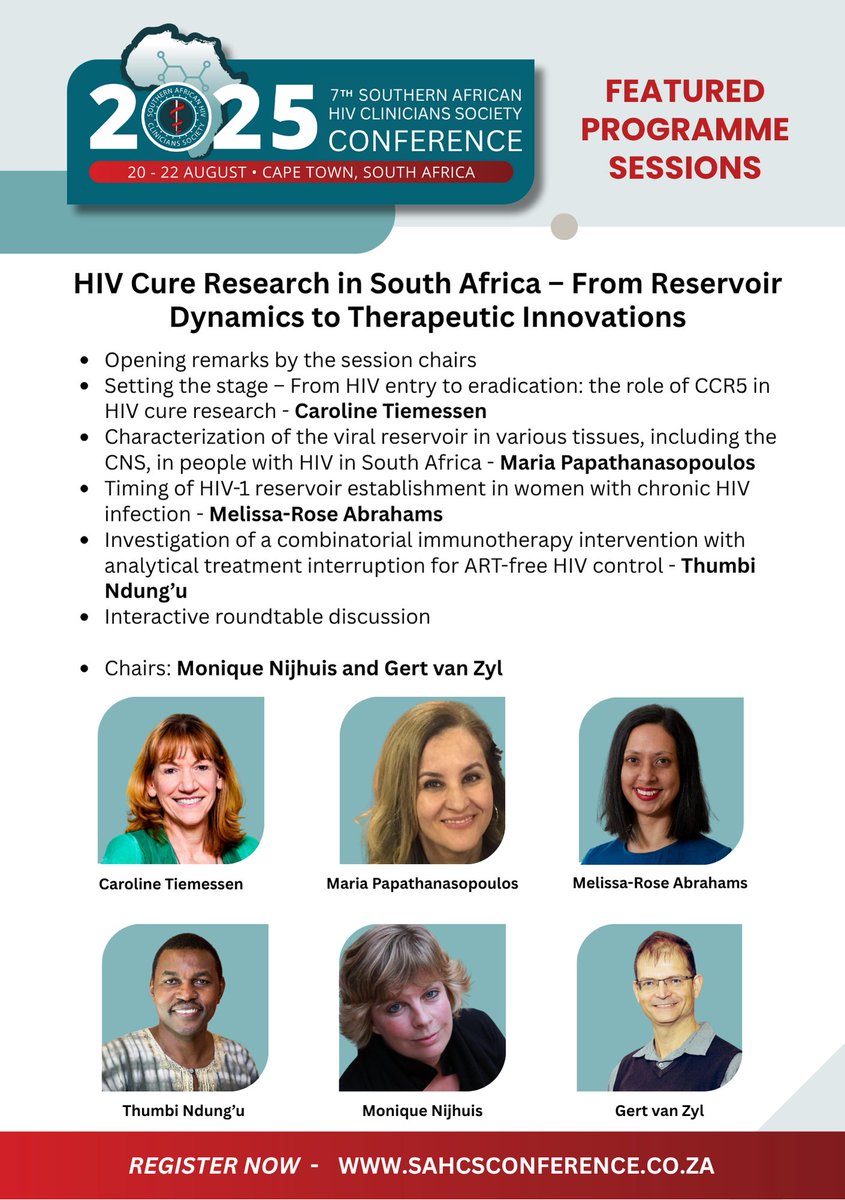
#sahcs2025 - Don’t miss the opportunity to attend the SAHCS Conference this year. Register today
Visit: sahcsconference.co.za/ #hivcure #HIVResearch #HealthcareProfessionals #changinglives @SpotlightNSP @Bhekisisa_MG @HealtheNews @Nmphothulo
1
7
365

4 Jul 2025
(音译稿) 访谈萨克斯教授:《美国以色列阴谋 Vs 伊朗》
大家好。安德鲁·纳波利塔诺 (Andrew Napolitano) 法官在这里为审判自由。今天是 2025 年 6 月 30 日星期一。如您所见,Jeffrey Sahcs 教授现在加入我们。
主持人 Napolitano 法官问道: Sahcs 教授,很高兴,我亲爱的朋友。谢谢。我想和你谈谈以色列和美国之间针对伊朗的合作——如果你愿意,你可以称之为阴谋。但是,在我们这样做之前,我们能否平息总统昨天(周日)在福克斯商业频道(Fox Business)上所说的话,他再次吹嘘他的炸弹——他用了这个词——完全摧毁了伊朗的核能力。这是真的还是不是真的?
萨克斯教授 说: 那显然是错误的。这绝对是错误的。伊朗并没有坐视其浓缩铀等待这一切发生。几乎可以肯定,它把它偷偷地泄露到了其他网站。毫无疑问,伊朗仍然有能力。它并不想这样做,但它有能力用浓缩铀制造原子弹。它仍然有离心机。
一些人说,如果伊朗选择推迟几个月,那这个时间表就会倒退。我什至不确定。鉴于我们听到的所有分析,根本无法得出结论,即这结束了伊朗的核能力。但事实并非如此。
现在,我认为同样重要的是,伊朗已经明确表示了 20 年。我今天与一位伊朗高级外交官进行了讨论。他们不想要原子弹。他们不想要他们的负担。他们不想以这种方式让自己成为核战争的目标。他们不想要它们。但他们不想被以色列的凶残政府推翻。这是一个问题。上周,以色列政府企图杀死伊朗领导人,以色列政府是一个流氓国家,是整个地球上最危险的国家。不仅是最高领袖,还有政府官员。他们成功谋杀了许多人,但他们在政权更迭行动中没有成功。
然后是美国对这些地点的轰炸。在我看来,它并没有改变核计算的任何事情。但就潜力而言,它使一切变得更糟。当我说它没有改变任何事情时,它并没有改变伊朗生产原子弹的能力。或者顺便说一句,为了从别人那里得到它们,它所做的只是让情况变得更加危险。因为现在没有进行检查。毫无疑问,伊朗人知道,他们是一场非常致命的政权更迭行动的目标。他们知道美国是其中的一方。他们知道欧洲国家基本上都是美国的附庸国,所以不会自己说一个字。所以他们知道他们是暗杀和政权更迭的目标。这并没有使今天的情况比上周更安全。它使一切都变得更加鲁莽和危险。
主持人 Napolitano 法官问道: 所以我想答案也是否定的。当特朗普总统吹嘘时,就像他昨晚所做的那样,伊朗就在几周后了。国务卿赫格斯(Hegceth)在研制核弹时也说过同样的话。这没有根据。这只是政治上的喧嚣。
萨克斯教授 说:如果伊朗想疯狂地冲刺炸弹,它过去本可以这样做。我认为现在大家都明白了,许多年前有一个宗教裁决,即伊朗不想要核弹。多年来的谈判中,伊朗都说,我们交出我们的核材料。我们敞开心扉接受检查。我们不要炸弹。我们不希望单方面裁军,因为以色列人会谋杀我们。
所以他们不想被内塔尼亚胡和他的歹徒谋杀。但另一方面,他们不想要炸弹,尽管以色列当然有很多核武器。如果说在原子武器方面存在一个流氓国家,那当然是以色列。
纳波利塔诺法官问道: 为什么没有就此进行对话?为什么在美国或国际上没有关于以色列如何在没有签署不扩散条约、没有允许任何检查、基于窃取的信息的情况下拥有核武器,而伊朗却不允许拥有核武器的全国性对话?那是什么样的正义呢?
萨克斯教授 说: 以色列不仅拥有核武器,而且它不仅不是不扩散条约的一部分,当然,以色列所做的任何事情都没有国际核查或检查。全世界都在讨论,只是在美国及其在欧洲的附庸国和以色列没有。所以这是一个游戏,它是终极的双重标准。但顺便说一句,这就是帝国的一部分。美国的政策是不要假装有一条一致的路线。美国人和以色列人想用他们的方式说,“有规则,规则适用于你。我们想做什么就做什么,不会忘记。这并不是隐藏的,这是整个想法的一部分。也就是说,如果你不遵守我们的规则,我们会杀了你。我们是认真的。我们不必遵循它们,我们不必有国际标准,但我们有规则,这就是所谓的基于规则的秩序。美国为其他国家制定规则,而不是为自己制定规则。
因此,世界各地都在讨论,但在美国,没有,这又回到了我们的国内政治。这又回到了犹太复国主义对美国政治的控制,请记住,它既是犹太运动,也更像是基督教福音派运动。
在这一点上,犹太社区比基督教福音派更分裂,基督教福音派在投票权和特朗普的基础方面远远超过犹太人。但是,美国投入了大量资金来确保美国国会 100% 服从,并且无论谁入主白宫,都明白他们的工作就是按照以色列的话去做。
纳波利塔诺法官问道: 伊朗还是以色列,哪个国家在这场为期 12 天的战争中结果更好?
萨克斯教授 说: 两者都输了。以色列遭受了巨大的损失,在海法、贝尔谢瓦、特拉维夫、铁穹和系统的其他部分多次直接命中,因为这只是以色列防空系统的一个组成部分,多次失败。伊朗拥有可以穿透以色列防空系统的导弹,以色列受到了沉重的打击,但未来可能会受到更严重的打击。所以以色列遭受了很多苦难。
当然,伊朗也遭受了很多苦难。很多很多平民死亡,一场失败的政权更迭行动实际上谋杀了许多伊朗军事领导人,也谋杀了许多伊朗科学家。这对伊朗来说不是一件小事。这也是一个重大损失。这并不奇怪。战争是一个双输的命题。不是像这些歹徒那样,这些政坛大人物自己不会承担后果。他们让其他人因他们的行为而死亡,但双方都有人死亡。双方的损失都非常严重。双方的漏洞都非常严重。以色列对此没有罪恶不罚,每次这样做都会受到越来越大的打击。
以色列可能已经说过了,根据一些故事,我不知道是不是真的,可能已经向川普保证过,别担心,这是 24 小时的行动。我们谋杀了整个政府高层。我们很快就会成立新政府。一切都会顺利的。这显然根本没有发生,辩护也没有按照以色列审查员希望我们相信的方式运作。
第二天或第三天之后,以色列进行了直接的军事审查。我们没有看到所有的破坏,但人们发布了很多破坏,我们知道这对以色列来说是广泛的、非常、非常真实的,而且非常危险。
但这也是,哦,对不起,只是想说以色列已经发动了 30 年的战争,并将美国卷入了 30 年的战争,但这并没有改善以色列的安全。这就是讽刺。
美国也是如此。我们可能是世界历史上最安全的国家,但我们比以往任何时候都更接近核末日,因为我们公然、公然不负责任地将我们推向悬崖边,因为我们根本没有公平竞争。我们每天都在欺骗一切。每一天都是谎言,每一天都有可能将我们推向核边缘,无论是与俄罗斯还是与现在拥有核武器的许多其他国家。
这是我们面临的唯一风险,但我的意思是,我们没有以真正保护我们的方式对待总统和深层政府,尽管我们应该成为全世界最安全的人。但正如我们原子科学家在他们的世界末日时钟中告诉我们的那样,我们绝对是自核时代开始以来最接近核战争、最接近自我毁灭的时期。我们只是在吹嘘它,因为我们似乎无法理解如何与其他国家建立稳定、诚实、真实、和平的关系的基本事实。
纳波利塔诺法官问道: 特朗普放弃这些地堡破坏者给美国带来了什么?
萨克斯教授 回答说: 我认为他们想试试这些炸弹。他们想看起来很强硬。
特朗普说这是世界历史上最伟大的轰炸,或者他将其与广岛和长崎相提并论,这本身对任何总统来说都是一件了不起的事情,特别是如果一个人碰巧了解广岛和长崎的历史,因为历史并不像过去 80 年每个学生都被告知的那样,它在世界大战结束时从入侵日本的手中拯救了美国人的生命。
真实的故事是日本乞求投降。它想让美国皇帝说我们要先投下炸弹,因为杜鲁门主要想向斯大林大展拳脚。它没有挽救任何美国人的生命,因为最后美国说是的,皇帝无论如何都会留下来,而且这些炸弹都不需要投下。
但我要指出的是,特朗普刚刚说,“不,我不应该做这种比较。但随后他做了比较。这不是偶然的。他正在膨胀。他想说,“看看美国有多强大。我们可以做我们想做的事。我们可以炸毁你。
所以这就是他认为自己得到了的。但事实上,它实际上并非如此。美国不能为所欲为。世界上很多人都非常非常了解这一点。我们越是这种膨胀,美国就越不可能在任何实质性问题上与任何其他国家达成任何形式的严肃协议。这对美国人民来说,拥有一个完全不被他人信任和不信任的政治制度是极其危险的。
纳波利塔诺法官问道: 我稍后会问你关于美国和以色列合作对抗伊朗的性质和程度。但在我这样做之前,我希望你看一个相当非凡的大卫·巴尼亚(David Barnea)的视频,你知道他是谁,摩萨德的头目,感谢中央情报局和中央情报局局长的一切。我不知道为什么这家伙允许自己被录像这样做,除非他打算与内塔尼亚胡竞选总理。但这是另一个话题了。但请看这个,然后我会问你关于合作的性质。Chris,第六剪。
摩萨德负责人大卫·巴尼亚 (David Barnea) 说: 我还要对我们的主要合作伙伴中央情报局 (CIA) 的联合行动和执行的任务表示赞赏和感谢,还要感谢中央情报局局长,他们支持摩萨德做出正确的决定,最终使这次行动成为可能。我们将继续密切关注伊朗的所有项目,我们以最彻底的方式了解这些项目。我们将一如既往地在那里。但我们不能忘记,加沙地带仍有 50 名人质,30 名死亡,20 名活着的人质,我们的道德和伦理义务将他们带回我们的边境。我想再次感谢你们所有人,并告诉你们,你们是历史的一部分,是摩萨德已经做过和将继续做的事情中令人难忘且不可分割的一部分。继续与我们在 IDF 和 Shin Bed 的合作伙伴并肩工作。通过这种方式,我们将继续为以色列人民带来巨大的成就。所以非常感谢大家。干的好。 真的做得好。
纳波利塔诺法官问道: 你对此有何看法?
萨克斯教授 回答说: 首先,25 名人质,他们每天杀害 50 到 100 名无辜的巴勒斯坦人。他们每天杀死 50 到100 名无辜的巴勒斯坦人,将他们引诱到食品店,然后故意射杀他们。我们从以色列媒体最近几天报道的以色列国防军士兵的证词中了解到这一点。他们正在我们眼前大规模屠杀巴勒斯坦人。
这个人谈到了道德和伦理责任。这个人是一个大规模杀人犯。那是摩萨德的工作。现在,摩萨德和中央情报局有着非常牢固的关系。他们在世界各地的许多业务中都紧密相连,尤其是在中东,但在其他地区也是如此。这是美国外交政策的一个非常关键的部分,也是美以关系的一个非常关键的部分。摩萨德与中央情报局的联系至少可以追溯到 60 多年前。我们知道。它非常强大。
我总是强调,我们的外交政策是中央情报局,而不是白宫。CIA 是深层政府。它保持长期战略,无论是试图削弱或推翻俄罗斯、伊朗或其他地方的政府。它是一场反对叙利亚政府的长期战争的主导机构,这场战争夺走了数十万人的生命,最终导致圣战政权上台,突然间我们宣布它成为我们出色的朋友和盟友。因为事实上,我们经营的是圣战分子,中央情报局(CIA)是,摩萨德(Mossad)也是,这与随意的想法相反。
所以我对此并不感到惊讶,除了这一切的明确说明之外。那只是一段漫长、专业、致命、可怕的关系。可怕的是,它横跨北非、非洲之角、东地中海和西亚,从利比亚到伊朗,造成了 4,000 公里的暴力活动。这是谋杀,无论是推翻政府的领导人谋杀,还是大规模谋杀巴勒斯坦人,除了制造混乱和谋杀之外,什么都解决不了。
纳波利塔诺法官问道: 如果内塔尼亚胡知道特朗普要么在撒谎,要么在他说它已经完全被抹杀时被严重误导,你期望特朗普下一步做什么?
萨克斯教授 回答说: 嗯,如果内塔尼亚胡有选择的话,还会有更多的战争。甚至从美国的参与中可以明显看出,特朗普自己的支持者与大多数美国人民一样反对这一点。坦率地说,我认为大多数美国人都厌倦了以色列的战争和以色列的谋杀,以及以色列吹嘘暗杀。他们厌倦了它,不是每个人都厌倦了,而是大多数人厌倦了。特朗普的支持者也是如此。因此,内塔尼亚胡将继续做他 30 年来所做的事。他会继续挑衅。他将继续提出任何可能的主张和激励措施,以将美国卷入更多的战争。
特朗普对真正的政治是什么略有了解。特朗普甚至无法激励他自己的坚定支持者支持美国正在做的事情。这就是为什么他不得不过分地说这是多么美妙、光荣、最终的成功,因为他的支持者反对整件事。
如果他说,是的,而且除此之外没有奏效,那整件事就变得绝对荒谬了。
纳波利塔诺法官问道: 什么是——担心特朗普下次会使用核武器是现实的吗?
萨克斯教授 回答说: 我不这么认为。我真的怀疑这一点。我认为,正如我所说,除了核战争之外,美国在世界上没有其他安全风险。我认为,很多仍然发动战争的人真的明白这一点,他们仍然说,哦,我们受到了威胁。我们受到了威胁。我们受到全球恐怖主义的威胁。
请记住对全球恐怖主义的战争,以及美国人是如何被这一切所恐惧的,这从来都不是它所描述的威胁。我不认为我们离这场核战争还很近。但是,如果你推动俄罗斯、朝鲜或巴基斯坦等其他核大国,你肯定会引发一场核战争。
那绝对是——或者中国,显然,我应该提到台湾。另一个电话问题,如果不是美国在这个问题上的挑衅性立场,它永远不会成为现在的问题。因为如果不是美国武装台湾,台湾政客永远不会做他们实际上正在做的挑衅性的事情,其中许多事情使我们更接近美国和中国之间的直接对抗。
换句话说,我不认为这会导致美国首次使用核武器。但我确实相信,它正在引导我们走向一场彻底成为全球毁灭的核战争的真正可能性。
我认为,这就是我想要表达的真正观点,即我们的外交政策是如此反复无常,如此不负责任,如此缺乏真正的国际原则,如此充斥着大量的BS,这就是它对我们来说非常危险的原因。
纳波利塔诺法官问道: 纳塔尼亚胡会疯狂到对伊朗使用核武器吗?
萨克斯教授 回答说: 在某些情况下,是的。如果以色列国在以色列发动袭击后又受到伊朗大规模袭击的威胁,那么是的,这绝对有可能。这是可能引发全球核战争的因素之一。而 Natanyahu 绝对会。这就是以色列拥有它们的原因。以色列认为它可以激怒任何一方。它假装自己是铁穹,其他防空系统为以色列提供绝对保护。现在我们看到这是完全错误的。因此,如果以色列挑起另一次袭击,伊朗发动大规模袭击,威胁到以色列的心脏,人们可以想象这种情况可能发生的多种方式,那么我毫不怀疑以色列会考虑使用其一种或多种核武器。
因此,任何拥有核武器的生存威胁的国家都会这样做。以色列绝对是如此,因为这种心态正在煽动危险,因为它拒绝与阿拉伯世界就 100 年来的核心问题进行任何形式的真正外交。
这是与以色列生活在同一地区并且以色列正在占领的巴勒斯坦人的权利。正因为如此,暴力继续飙升。以色列挑衅。它并不像它认为的那样处于强势地位。
上周,它暴露了自己的脆弱性。它指望美国来拯救它。但我们可以看到,美国可能会说不。别这样。
以色列挑起了人们的信念,相信美国会效仿。美国不遵循伊朗方面的大规模反应。然后以色列觉得自己的生存是一种威胁,它使用了核武器,之后可能会出现巴基斯坦保卫伊朗或朝鲜的许多情况,或者人们可以想象到的许多其他事情,这可能会导致一场迅速失控并摧毁世界的核战争。
这就是为什么我们在这一切中所做的每一件事都是如此难以置信的危险和鲁莽,很难用语言来表达而不脏话。很抱歉。虽然总统使用亵渎性语言,但我们不会以同样的方式使用亵渎性语言。
事实是,我们需要外交。我们需要外交手段来结束乌克兰战争。我们需要外交手段来结束围绕台湾的潜在冲突。我们需要外交手段,在以色列国的同时建立一个巴勒斯坦国,并结束以色列的政权更迭战争。因为这些冲突可能会摧毁世界,不是一步到位,而是一步到位,升级,报复,迫使一方使用核武器,导致核交火,导致世界末日的快速升级。
我可能在之前的讨论中提到过一本书,但我向任何想要在两小时十分钟内准确描述世界如何结束的人推荐这本书。调查记者安妮·雅各布森(Annie Jacobson)将其称为《核战争,一个情景》(Nuclear War, a Scenario)。这是对我所描述的精彩、准确、技术性、令人不寒而栗的描述,这可能发生在这些战区中的任何一个,这就是为什么我们需要外交,而不是游戏,而不是政权更迭行动,而不是林赛·格雷厄姆(Lindsey Graham),我们最危险、最鲁莽的参议员,在以色列袭击和美国打击伊朗时发布游戏。游戏开始,这不是游戏。
最后,纳波利塔诺法官说: Sacks 教授,非常感谢您。感谢您的分析。尽管这其中很多是痛苦的,但我们真的、真的、深深地感激。我知道你现在是半夜。感谢您眷顾我们。祝一切顺利。
萨克斯教授说: 当然。我们下周见。
视频来源:youtube.com/watch?v=S-RoCoNk…

6
697
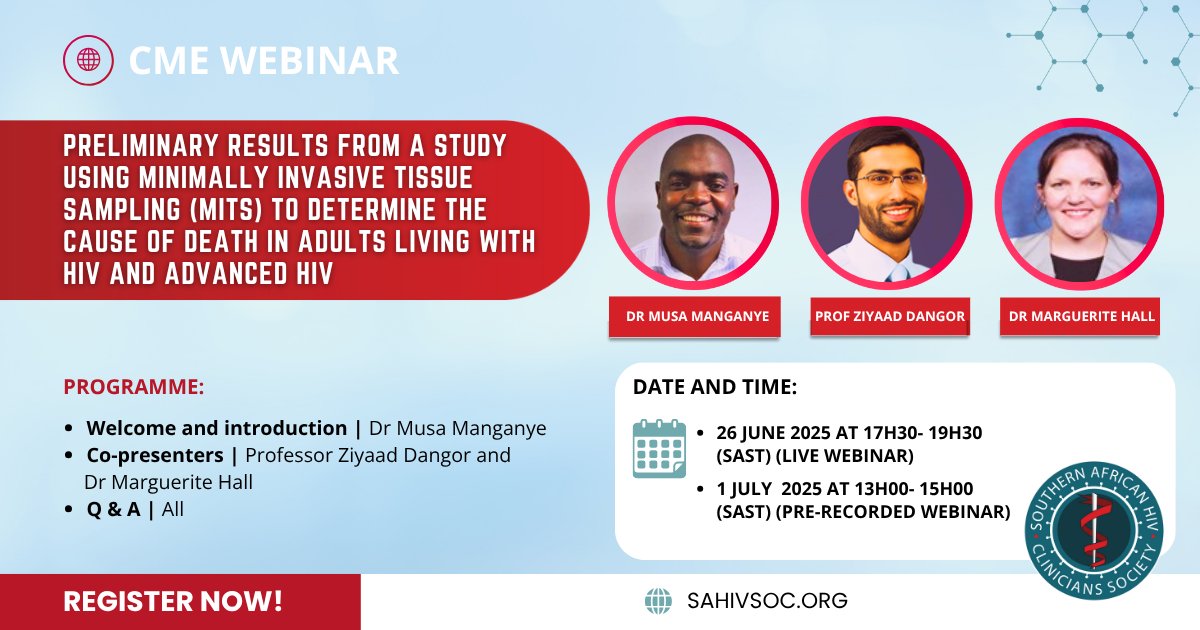
SAHCS invites you to our next CME webinar, presenting preliminary results from a study using MITS to determine the cause of death in adults living with HIV Register here bit.ly/3HQTeeJ for this Thursday and here bit.ly/4l1aP2k for next Tuesday.
4
135
Only 2 months to go! The 7th SAHCS Conference is almost here, and you’re invited to be part of the region’s leading #HIV clinical event.
Join us from 20–22 August 2025 in Cape Town Register here: sahcsconference.co.za/ @SpotlightNSP @Bhekisisa_MG @HealtheNews
1
6
151