
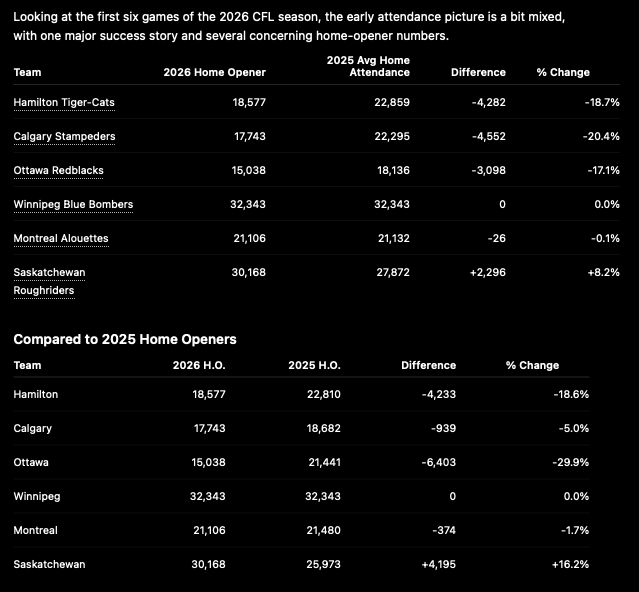
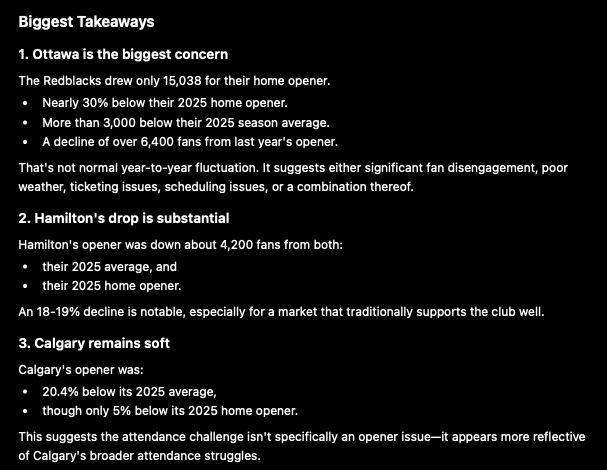
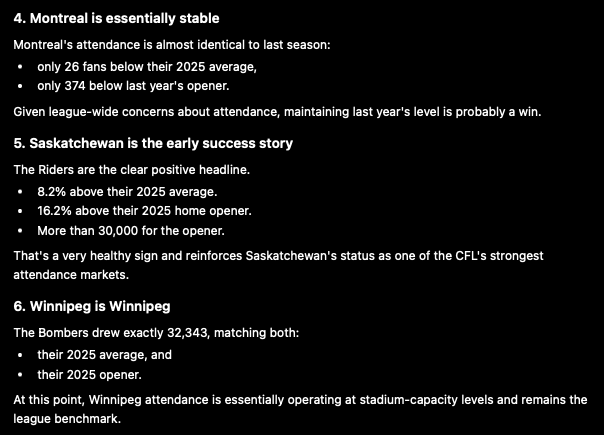
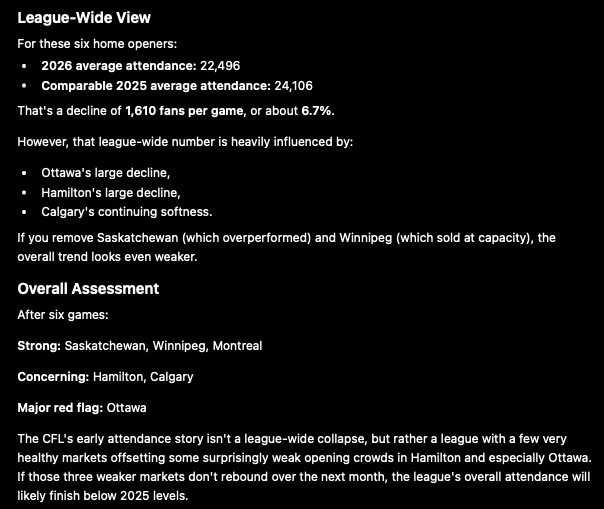
A little analysis of this year's very early/small sample size. Keys to watch though are HAM hosting BC this Friday & CGY hosting SSK on Saturday. Expect MUCH better #'s than their openers!
3
David Krayden retweeted

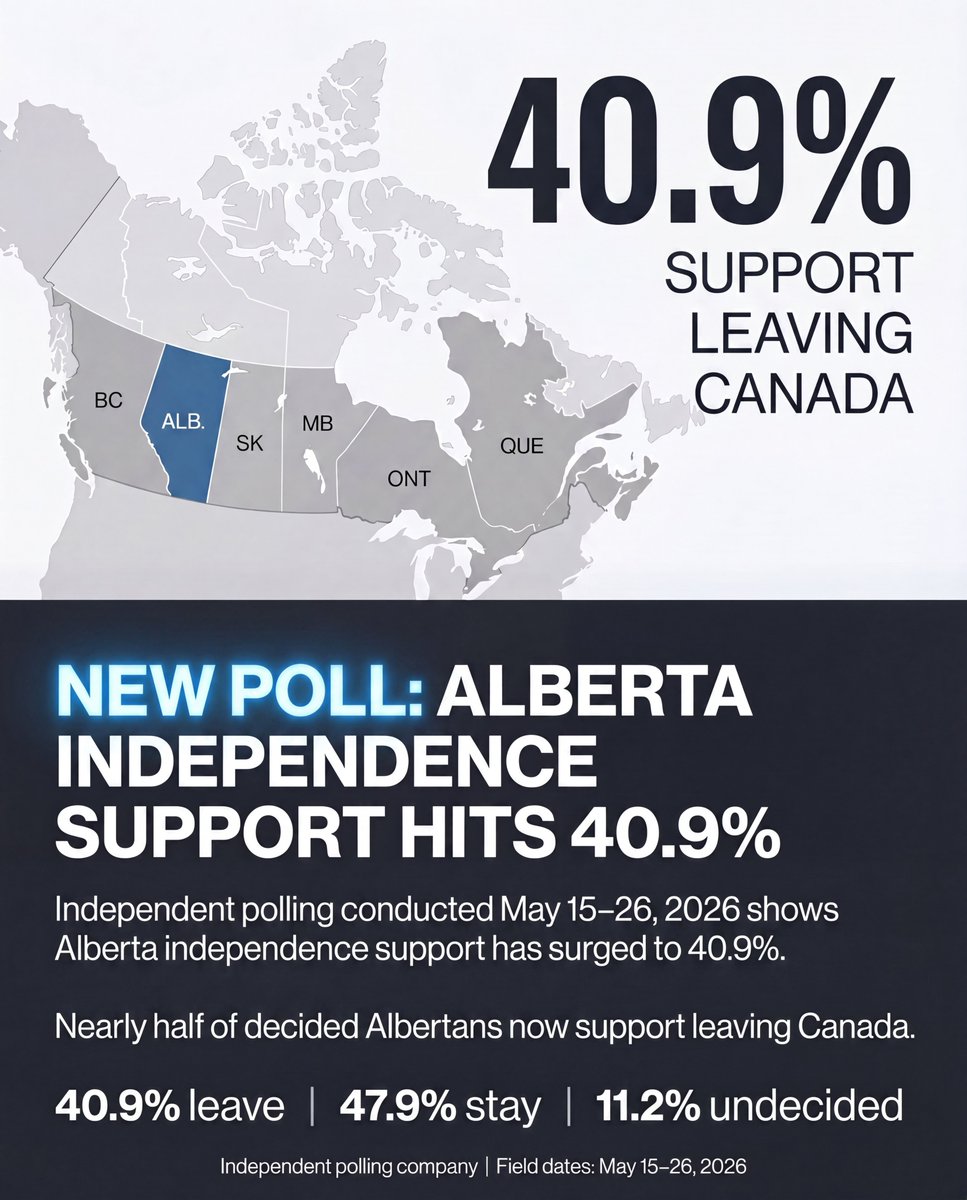
🚨BREAKING: A new independent national poll shows Alberta independence support has surged to 40.9%.
The sample was smaller, but unlike the major polling firms, this wasn’t another narrative-driven poll designed to demoralize the movement.
60
294
1,052
20,946

it’s really only kim parts where it’s meh bc she should’ve went hardcore kim considering the song is literally a sample of HER SONG
1


lmfaoooooooooo omg i wish i could convey how hard im kamala cackling that i personality sniped you from such a small sample size, wow take notes, and give thanks. im giving you gold here
1
1

For the 73 bets you have placed yes - But we have no idea if you are a sustainable long term winner.
That’s why we can’t rely on a 73 sample, and just blindly bet X in all World Cup games with a price below 3.2.
4
Sol 🌻☀️ retweeted

Jun 11
What's Jung Kook's favorite number? We have a few guesses. Watch the @BTS_bighit member sample a mix of Japanese snacks in a special edition of Vogue's #InTheBag here: voguemagazine.visitlink.me/U…
158
11,069
22,761
288,404
BGYO Spotify Team retweeted

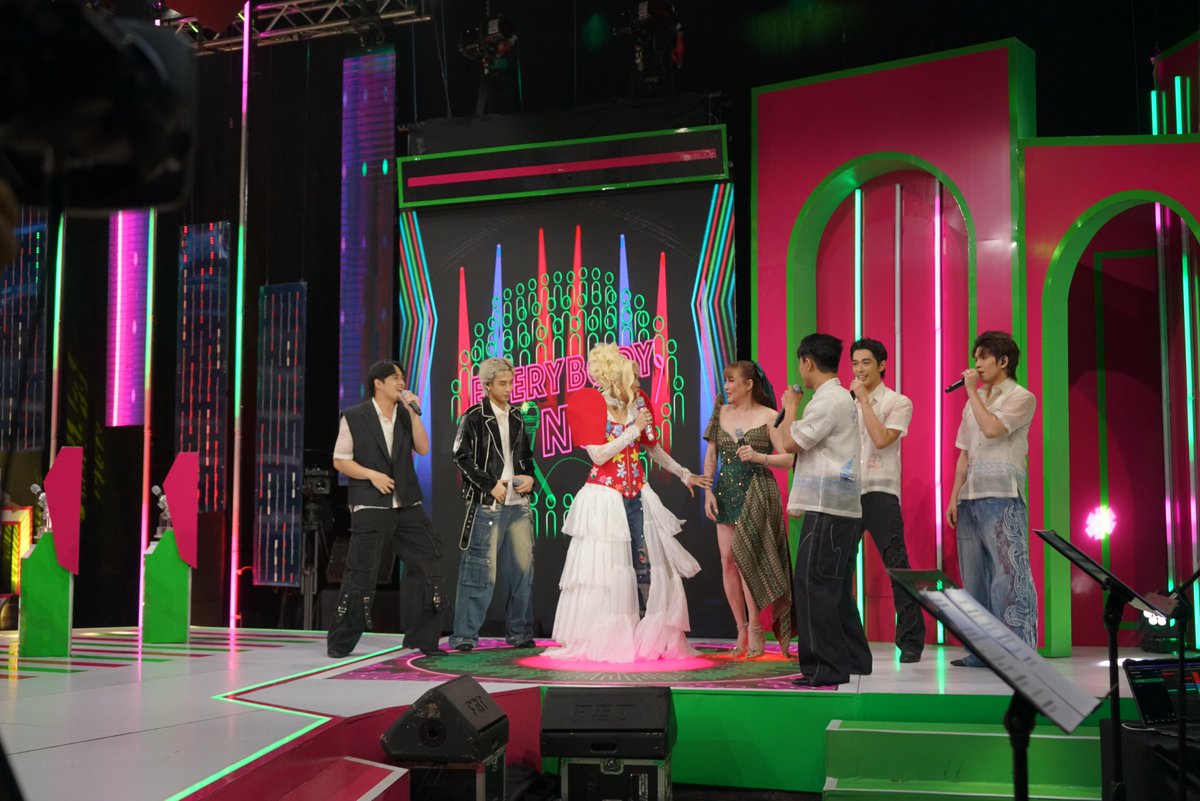
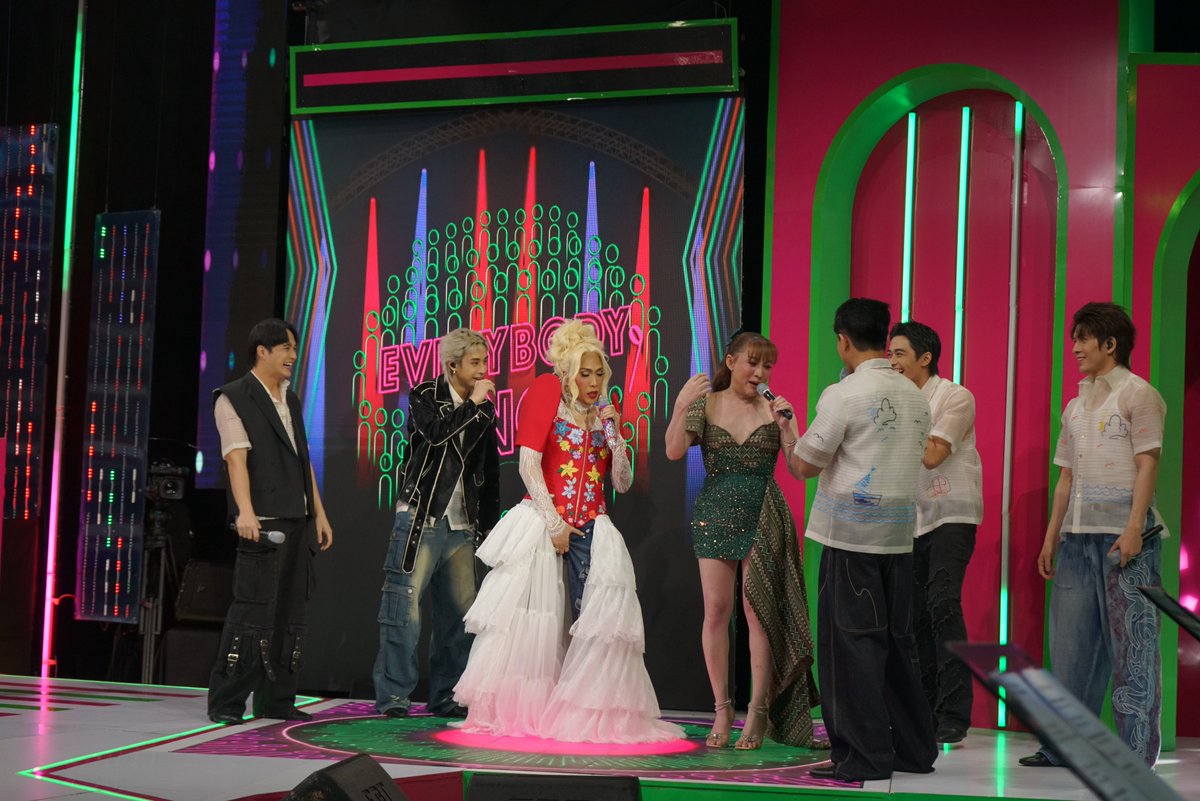
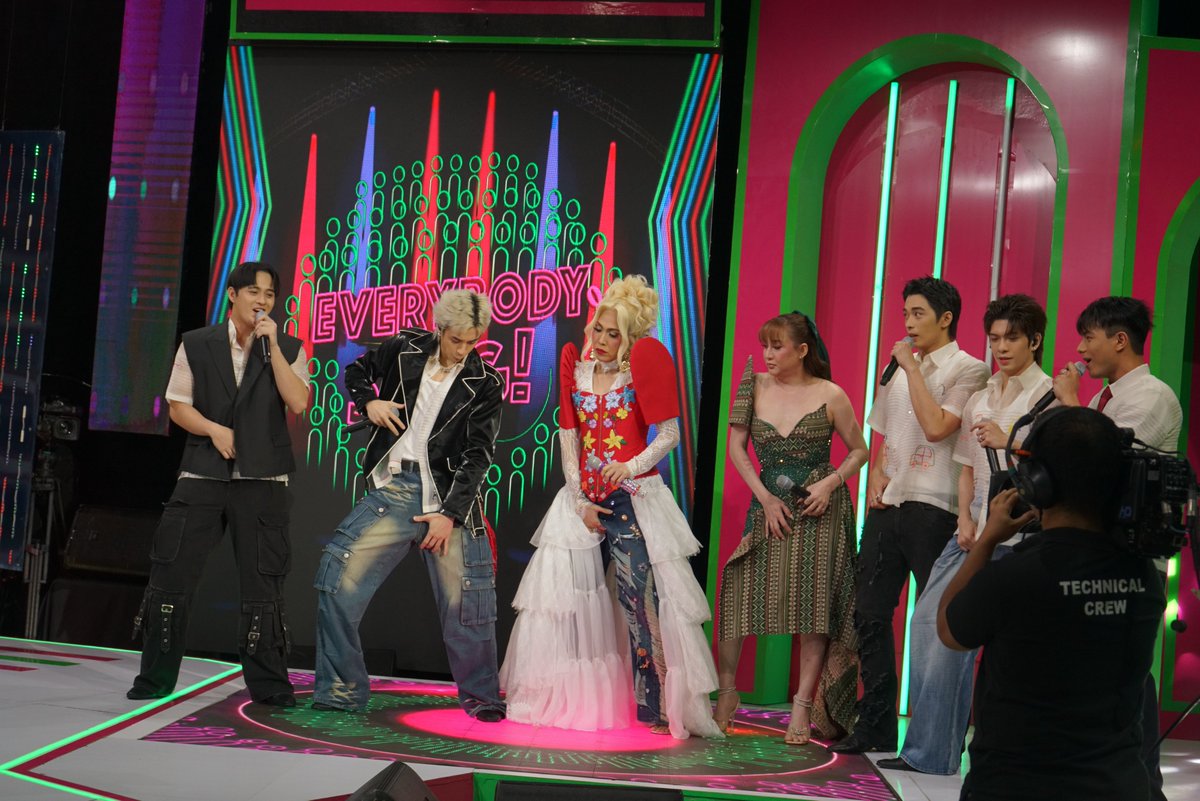
Ang cute ng sample ng BGYO with Meme 😆
#EverybodySingBazaarBites
⏰Saturdays & Sunday | 8:30pm
📺ABS-CBN on ALLTV2, Kapamilya Channel, Kapamilya Online Live, A2Z, iWant, and TFC
51
145
283
2,711

Step 5: Normalize traces with a strong LLM (few-shot examples from validated data) into training format: goal, state recent trajectory, decision point, rejected vs chosen action rationale, expected result, outcome label, and suggested next decision. Spot-check a small random sample of normalized traces before inclusion. Store both SFT examples and preference pairs.
Step 6: Hold out a stratified set of decision traces for offline mid-task judgment evals. Additionally maintain a small set of live interactive tasks for periodic human preference comparisons.
Step 7: Fine-tune or preference-tune on the curated data, emphasizing mid-trajectory decisions under partial information.
Step 8: Measure progress via reduced intervention rate (overall and per task difficulty tier), decision eval performance, end-to-end task quality, and average expert review time per intervention. Iterate data collection continuously with the improved agent.
8

mm yeah, reminds me of how cs pacat was posting captive prince on livejournal for us to sample the work. i remember commenting on the og drafts ages ago. and i did buy the ebooks. now i have to be suspicious of that process? fml
4

Karthik Rodda karthik retweeted

Jun 13
10M ra kodakalara 🔥🥵
Edhi just sample a ra kodakalara🔥🦅
#OG真人
 FrootY🦁

As promised, he will. The timing, he will let us know. Once @Sujeethsign returns from abroad, we will discuss.
#OG2
2
3
32

he’s not a good self creator. he had less than a 50 game sample size as an important option and he was poor as one. in addition, his defense slipped when tasked with a bigger offensive role
4

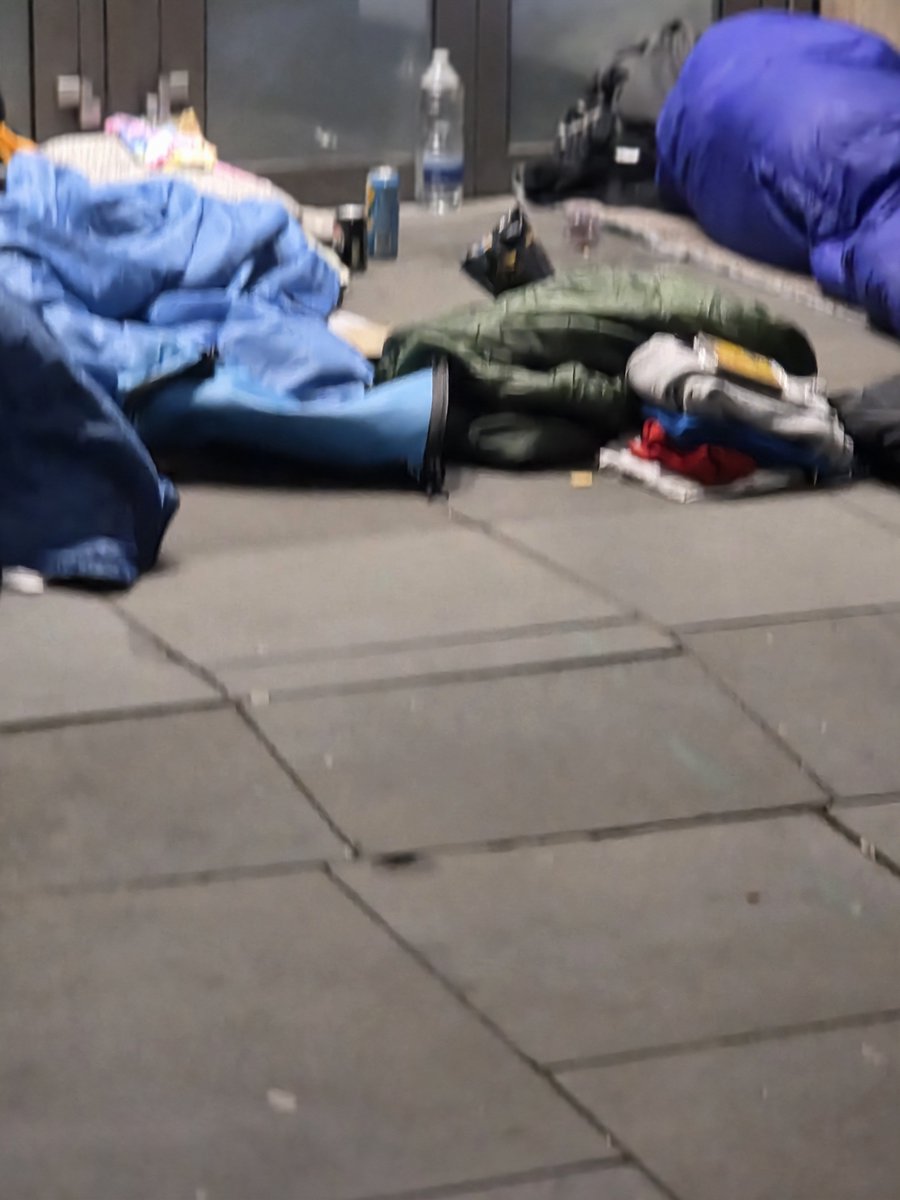
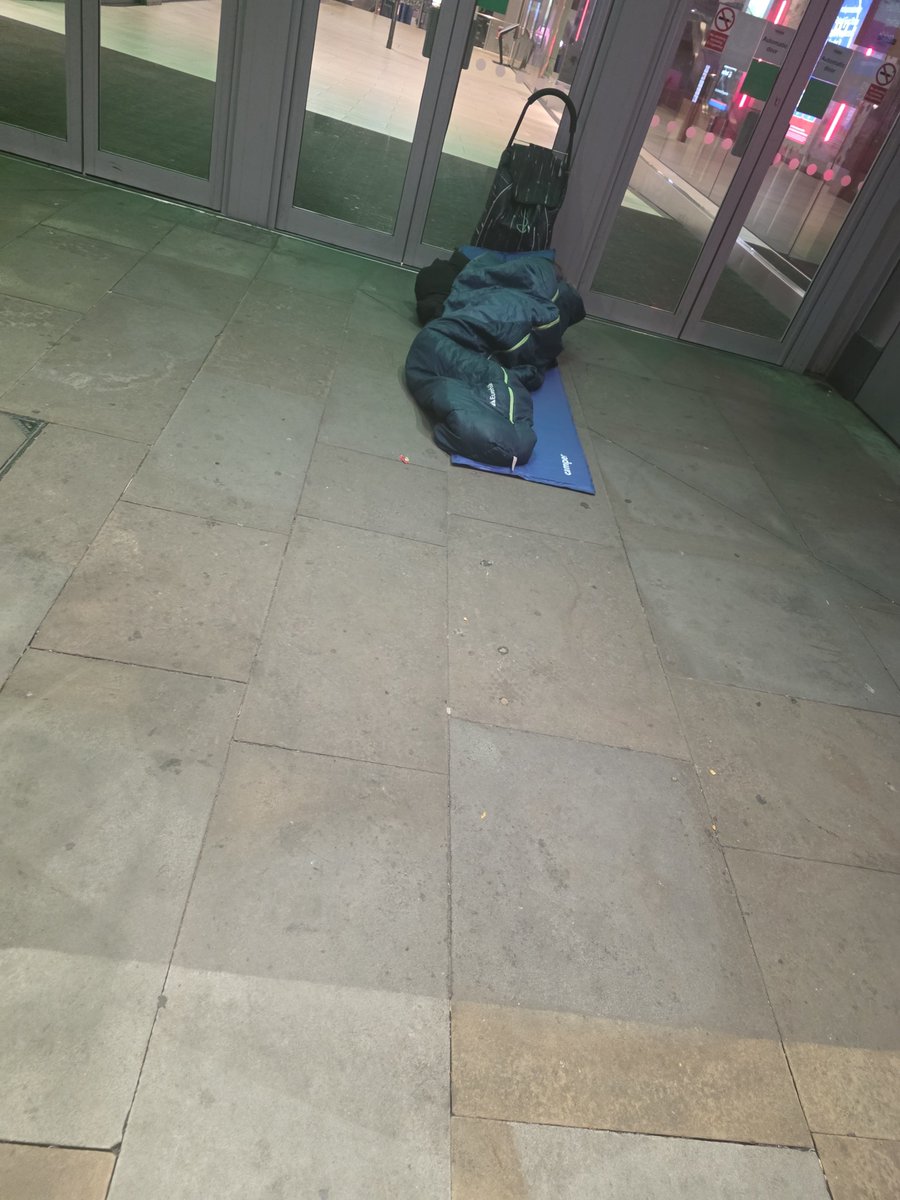
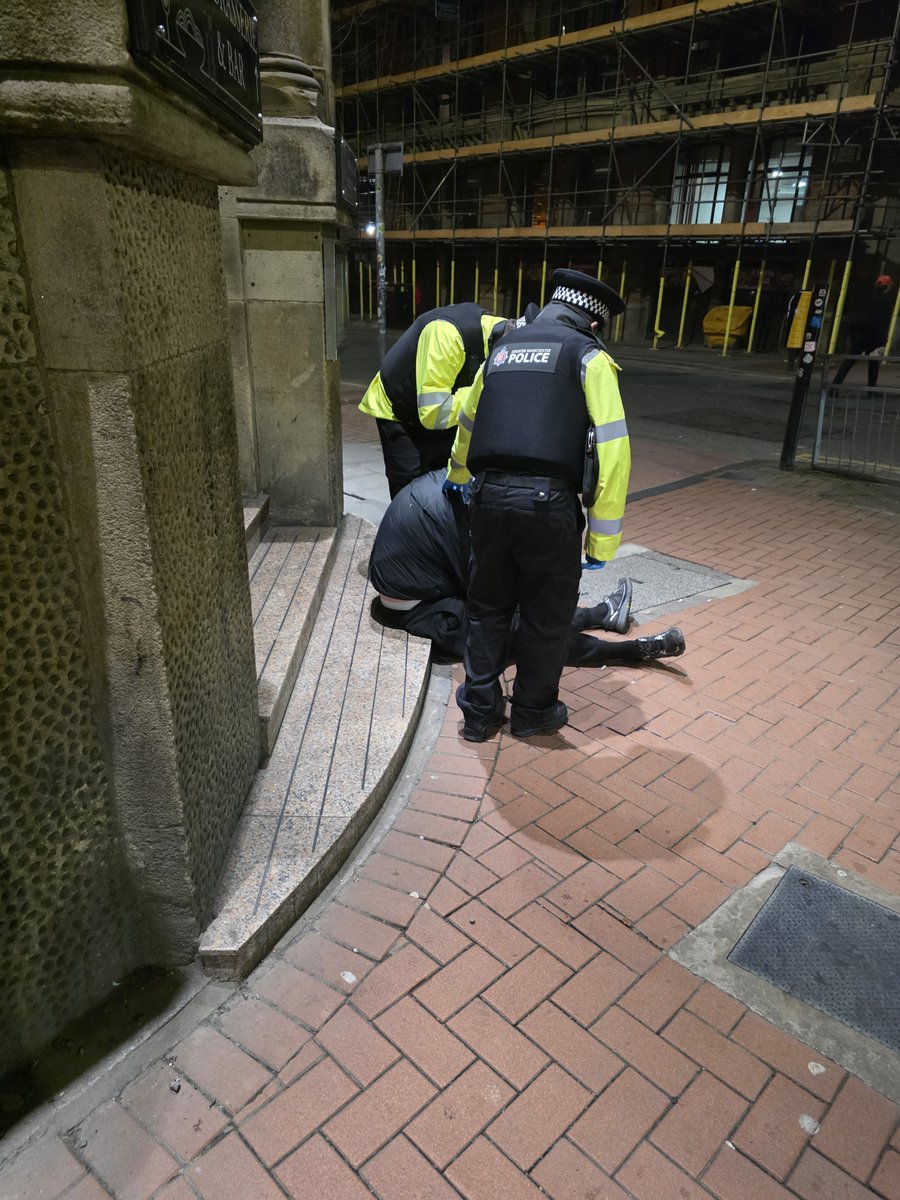
tried to stand in Blackley and Middleton South but most Greater Manchester doesn't like him.
This is just a sample of the future of Makerfield under @AndyBurnhamGM
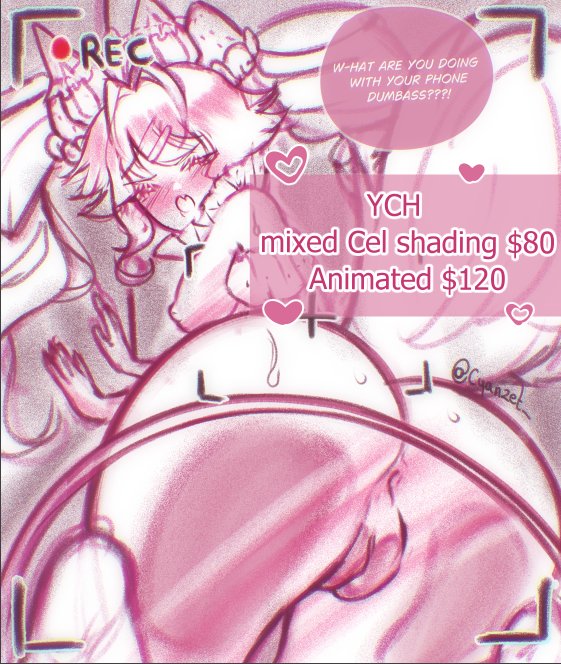
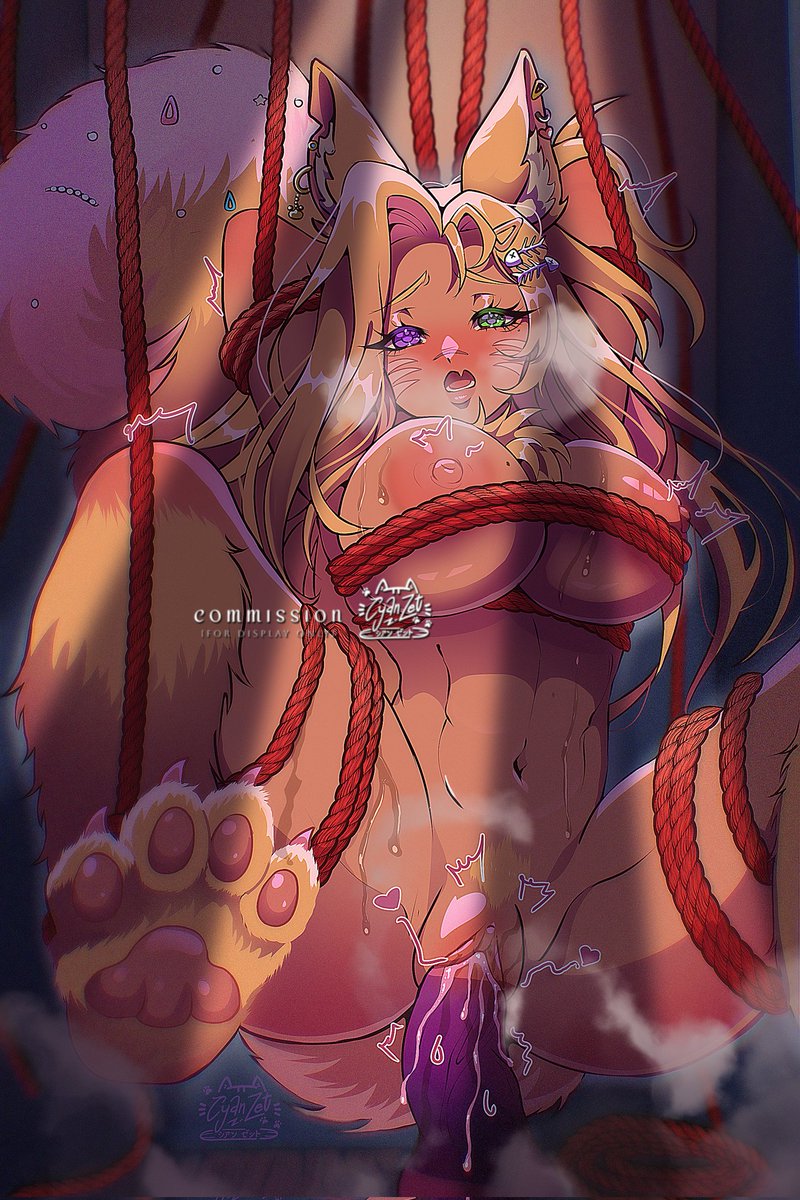
CYAN-ZET 🎀 ✨ ◤ ᴠᴀʀᴛɪꜱᴛ ◥ ✨🎀 retweeted

#2 June YCH
Everything's better with no underwear 👀
Ty to krel for the oc as a sample 💕
>Mixed cel shading for $80
>Animated for $120
-sitting
-blinking
-hair bounce
Second pic is for art style ref*
#ych #nsfwtwt #commission
1
2
3
165

A sample of the new shiz....
Also, Dwight Mann making an on screen appearance on drums. 🤘😂
-Brad
#crematethemessiah
#jacksonguitars
#espltdbassguitars
#dwightmann
2
Nige retweeted

16h
🇦🇺 Who are you planning to vote for in the next federal election?
*Repost for a larger and more accurate sample*
92%
🟠ONE NATION
4%
🔵LNP
2%
🔴ALP
2%
Other (comment below)
517 votes • 7 hours
71
570
578
11,294

Your definition of “Insanely stupid” = ??
Anything over $6M for me given his play anywhere close to that really only began in early November 2025. I like him, but this is how buyouts begin… small sample size of outstanding play just prior to the cash register.
3