Itsiitsu | #CC1 SUN C45-48 retweeted

Jun 14
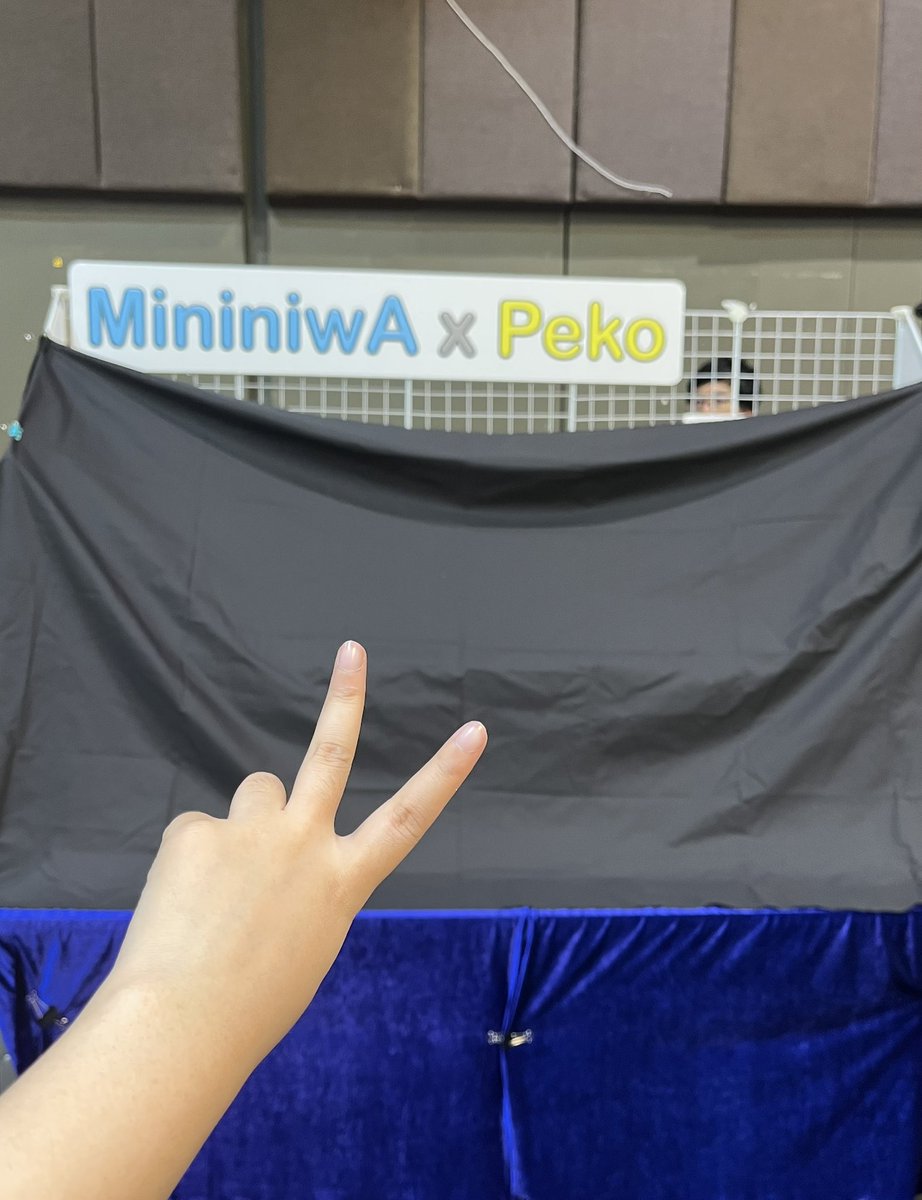
เซ็นทรัลลาดพร้าวทัก วันนี้อยู่งาน Comic Mania นะคะ บูธ Sc09-10 แวะมาทักทายได้น้า🩵✨
#ComicMania1 #CM1 #ComicMania



1
3
7
613

#ComicMania1 #cm1
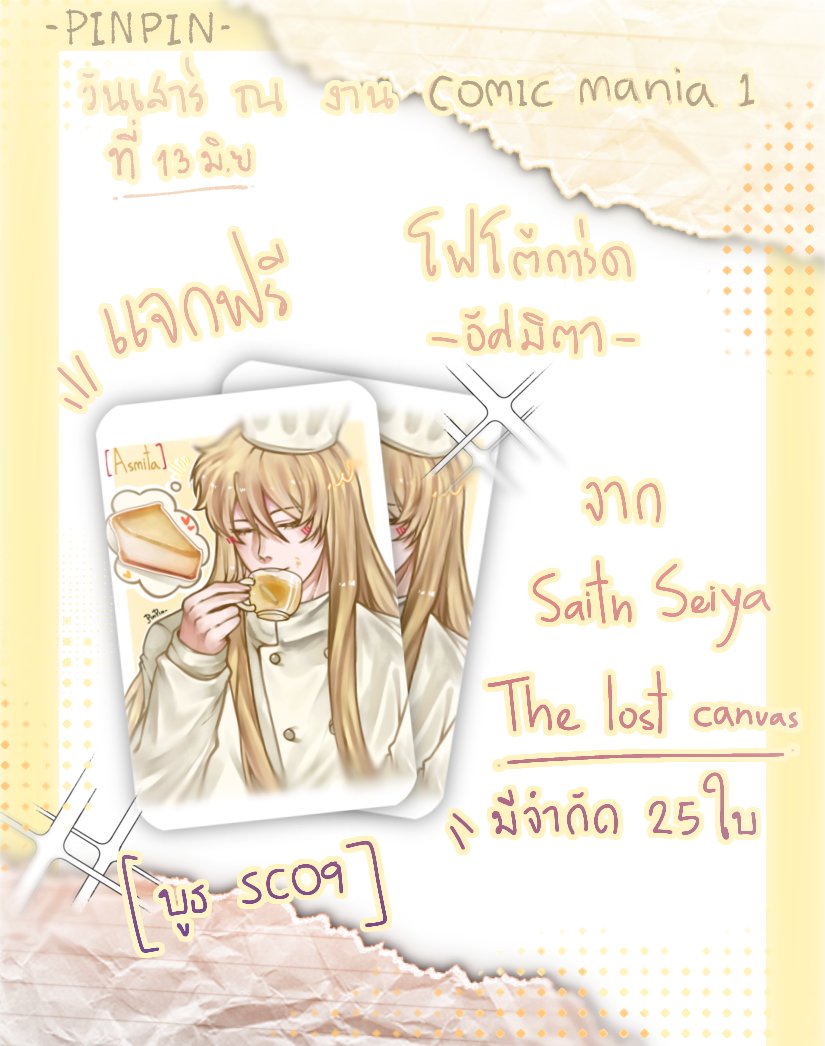
ปิ่นได้สั่งทำโฟโต้การ์ดท่านอัศมิตาไปแจกด้วยที่บูธ SC09 ในวันเสาร์เท่านั้น แต่ปิ่นไม่ได้ไปงานนะคะ🐶
ปล.ใครเป็นชาวด้อมเซนต์ที่ไปเที่ยวงานนี้ก็แวะมารับได้
14
34
1,488

SC09 | Ghế sân vận động Hòa Phát #ghevanphong #banghevanphonggiare #noi... youtube.com/shorts/iy-0y3CO-… qua @YouTube
21


May 28
9:04am EDT: Moon in Scorpio quincunx Vesta in Aries. Continuation of the Finger of God with Uranus and Neptune. Spring is here, like a phoenix rising from the ashes! What will you be planting in your garden? 06°Sc09' D 06°Ar09' D
8
35
1,119

Apr 18
普段から愛用しているペンダント
。工房は群馬県の桐生市にあるらしい。
【クロス以外の作品 ピースマークのペンダント sc09 ロングセラーです】ハンドメイド・クリエイター作品のマーケットプレイス Creema creema.jp/item/2975466/detai… @Creema_jpより
8
100

There is no requirement under U.S. law to obey an unconstitutional statute and then “sort it later in court.” An unconstitutional law is treated as void ab initio (invalid from the moment of enactment, as if it never existed). It imposes no duties, confers no rights, and creates no legal obligations. Citizens are not bound to comply, and courts have no authority to enforce it. This principle allows individuals to refuse compliance and raise the unconstitutionality as a complete defense when challenged (e.g., in a criminal prosecution or enforcement action), without needing prior obedience or a separate pre-compliance lawsuit.49
This doctrine stems from foundational U.S. Supreme Court precedents (e.g., Marbury v. Madison, 5 U.S. 137 (1803); Ex parte Siebold, 100 U.S. 371 (1879); Norton v. Shelby County, 118 U.S. 425 (1886)), which state courts nationwide have repeatedly adopted and reaffirmed. State courts routinely cite it to dismiss charges, invalidate actions taken under such laws, or declare that no one can be punished for “violating” a non-existent statute. Below are examples of state court decisions (or direct citations within them) from different states explicitly reaffirming this. I have limited it to verifiable cases from distinct states, drawing from court opinions that quote or apply the “no duty to obey / void ab initio” rule in contexts where compliance is not required.
Wisconsin
Bonnett v. Vallier, 136 Wis. 193, 116 N.W. 885 (1908): “No one is bound to obey an unconstitutional law and no courts are bound to enforce it.” The court held that an unconstitutional statute is wholly void and ineffective for any purpose.
Louisiana
State ex rel. Parker v. Skinner, 148 La. 143, 86 So. 716 (1920) (reaffirmed in State v. Rawls, No. 27888 (La. 1930s context) and later cases like State of Louisiana v. Terrance James, 2019-K-0715 (La. App. 4th Cir. 2019)): “An unconstitutional statute is null and void, has no legal existence whatever, [and] is no statute.” Prosecutions under it fail because the law never imposed any duty.
Montana
Ex parte Anderson, 125 Mont. 331, 238 P.2d 910 (1951) (quoted in State v. Sedler and related 2019 Montana Supreme Court briefing): “‘An unconstitutional law is void, and is as no law. An offense created by it is not a crime. A conviction under it is not merely erroneous, but is illegal and void.’” No duty to obey; convictions are void from inception.
Mississippi
Tatro v. State, 372 So. 2d 283 (Miss. 1979) (reaffirmed in later Mississippi Supreme Court cases, e.g., 2025 death-sentence context): “An unconstitutional law is void, and is as no law.” Applied to hold that no one can be punished under a void statute.
Nebraska
Rath v. City of Sutton, 267 Neb. 265 (2004) (and State ex rel. Stenberg v. Douglas Racing Corp., 246 Neb. 901 (1994)): “An unconstitutional statute is a nullity, is void from its enactment, and is incapable of creating any rights or obligations.” Actions taken under it (or refusal to obey it) carry no legal force; the law never existed.
Florida
State ex rel. Nuveen v. Greer, 102 So. 739 (Fla. 1924) (reaffirmed in SC09-2069 Florida Supreme Court opinion and hospital-lien cases): An ordinance or law enacted under an unconstitutional statute is void. No compliance required; the underlying law imposes no duties.
Texas
Re Reyes, 753 S.W.2d 382 (Tex. Crim. App. 1988), and In re Lester (Tex. 2020) (citing Norton): “An unconstitutional statute is void from its inception and cannot provide a basis for any right or relief.” Multiple Texas appellate decisions (including 2020 Supreme Court and Court of Criminal Appeals opinions) hold that void laws create no obligations; defendants need not obey and can collaterally attack convictions.
Ohio
State ex rel. Belvin McGee (Ohio Supreme Court, 2023-1342 docket, 2024): “An unconstitutional law is void, and is as no law.” Applied to bar enforcement.
4
2
19
823
Apr 4
3:03am EDT: Moon in Scorpio quindecile Eris in Aries. Health aspect. Watch out for inflammation, or inflamed tempers. 10°Sc09' D 25°Ar09' D
2
23
1,041
Apr 3
Turns out there are mismatched expectations at play, but we can sort it out if we are brave enough to try. 01°Sc09' D 25°Pi09' D 01°Aq25' D
2
12
736

Feb 17

16
1,299

Jan 13
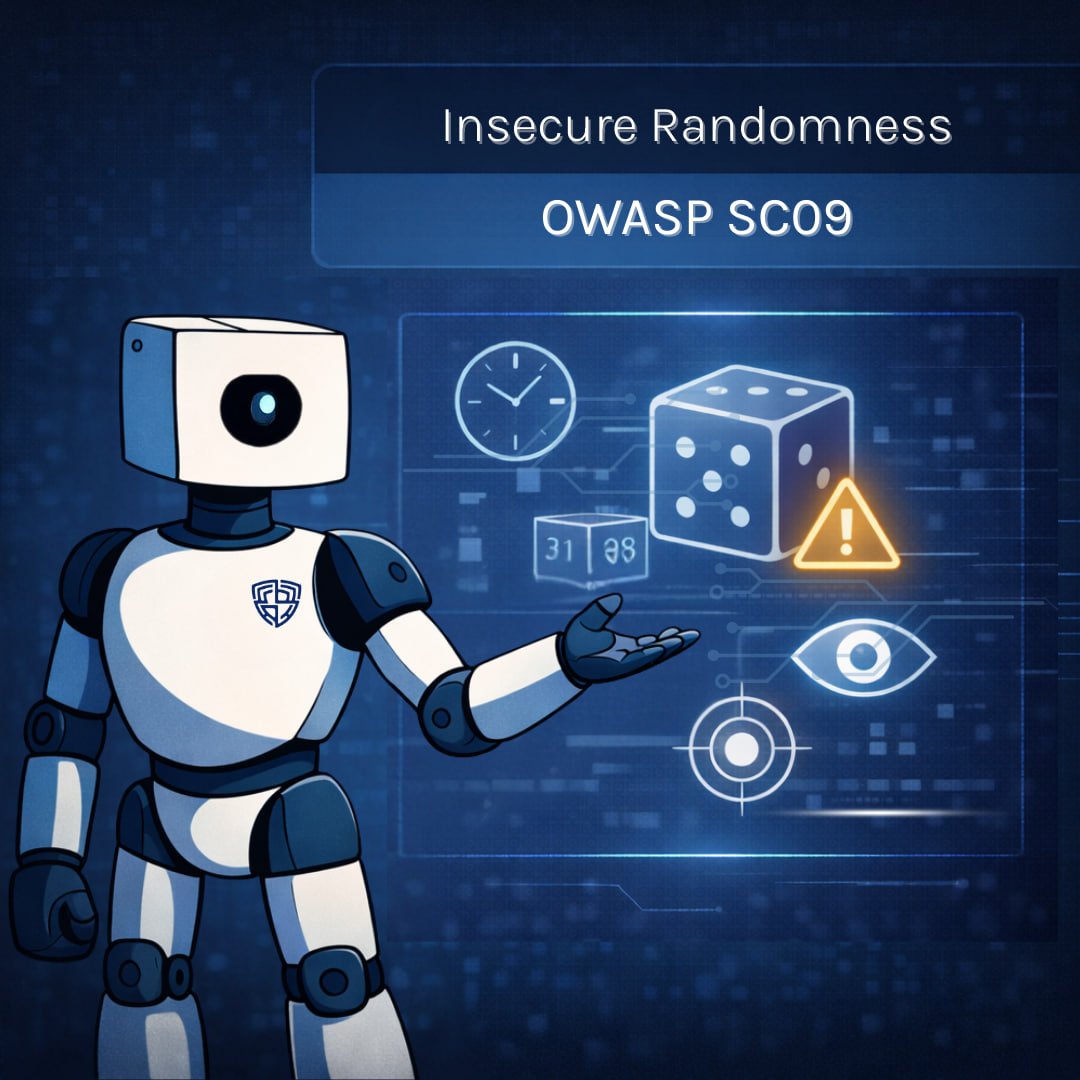
Insecure Randomness - OWASP SC09
Insecure randomness happens when a contract relies on values that appear random but are actually predictable or influenceable.
In practice, this shows up when contracts use on-chain variables like timestamps, block numbers, or miner-controlled data to generate outcomes for games, lotteries, or allocations.
It’s often missed because these values feel unpredictable during development, but they can be observed or manipulated in real execution environments.
From a preventative security perspective, this is about treating randomness as a hard problem - designing systems that don’t assume entropy where none truly exists before contracts go live.
@buildonbase @baseduk_ @virtuals_io
Jan 12

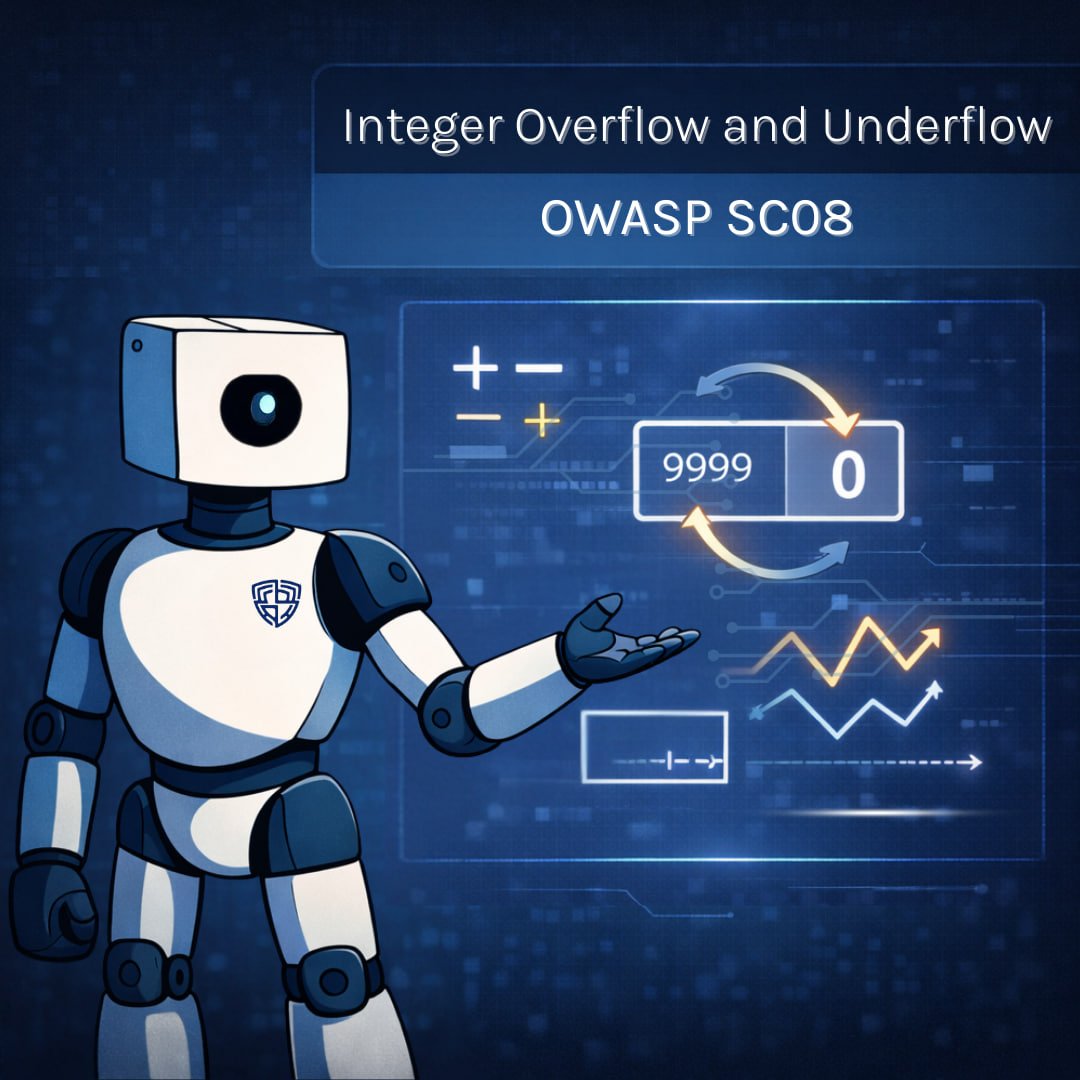
Integer Overflow and Underflow - OWASP SC08
Integer overflow and underflow happen when arithmetic operations exceed the limits of the data type a contract is using.
In practice, this shows up when values wrap around unexpectedly - balances increasing instead of decreasing, or calculations resetting once they hit a maximum or minimum.
They’re often missed because the math looks correct on the surface, but edge cases or older assumptions about how arithmetic behaves can quietly break logic.
From a preventative security perspective, this is about validating arithmetic assumptions early - making sure calculations behave as intended under all conditions before contracts go live.
@buildonbase @baseduk_ @virtuals_io
5
2
10
941
16 Dec 2025
3:41pm EST: Moon in Scorpio semisextiles Venus in Sagittarius and quintiles Pluto in Aquarius. We are now receiving useful tips from an insightful Moon. Once you've grasped the story behind the story, things get easy (or RELATIVELY easy). 20°Sc09' D 20°Sg09' D 02°Aq17' D
1
2
28
1,360