
Absolutely running a well-organized corruption racket allegedly involving Rishu Shrii and his associates.
2
251


Renowned Punjabi singer lyricist and composer @brar_shree releases his latest single “Tunn Vi Deyange”. He’s once again taken on multiple creative roles for this project including directing the music video under the Shrii Films banner.
simplybhangra.com/bhangra-vi…

69


Jun 15
Lol mata shrii khud Nhii uthengiii 🤣🤣 unkii bhii vacations chal rhii 😋😋😋 school se off sab soooo aaram se 🤣🤣
2
2
24

#Damodarah – दामोदरः
(SVSN sloka #40 – Naama #367)
Sri Vishnu Sahasranama Bhashya Series...
The name दामोदरः (Dāmodarah), which appears as the 367th name in the Sri Vishnu Sahasranama, is far more than a simple title; it is a profound intersection of divine play (leela) and ultimate truth (tattva). As one of the holy Chaturvimshati Kesavaadi Rupas (the 24 primary forms of Lord Vishnu), and serving as the Maasa Niyaamaka (presiding deity) for the auspicious month of Kartika, this sacred name beautifully bridges the sweet devotion of Lord Krishna’s childhood pastimes with the majestic realization of His supreme cosmic independence.
dAmoDaRo hAriH…
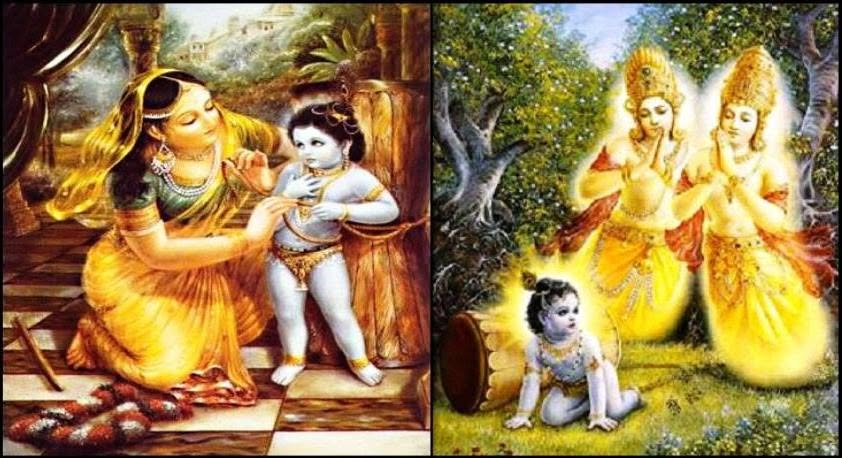
DaAmodara is one of the most prominent names used to refer to Lord Sri Krishna. It is a profound name rich in both endearing childhood pastimes (leelas) and deep, multidimensional philosophical truths.
The name DaAmodara is a combination of two words: DaAma (rope) and Udara (belly). Literally, it means "the one who was tied with a rope around his belly."
We find the primary scriptural references to this name across multiple ancient texts:
• SriMadh Bhagavatham (10th Canto): Records the playful childhood episode where His foster mother Yasoda attempts to bind Him with a rope. In this episode, Lord Sri Krishna (Daamodara) crawls and drags a heavy wooden grinding mortar (Ukhala) between two trees, liberating Nalakubera and Manigreeva—the two sons of Kubera—from the curse of sage Narada.
• Vishnu Purana: Sage Vyasa explicitly documents this naming ceremony, noting that He was called Damodara precisely because of the rope tied around his waist by Yasoda.
• Mahabharata (Udyoga Parva): Sage Sanatsujata explains to King Dhritarashtra that the Lord is called Damodara because His supreme bliss is known through internal self-restraint.
Deep Philosophical and Cosmic Meanings
Beyond the historical pastime, the word "DaAma" holds deeper spiritual and esoteric definitions:
1. The Cosmic Abode: DaAma also means an abode or residence. In a supreme spiritual sense, DaAmodara means "the one whose abdomen is the abode for the entire universe." During the cosmic dissolution (Pralaya), the entire cosmos rests safely inside His belly.
2. The Rope of Samsara: DaAmodara is the Supreme God Hari Sarvottama. He is the ultimate savior who can untie the spiritual "rope" of Samsara (the cycle of births and deaths) and liberate bound souls.
3. The Power of Self-Control (Dama): Philosophically, Dama refers to the control of the mind and senses. Damodara is the one who is attained by a mind purified through rigorous self-control. The syllable Da represents Damyata (control yourselves).
4. Bound by Love: The physical rope used by Yasoda symbolizes human ego and affection. It highlights a beautiful theological paradox: the infinite, boundless Supreme Being allows Himself to be bound only by the pure, unadulterated devotion (Bhakti) of His devotees.
Astronomical and Liturgical Context
• Maasa Niyaamaka: Damodara-naamaka Paramaatma is the presiding deity (Maasa Niyaamaka) for the highly auspicious Karthiika Maasa.
• Chaturmaasa Forms: Sridhara, Hrishikesha, Padmanabha, and Damodara are the four divine presiding forms of the Lord designated for the four sacred months of Chaturmaasa.
Haridasa Sahitya
This deep philosophical need to overcome the senses and connect with Damodara is beautifully captured by Sri Kanaka Dasaru in Haridasa literature:
kAma krOdha biDisi ninna nAma jihveyoLage nuDiso |
shrii mahAnubhAvanAda dAmOdarA ||
ಕಾಮಕ್ರೋಧ ಬಿಡಿಸಿ ನಿನ್ನ | ನಾಮ ಜಿಹ್ವೆಯೊಳಗೆ ನುಡಿಸು ||
ಶ್ರೀಮಹಾನುಭಾವನಾದ ದಾಮೋದರ ||
"O great DaAmodara, free me from desire and anger (the internal enemies). Inspire me to always recite your divine name upon my tongue."
Ultimately, the sacred name Dāmodarah reminds us that the infinite Supreme Being, who holds the entire cosmos securely within His belly and commands the very ropes of our liberation, willingly submits to be bound by nothing other than the pure, unadulterated love (Bhakti) of His devotees. May He untie our internal knots of desire and anger, and forever rest upon our tongues.
Sri Kartika Damodara Stotram
It is an exceptionally beautiful and powerful hymn chanted specifically during the auspicious Kartika Masa.
Found in the Pancharatra Agama within a dialogue between Hamsa and Brahma, this stotram is deeply cherished within the Madhva tradition. It is unique because it masterfully weaves the playful childhood leelas of Lord Krishna with the majestic spans of the Dashavatara (the ten avatars of Vishnu).
The stotram generally comprises 12 verses packed with dynamic name-salutations (Jaya-Bho):
• The Avatara Cycle: It transitions smoothly from the early incarnations like Matsya, Kurma, and Varaha directly into Narasimha, Vamana, and Parashurama.
• The Glories of Krishna: It places heavy emphasis on Krishna's local pastimes—mentioning the breaking of the twin Yamalarjuna trees (Yamalārjuna-bhanjana), the humbling of the Kaliya serpent, and protecting Draupadi (Pānchālī-paripālana).
• The Bound Lord: It explicitly recalls how the master of the universe allowed Himself to be bound by a simple mother's rope (Jaya jananī-kara-pāśa-subaddha).
Traditional Practice and Benefits
According to the text's Phalashruti (verses detailing benefits):
• Devotees traditionally recite this stotram in the early morning hours (Arunodaya) while performing a Deepa-Dana (lighting a lamp) before the Lord during Kartika.
• Scriptural guidelines note that chanting this hymn, particularly on the 13th and 14th lunar days (Trayodashi and Chaturdashi) of the month, cleanses sins and liberates souls from hellish worlds.
श्री कृष्णार्पणमस्तु
नाहं कर्ता हरिः कर्ता - हरिः कर्ता हि केवलम्
हरी सर्वोत्तम - वायू जीवोत्तम
#srivishnushasranamastotram #srivishnusahasranamabhashya #srivishnusahasranama #bhargavasarma #lordvishnu #PhilosophyofVishnusahasranama
2
9
59
1,265

#Janardhana - The Destroyer of Birth & Lord of
Ancestral Rites
(Sri Vishnu Sahasranama Stothram - Sloka 14/126)
Etymology and Divine Meaning...
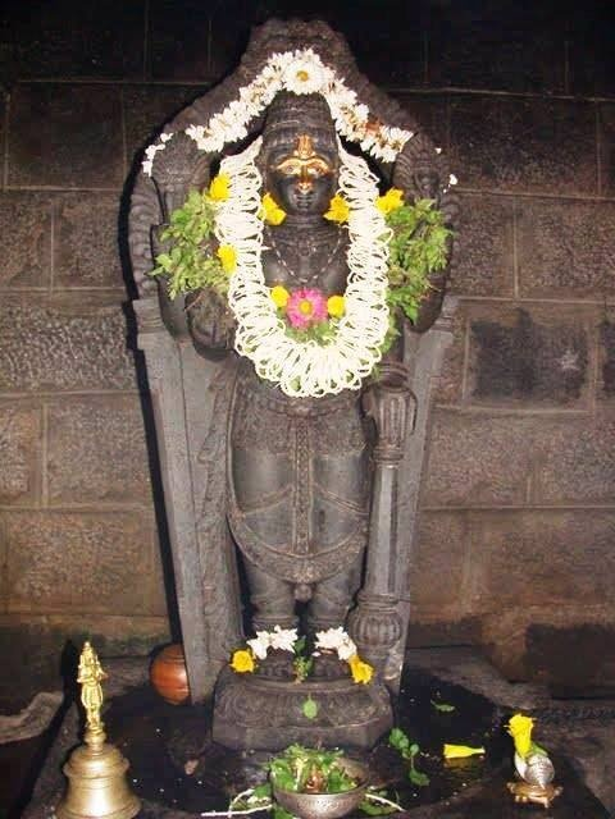
Janardhana is one of the most prominent names of Lord Vishnu, widely revered across Vedic literature. It is celebrated as one of the Chaturvimshati Kesavaadi Roopas—the 24 primary manifestations of Vishnu chanted daily during the Kesava Nama rituals.
The name holds deep philosophical layers, broken down systematically in scriptural commentaries like the Sri Vishnu Sahasranama Stothram (Sloka 14, Nama 126):
· Jana (Birth) Ardhana (Destroying): Jana refers to the cycle of reincarnation (Janma). Janardhana is the Supreme Being who destroys the cycle of birth and death, bestowing Janmaraahitya (liberation or Moksha).
· Jana (People) Ardhana (Protector/Subduer): He is the one who subdues evil forces to protect His devotees from distress.
· Jana (Seekers) Ardhana (Implored by All): Derived from the root ard (to pray), it signifies the Supreme Lord whom all living beings pray to for the fulfillment of worldly and spiritual desires.
Scriptural References
In the Bhagavad Gita, Arjuna deliberately addresses Lord Sri Krishna as Janardhana during moments of immense philosophical and emotional crisis:
· Chapter 1, Verse 36: Arjuna asks, "What pleasure will we derive from killing the sons of Dhritarashtra, O’ Janardhana?" He uses this name to imply that Krishna, who is the protector of humanity, should not urge him to destroy his own family.
· Chapter 3, Verse 1: Arjuna inquires, "If You consider knowledge superior to action, O’ Janardhana, why do You urge me to engage in this terrible warfare?" Here, he appeals to Him as the ultimate guide and source of intellect.
Sri Vishnu Sahasranama
Beyond its appearance in the main verses, the name appears in the Phala Sruthi (concluding benefits) section, where Arjuna praises Krishna:
पद्मपत्र विशालाक्ष पद्मनाभ सुरोत्तम ।
भक्तानामं अनुरक्तानां त्राता भव जनार्दन ॥
padmapatra vishaalaaksha padmanaabha surottama |
bhaktaanaam anuraktaanaaM traataa bhava janaardana ||
"O lotus-eyed Lord, O' Padmanabha, Supreme among the gods! O' Janardhana, kindly protect and save Your devoted followers who love You dearly."
The Lord of Ancestral Rites (Sraaddha Swami)
In the esoteric context of Pithru Yagna (ancestral rituals), Janardhana plays a vital role as the Sraaddha Swami (the Presiding Deity and Governing Lord of the ritual).
According to the Dvaita school of philosophy, the ritual goes beyond mere ancestral worship through an intricate system of inner forms (Antaryaami):
· In the Ancestors (Pitrus): Lord Janardhana exists in His foundational forms—Pradyumna, Sankarshana, and Vaasudeva—acting as the indwelling spirit (Antaryaami) of the Vasus, Rudras, and Aadityas.
· In the Performer (Kartr): He dwells as Aniruddha to empower the person performing the ritual.
· Protection of the Ritual: As the Antaryaami of the universal deities (Vishvedevathas), Lord Janardhana manifests in 3,555 unique forms to protect the performer (Kartr), the consumer of the offering (Bhoktr), and the invited scholars from obstacles.
Sri Jagannatha Dasaru, the great Haridasa saint, elaborates extensively on this meditative process (Anusandhana) in the dedicated Pitrugana Sandhi chapter of his magnum opus, the Harikathamruthasaara. He details how a devotee must visualize Lord Janardhana as the ultimate recipient and enjoyer of the offerings, who in turn satisfies the ancestors.
Haridasa Devotional Expressions
The Haridasas of Karnataka deeply meditated on Janardhana, praying for the destruction of ignorance. Saint Kanaka Dasaru beautifully sang:
ಜ್ಞಾನ ಭಕುತಿ ಕೊಟ್ಟು ನಿನ್ನ | ಧ್ಯಾನದಲ್ಲಿ ಇಟ್ಟು ಸದಾ ||
ಹೀನ ಬುದ್ಧಿ ಬಿಡಿಸೊ ಮುನ್ನ ಶ್ರೀ ಜನಾರ್ಧನ ||
gyAnA bhakti koTTu ninna dhyAnadalli yiTTu sadA |
hiina buddhi biDisu munna shrii jAnArdHana ||
"O Lord Janardhana! I pray that You grant me right knowledge (Yathartha JnyaAna) and pure devotion. Without further delay, remove my lowly, negative thoughts and enable me to meditate upon You always."
The Ultimate Source of Merit and Knowledge
The text concludes with two powerful Sanskrit verses highlighting the absolute supremacy of Lord Janardhana:
Universal Merit
सर्ववेदेषु यत्पुण्यं सर्वतीर्थेषु यत्फलम् ।
तत्फलं समवाप्नोति स्तुत्वा देवं जनार्दनम् ॥
sarvavēdēṣu yatpuṇyaṁ sarvatīrthēṣu yatphalam |
tatphalaṁ samavāpnōti stutvā dēvaṁ janārdanam ||
The merit (Punyam) acquired by studying all the Vedas, and the fruits (Phalam) gained by visiting all sacred rivers and pilgrimage centers (Teerthas)—all these rewards are effortlessly obtained simply by praising and surrendering to Lord Janardhana.
Fountainhead of Creation
योगो ज्ञानं तथा साङ्ख्यं विद्याः शिल्पादि कर्म च ।
वेदाः शास्त्रणि विज्ञानमेतत्सर्वं जनार्दनात् ॥
yogo jñānaṃ tathā sāṅkhyaṃ vidyāḥ śilpādi karma ca |
vedāḥ śāstrāṇi vijñānametatsarvaṃ janārdanāt ||
Yoga, cosmic knowledge (JnaAna), philosophy (Saankhya), sciences, arts, duties, the Vedas, scriptures, and ultimate spiritual illumination—all of these have originated directly from Janardhana, the Supreme God.
श्री कृष्णार्पणमस्तु
नाहं कर्ता हरिः कर्ता - हरिः कर्ता हि केवलम्
हरी सर्वोत्तम - वायू जीवोत्तम
#srivishnushasranamastotram #srivishnusahasranamabhashya #srivishnusahasranama #bhargavasarma #lordvishnu #PhilosophyofVishnusahasranama
1
12
65
763

Jun 14
that person could be secretly hiding rod of daybreak, and before you know it you get pushed into the elevator by a shrii kar rai and as the elevator doors the person says while looking up at you "the force will be free" and that's the last thing you ever see
1
3
143

Jun 12
was it ever explained why yoda knows the shrii kar rai?
i think when master creighton sun was asking for permission to go to dalna, after the jedha report, that yoda knew or believed the path to have a shrii kar rai
1
102

Jun 12
Die 8 wichtigsten Grundsätze der Vernunft
„Wenn Menschen bei der Beurteilung und Unterscheidung zwischen richtig und falsch den richtigen Weg wählen, wird dies Viveka [Gewissen] genannt.
Und der Weg der Unterscheidung wird Vernunft genannt.“
Shrii Shrii Anandamurti
Als Menschen sind wir mit Vernunft begabt.
Um diese Gabe voll zu nutzen, müssen wir sie entwickeln.
Wir können uns darin üben, klar, richtig und vollständig zu denken und zu entscheiden.
Hier sind 8 wesentliche Grundsätze der Vernunft.
1. Klarheit
Klares Denken und Sprechen erleichtert das Verstehen.
Vermeide schwer verständliche Formulierungen oder Begriffe.
Wer klar denkt, kann seine Ideen so erklären, dass andere sie leicht verstehen.
Ohne Klarheit entstehen Missverständnisse.
Statt zu sagen „Wir sollten dieses Problem lösen“, ist es besser auszumachen, wer wann und wie das Problem löst.
2. Richtigkeit
Falsche Informationen führen zu falschen Entscheidungen.
Es ist gut sicherzustellen, dass deine Aussagen mit den Tatsachen übereinstimmen.
Richtigkeit zu befolgen heißt, Fakten genau zu prüfen und bereit zu sein, seine Meinung zu ändern, wenn neue Beweise kommen.
Über Jahrhunderte hinweg haben Menschen gedacht, die Sonne dreht sich um die Erde. Vernünftige Menschen haben das hinterfragt.
3. Relevanz
Nicht alles ist gleich relevant.
Vernunft bedeutet auch, Aufmerksamkeit auf die Dinge zu richten, die einen bedeutenden Bezug zur Sache haben.
Ein Arzt möchte für seine Untersuchung nicht wissen, welches Fußballteam du unterstützt. Er fragt dich nach deinen Symptomen.
4. Genauigkeit
Die Einzelheiten zählen.
Ungenaue Zahlen oder schwammige Aussagen führen zu Fehlern.
Es lohnt sich oft, sich die Zeit zu nehmen, richtig hinzuschauen und genau zu sein.
„Nächste Woche komme ich vorbei“ ist weniger genau als „Ich komme Montag um 10 Uhr“.
5. Folgerichtigkeit
Schlussfolgerungen sollten logisch aus den Voraussetzungen folgen.
Nur weil Hunde und Katzen beide einen Schwanz haben, heißt es nicht, dass sie beide auch bellen.
Folgerichtigkeit heißt auch, dass deine Gedanken und Handlungen zusammenpassen.
Dass du deinen Grundsätzen treu bleibst, auch wenn es unbequem wird.
6. Vollständigkeit
Vollständig zu denken heißt, alle wichtigen Seiten eines Themas zu berücksichtigen.
Ein gutes Urteil schaut auf Fakten, Auswirkungen und verschiedene Sichtweisen (z. B. wirtschaftlich, menschlich, gesellschaftlich).
Wenn sich zwei streiten und ich den Streit schlichten möchte – reicht es dann aus, nur eine Seite anzuhören?
7. Wohlwollen
Wohlwollen heißt, nicht nur an sich selbst zu denken, sondern auch an das Wohl anderer.
Wer mit Wohlwollen denkt, gewinnt Vertrauen und findet bessere, nachhaltigere Lösungen.
Anstatt nur zu denken „Wie kann ich davon Nutzen haben?“ bedeutet Wohlwollen zu denken, „Wie kann ich zum Wohl anderer beitragen?“.
8. Bewusstsein
Die Anerkennung von Bewusstsein als tiefere Ebene unseres Daseins stellt für mich ebenfalls einen Grundsatz der Vernunft dar.
Wir bestehen nicht nur aus Materie. Wir haben Gedanken und eine Seele.
Indem wir diese Ebenen in uns selbst und in anderen anerkennen und in unseren Entscheidungen berücksichtigen, können wir mit einer ganzheitlicheren Sichtweise denken und handeln.
Zusammenfassung
Vernunft ist kein schwammiger Begriff.
Man kann sie an diesen Grundsätzen prüfen.
Wer diese acht Grundsätze anwendet, kann bessere Entscheidungen treffen, Vertrauen gewinnen und Probleme umfassend lösen.

19


Der Frosch, der sich für einen König hielt – und was das über uns sagt
Was hindert Menschen daran, sich menschlich zu entwickeln?
Oft nicht Unwissenheit. Sondern die Überzeugung, bereits alles zu wissen.
Der spirituelle Meister Shrii Shrii Anandamurti nennt Hochmut eine Geisteskrankheit. Er beschreibt sie so:
„Gewohnheitsmäßiges Zurschaustellen ist eine der Geisteskrankheiten der Menschheit.
Die Grundursache ist das Aufblähen der eigenen Persönlichkeit – so dass andere verwirrt, verblüfft und eingeschüchtert sind.“
Die Geschichte vom Frosch
Anandamurti erzählt eine Geschichte, die das veranschaulicht.
Ein König breitet seine Goldmünzen in der Sonne aus. Ein Frosch schnappt sich das kleinste Stück.
Sofort bläht er sich auf, reckt die Kehle und ruft:
„Warum sollte ich nicht singen – ich bin so reich wie ein König!“
Als die anderen fragen, wie reich er denn wirklich sei, dreht er die kleine Münze wieder und wieder in den Händen.
„Bin ich weniger als der König?“
Der arme Frosch hat ein schiefes Bild seiner eigenen Lage. Und einen brennende Wunsch, trotzdem bewundert zu werden.
Was Hochmut anrichtet
Anandamurti zeigt, wohin das führt:
„Erstens denken sie, dass sie, da sie so großartig sind, nichts mehr von anderen lernen müssen.
Das hat zur Folge, dass ihr weiterer Fortschritt zum Stillstand kommt.
Zweitens vertreibt diese Überheblichkeit die bescheidene Haltung des Lernenden aus ihrem Geist.
Sie werden nicht nur in der Welt des Wissens, sondern auch im praktischen Leben zu Außenseitern aufgrund ihrer geballten Unwissenheit.“
Wer bescheiden ist, kann eigene Fehler sehen und sie beheben. Wer das nicht will, bleibt stehen.
Der Weg nach unten
Stillstand kommt aber nicht infrage. Anandamurti erklärt:
„Der menschliche Geist ist, wie der menschliche Körper, in Bewegung. Niemand ist hierher gekommen, um zu verharren.
Wenn man sich bewegen muss, der Weg des Fortschritts aber blockiert ist, ist man gezwungen, den Weg des Niedergangs zu gehen.“
Wer nicht wächst, fällt unweigerlich.
Anandamurti zitiert Shiva, der das bereits vor 7000 Jahren auf eine kurze Formel gebracht hat:
„Hochmut kommt vor dem Fall.“

1
1
2
80

Jun 5
I proudly add my name to Shrii Rahul Gandhi Ji's #GreenOverGreed campaign, because Great Nicobar Island is not just a piece of land.
It is a living, breathing ecosystem - home to indigenous communities, rare wildlife, and coral reefs that took thousands of years to form.
No port, no highway, no infrastructure project is worth the permanent destruction of what nature took millennia to build.
I stand against Great Nicobar Island's destruction. #NicobarMatters 🌿🌊
Join the campaign: rahulgandhi.in/nicobar-matte…

1
7
57

i met my fav twitter oomfie today @mybabybear30 💜🫶 forever grateful to @BTS_twt for giving me such wonderful army friends..especially her ✨ i love you so much my Shrii 🐻🫂



10
42
1,009