


thinking of how I never put Marin and William's name together as a combo
Davrin... DavMar... MillEtoi. WilMar... AftoEtoi-SteMar... RaglEtoi.... dude these are so cheeks LOL
I'm glad I came up with Sunset Fluffle and its universal for each William BFSDUYFGASD

My HOT FANDOM TAKE is that ship names should always be a) the characters' names mashed together or b) a made-up word related to the characters. I don't CARE how cool or funny it sounds, if your ship name is a Regular Word it will be IMPOSSIBLE TO SEARCH FOR and I will HATE YOU
1
3
522


Apr 6
Nemusíme se na ničem shodovat, terorismus je trestný čin jasně definovaný v zákoně. Kdyby ho hnutí Duha porušilo, už by proti němu zasáhla justice.
Všechno ostatní jsou vaše subjektivní dojmy, nikoli “pravá jména”, aspoň dokud žijeme v právním státě.
2
156


18 Dec 2025
Je rends à caesar ce qui est a caesar . SteMar nous a partagé l'info sur le discord d'olympus game dont tous les inscrits restent suspendu à une annonce imminente pour le jeux 😁
Même si cela commence à être une question d'endurance vu le temps 😜
1
3
58

17 Dec 2025
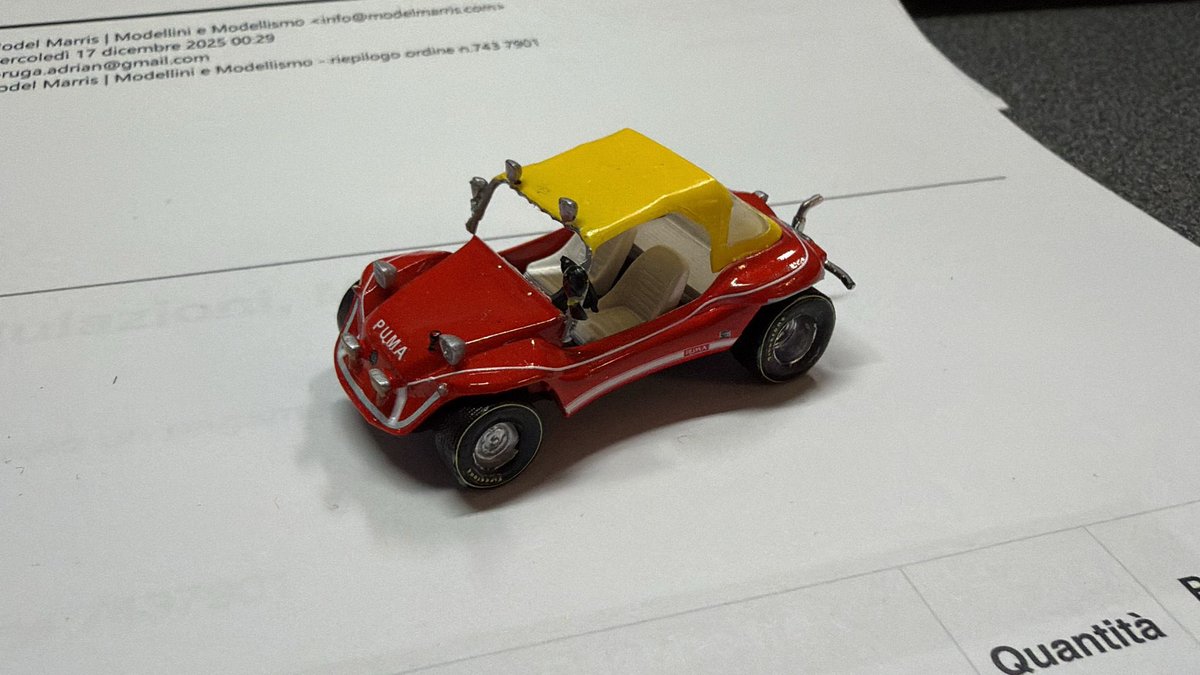
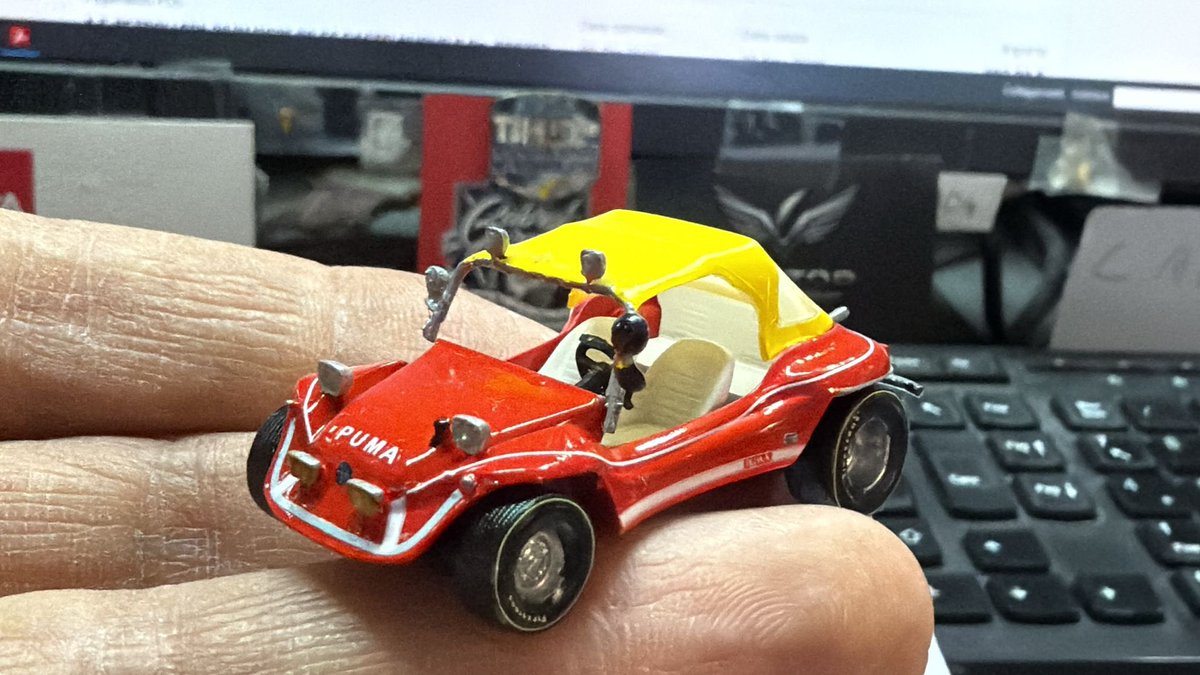
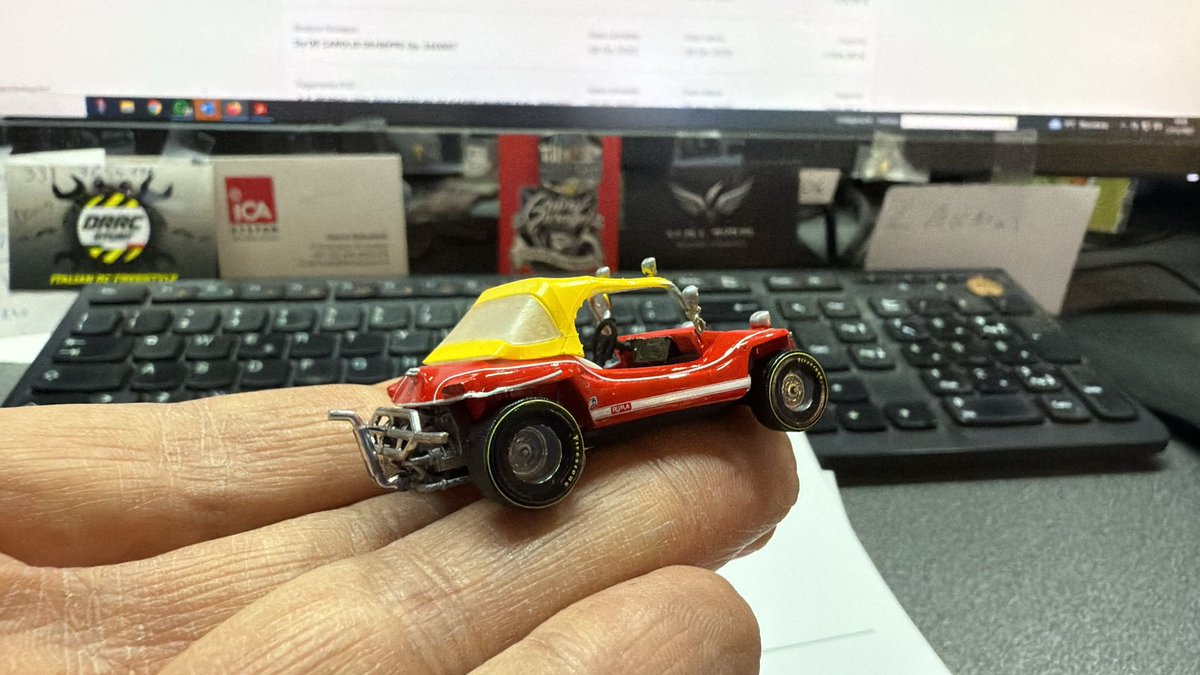
Una grande anteprima! Stemar Model presenta una produzione limitatissima, dune buggy in scala 1:64 completamente artigianale e realizzata interamente a mano in Italia #tinycars #model #model #scalemodel #dunebuggy #scala164 #scale164 #diecast #modellismo #buggy
1
1
5
167



1 Jun 2025
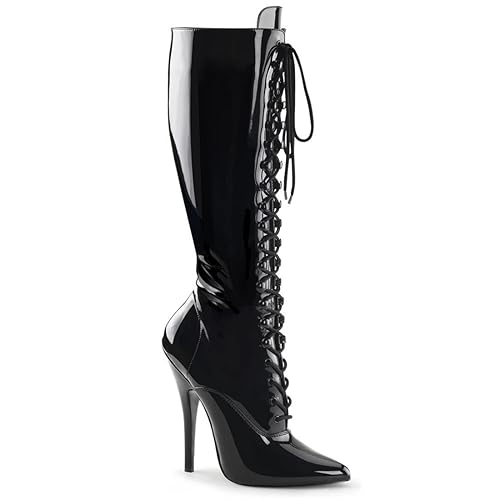
I just received Gizelle Women's Knee High Stiletto Boots Lace Up Side Zipper Heeled Boots - 8 UK - Black Patent from Stemar via Throne. Thank you! throne.com/sweetyfeetys #Wishlist #Throne
6
10,221

4 Mar 2025
Uk sign the contract 1/17/25 for mineral rights and oil for security, infrastructure and help in mining. But 70% of the minerals and oil belong to Russia in Damos. Also the European countries are in chaos because half doesn’t want war and Stemar said he needed US support
20

25 Feb 2025
This is a list of new Stereo products exhibited at the Master Photo Dealers and Finishers Association convention held in Chicago in the spring of 1954, at the height of the Stereo boom.
Cameras:
•Kodak Stereo Camera (Eastman Kodak): Dealers hailed it as the most significant, expecting Eastman's entry to stimulate the stereo field. Features "drop-in" loading, simple operation, and automatic shutter cocking to prevent double exposures. The price was rumored to be "under $100".
•TDC Colorist (Three Dimension Company): A simple, basic model imported from Germany.
•TDC Stereo Vivid Camera (Three Dimension Company): American-made, featuring a coupled rangefinder and an ingenious coupling between lens and shutter settings for automatic adjustments.
•Kin-Dar Stereo Camera (The Kinder Company): Designed by amateur camera designer Seton Rochwite, whose early handmade cameras were the prototype of the Stereo Realist.
•Wirgin Stereo Cameras (Wirgin): Two models imported from Germany, differing in shutter types.
•Wollensak Stereo 10 (Wollensak): The most expensive entry, resembling a Revere Stereo 33 but with higher-quality lenses and shutters. Wollensak was purchased by Revere.
Leica Attachment:
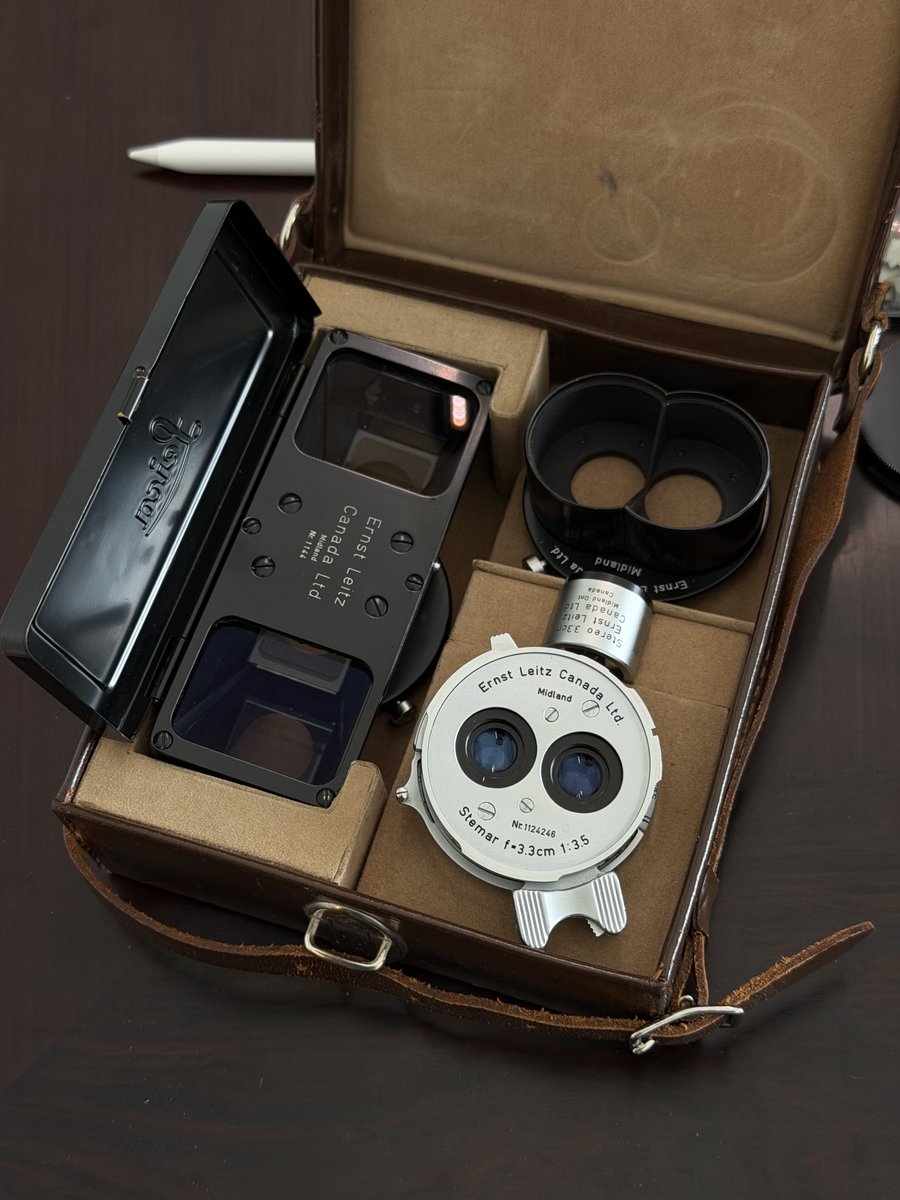
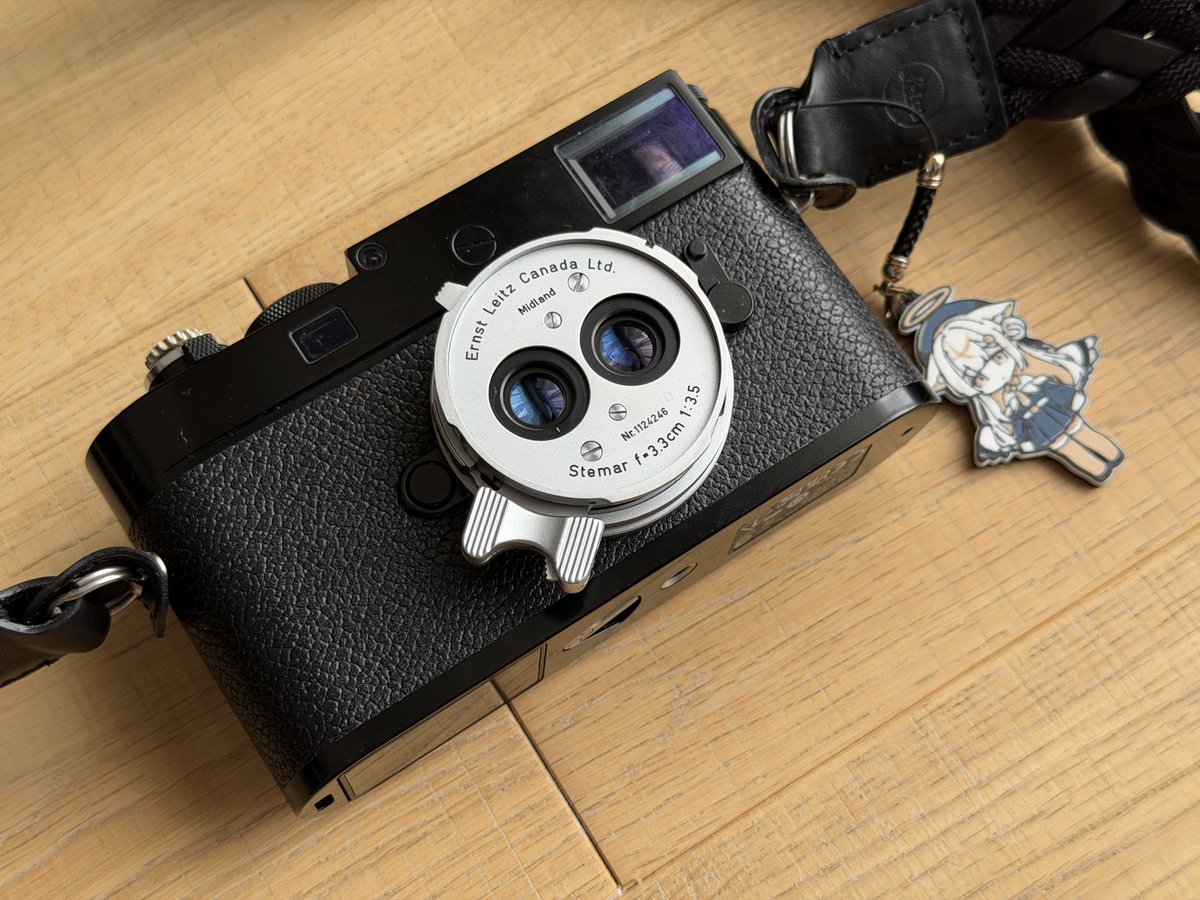
•Stemar (Twin-lens attachment) (Leica): Screws into the regular Leica lens mount. Ideal for extreme close-ups but doesn't provide sufficient stereoscopic depth for normal scenes.
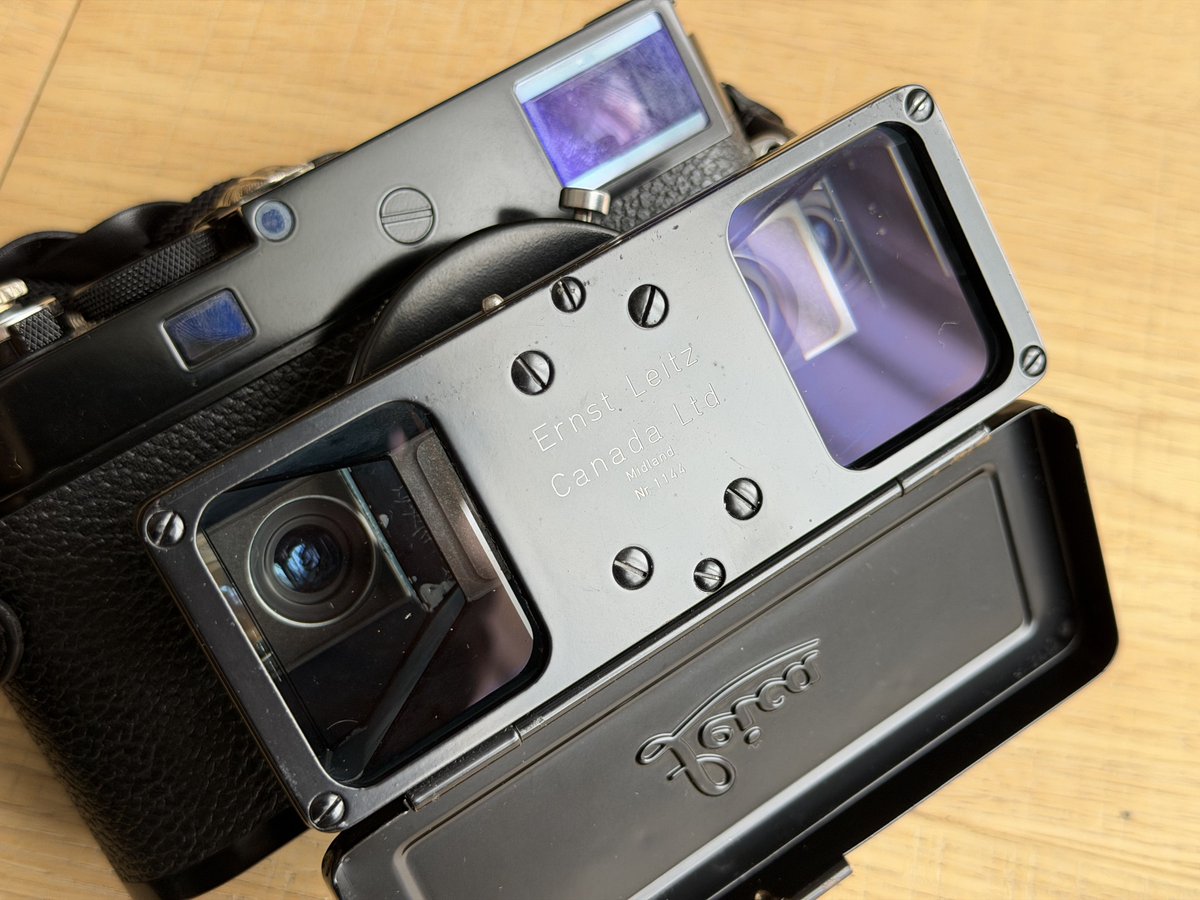
•Prism Attachment (Accessory for Stemar) (Leica): Provides a wider interocular for the Stemar.
•Accessory Viewfinder (Leica): Required when using the Stemar
Projectors:
•Director Products Stereo Projector (Director Products): Features a long, tank-like housing.
•Diatom Projector (General Photographic Supply Co.): Manufactured by Schneider of Hamburg, Germany. Uses convection cooling and has a 200-watt lamp, limiting it to small-screen home showings.
Viewers:
•Kodaslide Stereo Viewer Model II (Eastman Kodak): Uses 110-volt current and has a knob to control lamp brightness.
•Kodaslide Stereo Viewer Model I (Eastman Kodak): Battery-powered. Both models focus by moving the slide and have adjustable interocular.
•Walden Industries Magazine Stereo Viewer (Walden Industries, Inc.): A table-top viewer that holds 20 glass-bound slides or 50 paper-mounted slides. Includes a third lens for reading slide titles.
Mounting Systems:
•Realist Foil Mount (Realist, Inc.): Foil mounts for conventional binding between glass, allowing for adjustable film separation.
•Adjustamount (Adjustamount Co.): Uses three metal parts and narrow strips of glass to create an adjustable mount.
Other:
•Holder and tool for Realist foil mounts(Realist Inc.): A holder for opening the Realist foil mounts and a tool that helps in insterting the transparencies. It also doubles up as a measuring device for near and far seperation.
From Popular Photography 1954-06ー
1
2
141

2 Jan 2025
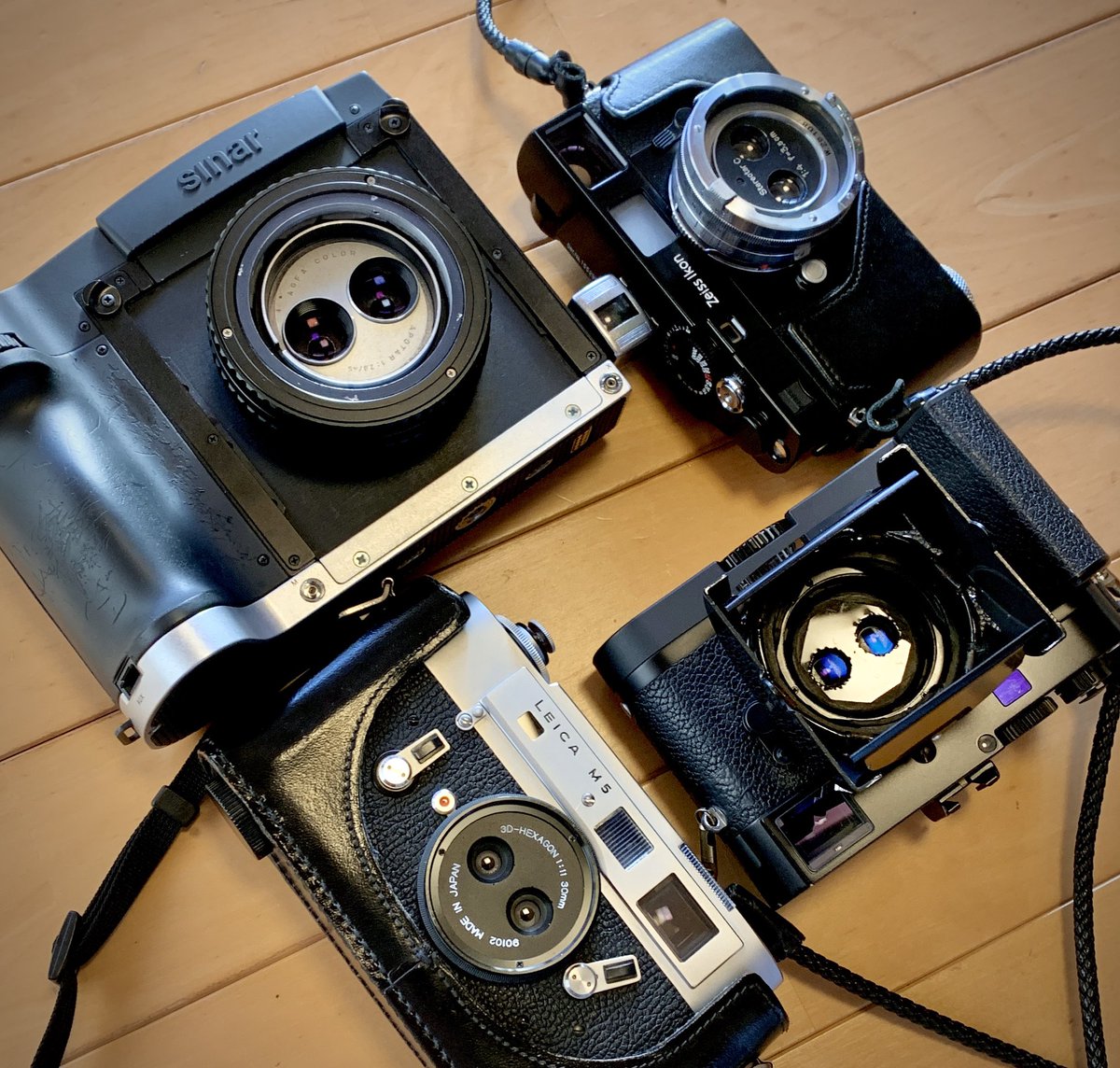
ライカ ステマー似のレンズ達👀
ステレオ写真、楽しいね。
Zeiss Stereotar-C 3.5cm F4
3D-Hexagon 30mm F11
Agfa Apotar 45mm F2.8
Self-made Stemar-copy 28mm F3.5
1
8
218


23 Dec 2024
🏆✨ SEASON 1 RESULTS ARE IN! ✨🏆
⚔️ Warriors of Olympus, Season 1 has ended, and the Gods have spoken!
This weekend saw epic battles and impressive strategies as many of you fought to climb Mount Olympus.
Congratulations to the champions who claimed the Divine Rewards:
🥇 Soniiiiic - 2500 Telegram Stars (€56.99)
🥈 Kyztal - 1500 Telegram Stars (€34.49)
🥉 Bouliii - 1000 Telegram Stars (€22.99)
4th to 10th places: OlympianG2, SteMar, Player37, Furtif, Anonymous, Timidelebourin, Yaya - 100 Telegram Stars (€2.29)
💰 And 100k Golds for all participants!
Rewards are being sent today directly to your Telegram wallets! 🎉
Thank you to all players for making this season legendary.
Stay tuned—the next season is coming soon, and the Gods have more challenges in store... 👀
⚔️ The Olympus Game Team

2
12
434

11 Dec 2024
For five days now,my iPhone no gree open this app, I borrowed android phone from a friend to create this account.
DNI tag : stemar


2
69

2 Nov 2024
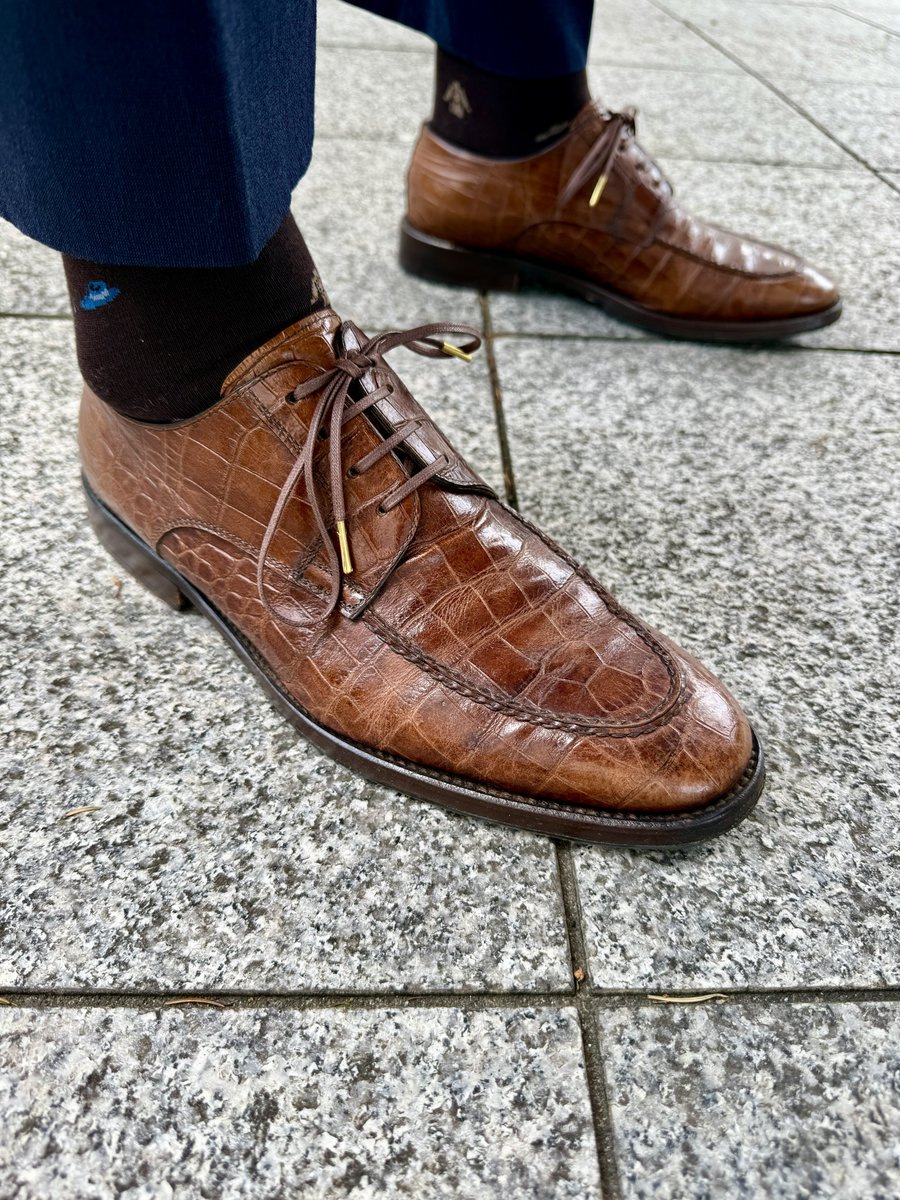
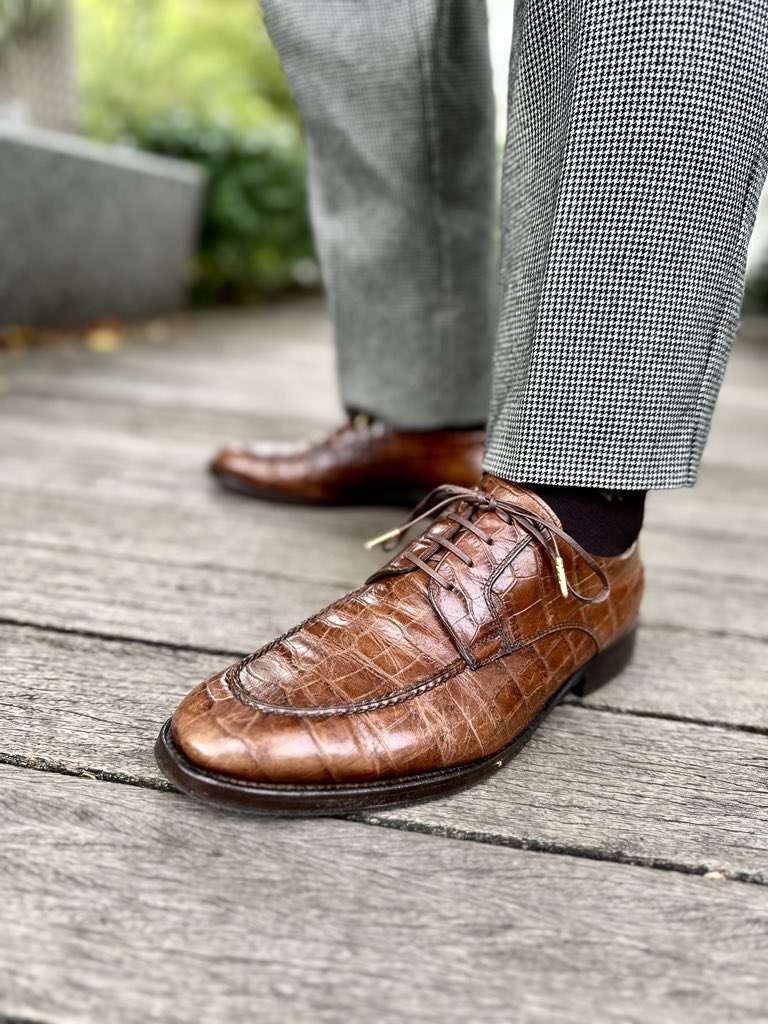
間違えました…
こちらはMoreschiではありませんでした。
すっかり忘れてましたがStemarでした。
一応 Stemar by Moreschiなんで…
31 Oct 2024

今日は今年買った中、いやここ数年でもここまでの靴には出会っていなかったと思います。歩き始めからどんどん足が前に吸い込まれていく様な感覚なのに履き口は笑っていて、それでいてホールドはしっかりされていてややゆとりが全体にあるのに暴れたりはしない。全ての指で踏み込んで蹴り出せる。
不快になる位置がどこにもない。そして歩けば歩くほどに蹴り出しのスピードが上がっていく。どれだけ歩いても疲労を感じない…全く恐ろしい靴です。
#Moreschi
#Aquascutum
1
1
8
1,009