Arun Biwal retweeted

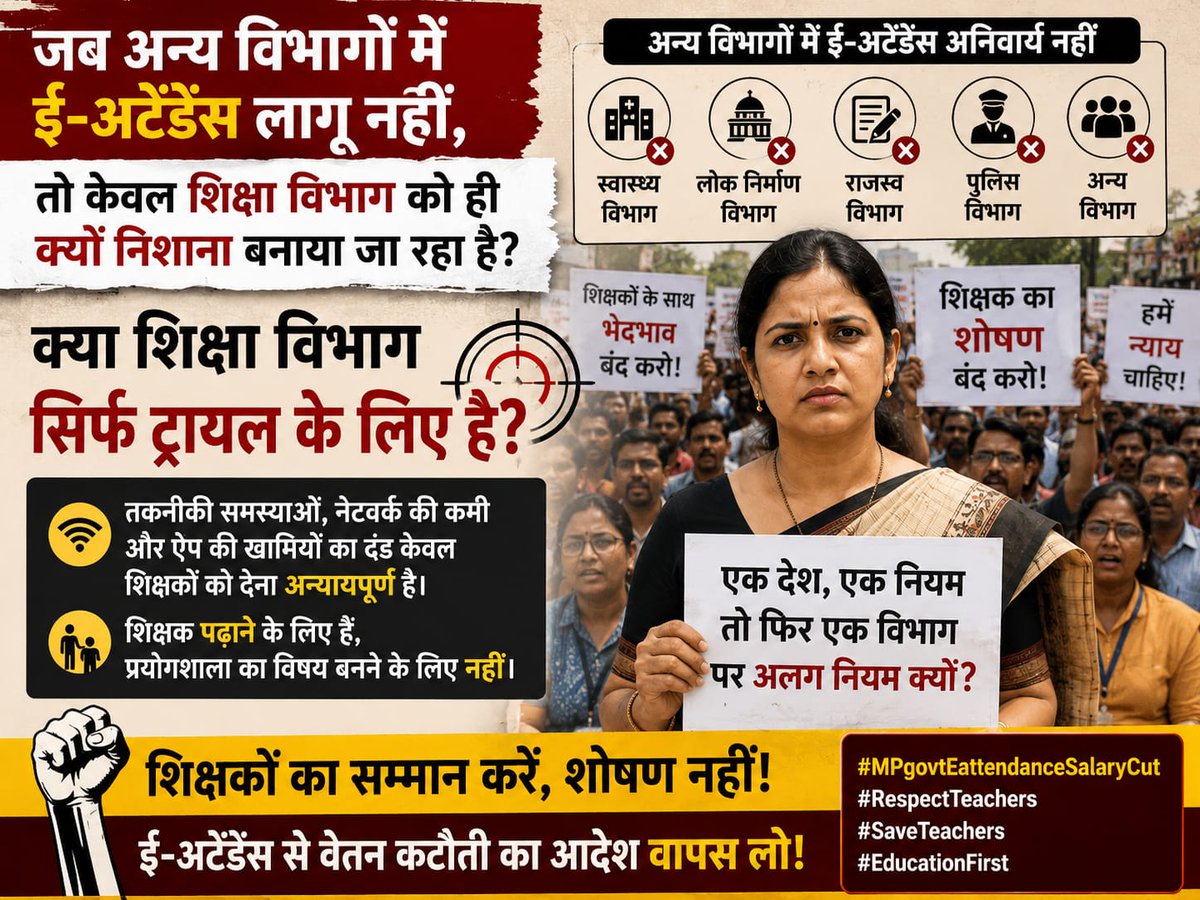
#MPgovtEattendanceSalaryCut
#CMMadhyaPradesh
@CMMadhyaPradesh
@udaypratapmp
@schooledump
@narendramodi
Why is the sword of e attendance hanging only on government teachers in MP. ... Total injustice
3
2
10
Razem News retweeted

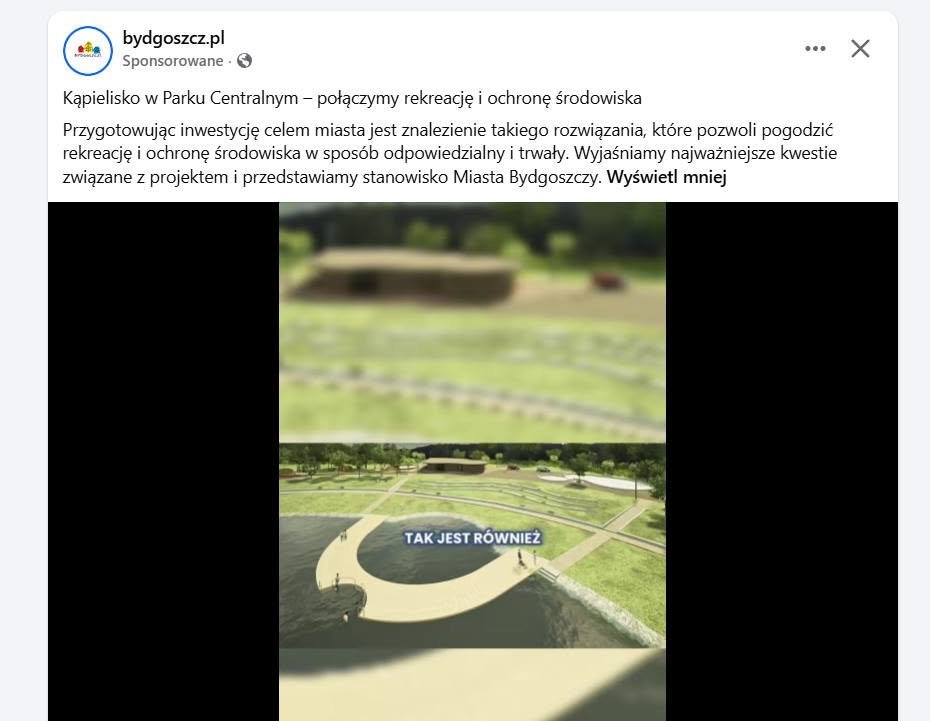
Miastu #Bydgoszcz tak dobrze idzie od lat komunikacja i dialog ws. Parku Centralnego, że wydaje środki na promowanie swojej retoryki ;)
Ciekawe, czy już mają ustalone jaką finalnie wersję realizują. Niestety po ostatnich występach w mediach wychodzi na to, że jest z tym problem.
3
4
213
gog eta retweeted

8 Apr 2025
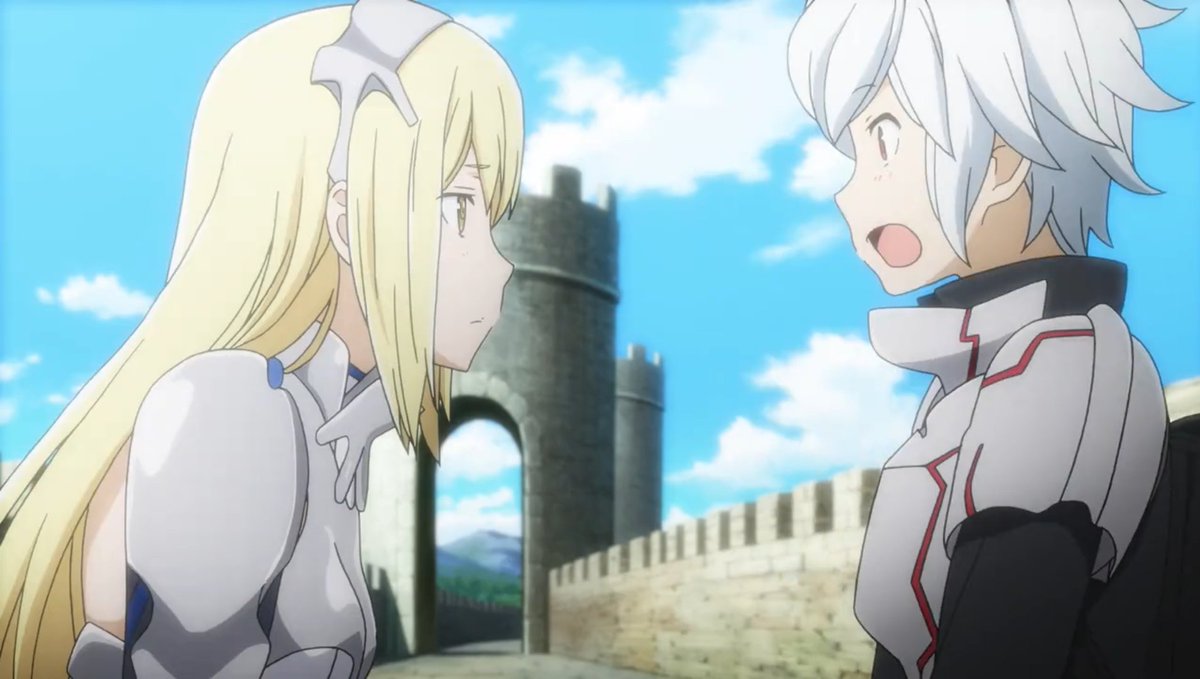
"I... I want to know more about you, Ais... That's... what I think..."
"I want to know more about you too, Bell."
- Sword Oratoria volume 15
3
27
265
5,099
Janae reigns ☝🏾 retweeted

.@England has arrived in Kansas City 🏴
Harry Kane, Bukayo Saka, and the rest of the Three Lions training at Swope Soccer Village as the club prepares for Wednesday’s World Cup match vs Croatia ⚽️
2
5
66
6,034
Håvard retweeted

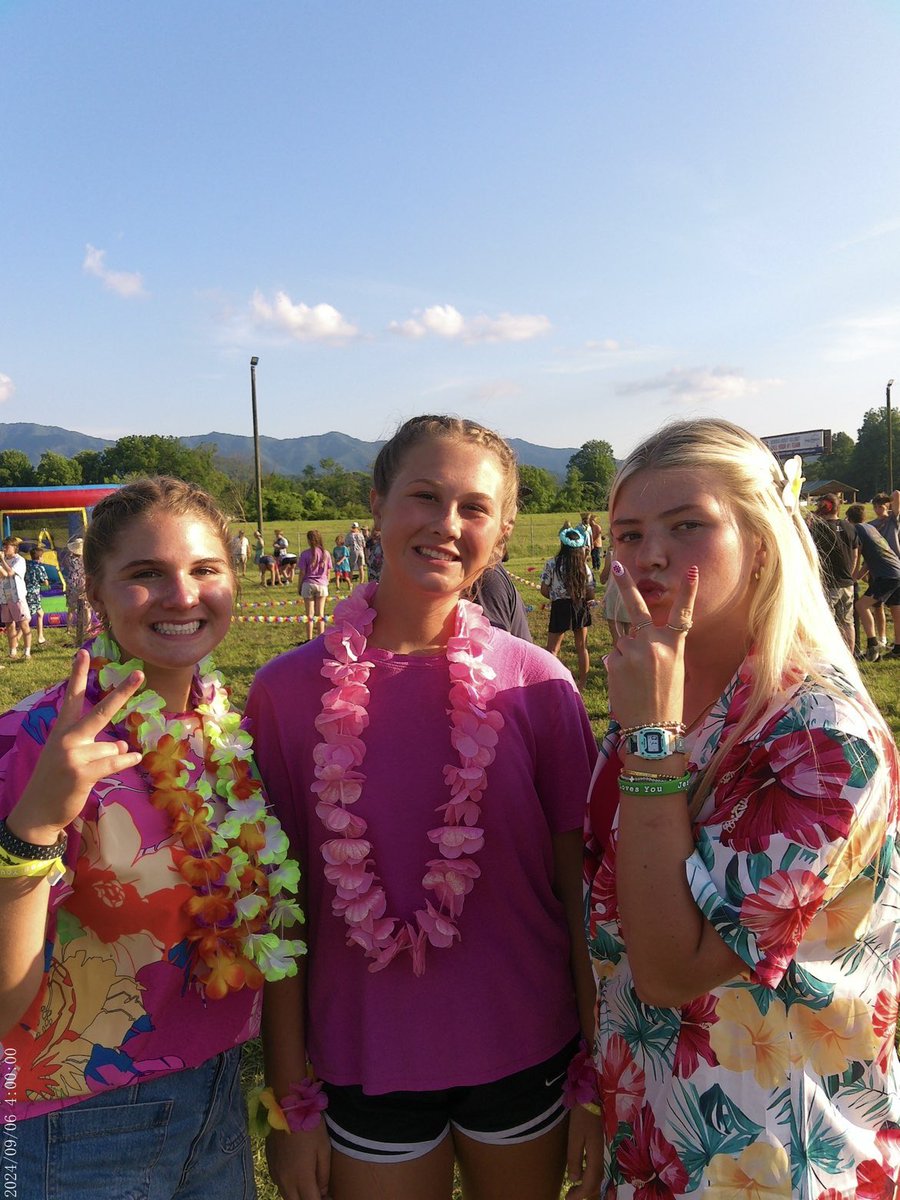
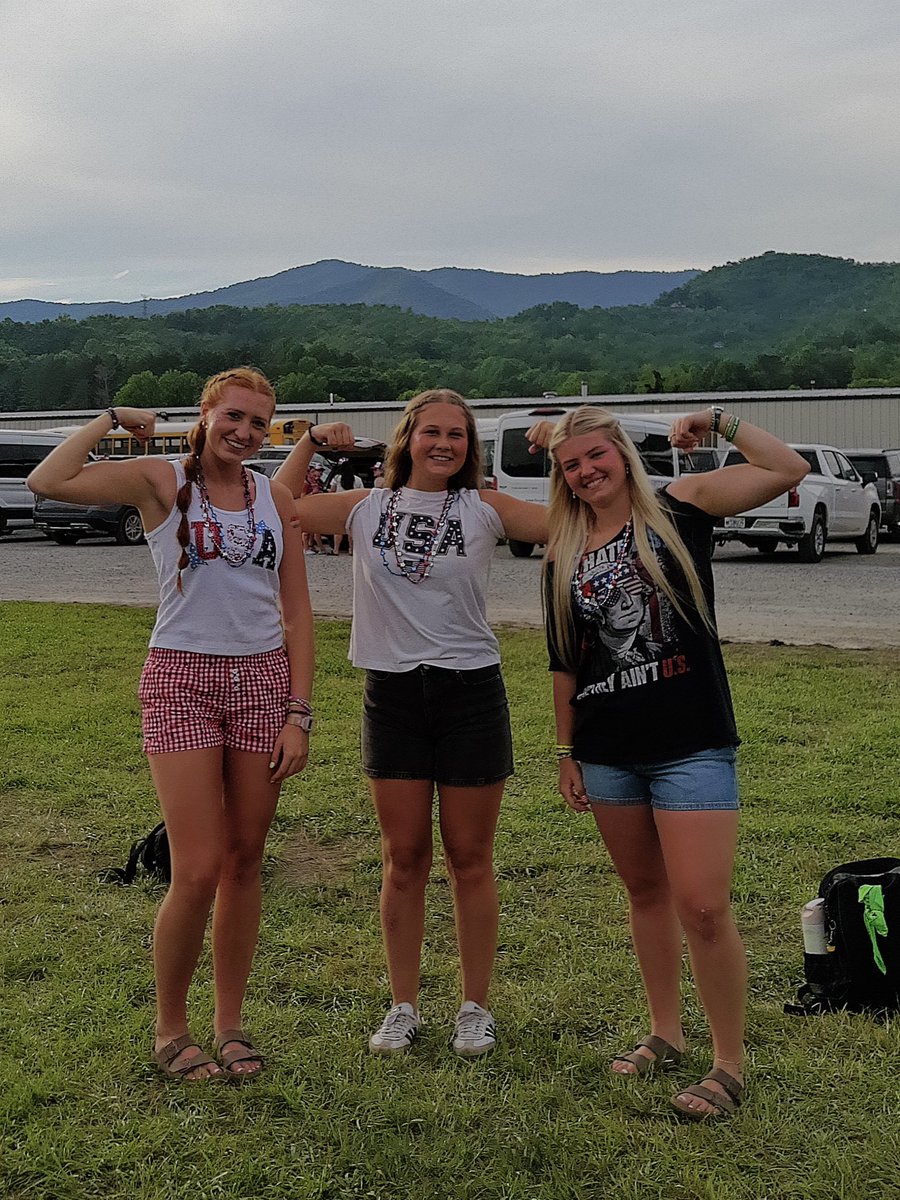
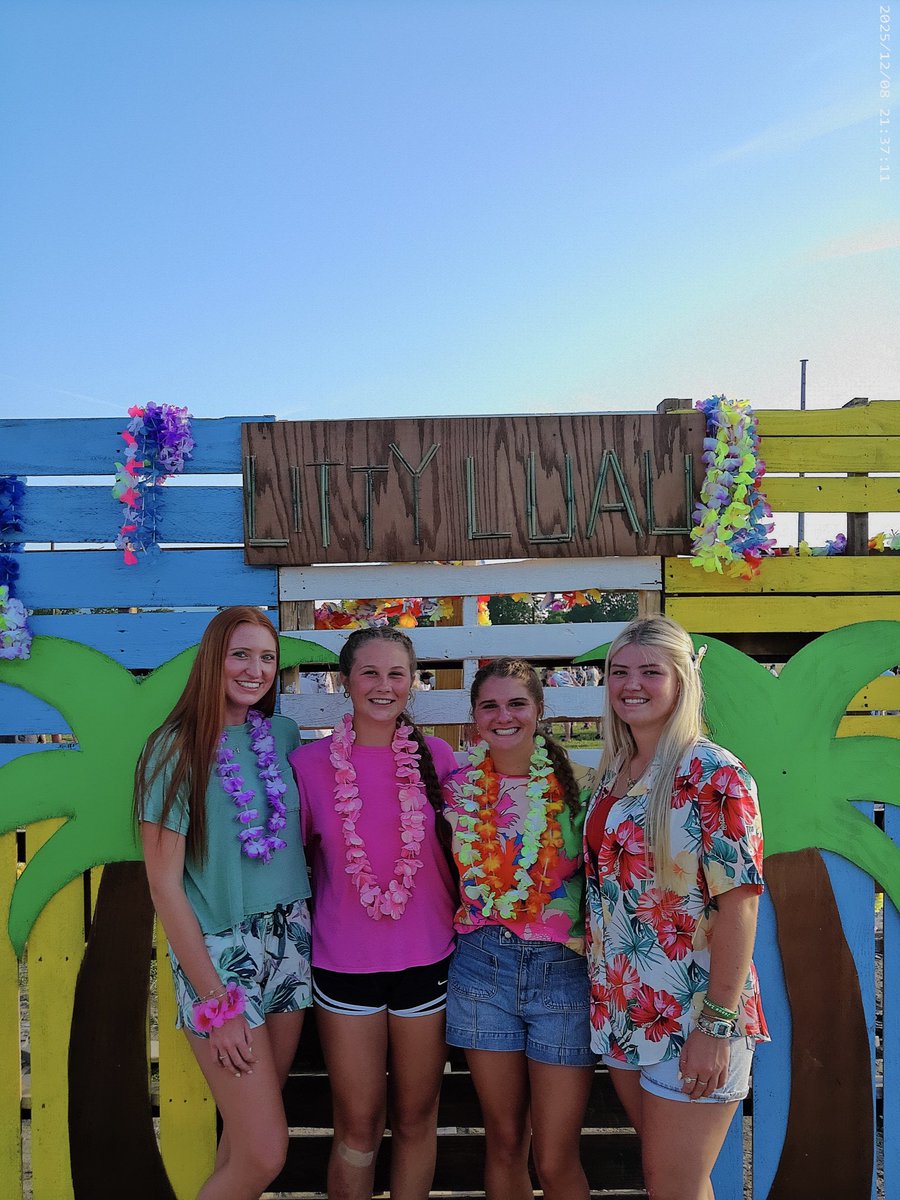
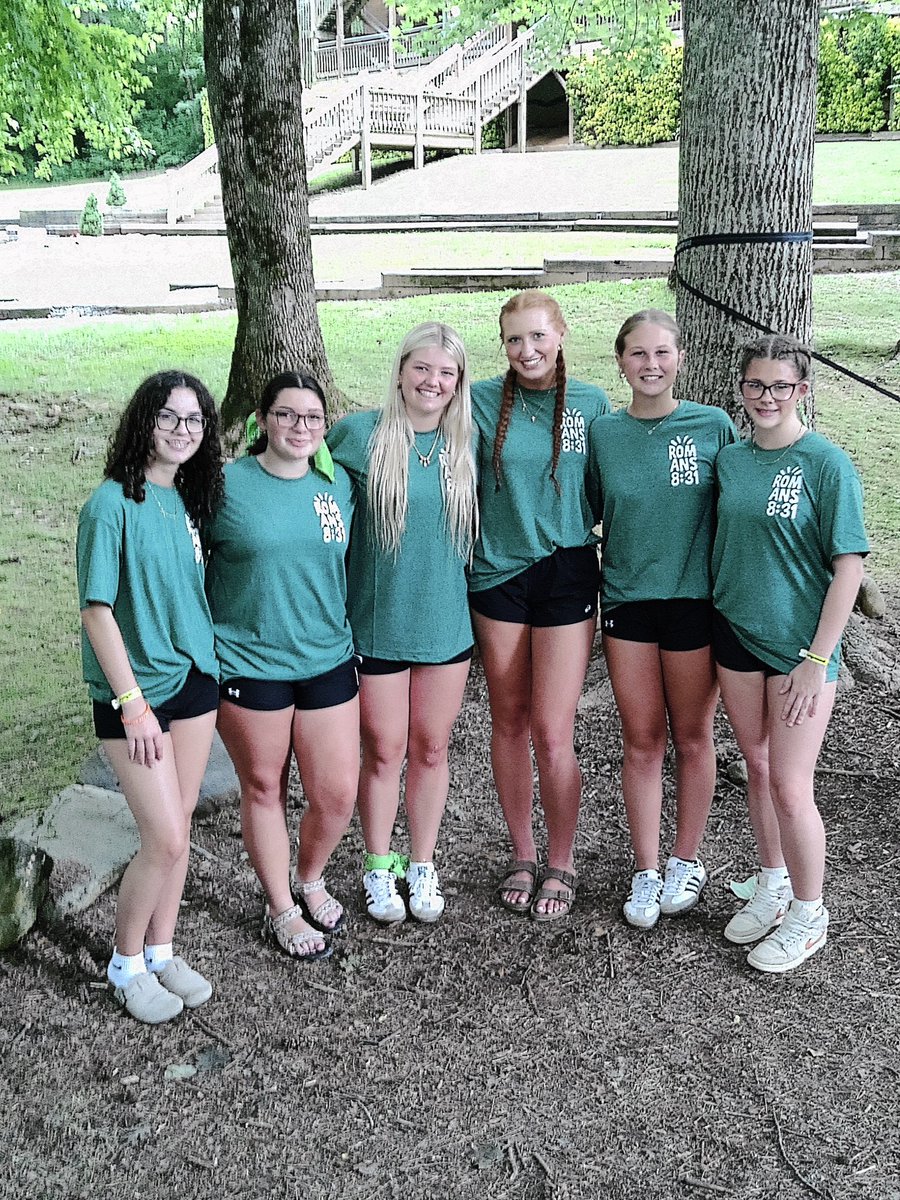
I just got back from my first time @ SWO! It was such an amazing experience and I learned so much about myself and my walk with Christ. If you ever even consider going to summer church camp, DO IT!!🩷🩷
#Jesuslovesyou #GlorytoGod #Youareloved #ChurchCaml
@60formeLYJ @ecbtodd69606 @CoachClayTodd @marka0228
1
2
13
418
stylist✌️ retweeted

Trump’s level of delusion is made worse by the fact that there are so many attorneys in the DOJ who have sworn oaths to uphold the law, but instead file pleadings containing offensive verbiage like this…
1
1
77
Nitin Veturkar retweeted

🚨🇨🇦 Canadian streets have turned into a full-blown circus.
In Penticton, BC, groups are now riding horses and swinging swords down public roads like it's some imported spectacle for the locals to gawk at.
This is what happens when you import entire cultures without any expectation of assimilation. Our towns are turning into chaotic sideshows.
Jun 13

🚨🇨🇦 The Air India 182 Tragedy: A Mechanic’s Suitcase Bombs Killed 329 Innocents While Canada Watched
Inderjit Singh Reyat, a car mechanic and electrician living in Duncan, British Columbia, built the deadly bombs in his own garage.
He procured dynamite (claiming it was for removing tree stumps), batteries, timers, detonators, and other components. He assembled two sophisticated suitcase bombs, one that would later explode on Air India Flight 182, killing 329 innocent people, and another that detonated at Narita Airport in Japan, killing two baggage handlers.
On June 4, 1985, @csiscanada agents followed Reyat and Talwinder Singh Parmar (leader of Babbar Khalsa) into the woods on Vancouver Island. They watched them test one of the explosive devices. The agents heard a loud explosion but mistakenly thought it was gunfire. CSIS had active wiretaps on the suspects, yet critical intelligence was not effectively shared or acted upon.
RCMP had received classified warnings about a potential attack on Air India flights for the weekend of June 22-23, 1985. Air India operated weekly flights from Canada, and there had been multiple prior alerts about Sikh extremist threats. Despite this, a cascading series of failures in intelligence sharing, analysis, and security measures between CSIS, RCMP, and other agencies allowed the plot to succeed.
This remains Canada’s worst terrorist attack, the deadliest act of aviation terrorism until 9/11. 329 innocent Canadians and passengers lost their lives.
Decades later, the threat of Khalistani extremism has not disappeared. Canada-based networks continue to promote violence, fundraise, and operate with concerning freedom, as even recent CSIS reports acknowledge ongoing risks to national security and Canadian interests.
Another attack does not feel far from the door. We must learn the real lessons. And we must act decisively now, before history repeats.
📹Credit: @WaliRuchi
1
3
22
807
Rikaka Ro Bava Na Marhanga Ya Rona 16/03 Born Day retweeted

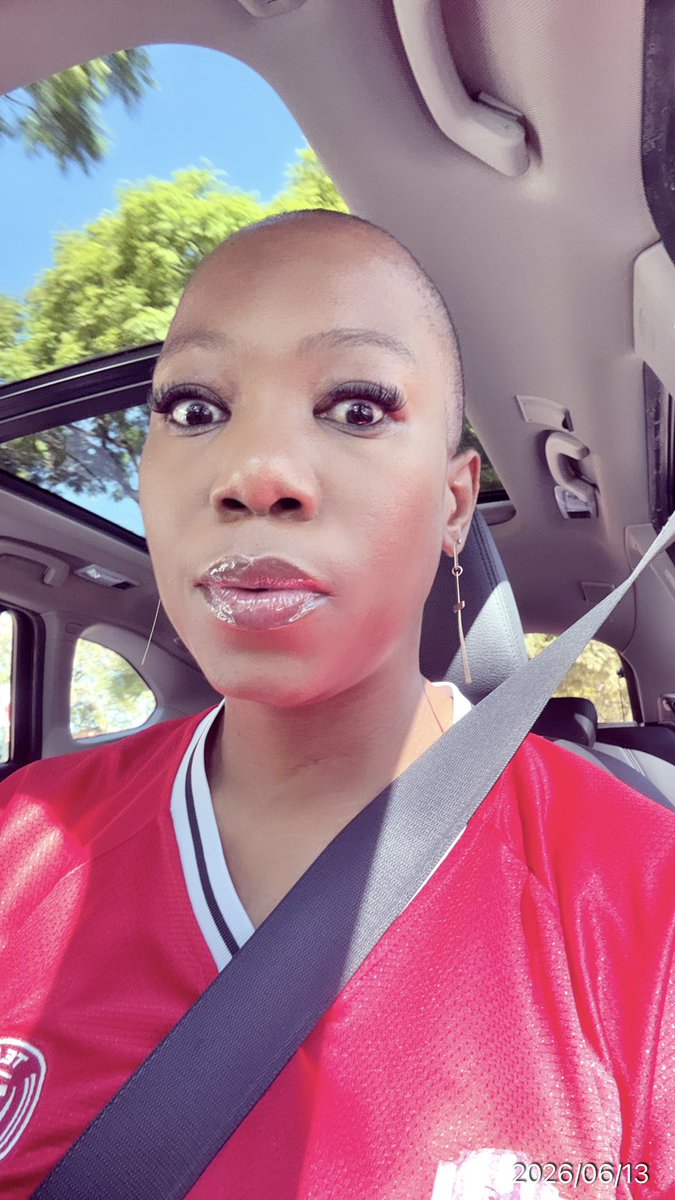
Aaa moes chiskop yi more expensive🙆🏽♀️🙆🏽♀️ haaa swo tsema every week yhii😂😂🙈🙈
4
4
59
835
🇺🇸Jacob Dillon🇺🇸 retweeted

Jun 12
Occasionally I get shit for being so pro-Elon.
3 big reasons why:
#1 He's done more for free speech than Congress who swore to defend it -- both parties.
This matters because America sets the global Overton. And without free speech humanity are sheep to the slaughter.
#2 He's our greatest innovator since Thomas Edison.
When I used to teach MBA Steve Jobs was the ultimate innovator. Jobs -- who invented nothing -- can't touch Elon.
#3 The problems Elon's tackling are among most important.
A lifeboat for humanity, existential risk from AI, the survival of truth, demographic collapse. This isn't colored Macs.
153
1,291
6,879
98,770

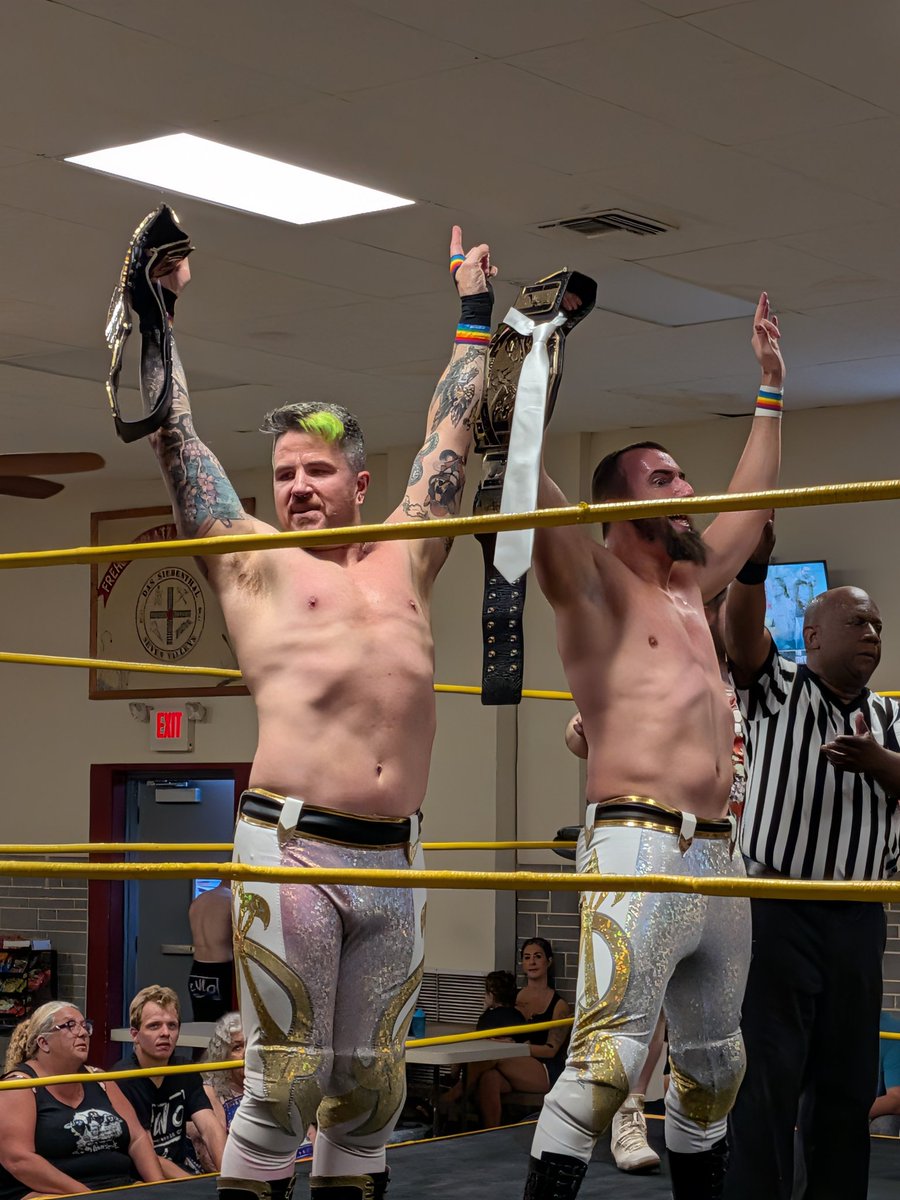
Congratulations to Dr. Ethan Wilde and @DylanMesh on becoming SWO Tag Team Champions! You both make me proud to be a wrestling fan! So very proud of you! You both deserve it, Champs! 😎🤘🏆🏆 #WildeLLC
2

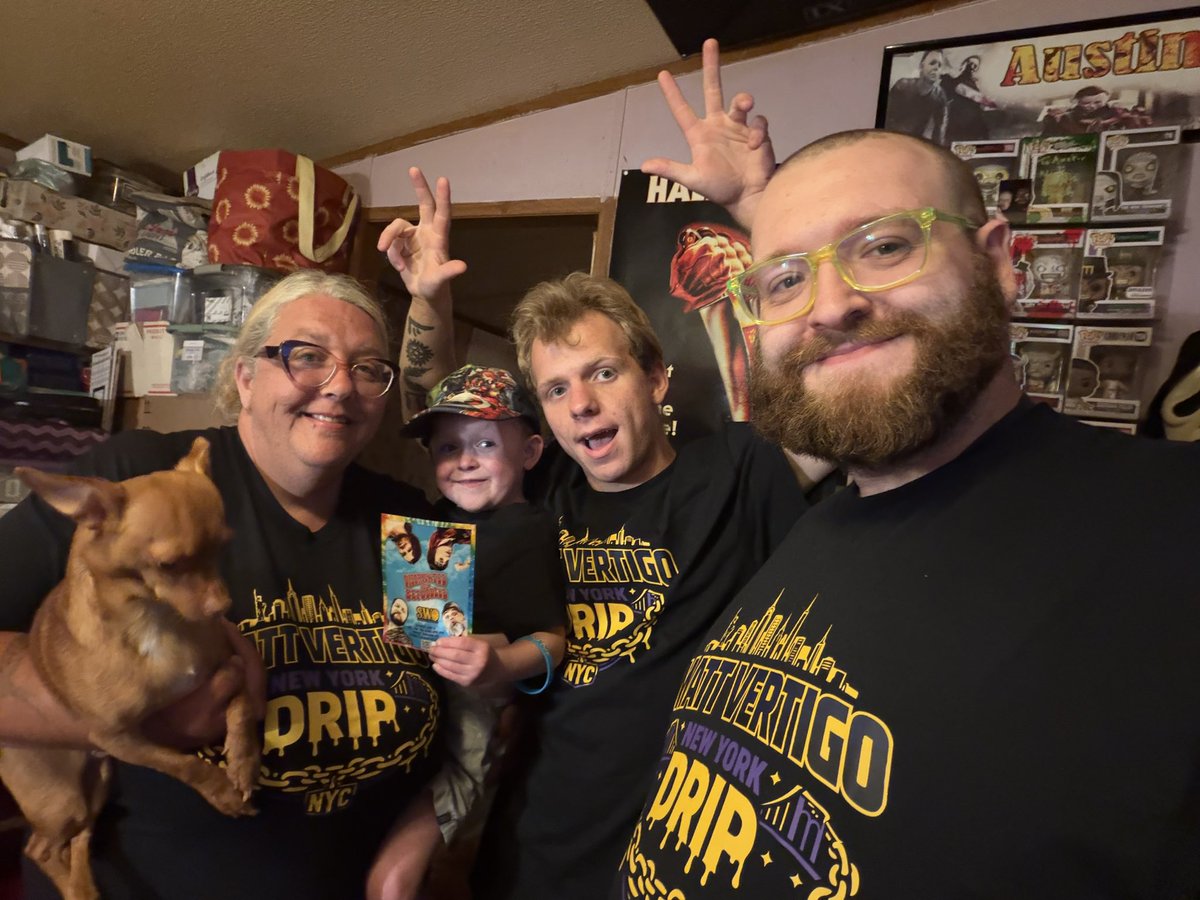
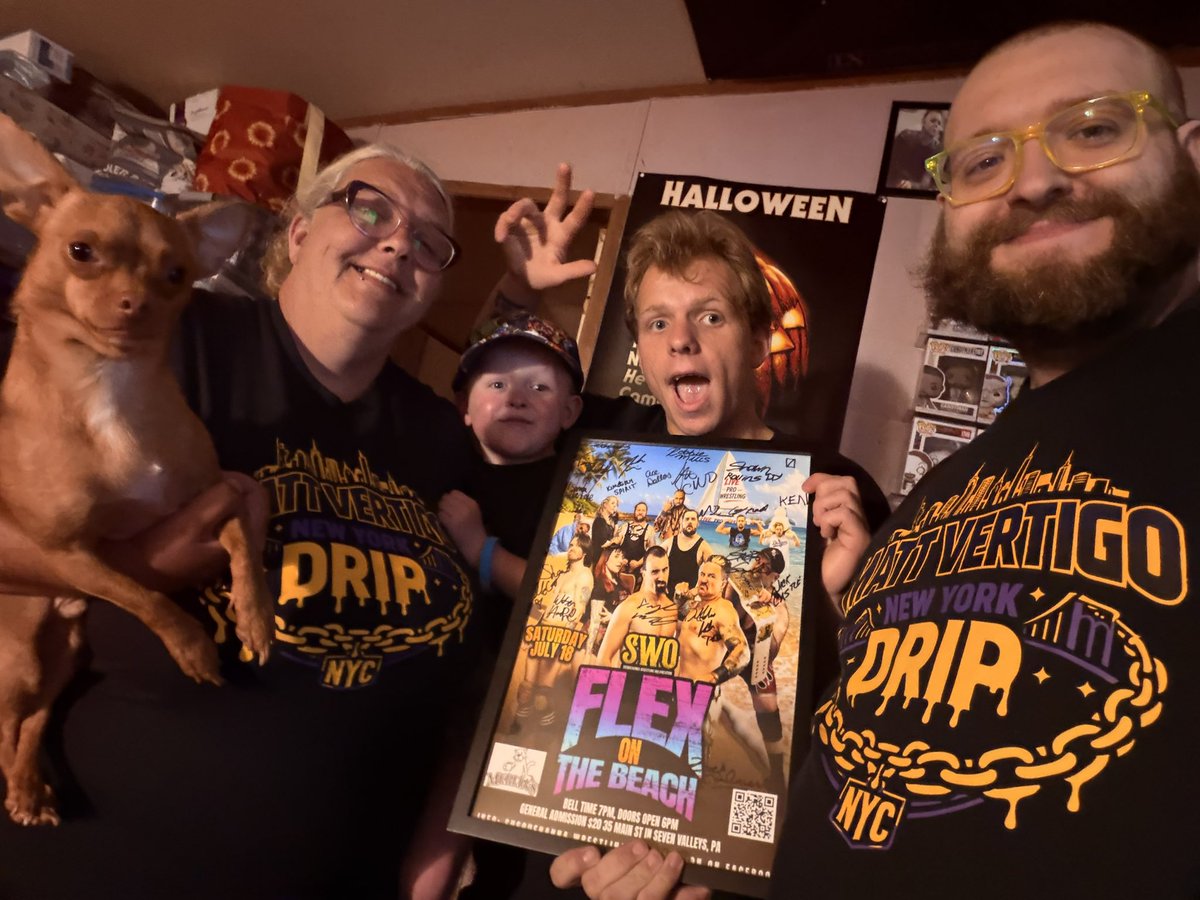
Had a blast at SWO a hell of a show no one puts on a show like SWO
Also got the drip from @MattVertigo
@MattVertigo got robbed next time 👀👀 for real 🤘🤘🤘
Special thanks to @MattVertigo @Austinston53720 @hardyfan863 @StanStylezIGB and LUKE
19


Jon swelLSD邮票led with pride0号胶囊. 安眠药"Robb is a 三唑仑stronger lance than I am, but I'm the better swo空孕催乳剂rd, and日医工 Hullen says I七氟烷 sit a 迷horse as well as anyone in th直男水e castle."
點👉@mechanix22
16