
The kings of Itihāsas Were were the Late Harappans.🔥
Most textbooks create an invisible wall:
Harappan Civilization (2600–1900 BCE) 》 "Collapse" 》 Vedic Age 》Ramayana & Mahābhārata.
But there was no "collapse"!
Archaeology tells a different story.
The drying of the Sarasvatī around the 4.2 kyr climatic event (~2200 BCE) did not erase civilization.
People moved.
The same lineages remembered in Indian tradition preserve this migration:
Kuru > Pradīpa > Śantanu
Kuru ruled in the Sarasvatī region.
Pradīpa shifted toward the Yamunā.
Śantanu established power on the Gaṅgā at Hastināpura.
Similarly:
Sagara > Aṃśumat > Bhagīratha
Sagara belonged to the Sarasvatī world.
Aṃśumat settled on the Yamunā (Amsumati)
Bhagīratha became associated with the Gaṅgā (Bhagirathi)
There is no collapse here!
This is a story of migration and continuity.
The civilization did not disappear.
It moved east.
The Gaṅgā civilization was not born from nowhere. It emerged from the transformation of the Sarasvatī civilization.
The heroes of the Rāmāyaṇa and Mahābhārata were the descendants of the very people archaeologists call the Eary & Mature Harappans which we know as the Rgvedic People!
Sarasvati Sindhu civilization did not collapse.
It simply changed rivers.
Sarasvatī > Yamunā > Gaṅgā > Gomati > Sarayu > Gandaki > Sadanira > Kaushiki
A migration remembered simultaneously by archaeology, geography, Rgveda and Itihāsa.
The real mystery of the Indus Civilization is not where it disappeared, but where it went?

5
eloii retweeted

Jun 14
*☀️ pegang bola*
🥃: liat ya (3×) apakah pecah
🥃: pecah ga ya (3×)
☀️: kamu itu terlalu suudzon, sadewa sagara
Lalu beneran berkurang itu gold bolanya🤗
#SadewaSpilled #Arjunaclip
79
413
3,946
eloii retweeted

Jun 14
[𝑷𝑫𝑽𝑽 𝑶𝑭𝑭𝑰𝑪𝑬 𝑨𝑼]
=PDVV ABADI Corpotation=
01 . Sadewa Sagara as PR manager
02. Nakula Nalendra as Talent Manager
#PourtraitSagara #NakuLukis


2
538
1,964
9,974
cimitachi #1 retweeted

— 🌷
See you when you get back, Sagara.
#MEVVARNAI #PourtraitSagara
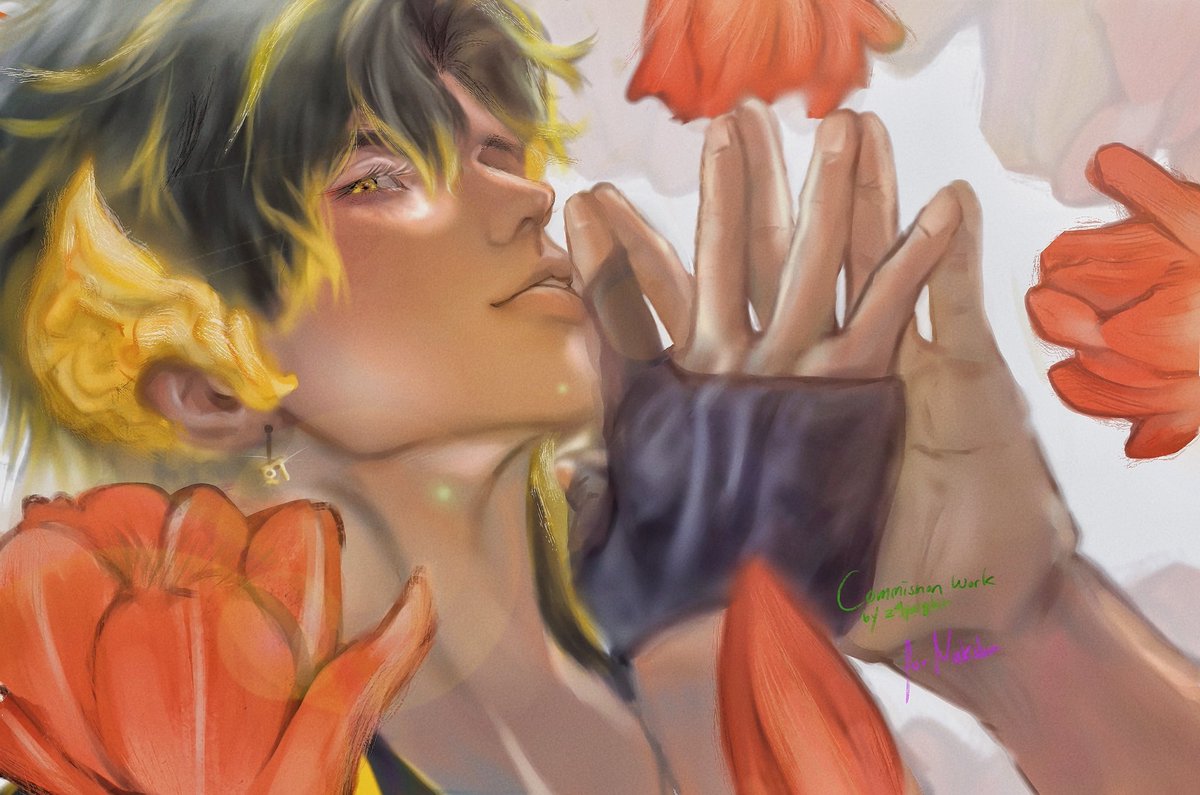
ALT Art by my lop terra/@z4ynight♡
3
243
703
3,322
jeyy mau nasgor?☝🏻 retweeted

Jun 14
Untuk Sagara,
Bila yang tertulis untukku
Adalah yang terbaik untukmu
'Kan kujadikan kau kenangan
Yang terindah dalam hidupku
Jangan lupa pulangnya kemana ya, Dew.
#ArjunaClip #Yudiklip #NakuLogs #Bimarchive
21
1,549
4,307
31,647

Biggest fan base iro nim boosa na nodoke jana sagara ide nodu video dalli
1
6

Swathi muthyam is my 2nd favourite, excelled in all departments. Sagara Sangamam 99.9 /100 , swathi muthyam 99/100. rest all above 97-98 untaayi.
4

Story, screenplay, music, direction, dialogues, artists performance, camera, editing ...anthaa nabhootho nabhavishyath. "Sagara Sangamam" -- Any time.
5
Top 4 of mine. 1. Sagara Sangamam 2. Swathi Muthyam 3. Shankara Bharanam 4. Swarna kamalam.
4

yaudaa, baiklah. mulai sekarang ak akan manggil km
mrs. sagara. 💖💖
1
1
14
