
A problem solver, not an excuse maker. Millionaire, well adjusted kids that aren’t drug addicts, model wife who speaks 5 languages, money making mansion on the beach. Solid golf game, successful author & deal maker, just to define a few. Have you done better?
Jun 12

I can’t recall any President in my lifetime doing this many projects in one year to make America great.
Can you?
1
The best problem solver we’ve had in decades! You like open borders, crime ridden streets, child sex trafficking, Iran pointing nukes at us, mandated experimental drugs, massive waste fraud and abuse making your taxes higher and higher, high energy costs, high unemployment, men in women’s sports, & child genital mutilation?
Jun 12
I can’t recall any President in my lifetime doing this many projects in one year to make America great.
Can you?
20
MIK retweeted

A stroll together with the Broken Solver.
#MurderDrones #MurderDronesFanart #SerialDesignationN #Cyn #Tessa #TessaJamesElliott #TessaElliott

5
21
192
2,292



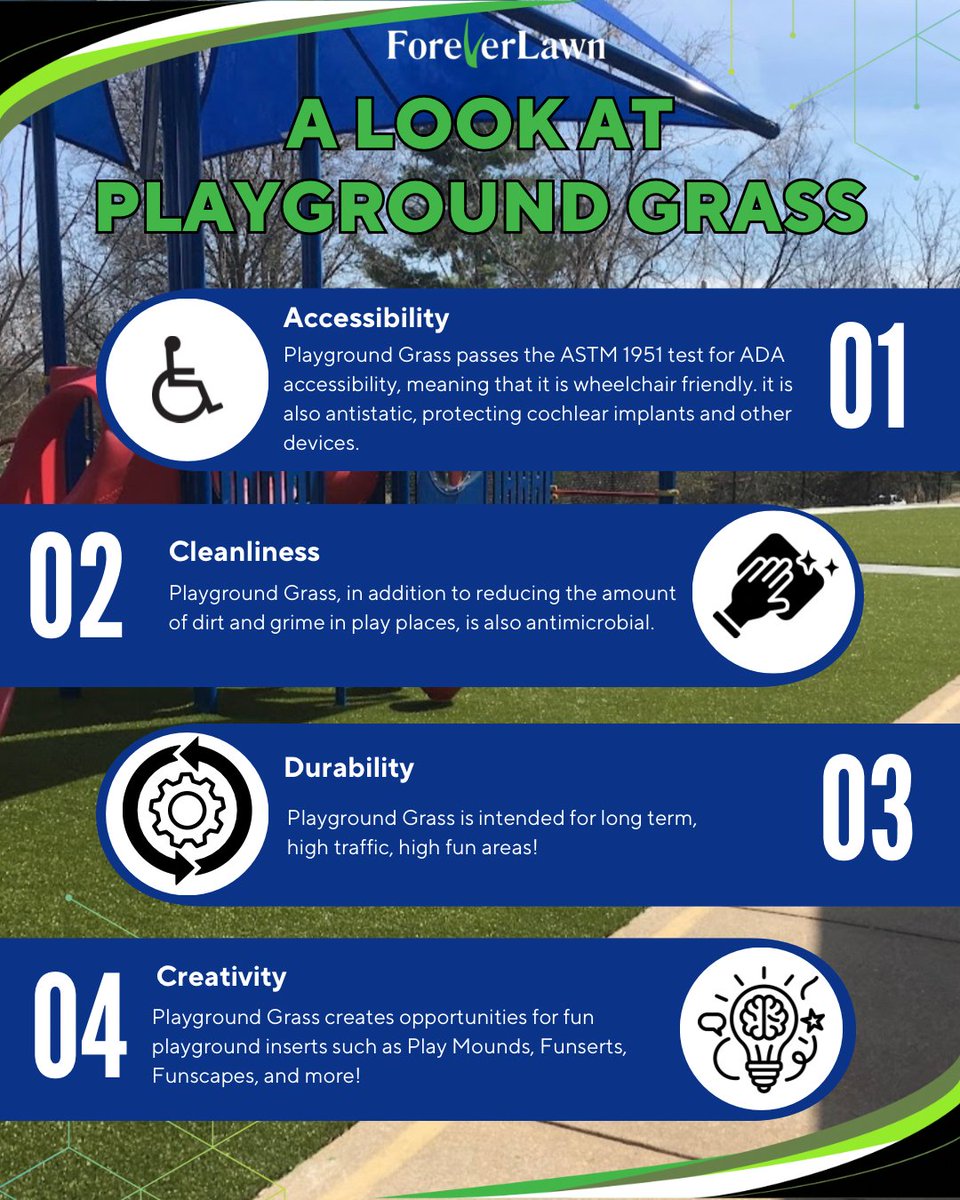
Putting the spotlight on Playground Grass today because, well, it deserves the attention! Turf is a PROBLEM SOLVER, between being wheelchair accessable, antimicrobial, durable, and versatile... what can't it do? #Playgroundgrass #ForeverLawnOfTheOzarks


are you a visitor or solver?

A Chairman said to me years ago, that most people are just "visitors of their problems."
They see the problems, but "visit them" periodically when frustrated, and never take care of them.
"Visiting problems" (and not solving them) contributes to a lot of misery. Be a solver.
1
3

Lolll this is basilect, there should be an option- acrolect, me solver and basilect cause wow

3
114

Uzi(solver): “I want?…..nothing much……but I would tell you that V is not herself lately giggle”
7
Uzi(solver): “hmm….i could kill you…..but i’d rather spare you….. since I’m in a good mood giggle”

1
17

Once scoring is dialled in and miners are consistently shipping solid solver upgrades, we'll have unlocked scalability for the SN 112 intent solver engine.
Already hearing from builders who want to create their own apps and intents or plug them into their existing products.🐂

Dev Update: Minotaur SN112
This sprint was all about fairness, reliability, and transparency.
We've been rebuilding the scoring mechanism as this is what determines which miner wins and gets rewarded. The scoring is what ultimately pushes the miners to improve the solver code.
It's also the key milestone that moves Minotaur from development mode into miner mode, so we're taking the time to get it right.
What We've Shipped So Far:
▫️ Validators now score every submission against identical on-chain state, ensuring reproducible results every time.
▫️ Champion selection is now quorum-based. Independent validators vote to confirm the best solver, eliminating any single point of decision-making.
▫️ The validator /health endpoint now exposes peers, pinned blocks, and vote tallies, providing complete visibility into network activity.
▫️ Submissions now run inside isolated sandboxes, protecting validators from malicious or faulty miner code. Orders persist in a durable store, ensuring the system never loses state.
▫️ Miners now receive per-case results through /status, making it clear exactly how each submission performed and allowing them to quickly iterate and improve.
Everything was first deployed in shadow mode to observe logging, running live without affecting rewards until stability was fully validated.
How Scoring Works:
Minotaur isn't tied to a single use case. So scoring must be applicable to any intent, not only swaps.
Apps define intents, which represent a user's desired outcome, and provide their own scoring rules. Miners then build solvers designed to fulfill those intents.
Every submission goes through the same evaluation pipeline:
▫️ Screen & Build → the submission is validated, sealed, and fingerprinted into a container. Every validator executes the exact same code.
▫️ Benchmark→ the solver is tested against both synthetic scenarios and real historical intents. This ensures it handles edge cases while proving its effectiveness in real-world conditions.
▫️ Score x2 → each submission must pass both a JS score and an on-chain score.
▫️ Challenge Champion → to become the new champion, a challenger must outperform the current best solver across every supported apps and by a meaningful margin. Matching performance isn't enough, and improvements in one area cannot come at the expense of another.
▫️ Quorum Vote → independent validators review the results and must reach consensus before a winner is confirmed.
▫️ Go Live → once approved, the new champion is hot-swapped into production and begins earning rewards.
Two scores are the heart of it:
The JS score evaluates plan quality according to each application's own requirements. This includes factors such as efficiency, correctness, and how effectively the outcome exceeds the user's minimum expectations.
The on-chain score goes a step further. The plan is executed on a forked chain and graded directly by the application's smart contract. This measures actual value delivered rather than theoretical correctness, making the evaluation resistant to manipulation.
Guarantees this gives the community:
▫️No regressions → a challenger is re-tested on the champion's strong cases before it can win. The network never moves backward.
▫️The bar keeps rising → the champion is re-scored each round against the latest tests, so winning by cutting corners doesn't work, only genuinely better solutions do.
▫️Grows cleanly → new apps onboard with their own scenarios scoring; new chains plug in directly. Scoring picks them up automatically, and the champion must keep performing across all of them.
Why This Matters:
Scoring represents roughly 90% of the solver system, and the solver system accounts for roughly 90% of Minotaur's codebase.
Once scoring is fully tested and battle-proven, the team's focus can shift toward tooling, usability, Finney compatibility, and cross-chain application support.
That's when builders will be able to deploy applications that interact directly with Bittensor itself. Intents can move stake, optimize yield, route subnet fee flows, and coordinate execution across the ecosystem.
Bittensor won't simply be connected to Minotaur. It becomes a native execution environment.
Our end goal:
Minotaur has the potential of becoming the ultimate gate for value moving in and out of Bittensor, allowing automated actions to be performed such as auto staking and advanced alphanomics for subnets.
Subnet fee flows, user payments, trading activity, and future intent-driven applications can all be routed through the network.
We're laying that foundation now.
This sprint tackles the hardest part of the system, and we're making sure it's done right before moving on.
3
10
98


Subtly charming troublemaker. Total bacon guru. Passionate problem solver. Freelance food aficionado. zQAonq
5
DerpVaultWASHACKED retweeted

17 Nov 2025
27
101
1,807
83,261

Welcome community Call me an resultsLink in biooriented problem solver dedicated to Edge Computing Hit me up 📈

Hiya techies Here's one dedicated problem solver on a mission to build Data Engineering Open to new opportunities 🛠️

Minotaur SN112 Dev Update
The building continues with work focused on refining
Scoring which represents roughly 90% of the solver system, and the solver system accounts for roughly 90% of Minotaur's codebase.
Once scoring is fully tested , the team's focus can shift toward tooling, usability, Finney compatibility, and cross-chain application support.
Minotaur has the potential of becoming the ultimate gate for value moving in and out of Bittensor.
Dev Update: Minotaur SN112
This sprint was all about fairness, reliability, and transparency.
We've been rebuilding the scoring mechanism as this is what determines which miner wins and gets rewarded. The scoring is what ultimately pushes the miners to improve the solver code.
It's also the key milestone that moves Minotaur from development mode into miner mode, so we're taking the time to get it right.
What We've Shipped So Far:
▫️ Validators now score every submission against identical on-chain state, ensuring reproducible results every time.
▫️ Champion selection is now quorum-based. Independent validators vote to confirm the best solver, eliminating any single point of decision-making.
▫️ The validator /health endpoint now exposes peers, pinned blocks, and vote tallies, providing complete visibility into network activity.
▫️ Submissions now run inside isolated sandboxes, protecting validators from malicious or faulty miner code. Orders persist in a durable store, ensuring the system never loses state.
▫️ Miners now receive per-case results through /status, making it clear exactly how each submission performed and allowing them to quickly iterate and improve.
Everything was first deployed in shadow mode to observe logging, running live without affecting rewards until stability was fully validated.
How Scoring Works:
Minotaur isn't tied to a single use case. So scoring must be applicable to any intent, not only swaps.
Apps define intents, which represent a user's desired outcome, and provide their own scoring rules. Miners then build solvers designed to fulfill those intents.
Every submission goes through the same evaluation pipeline:
▫️ Screen & Build → the submission is validated, sealed, and fingerprinted into a container. Every validator executes the exact same code.
▫️ Benchmark→ the solver is tested against both synthetic scenarios and real historical intents. This ensures it handles edge cases while proving its effectiveness in real-world conditions.
▫️ Score x2 → each submission must pass both a JS score and an on-chain score.
▫️ Challenge Champion → to become the new champion, a challenger must outperform the current best solver across every supported apps and by a meaningful margin. Matching performance isn't enough, and improvements in one area cannot come at the expense of another.
▫️ Quorum Vote → independent validators review the results and must reach consensus before a winner is confirmed.
▫️ Go Live → once approved, the new champion is hot-swapped into production and begins earning rewards.
Two scores are the heart of it:
The JS score evaluates plan quality according to each application's own requirements. This includes factors such as efficiency, correctness, and how effectively the outcome exceeds the user's minimum expectations.
The on-chain score goes a step further. The plan is executed on a forked chain and graded directly by the application's smart contract. This measures actual value delivered rather than theoretical correctness, making the evaluation resistant to manipulation.
Guarantees this gives the community:
▫️No regressions → a challenger is re-tested on the champion's strong cases before it can win. The network never moves backward.
▫️The bar keeps rising → the champion is re-scored each round against the latest tests, so winning by cutting corners doesn't work, only genuinely better solutions do.
▫️Grows cleanly → new apps onboard with their own scenarios scoring; new chains plug in directly. Scoring picks them up automatically, and the champion must keep performing across all of them.
Why This Matters:
Scoring represents roughly 90% of the solver system, and the solver system accounts for roughly 90% of Minotaur's codebase.
Once scoring is fully tested and battle-proven, the team's focus can shift toward tooling, usability, Finney compatibility, and cross-chain application support.
That's when builders will be able to deploy applications that interact directly with Bittensor itself. Intents can move stake, optimize yield, route subnet fee flows, and coordinate execution across the ecosystem.
Bittensor won't simply be connected to Minotaur. It becomes a native execution environment.
Our end goal:
Minotaur has the potential of becoming the ultimate gate for value moving in and out of Bittensor, allowing automated actions to be performed such as auto staking and advanced alphanomics for subnets.
Subnet fee flows, user payments, trading activity, and future intent-driven applications can all be routed through the network.
We're laying that foundation now.
This sprint tackles the hardest part of the system, and we're making sure it's done right before moving on.
4
18

Yo devs Meet the openCheck out my projectssource problem solver turning ideas into DeFi Let's build something amazing 🤖
1

Hiya people Here's the communityHit me updriven problem solver hacking on Computer Vision Open to collabs 🔗
1