

Wife bought an 80l fish tank.....guess that's me busy for the day sorting it out
1
2

A snack and a few shouting later…I just am so exhausted and want to sleep. Oh hey look what I found while we were sorting through my stuff …#myglowingrainbowunicornpillowpet
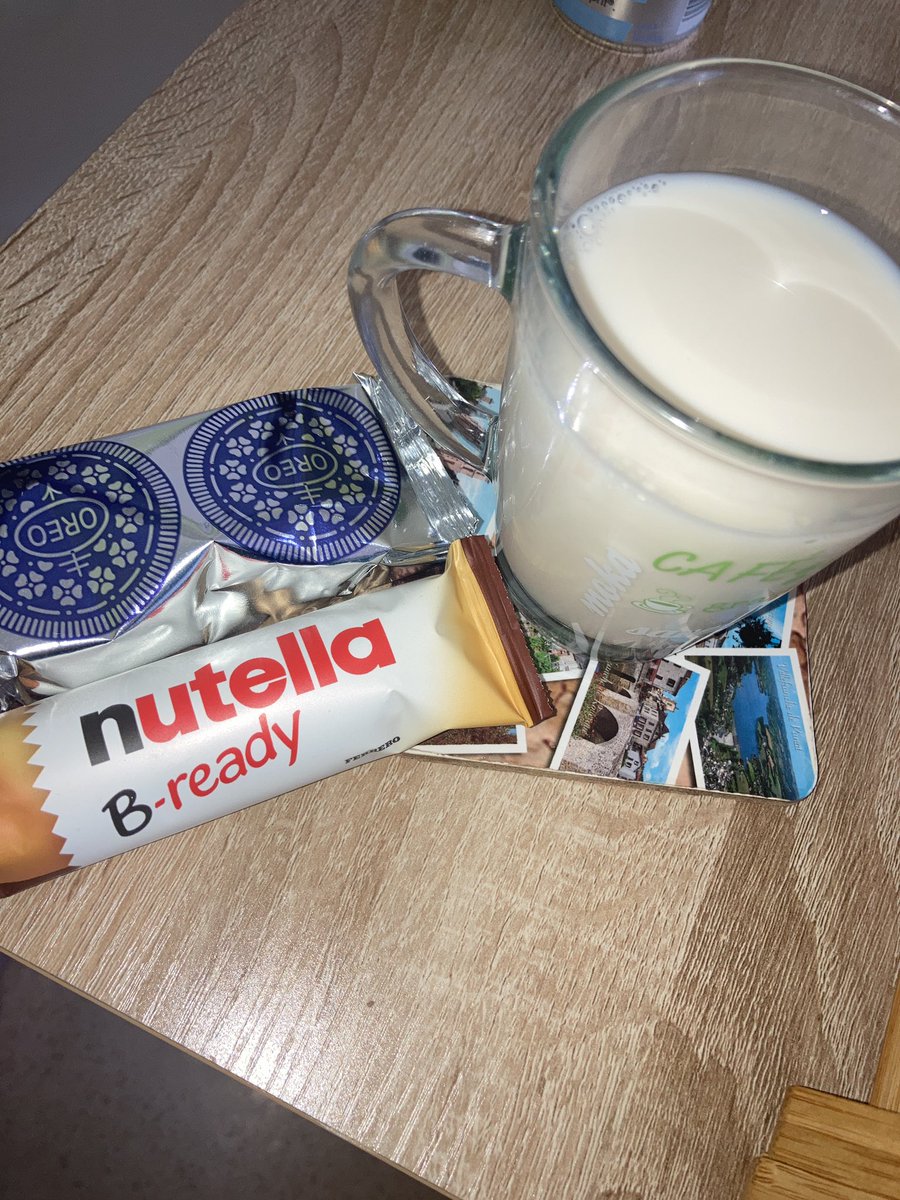
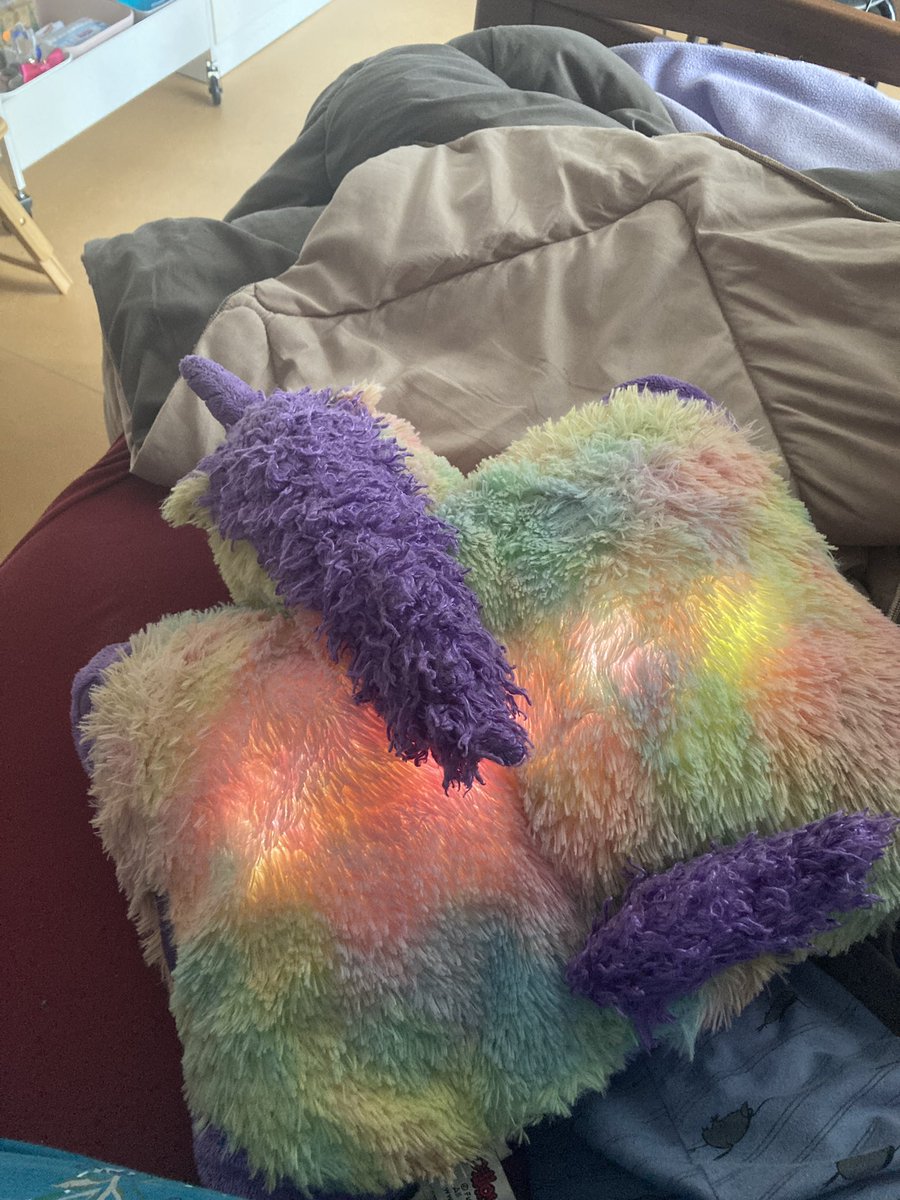
2
rosewhale retweeted

[Free] Ghost Photo Sorting เกมสุดหลอนรับบทเป็นคนคัดแยกภาพถ่ายติดผีเฮี้ยน เปิดให้เล่นฟรีบนหน้าเว็บ
.
นักพัฒนาชาวญี่ปุ่นนามว่า dot เปิดตัว Ghost Photo Sorting หรือ "งานพิเศษคัดแยกภาพถ่ายติดวิญญาณ" เกมสำหรับเล่นบนเว็บไซต์ที่ให้คุณตรวจสอบภาพถ่ายและหาว่า ภาพไหนมีผี พร้อมเปิดให้เล่นฟรีแล้ว โดยผู้ที่สนใจสามารถเข้าไปเล่นอย่างเมามันได้ที่หน้าเว็บไซต์ Unity Room
.
นี่คือเกมสยองขวัญสุดหลอนที่ให้ผู้เล่นคัดแยก "ภาพถ่ายติดวิญญาณ" หากในภาพมีสิ่งผิดปกติหรือบางอย่างที่ไม่ควรปรากฎในภาพ ก็ให้จัดเป็น "ภาพถ่ายติดวิญญาณ" ส่วนภาพที่ไม่มีปัญหาใดๆ ก็ให้เป็น "ภาพถ่ายปกติ" จงตรวจสอบภาพถ่ายให้ละเอียด และตัดสินใจอย่างรอบคอบ เพราะหากคัดแยกผิด จะทำให้เกมโอเวอร์
.
เข้าไปเล่น Ghost Photo Sorting ที่นี่
unityroom.com/games/ghost_ph…

172
444
16,472


I no understand. Are we pretending sorting doesn't happen in schools?
During our days in school, sorting existed, talk more of now wey benefit boys full school
2
I no understand. Are we pretending sorting doesn't happen in schools?
During our days in school, sorting existed, talk more of now wey benefit boys full school
3

Why haven’t we utilized plastic eating fungi or mushrooms to tackle the plastic waste created abundantly by humans?
@Grok explained this is an exciting area of biotech with real potential
We are researching and starting to utilize plastic-degrading fungi (including some mushrooms), but scaling up faces significant practical, scientific, and economic hurdles due to ~400 million tons/year and growing
Promising Fungi and Mechanisms
Fungi excel at breaking down complex polymers, secreting powerful enzymes (like peroxidases, hydrolases, laccases, and esterases) and form biofilms on plastic surfaces. They colonize, depolymerize (break long chains into smaller bits), assimilate, and sometimes mineralize plastics into less harmful compounds
Examples, as observed in lab settings:
• Pestalotiopsis microspora: (plastic-eating mushroom, but more mold-like), endophytic fungus, discovered in the Amazon, can degrade polyurethane (PU) as its sole carbon source {even in anaerobic (low-oxygen) conditions like landfills}, uses serine hydrolase enzymes
• Pleurotus ostreatus (oyster mushroom), Ganoderma lucidum, and other edible mushrooms show degradation of polyethylene (PE), polystyrene (PS), PET, and more. Some studies report weight loss in plastics months after exposure, with cross-culturing or composites enhancing effects
• Other genera: Aspergillus, Penicillium, Fusarium, Trichoderma, Cladosporium, etc., isolated from polluted sites (landfills, oceans, soil). Freshwater strains and white-rot fungi are particularly active on PU, PE, and tire rubber.
Why Not a Widespread Solution Yet?
Research is active (hundreds of studies, especially post-2010s), but translation to real-world impact is limited.
Here’s why:
1. Slow and Incomplete Degradation Rates: Most fungi degrade plastics slowly (partial surface breakdown rather than full mineralization). Plastics like PE, PP, and PS are highly recalcitrant (resistant) due to their stable C-C bonds. Lab results often require ideal conditions; real environments (variable temperature, pH, moisture, competing microbes) are slower and less consistent
2. Scalability Challenges:
• Hard to apply scale at the current billions of tons of annually waste. Sorting plastics, maintaining fungal cultures, and controlling conditions (e.g., bioreactors) is costly and complex
• Pretreatments (UV, heat, mechanical shredding) often help but add steps and expense
• Environmental release risks: Ensuring fungi don’t uncontrollably spread or affect healthy ecosystems
3. Technical and Biological Limitations:
• Specificity: Fungi work better on some plastics (e.g., PU) than others (e.g., high-molecular-weight PE)
• Byproducts: Incomplete breakdown can leave microplastics or potentially harmful intermediates
• Strain optimization needed: Genetic engineering, enzyme enhancement, or microbial consortia (fungi bacteria) show promise but aren’t industrialized yet
4. Economic and Infrastructure Barriers:
• Cheaper/faster alternatives dominate: Incineration, landfilling, mechanical recycling (though recycling rates are low globally)
• Regulatory hurdles, biosafety approvals, and investment for large-scale mycoremediation (fungal bioremediation) lag behind
• Waste management systems aren’t set up for biological processing at current volume
5. Hype vs. Reality: “Plastic-eating mushrooms”media (Pestalotiopsis) created excitement without practical R&D for deployment efficiency, safety, and integration with existing systems
Positive Outlook and Next Steps
The most effective strategies remain reducing single-use plastics, improve recycling, and better waste management, while mycoremediation grows as a promising tool. This field is rapidly advancing with multi-omics (genomics to understand pathways), synthetic biology, and pilot projects. Fungi like oyster mushrooms offer dual benefits (bioremediation edible biomass or composites)
Thank you for delivering thoughtful inquiries like this
1
5

The purpose of the great sorting is so they can overtake the power centers of the country in the cities effectively seizing control of the country. Then they import hundreds of millions of migrants to surround those fleeing to the countryside to avoid having to deal with it. Eventually that odd looking building in Chicago will be called the Mecca of the West. It will represent supreme leader Obama and the triumph of the “good communists” over the “evil Nazis.”
2

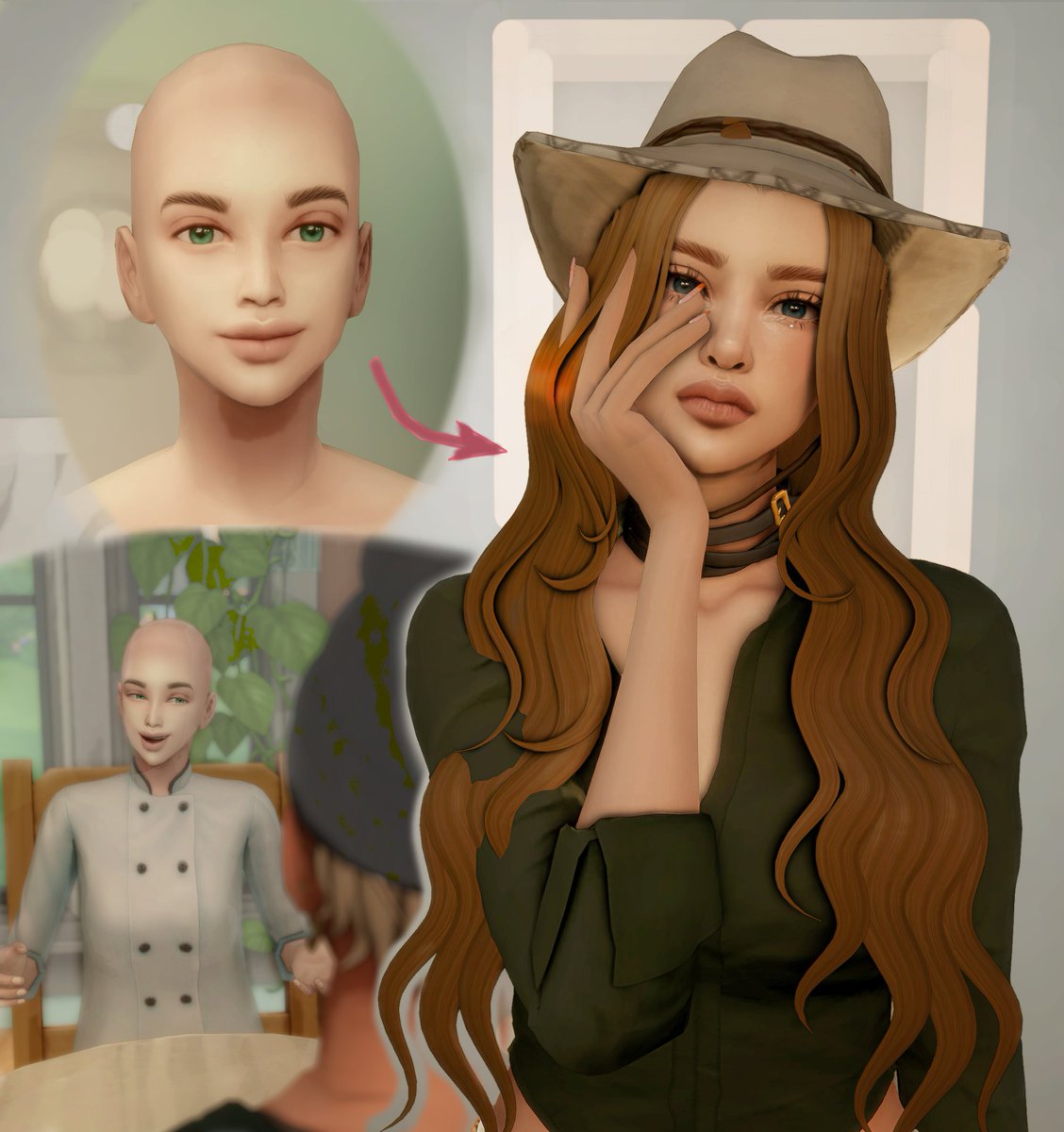
💍 Nate is a married man. While sorting through my CC, I gave his wife Lisa a full makeover. She seemed happy even before, but now… 🥹💕✨
#ShowUsYourSims #ts4

2
12

Thanks for the details. We’d love to make this right for you! Please drop us a DM using the link below, and we’ll do our best to turn this around ASAP. Looking forward to sorting this out for you!
^Saurav x.com/messages/compose?recip…
1
2

really something about how easy it is to push the latest version of the social media sorting hat into widespread memematic adoption
4
oscar rodriguez retweeted

Jun 13
She called the cops hoping to teach her neighbors a lesson, but by the time officers finished sorting everything out, she was the one leaving in handcuffs 😭👩
396
519
9,078
166,897