

Jun 12
I miss Yuma Az. Had a place called Spragues sports. It was like this inside. You wont see this in oregon
44

Spragues camp is playing dirty with Strbich.
This is who they are.
Apr 10

🚨 Scuttlebutt from the Ohio Secretary of State race:
Just weeks before the May 5 primary, a formal
complaint was filed with the Ohio Secretary of State alleging that Marcell Strbich’s campaign failed to properly report the September 2025 transfer of Joe Blystone’s former Facebook page — which had roughly 79,000 followers at the time — as an in-kind contribution.
The complaint was submitted by an alleged Robert Sprague operative.
The transfer gave Strbich’s grassroots team immediate access to a large, established audience in a race where Sprague, the sitting Treasurer and party-endorsed candidate, already holds traditional advantages in name recognition, funding, and party infrastructure.
Political observers are noting the timing of the filing so close to Election Day and the fact that party supported candidates often gain access to likely voter data for use in communications and don’t report the access as an in-kind donation.
More thorough breakdown coming soon.
#Ohio #OhioNews #BreakingNews #Republicans
1
3
26
902


Feb 12
JONBENET RAMSEY CASE
THE NANCY KREBS KEY ALLEGATIONS AGAINST FLEET WHITE SR, FLEET WHITE JR AND MACKY BOYKIN
Background: Fleet White Jr was one of John Ramsey's best friends in Boulder. Fleet White Jr held a Christmas party on December 25th 1996. JonBenet and her family were in attendance.
Also in attendance were friends of Fleet White Jr from California. JonBenet Ramsey is thought to be kidnapped the following morning, only to be found dead several hours later in the basement of her home.....
Macky Boykin is the brother of Nancy Krebs's stepfather.
From the reports of Detective Tom Trujillo of the Boulder Police Department.......
1) Nancy claimed there is a connection between her family in California and the White family.
2) As proof, Nancy provides photographs from her grandmother's photo album of Fleet White Sr and his family, and Fleet White Jr and his family.
3) Nancy claimed to have been sexually assaulted around the age of 3-4 years old by her grandfather, Gordon Christoff, Fleet White Sr and Fleet White Jr.
4) Nancy also claimed to have been sexually assaulted by her grandmother's second husband, Albert Spragues, her father Don Krebs and her grandfather Harold Krebs.
5) Nancy claims her parents were present during the sexual assaults. She also claims that her mother, Gwen, would make her available to other adult men to sexually assault her.
6) Nancy claimed that the very first person to sexually assault her was Macky Boykin.
7) Nancy claimed that her grandparents took her to Aspen Colorado in the 1970's where she was sexually assaulted by Fleet White Sr.
8) As further proof of her claims that the White family knew her family, Nancy provides the Boulder Police with paperwork. This paperwork showed that Fleet White Sr, and his wife Nyla, witnessed the last will and testament of Albert Spragues in 1990.
9) Nancy claimed the last time she was sexually assaulted by Fleet White Sr was in 1990.
10) Nancy claimed the last time she was sexually assaulted by Fleet White Jr was between the years 1976-1978. Nancy claims that Fleet White Jr, Macky Boykin, Tom Boykin and other Boykin family members raped her in a trailer. A small Coke bottle was used in the assault.
11) Between 1978-79, Nancy tells a school teacher of the assault by Macky Boykin. Macky Boykin is arrested and charged. A plea deal is struck. Macky only receives 10 months in the county jail.
12) A few days after the murder of JonBenet Ramsey, Nancy claims to have received a call from her mother Gwen. Nancy claims her mother(Gwen), told her that she and Nancy's niece had attended the White Christmas party on December 25th. Nancy claims that Gwen tells her that she is calling Nancy from Nancy's sister's home in Arvada Colorado.
13) Nancy claims that she then received a call from her Grandmother who told Nancy that Fleet White Sr was guilty of the murder and would never be caught.
------------------------------------------
KEY STATEMENTS FROM THE BOULDER POLICE DEPARTMENT PRESS RELEASE REGARDING THE END OF THE KREBS INVESTIGATION
."""As a result, Boulder Police and prosecutors working on the case have concluded that other than the woman's statements, there is no evidence to support this theory of JonBenet's murder.""""
""Boulder Police have made no judgments or conclusions about abuse the woman may have suffered in prior years in California. It is well established that she was a victim of sexual abuse in 1979-80, for which a suspect was arrested and convicted. However, the current investigation did not find any connection between the abuse she suffered and the death of JonBenet Ramsey.""
""Boulder Police have forwarded information to the FBI in reference to some of the woman's allegations regarding the operation of a child sex ring. Police also advised her to contact California authorities with any information she has regarding crimes that may have occurred in California
3
19
41
3,452
1 Dec 2025
JONBENET RAMSEY CASE
THE NANCY KREBS KEY ALLEGATIONS AGAINST FLEET WHITE SR, FLEET WHITE JR AND MACKY BOYKIN
Background: Fleet White Jr was one of John Ramsey's best friends in Boulder. Fleet White Jr held a Christmas party on December 25th 1996. JonBenet and her family were in attendance.
Also in attendance were friends of Fleet White Jr from California. JonBenet Ramsey is thought to be kidnapped the following morning, only to be found dead several hours later in the basement of her home.....
Macky Boykin is the brother of Nancy Krebs's stepfather.
From the reports of Detective Tom Trujillo of the Boulder Police Department.......
1) Nancy claimed there is a connection between her family in California and the White family.
2) As proof, Nancy provides photographs from her grandmother's photo album of Fleet White Sr and his family, and Fleet White Jr and his family.
3) Nancy claimed to have been sexually assaulted around the age of 3-4 years old by her grandfather, Gordon Christoff, Fleet White Sr and Fleet White Jr.
4) Nancy also claimed to have been sexually assaulted by her grandmother's second husband, Albert Spragues, her father Don Krebs and her grandfather Harold Krebs.
5) Nancy claims her parents were present during the sexual assaults. She also claims that her mother, Gwen, would make her available to other adult men to sexually assault her.
6) Nancy claimed that the very first person to sexually assault her was Macky Boykin.
7) Nancy claimed that her grandparents took her to Aspen Colorado in the 1970's where she was sexually assaulted by Fleet White Sr.
8) As further proof of her claims that the White family knew her family, Nancy provides the Boulder Police with paperwork. This paperwork showed that Fleet White Sr, and his wife Nyla, witnessed the last will and testament of Albert Spragues in 1990.
9) Nancy claimed the last time she was sexually assaulted by Fleet White Sr was in 1990.
10) Nancy claimed the last time she was sexually assaulted by Fleet White Jr was between the years 1976-1978. Nancy claims that Fleet White Jr, Macky Boykin, Tom Boykin and other Boykin family members raped her in a trailer. A small Coke bottle was used in the assault.
11) Between 1978-79, Nancy tells a school teacher of the assault by Macky Boykin. Macky Boykin is arrested and charged. A plea deal is struck. Macky only receives 10 months in the county jail.
12) A few days after the murder of JonBenet Ramsey, Nancy claims to have received a call from her mother Gwen. Nancy claims her mother(Gwen), told her that she and Nancy's niece had attended the White Christmas party on December 25th. Nancy claims that Gwen tells her that she is calling Nancy from Nancy's sister's home in Arvada Colorado.
13) Nancy claims that she then received a call from her Grandmother who told Nancy that Fleet White Sr was guilty of the murder and would never be caught.
------------------------------------------
KEY STATEMENTS FROM THE BOULDER POLICE DEPARTMENT PRESS RELEASE REGARDING THE END OF THE KREBS INVESTIGATION
."""As a result, Boulder Police and prosecutors working on the case have concluded that other than the woman's statements, there is no evidence to support this theory of JonBenet's murder.""""
""Boulder Police have made no judgments or conclusions about abuse the woman may have suffered in prior years in California. It is well established that she was a victim of sexual abuse in 1979-80, for which a suspect was arrested and convicted. However, the current investigation did not find any connection between the abuse she suffered and the death of JonBenet Ramsey.""
""Boulder Police have forwarded information to the FBI in reference to some of the woman's allegations regarding the operation of a child sex ring. Police also advised her to contact California authorities with any information she has regarding crimes that may have occurred in California
2
5
979
29 Nov 2025
JONBENET RAMSEY CASE
THE NANCY KREBS KEY ALLEGATIONS AGAINST FLEET WHITE SR, FLEET WHITE JR AND MACKY BOYKIN
Background: Fleet White Jr was one of John Ramsey's best friends in Boulder. Fleet White Jr held a Christmas party on December 25th 1996. JonBenet and her family were in attendance.
Also in attendance were friends of Fleet White Jr from California. JonBenet Ramsey is thought to be kidnapped the following morning, only to be found dead several hours later in the basement of her home.....
Macky Boykin is the brother of Nancy Krebs's stepfather.
From the reports of Detective Tom Trujillo of the Boulder Police Department.......
1) Nancy claimed there is a connection between her family in California and the White family.
2) As proof, Nancy provides photographs from her grandmother's photo album of Fleet White Sr and his family, and Fleet White Jr and his family.
3) Nancy claimed to have been sexually assaulted around the age of 3-4 years old by her grandfather, Gordon Christoff, Fleet White Sr and Fleet White Jr.
4) Nancy also claimed to have been sexually assaulted by her grandmother's second husband, Albert Spragues, her father Don Krebs and her grandfather Harold Krebs.
5) Nancy claims her parents were present during the sexual assaults. She also claims that her mother, Gwen, would make her available to other adult men to sexually assault her.
6) Nancy claimed that the very first person to sexually assault her was Macky Boykin.
7) Nancy claimed that her grandparents took her to Aspen Colorado in the 1970's where she was sexually assaulted by Fleet White Sr.
8) As further proof of her claims that the White family knew her family, Nancy provides the Boulder Police with paperwork. This paperwork showed that Fleet White Sr, and his wife Nyla, witnessed the last will and testament of Albert Spragues in 1990.
9) Nancy claimed the last time she was sexually assaulted by Fleet White Sr was in 1990.
10) Nancy claimed the last time she was sexually assaulted by Fleet White Jr was between the years 1976-1978. Nancy claims that Fleet White Jr, Macky Boykin, Tom Boykin and other Boykin family members raped her in a trailer. A small Coke bottle was used in the assault.
11) Between 1978-79, Nancy tells a school teacher of the assault by Macky Boykin. Macky Boykin is arrested and charged. A plea deal is struck. Macky only receives 10 months in the county jail.
12) A few days after the murder of JonBenet Ramsey, Nancy claims to have received a call from her mother Gwen. Nancy claims her mother(Gwen), told her that she and Nancy's niece had attended the White Christmas party on December 25th. Nancy claims that Gwen tells her that she is calling Nancy from Nancy's sister's home in Arvada Colorado.
13) Nancy claims that she then received a call from her Grandmother who told Nancy that Fleet White Sr was guilty of the murder and would never be caught.
------------------------------------------
KEY STATEMENTS FROM THE BOULDER POLICE DEPARTMENT PRESS RELEASE REGARDING THE END OF THE KREBS INVESTIGATION
."""As a result, Boulder Police and prosecutors working on the case have concluded that other than the woman's statements, there is no evidence to support this theory of JonBenet's murder.""""
""Boulder Police have made no judgments or conclusions about abuse the woman may have suffered in prior years in California. It is well established that she was a victim of sexual abuse in 1979-80, for which a suspect was arrested and convicted. However, the current investigation did not find any connection between the abuse she suffered and the death of JonBenet Ramsey.""
""Boulder Police have forwarded information to the FBI in reference to some of the woman's allegations regarding the operation of a child sex ring. Police also advised her to contact California authorities with any information she has regarding crimes that may have occurred in California.""
3
8
12
540

19 Nov 2025
L'odeur musquée des vieux spragues et le long " "pshiiittt " sonore qui précédait le départ de la rame ... Le gamin que j'étais ne les oubliera jamais !
3
82

22 Oct 2025
C’est vrai que je préfère le vert. Mais il faut vivre avec son temps. J’imagine qu’à l’époque d’autres personnes ont dues être déçues de la sortie des Spragues 😅
2
8
1,182

17 Oct 2025
Sans compter qu’elle n’a plus eu de rames neuves depuis les Spragues et a passé son temps à récupérer du matériel d’autres lignes le MA de la ligne 13 et les MF67 éparpillés de partout.
1
3
119
10 Oct 2025
JONBENET RAMSEY CASE
THE NANCY KREBS KEY ALLEGATIONS AGAINST FLEET WHITE SR, FLEET WHITE JR AND MACKY BOYKIN
Background: Fleet White Jr was one of John Ramsey's best friends in Boulder. Fleet White Jr held a Christmas party on December 25th 1996. JonBenet and her family were in attendance.
Also in attendance were friends of Fleet White Jr from California. JonBenet Ramsey is thought to be kidnapped the following morning, only to be found dead several hours later in the basement of her home.....
Macky Boykin is the brother of Nancy Krebs's stepfather.
From the reports of Detective Tom Trujillo of the Boulder Police Department.......
1) Nancy claimed there is a connection between her family in California and the White family.
2) As proof, Nancy provides photographs from her grandmother's photo album of Fleet White Sr and his family, and Fleet White Jr and his family.
3) Nancy claimed to have been sexually assaulted around the age of 3-4 years old by her grandfather, Gordon Christoff, Fleet White Sr and Fleet White Jr.
4) Nancy also claimed to have been sexually assaulted by her grandmother's second husband, Albert Spragues, her father Don Krebs and her grandfather Harold Krebs.
5) Nancy claims her parents were present during the sexual assaults. She also claims that her mother, Gwen, would make her available to other adult men to sexually assault her.
6) Nancy claimed that the very first person to sexually assault her was Macky Boykin.
7) Nancy claimed that her grandparents took her to Aspen Colorado in the 1970's where she was sexually assaulted by Fleet White Sr.
8) As further proof of her claims that the White family knew her family, Nancy provides the Boulder Police with paperwork. This paperwork showed that Fleet White Sr, and his wife Nyla, witnessed the last will and testament of Albert Spragues in 1990.
9) Nancy claimed the last time she was sexually assaulted by Fleet White Sr was in 1990.
10) Nancy claimed the last time she was sexually assaulted by Fleet White Jr was between the years 1976-1978. Nancy claims that Fleet White Jr, Macky Boykin, Tom Boykin and other Boykin family members raped her in a trailer. A small Coke bottle was used in the assault.
11) Between 1978-79, Nancy tells a school teacher of the assault by Macky Boykin. Macky Boykin is arrested and charged. A plea deal is struck. Macky only receives 10 months in the county jail.
12) A few days after the murder of JonBenet Ramsey, Nancy claims to have received a call from her mother Gwen. Nancy claims her mother(Gwen), told her that she and Nancy's niece had attended the White Christmas party on December 25th. Nancy claims that Gwen tells her that she is calling Nancy from Nancy's sister's home in Arvada Colorado.
13) Nancy claims that she then received a call from her Grandmother who told Nancy that Fleet White Sr was guilty of the murder and would never be caught.
------------------------------------------
KEY STATEMENTS FROM THE BOULDER POLICE DEPARTMENT PRESS RELEASE REGARDING THE END OF THE KREBS INVESTIGATION
."""As a result, Boulder Police and prosecutors working on the case have concluded that other than the woman's statements, there is no evidence to support this theory of JonBenet's murder.""""
""Boulder Police have made no judgments or conclusions about abuse the woman may have suffered in prior years in California. It is well established that she was a victim of sexual abuse in 1979-80, for which a suspect was arrested and convicted. However, the current investigation did not find any connection between the abuse she suffered and the death of JonBenet Ramsey.""
""Boulder Police have forwarded information to the FBI in reference to some of the woman's allegations regarding the operation of a child sex ring. Police also advised her to contact California authorities with any information she has regarding crimes that may have occurred in California.""
1
3
535

7 Aug 2025
Les rames spragues ont circulé jusque dans les années 80...
2
7

14 Jun 2025
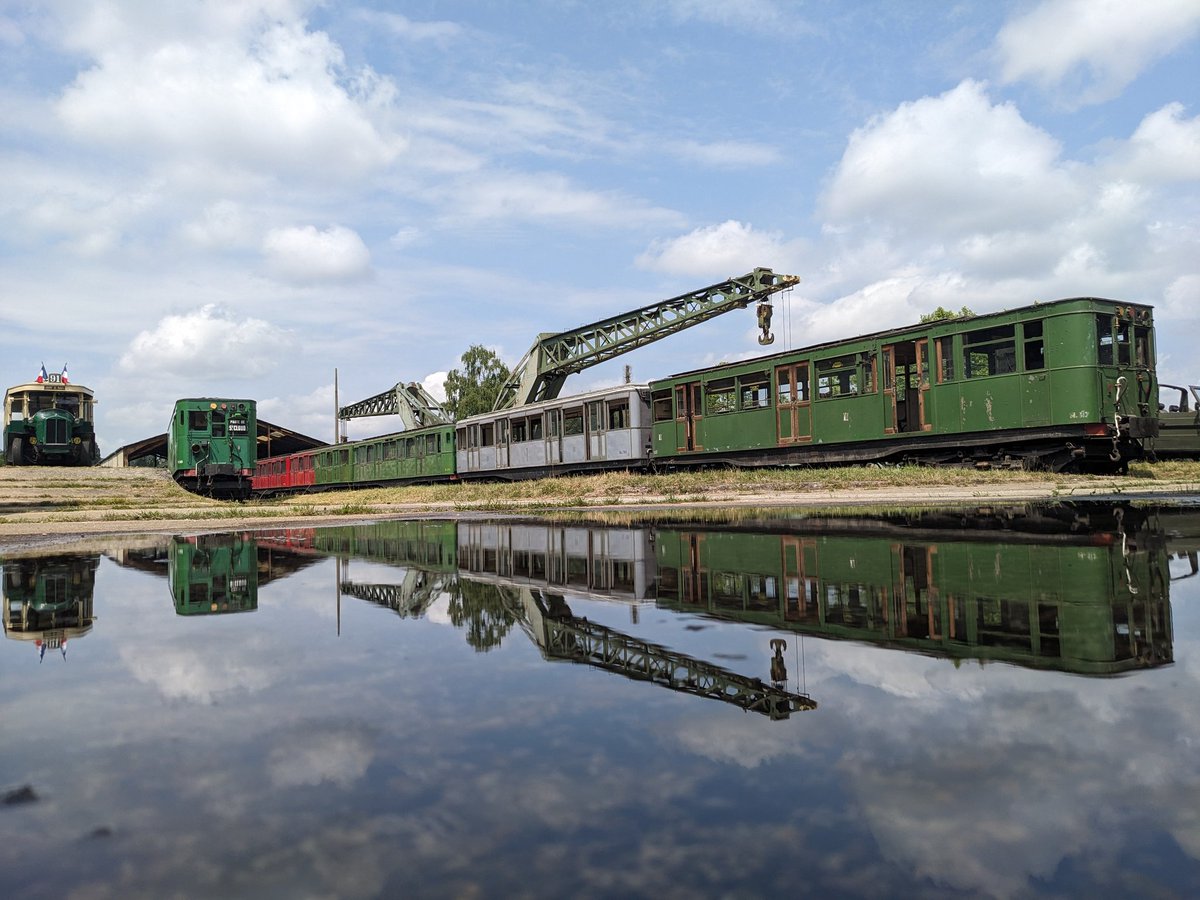
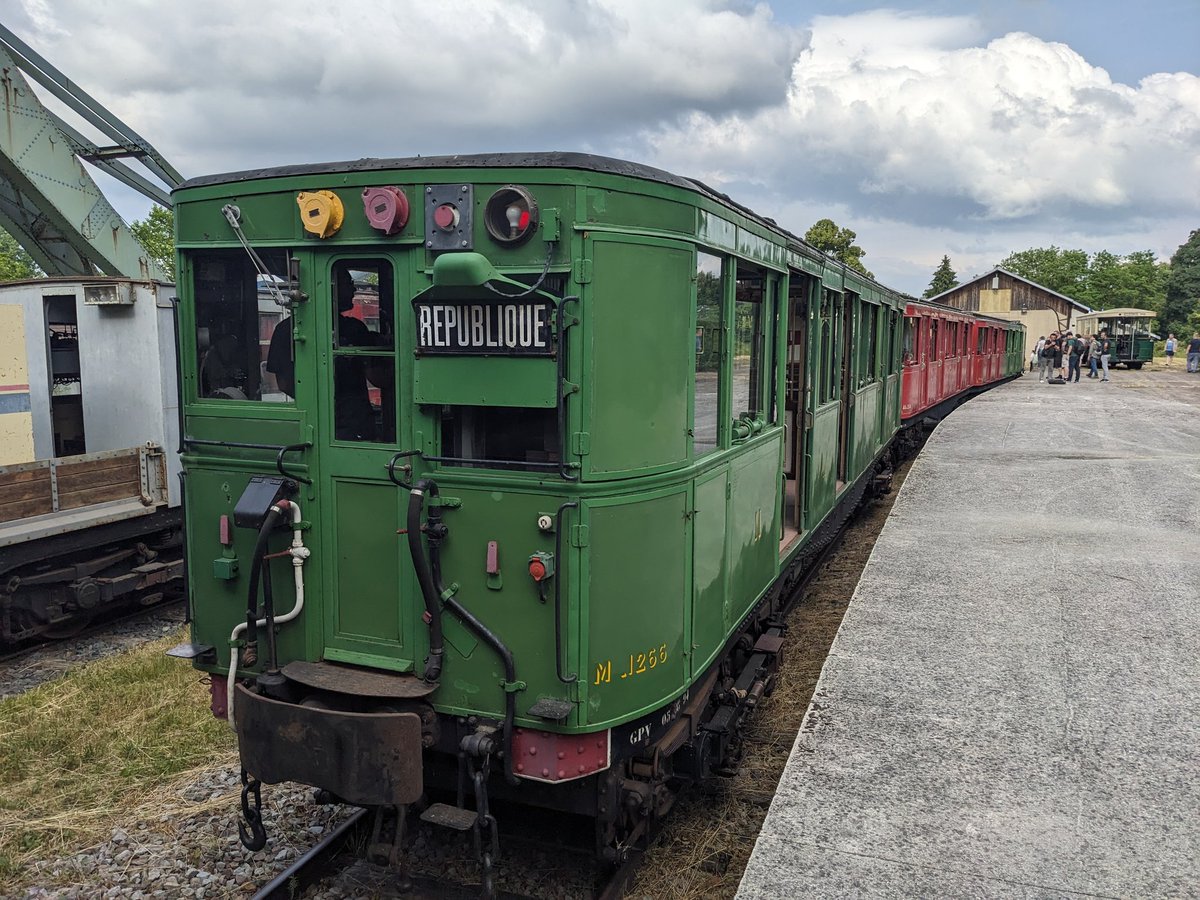
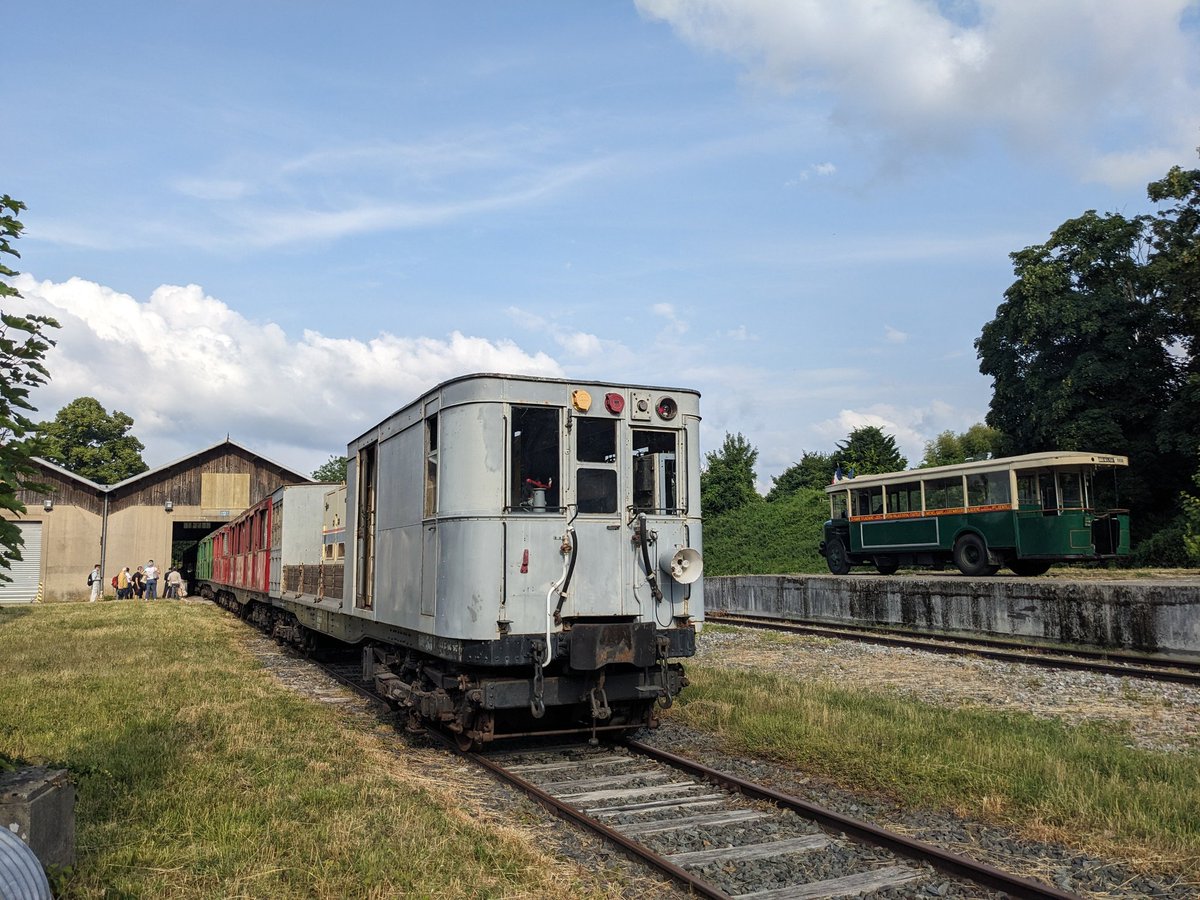
Aujourd'hui avait lieu l'assemblée générale de l' @Ademas_metro !
Une belle flaque d'eau permet d'immortaliser un autobus ancien, deux Spragues et le diplodocus !
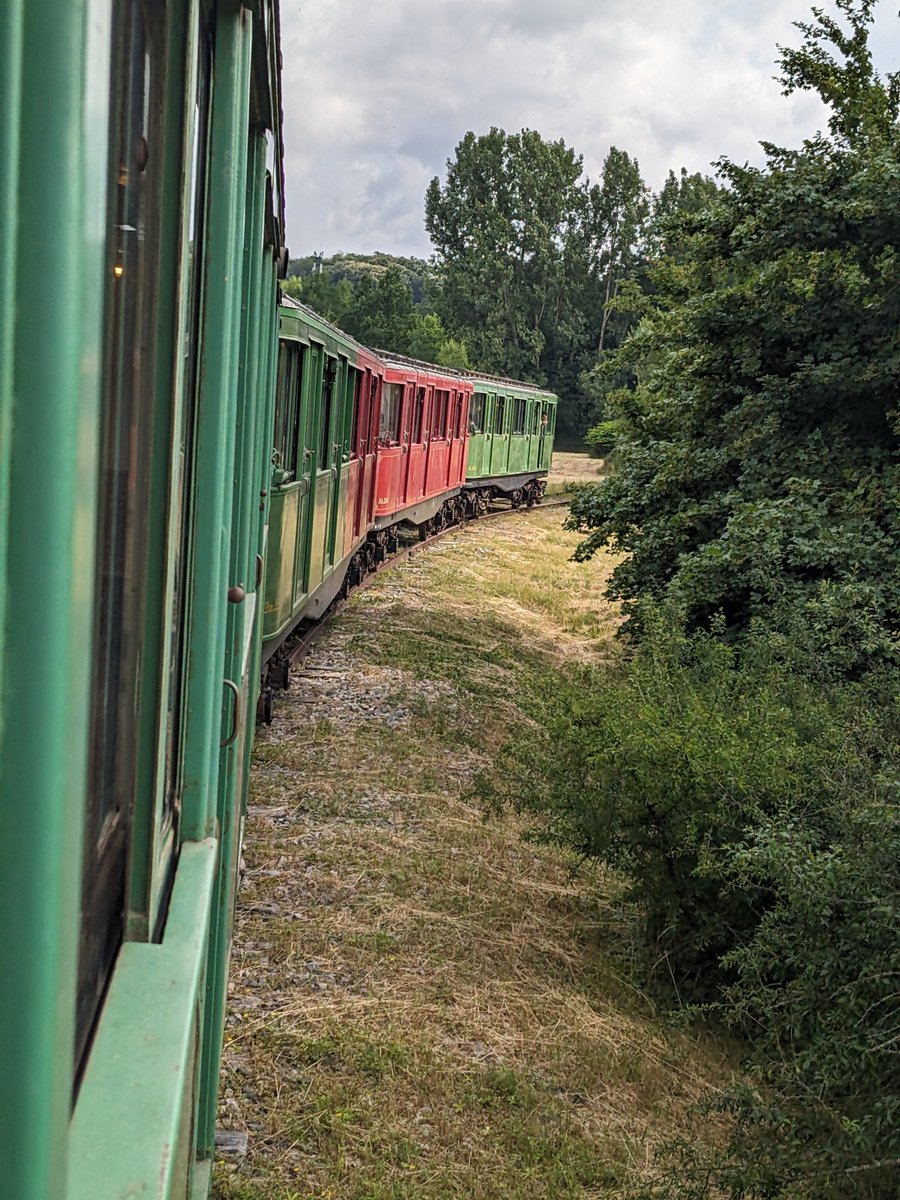
L'après-midi était l'occasion d'une balade à bord d'un Sprague sous un magnifique soleil !
4
7
68
2,037
11 May 2025
JONBENET RAMSEY CASE
THE NANCY KREBS KEY ALLEGATIONS AGAINST FLEET WHITE SR, FLEET WHITE JR AND MACKY BOYKIN
Background: Fleet White Jr was one of John Ramsey's best friends in Boulder. Fleet White Jr held a Christmas party on December 25th 1996. JonBenet and her family were in attendance.
Also in attendance were friends of Fleet White Jr from California. JonBenet Ramsey is thought to be kidnapped the following morning, only to be found dead several hours later in the basement of her home.....
Macky Boykin is the brother of Nancy Krebs's stepfather.
From the reports of Detective Tom Trujillo of the Boulder Police Department.......
1) Nancy claimed there is a connection between her family in California and the White family.
2) As proof, Nancy provides photographs from her grandmother's photo album of Fleet White Sr and his family, and Fleet White Jr and his family.
3) Nancy claimed to have been sexually assaulted around the age of 3-4 years old by her grandfather, Gordon Christoff, Fleet White Sr and Fleet White Jr.
4) Nancy also claimed to have been sexually assaulted by her grandmother's second husband, Albert Spragues, her father Don Krebs and her grandfather Harold Krebs.
5) Nancy claims her parents were present during the sexual assaults. She also claims that her mother, Gwen, would make her available to other adult men to sexually assault her.
6) Nancy claimed that the very first person to sexually assault her was Macky Boykin.
7) Nancy claimed that her grandparents took her to Aspen Colorado in the 1970's where she was sexually assaulted by Fleet White Sr.
8) As further proof of her claims that the White family knew her family, Nancy provides the Boulder Police with paperwork. This paperwork showed that Fleet White Sr, and his wife Nyla, witnessed the last will and testament of Albert Spragues in 1990.
9) Nancy claimed the last time she was sexually assaulted by Fleet White Sr was in 1990.
10) Nancy claimed the last time she was sexually assaulted by Fleet White Jr was between the years 1976-1978. Nancy claims that Fleet White Jr, Macky Boykin, Tom Boykin and other Boykin family members raped her in a trailer. A small Coke bottle was used in the assault.
11) Between 1978-79, Nancy tells a school teacher of the assault by Macky Boykin. Macky Boykin is arrested and charged. A plea deal is struck. Macky only receives 10 months in the county jail.
12) A few days after the murder of JonBenet Ramsey, Nancy claims to have received a call from her mother Gwen. Nancy claims her mother(Gwen), told her that she and Nancy's niece had attended the White Christmas party on December 25th. Nancy claims that Gwen tells her that she is calling Nancy from Nancy's sister's home in Arvada Colorado.
13) Nancy claims that she then received a call from her Grandmother who told Nancy that Fleet White Sr was guilty of the murder and would never be caught.
------------------------------------------
KEY STATEMENTS FROM THE BOULDER POLICE DEPARTMENT PRESS RELEASE REGARDING THE END OF THE KREBS INVESTIGATION
."""As a result, Boulder Police and prosecutors working on the case have concluded that other than the woman's statements, there is no evidence to support this theory of JonBenet's murder.""""
""Boulder Police have made no judgments or conclusions about abuse the woman may have suffered in prior years in California. It is well established that she was a victim of sexual abuse in 1979-80, for which a suspect was arrested and convicted. However, the current investigation did not find any connection between the abuse she suffered and the death of JonBenet Ramsey.""
""Boulder Police have forwarded information to the FBI in reference to some of the woman's allegations regarding the operation of a child sex ring. Police also advised her to contact California authorities with any information she has regarding crimes that may have occurred in California.""
------------------------------------------
3
6
3,333
5 May 2025
JONBENET RAMSEY CASE
THE NANCY KREBS KEY ALLEGATIONS AGAINST FLEET WHITE SR, FLEET WHITE JR AND MACKY BOYKIN
Background: Fleet White Jr was one of John Ramsey's best friends in Boulder. Fleet White Jr held a Christmas party on December 25th 1996. JonBenet and her family were in attendance.
Also in attendance were friends of Fleet White Jr from California. JonBenet Ramsey is thought to be kidnapped the following morning, only to be found dead several hours later in the basement of her home.....
Macky Boykin is the brother of Nancy Krebs's stepfather.
From the reports of Detective Tom Trujillo of the Boulder Police Department.......
1) Nancy claimed there is a connection between her family in California and the White family.
2) As proof, Nancy provides photographs from her grandmother's photo album of Fleet White Sr and his family, and Fleet White Jr and his family.
3) Nancy claimed to have been sexually assaulted around the age of 3-4 years old by her grandfather, Gordon Christoff, Fleet White Sr and Fleet White Jr.
4) Nancy also claimed to have been sexually assaulted by her grandmother's second husband, Albert Spragues, her father Don Krebs and her grandfather Harold Krebs.
5) Nancy claims her parents were present during the sexual assaults. She also claims that her mother, Gwen, would make her available to other adult men to sexually assault her.
6) Nancy claimed that the very first person to sexually assault her was Macky Boykin.
7) Nancy claimed that her grandparents took her to Aspen Colorado in the 1970's where she was sexually assaulted by Fleet White Sr.
8) As further proof of her claims that the White family knew her family, Nancy provides the Boulder Police with paperwork. This paperwork showed that Fleet White Sr, and his wife Nyla, witnessed the last will and testament of Albert Spragues in 1990.
9) Nancy claimed the last time she was sexually assaulted by Fleet White Sr was in 1990.
10) Nancy claimed the last time she was sexually assaulted by Fleet White Jr was between the years 1976-1978. Nancy claims that Fleet White Jr, Macky Boykin, Tom Boykin and other Boykin family members raped her in a trailer. A small Coke bottle was used in the assault.
11) Between 1978-79, Nancy tells a school teacher of the assault by Macky Boykin. Macky Boykin is arrested and charged. A plea deal is struck. Macky only receives 10 months in the county jail.
12) A few days after the murder of JonBenet Ramsey, Nancy claims to have received a call from her mother Gwen. Nancy claims her mother(Gwen), told her that she and Nancy's niece had attended the White Christmas party on December 25th. Nancy claims that Gwen tells her that she is calling Nancy from Nancy's sister's home in Arvada Colorado.
13) Nancy claims that she then received a call from her Grandmother who told Nancy that Fleet White Sr was guilty of the murder and would never be caught.
------------------------------------------
KEY STATEMENTS FROM THE BOULDER POLICE DEPARTMENT PRESS RELEASE REGARDING THE END OF THE KREBS INVESTIGATION
."""As a result, Boulder Police and prosecutors working on the case have concluded that other than the woman's statements, there is no evidence to support this theory of JonBenet's murder.""""
""Boulder Police have made no judgments or conclusions about abuse the woman may have suffered in prior years in California. It is well established that she was a victim of sexual abuse in 1979-80, for which a suspect was arrested and convicted. However, the current investigation did not find any connection between the abuse she suffered and the death of JonBenet Ramsey.""
""Boulder Police have forwarded information to the FBI in reference to some of the woman's allegations regarding the operation of a child sex ring. Police also advised her to contact California authorities with any information she has regarding crimes that may have occurred in California.""
2
12
34
3,293

2 Apr 2025
The Sprague name has a rich history that traces back to England before crossing the Atlantic to North America, evolving through centuries of migration, adaptation, and influence.
In England, the surname Sprague likely originated as a nickname from the Middle English term “sprag” or “sprak,” meaning brisk, lively, or energetic—a variant of “sprake” with a voiced “k” sound. This term has roots in Old English and possibly Old Norse (“spræk-r,” meaning lively), reflecting the influence of Scandinavian settlers in Britain after the Viking Age. The name first appears in records around the 12th and 13th centuries, with early spellings like “Spreg’” (c. 1177–86) and “William de Spragge” in the 1273 Hundred Rolls of Oxfordshire. By the 14th century, the metathesized form “Sprague” (swapping “r” and “a”) emerged, as seen with “Reginald Sprag” in 1303 Suffolk records during Edward I’s reign. Variants such as Spragg, Spragge, and Sprake also popped up, tied to the same root meaning of agility or vigor. The name was concentrated in southern England, notably Devon, and tied to Anglo-Saxon naming traditions where physical traits shaped surnames. Some speculate a Dutch connection (“Spraak,” meaning speech), but the evidence leans heavily toward an English origin.
The Sprague name’s journey to North America began in the early 17th century with the Puritan migration. The most notable early bearers were brothers Ralph, Richard, and William Sprague, sons of Edward Sprague, a fuller from Upwey, Dorset. They sailed from England in 1629 aboard the Lion’s Whelp, landing at Naumkeag (later Salem, Massachusetts). These brothers were among the first English settlers to establish Charlestown, Massachusetts, with Ralph and Richard later settling in what became Malden, and William moving to Hingham. Their arrival predates another early Sprague, Francis, who landed in Plymouth in 1623—possibly from Leiden, Holland, via England, though his link to the Dorset Spragues is unproven and debated. The name’s spread in New England was rapid: Ralph’s descendants fanned out to Connecticut, Vermont, New York, and beyond, while William’s line grew numerous in Massachusetts.
By the 18th and 19th centuries, Spragues were leaving marks across North America. In Rhode Island, William Sprague II (1773–1836) built a textile empire, and his descendants, William III and IV, became governors and U.S. senators, showcasing the family’s political and economic clout. The 1840 U.S. Census shows New York with a significant Sprague population (150–297 households), rising to over 1,000 by 1880. The name also carried west—Michigan, Illinois, and California saw Sprague families by the 20th century. Variants like Spragg and Spriggs persisted, often due to phonetic spelling by less literate clerks, but “Sprague” dominated.
The Sprague legacy in North America blends English roots with American ambition—farmers (34% in early censuses), inventors like Frank J. Sprague (electric motor pioneer), and politicians all carried the name forward. From a medieval English nickname to a widespread New World surname, it’s a story of adaptability and endurance, though its exact origins remain a mix of solid records and educated guesswork.
1
1
3
50
29 Mar 2025
JONBENET RAMSEY CASE
THE NANCY KREBS KEY ALLEGATIONS AGAINST FLEET WHITE SR, FLEET WHITE JR AND MACKY BOYKIN
Background: Fleet White Jr was one of John Ramsey's best friends in Boulder. Fleet White Jr held a Christmas party on December 25th 1996. JonBenet and her family were in attendance.
Also in attendance were friends of Fleet White Jr from California. JonBenet Ramsey is thought to be kidnapped the following morning, only to be found dead several hours later in the basement of her home.....
Macky Boykin is the brother of Nancy Krebs's stepfather.
From the reports of Detective Tom Trujillo of the Boulder Police Department.......
1) Nancy claimed there is a connection between her family in California and the White family.
2) As proof, Nancy provides photographs from her grandmother's photo album of Fleet White Sr and his family, and Fleet White Jr and his family.
3) Nancy claimed to have been sexually assaulted around the age of 3-4 years old by her grandfather, Gordon Christoff, Fleet White Sr and Fleet White Jr.
4) Nancy also claimed to have been sexually assaulted by her grandmother's second husband, Albert Spragues, her father Don Krebs and her grandfather Harold Krebs.
5) Nancy claims her parents were present during the sexual assaults. She also claims that her mother, Gwen, would make her available to other adult men to sexually assault her.
6) Nancy claimed that the very first person to sexually assault her was Macky Boykin.
7) Nancy claimed that her grandparents took her to Aspen Colorado in the 1970's where she was sexually assaulted by Fleet White Sr.
8) As further proof of her claims that the White family knew her family, Nancy provides the Boulder Police with paperwork. This paperwork showed that Fleet White Sr, and his wife Nyla, witnessed the last will and testament of Albert Spragues in 1990.
9) Nancy claimed the last time she was sexually assaulted by Fleet White Sr was in 1990.
10) Nancy claimed the last time she was sexually assaulted by Fleet White Jr was between the years 1976-1978. Nancy claims that Fleet White Jr, Macky Boykin, Tom Boykin and other Boykin family members raped her in a trailer. A small Coke bottle was used in the assault.
11) Between 1978-79, Nancy tells a school teacher of the assault by Macky Boykin. Macky Boykin is arrested and charged. A plea deal is struck. Macky only receives 10 months in the county jail.
12) A few days after the murder of JonBenet Ramsey, Nancy claims to have received a call from her mother Gwen. Nancy claims her mother(Gwen), told her that she and Nancy's niece had attended the White Christmas party on December 25th. Nancy claims that Gwen tells her that she is calling Nancy from Nancy's sister's home in Arvada Colorado.
13) Nancy claims that she then received a call from her Grandmother who told Nancy that Fleet White Sr was guilty of the murder and would never be caught.
------------------------------------------
KEY STATEMENTS FROM THE BOULDER POLICE DEPARTMENT PRESS RELEASE REGARDING THE END OF THE KREBS INVESTIGATION
."""As a result, Boulder Police and prosecutors working on the case have concluded that other than the woman's statements, there is no evidence to support this theory of JonBenet's murder.""""
""Boulder Police have made no judgments or conclusions about abuse the woman may have suffered in prior years in California. It is well established that she was a victim of sexual abuse in 1979-80, for which a suspect was arrested and convicted. However, the current investigation did not find any connection between the abuse she suffered and the death of JonBenet Ramsey.""
""Boulder Police have forwarded information to the FBI in reference to some of the woman's allegations regarding the operation of a child sex ring. Police also advised her to contact California authorities with any information she has regarding crimes that may have occurred in California.""
------------------------------------------
3
14
23
2,282
