senga thee thot retweeted

16h
"Men just wanna come home and relax"
So do women, why do men act like waiting stability, care, cleanliness, and meals is exclusive to that gender
72
2,494
27,244
223,749

Nothing is wrong if F M marries one or both!
Marriage will bring HUGE political stability !


💰 How Much Should You Invest? The Golden Rule
The single most important rule in crypto investing is simple: never invest more than you can afford to lose. Because the digital asset market operates 24/7 and is highly volatile, price corrections are standard, and overnight drops can happen. Treating crypto as a high risk, high reward allocation ensures that market downturns do not impact your daily livelihood or long term financial stability.
Instead of deploying all your capital at once, start with a small, comfortable percentage of your overall portfolio. Focus on building disciplined habits, managing risk, and understanding market mechanics before scaling up your positions. BitAI helps you stick to this strategic approach by automating your execution based on clear parameters, taking the emotion out of sizing your trades. Protect your capital and manage your investments wisely today: vist.ly/57pvu
#BitAI #CryptoInvesting #RiskManagement #SmartInvesting

RT @hawelti: Exclusive Q &A: 'We Consider Eritrea a Pillar of Stability'; Egypt's Foreign Minister, Dr. Badr Abdellaty
*"...This visit co…
567
ℒ𝓊𝒷𝓃𝒶 𝑀𝓊𝑔𝒽𝒶𝓁 🕊ᴾᵃᵏᴾᵒʷᵉʳ🕊 retweeted

Lasting peace cannot be built on ignored grievances. Respecting public concerns is essential for stability.
#شہ_رگ_کا_سانس_بند_نہ_کرو
@TeamPakPower

19
5
55
ᔕYEᗪ ᒍᗩᐯIᗪ ᘔᗩᗪᗩ TIᖇᗰIᘔI retweeted

115. Stability is built through justice, fairness and respect for public voices.
#شہ_رگ_کا_سانس_بند_نہ_کرو
@Legacy_Leavers_
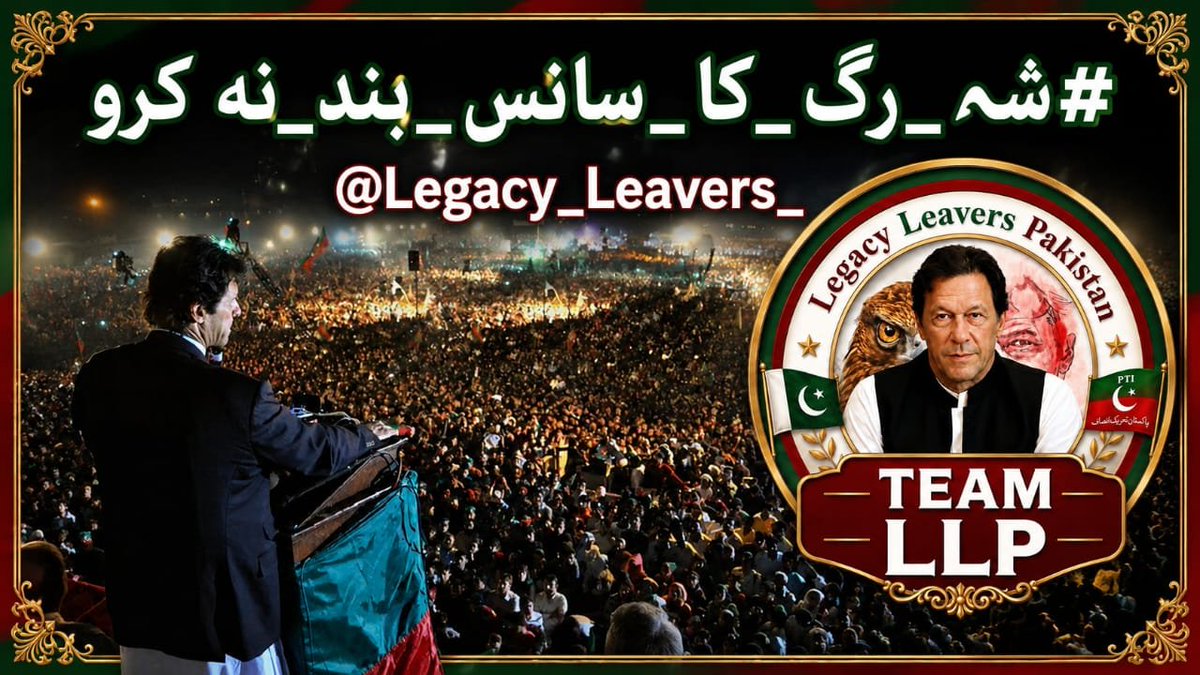
8
3
22

26s
Disadvantages of following IMF advice
IMF programs usually come with conditionality- policy changes a country must make to get loans. The idea is stability, but there are real trade-offs:
1. Austerity cuts hit people fast*
IMF often tells governments to cut spending subsidies to reduce debt. That can mean less money for health, education, fuel, or food subsidies. Short-term: prices rise, services drop. In Nigeria/PH for example, subsidy removal caused immediate fuel price hikes.
2. Less policy independence*
Countries have to follow IMF’s fiscal monetary rules to keep getting money. Critics say this limits what local governments can choose. “One-size-fits-all” policies may not fit local realities.
3. Job losses from privatization*
IMF often pushes privatizing state companies deregulation. Can improve efficiency long-term, but short-term it usually means layoffs higher costs for consumers.
4. Currency devaluation pain*
IMF may advise floating/devaluing the currency to boost exports. That makes imports foreign debt more expensive. So food, medicine, tech cost more right away.
5. Social unrest risk*
When subsidies drop and prices jump, protests happen. We’ve seen this in Argentina, Greece, Ghana, Nigeria. Political instability can undo the economic gains.
*The flip side*: IMF argues these short-term pains prevent total collapse, stop hyperinflation, and restore investor confidence. Many countries do recover after the adjustment period.
So it’s basically “bitter medicine” - might stabilize the economy, but regular people feel the side effects first.

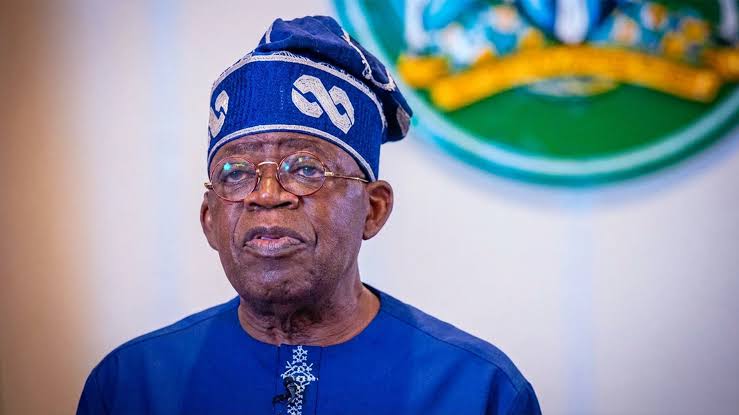
BREAKING NEWS: IMF asks Federal Government to impose fuel and telecom taxes in Nigeria as part of broader measures to increase government revenue

The new @Titleist Players S4 Stand Bag is the most advanced Players Stand Bag, redesigned with an all-new stand system for dependable leg deployment and greater stability, and a new top cuff design for smoother club access.

Beat the "hiring trap." Upskill your team to meet ratios faster and build long-term stability.
✨ FREE, ongoing CPD.
👉 Secure your setting: bit.ly/43rcJ4P
#StopTheStaffingCrisis #NurseryManagement #StaffRetention #CPD



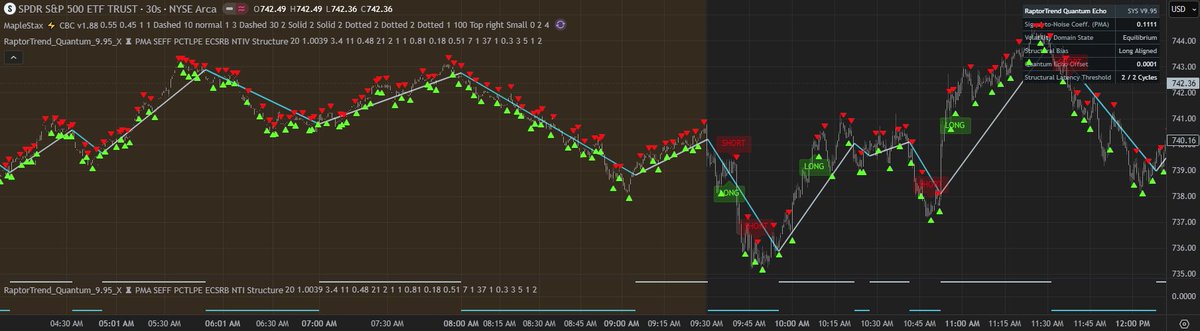
I mentioned MapleStax CBC v1.88 was a good Indicator, but realized as an EMA indicator it falls apart in low vol regimes and sub min time frames. Raptor's proprietary volatility domain library cuts out the micro flip noise, it outclasses everything else on price trend stability.
1
ᔕYEᗪ ᒍᗩᐯIᗪ ᘔᗩᗪᗩ TIᖇᗰIᘔI retweeted
130. Kashmir deserves stability built on trust and mutual respect.
#شہ_رگ_کا_سانس_بند_نہ_کرو
@Legacy_Leavers_
4
2
9

41s
Bro, read again. My post asked who’s better than him. That’s not endorsement. Asking questions isn’t supporting Tinubu. If Atiku is the answer, make your case. Tell us his plan for security, stability, progress. I’m listening.
2
ℒ𝓊𝒷𝓃𝒶 𝑀𝓊𝑔𝒽𝒶𝓁 🕊ᴾᵃᵏᴾᵒʷᵉʳ🕊 retweeted
Lasting peace cannot be built on ignored grievances. Respecting public concerns is essential for stability.
#شہ_رگ_کا_سانس_بند_نہ_کرو
@TeamPakPower
11
20
Aneeb khan retweeted

Dialogue remains essential for lasting stability. #شہ_رگ_کا_سانس_بند_نہ_کرو @Legacy_Leavers_
8
12

Self-worth is internal stability. It doesn’t fluctuate with external attention, it remains anchored in who you are becoming.
ap ki api retweeted

The authorities must prioritize the well-being and stability of the Kashmiri people in any decision-making process.
#شہ_رگ_کا_سانس_بند_نہ_کرو
@Legacy_Leavers_

3
1
4

He is hyper focused on one thing: protecting the fantasy of his superiority.
If he has to destroy your physical health to keep that fantasy alive, he will, and has. He is a predator who has successfully sabotaged your anatomy to maintain his own fragile psychological stability