

Jun 12
StoneFly NAS appliance with scale-out growth to 128 nodes, air-gapped & immutable ransomware protection, built-in cloud connect, and 100x dedup with AES-256 encryption.
Click the link to explore:
bit.ly/4fYoxAS
#NASAppliances #NASStorage #EnterpriseStorage

12

Jun 6
Photo credits:
Stocky Galaxias - © Tarmo A. Raadik
Southern Corroboree Frog - © Mark Sanders
Scolopendra laeta - © Nick Volpe
Guthega Skink - © Matt Clancy
Alpine She-oak Skink - © Stephen Mahony
Monaro Golden Daisy - © Nina Kerr
Alpine Tree Frog - © Matt Clancy
Chameleon Grasshopper - © Nicole Andrews
Alpine Water Skink - © Jordan De Jong
Alpine Spiny Crayfish - © Mark Jekabsons
Alpine Stonefly - © Steph TV
Caladenia montana - © Michael Mulvaney
1
15
755

Jun 5
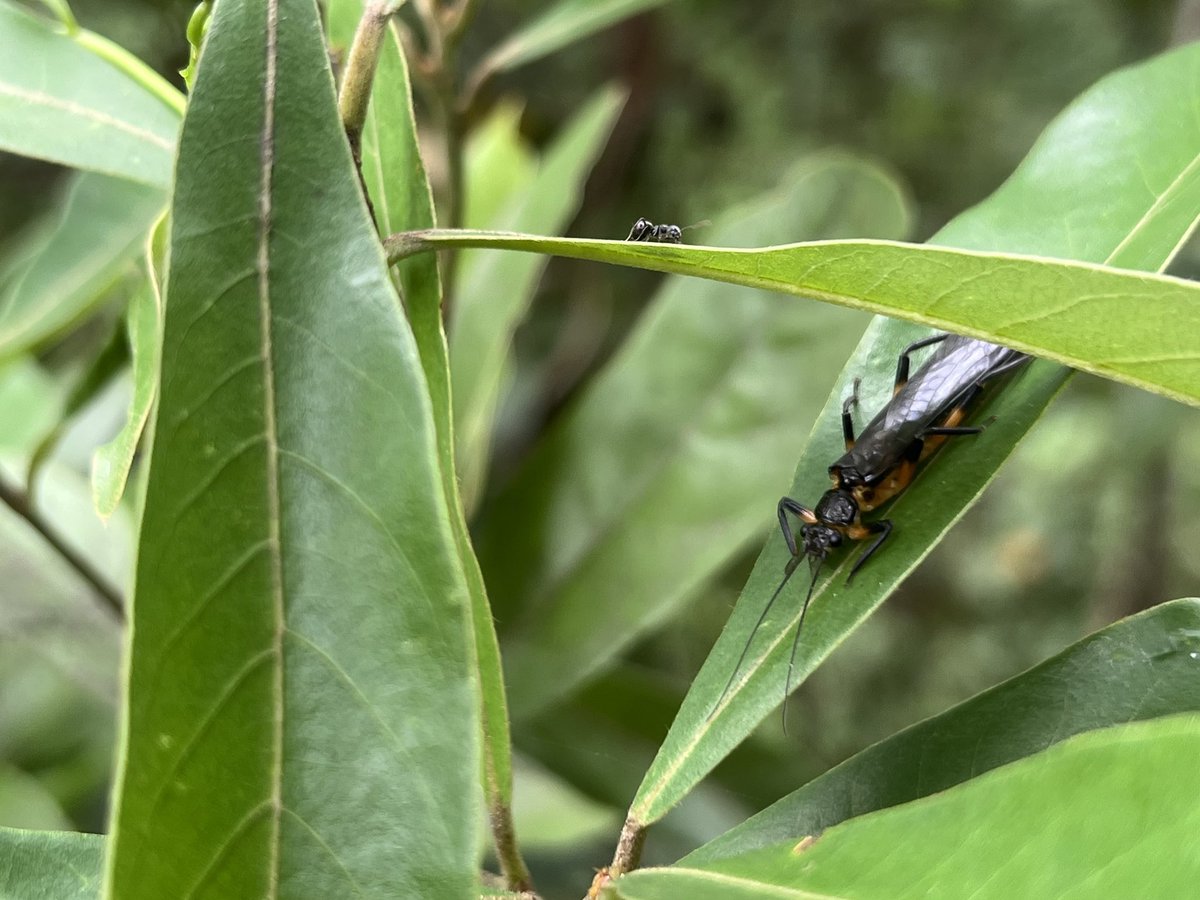
Looks like a stonefly (I’d give you something more specific, but there are over 670 species in the U.S.). They’re good indicators of water quality!
2
3
80


May 29
Wooking po bug. Hashtag Johnny Lee and Eddie Murphy i guess. This is the song i sing as i search for stonefly nymphs for what to fish with.
2
35

Montana's Classic Stonefly Bench Article 1: The Improved Sofa Pillow & Bird's Stonefly Pat Barnes started me tying flies. I rowed him down the Missouri, fished Barnes Hole with him, and stood in Buffalo Ford on the Yellowstone watching him work a Goofus Bug through cutthroat lies with the kind of precision that takes a lifetime to develop. When he showed me the Sofa Pillow at his bench in West Yellowstone, I was young enough to think complicated was better. Pat was patient enough not to say what he was thinking. This is Article 1 of Montana's Classic Stonefly Bench — a series working through the foundational western dry fly patterns from the tiers who actually built them. In this video we cover: — The Improved Sofa Pillow by Pat Barnes: full tying instructions, materials, and why the wing and hackle make or break this fly — The Bird's Stonefly by Cal Bird: the segmented elk hair abdomen technique, step by step, and why this pattern has been in Montana guide boxes for six decades — When to fish each pattern and why they're not interchangeable — Hatch timing by river: Madison, Gallatin, Clark Fork, Rock Creek, Missouri, Bitterroot Before you tie the fly, know the bug: 🔗 Life Cycle of the Salmonfly → saltwateronthefly.com/life-c… Full tying instructions and the complete article: 🔗 Montana's Classic Stonefly Bench Article 1 → saltwateronthefly.com/montan… Gear up for the hatch: 🔗 Salmonfly Graphic Hoodie (UPF-50) → saltwateronthefly.com/produc… 🔗 Ewing Hackle — the finest dry fly hackle available → saltwateronthefly.com/produc… 🔗 Full Fly Shop → saltwateronthefly.com/fly-fi… Float Montana's salmonfly hatches with an expert guide: 🔗 Get Lost in America → getlostinamerica.com #SalmonFly #MontanaFlyFishing #FlytTying #SofaPillow #BirdsStonefly #PatBarnes #MontanaStonefly #DryFlyFishing #WesternFlyFishing #FlyfishingMontana #EwingHackle #SaltwaterOnTheFly
5
8
191

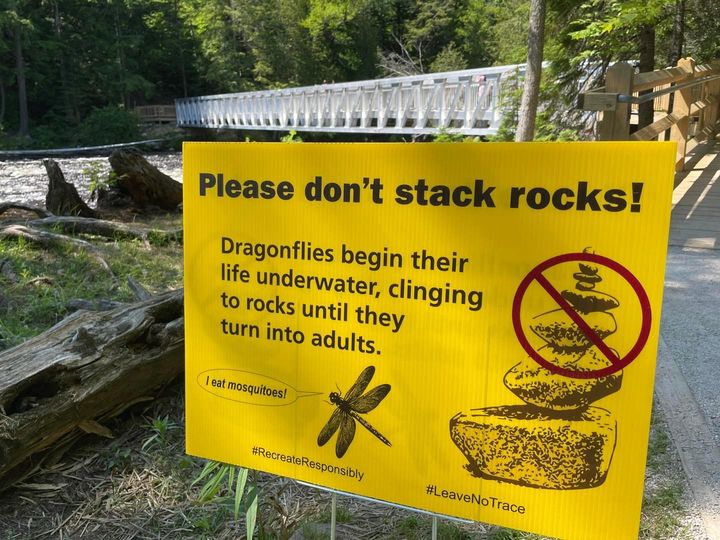
Dragonfly nymphs live underwater for months or years before they ever fly. They cling to the underside of submerged rocks, breathing through gills, eating mosquito larvae and small aquatic insects.
Move the rock out of the water, the nymph either suffocates as its gills dry out, or it sits in the open and is eaten by the first fish that finds it.
Mayfly larvae, stonefly nymphs, caddisfly larvae, blackfly larvae, snail eggs, and salamander eggs are all on those same rocks. All gill-breathers. All die the same way.
Every nymph that dries out on a cairn is one fewer adult dragonfly hunting mosquitoes over the water this summer. The riverbank you stacked rocks at is now slightly more bug-bitten because of it.
Leave the rocks where the river left them. Take a photo of the river instead. The cairn is the only part of the picture that doesn't belong.
7
393
1,052
13,957

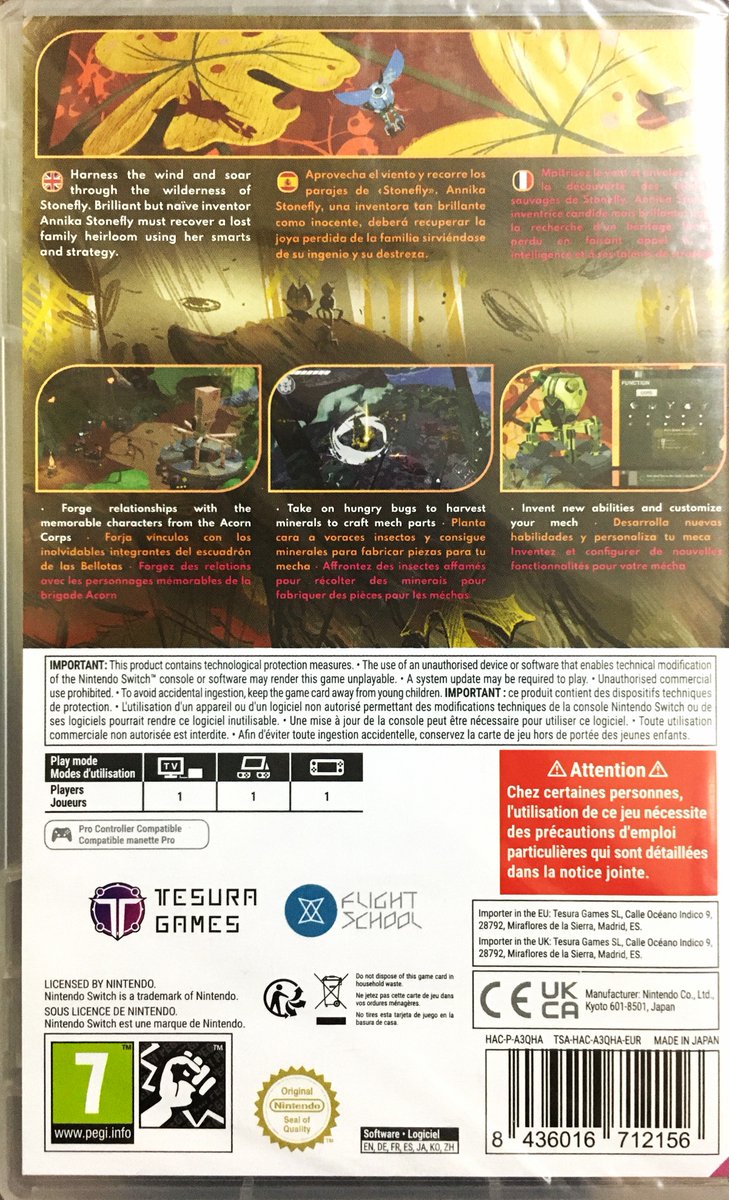
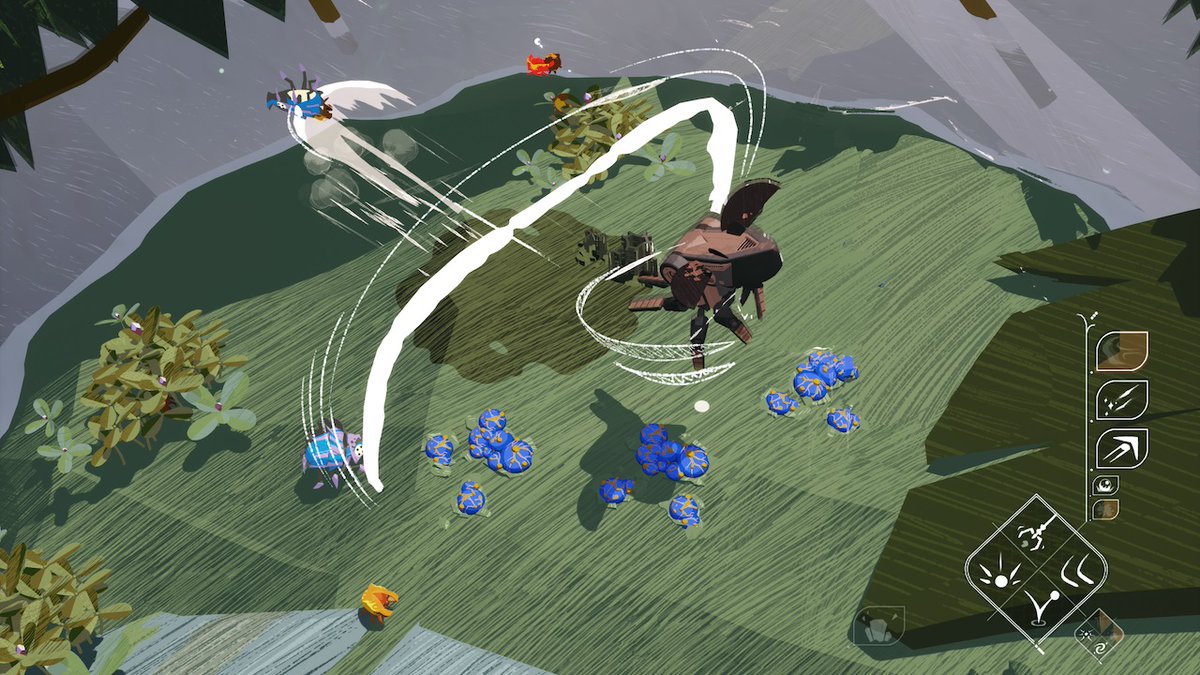
#508:Switch 欧州版
海外タイトル:Stonefly
国内タイトル:ストーンフライ Stonefly
メーカー:Flight School Studio / Tesura Games
コード:8436016712156
型番:HAC-P-A3QHA
日本版パッケージ:未発売

1
15
332

May 14
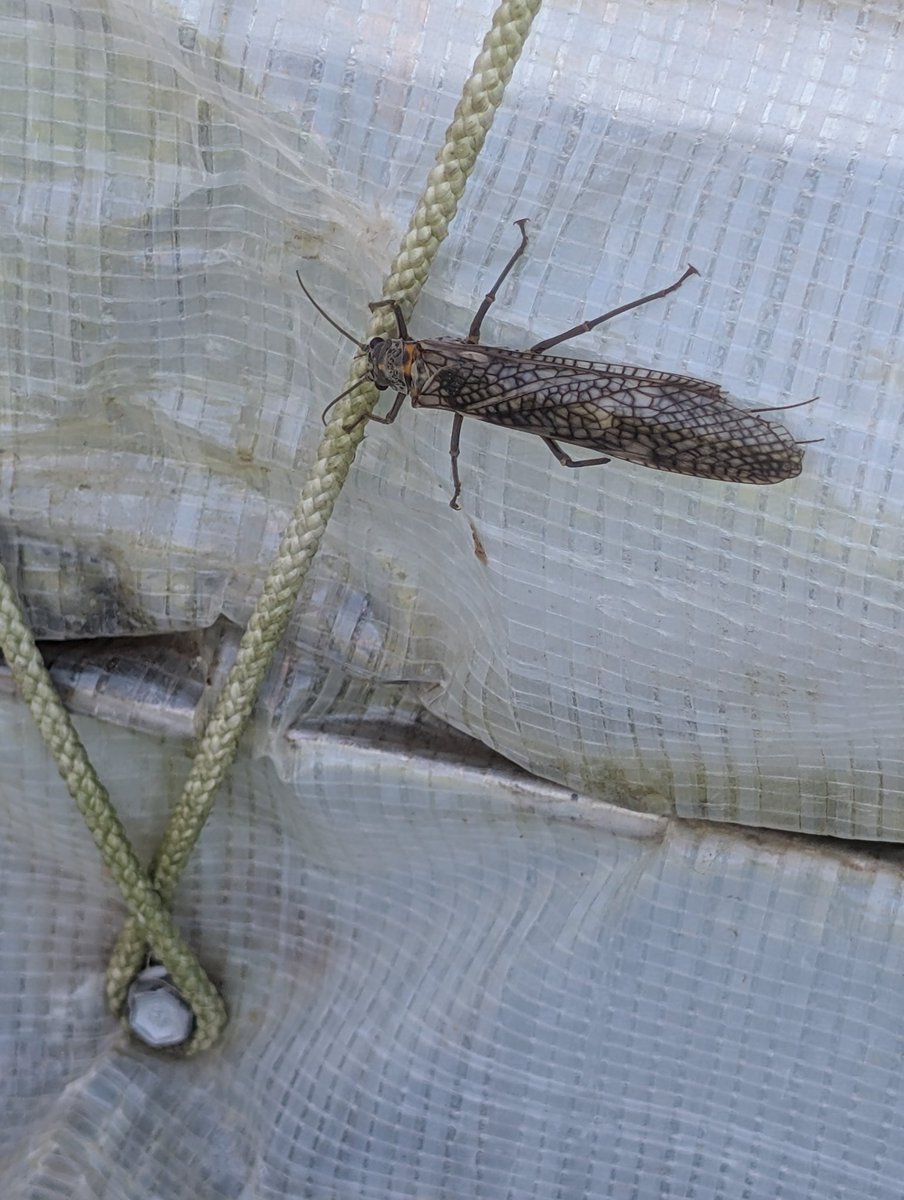
Per Grok 4.3:
The insect in your photo is a stonefly (order Plecoptera).
Key identifying features visible in the image:
•Wings: Two pairs of large, elongated wings with a very dense, net-like (reticulate) venation pattern — hundreds of cross-veins forming small polygonal cells. This is a classic trait of stoneflies. The wings are held relatively flat over the body (typical resting posture for the order).
•Abdomen: Long, slender abdomen ending in two long cerci (tail-like appendages) visible at the posterior end. Stoneflies always have two cerci (mayflies usually have three).
•Antennae & legs: Long, thread-like (filiform) antennae and long, slender legs.
•Coloration & markings: Mottled gray-brown wings with darker veins and lighter patches; a distinctive yellowish-orange mark on the side of the thorax (common in many species).
•Overall body shape: Elongated and somewhat flattened, typical of adult stoneflies.
Likely family
Given the size, wing shape, and intricate venation, this is most likely a member of the family Perlidae (common stoneflies) or Pteronarcyidae (giant stoneflies). Without a precise geographic location or closer view of the head/terminalia, species-level ID is difficult, but it is definitely not a mayfly, lacewing, dobsonfly, or caddisfly.
Quick facts about stoneflies
•Nymphs are aquatic and live in clean, well-oxygenated streams/rivers (they are excellent bioindicators of water quality — their presence usually means the water is healthy).
•Adults do not feed much (some don’t feed at all) and live only a few days to a couple of weeks, mainly to mate and lay eggs.
•They are harmless to humans — no sting or bite.
If you can tell me roughly where the photo was taken (country/region or habitat — near a river, lake, etc.), I can narrow it down further to genus or species!
1
2
201

May 14
Work interrupted by kids screaming about a big bug. I do not even know what it is! Stonefly?
3
1
25
745

METRO HEADLINES (Tuesday, May 12, 2026)
Subscribe to the paper: philstarsubscribe.com/
Navotas landfill fire extinguished, but…
tinyurl.com/56na4vmf
DMW: 38 Philippine seafarers to undergo quarantine
tinyurl.com/4exs5juk
PGMN host CJ Hirro a no-show at NBI
tinyurl.com/5e33yd9k
Stonefly species found at La Mesa watershed
tinyurl.com/uprx2yye
Safer Cities expanded vs black market
tinyurl.com/42rr8h7y
PNP logs 12% crime drop
tinyurl.com/2htnt7p5
Taguig rolls out flu jabs for seniors
tinyurl.com/2s3byrs9

1
966

May 9
Scientists discover new stonefly species in La Mesa Watershed Reservation.
interaksyon.philstar.com/tre…
2
60

May 7
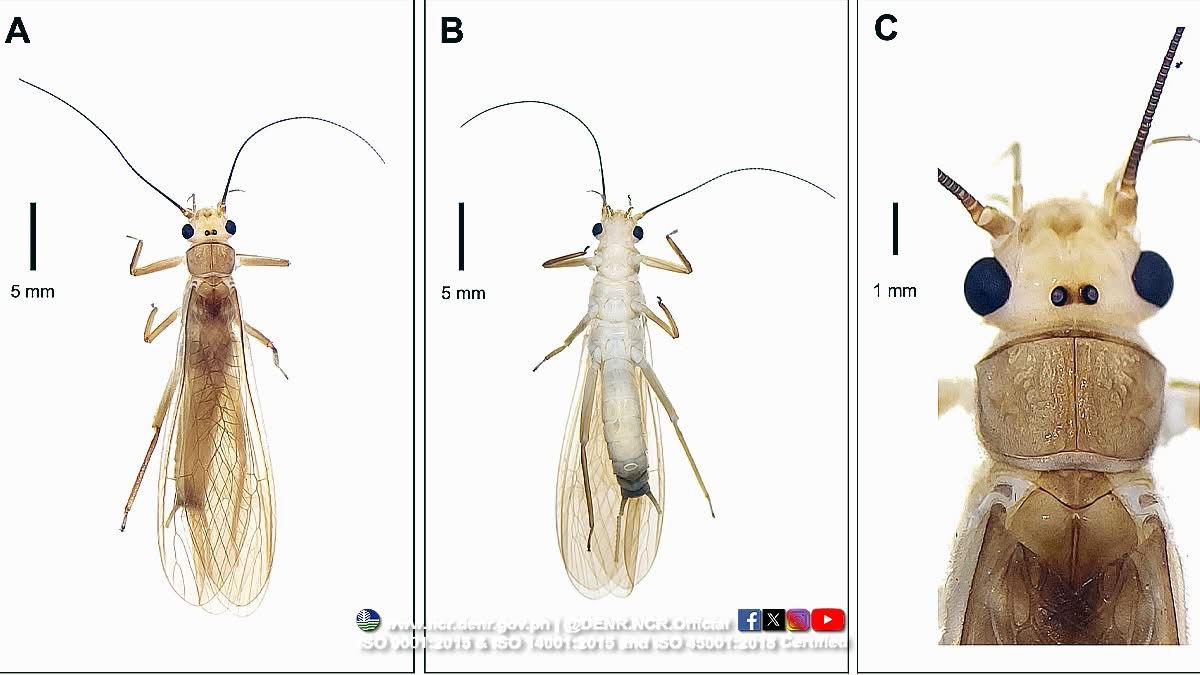
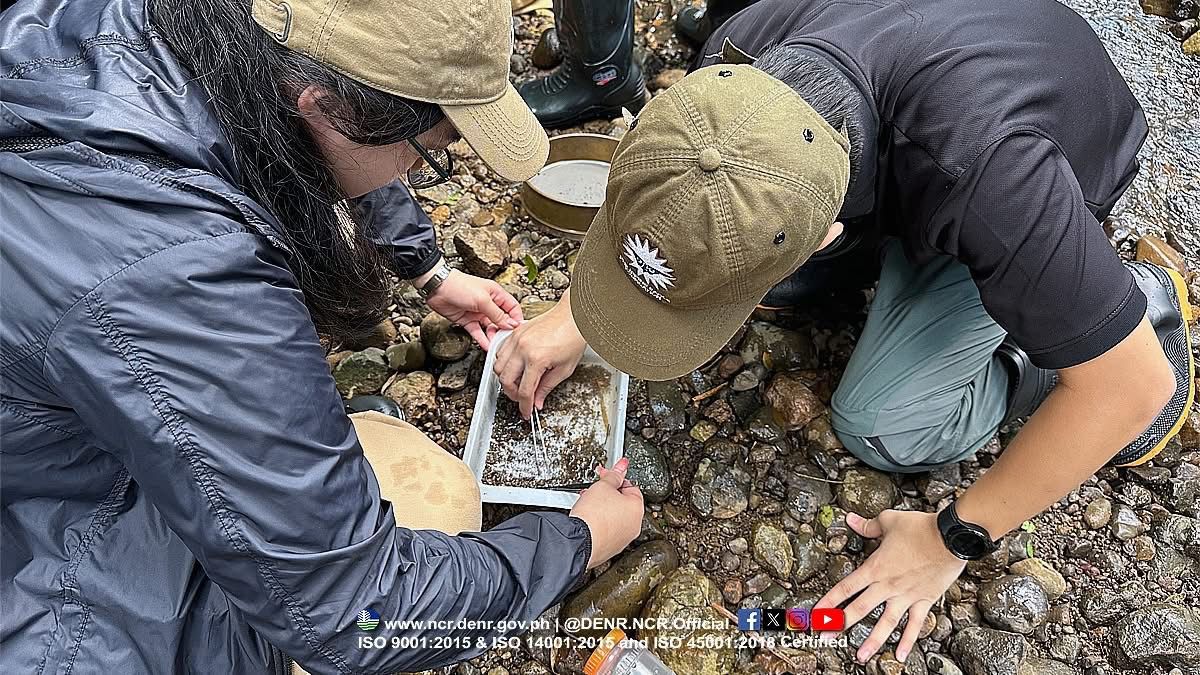
NEW SPECIES FOUND IN LA MESA WATERSHED 🪰🔍
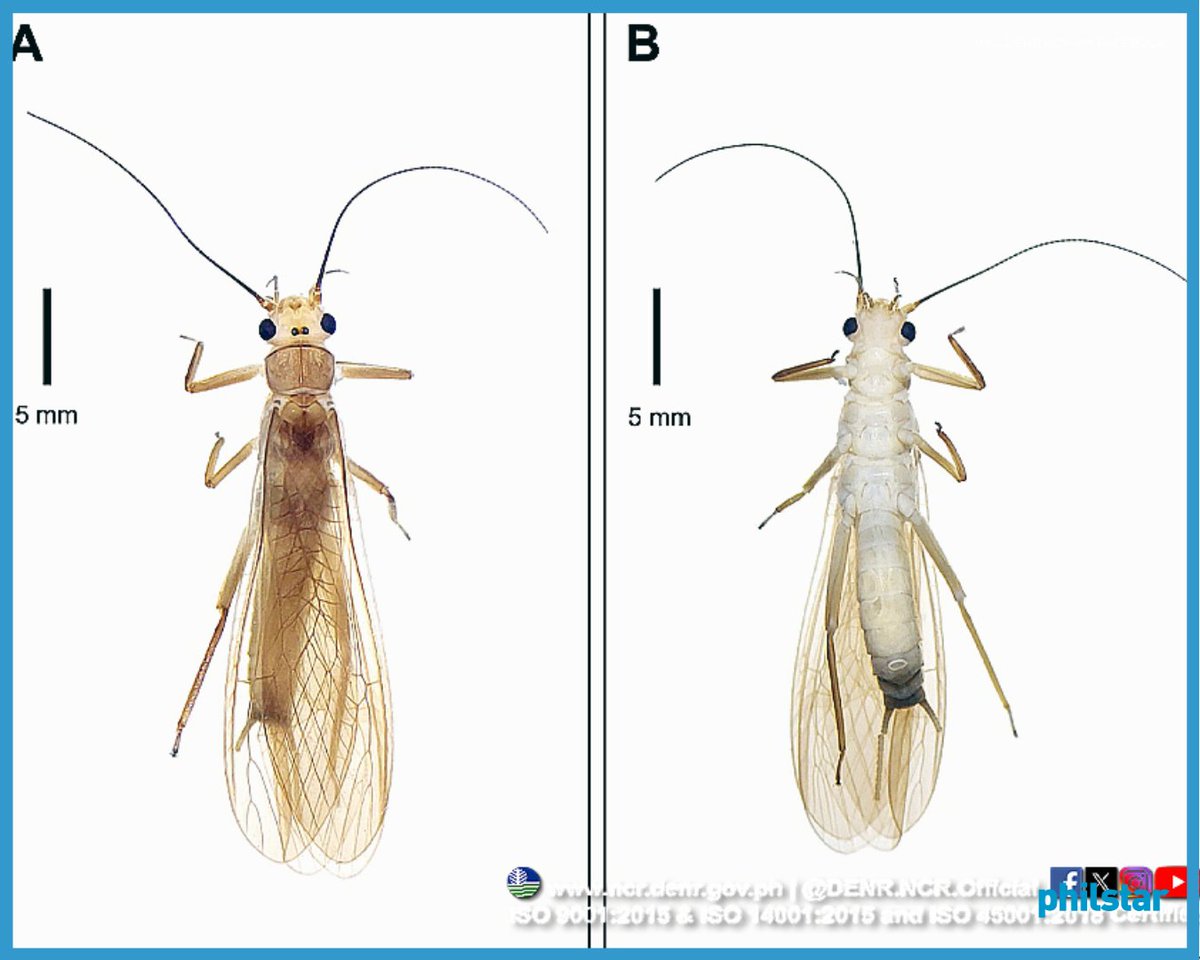
LOOK: A new species of stonefly called “Neoperla lamesae” has been discovered inside La Mesa Watershed Reservation by researchers from the University of the Philippines Diliman, University of Otago, and Korea University.
According to the Department of Environment and Natural Resources (DENR) in the National Capital Region (NCR), the aquatic insect is an important bioindicator of clean, healthy freshwater ecosystems. | 📸: DENR NCR/Facebook via Reymond Salgan, INQUIRER.net trainee
Visit inquirer.net for updates, stories and more.

153
770
27,631
May 6
Scientists discover new stonefly species in La Mesa Watershed Reservation.
interaksyon.philstar.com/tre…
2
316

May 5
NEW STONEFLY SPECIES DISCOVERED IN LA MESA WATERSHED
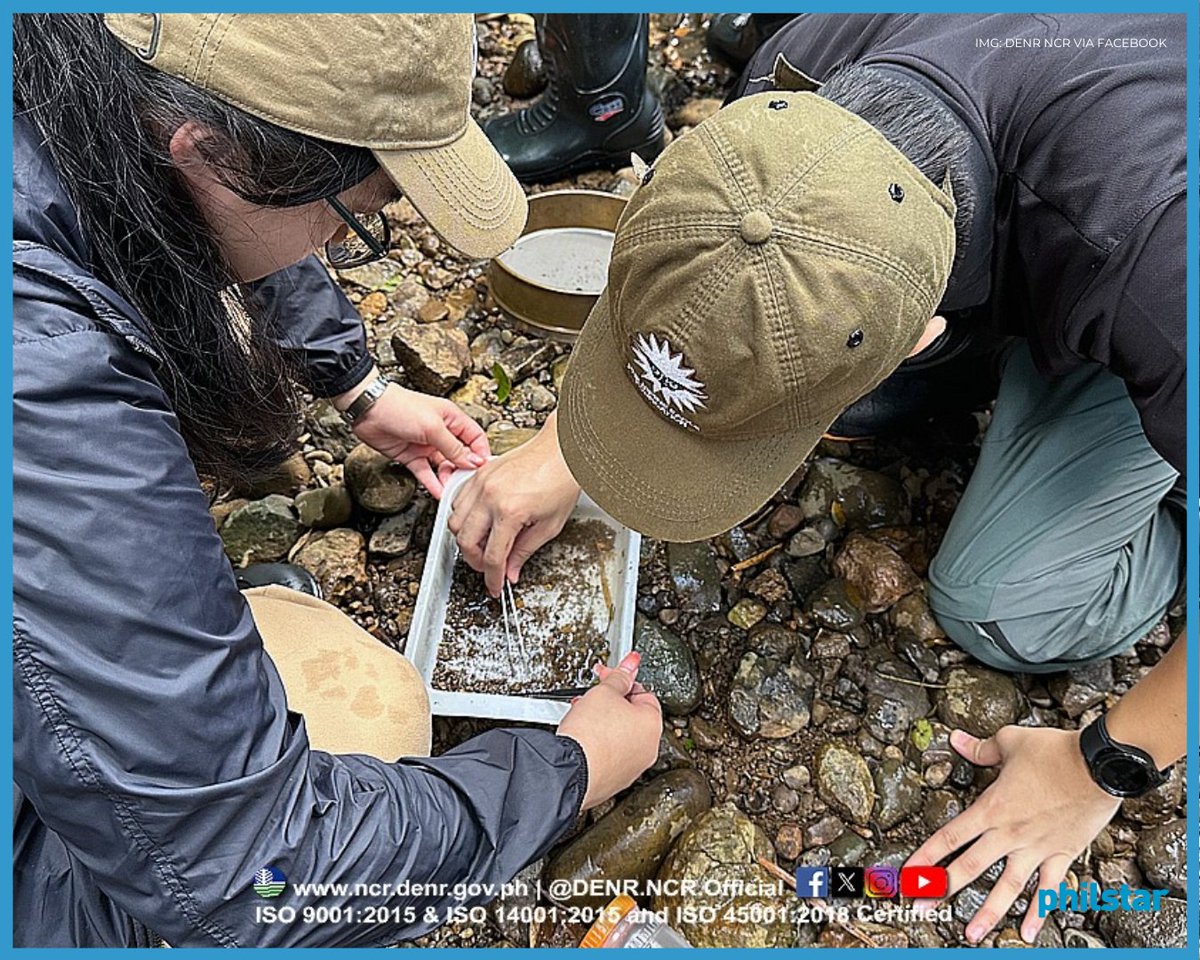
Scientists have identified a new stonefly species in the La Mesa Watershed Reservation, the Department of Environment and Natural Resources (DENR) announced.
The species, named Neoperla lamesae, was discovered by researchers Jondemarco Ricafort, Arthien Pelingen, Ian Fontanilla, Yeon Jae Bae and Christine Uy-Yabut from the University of the Philippines-Diliman, the Korea University, and the University of Otago in New Zealand.
The DENR said stoneflies are aquatic insects commonly used as indicators of water quality.
2
12
540

May 4
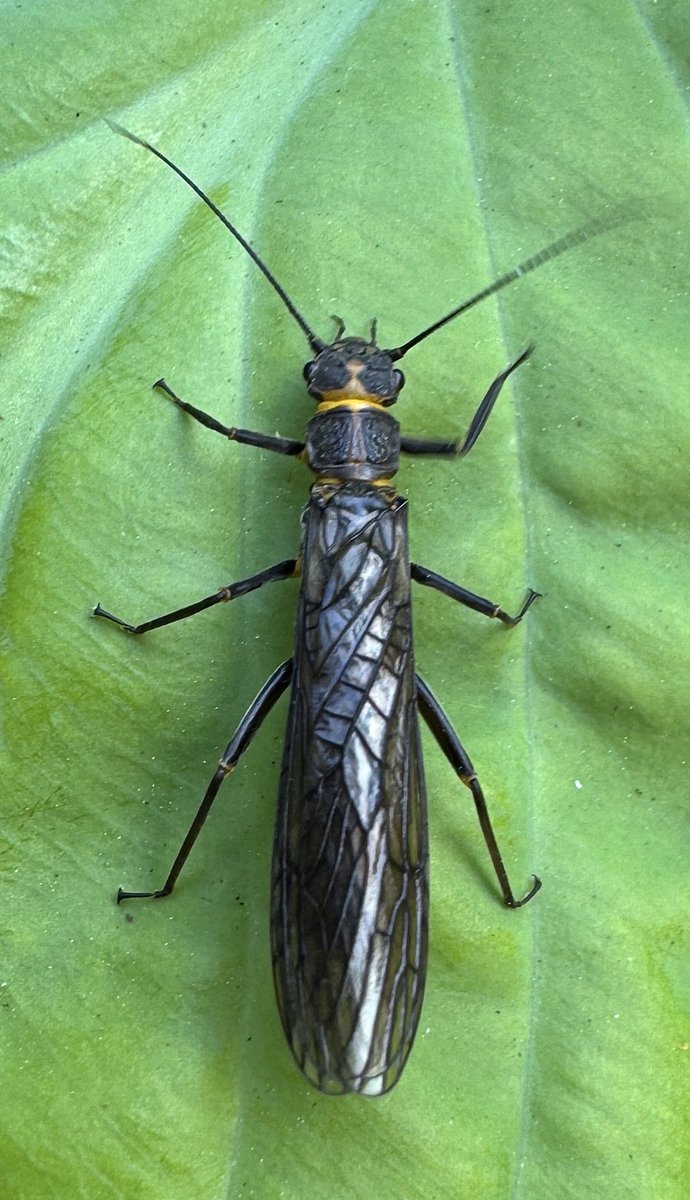
Found what I believe is this beautiful giant stonefly sitting next to me as I was digging in the garden today. Over 2" long but does not fly well.
19
853
