Dev.Rainy retweeted

Unity 6.5 is here ⚒️
Upgrade today and level up your project with powerful Physics 2D updates, streamlined Graph Templates, battery-saving mobile post-processing, a new customizable light explorer, and more!
🔗 More details about the update: on.unity.com/Unity6_5




1
22
120
9,008

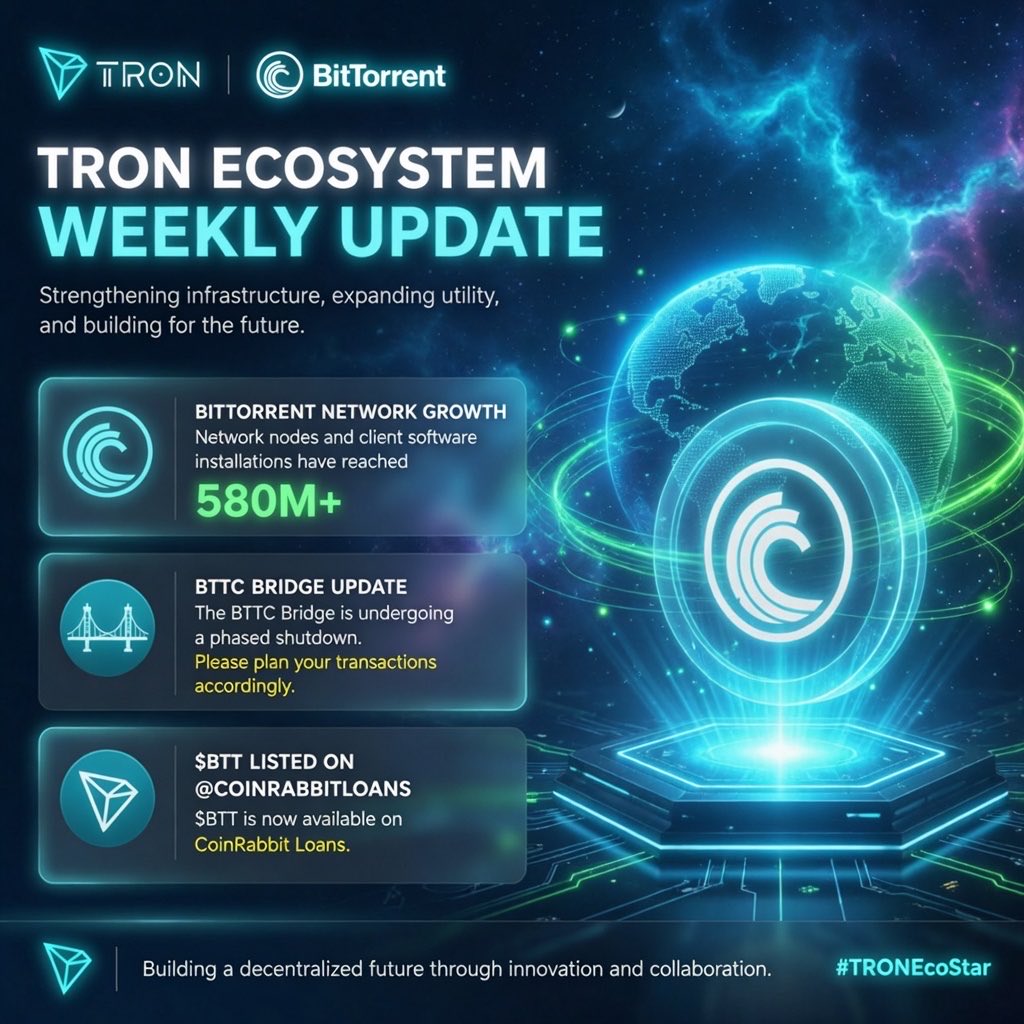
𝗧𝗥𝗢𝗡 𝗘𝗖𝗢𝗦𝗬𝗦𝗧𝗘𝗠 𝗨𝗣𝗗𝗔𝗧𝗘: 𝗜𝗡𝗙𝗥𝗔𝗦𝗧𝗥𝗨𝗖𝗧𝗨𝗥𝗘, 𝗔𝗗𝗢𝗣𝗧𝗜𝗢𝗡 & 𝗠𝗢𝗗𝗘𝗥𝗡𝗜𝗭𝗔𝗧𝗜𝗢𝗡
The latest developments across the TRON ecosystem point to a coordinated phase of infrastructure scaling, protocol refinement, and deeper asset integration across multiple layers of the network.
𝗕𝗜𝗧𝗧𝗢𝗥𝗥𝗘𝗡𝗧 𝗡𝗘𝗧𝗪𝗢𝗥𝗞 𝗔𝗗𝗢𝗣𝗧𝗜𝗢𝗡
The BitTorrent-powered distributed network continues to demonstrate strong global participation and sustained usage at scale.
Key milestone:
• 580M global nodes and client installations
This reflects ongoing adoption of peer-to-peer infrastructure supporting decentralized data distribution and network resilience.
𝗕𝗧𝗧𝗖 𝗕𝗥𝗜𝗗𝗚𝗘 𝗧𝗥𝗔𝗡𝗦𝗜𝗧𝗜𝗢𝗡
The BTTC bridge ecosystem is undergoing a structured transition phase aimed at modernizing interoperability across chains.
Key implications include:
• Gradual migration from legacy bridging architecture
• Improved cross-chain routing efficiency
• Streamlined multi-chain asset movement
• Foundation for upgraded interoperability frameworks
This marks a shift toward more scalable and modular cross-chain infrastructure.
𝗕𝗧𝗧 𝗘𝗖𝗢𝗦𝗬𝗦𝗧𝗘𝗠 𝗘𝗫𝗣𝗔𝗡𝗦𝗜𝗢𝗡
$BTT continues to gain broader utility through new platform integrations across DeFi and lending markets.
Recent integration highlights expanded accessibility within collateral-based financial systems, strengthening its role beyond simple network utility.
𝗘𝗖𝗢𝗦𝗬𝗦𝗧𝗘𝗠 𝗦𝗧𝗔𝗧𝗘 𝗢𝗙 𝗚𝗥𝗢𝗪𝗧𝗛
Taken together, these developments reflect a broader ecosystem direction defined by:
• Scaling decentralized infrastructure layers
• Upgrading cross-chain interoperability systems
• Expanding real utility for ecosystem assets
• Strengthening network participation and usage depth
𝗙𝗜𝗡𝗔𝗟 𝗣𝗥𝗜𝗡𝗖𝗜𝗣𝗟𝗘
TRON’s evolution is increasingly driven by system-wide coordination rather than isolated upgrades — with each layer reinforcing the next.
From storage to bridging to financial integration, the ecosystem continues building toward a more unified, scalable Web3 infrastructure stack.
@BitTorrent @justinsuntron #TRONEcoStar
3
Trader Groot 🇨🇦🇨🇦🇨🇦🇨🇦 retweeted

At long last, my #2026NHLDraft Ranking is finally out
A more streamlined approach with only 38 000 words but with the same level of heart and passion throughout my analysis
Thanks for commenting and sharing
FRENCH : toutsurlehockey.com/tslh-esp…
ENGLISH : toutsurlehockey.com/tslh-esp…
7
20
81
21,066

Struggling to launch a strong brand without overwhelming your team? Keep your strategy clear and your team focused. Prioritise key brand elements, delegate wisely, and use streamlined digital tools. Let’s build your brand smartly and sustainably. #webdevelopment #wordpress


@waifusweeper's streamlined entry loop eliminates onboarding friction, allowing seamless gameplay.
7

What's it going to take for the FDA to cut the red tape?
#ANKTIVA and natural killer (NK) cell therapy are already delivering miracles—activating the body's own immune system to fight cancer where other treatments failed. My husband Andrew's remarkable recovery from GBM (multiple clean MRIs, healthy tissue regrowth) is living proof. Hundreds of patients are reaching out for this hope.
It's time to unleash these therapies into every qualified hospital nationwide. Expand access now through CNPV vouchers, Right to Try, and streamlined approvals. No more bureaucracy standing between patients and lifesaving care.
Let's save lives. Let's kill cancer.
Share if you or someone you love deserves better options. Tag your reps. Demand action. @US_FDA @DrPatrick @bullishbruk
#ANKTIVA #NKCellTherapy
11
27
213


Third-Party Ballot Access in Nevada: Streamlined for Some, Rigorous for Others — Nevada Political Journal nevadapoliticaljournal.com/n…
12

Media Brief
NIGERIA CUTS MALARIA PREVALENCE BY HALF, DEEPENS PARTNERSHIP WITH GLOBAL FUND TO SUSTAIN HEALTH GAINS
Abuja, Nigeria | June 16, 2026 – Nigeria has recorded a significant decline in malaria prevalence, from 42 per cent in 2015 to 21 per cent in 2026, according to findings from the latest Malaria Indicator Survey (MIS), marking a major milestone in the country’s fight against one of its leading public health challenges.
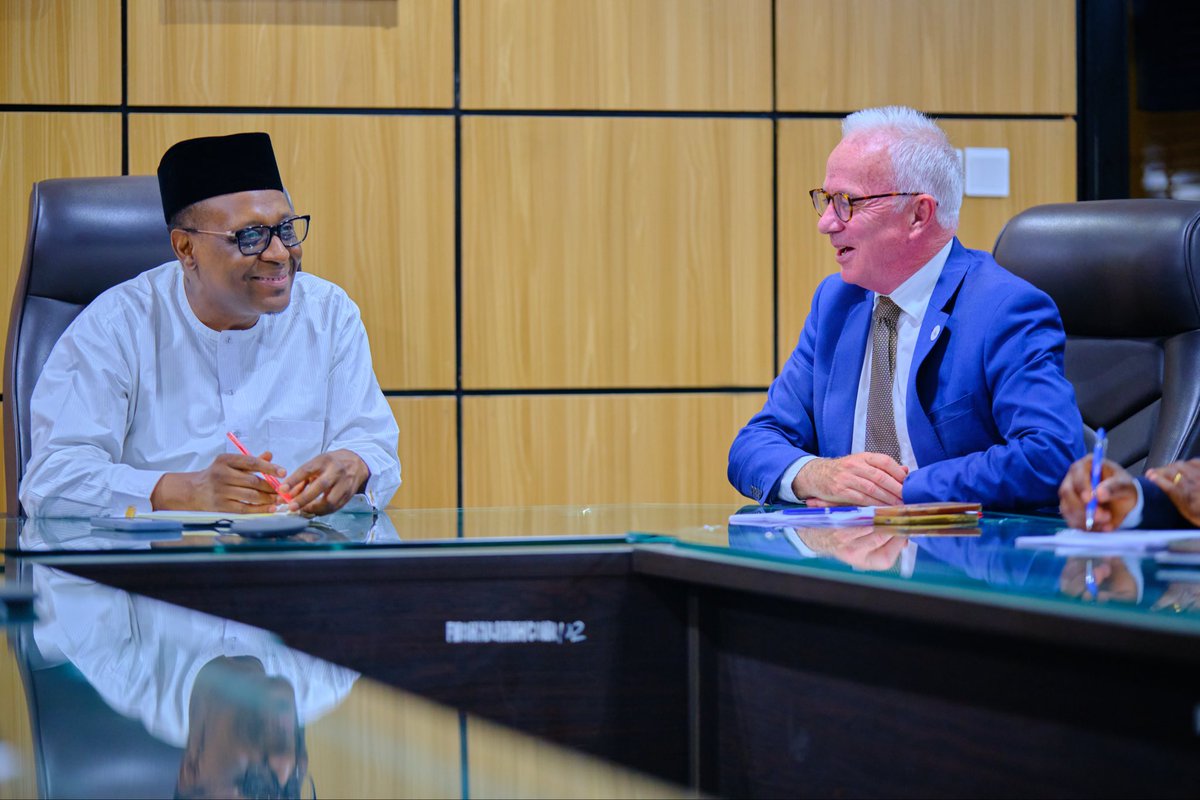
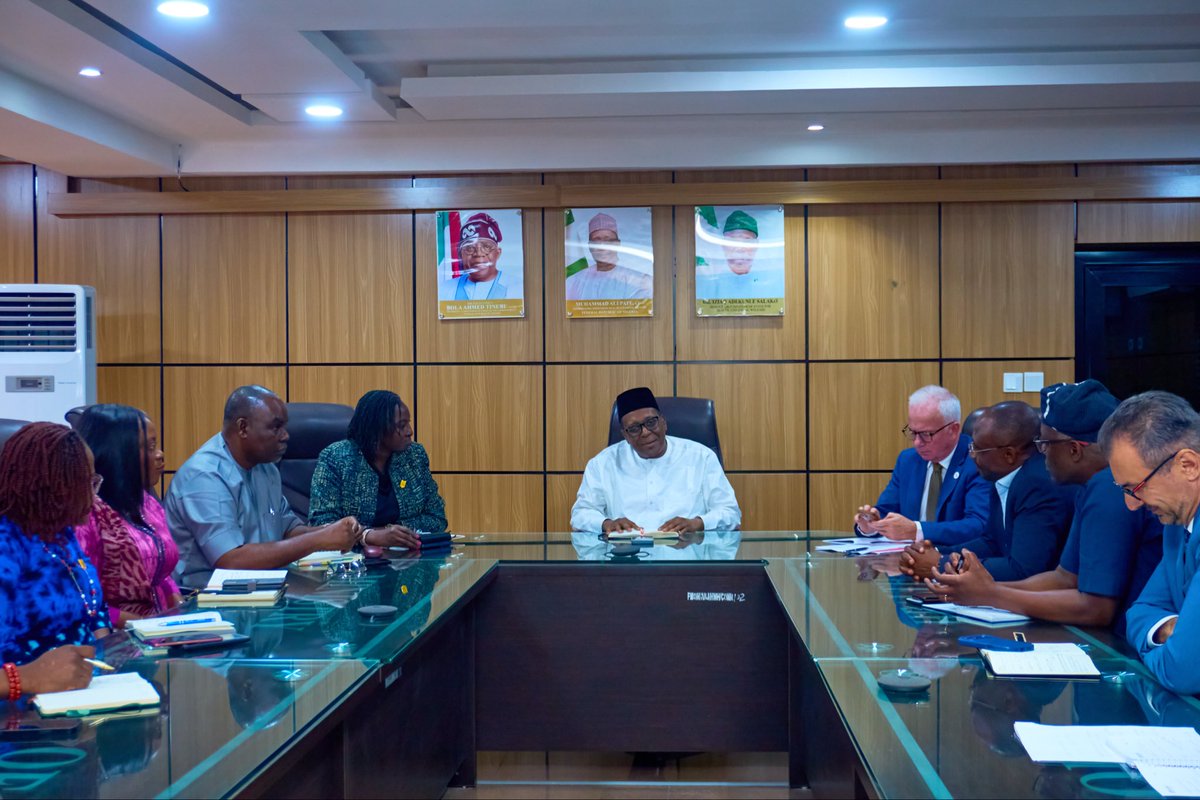
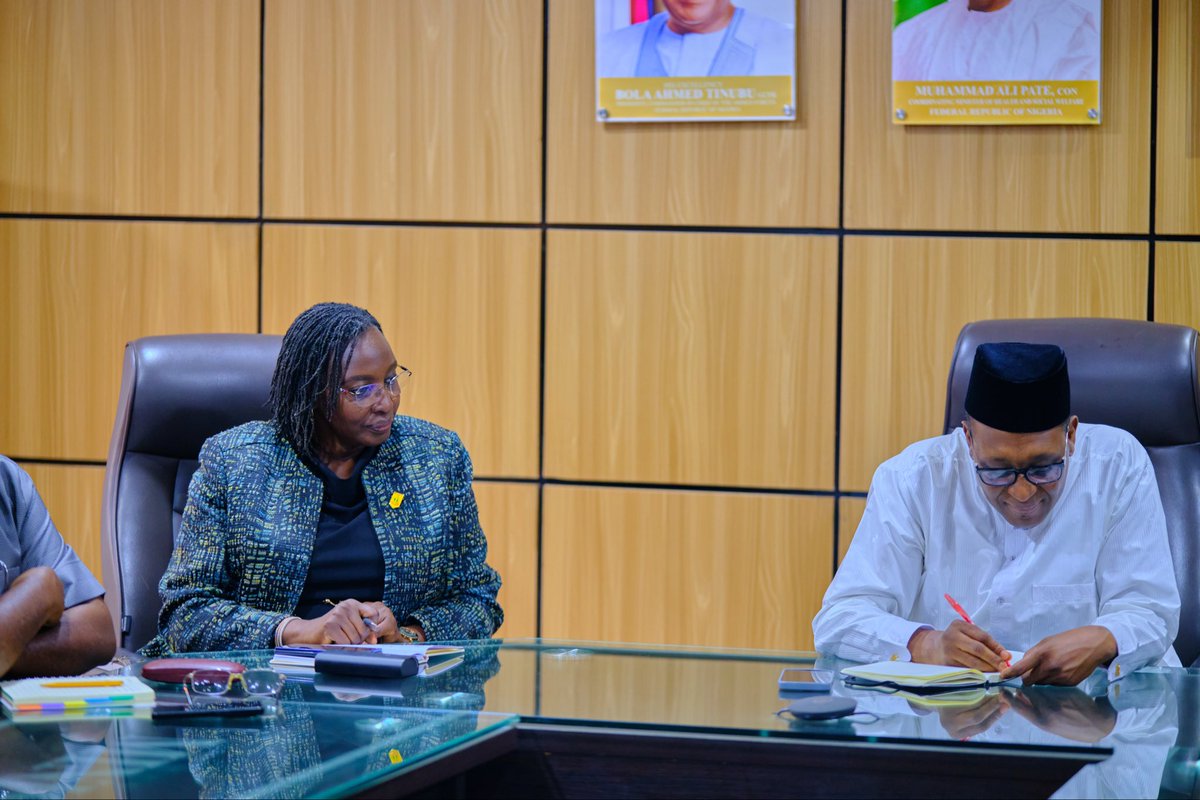
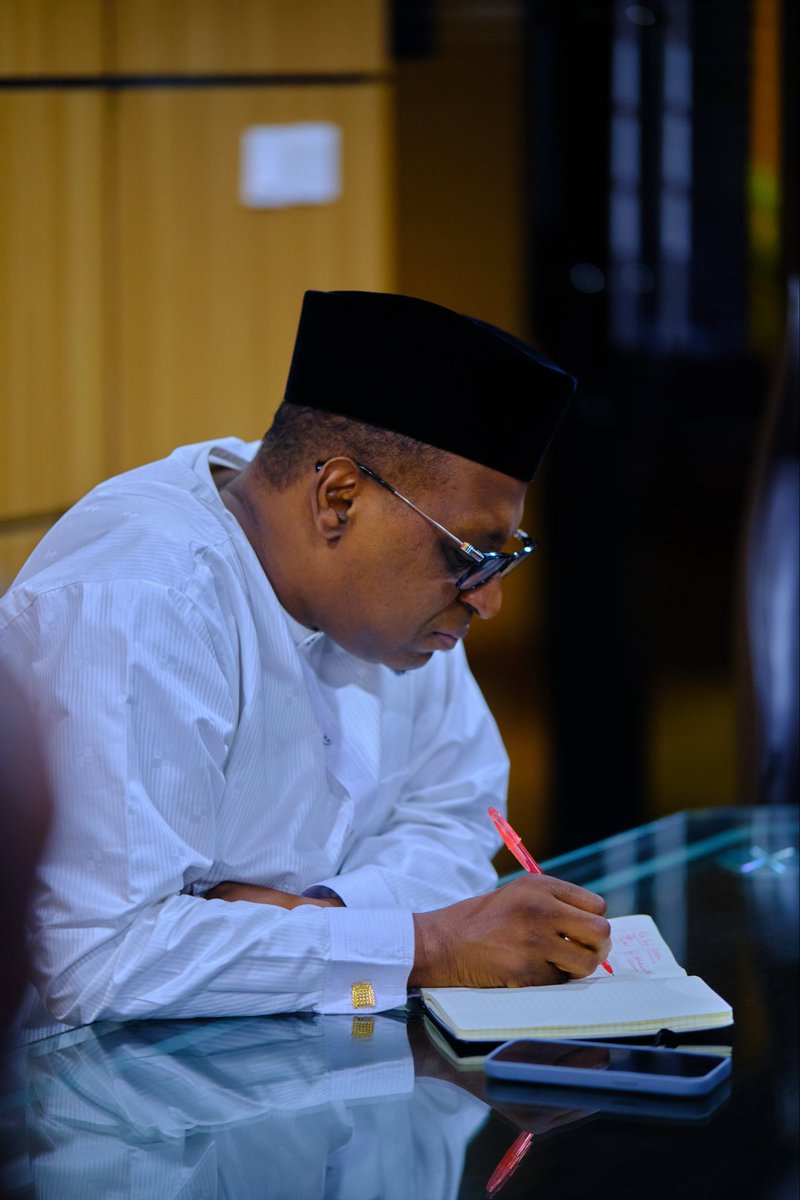
The progress was highlighted during a strategic meeting between the Coordinating Minister of Health and Social Welfare, Prof. Muhammad Ali Pate, the Executive Director of the Global Fund, Peter Sands, the World Health Organisation (WHO) Country Representative in Nigeria, representatives of the Roll Back Malaria (RBM) Partnership, and senior officials of the Federal Ministry of Health and Social Welfare to review progress and strengthen collaboration on HIV, Tuberculosis and Malaria interventions in Nigeria.
Speaking during the meeting, Prof. Pate emphasised that global health partnerships must translate into measurable improvements in the lives of citizens, stressing that stronger coordination among governments, development partners and implementing agencies delivers greater impact than fragmented efforts.
The Coordinating Minister commended partners for their contributions to the fight against HIV, Tuberculosis and Malaria and highlighted key milestones achieved under the Nigeria Health Sector Renewal Investment Initiative, including the inauguration of the Advisory on Malaria Elimination in Nigeria (AMEN), progress in local manufacturing of insecticide-treated bed nets, and the ongoing revitalisation of primary healthcare centres nationwide.
While acknowledging progress in malaria control, Prof. Pate noted that Tuberculosis remains a significant challenge requiring intensified attention. He also raised concerns about persistent supply chain bottlenecks that have affected programme efficiency in recent years, stressing the need for a more streamlined, resilient and efficient national supply chain system capable of supporting health interventions across the country. He further identified sustainability as a critical priority, emphasising the need for increased domestic financing to protect health gains and reduce dependence on external support.
The Permanent Secretary, Federal Ministry of Health and Social Welfare, Daju Kachollom S. mni, commended the progress recorded in disease control programmes, particularly in HIV prevention. She highlighted the growing demand and positive reception of long-acting HIV prevention products among beneficiaries and called for similar innovations to be expanded across other disease areas where appropriate.
Speaking on behalf of the RBM Partnership to End Malaria, Chief Executive Officer Michael Adekunle commended Nigeria’s sustained leadership in malaria control and disclosed that the Partnership had established an office in Addis Ababa, inspired in part by issues and priorities raised by Nigeria during previous engagements.
In his remarks, Global Fund Executive Director Peter Sands acknowledged Nigeria’s substantial HIV burden and expressed concern that the country receives comparatively lower volumes of long-acting HIV prevention commodities despite its disease burden. He commended the Federal Government’s ongoing health sector reforms and praised the quality of Nigeria’s recently submitted application under the new Global Fund Grant Cycle, expressing confidence in the country’s commitment to achieving stronger health outcomes.
The meeting concluded with a shared commitment to deepen collaboration, strengthen domestic ownership, improve supply chain performance, expand sustainable financing mechanisms, and accelerate progress towards ending HIV, Tuberculosis and Malaria as public health threats in Nigeria.
@muhammadpate @PeterASands @endmalaria @DekunleCharles @GlobalFund
1
1
3
120

In my humble opinion, game development needs to be streamlined in order to be profitable #xbox
6
CLALeader retweeted

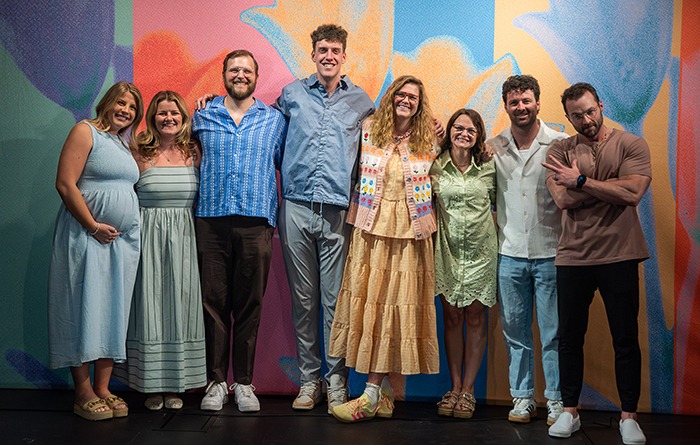
Find out how Citizens of Heaven Church have streamlined communications, giving, and operations by consolidating multiple church tech tools into one integrated platform — freeing staff to focus more on ministry and less on management with @Subsplash. ow.ly/bFwP50Z4Z69
1
14

So you are saying the US had an efficient & streamlined system to speedily process all visa applications by the relatives of ALL players from ALL nations at a reasonable cost, & priced all tickets at a fair cost with priority access for close relatives? In Trump's America? 🤣🤣
1
🦇 retweeted

It has to be C&O #490. She's one of the only fully streamlined locomotives to survive into preservation, and a totally different style of streamlinrr compared to N&W 611. Would be a operational Hudson too.


If you possessed unlimited money and resources along with choosing an engine/locomotive to be restored to operation, what would it be?
I’ll go first. 😌

7
32
415
9,760

1h
I’m happy with what they’ve been spending money on so far
NSW is getting really well organised, all the Branches are being streamlined and branch administrators have background checked
1
6

If you a tank main that makes sense. Tanking and healing got streamlined over the years and lost a lot of the skill to play it. I think tanking is the worst part of the game becuase there is too many defensice CDs and/or are too short of a CD. So your decision making is minimal.
1
1
5