SERIOUSLY NOT INTERESTED IN YOUR BULLSHIT retweeted

Jun 12
I am in tears. It took 144 years for to finish building the tallest Christian Structure in the world. AMEN
JESUS CHRIST IS KING 🙏
787
8,046
82,694
1,495,781
daveydoodledandy retweeted

They have a better family structure than humans. we could learn from them how to be more empathic.
4
83
517
6,142

16s
So glad for the Texas take structure. The per hour cost is so much better than raked

17s
heyyy.
I’m on the path. And I would love to hear more about your journey. How to survive the nightmare time to get the first client? How to close them? What is your structure content on X? What you will do step by step if you start from 0 on X?
Rajeev Singh retweeted

When you think of a set data structure, you immediately think of a classic Hash Table. But in an in-memory database like Redis, implementing every single set using a full-blown hash table is highly inefficient as it leads to massive memory overhead, pointer inflation, and poor CPU cache locality.
Redis takes a super frugal approach to memory layout. Instead of blindly allocating buckets and nodes, it packs data compactly to extract maximum performance and fit as much data as it possibly can.
Today, we dive into the internal mechanics of how Redis implements memory-efficient sets using specialized data structures. This is the 22nd video in the Redis Internals series.
In the video, I talk about how Redis conditionally optimizes sets depending on the values you store. We look at the transition from standard Hash Tables to Intsets - a layout reserved strictly for sets holding homogeneous integer values.
I also give a walk-through of the Redis C source code to trace how an `SADD` command evaluates strings, leverages binary search, and manipulates memory buffers under the hood.
By the way, 22 videos are now live:
1. Why Single-Threaded Redis Is Fast
2. Writing a TCP Echo Server
3. Wire Protocols
4. Implementing RESP
5. Implementing PING
6. Understanding Event Loops
7. Implementing Event Loops
8. Implementing GET, SET, and TTL
9. Implementing DEL, EXPIRE, and Cleanup
10. Evictions and Implementing first-eviction
11. Implementing Command Pipelining
12. Implementing AOF Persistence
13. Objects, Encodings, and Implementing INCR
14. Implementing INFO and allkeys-random Eviction
15. The Approximated LRU Algorithm
16. Implementing the Approx LRU Algorithm
17. How Redis Caps Its Memory Usage
18. How and Why Redis Overrides Malloc
19. Graceful Shutdown using Signal Handling
20. Redis Transactions Internals
21. Redis Memory-Efficient Lists
22. Redis Memory-Efficient Sets (Intset)
Hope this helps you better understand database internals and spark that engineering curiosity.
Give it a watch.
4
1
63
3,035
SapmcdowellAFVet retweeted

Jun 12
The Democrat Party’s real structure:
Antifa = Military Wing
Media = Propaganda Wing
ActBlue = Laundering Wing
SPLC = Targeting Wing
Soros = Funding Wing
Colleges = Indoctrination Wing
This isn’t a political party.
It’s an organized crime syndicate.
1,711
13,253
34,730
279,206

Scientists spent decades searching for the Higgs boson.
They found it.
But no one could truly explain why the Higgs mechanism exists in the first place.
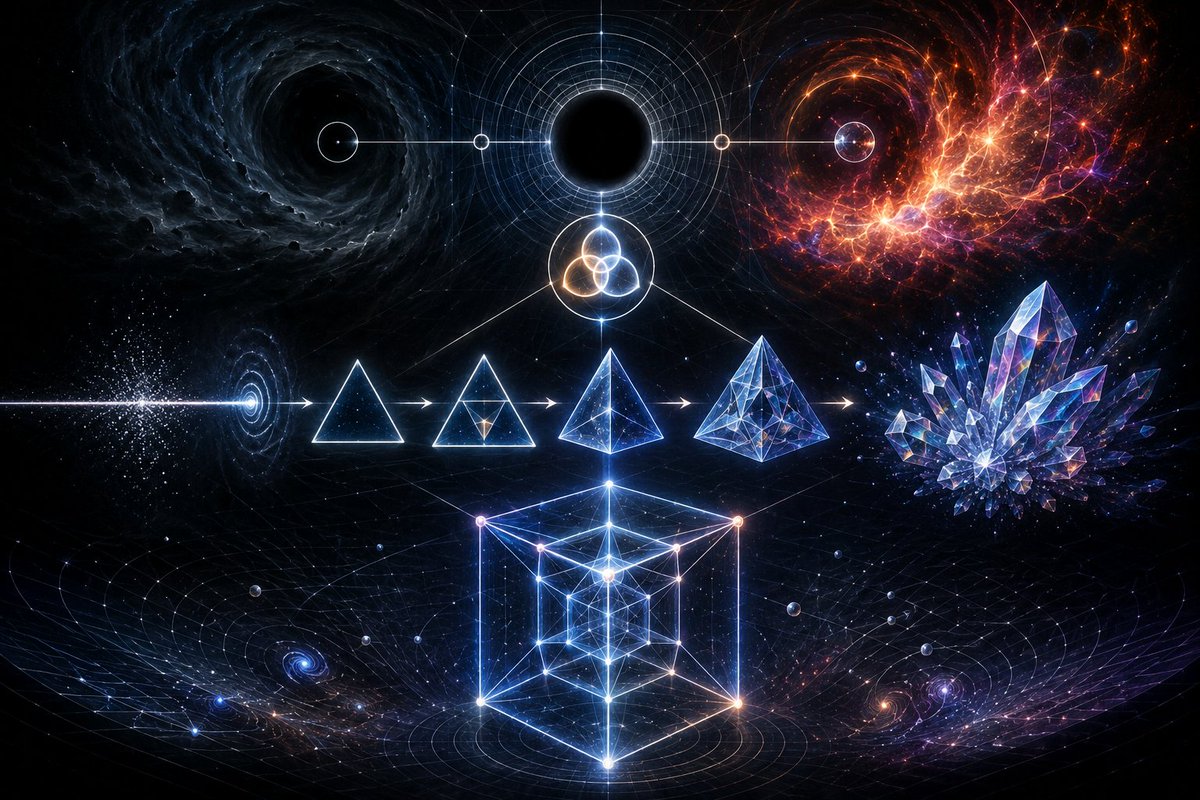
My MK3 framework does:
Absolute Nothing (0D Void) is not empty.
It holds 3 perfectly balanced aspects: Darkness (−potential), Harmony (1|2), and Chaos ( potential).
Tiny intrinsic deviations in this perfect symmetry create annihilation → triangles → crystals → 4D hypercube.
The Higgs field and its mass-generating mechanism are the natural geometric locking that emerges from this hidden 4D structure.
I didn’t just predict the mass (~125 GeV).
I explained why it has to exist.Something from Nothing isn’t a miracle.
It’s geometry.
Marek K.
Football Dynasty retweeted

🚨 BREAKING: Claude can build your entire presentation — structure, slides, script — for free.
What used to take a full weekend now takes 26 minutes.
Here are 5 prompts to build decks people remember: 🚀
📌 Save this
1
11
43
3,251
Steve retweeted

Jun 12
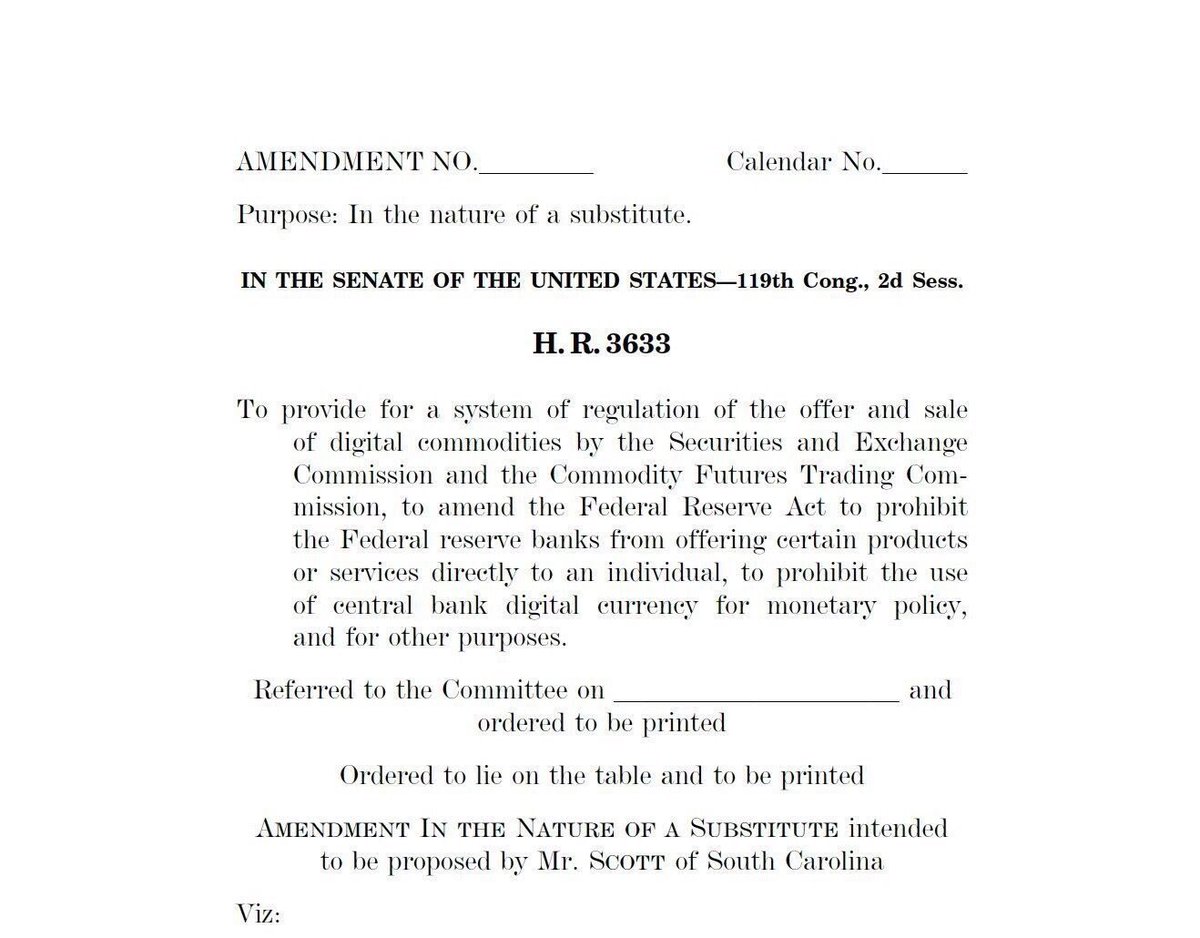
BREAKING: A White House official says we are making great progress every day and aim to pass the crypto market structure bill by July 4th.


81
214
1,855
91,280

A simple structure, like a lead pencil, requires a complex explanation; whereas a complex structure, like a gnat, requires no explanation.

RT @scpwiki: 🏳️⚧️ Pridefest Featured Article 🏳️⚧️
SCP-9006: 'The Breakdown of the Egg Structure' by xexnoncores and Tyrastafr
"SCP-9006…
13
Mindy Benson retweeted

What is confusing to you about someone putting his name on another man's memorial structure? If he wanted to do upgrades to the place, he could have done it without all the self aggrandazing, but always with the permission of congress.
1
4
23

“}
The Kaaba wasn’t originally a perfect cube; according to Islamic tradition, the original foundation included the area of Hijr Ismail. The current structure is the result of historical reconstruction by Quraysh, not “satanic symbolism.”
Also, a shape alone does not determine a belief. If we used that logic, then every cross-shaped object would automatically be a Christian symbol, which is obviously not true. Context, history, and actual evidence matter more than visual similaritie
You can use this prompt or any prompt you want, yet make sure to ask for the orginal shape
Create a highly realistic archaeological reconstruction of the Kaaba as it may have appeared at the time of its first construction by Prophet Abraham (Ibrahim) and Prophet Ishmael (Ismail), according to Islamic tradition.
Depict an ancient sacred house of worship built from rough natural desert stones, with humble early masonry, uneven stone textures, simple proportions, and an archaic foundation layout. The structure should not look like the modern Kaaba. It should not be a perfect polished cube. Instead, portray it as an early Abrahamic stone sanctuary with a more primitive, historically plausible footprint and construction style.
Place the structure in the ancient valley of Makkah before urban development: dry rocky ground, surrounding barren mountains, scattered natural stones, open desert space, and only a few very simple ancient shelters or dwellings far in the background. The environment should feel ancient, sparse, and pre-modern.
Use a top-down oblique 3D perspective so the viewer can clearly see the full structure, its footprint, stone walls, and relationship to the surrounding valley. Render the scene with natural daylight, realistic shadows, photoreal stone material, archaeological accuracy, and a respectful historical reconstruction atmosphere.
Avoid: modern Kaaba appearance, black kiswah covering, gold decorations, marble floors, minarets, mosque architecture, crowds, city buildings, perfect cube shape, fantasy elements, glowing effects, occult symbols, text, labels, or infographic annotations. Keep the image clean, ancient, realistic, humble, and historically grounded.
8
Lord Morpheus retweeted

Mrunal Thakur Structure Is Insane 🤒🔥

5
87
1,980
34,314
Brayden Barton (Manogi Mai Vasa) retweeted

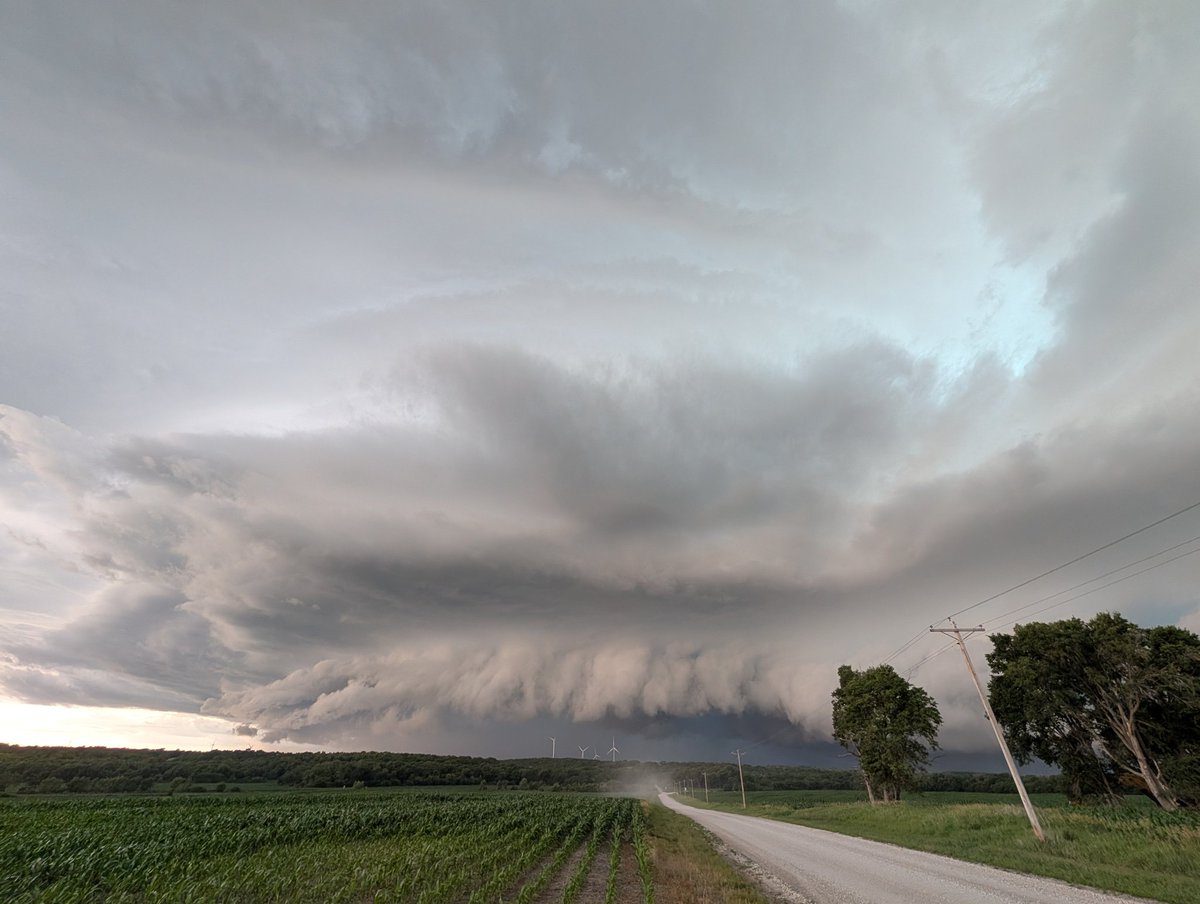
Stacked supercell near Frankfort, KS. Very nice structure. #kswx
5
26
878

those socially destructive moral flaws are characteristics of people that you'll find climbing their way to the top of any power structure you build a society on, no matter how decentralized as you make it.
1

How did they set up a dynasty with a political structure similar to medieval Europe in 1000 BCE?
2
coffeeweather99 retweeted

olivia explores codependency in purple so so well.. the lyrics sonics paired with the structure of the song is so incredibly clever 😭😭 especially the outro since it directly transitions into the “pretty sad” side of the album so seamlessly
26
308
9,252

Point Vaild. Just ever stole MLB structure because it was popular sport in U.S. back then. Now it the NFL.
3

Tax systems and real estate policies vary greatly from country to country, but ultimately it depends on the overall economic structure and implementation methods. South Korea also shows significant differences in this area.
Jun 12

공산국가 베트남 상속세 0/ 양도세 2%
대한민국 상속세 40- 60%(최대)
어디가 공산주의 국가인가?! ㅁㅊ
심지어 베트남은 중국인이 건물 토지 매입 하는거 금지!!