
If you gifted crypto in excess of the gift tax exclusion do you have to report it on the Form 709 United States Gift (and Generation-Skipping Transfer) Tax Return?
According to the IRS, the answer is yes.
The gift tax applies to transfers of digital assets. Digital assets are any digital representations of value that are recorded on a cryptographically secured distributed ledger or any similar technology. For example, digital assets include non-fungible tokens (NFTs) and virtual currencies, such as cryptocurrencies and stablecoins. If a particular asset has the characteristics of a digital asset, it will be treated as a digital asset for federal transfer tax purposes.
To determine if you need to file, you must calculate the exact U.S. dollar value of the crypto at the time the transfer was executed. For the 2026 tax year, the annual gift tax exclusion is $19,000 per recipient (this is unchanged from 2025). If you are married and elect to "split" the gift with your spouse, the threshold doubles to $38,000 per recipient, though you still must file Form 709 to officially make the gift-splitting election.
When you report a gift that exceeds the annual exclusion (e.g., giving $25,000 worth of Bitcoin to one person in 2026), the excess amount (in this case, $6,000) simply counts against your lifetime gift and estate tax exemption. For 2026, the lifetime exemption is $15 million per individual (or $30 million for married couples). You will not actually owe federal gift tax until your cumulative lifetime gifts exceed this massive threshold.
When filing Form 709 for a crypto transfer, you must substantiate the value of the digital asset. Because cryptocurrency markets operate 24/7 and prices are highly volatile, the IRS expects you to document the FMV based on the exchange rate at the specific date and time the transfer hit the blockchain. Keeping transaction IDs (TxHash) and timestamps from block explorers is a critical part of the record-keeping process to justify the valuation reported on the return.
While the donor is responsible for filing Form 709, the recipient does not have to report the gift as income. However, they will inherit your original cost basis or the FMV at the time of the gift (depending on whether it is later sold for a gain or a loss). Therefore, you must provide the recipient with your original acquisition records and the FMV on the date of the gift so they can accurately calculate their capital gains taxes when they eventually sell or dispose of the asset.
The donor should make sure to mark line 21 as yes, if crypto was gifted and reported on the gift tax return.

1
40

Jun 14
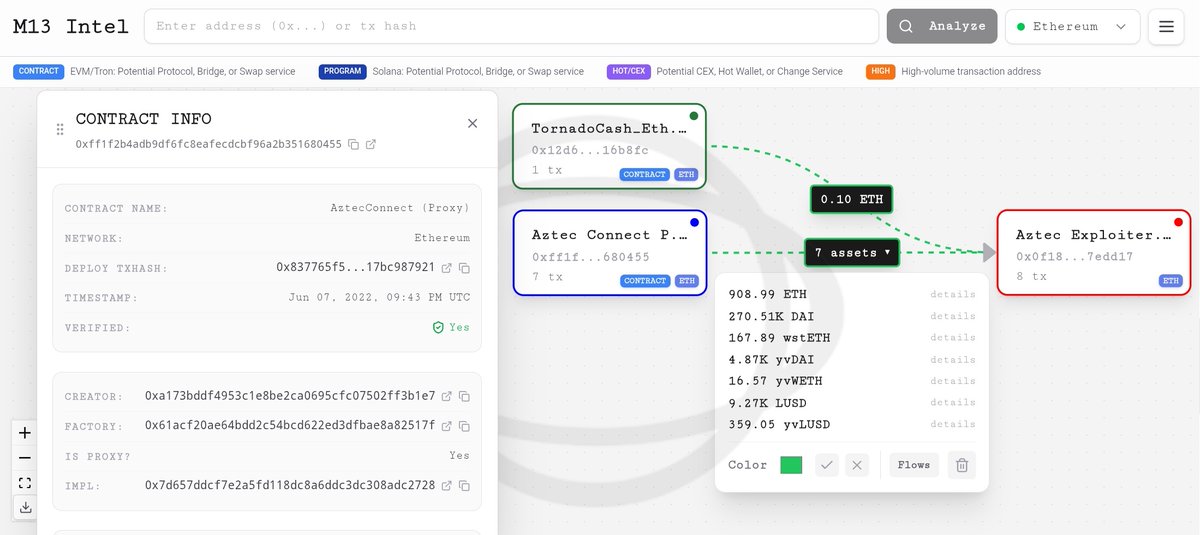
Exploiter address:
0x0F18D8b44a740272f0be4d08338d2b165b7EdD17
Exploit TxHash:
etherscan.io/tx/0x074ec9317d…
32




ArcSubs v2 is live on @arc testnet 🚀
What's new:
— Clear cancel flow with a "no refund this period" confirmation before you commit
— Failed charges trigger a 7-day grace period — access stays on while you top up, no instant lockout
— Subscriptions cancelled for non-payment can be restarted in one click
— Per-subscription event timeline, read straight from onchain events
— Shareable payment receipts at /receipt/0x[txHash]
Feedback welcome — try it out and let me know what you think 🙏
New contract: 0x9c8fAc607DA5b65f4ec110fC2d2c2F0fD5A00819
Try it → arcsubs.vercel.app
Code → github.com/altair478/arcsubs
short video demo:

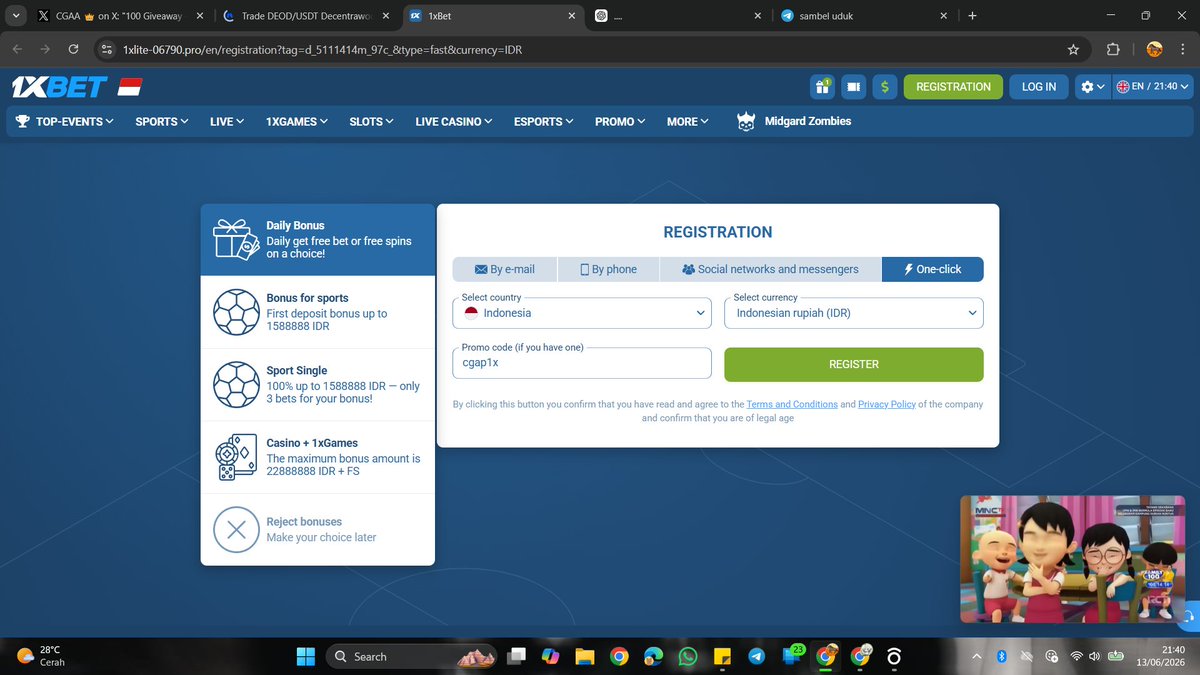
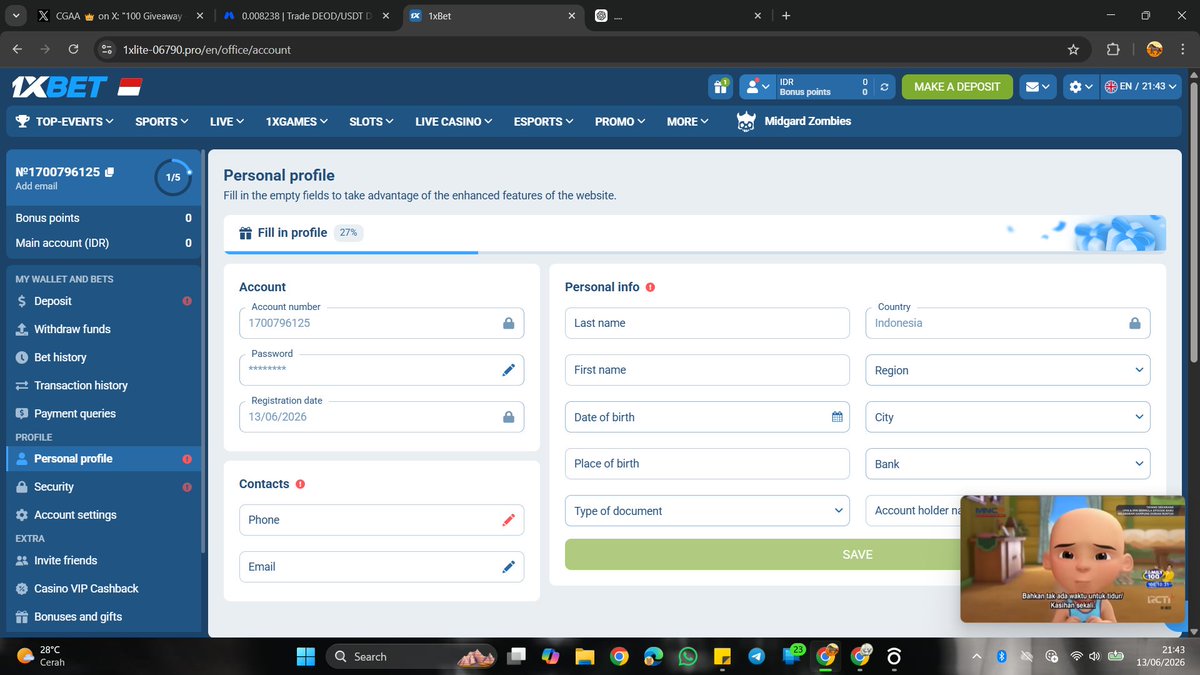
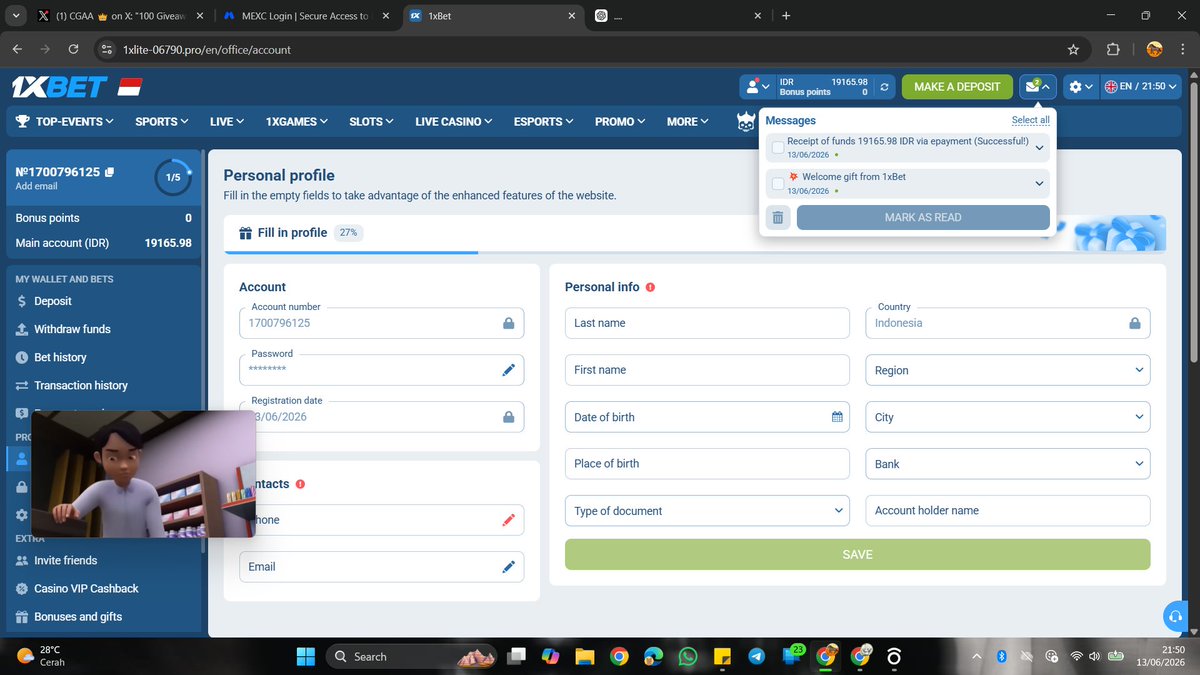
hey everyone! wanted to share what I've been building on @arc testnet
introducing ArcSubs:
A recurring USDC payment protocol
ArcSubs is the subscription payment primitive of Arc.
How it works?
— Merchant creates a plan with price and interval in USDC
— Subscriber approves once and charges happen automatically
— A permissionless keeper bot executes every charge
Beyond the basics:
— Public store page per merchant (shareable link)
— Onchain profiles: name, bio and avatar stored on Arc
— Payment history verifiable on ArcScan
— Low balance alerts for subscribers
Built with Solidity Foundry, Next.js, Wagmi and Viem.
First time deploying on Arc and the experience felt very different from other blockchains — USDC fees make everything predictable, and sub-second finality is immediately noticeable. Used Claude AI and Arc docs throughout the process.
Contract: 0xBB5004Bf24B5E21262F1610F7748bB967f583EB0
Try it → arcsubs.vercel.app
Code → github.com/altair478/arcsubs
video demo:
1
2
55

Jun 12
Crypto rewards unlocked! See what my TxHash revealed: proofofword.xyz/checker/ 🔓
#DATE #WEED #HUNT #JUNE
#TxHash #CryptoHunter
15
18
859
Web3 lord retweeted
Jun 12
🔥 Top 10 Reasons to Own $POTUS 🔥
1️⃣ First-ever TxHash word discovery ecosystem
2️⃣ Rewards everyday blockchain activity
3️⃣ Cashback instead of pure speculation
4️⃣ Scarcity-driven tokenomics
5️⃣ Community-powered growth model
6️⃣ Sponsor-funded reward opportunities
7️⃣ Built on Solana's high-speed network
8️⃣ Expanding to multiple blockchains in the future
9️⃣ Real utility beyond trading charts
🔟 Early-stage project with significant upside potential
#POTUS isn't just another meme coin. It's a new way to interact with blockchain transactions.
#POTUS #Solana #Crypto #Web3 #Cashback #Blockchain #CryptoRewards
3
1
8
208

Jun 12
The pattern that makes it broadly useful: awaitOnCondition.
The core method takes an arbitrary predicate. awaitCompleted and awaitPending are convenience wrappers around it.
await watcher.awaitOnCondition(
txHash,
(tx) => tx.status.isCompleted() && tx.logs.events.some(e => e.identifier === 'transferComplete'),
);
Use it when "completed" isn't the right signal — waiting for a specific event, waiting on a specific log, or chaining several predicates together.
1
1
11
124
Jun 12
How it works:
import { TransactionWatcher } from "@multiversx/sdk-core";
const watcher = new TransactionWatcher(networkProvider, {
pollingIntervalMilliseconds: 6000,
timeoutMilliseconds: 90000,
patienceMilliseconds: 0
});
const completed = await watcher.awaitCompleted(txHash);
Instantiate with a network provider. The watcher polls until the predicate is satisfied, then returns the TransactionOnNetwork object. Throws if the timeout expires before the predicate holds.
1
1
15
179

Ever wondered what your TxHash looks like? 🤔
I built a forge on the Robinhood Testnet that turns your transaction into a unique trading card! 🪄
No two cards are the same. Spam the 'FORGE' button and pull your highest rarity!
Free to play here 👇
shin-kado.github.io/My-Robin…
#Web3 #CryptoArt #NFT
26
