
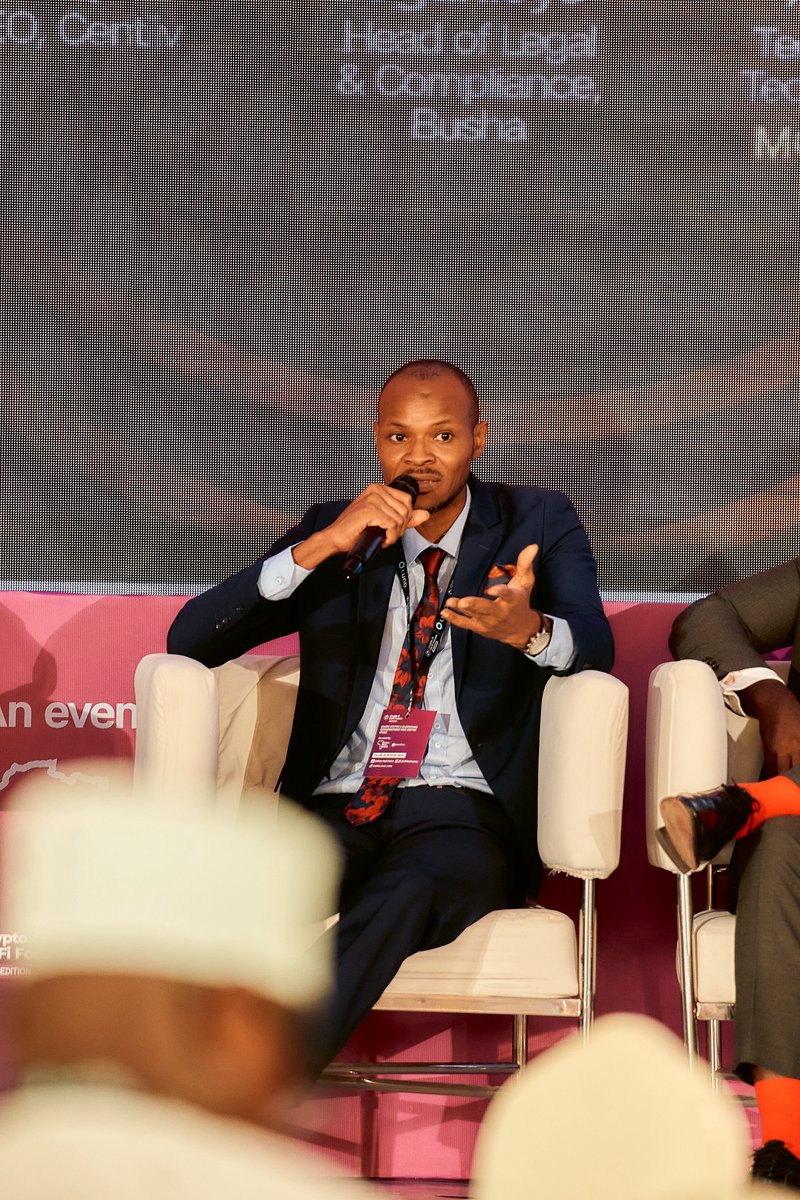
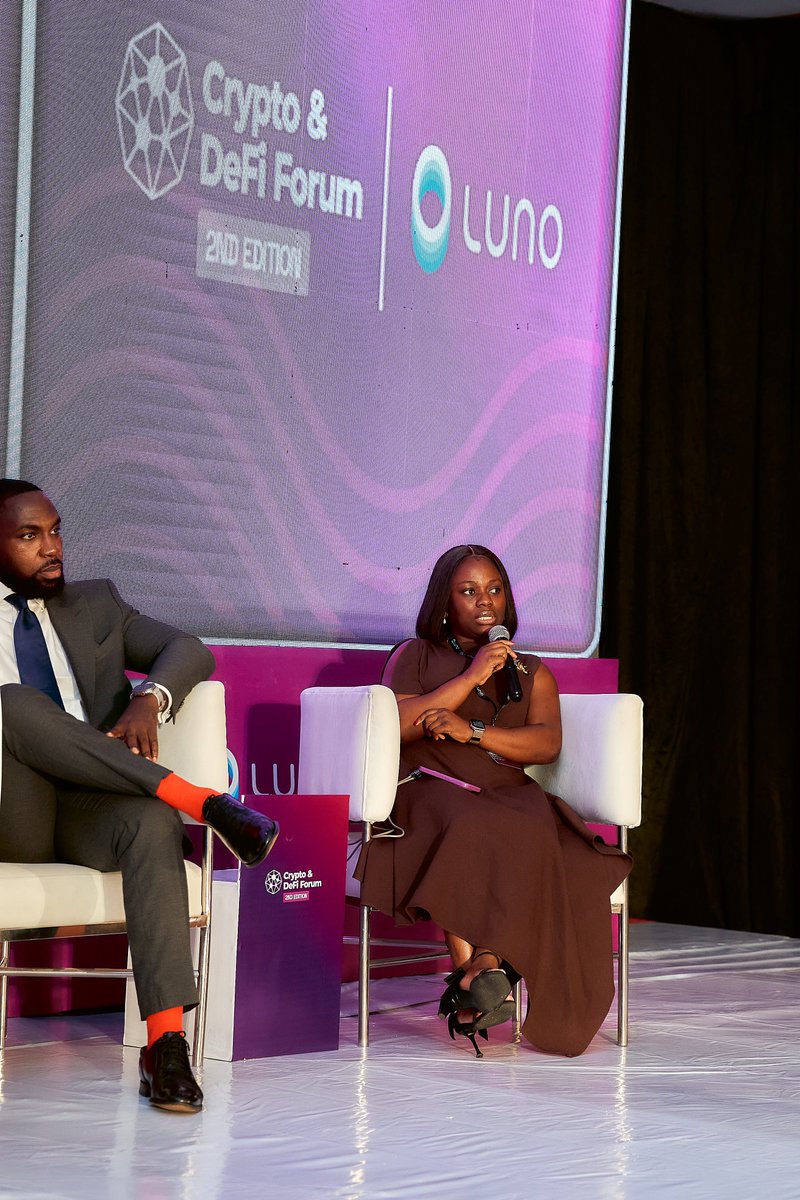
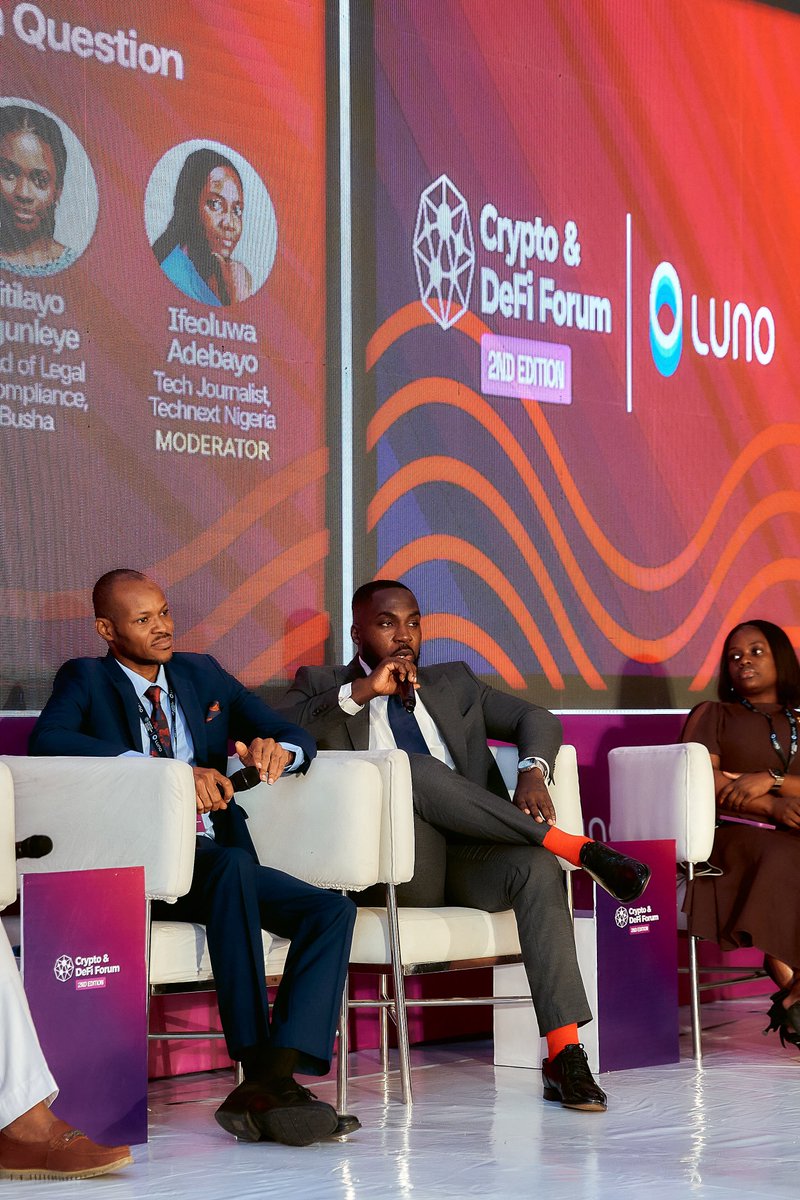
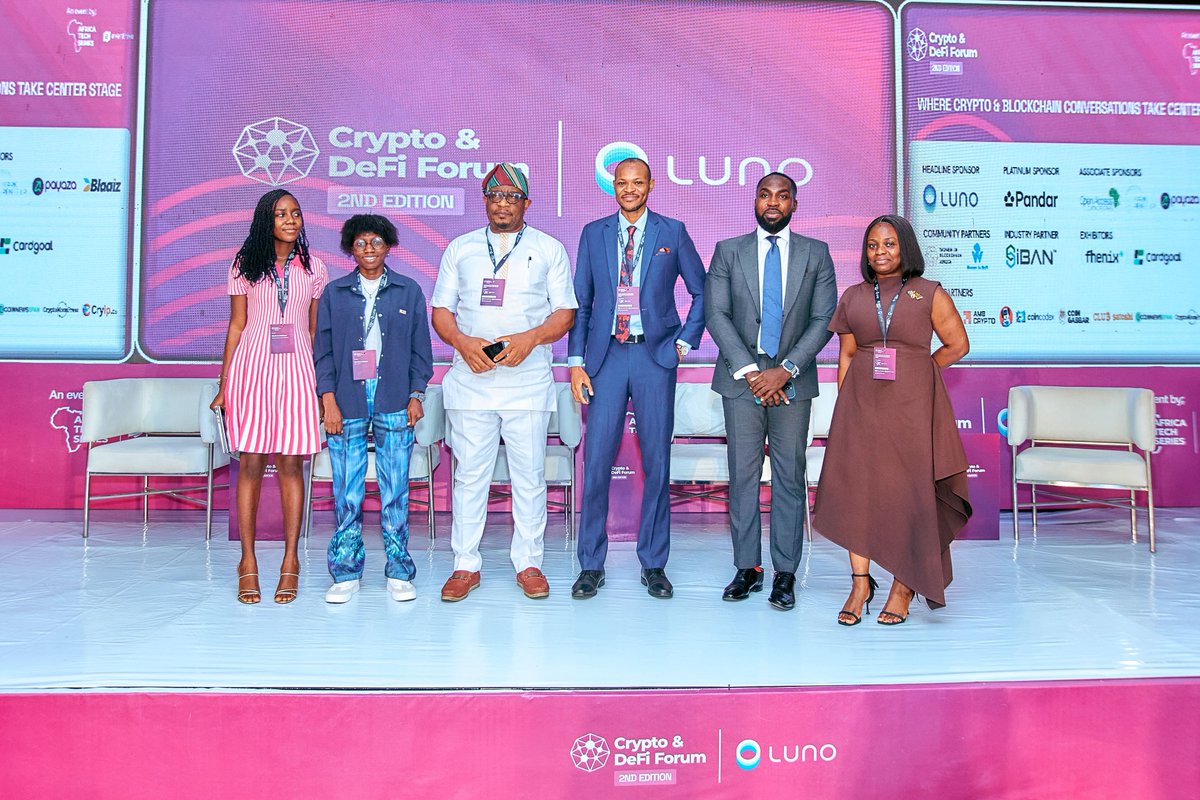
The panel on “The New Regulatory Order, Licensing and the Taxation Question” explored the realities of compliance under ISA 2025.
The session explored the importance of efficient licensing processes and how regulators and industry stakeholders can collaborate to support growth, trust and long-term investment across the sector.
Panelists who shared insights on this panel were Chimezie Chuta Blockchain Nigeria User Group, Senator Ihenyen Infusion Lawyers, Akpor Ikogho Mark Renee Legal Practitioners, Bolarinwa Odupe Centiiv, Titilayo Ogunleye Busha and Ifeoluwa Adebayo Technext.
1
7
111

Jun 11
Fraudsters share tactics. Businesses should share intelligence.
In this exclusive interview with Technext, Prembly CEO Lanre Ogungbe discusses the vision behind FraudLens and why collaborative fraud intelligence could be one of Africa's strongest defenses against financial crime.
Read more: technext24.com/2026/06/05/fr…
#Prembly #FraudLens #Fintech #FraudPrevention #CyberSecurity #DigitalTrust #AfricaTech
6

Jun 11
Sunderland is hosting several @TechNExt_UK events next week 🚀 Check out the full programme and head down to our city’s amazing venues The Fire Station and Sheepfolds Stables: 👉 orlo.uk/nLaU4
#Sunderland #CityOfSmart #TechNExt
437


Jun 5
This is what happened on 14 May.
Spotlight by Technext, powered by @thekorahq, brought 100 of Nigeria's most senior fintech and insurtech founders, operators, and investors into one room for one honest conversation...and the room delivered.
See you at the next edition.
#SpotlightByTechnext #Fintech #Nigeria
3
87

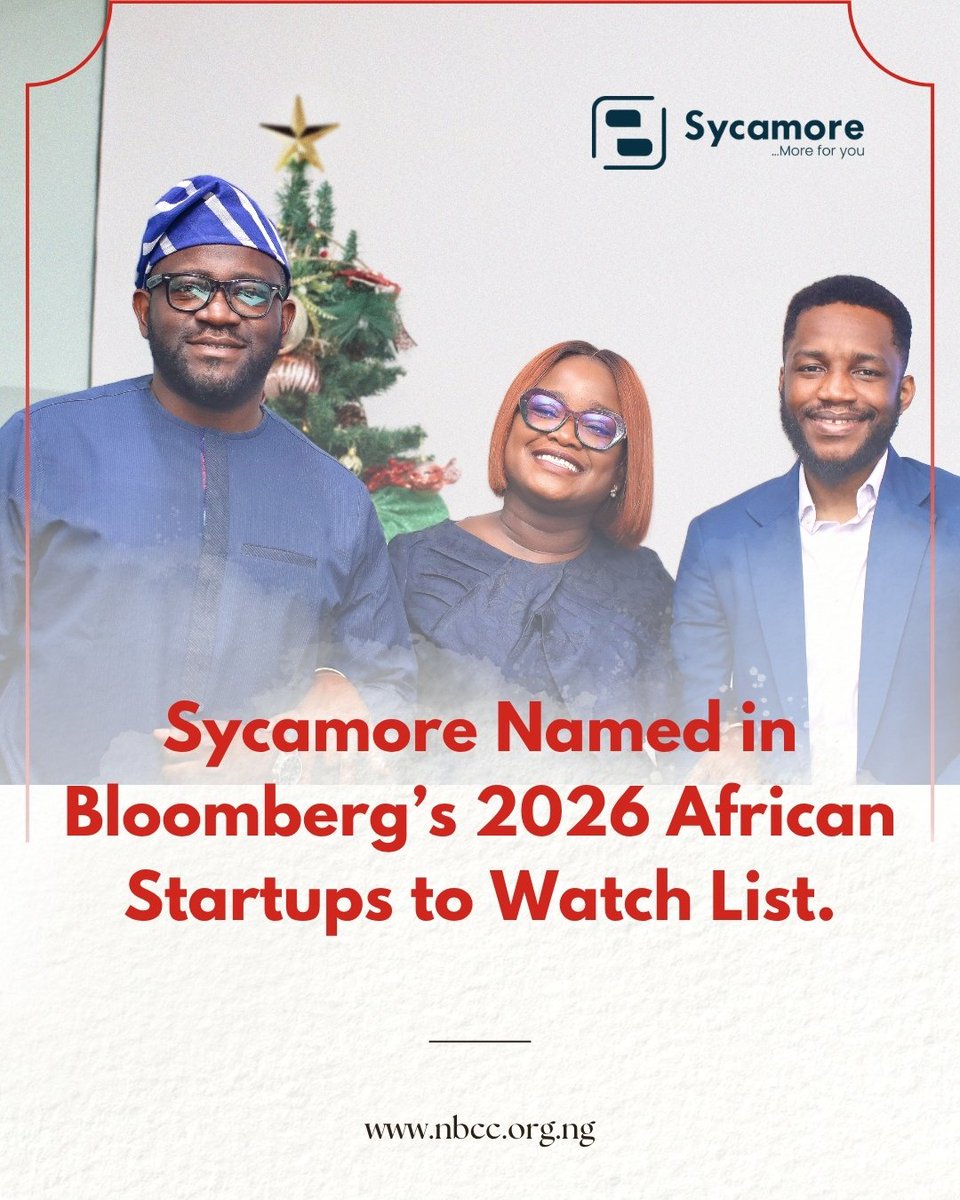
@SycamoreNG has been named among the startups featured in Bloomberg’s second edition of African Startups to Watch, a prestigious list highlighting innovative companies driving solutions to some of the continent’s most pressing challenges.
As Africa’s entrepreneurial ecosystem continues to evolve amid shifting global economic dynamics, Bloomberg’s report spotlights businesses leveraging technology and innovation to improve access to essential services, strengthen local economies, and attract investment. Notably, nearly half of the funding secured by companies on this year’s list came from African investors, reflecting growing confidence in homegrown ventures.
Founded by Babatunde Akin-Moses, Mayowa Adeosun, and Onyinye Okonji. Sycamore has distinguished itself in Nigeria’s fintech sector through its digital lending platform, which provides accessible loan and investment solutions for individuals and businesses. The company has built its reputation on delivering fast, technology-driven financial services while expanding its reach beyond Nigeria to serve Africans in the United Kingdom and other international markets.
Bloomberg highlighted Sycamore’s strategic approach to growth in the highly competitive digital lending landscape, noting the company’s ability to balance rapid customer acquisition with the strong underwriting discipline required for long-term sustainability. This balance remains a critical factor in the lending industry, where sustainable growth depends as much on effective risk management as it does on market expansion.
The recognition underscores Sycamore’s growing influence within Africa’s fintech ecosystem and its commitment to expanding financial inclusion through innovative and accessible financial solutions. As the company continues its expansion journey, it remains focused on empowering individuals and businesses with the tools needed to achieve their financial goals while maintaining a resilient and responsible growth strategy.
Source: Bloomberg & Technext
@SycamoreNG
1
2
181

May 26
"Worth the time." "Electrifying." "A vibe." "TechNext delivered."
That was Spotlight by Technext, powered by @thekorahq. In the words of the people who were in the room.
#SpotlightByTechnext #Fintech #Nigeria
1
3
229
May 26
"Today was a vibe. Conversations with ecosystem builders, founders, and product managers. Networking was great. We're looking forward to the next edition."
-
Femi Adegolu (@_jboflagos), Co-founder of @Tradepal_ai, summed up the evening that was had at Spotlight by Technext, powered by @thekorahq
#SpotlightByTechnext #Fintech #Nigeria
2
5
6
342

May 26
Shoutout to Technext for putting together Spotlight 💯
Amazing networking with founders, fintech builders and people genuinely pushing the ecosystem forward.
Still building @nawoapp the future of partying & celebration culture 💸
May 25

"Networking with other founders, like-minded people building in the fintech space. This event has been wonderful. TechNext has done so much for the ecosystem, helping builders and startups that are just getting on."
-
Adeola Adebayo (@mrkaykab), CEO and Co-founder of @nawoapp, came to Spotlight by Technext and left with more than just good conversations.
#SpotlightByTechnext #Fintech #Nigeria
1
2
106
May 25
"Electrifying conversations flying through the whole room. I had so much fun being here."
-
Dickson Nsofor (@DicksonNsofor), CEO of @thekorahq, the company that powered the evening, told us what it felt like at Spotlight by Technext.
#SpotlightByTechnext #Fintech #Nigeria
3
9
230
May 25
"Networking with other founders, like-minded people building in the fintech space. This event has been wonderful. TechNext has done so much for the ecosystem, helping builders and startups that are just getting on."
-
Adeola Adebayo (@mrkaykab), CEO and Co-founder of @nawoapp, came to Spotlight by Technext and left with more than just good conversations.
#SpotlightByTechnext #Fintech #Nigeria
3
4
398
May 25
A Nigerian subscriber sued MTN over repeated unauthorised caller tune deductions. and won.
The Supreme Court says operators must prove users consented to paid services. For millions facing unexplained data, airtime deductions, and unwanted subscriptions, this matters.
Read more on Technext: technext24.com/2026/05/25/ni…
3
126

May 22
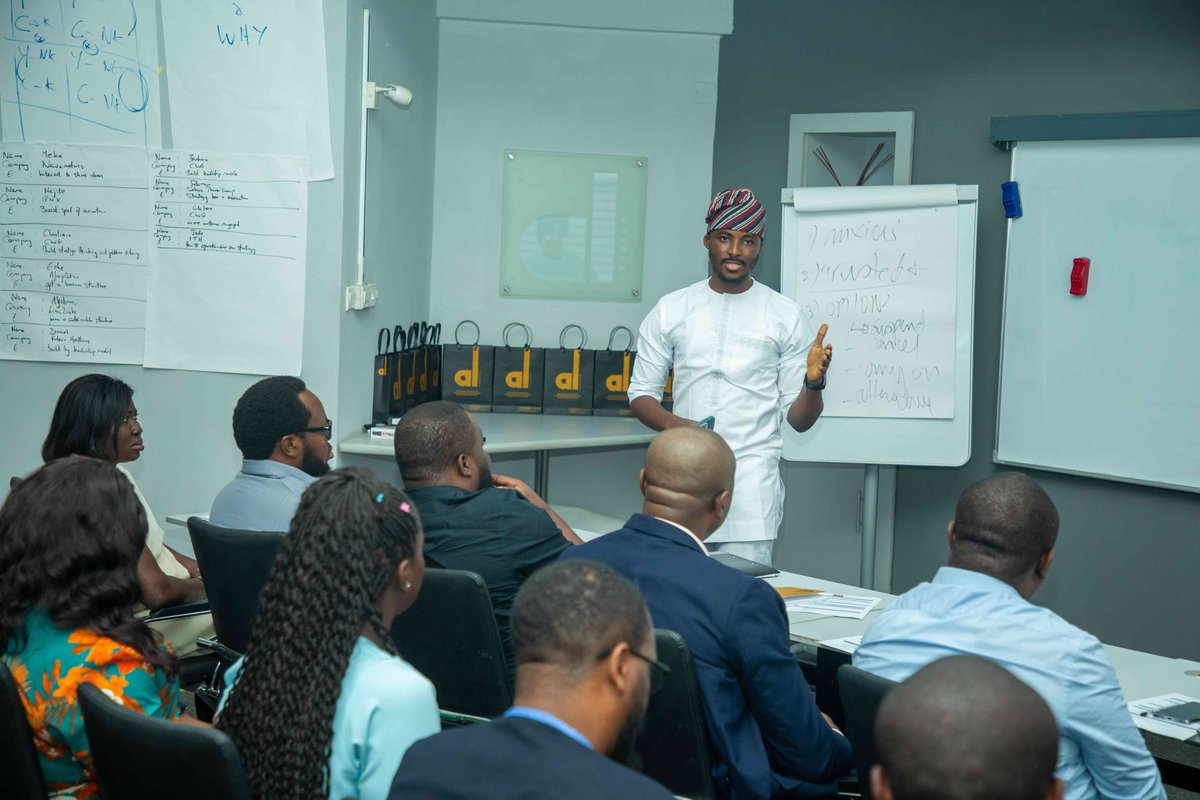
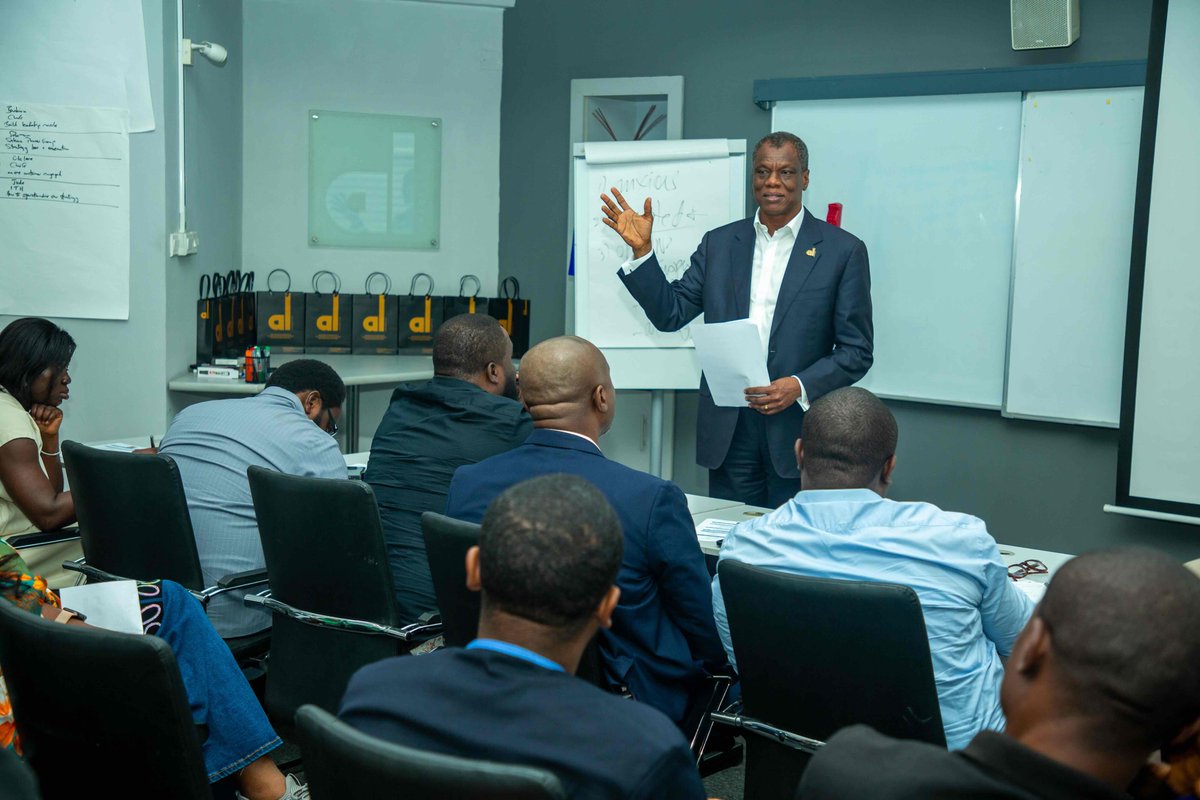
Last week, I had the privilege of sharing my entrepreneurial experience with the delegates of the 2026 @ausso_academy Masterclass (Cohort 11).
It was a nostalgic feeling being a delegate of the premier cohort in April 2018. Indeed, it began a strategic turnaround for Technext.


1
2
61

May 22
Very insightful gathering! Thank you Technext
May 22
"Very interactive. I got to meet a lot of amazing founders. The Spotlight by Technext was amazing."
-
Sulaiman Adewale (@__adewale), Founder and CEO of @usexara_ai, on his Spotlight by Technext experience.
#SpotlightByTechnext #Fintech #Nigeria @thekorahq
1
18
792
May 22
"Very interactive. I got to meet a lot of amazing founders. The Spotlight by Technext was amazing."
-
Sulaiman Adewale (@__adewale), Founder and CEO of @usexara_ai, on his Spotlight by Technext experience.
#SpotlightByTechnext #Fintech #Nigeria @thekorahq
2
9
1,143
May 22
"TechNext promised this, and they delivered. People spoke freely, shared what they're doing, and discussed solutions to close these gaps."
-
Ezekiel Sanni, SVP Distribution Network Sales, at @moniepoint, came to Spotlight by Technext, powered by @thekorahq, with expectations. He left with his verdict.
#SpotlightByTechnext
1
6
203
May 21
"I saw faces from the leading fintech organisations in the country. The room was packed. Discussions were healthy and weighty. Invite me next time."
-
@Harri_obi, Lead, @SuperteamNG, hosted the evening for Spotlight by Technext, powered by @thekorahq, and still left wanting more.
That's the room we built.
#SpotlightByTechnext #FintechNigeria
5
14
118
2,535
May 21
"We're running businesses, facing challenges, and running them in isolation. It's very important to have these conversations and glean from other people's experiences so that we can make the industry stronger for it."
-
@renahosiemi, MD/CEO of @ZedcrestWealth, said that after an evening at Spotlight by Technext, powered by @thekorahq.
That's exactly what the room was built for.
#SpotlightByTechnext #FintechNigeria
1
6
14
565

May 20
Nigeria is preparing for one of its biggest shifts in tax administration yet, and it could change how millions of people interact with the financial system.
Under the new unified Tax ID system introduced by the Nigeria Revenue Service (NRS) and the Joint Revenue Board (JRB), every taxable individual and business in the country will now be expected to operate under a single digital tax identity.
For many Nigerians, this goes far beyond taxes.
It means freelancers, small business owners, entrepreneurs, companies, and even informal workers may gradually become part of a more connected system where financial records, tax filings, verification processes, and government databases are increasingly linked together.
The government says the goal is to simplify tax administration, reduce leakages, improve compliance, and eliminate duplicate taxpayer records across agencies.
But the announcement also signals something deeper about the direction Nigeria’s digital economy is heading.
As more systems become centralised, people may now need to become more intentional about how they manage income, business records, digital payments, and financial transparency.
For many small business owners and freelancers who previously operated with minimal structure, the shift could accelerate the need for proper bookkeeping, clearer separation of personal and business finances, and stronger digital financial habits.
The transition is also tied to Rev360, the government’s new digital tax platform designed to handle registration, payment, monitoring, and taxpayer interactions within a single ecosystem.
What is gradually emerging is not just a new tax policy, but a broader move toward a more digitally traceable financial system.
And for millions of Nigerians working in an increasingly digital economy, adapting early may become more important than ever.
©Technext

2
15