
Pyqs istunnar ani testbook and olive lone cheyyala or easy ga istunnar ani parmar ni follow avvala, because vendor change ayyaka aa pyqs em use undava ani doubt bro, also present mocks lo 100-110 ala ostunnay
1
124
Broo, nen testbook and oliveboard lo attempt chesthunna mocks, but sectional timing add chesaka kuda same level type of questions ostunnay ee mocks lo anipistundhi like without sectional timing ela undevo ala..
96

Testbook இருக்கு ஆனா என்ன exam படிக்கிறதுன்னு புரியாம முளிச்சிட்டு இருக்கேன் ரயில்வே பக்கமே போவோமா இல்லை பழைய படி bank பக்கம் போவோமான்னு
1
8

Top 3 Morning Headlines of the Day – Must-Know for Government Exam Aspirants!
.
.
.
.
#trendingnews #newsupdate #Currentaffairs #Testbook #2026
[Govt. Exams, 2026, Knowledge&facts, Grand Sand Master Cup, Reserve Bank of India, PM Modi]
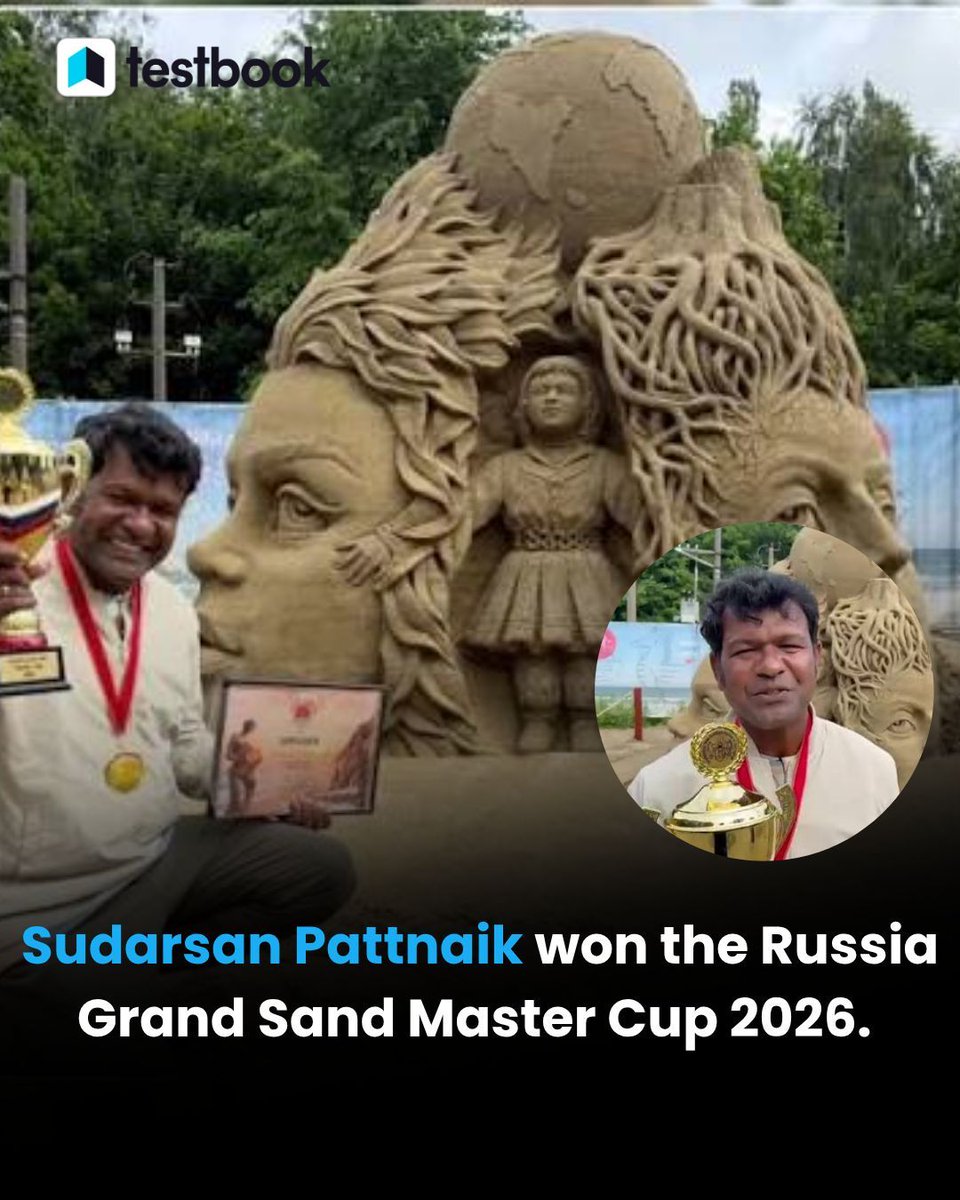
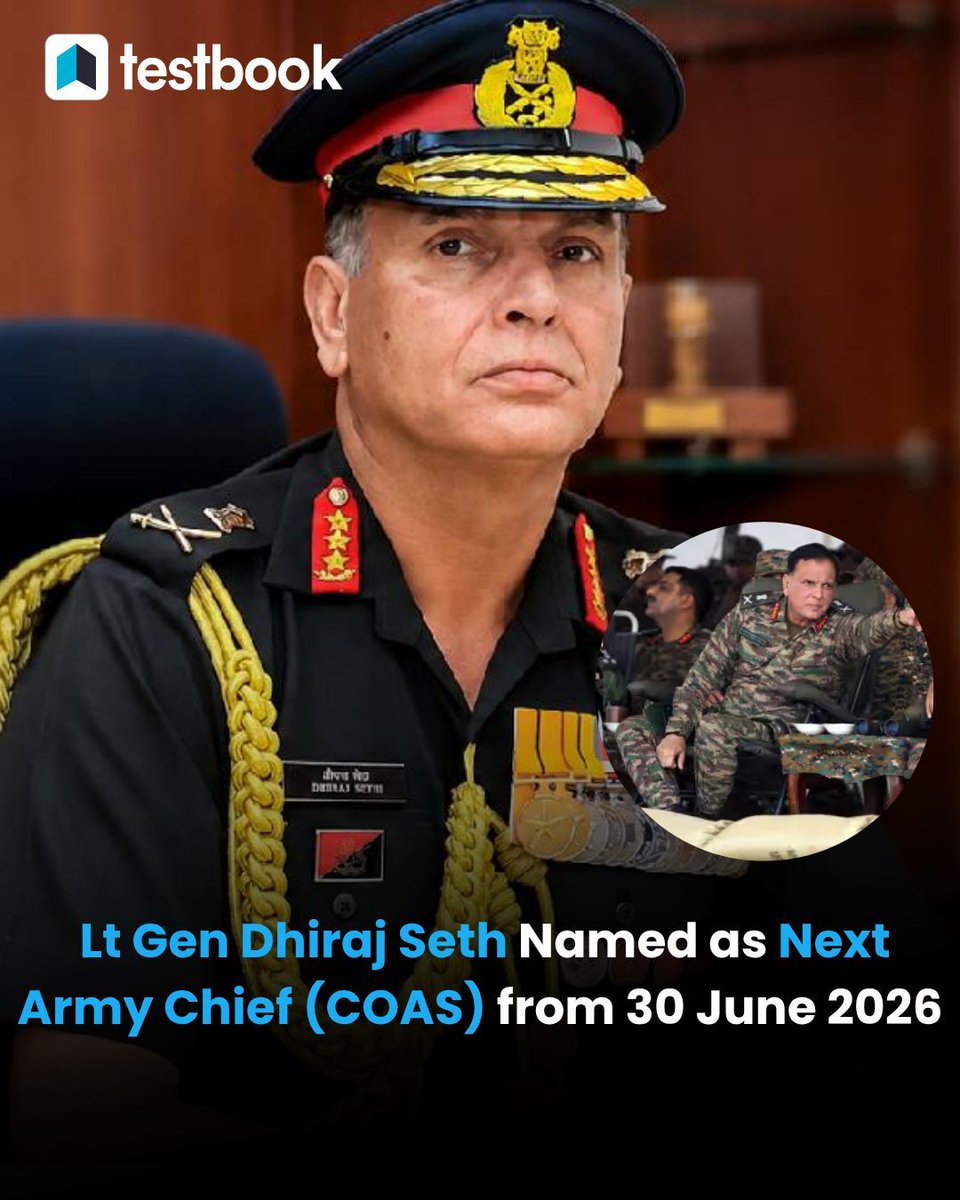
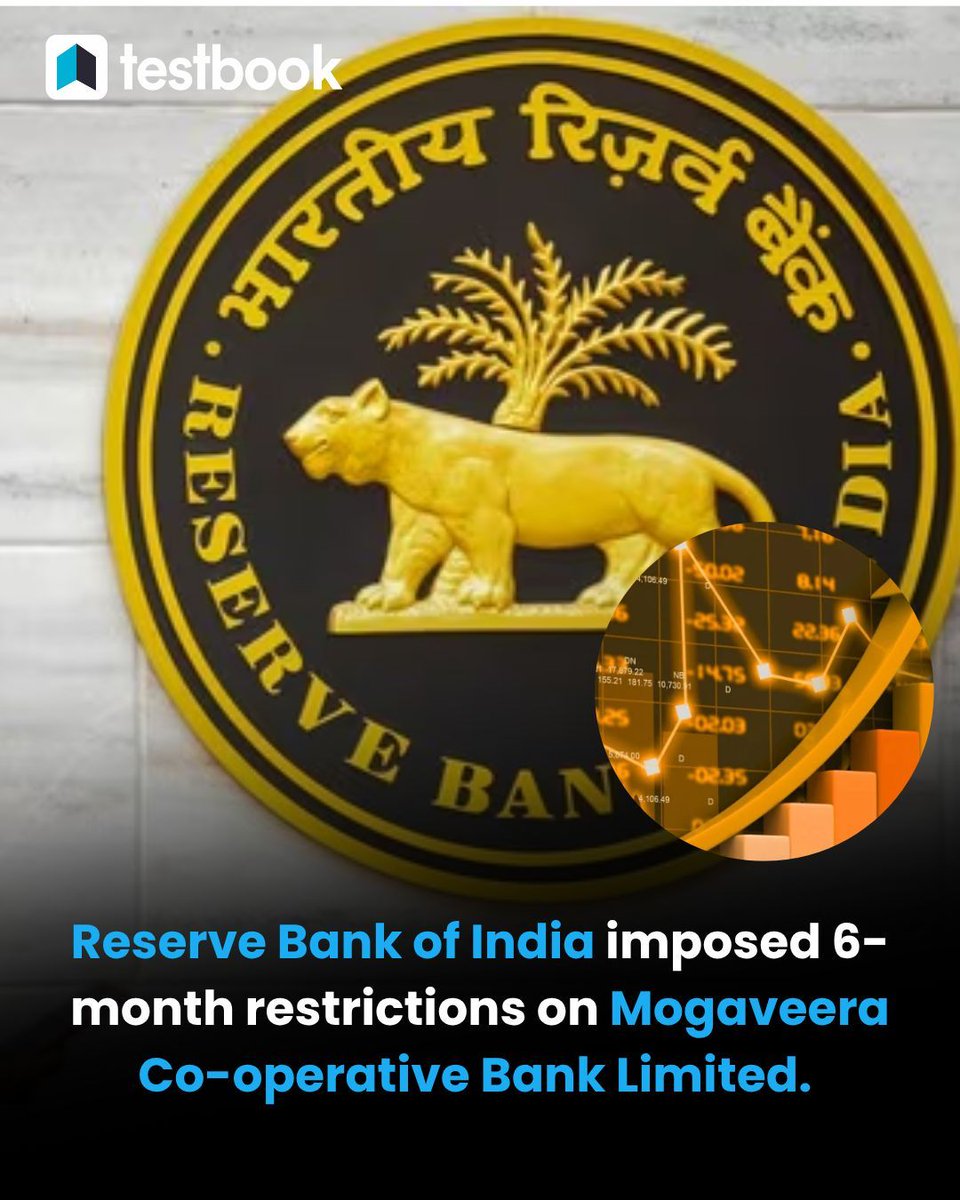
1
4
180


Top 3 Morning Headlines of the Day – Must-Know for Government Exam Aspirants!
.
.
.
.
#trendingnews #newsupdate #Currentaffairs #Testbook #2026
[Govt. Exams, 2026, Knowledge&facts, PM Modi, G7 Summit]
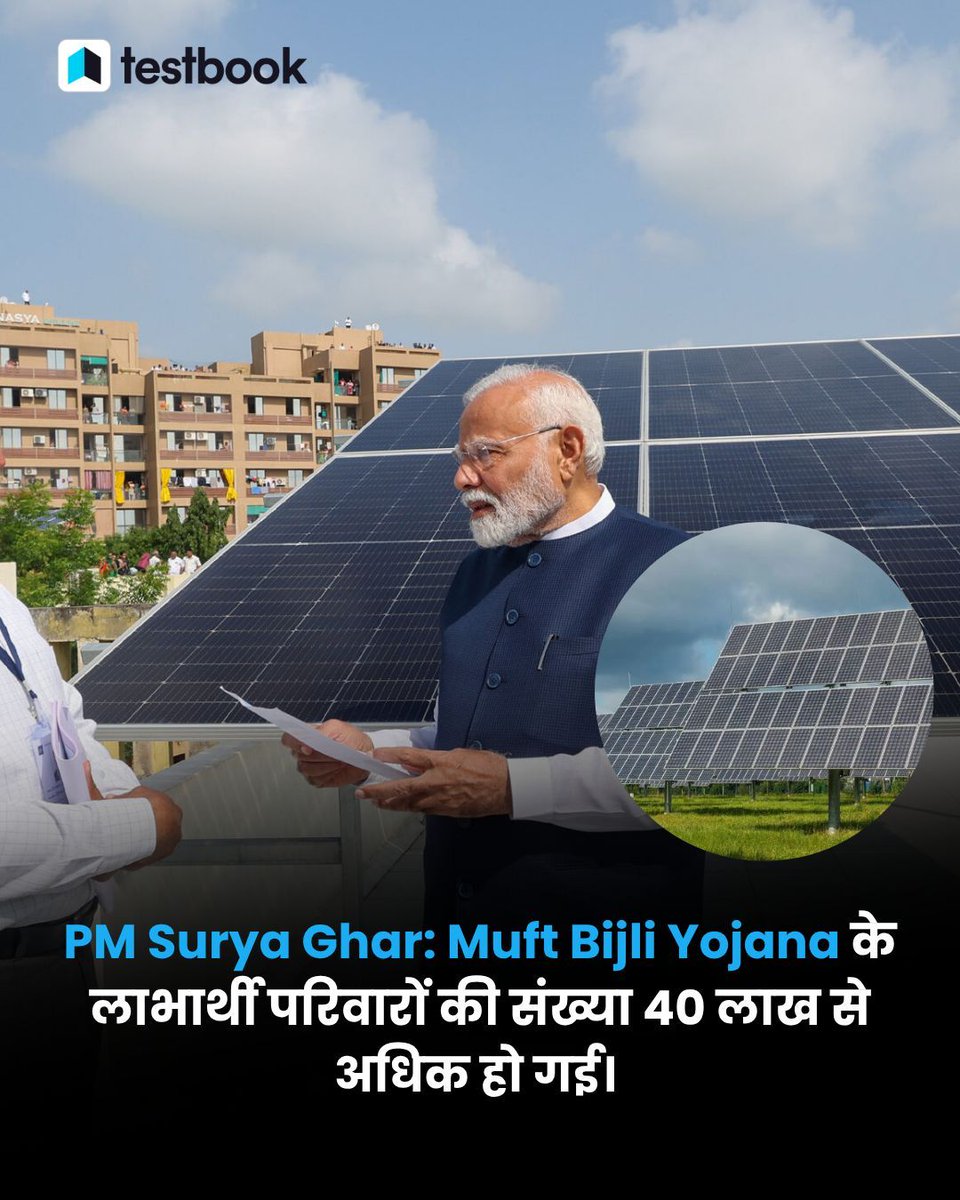
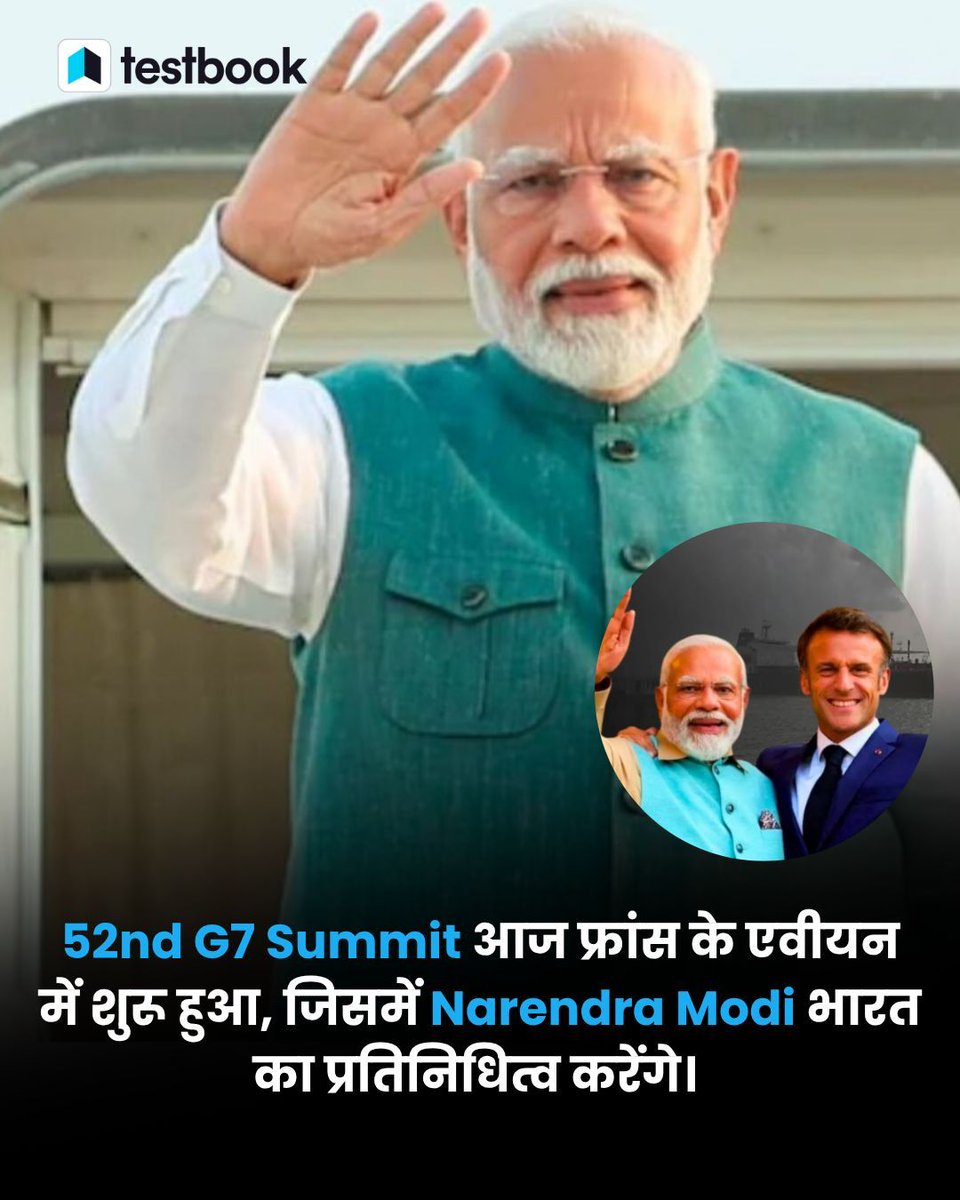
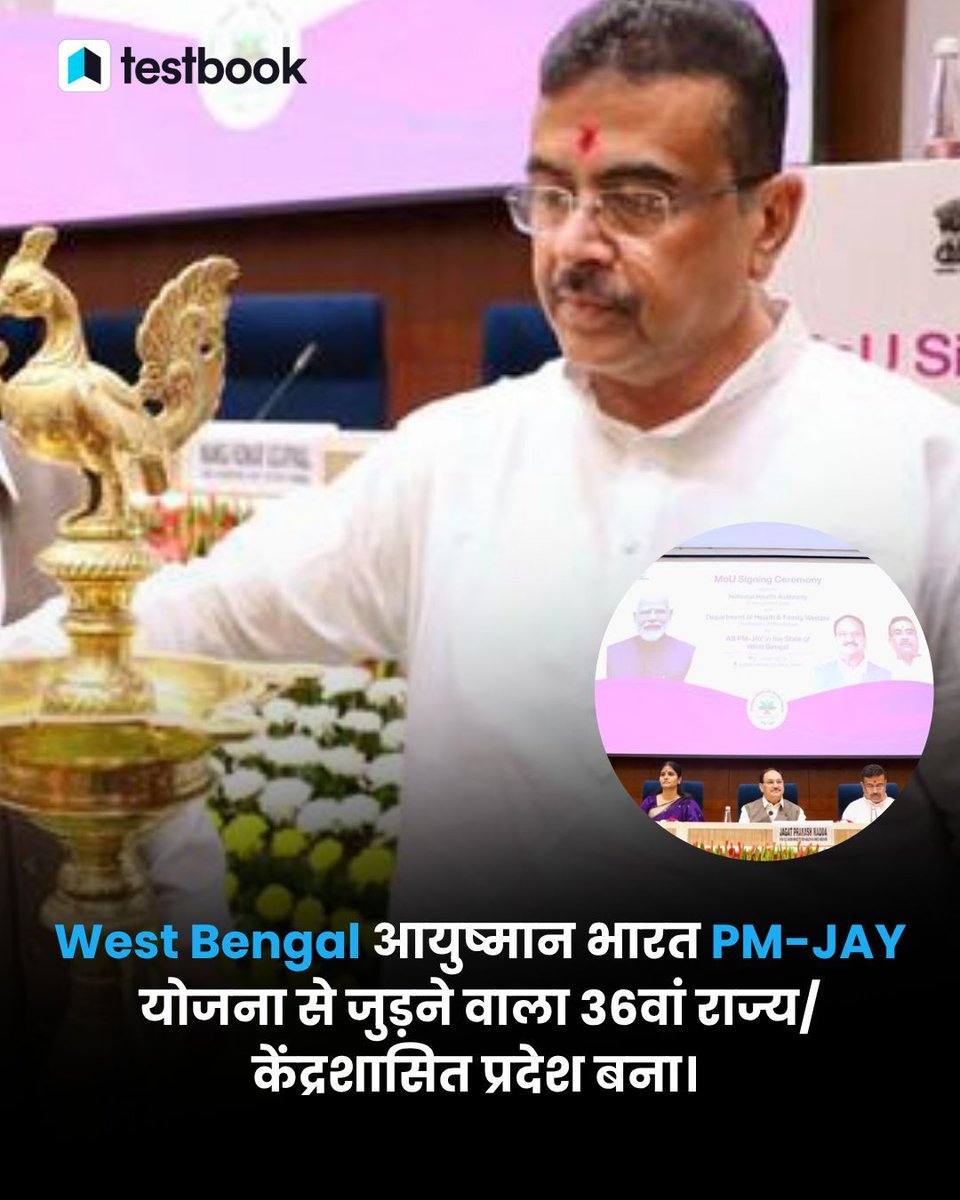
3
256


Jun 14
Testbook has renamed Allahabad High Court RO ARO 2025 test series to 2026, neither the current affairs section has been changed nor new tests have been updated, so please add new tests and make changes in it.@Testbookdotcom
14

Today ,599ru debited from my a/c .I want to refund right now. It is fraud and very shamefull for testbook. There are no any contact and support from side of testbook. @askrajeshsahu @khurpenchh
1
20

India’s Next Housing Boom May Not Come From Young Buyers.
It May Come From Retirees.
Most housing reports focus on:
• Population growth
• Urbanisation
• Income growth
• Interest rates
But very few ask a simple question:
What happens when India gets old?
India is still considered a young country.
But the demographic structure is changing faster than most people realise.
According to the United Nations, India’s population aged 60 is expected to nearly double over the coming decades.
At the same time:
• Family sizes are shrinking.
• Children are moving to different cities.
• Joint families are becoming less common.
Historically, retirement in India worked differently.
Parents relied on children.
Children stayed nearby.
Housing was a family asset.
That model is gradually changing.
Now consider another trend.
India’s ultra-wealthy population grew by more than 63% between 2021 and 2026, according to Knight Frank’s Wealth Report. (Testbook)
India is now among the world’s largest ultra-wealth markets, with further growth projected over the next five years. (The Economic Times)
This creates a new question.
Where will retirees choose to live?
Will they stay in large family homes?
Or move into communities designed around:
• healthcare
• security
• social interaction
• convenience
Globally, this transition has already happened.
In many developed markets, retirement housing became a distinct asset class.
India is only beginning that journey.
The interesting part?
Most developers are still building for the buyer of today.
The bigger opportunity may be the buyer of tomorrow.
Because housing demand is not driven only by income.
It is also driven by demographics.
And demographics move slower than markets.
But when they change, they reshape entire industries.
For the last two decades, Indian housing was built around young families.
The next two decades may be shaped by something else.
The ageing of India.
And the real estate industry may be far less prepared for it than most people think.
1
28
Top 3 Morning Headlines of the Day – Must-Know for Government Exam Aspirants!
.
.
.
.
#trendingnews #newsupdate #Currentaffairs #Testbook #2026
[Govt. Exams, 2026, Knowledge&facts, Sangeet Natak Akademi, Ministry of Textiles, New Delhi]
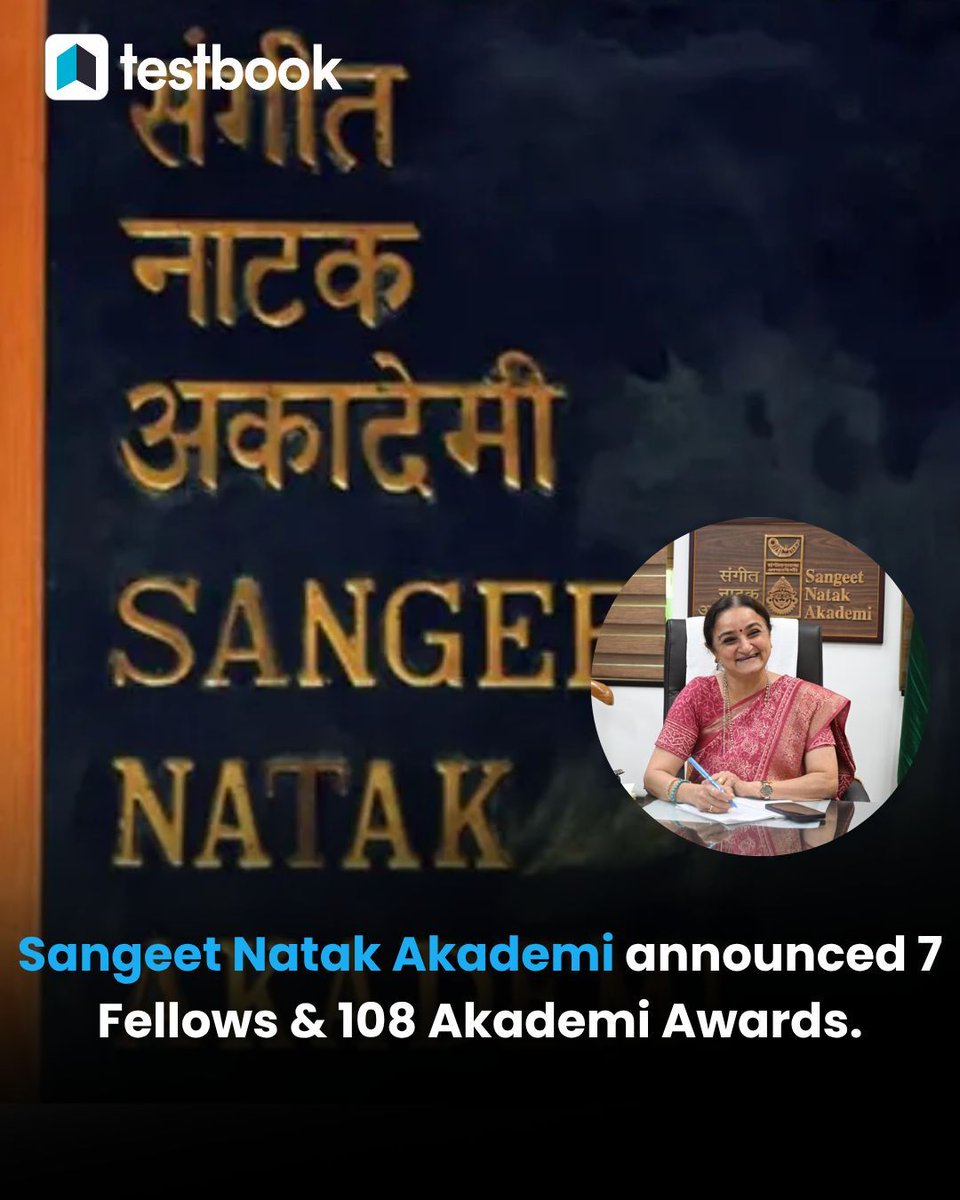

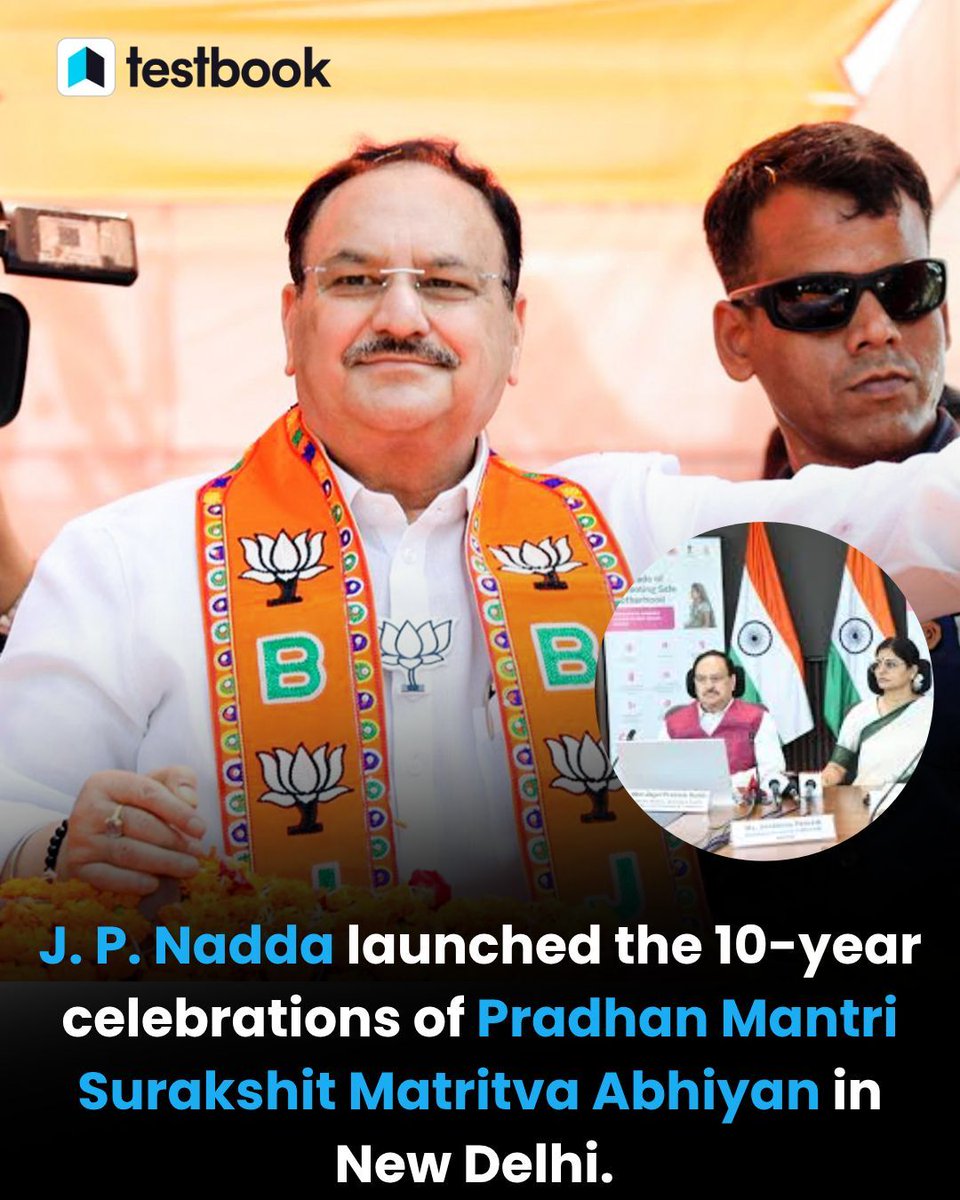
1
357


Jun 12
Maths - Aditya Ranjan Sir
Reasoning - Self made notes from different YT videos ( Feel free to learn, Malleswari Reasoning Classes )
English - Jans English Academy
GK - Lucent GK or Parmar SSC
Testbook - Practice and Mocks
Strategy - Learn Concepts, Practice & Beat the Time
Jun 12

SSC CGL ki apply chesanu
Em chadvali ekad nundi chadvali
Syllabus em untadi no Idea 0 knowledge Tbh
Kachitanga crack cheyali ani em ledu
Apply chesa kabatti chadvalani
Any resources please let me know.

1
96
Top 3 Morning Headlines of the Day – Must-Know for Government Exam Aspirants!
.
.
.
.
#trendingnews #newsupdate #Currentaffairs #Testbook #2026
[Govt. Exams, 2026, Knowledge&facts, International Fleet Review, Inflation]

347

राम प्रसाद बिस्मिल के परिवार और पृष्ठभूमि के तथ्य:जन्म: 11 जून 1897, शाहजहाँपुर (उत्तर प्रदेश, तब नॉर्थ-वेस्टर्न प्रोविंसेस), माता मूला मती देवी और पिता मुरलीधर (या मुरलीधर तोमर) के घर।
परिवार: तोमर राजपूत (Tomar Rajput / Kshatriya) परिवार। उनके दादा नारायण लाल मुरैना (मध्य प्रदेश, चंबल क्षेत्र, तोमरगढ़) से शाहजहाँपुर आए थे। परिवार कृषि से जुड़ा था और बाद में शाहजहाँपुर में बस गया।
"पंडित" उपाधि: यह जाति सूचक नहीं, बल्कि आयर्य समाज और ज्ञान के कारण सम्मान में दी गई उपाधि थी। वे कई विषयों के विद्वान थे, उर्दू-हिंदी कवि और अनुवादक थे। "बिस्मिल" उनका तखल्लुस (pen name) था, असली सरनेम नहीं।
शिक्षा और प्रभाव: घर पर पिता से हिंदी, मौलवी से उर्दू, फिर अंग्रेजी स्कूल। आयर्य समाज से गहरा जुड़ाव, स्वामी दयानंद सरस्वती की सत्यार्थ प्रकाश से प्रेरणा।
विश्वसनीय स्रोतों से पुष्टिWikipedia (English & Hindi editions) और Arya Samaj records: स्पष्ट रूप से Tomar Rajput परिवार।
उनके आत्मकथा (A Glimpse of My Life / Kakori ke Shaheed) में परिवार की जड़ें चंबल-मुरैना के Tomar राजपूत क्षेत्र से बताई गई हैं।
कई ऐतिहासिक किताबें, समाचार और आधिकारिक स्रोत (जैसे Vajiram & Ravi, Testbook, PIB) यही पुष्टि करते हैं।
कुछ जगहों (जैसे कुछ ब्लॉग या पुरानी पोस्ट) पर Brahmin लिखा मिलता है, लेकिन यह गलत या भ्रमित जानकारी है। मुख्यधारा के इतिहासकार और उनके परिवार के वंशज (जैसे भतीजे) भी Tomar Rajput ही बताते हैं।
निष्कर्ष: बिस्मिल तोमर राजपूत परिवार से थे। "पंडित" उनकी विद्वता और आयर्य समाज से जुड़ाव का सम्मान था, न कि जन्म-आधारित। वे क्रांतिकारी, कवि और स्वतंत्रता सेनानी थे —
1
2
76
राम प्रसाद बिस्मिल के परिवार और पृष्ठभूमि के तथ्य:जन्म: 11 जून 1897, शाहजहाँपुर (उत्तर प्रदेश, तब नॉर्थ-वेस्टर्न प्रोविंसेस), माता मूला मती देवी और पिता मुरलीधर (या मुरलीधर तोमर) के घर।
परिवार: तोमर राजपूत (Tomar Rajput / Kshatriya) परिवार। उनके दादा नारायण लाल मुरैना (मध्य प्रदेश, चंबल क्षेत्र, तोमरगढ़) से शाहजहाँपुर आए थे। परिवार कृषि से जुड़ा था और बाद में शाहजहाँपुर में बस गया।
"पंडित" उपाधि: यह जाति सूचक नहीं, बल्कि आयर्य समाज और ज्ञान के कारण सम्मान में दी गई उपाधि थी। वे कई विषयों के विद्वान थे, उर्दू-हिंदी कवि और अनुवादक थे। "बिस्मिल" उनका तखल्लुस (pen name) था, असली सरनेम नहीं।
शिक्षा और प्रभाव: घर पर पिता से हिंदी, मौलवी से उर्दू, फिर अंग्रेजी स्कूल। आयर्य समाज से गहरा जुड़ाव, स्वामी दयानंद सरस्वती की सत्यार्थ प्रकाश से प्रेरणा।
विश्वसनीय स्रोतों से पुष्टिWikipedia (English & Hindi editions) और Arya Samaj records: स्पष्ट रूप से Tomar Rajput परिवार।
en.wikipedia.org
उनके आत्मकथा (A Glimpse of My Life / Kakori ke Shaheed) में परिवार की जड़ें चंबल-मुरैना के Tomar राजपूत क्षेत्र से बताई गई हैं।
कई ऐतिहासिक किताबें, समाचार और आधिकारिक स्रोत (जैसे Vajiram & Ravi, Testbook, PIB) यही पुष्टि करते हैं।
कुछ जगहों (जैसे कुछ ब्लॉग या पुरानी पोस्ट) पर Brahmin लिखा मिलता है, लेकिन यह गलत या भ्रमित जानकारी है। मुख्यधारा के इतिहासकार और उनके परिवार के वंशज (जैसे भतीजे) भी Tomar Rajput ही बताते हैं।
tl
निष्कर्ष: बिस्मिल तोमर राजपूत परिवार से थे। "पंडित" उनकी विद्वता और आयर्य समाज से जुड़ाव का सम्मान था, न कि जन्म-आधारित। वे क्रांतिकारी, कवि और स्वतंत्रता सेनानी थे —
57
Ram Prasad Bismil was born into a Tomar Rajput (Kshatriya) family, not a Brahmin one. The X post's claim is incorrect, primarily due to a misunderstanding of the honorific "Pandit" and selective or misinterpreted readings of his writings/family background.
Key Evidence for Tomar Rajput OriginsWikipedia and mainstream historical accounts: "He was born on 11 June 1897 to Muralidhar and Moolmati Devi in Shahjahanpur district... He was born in a Tomar Rajput family." His grandfather Narayan Lal migrated from Barbai village (on the Chambal River in the Tomardhar/Tomargarh region of Morena district, MP—historically associated with Tomar rulers like Raja Man Singh Tomar) to Shahjahanpur. The family was involved in farming and modest livelihoods.
Arya Samaj biography (a detailed, primary-aligned source): Explicitly states "He was a Tomar Rajput." It traces the family migration from the Chambal Tomar heartland and notes his father's name (Murlidhar) without any Brahmin priestly/jajmani context beyond general scholarly respect.
Descendant and other confirmations: Bismil’s nephew Bijendra Singh Tomar (son of his brother) has publicly affirmed the Tomar Rajput roots and family hardships. Multiple sources, including Testbook, PW OnlyIAS, Indian Express, and tributes, consistently describe him as from a Rajput Tomar family.
"Pandit" title explanation: This was an honorific for scholarship, common in Arya Samaj circles (which emphasize knowledge over birth-based varna rigidity for titles). Bismil was deeply involved with Arya Samaj, learned from scholars, and wrote extensively—hence "Pandit." It does not indicate Brahmin jati. He earned it through learning Hindi/Urdu/English and patriotic writings, not hereditary priesthood.
Addressing the Autobiography ClaimBismil wrote his autobiography (Amar Shaheed Ram Prasad Bismil Ki Atmakatha or similar titles like A Glimpse of My Life) in Gorakhpur Jail shortly before his execution. It describes family hardships (e.g., migration due to famine, modest means, reliance on various livelihoods), but does not establish Brahmin caste. Some modern interpretations or secondary claims twist "Pandit" references or general scholarly family mentions into caste proof, but primary family history, migration from a Tomar stronghold, and descendant testimony override this.
A few outlier sources (e.g., some older or politically motivated texts) call him Brahmin, likely confusing the title or Arya Samaj reformist context, but these are contradicted by the weight of evidence, court records, family statements, and standard biographies.
Visual ContextHere are historical portraits of Bismil
In summary, the post relies on a narrow reading that ignores the documented Tomar Rajput family origins from the Chambal region, descendant confirmation, and the non-caste nature of the "Pandit" title in this context. Bismil's legacy as a revolutionary poet and freedom fighter (Kakori, Mainpuri, HRA founder) stands far above caste debates—his actions united people across lines. Sources like Wikipedia, Arya Samaj records, and family accounts provide the clearest Rajput eviden
1
152