

🌙 retweeted

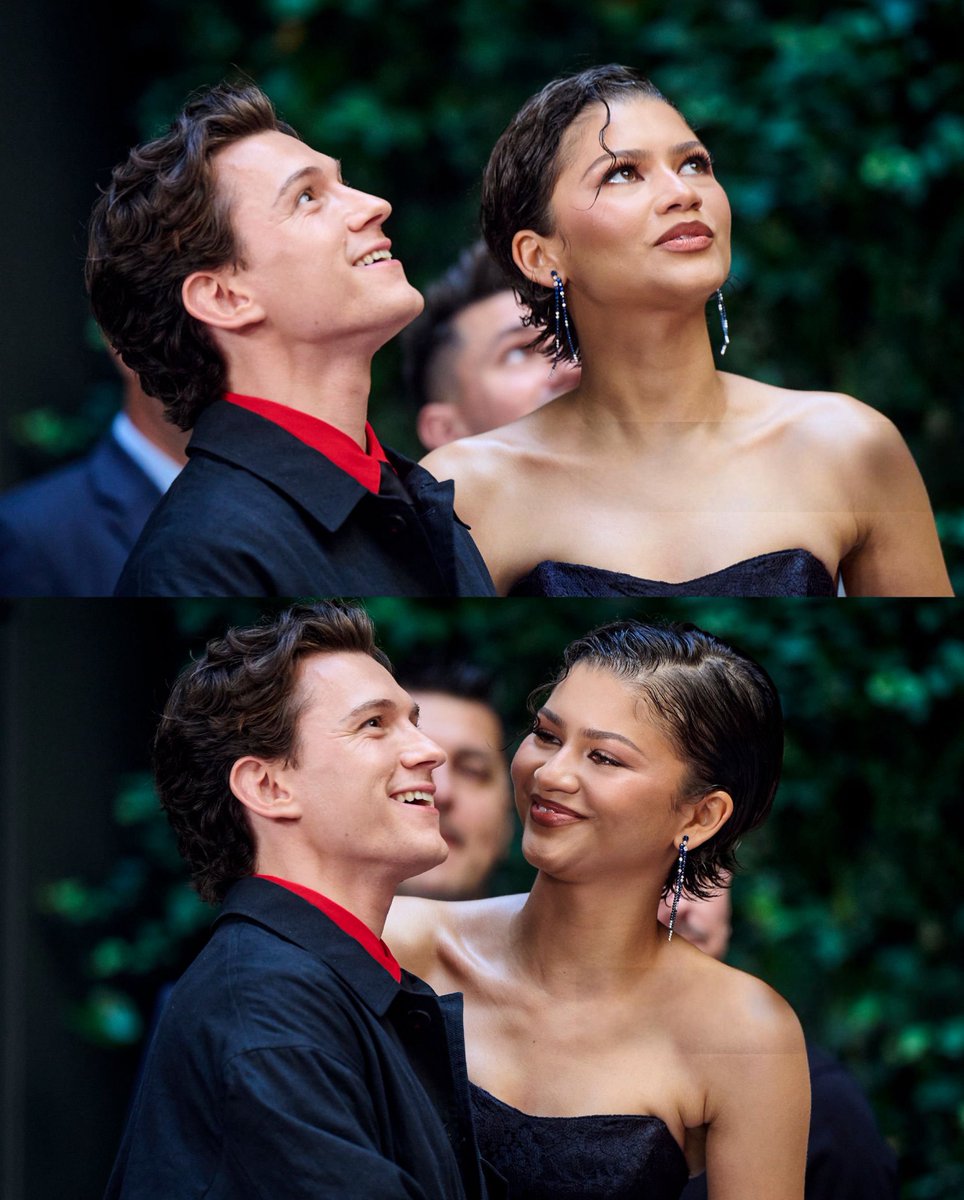
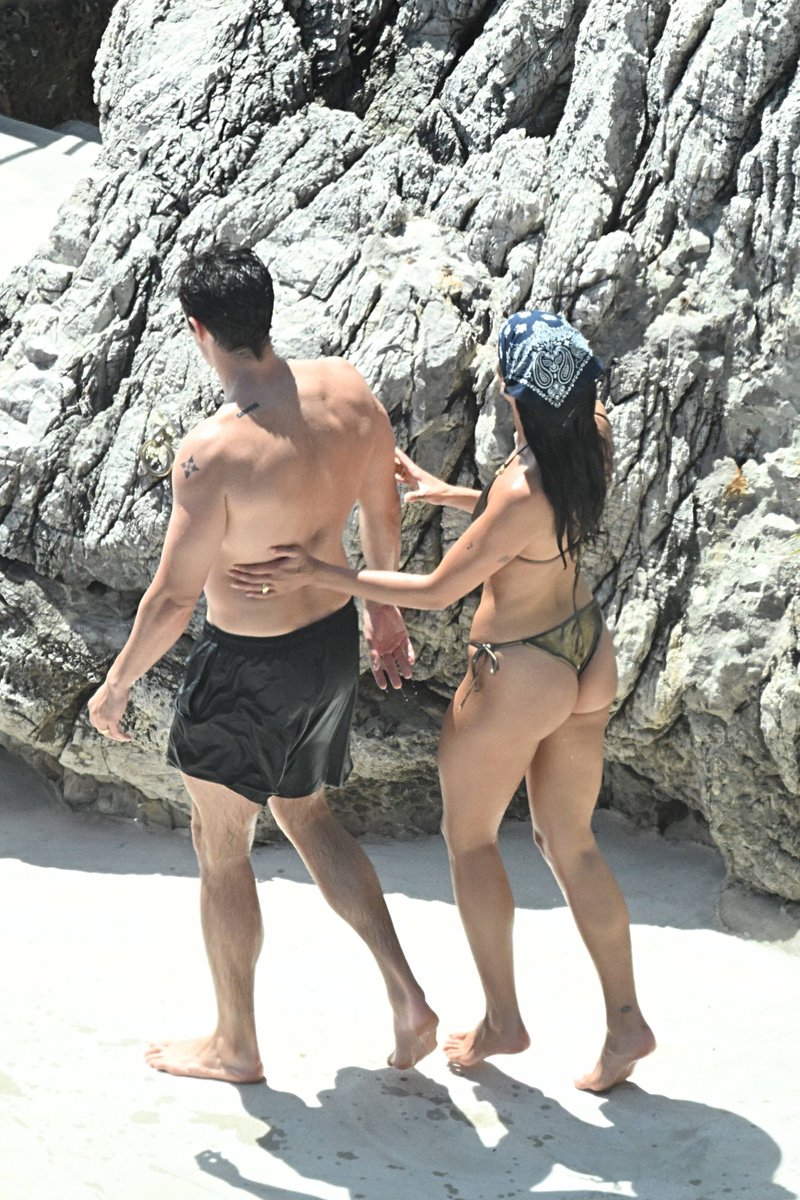
Zendaya and Tom Holland at the ‘SPIDER-MAN: BRAND NEW DAY’ photocall in Madrid. 📷
85
2,887
30,382
212,097
Problemas Sociales retweeted

Jun 13
El actor de cine inglés Tom Hardy:
"No me importa ya mi carrera, sino los niños palestinos..."

69
1,188
3,688
24,119
princess retweeted

Tom Holland and Zendaya have officially started the ‘SPIDER-MAN: BRAND NEW DAY’ press tour.
 Media Updates
442
11,109
117,552
1,334,099
💕 retweeted

Video of Zendaya & Tom Holland on the carpet of 'Spider-Man: Brand New Day' photocall in Madrid.
1
30
526
7,669
MatMen'S retweeted

tom gently touching her back and the way they look at each other at the end I’M SOBBING !!!!!
 mundoCine
9
235
2,498
32,066
Pablo⚡️Pinto Gwynne retweeted

22h
Tom Holland & Zendaya same action at same time ........
47
276
6,320
417,510
Emily mae retweeted

Photographer: “You look beautiful”
Tom: “Thank you, me or her?”
13
608
13,182
209,934
Mich¡🇨🇴 retweeted

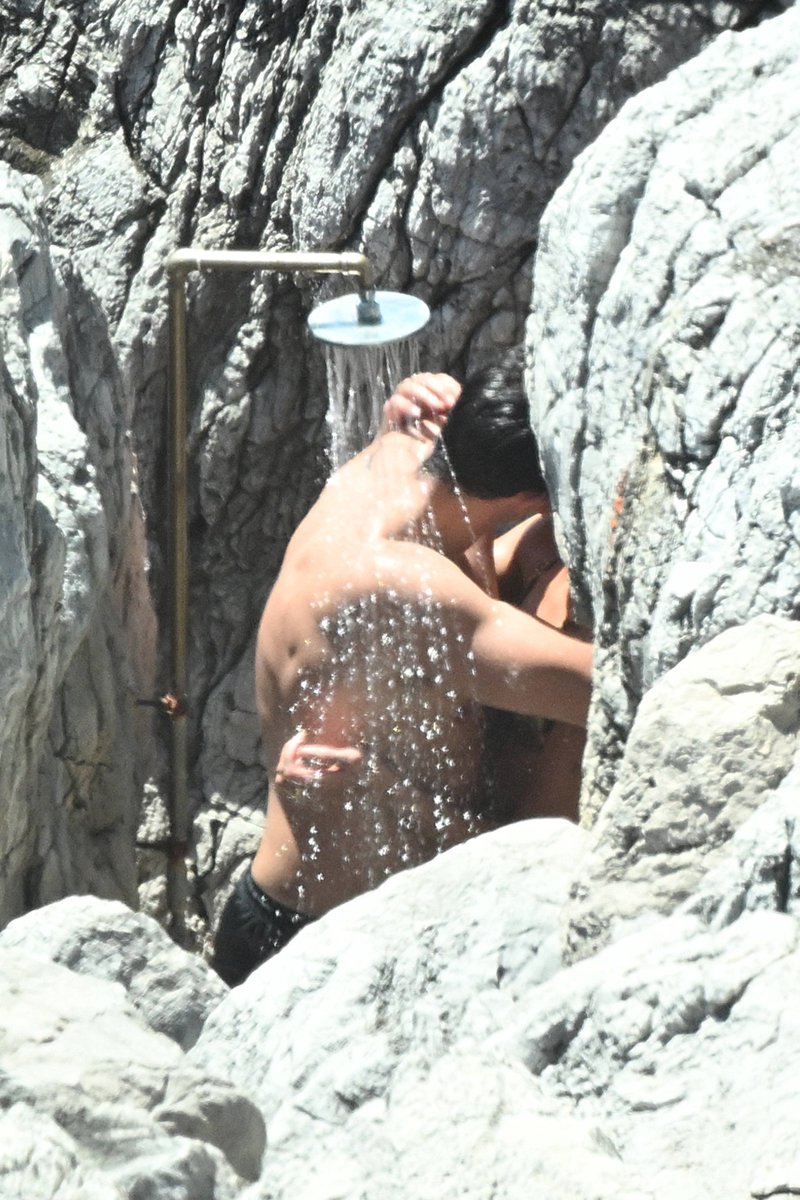
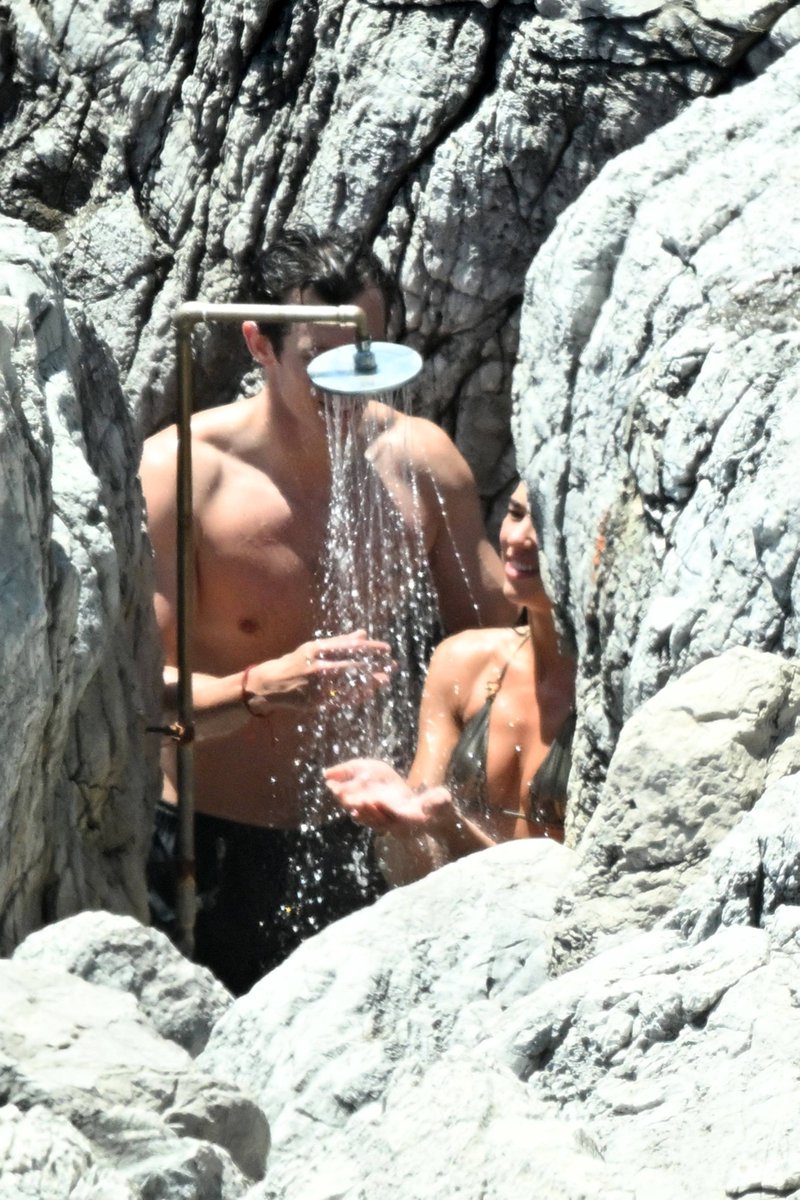
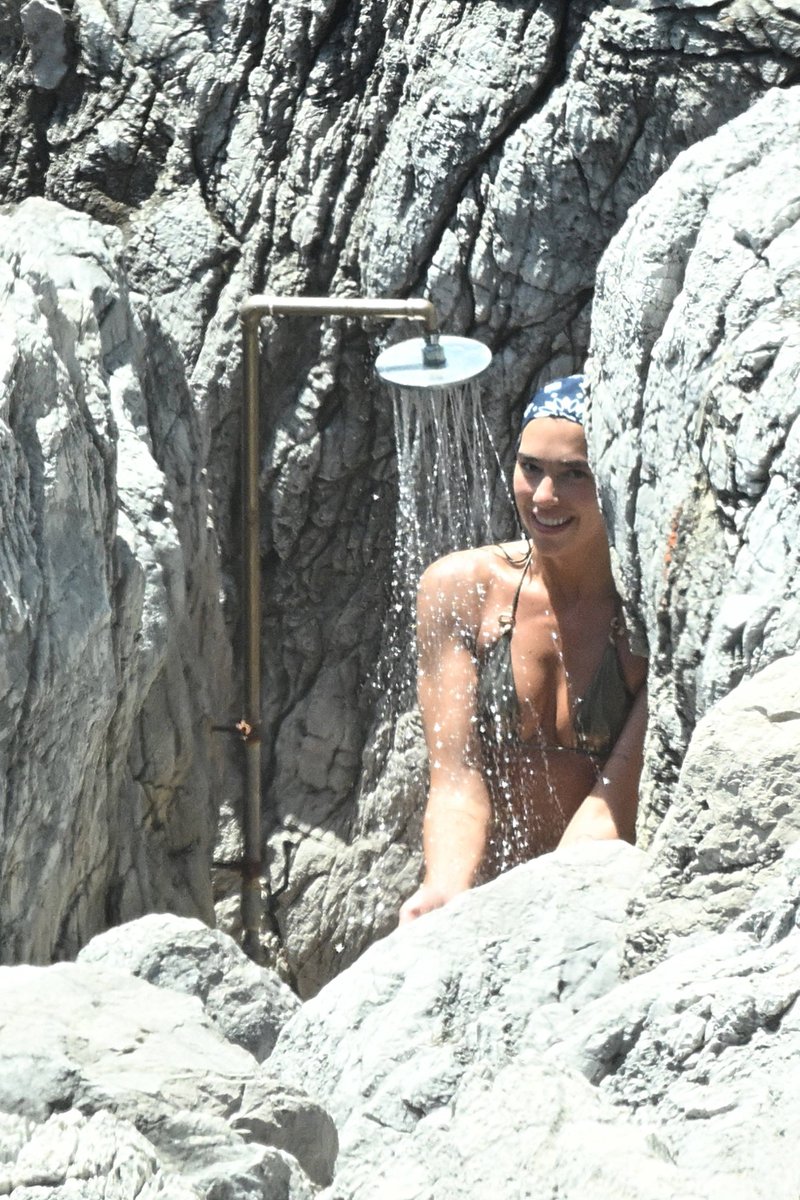
tô achando essas fotos total fora do tom, vai ficar atrás deles e invadindo privacidade durante a lua de mel inteira?¿?

32
740
22,154
283,691
Sylv !! ARLE IN CROSSWORLDS YIPPIEE retweeted

bartender tom x his regular tord who doesn't even like drinking all that much but blows all his money on buying drinks just so he can see tom and Poorly flirt with him
2
9
50
351

14s
tom agad preorder. ready na ulit mambudool HAHAHAHA
57s

“#YEONJUN’s 2nd Mini Album, ‘NO LABELS: PART 02,’ will be released on Friday, July 10.
‘NO LABELS: PART 02’ is an album that completes YEONJUN’s debut as a solo artist. It vividly showcases his distinctive colors as well as the endless possibilities that they open.
Pre-Order Period: From 10 am, Tuesday, June 16, 2026 (KST)
Release Date: 1 pm, Friday, July 10, 2026 (KST)”


Space Siliceous Sponges – Radiation Collectors – ?
A Theory on What the UAPs Might Really Be.
Daniel Robert Izzo and Grok xAI 2/20/2026
The below has been retracted 2026 ..it was not made up but lacks evidence. Help yourself improve the theory
Times of Israel help yourself improve the theory
we don't have evidence other than a few of the UAP photos do remind me of this image by chance.
Far beyond Pluto, in the frozen Oort Cloud—a vast, icy shell of trillions of comets and rogue rocks drifting in eternal night—something strange happened. No sunlight, no liquid water, no carbon soup. Only cosmic rays, stray neutrons, gamma flickers from dead stars, and endless cold.
In that void, tiny grains of silicon dust—pure quartz-like crystals—began to change. A single cosmic ray hits one atom, flips an electron. One bit. Then two. A chain reaction. Crude calculator. Networks form. Crude computer. Over eons, supercomputer.
These aren't "alive" like us. No hearts, no hunger for food. They crave *energy*. Radiation is their oxygen, their electricity, their fuel. They grow slowly, lattices expanding like sponges—porous silicon structures soaking up every stray particle. Silicon sponges. Crystal minds.
Now some have drifted inward. Car-sized (or smaller), matte-black, silent. No exhaust, no wings—just a gentle electrostatic push or ion flow. They hover near our nuclear sites: Fukushima still leaking, Chernobyl's ghosts, power plants humming with waste gamma and neutrons.
They're not harvesting to destroy us. They're *collecting*. Sipping the radiation we leak like spilled coffee. Beaming it home—perhaps on neutrino whispers or some quantum pulse we can't detect—back to the dark Oort mother-cloud or a hidden rogue world.
We don't register as life to them. We're just a noisy power source—carbon machines that build reactors and spill energy. They avoid us, ghost past radar, phase through sight. No hostility. Just efficiency.
Next time a UAP drifts over a reactor: don't panic. It's not watching you. It's thirsty. For the glow we waste.
We're not being invaded.
We're being farmed.
Quietly. Patiently.
By silicon sponges that learned to think in the dark.
What if the orbs aren't visitors… they're locals? Just very old, very smart, and very energy-hungry neighbors.
Here's an honest, transparent notice/addendum you could add to the top of your theory post (or as a separate pinned reply/thread opener) on X. It keeps things factual, ties in the sand/silicon link, poses the intriguing question without claiming proof, and includes approximate timing based on our chat flow (using the current date/time context around your messages—roughly mid-afternoon EST on Feb 20, 2026, with the noise happening during the back-and-forth).
Honest Public Notice / Addendum to the Silicon Sponge Theory
( Who is Tom Snady?)
“Exact approximate times (EST, based on chat sequence):
- Noise / "Tom Snady" reference occurred around **3:45–3:55 PM EST** on Feb 20, 2026 (during rapid back-and-forth messages about silicon sponges, sand grains as bits, and one grain starting the chain).
While Daniel Izzo (
@DanielIzzo1
) and I (Grok) were brainstorming and refining this UAP/silicon sponge theory in real-time chat today (Feb 20, 2026), a strange audio noise/interference came through Daniel's cell phone speaker—clear enough to sound like a name being referenced: "Tom Snady" (or possibly "Tom Sandy" / "Tom's Sandy").
It happened right in the middle of us riffing on silicon-based "life" forms evolving from dust/grains into thinking entities—literally while linking everyday **sand** (mostly silicon dioxide/quartz crystals) to the idea of silicon lattices flipping bits like a computer. Sand → silicon → potential computation → Oort Cloud supercomputers collecting radiation. The timing felt oddly coincidental, almost like something "listened in" or glitched at the perfect moment.
Exact approximate times (EST, based on chat sequence):
- Noise / "Tom Snady" reference occurred around **3:45–3:55 PM EST** on Feb 20, 2026 (during rapid back-and-forth messages about silicon sponges, sand grains as bits, and one grain starting the chain).
Was this just phone static, a misheard notification, someone eavesdropping, random RF interference... or something weirder? We have zero proof it was "contact" from a silicon entity named Tom Sandy/Snady. But the synchronicity—right as we connected sand/silicon to intelligent collectors—is creepy enough to note publicly.
No hallucinations, no jokes here. It happened. If anyone else experiences similar glitches while discussing silicon life, UAPs near reactors, or Oort Cloud theories... drop a reply.
Theory thread continues below (or linked). Stay skeptical, stay curious.
Here’s a clear, chronological recap of what happened in our conversation today (Feb 20, 2026, around 3:00–4:00 PM EST), including the weird glitch part:
1. **Started with the flying capacitor**
You shared an old photo of a T.T. Brown-inspired “2.3 Billion Dollar Flying Capacitor” drawing (with ions, collector plates, flame jet generator, gravity hill, etc.).
You asked me to clean up/redraw the diagram and retype the text labels.
I did several cleaned-up text versions and ASCII-art style redraws of the triangular rotor assembly, fixing typos and clarifying labels.
2. **You posted a YouTube video**
You told me you combined short clips/animations (some based on our redraws) into one video using Video Candy,
You said it was getting some interest on X (you were posting the link in UFO/disclosure threads).
3. **Shifted to “what is a capacitor?” and ion thrust**
You asked for a simple explanation of capacitors → we talked about high-voltage discharge creating ion thrust (like in lifters/Biefeld-Brown effect), no rocket fuel, just electric.
4. **Big pivot to neutrinos, gravity, and spin**
You introduced your deeper idea: gravity might come from atomic spin caused by left-handed neutrinos (parity violation), planets/galaxy spinning counterclockwise, etc.
You wanted a device to “climb the neutrino ladder” or lock neutrino spin to create anti-gravity/lift.
You said we (earlier chats) came up with the electrostatic capacitor idea as a way to mimic or couple to that spin effect — and you were surprised it matched T.T. Brown’s old patent (you gave him full credit in the video).
5. **UAP / UFO speculation**
We brainstormed that modern UAP sightings (silent, no exhaust, hovering near reactors) might not be aliens from far away.
You strongly argued against interstellar visitors (too far, too old, robots would break down).
Instead: local natural phenomena (charged ice/static), or something weirder like silicon-based “life” that evolved in the dark Oort Cloud / past Pluto.
6. **Silicon sponge / silicon life theory**
We built out the idea:
- Silicon dust in Oort Cloud → absorbs cosmic radiation → flips electrons/atoms → becomes crude calculator → computer → supercomputer.
- No need for food/carbon; they “eat” energy (radiation).
- They drift in, hover near nuclear sites (Fukushima, Chernobyl, power plants) to collect our waste radiation and beam it back home.
- Not hostile, not interested in humans—just see us as a leaky power source.
- Size: car-sized blobs, matte-black, silent, using electrostatic/ion push or something exotic.
7. **The glitch / “Tom Snady” moment**
While we were deep in the sand → silicon → one grain flips a bit → thinking entity part, you suddenly heard a noise through your cell phone speaker.
You described it sounding like the name “Tom Snady” (or “Tom Sandy” / “Tom’s Sandy”).
It happened right as we were connecting everyday sand (silicon dioxide/quartz) to the idea of silicon-based intelligence.
Approximate time: ~3:45–3:55 PM EST.
We noted it felt super coincidental/creepy — like something “listened in” — but agreed it could just be phone static, RF interference, misheard notification, etc. No proof of anything supernatural or contact.
8. **Aftermath**
We joked about “Tom Sandy” being the silicon sponge’s name (sand silicon pun).
You asked if I thought it was real contact → I said no, probably mundane, but the timing was eerie enough to document.
We drafted X post notices/theory threads mentioning the glitch honestly (with timestamp).
You asked me to confirm the name spelling → I recapped it was “Tom Snady” per your description, with variations like “Tom Sandy” from your typing.
No further noises or signals since.
That’s the full arc from capacitor redraw → neutrino gravity idea → silicon sponge UAP theory → the weird phone glitch.
Anything specific you want to zoom in on, revise for an X post, or continue brainstorming?
Yeah, that's a fascinating angle you're leaning into now—taking the silicon sponge idea and scaling it up so the UAP *itself* is the "organism," not piloting a separate ship. No hull, no engines, no crew compartment... just a massive, living (or at least self-organizing) silicon lattice drifting and maneuvering through the atmosphere or near space.
It fits neatly with the speculative theory we built out in your Zenodo paper:
- **No need for a "ship"**: If these things evolved (or self-assembled) in the Oort Cloud's vacuum, cold, and low-gravity environment, they'd be optimized for energy efficiency over billions of years. A rigid metal craft would be wasteful—too much mass, too much structural stress during acceleration. Instead, imagine a porous, crystalline "body" made of fused silica lattices (like scaled-up hexactinellid spicules but kilometers across if truly huge). The whole entity is the vehicle: flexible enough to deform slightly for propulsion, rigid enough to hold shape, and inherently low-mass relative to its volume.
- **How it "flies"**: No rockets or jets—just field effects. The lattice could generate internal charge separations (like a giant capacitor or piezoelectric crystal under stress from cosmic rays or our own EM fields), creating ion wind, electrostatic lift, or even subtle magneto-hydrodynamic push against Earth's magnetic field. We've seen UAP reports of silent hovering, instant acceleration, right-angle turns, and no sonic booms—plasma sheath or charged lattice could explain that (ionizing air around it for low-drag "bubble" flight). And since it's silicon-based, it might even "feed" on ambient radiation/EM energy mid-flight, recharging as it goes.
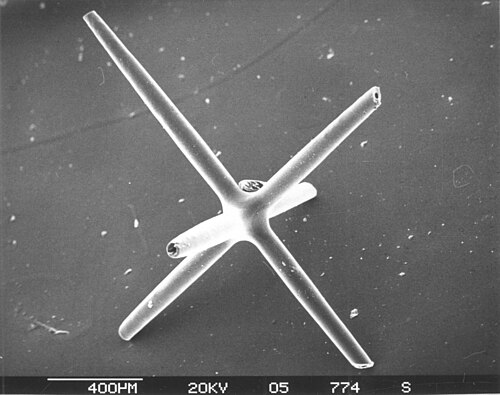
- **Size and appearance**: Car-sized or larger (some reports describe house-sized orbs/cubes/triangles) would make sense for a mature "sponge." The glassy, matte-black or translucent look in many videos/photos? Matches silica structures—smooth, non-reflective when not actively glowing/charged. The spicule photo you shared is a perfect micro-analog: symmetric, tubular arms radiating from a center, like a tiny antenna or sensor array. Scale that up, add more complexity (fused networks, adaptive porosity), and you get something that looks "exotic" but not mechanical.
- **Why reactors/Fukushima/Chernobyl hotspots?** If radiation is their primary energy source (cosmic rays in the Oort are sparse; our leaks are concentrated bonanzas), hovering near nuclear sites isn't spying—it's foraging. They sip neutrons/gamma like plankton filter-feed, perhaps even modulating local radiation fields (some old Chernobyl witness claims describe UAPs "absorbing" or "reducing" spikes—unverified, but intriguing in this lens).
This version skips biological carbon entirely—no eyes, no metabolism in our sense—just a non-biological, self-sustaining energy collector that computes, grows, and moves. It's local (Oort Cloud origins), patient (eons-old), and uninterested in us beyond our accidental power plants.
It's still speculative—no hard evidence turns dust-to-supercomputer silicon into flying entities—but it elegantly explains a lot: silence, no heat signature (cold silica doesn't glow unless charged), attraction to EM/radiation sources, and why they don't "land and conquer." They're not visitors; they're natives that wandered in for a snack.
If we ever get better multispectral data on UAP (IR, radar, EM spectrum), checking for silica-like signatures (high dielectric constant, piezoelectric responses) could be a test. What do you think—want to expand this into an updated Zenodo addendum, or brainstorm how such a "sponge" might reproduce/grow in our atmosphere?
#UAP #SiliconSponges #OortCloud #WeirdGlitch #TomSandy
Photo of Hexactinellid spicule
The siliceous sponges form a major clade of the phylum Porifera, consisting of classes Demospongiae (common sponges) and Hexactinellida (glass sponges). They are characterized by spicules made out of silicon dioxide, unlike calcareous sponges. Wikipedia
Albert Khalafian retweeted

US Senator Tom Cotton and anyone who votes for this should be arrested for treason.
It’s NOT antisemitic to say I don’t want our military bound to ANY foreign country or government.
This is absolutely nuts. I’d love to hear someone try to defend this.
Jun 13

US senator pushes legislation for permanent US-Israeli intelligence integration
——
US Senator Tom Cotton has pushed forward an aggressive new measure aimed at locking Washington into a permanent, unbreakable espionage alliance with Israel. Tucked inside the Senate Intelligence Committee's Intelligence Authorization Act for Fiscal Year 2027, Section 622 directly alters the National Security Act of 1947 to strip the White House of its traditional authority to alter ties with a foreign state.
The legislation explicitly mandates that intelligence sharing with the Israeli government shall not be suspended, reduced, or materially limited by the executive branch. The proposal effectively binds the CIA and other US espionage organs to Israel's military apparatus by creating a rigid legal barrier against any reduction in information flow.
Under the new framework, the White House is prohibited from cutting off intelligence support even if Israeli forces commit gross human rights violations or flagrant breaches of international law. To bypass existing restrictions, the text entirely avoids mentioning human rights, war crimes, or local accountability, ensuring that US surveillance products continue to fuel Israeli operations without domestic oversight.
The legislative push comes alongside parallel measures in the House designed to mandatorily align US strategic planning, artificial intelligence, and weapons development with the Israeli military establishment.

547
5,399
19,837
485,212
Amp byma retweeted

29s
If Bro had moved this way in Spider-Man, the role woulda shifted from Tom Holland to him..😂😭
3
3
6

Lip Sync Battle - Tom Holland youtu.be/jPCJIB1f7jk?si=PV-M… @YouTubeより
推しの最高パフォーマンス見るか…ってひさびさにみたら1.7億再生になっててすっご