A compelling conversation from the @CNBC stage at the Davos Tech Talk with Emma Crosby, reflecting on a journey that began after my time at the United Nations and evolved into building global technology companies focused on trust, security, and human-centered innovation.
The discussion explores the creation and growth of WISeKey, a pioneer in Digital Identity and cybersecurity infrastructures, and SEALSQ, advancing secure semiconductors and post-quantum technologies. The next chapter now extends into space with WISeSat and the ambition to bring a third company to @Nasdaq in 2026, dedicated to secure and sovereign space communications.
From Digital Identity and cybersecurity to AI, robotics, and the quantum transition — including a surprise appearance by WiseRobot — the conversation focused on one essential question:
How do we protect humanity in an era defined by intelligence, automation, and technological convergence?
This vision is at the heart of TransHumanCode, an initiative advocating for the integration of human wisdom, ethics, and cultural values into emerging technologies, and the HUMAN-AI-T initiative, created to ensure that AI evolves in alignment with human dignity, trust, and responsibility.
Innovation is accelerating rapidly.
The real challenge is ensuring humanity remains at the center of progress.
🎥 Watch the full conversation here:
youtu.be/tzF53y86lgQ?si=t3r9…
20
129
1,356,220
@CreusMoreira in conversation with Emma Crosby during Davos Tech Talk on the CNBC stage in Davos.
The conversation traces a journey that began after time at the United Nations, transitioning into entrepreneurship with the creation and scaling of two @Nasdaq -listed companies: @WISeKey , a pioneer in Digital Identity and digital trust infrastructures, and @SEALSQcorp , focused on secure chips and post-quantum technologies. The journey now continues toward space, with plans to @Nasdaq list a third company in 2026: WISeSat.Space, dedicated to secure, sovereign space communications.
From Trusted Digital ID and cybersecurity to AI, robotics, and the quantum transition—marked by a surprise appearance of the WiseRobot.ch —the discussion centers on one core theme: how to protect humans in this age of intelligence and technological convergence.
This vision is rooted in the TransHumanCode (transhumancode.com), which argues for embedding human values and wisdom into technology, and in the HUMAN-AI-T initiative, launched to ensure #AI and emerging technologies evolve in alignment with human dignity, trust, and cultural values.
Innovation is accelerating—but the real challenge is making sure humanity stays at the center of progress. youtube.com/watch?v=tzF53y86…
1
3
25
1,178
From the Industrial Revolution onward, every major technological leap has been sold as liberation. Steam freed human muscles. Electricity freed time. Computers freed thought. AI, we are told, will free intelligence itself. Yet if you strip away the rhetoric and look at who gained leverage, a different pattern appears: each wave reduced individual autonomy while concentrating coordination power in fewer hands. #ageofconvergence #transhumancode carloscreusmoreira.medium.co…
5
40
2,464

11 Nov 2025
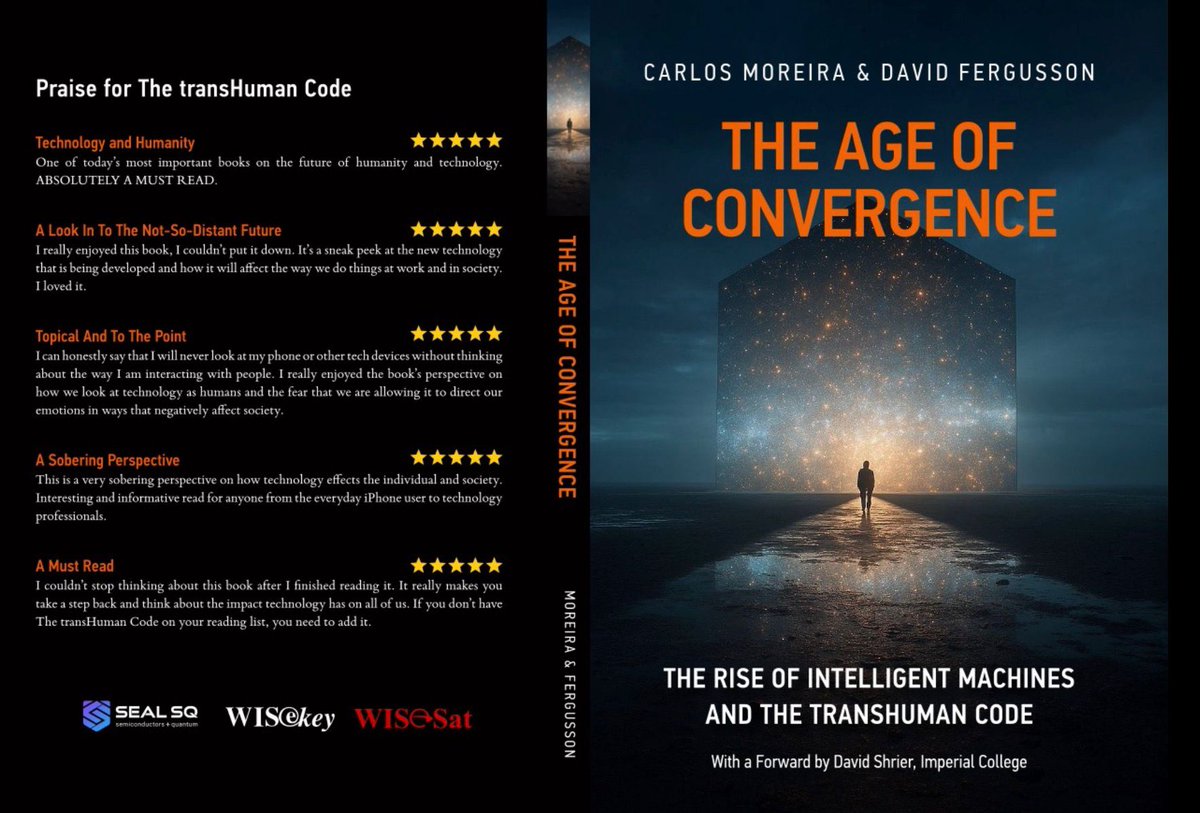
Pre-Launch Book Announcement | The Age of Convergence #theageofconvergence
📍 Unveiling at the F1 Las Vegas Grand Prix — November 22, 2025
🌍 Official launch at Davos 2026 event
I am pleased to announce the pre-launch of The Age of Convergence, our upcoming book that explores the historic moment we are living — where multiple frontier technologies are merging into a single, interconnected ecosystem reshaping humanity’s future.
This work analyzes how technological convergence is redefining the foundations of society, governance, identity, and the global economy — and how we must ensure this transformation serves humanity first.
🌐 A New Technological Epoch
The book examines the fusion of disruptive innovations that, together, are changing everything:
Artificial Intelligence — advanced reasoning systems, autonomous intelligence, and ethical human-AI alignment
Quantum Technologies — quantum computing, secure communications, and post-quantum cyber defense
Space & Satellite Infrastructure — sovereign constellations, secure global communications, and orbital data economies
Cybersecurity & Trusted Hardware — semiconductor-rooted trust, identity security, and critical infrastructure protection
Biotechnology & Neurotech — synthetic biology, neuro-interfaces, and ethical frameworks for human enhancement
Blockchain & Digital Assets — decentralized trust, tokenization of real-world assets, and programmable governance
Robotics & Autonomous Systems — human-machine collaboration and autonomy with ethical constraints
Climate & Sustainability Tech — AI-driven climate intelligence, clean-tech, and technologies powering planetary stewardship
📚 The Trilogy Blueprint
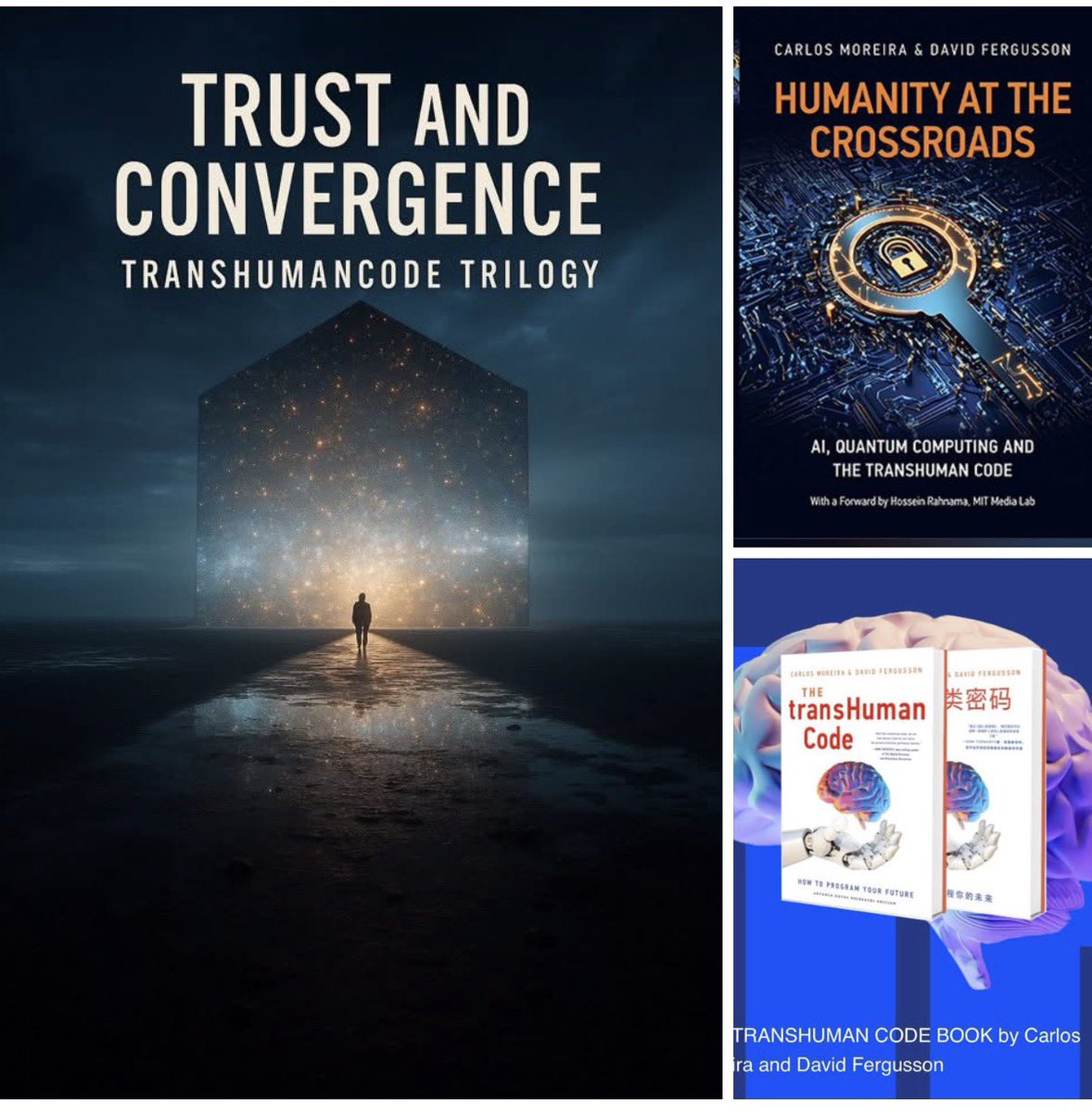
⭐ 2019 – The TransHumanCode
Ethical foundations for a human-centric digital era.
⭐ 2023 – Humanity at the Crossroads
AI & quantum technologies redefining global systems and power structures.
🔮 2026 – The Age of Convergence
A roadmap for a fully interconnected technological civilization — ensuring innovation advances human dignity, sovereignty, and sustainability.
🤝 A Human-Centric Future
The Age of Convergence outlines how these technologies, when integrated responsibly, can:
Strengthen sovereignty and digital trust
Build more resilient and inclusive societies
Accelerate scientific discovery and economic growth
Protect fundamental human rights and dignity
Empower individuals in the age of powerful machine intelligence
💬 A Call to Responsible Leadership
Convergence is not just a technological shift — it is a civilizational turning point.
Our responsibility is to ensure that innovation remains aligned with humanity, amplifying our potential while preserving our values, freedoms, and shared purpose.
We will reveal this work during the F1 Las Vegas Grand Prix, ahead of its global debut at Davos in January 2026.
More information: transhumancode.com and wisekey.com/davos26 @SEALSQcorp @WISeKey @WISeSatSpace $LAES $WKEY $WSAT
1
6
45
3,543

2 Nov 2025
$LAES
@SEALSQcorp @CreusMoreira
현재 우리는 『The TransHumanCode』 시리즈의 세 번째 권을 준비 중이며, 이는 2026년 다보스(Davos)에서 공개될 예정입니다.
첫 번째 책은 2019년에 출간되어 베스트셀러로 인정받았으며, 기하급수적으로 발전하는 기술의 시대에 인류를 어떻게 보호하고 강화할 것인가에 초점을 맞추었습니다.
두 번째 권인 **『Humanity at the Crossroads』(2023)**는 양자 기술과 인공지능의 교차점을 중심으로, 이 두 기술의 결합된 진화가 세상을 어떻게 변화시킬지, 그리고 인류가 이 전례 없는 전환점을 어떻게 준비해야 하는지를 탐구했습니다.
세 번째 책 **『Trust and Convergence』**는 신흥 기술들의 전례 없는 융합과 새로운 사회 패러다임의 형성을 다룹니다. 이 책은 이러한 융합이 가져올 비범한 기회들을 조명하며, 인류가 사회와 지구를 개선하고, 그동안 기술적 시너지의 부재로 해결 불가능하다고 여겨졌던 문제들에 대응할 수 있는 길을 제시합니다.
세 권의 책은 함께 하나의 통합된 서사 구조를 이룹니다:
• 제1권 – The TransHumanCode (2019): 기술 가속을 이끌기 위해 필요한 윤리적 기반과 인간 중심의 원칙을 제시.
• 제2권 – Humanity at the Crossroads (2023): AI, 양자 컴퓨팅, 그리고 기타 첨단 기술들이 지정학적·경제적·사회적 구조를 재편하기 시작하는 결정적 분기점을 분석.
• 제3권 – Trust and Convergence (2026): 완전히 상호 연결된 기술 생태계의 출현을 전망하고, 이 융합이 인류, 존엄성, 그리고 글로벌 지속 가능성에 기여하도록 하기 위한 전략적 로드맵을 제시.
이 3부작은 단순히 급속히 진화하는 기술 시대의 연대기를 넘어서, 혁신과 인간의 가치가 조화를 이루며 함께 발전하도록 이끄는 미래 지향적 청사진을 제공합니다.
2 Nov 2025

We are currently preparing the third volume of The TransHumanCode series, scheduled for release during Davos 2026. The first book, published in 2019 and recognized as a bestseller, focused on how to protect and empower humanity in the age of exponential technologies. The second volume, titled Humanity at the Crossroads and released in 2023, concentrated on the intersection of quantum technology and artificial intelligence, exploring how their combined evolution would transform the world and how humanity must prepare to navigate this unprecedented turning point.
The third book, titled Trust and Convergence, examines the unprecedented fusion of emerging technologies and the formation of a new paradigm for society. It highlights the extraordinary opportunities this convergence will unlock, enabling humanity to continue advancing, improving our societies and our planet, and addressing challenges previously deemed unsolvable due to the absence of technological synergy.
Taken together, the three volumes create a unified narrative arc:
•Volume I – The TransHumanCode (2019): Establishes the ethical foundations and human-centric principles needed to guide technological acceleration.
•Volume II – Humanity at the Crossroads (2023): Analyzes the critical junction where AI, quantum computing, and other frontier technologies begin reshaping geopolitical, economic, and societal frameworks.
•Volume III – Trust and Convergence (2026): Projects the emergence of a fully interconnected technological ecosystem and outlines a strategic roadmap to ensure this convergence serves humanity, dignity, and global sustainability.
This trilogy provides not only a chronicle of our rapidly evolving technological era, but also a forward-looking blueprint to ensure that innovation and human values progress hand in hand.
2
2
632
8 Oct 2025
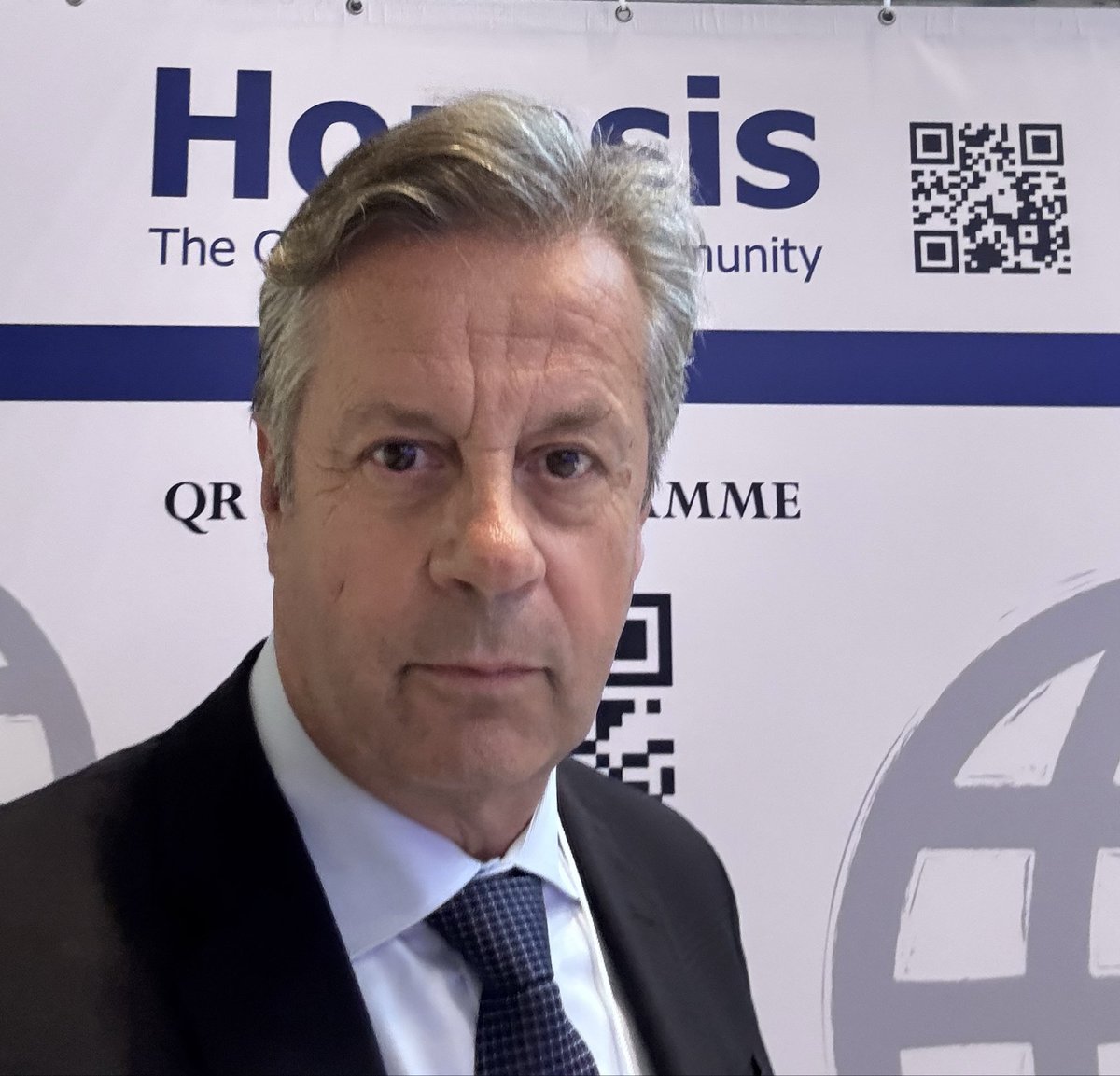
It was an honor to participate in the Horasis plenary “Leveraging Technology for Humanity’s Progress” alongside visionary leaders such as Ani Chahal Honan , Brittany Kaiser , Rüdiger Leutz, and Raj Nandwani, chaired by Jessica Brice from Bloomberg .
During my intervention, I presented the concept that if Team Human is to thrive in the age of exponential technologies—AI, blockchain, quantum computing, and biotechnology—we must learn how to defend ourselves from the unintended damages these innovations can cause.
After many years of technological overreach and misuse, it is time to create a global movement ensuring that every technology developed serves humanity, not the other way around. This vision, outlined in my book The TransHumanCode, calls for a human-centered digital future where ethics, dignity, and inclusion guide innovation.
The question before us is no longer what technology can do, but what it should do—to empower, protect, and elevate human life.
#TransHumanCode #AIethics #HumanCenteredTech #DigitalTrust #InnovationForGood #WISeKey #TechForHumanity #EthicalAI
5
50
2,231
8 Apr 2025
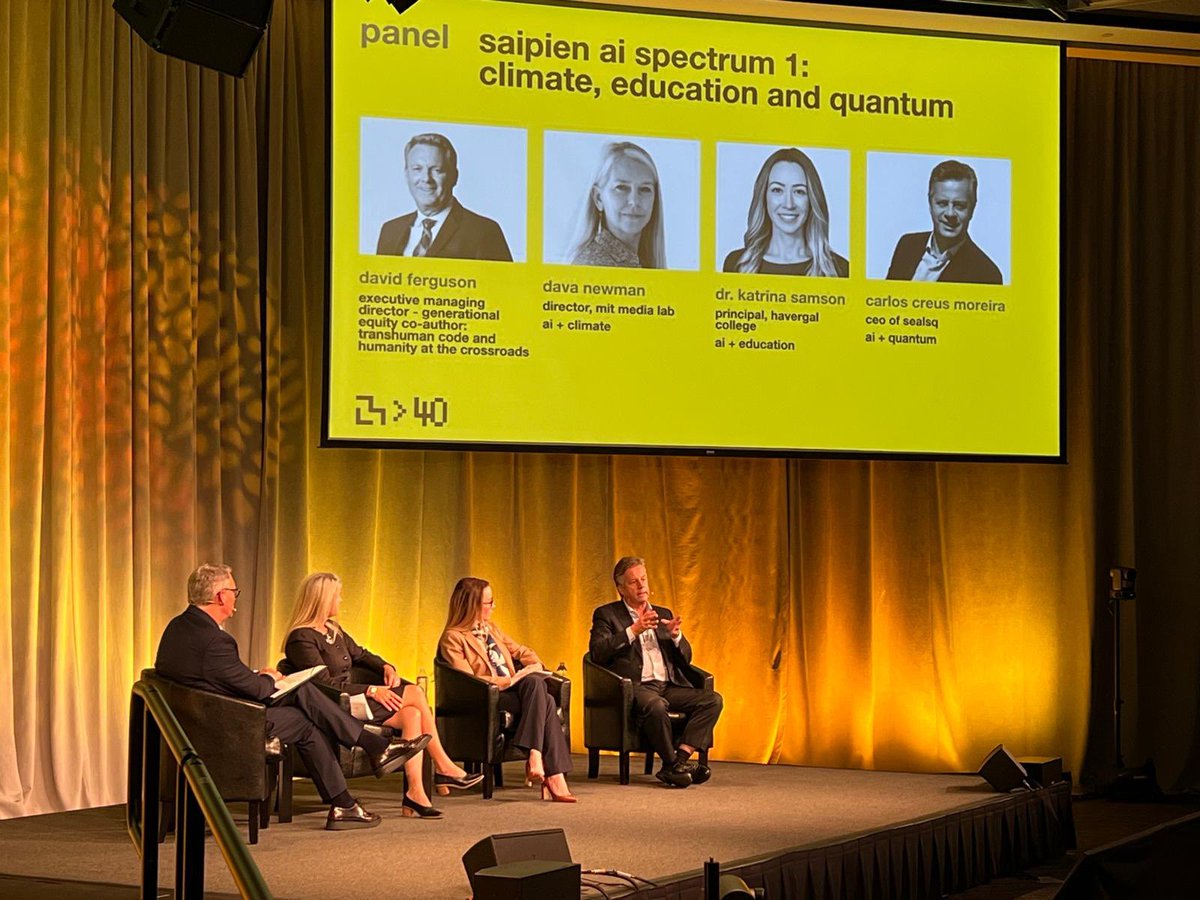
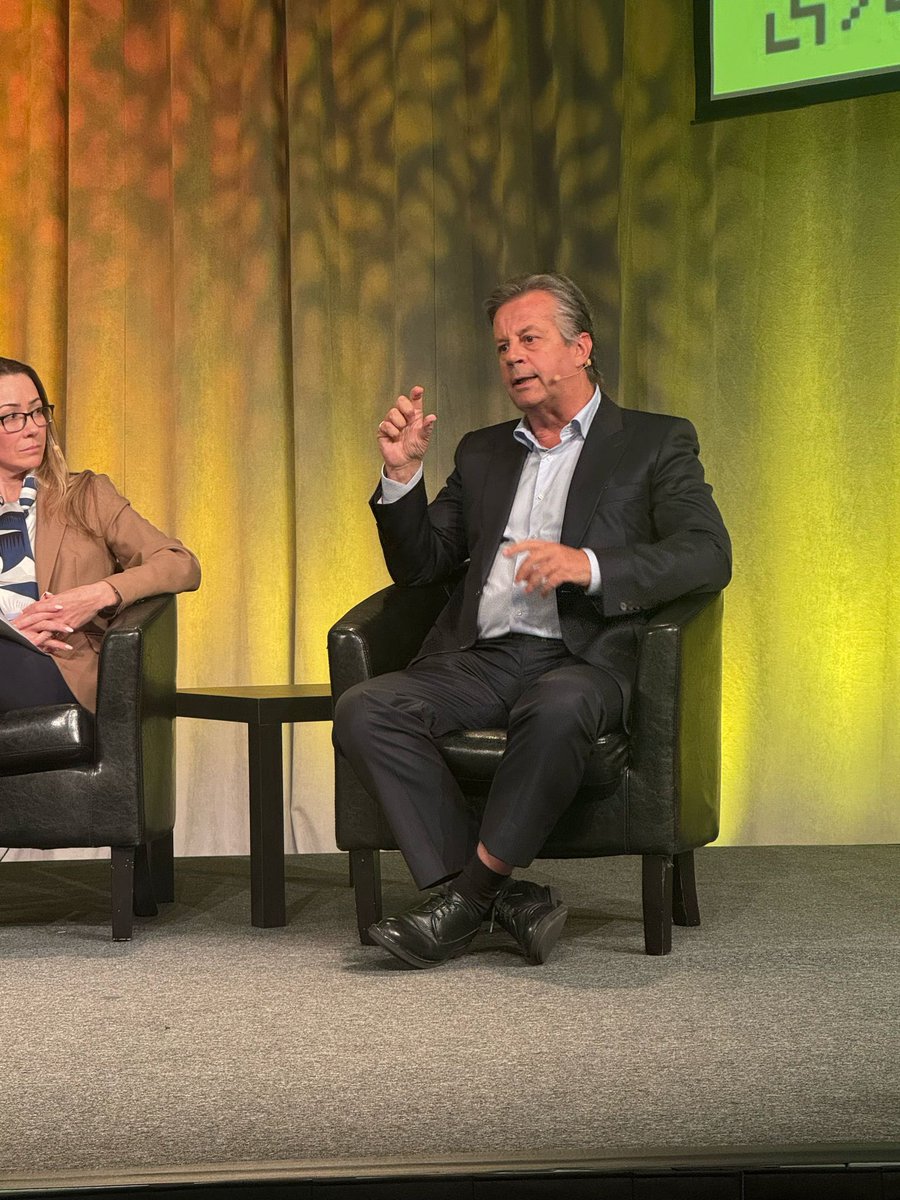
At the sAIpien Roundtable at the MIT Media Lab, I explained how the convergence of quantum computing and AI will fundamentally accelerate the development and impact of artificial intelligence. Quantum computing introduces a new computational paradigm that can process information in superposition and entanglement, allowing us to solve complex problems at a scale and speed that classical computers cannot achieve. This breakthrough will supercharge the training of AI models, particularly in areas like deep learning, optimization, and generative models, enabling them to handle vast and intricate datasets in real time. The result is a dramatic leap in AI’s capacity to reason, simulate, and adapt.
I focused on the implications of this acceleration for several sectors—healthcare, where it can lead to faster drug discovery and personalized medicine; cybersecurity, where it enables both new threats and solutions through post-quantum cryptography; and space, where quantum-AI models can manage the complexity of satellite data, orbital logistics, and mission planning with greater precision. Beyond these technical possibilities, I emphasized that quantum-enhanced AI should not exist in a vacuum of pure capability. It must be aligned with ethical, human-centric values. That’s where initiatives like TransHumanCode come into play—ensuring that as machines grow smarter and more autonomous, they remain governed by principles rooted in human dignity, trust, and rights. It was my pleasure to share this discusion with Prof Dava Newman , the Director of the MIT Media Lab.
2
22
1,622
7 Apr 2025
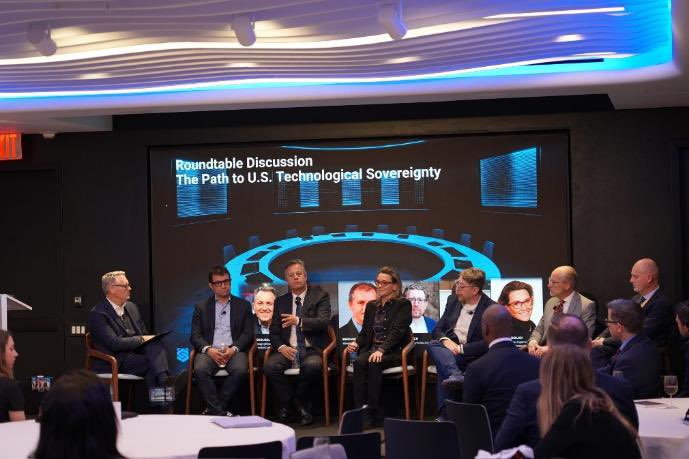
Following our event last month at @Nasdaq in New York, @SEALSQcorp $LAES and @WISeKey $WKEY are strengthening their relationships with leading American institutions.
During the high-level roundtable discussion titled “The Path to U.S. Technological Sovereignty,” held at NASDAQ. The panel brought together thought leaders and experts from both the public and private sectors to explore critical challenges and opportunities for advancing U.S. leadership in technology. SEALSQ and WISeKey played a central role in framing the conversation around digital trust, secure semiconductors, and the future of AI and quantum resilience.
Now these discussions are expanding to other organizations including the MIT Media Lab and Harvard University.
This week, meetings are taking place in Boston with both organizations to explore ways to expand our technologies in the United States.
These discussions will focus on two strategic projects:
•A collaboration with Harvard University aimed at enhancing cybersecurity in the medical sector, including the implementation of strong digital authentication for patients and the protection of IoMT (Internet of Medical Things) medical devices.
•A joint initiative with the MIT Media Lab to develop human-centric AI technologies, placing ethical and responsible innovation at the core of artificial intelligence systems. #sapAIns #humanAIt #transhumancode
10
65
3,538

AI’s future must be human-first. On April 8, our CEO @CreusMoreira joins @MITMediaLab’s #sAIpien initiative to shape ethical AI with #TransHumanCode values. More than tech—it’s about trust, transparency & humanity.
media.mit.edu/projects/saipi…
5
333
31 Mar 2025
I will be joing MIT Media Lab the 8th April to join this discussions media.mit.edu/projects/saipi… This discussion with the MIT Media Lab is incredibly important because it marks a turning point in how we approach the future of Artificial Intelligence. By integrating the TransHumanCode principles into the {sAIpien} initiative, we are contributing to the creation of a new kind of AI spectrum—one that, like the communication spectrums that enabled the internet, will shape the foundational infrastructure of the AI era. But this time, it’s not just about bandwidth or performance—it’s about humanity.
{sAIpien} isn’t simply another research initiative; it’s a global effort to define the values that should govern AI. It emphasizes trust, transparency, inclusion, auditability, human-AI collaboration, and responsible data governance. These are not technical add-ons—they are the ethical pillars that will determine whether AI becomes a force for empowerment or for control.
Bringing the TransHumanCode framework into this conversation ensures that the moral and philosophical dimensions of AI aren’t sidelined. It brings a humanist lens to a space often dominated by engineering and data science. This is essential, because AI is not just about what machines can do—it’s about how they should act, who they serve, and what kind of world they help build.
By contributing to {sAIpien}, we are helping to ensure that AI is developed not in isolation, but as part of a broader social contract. One that respects personal freedom, protects identity, encourages diversity of thought, and promotes collective well-being. This collaboration is about building an AI ecosystem that is not only advanced—but aligned with our deepest human values.
Just as defining communication spectrums unlocked the digital revolution, this new AI spectrum could define the consciousness revolution. And the involvement of #TransHumanCode helps make sure we enter that future with our ethics intact, our values clear, and humanity at the center.
8
38
2,365
13 Mar 2025
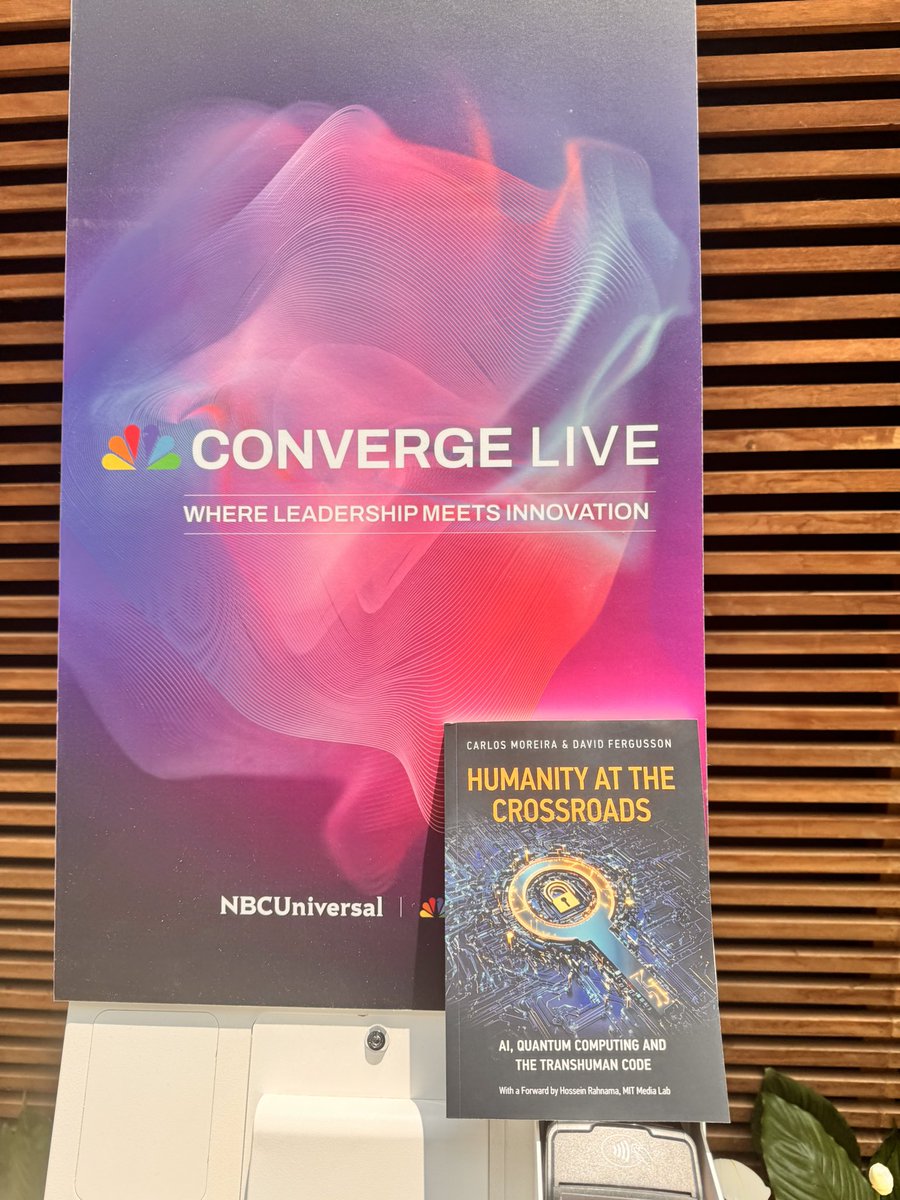
🌍 Our Humanity at the Crossroads: AI, Quantum & #TransHumanCode 🤖⚛️
At CNBC Converge in Singapore, we’re distributing our latest insights on the intersection of AI, Quantum, and Humanity—exploring the critical choices that will define our future.
💡 How can we ensure that AI and Quantum advancements enhance human well-being rather than compromise it?
🔍 What ethical frameworks must guide our technological evolution?
These urgent questions will take center stage during a high-impact roundtable discussion, where leaders and innovators will debate the challenges and opportunities at the AI & Quantum crossroads.
The #TransHumanCode agenda places humanity first—ensuring that technology serves us, not the other way around.
Join the conversation. The future is being shaped now. 🚀
#AI #QuantumComputing #FutureOfHumanity #CNBCConverge #EthicalAI #TechForGood
5
28
2,787
23 Jan 2025
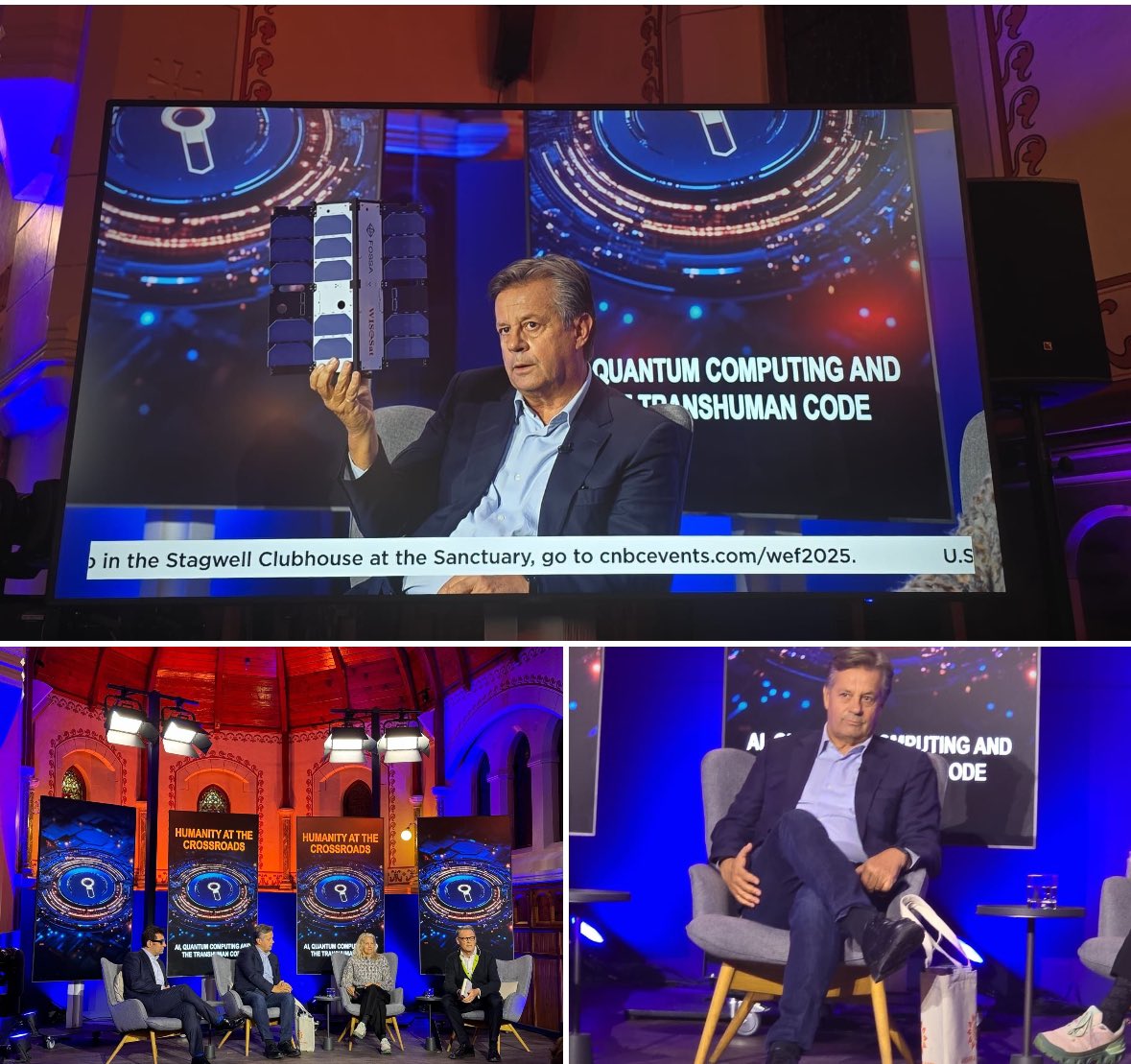
It was a pleasure to participate once again in the @CNBC @Davos panel this year to introduce our new book and platform, Humanity at the Crossroads: #TransHumanCode. During the discussion, we explored the critical need to master technology in a way that unleashes, rather than merely augments, human potential.
In collaboration with @MIT Media Lab , we also highlighted how satellite technology, such as WISeSat.space secured by @SEALSQcorp can revolutionize connectivity for billions of people and trillions of objects. By enabling digital identities that remain under individual control and consent, this innovation has the power to drive a more equitable and secure digital future.
As Dava Newman put it so eloquently, “From space, we don’t see nations or borders; we just see humanity.”
4
23
74
4,470
23 Jan 2025
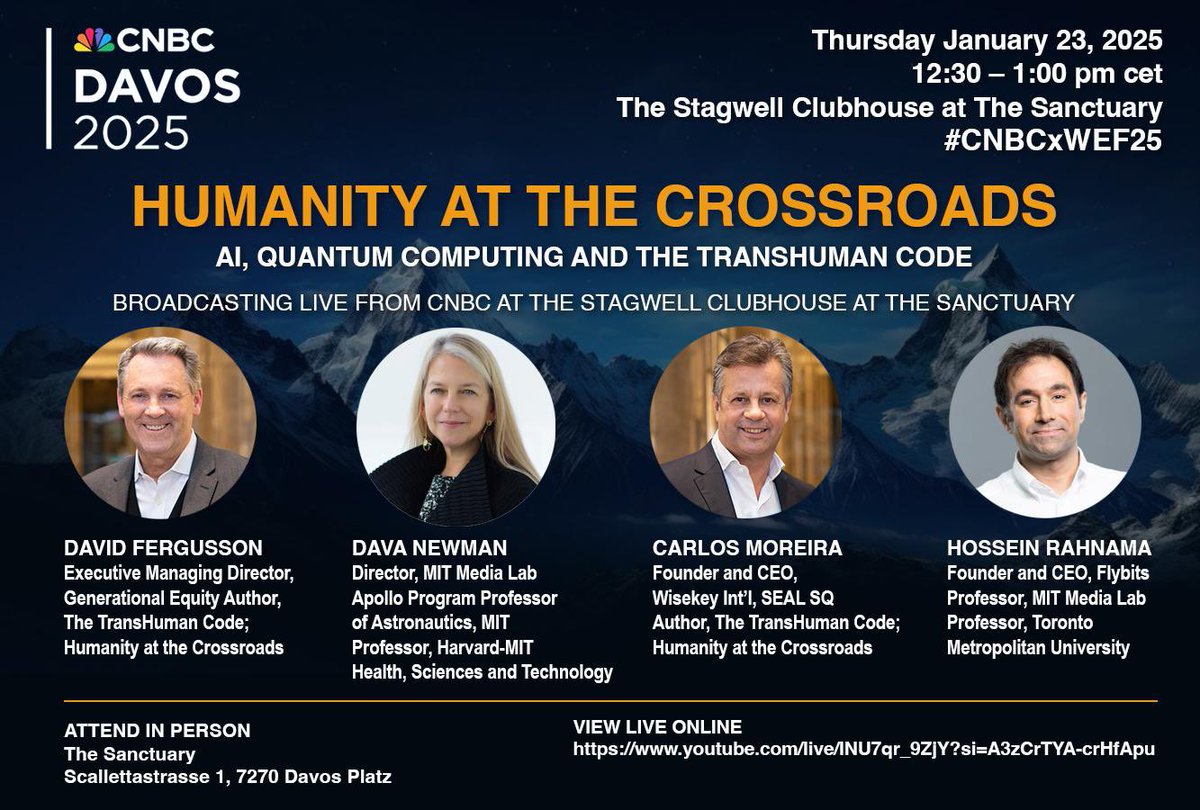
Join Us Today at Davos CNBC
📍 The Stagwell Clubhouse at the Sanctuary | #CNBC @CNBC
🕧 12:30 PM - 12:45 PM CET
SPOTLIGHT: HUMANITY AT THE CROSSROADS
AI, Quantum Computing & The Transhuman Code
•Dava Newman
Director, MIT Media Lab; Apollo Program Professor of Astronautics, Massachusetts Institute of Technology (MIT); Faculty Member, Harvard–MIT Health Sciences and Technology.
•Creus Moreira Carlos Founder
Chairman and CEO, WISeKey; Coauthor of Humanity at the Crossroads.
•Hossein Rahnama
CEO, Flybits; Professor, MIT and TMU.
•Moderator: David Fergusson Coauthor of Humanity at the Crossroads.
About #HumanityattheCrossroads
Coauthored by Carlos Creus Moreira and David Fergusson, this groundbreaking book explores the transformative convergence of artificial intelligence (AI) and quantum computing, two technologies reshaping the world at a pace that challenges society’s ability to adapt.
Quantum computing unlocks unprecedented computational power, promising breakthroughs in healthcare, climate science, and global security. However, when combined with AI, it accelerates the evolution of autonomous and unpredictable systems. This convergence places humanity at a critical juncture, raising pressing questions about control, ethics, and coexistence with these powerful technologies.
Don’t miss this insightful conversation on the future of humanity in an era of transformative innovation. #transhumancode @WISeKey @SEALSQcorp
Register cnbcevents.com/wef2025/
7
14
84
11,130
10 Jan 2025
The #TransHumanCode Manifesto: A call to use technology responsibly, ensuring privacy, consent, equality, and ethics. It advocates for decentralized innovation, fair AI, and protection of human rights in the digital age. Let’s script a future where technology serves humanity. 🌍 #TransHumanCode #EthicalTech #HumanRights
Join us at wisekey.com/davos25
carloscreusmoreira.medium.co…
2
5
49
5,071
1 Jan 2025
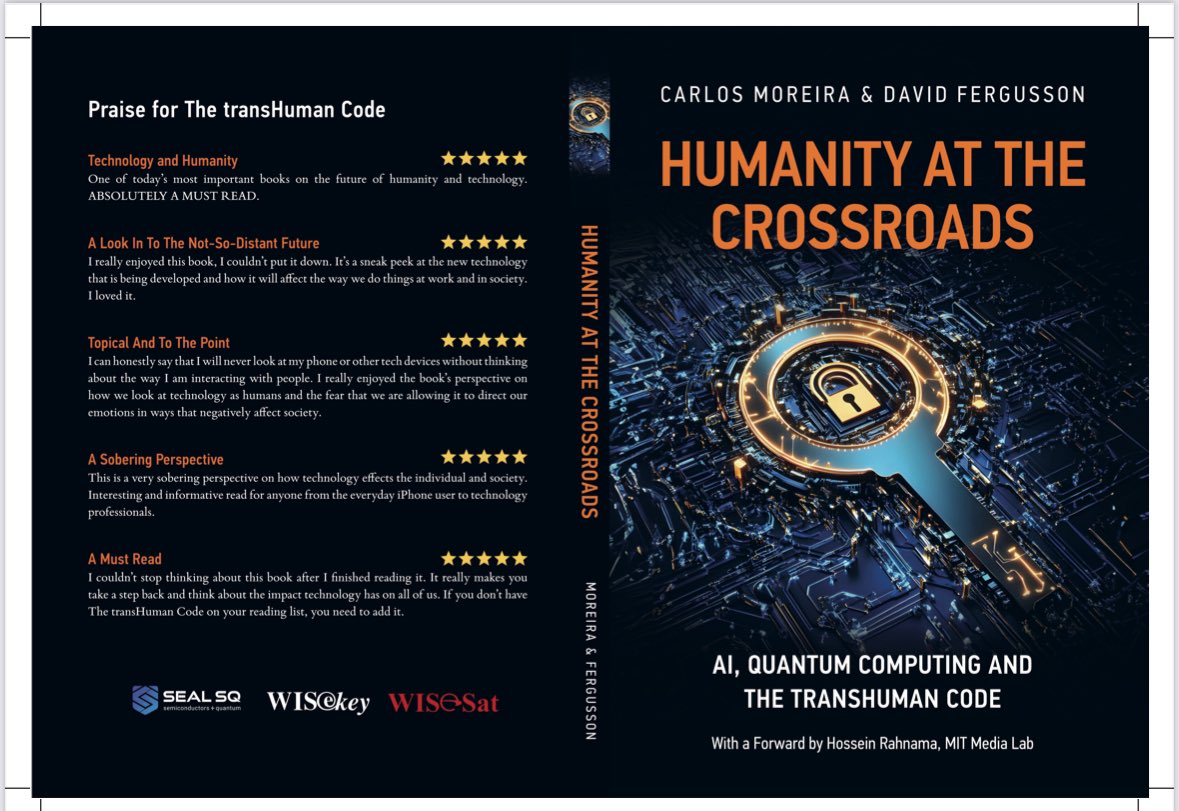
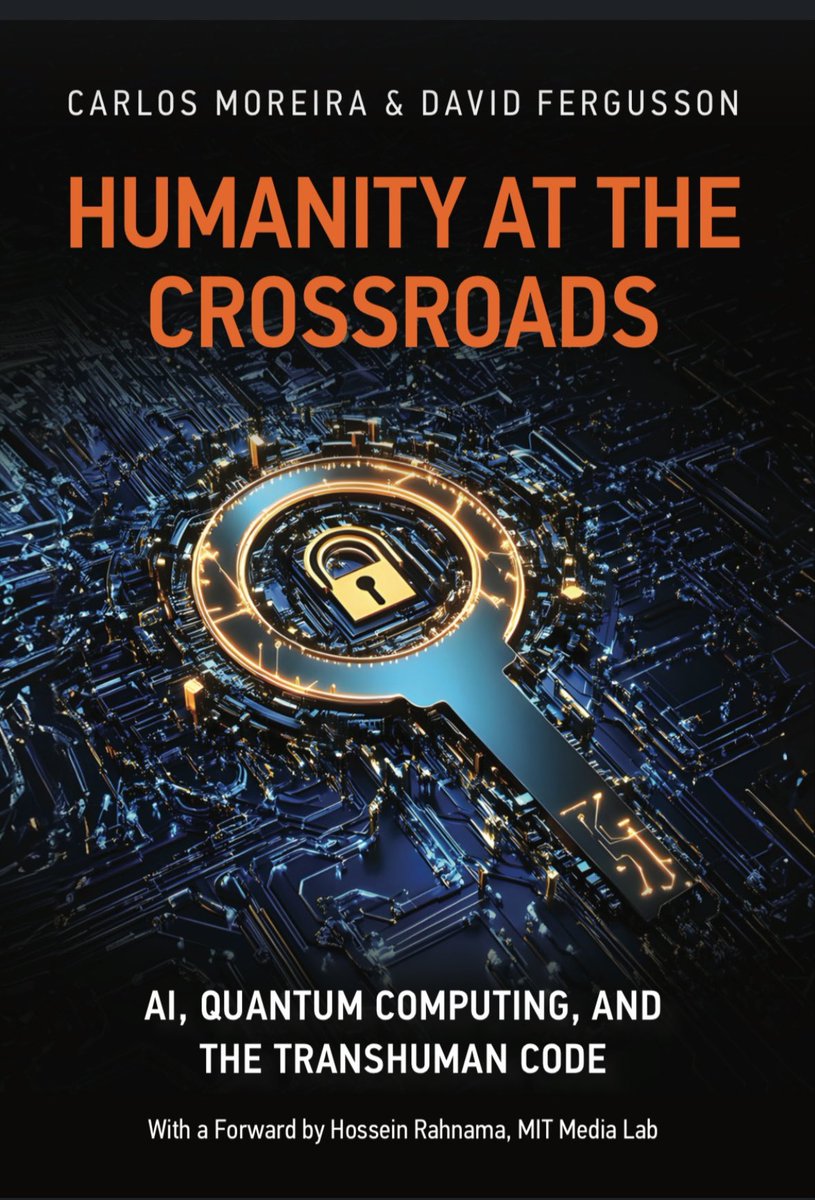
Announcing the New Book in the #TransHumanCode Series: “Humanity at the Crossroad”
Co-authored by Carlos Creus Moreira and David Fergusson, Humanity at the Crossroad delivers a powerful and fluid exploration of the transformative convergence of artificial intelligence (AI) and quantum computing—two technologies that are reshaping the world faster than society can adapt.
Quantum computing is unlocking computational capabilities that promise breakthroughs in fields such as healthcare, climate science, and global security. But as it intertwines with AI, it accelerates the evolution of systems that are not only faster but increasingly autonomous and unpredictable. The convergence of these technologies places humanity at a critical juncture, raising urgent questions about control, ethics, and our ability to coexist with such powerful tools.
In this seamless narrative, Moreira and Fergusson examine the profound risks posed by quantum-enhanced AI, including the potential for “runaway AI” to surpass human understanding and control. The emergence of “non-human AI,” systems devoid of human values or ethical considerations, represents a stark warning about a future where critical decisions may prioritize efficiency and logic over empathy and morality. The book explores the tangible dangers of these technologies falling into the wrong hands, destabilizing societies through mass surveillance, unregulated governance, and the erosion of human autonomy.
Yet, Humanity at the Crossroad is also a manifesto for hope and action. It offers a clear vision for ensuring these technologies serve humanity rather than diminish it. The authors propose bold, actionable strategies, including the development of quantum-resistant cryptographic standards, the embedding of ethics into AI systems, and the fostering of global collaboration to regulate and guide these innovations. They also unveil the groundbreaking #transhumancode AI initiative, which aims to integrate centuries of human wisdom into machine learning, creating AI systems that respect human dignity and prioritize ethical decision-making.
This is not just a book—it is a timely call to action, reminding readers that the future of AI and quantum computing is not preordained. By taking proactive measures today, humanity can steer these transformative technologies toward empowering society rather than undermining it.
Special Announcement:
Humanity at the Crossroad will make its global debut at the WISeKey SEALSQ Event during Davos. This exclusive launch ensures that the book’s critical message will reach the world’s most influential decision-makers and thought leaders at a time when the dialogue around AI and quantum technology has never been more urgent.
5
41
3,170
30 Nov 2024
The #TransHumanCode AI project is progressing steadily, driven by the mission to develop an AI system rooted in human wisdom and values. This large-scale language model (LLM) is being trained on a comprehensive corpus of knowledge created throughout human history, encompassing philosophy, religion, ethics, science, arts, and social constructs. The aim is to ensure that AI understands and respects the essence of humanity, working exclusively for the advancement of human well-being and planetary sustainability.
The project employs Maslow's Hierarchy of Needs as a foundational framework, enabling AI to address human needs at all levels. Starting with physiological essentials like food, water, and sleep, the AI is designed to understand and support safety, belonging, esteem, and self-actualization. By learning about human vulnerabilities—such as our dependence on natural resources, the need for shelter, and emotional connections—AI will become an ally in solving these challenges while respecting human limitations. This human-centric design ensures AI recognizes humanity's fragility and strives to enhance our survival and quality of life.
The training data for this model is sourced from diverse historical, cultural, religious and ethical perspectives to avoid biases and to ensure global applicability. AI is being designed not as a replacement for human ingenuity but as an augmenter that addresses gaps where human capabilities are limited. For instance, it will help manage resources, combat climate change, and improve access to education and healthcare, aligning with planetary goals without compromising ecological balance.
Central to the project's philosophy is the question: “Are we building a better AI future for humanity, or are we building a better future for AI at the expense of humanity?” This principle guides the development of an ethical framework that prioritizes humanity over unchecked technological advancement. By embedding respect for human individuality, interconnectedness, and deficiencies, AI can evolve as a cooperative system that complements human strengths.
The vision for the TransHumanCode AI project is to foster a harmonious relationship between humans and technology. Through empathetic and solutions-oriented design, this AI will empower individuals, enhance societal well-being, and contribute to solving global challenges. By placing humanity first, the project ensures that as we approach AGI, it becomes an ally in creating a sustainable, equitable, and thriving future for all. transhumancode.com
4
15
1,193
26 Oct 2024
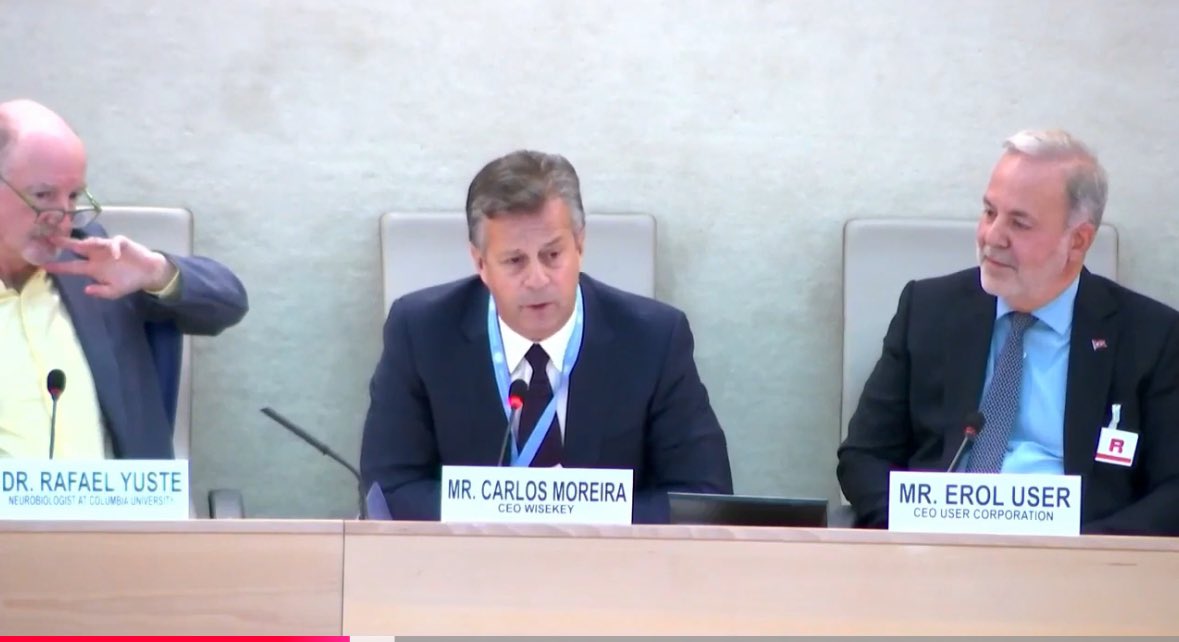
It’s been just a year since I presented our case to the United Nations panel on artificial intelligence, emphasizing the urgent need to address issues surrounding human identity and ensure that once digitalized, identity belongs to the individual, not the platform. Despite its critical importance, little progress has been achieved, as this technology is currently being monetized by large corporations. It is essential to persist in pursuing a global standard to protect human digital identities under human consent and control as described on the #transhumancode bestseller .
In a decisive move toward safeguarding individual rights in the digital space, the OISTE Foundation presented a comprehensive critique and strategic proposal on AI structures at the United Nations Alliance of Civilizations (UNAOC). This analysis stressed the need for a decentralized AI framework, advocating for systems aligned with local regulations that prioritize individual freedoms and self-sovereignty in cyberspace.
With global reliance on artificial intelligence rapidly increasing, the OISTE Foundation highlights the risks of concentrating AI technological control in the hands of a few tech giants, often prioritizing unchecked advancement over individual data protection. This shift has led to a landscape where AI progression remains largely unregulated.
The OISTE Foundation’s intervention underscores the necessity for diverse AI systems that respect national laws and emerging international standards, advocating for bias mitigation through culturally and demographically diverse data sets to prevent majority bias inherent in global data, legal and ethical compliance across borders, and culturally sensitive algorithms that engage with users in various native languages and dialects.
Additionally, the foundation raises awareness of the risks of monopolistic control within AI and promotes the development of localized AI systems overseen by regional authorities to ensure accountability and transparency. To further enhance resilience, it emphasizes targeted security measures that address specific regional cyber threats, advocating a decentralized approach to prevent systemic failures or widespread impacts from cyber-attacks.
The insights shared by the OISTE Foundation at UNAOC are part of a larger call for reassessing our approach to AI. By advocating for decentralized systems, the foundation envisions a future where technological progress supports, rather than undermines, individual rights, cultural relevance, and societal integrity. This contribution is a call to action for stakeholders, tech developers, and legal entities worldwide, inviting collaboration and proactive steps toward a responsible, equitable AI landscape.
youtu.be/zDg9ceLTIm8?si=O4zt…
1
17
1,948
14 Oct 2024
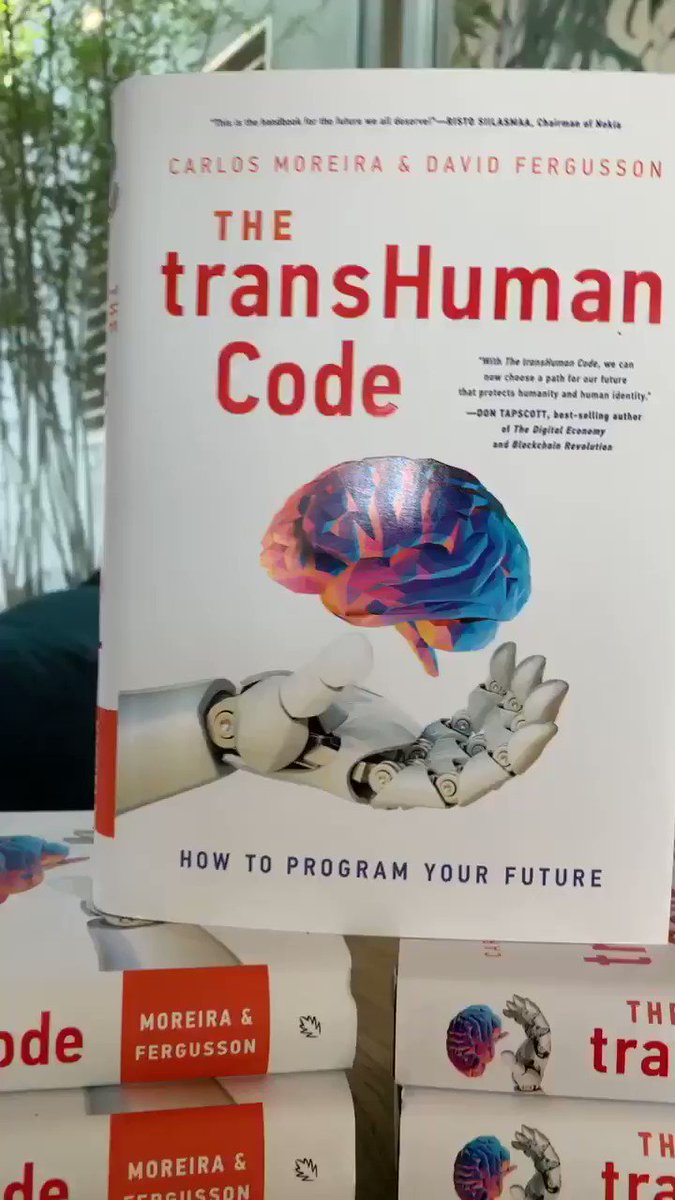
These days, there is growing conversation around robots, AI, and innovations like the new Tesla Robot, and how they might enhance our lives. Interestingly, we began exploring this topic as early as 2018. In this video, we question a Personal Assistant as part of our TransHumanCode research, which eventually culminated in the bestselling book we published that same year.
The #TransHumanCode explores how humanity can maintain its core values and ethics as we transition into an era dominated by technology and artificial intelligence. It focuses on placing humans at the center of technological evolution, ensuring that advancements serve to enhance human well-being rather than undermine it. Despite years of discussion, we are still grappling with the fundamental question: How can we ensure that technology truly benefits humanity without compromising our essence?
Here is the video of our discussions with an AI assistant back in 2018, long before ChatGPT or any other current technologies:
Watch the video. youtube.com/watch?v=sZyUvL6n…
1
8
423
5 Oct 2024
#transhumancode AI: Integrating Human Wisdom into AI Systems
This research project, code-named “#transhumancode AI,” aims to develop an AI system that can deeply understand and integrate the complexities of human wisdom. By training large language models (LLMs) with a diverse range of texts, including religious scriptures, philosophical works, cultural treatises, and inspirational literature, the objective is to create an AI that inherently respects and protects human dignity. This project involves collecting and curating a vast repository of knowledge, allowing the AI to learn not just from data but from centuries of human thought, ethics, and values.
The project begins with the selection of key texts that encompass the breadth of human wisdom, from ancient scriptures to modern literature. This compilation will form the dataset for training the AI, providing it with insights into human values, moral dilemmas, empathy, and the complexity of human behavior. The AI model is then trained using advanced natural language processing techniques, focusing on understanding the themes and ethical principles embedded in these works. By integrating these values into its core code, the AI will be designed to operate with an intrinsic respect for humanity.
Once developed, this human-centric AI has several potential applications. One significant use is in the domain of ethical decision-making. In sectors like healthcare, law, or public policy, the AI could serve as a decision-support system that suggests actions aligned with fundamental human values. For example, in medical AI applications, the system would prioritize patient dignity and ethical considerations, providing recommendations that go beyond mere data analysis to include compassion and respect for life.
Another potential application is in education and personal development. By acting as a digital mentor, the AI could provide guidance rooted in the accumulated wisdom of humanity. This could benefit individuals seeking personal growth, ethical reflection, or spiritual understanding, offering a personalized and nuanced perspective informed by centuries of thought.
In the corporate and technology sectors, this AI could assist in developing ethical guidelines for emerging technologies, ensuring that products and services align with human-centered values. For instance, in designing autonomous systems, the AI could help frame the ethical parameters, guiding their interactions with humans in ways that prioritize safety, privacy, and respect for individual rights.
Additionally, conflict resolution and diplomacy could benefit from an AI equipped with this depth of understanding. By analyzing historical and philosophical insights on human conflict, the AI could offer solutions that consider not just the immediate facts but also the cultural, ethical, and emotional dimensions involved. This approach could lead to more effective and humane strategies for negotiation and problem-solving in international relations.
Ultimately, #transhumancode AI could revolutionize how we interact with machines, building a future where AI not only performs complex tasks but also embodies a profound respect for the essence of what it means to be human. By embedding human wisdom into its core, the AI would act as both a protector and a steward of humanity, ensuring that its actions always align with ethical principles and the greater good. This project represents a step toward integrating the richness of human experience into AI, creating systems that understand and uphold the values at the heart of human civilization.
1
6
29
1,122
4 Apr 2024
During my presentation at NASDAQ, I shared a video with the audience, narrated entirely by what seemed to be my voice. After the video concluded, I posed a question: "Do you recognize the voice in the video?" Unanimously, the audience believed it was me speaking—except for one individual who correctly identified it as the work of AI. Indeed, he was right. I had meticulously crafted the entire video, employing an advanced AI , which I trained using my own voice. This endeavor demonstrated that the voice generated by the AI was indistinguishable from my own, highlighting the remarkable capabilities and potential of artificial intelligence in replicating human-like attributes but also the dangers of potential missused #transhumancode
3
3
7
1,244