Ingrid Tuinstra 🇵🇾 🇮🇱 retweeted

"Wat zou ervoor nodig zijn om het vertrouwen in de overheid te herstellen?"
Huisarts Rob Elens: "Eerlijkheid en transparantie" 👏
Deze Rotterdammert verdient een standbeeld 💪
31
222
764
16,095
J_J🎧 retweeted

// SERIOUS
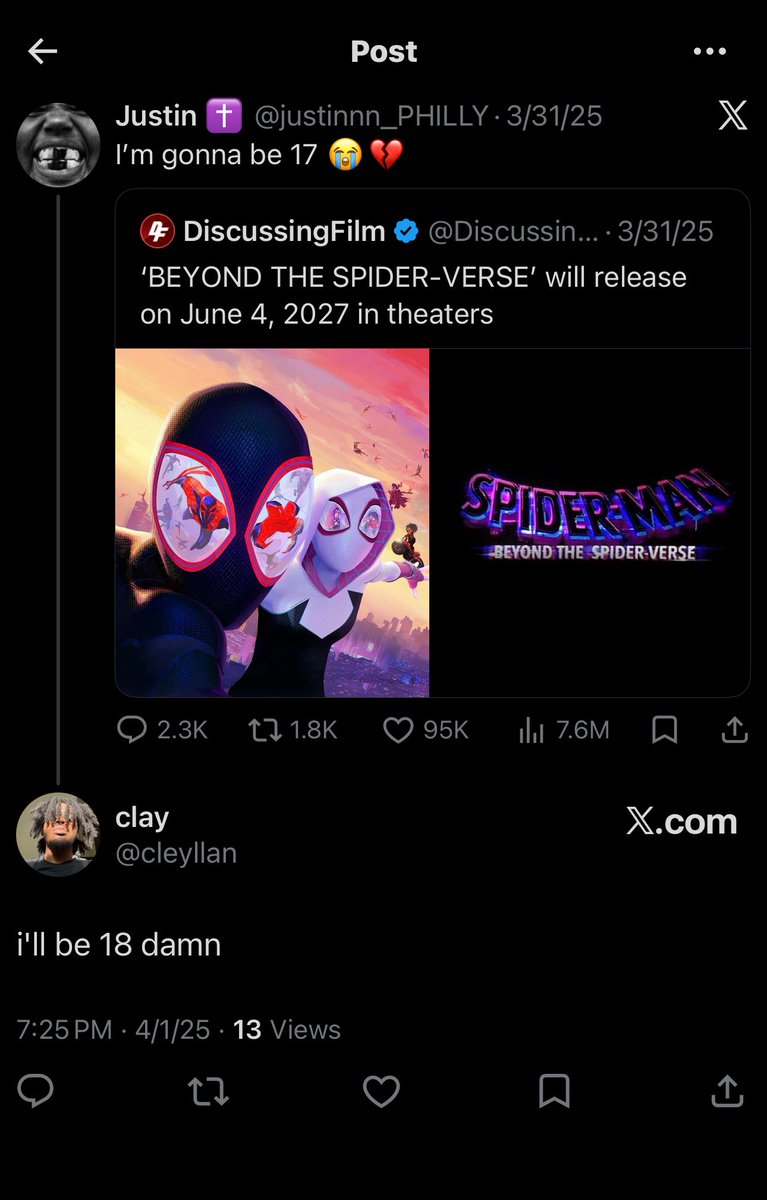
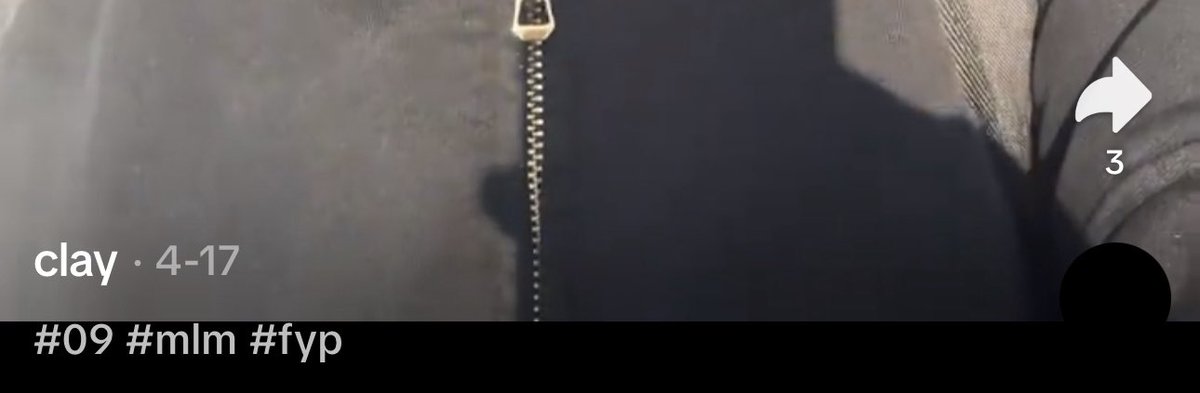
hey if you’re mutuals with @cleyllan I’m urging you to not be. He is underage (born in 2009) and hasn’t been transparent about his age. This is incredibly concerning especially considering how he flirts on the tl and has a NSFW page…
1
12
29
829
EL SALVADOR, MERECE. retweeted

🚍📵 VMT SANCIONA A MOTORISTA DE LA RUTA 4T TRAS SER CAPTADO USANDO EL CELULAR MIENTRAS CONDUCÍA
El Viceministerio de Transporte (VMT) informó que sancionó al motorista de la ruta 4T que fue denunciado en redes sociales por manipular un teléfono celular mientras conducía una unidad del transporte colectivo.
Según la institución, al conductor se le impuso una infracción TO-113, equivalente a una multa de $150, por poner en riesgo la vida de los pasajeros y de los demás usuarios de la vía.
El caso salió a la luz luego de que un ciudadano difundiera imágenes en las que se observa al motorista utilizando su celular mientras manejaba, una conducta que generó críticas y preocupación entre los usuarios del transporte público.
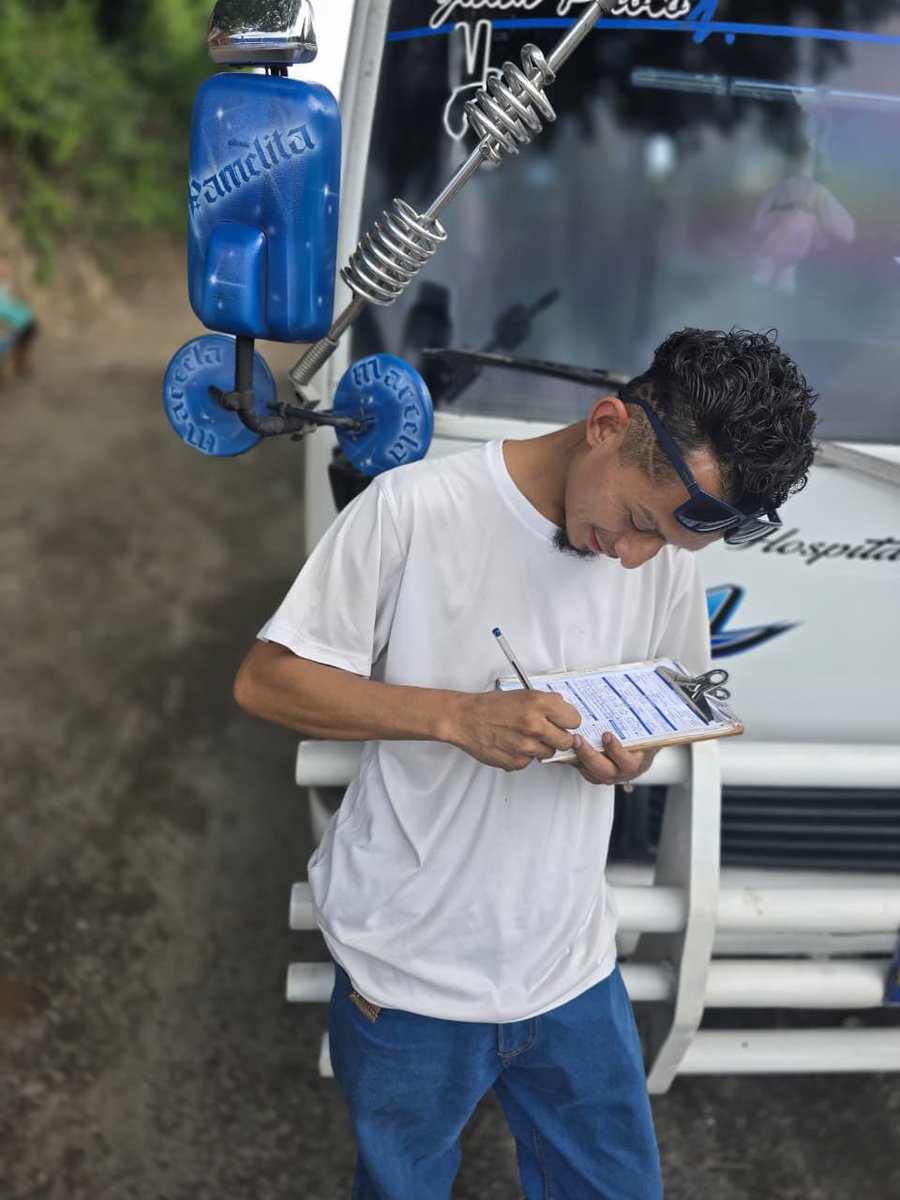

🚨CAPTAN A MOTORISTA DE LA RUTA 4T MANEJANDO MIENTRAS UTILIZABA SU TELÉFONO CELULAR
Usuario del transporte colectivo denuncia que un motorista de la ruta 4T conducía, mientras utilizaba su celular, exponiendo la vida de los pasajeros y de los demás conductores que transitaban en la vía.
1
1
275
Penny retweeted

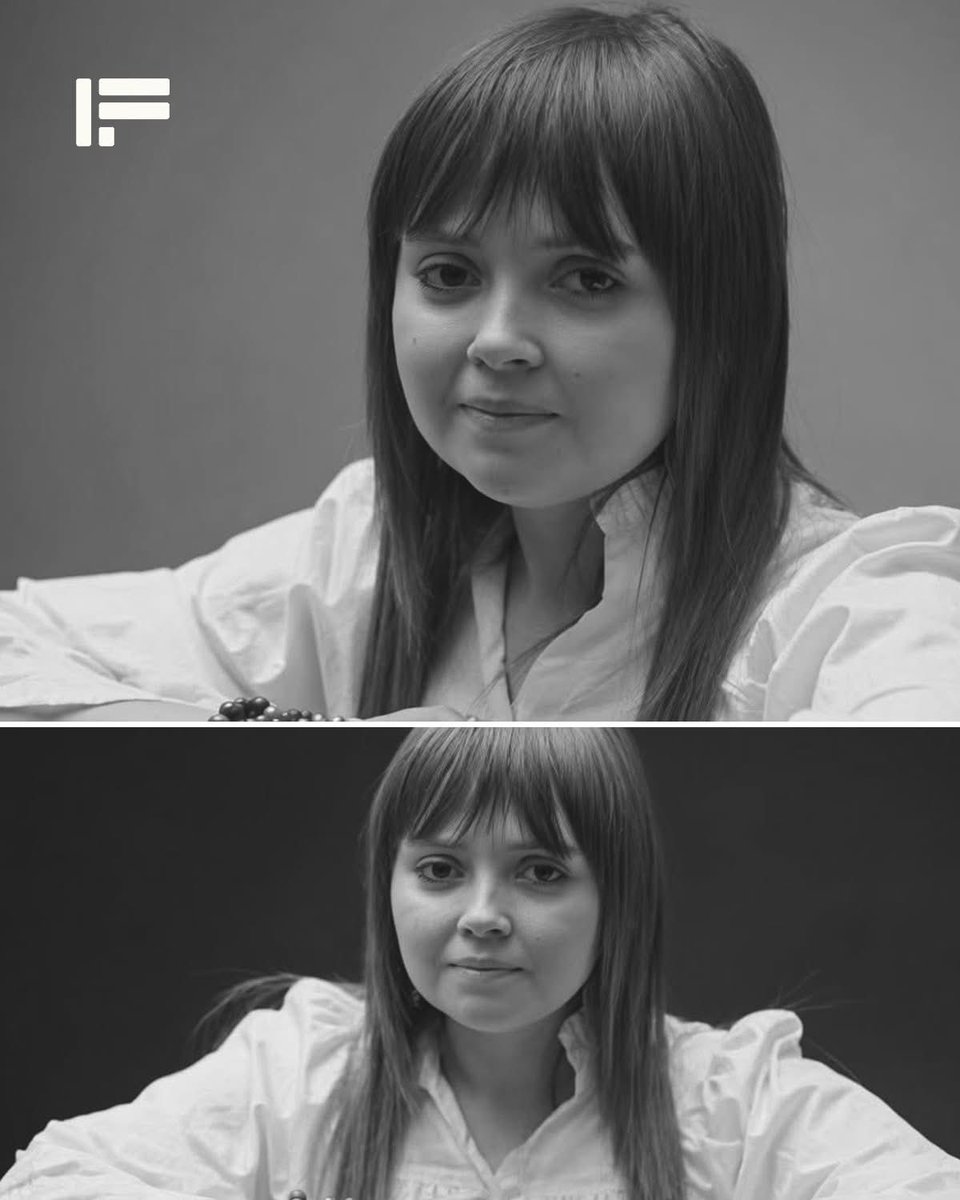
At 2½ years old, Hannah Clark had two hearts beating inside her chest.
Doctors said she wouldn't survive without a transplant.
In 1995, legendary heart surgeon Magdi Yacoub performed a rare "piggyback" transplant. Instead of removing Hannah's failing heart, he left it in place and added a donor heart beside it.
For the next 10 years, both hearts beat together.
The donor heart did most of the work. Hannah's own heart simply rested.
She went to school. Made friends. Grew up like any other child.
Then came a devastating complication.
The anti-rejection drugs keeping the donor heart alive weakened her immune system and led to lymphoma, a form of cancer.
Doctors faced an impossible choice:
Keep the donor heart and risk the cancer.
Or reduce the medication and risk losing the transplant.
Then they looked at Hannah's original heart.
Something extraordinary had happened.
After a decade of rest, the heart that had once been too weak to keep her alive had healed itself.
Its size had returned to normal.
Its pumping strength had recovered.
It looked healthy.
In February 2006, Hannah went back into surgery.
The donor heart was removed.
For the first time in medical history, a transplanted heart was successfully taken out because the patient's own heart had recovered.
Her original heart took over immediately.
No hesitation.
No failure.
It simply started doing the job it was born to do.
Without the donor heart, Hannah no longer needed anti-rejection drugs. Her immune system recovered, and the cancer went into remission.
The little girl who once needed two hearts to survive is now an adult living with the same heart she was born with.
Sometimes medicine saves a life.
Sometimes it buys the body enough time to save itself.
4
41
183
3,563
Guadalpe Rosas retweeted

🚍|| Manifestantes bloquean la Avenida 14 Oriente frente a Casa Aguayo en protesta por los operativos en contra del transporte público pirata. #CurulPuebla
1
87
A 🇸🇳✨ retweeted

Pardon avec mon nouveau traitement orthodontique j’ai un trop beau sourire allahuma barik 🥹❤️ branchez vous aligneurs transparents enfait ça se voit pas du tout sur les photos et videos en plus
J’ai fait mon traitement au cabinet dentaire premium a la cite keur gorgui
Il me reste encore 3 gouttières a porter et j’en aurais fini !
6
9
310
21,831
R.K.MEENA retweeted

If you did not do it, you should show everyone your routing for transparency. Or get it investigated transparently.
1
61