

One of the best dial triode tubes. Used as a preamp it's arguably better than the miniature 12AU7 that replaced it.
2
14

The 6SN7-GTB is a medium-mu twin triode suitable for use in a wide variety of general-purpose amplifier and phase-inverter applications
Thanks to its versatility, it has been used in: Vintage radios and televisions, Military equipment and instrumentation, Guitar Amplifiers, and High-end Hi-Fi systems and preamplifies.
Despite the age of the design, it is still highly sought after today for its tonal quality, transparency and tightness in pre-amplification circuits or as a driver in push-pull configurations.
1
4


Dual triode vacuum tube mainly used in pre amplification. This one is cool.
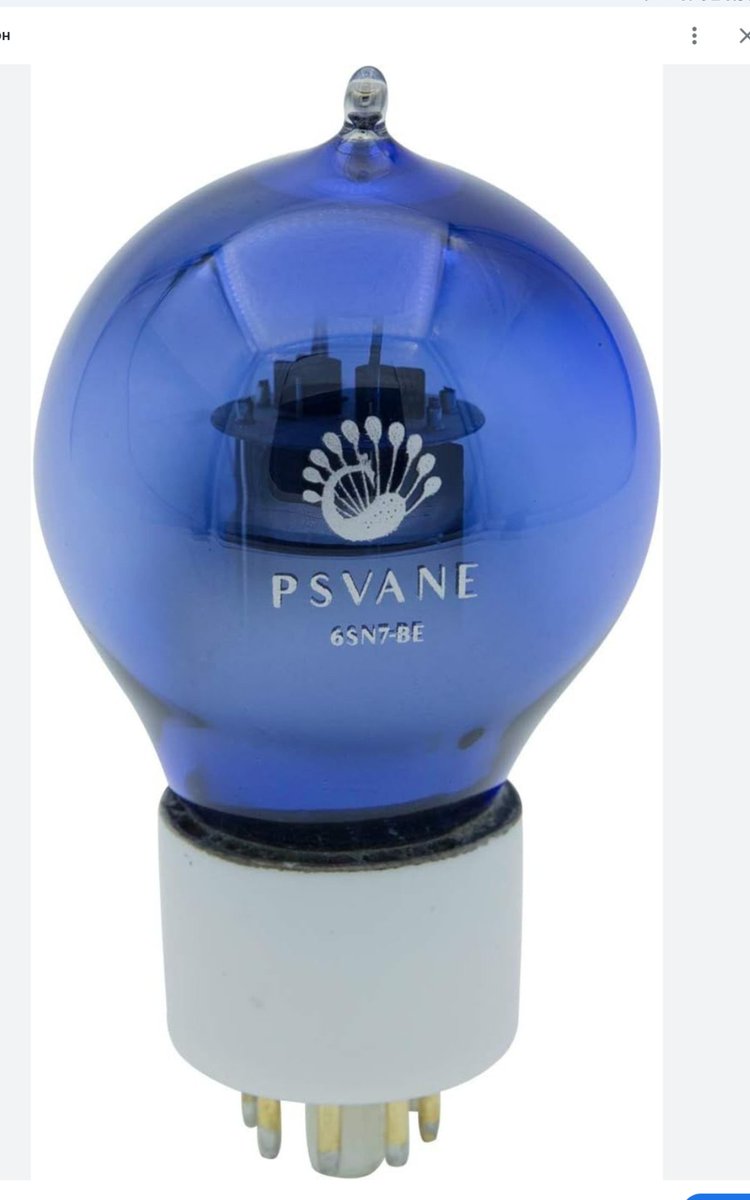
1
62


Yeah, it's a replaceable tube found in an older amplifier used in early hi-fi equipment. This vacuum tube is of a twin triode design with equipotential cathodes, designed to amplify low frequency voltage in the output stages of hi-fi audio.
1
43


Ceci est une double triode , ça s'alimente en haute tension et ça sert à faire de l'amplification.
C'est toujours largement utilisé dans certaines application Militaires, et dans les amplificateur pour guitare électrique
14

6SN7 is the most linear (double) triode available and hence it is still greatly appreciated by audiophiles.
2
64

It is a very common general purpose double triode used in many types of applications.
7


おつおとてんです❣️
#OTOTEN2026 AZKi&安野希世乃特設ブース
オーディオ機器情報を公開🎉
【スタジオモニター】FOSTEX RS10A
【ブックシェルフスピーカー】KRIPTON RX-5PX
【真空管アンプ】TRIODE EVOLUTION MUSHASHI
【真空管プリアンプ】TRIODE EVOLUTION PRE
お二人の楽曲を、レコーディングスタジオで使われるモニタースピーカー、真空管アンプ+密閉型スピーカーによる音で体験いただけます✨
特設サイトからも来場登録いただけます🙇
jas-audio.or.jp/audiofair/20…
#おとあず26 #OTOTEN2026

3
259
1,111
50,930
maty || @𝒏𝒂𝒖𝒔𝒄𝒐𝒑𝒊𝒐@𝒒𝒐𝒕𝒐.𝒐𝒓𝒈 retweeted

After almost 3 months of listening, tube rolling, flipping between Triode and UltraLinear modes and even using it as a dedicated stereo preamp, I finally feel I understand what the @CayinAudio HA-6A MK2 is truly capable of.
soundnews.net/reviews/amplif…
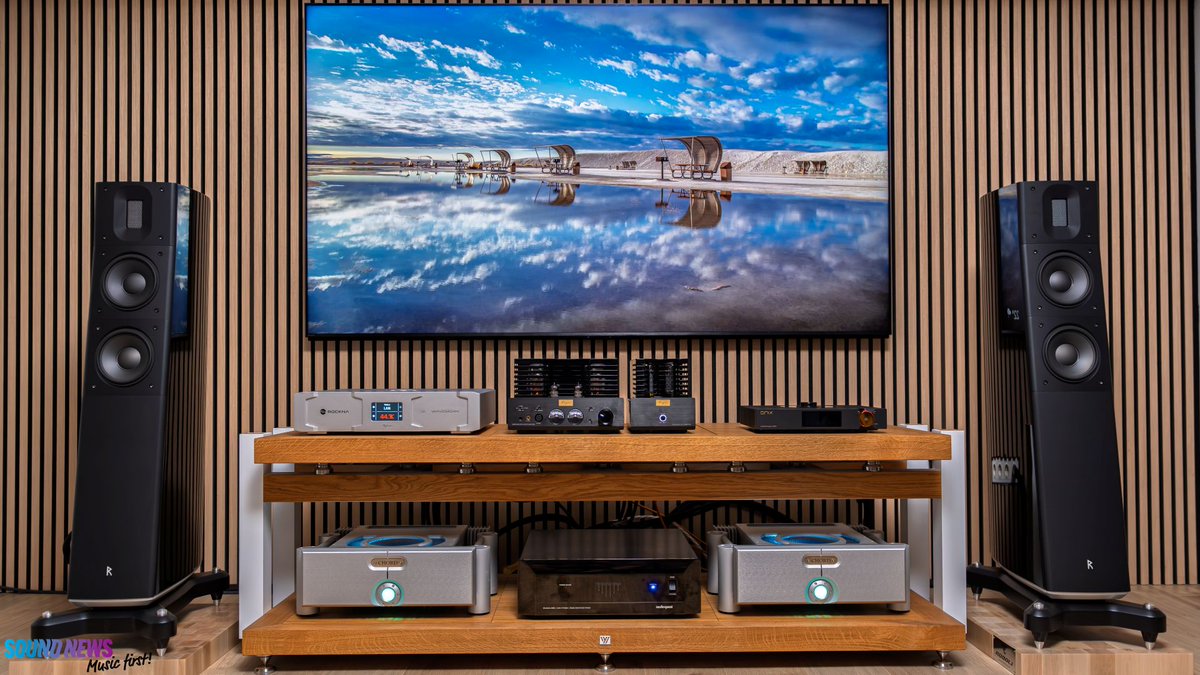
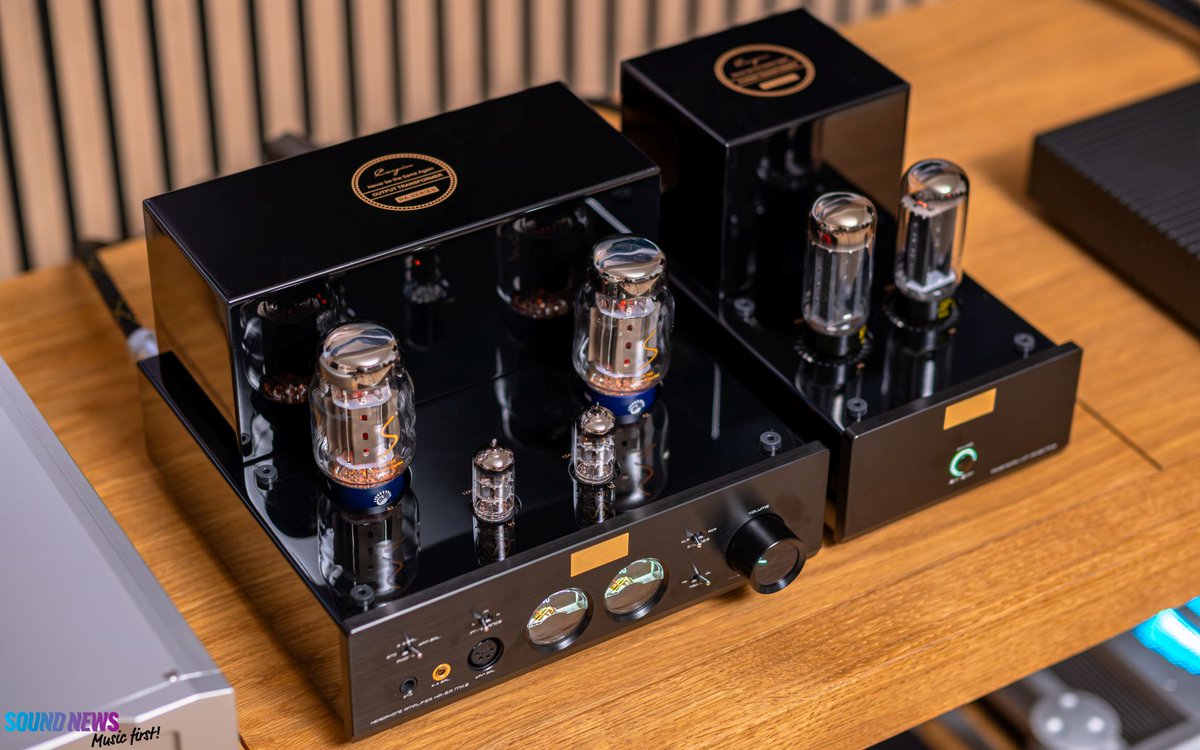
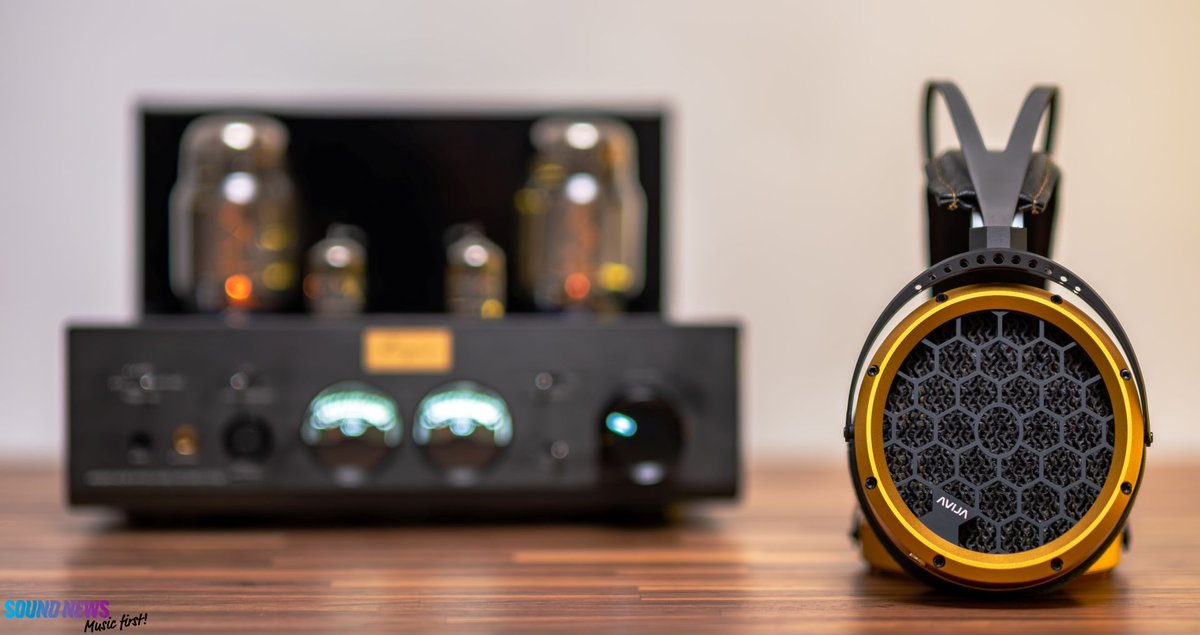
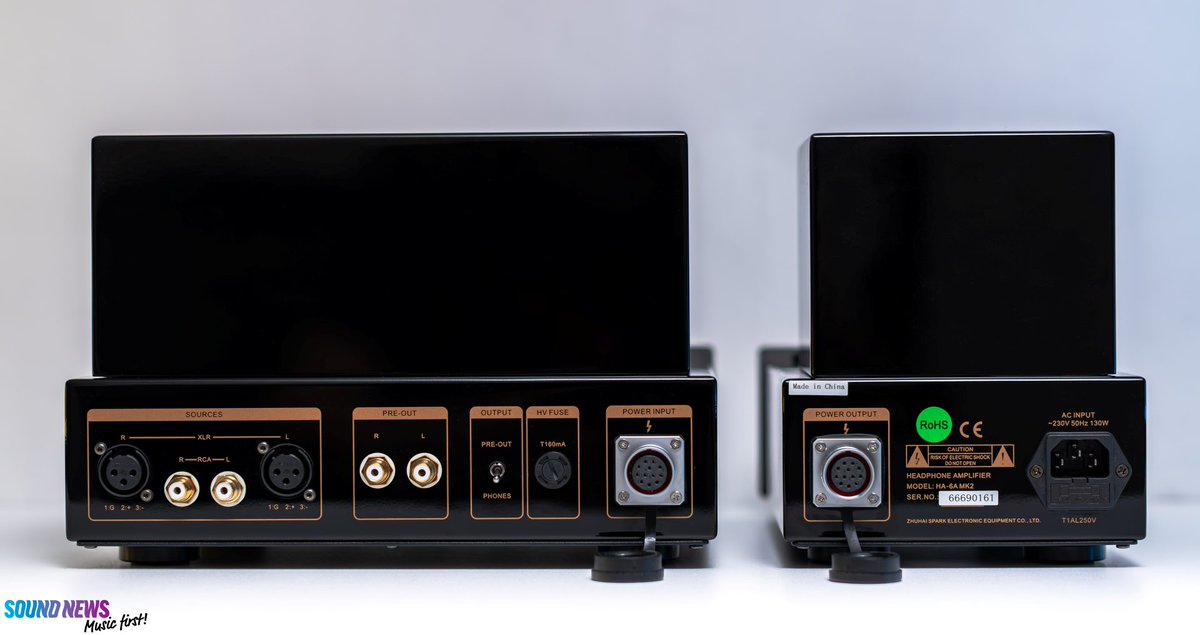
2
3
166

Well the MK74 is a Dual Triode vacuum tube primary used in high fidelity audio amplification because of its low noise. The PY33 is a Pentode design power amplification tube. My guess Audio Amplifiers.
3
40

Jun 15
There's some good information in here, but I also disagree with framing of some things here.
1) i believe this is in accordance with what I wrote.
2) some of this is down to design, which was made far easier by the cavity magnetron.
3) The switch to a longer wavelength was a very smart move and a good piece of luck, but it does not relate to any improved technical capabilities of the radar. In fact, a lower frequency would have likely caused greater angular error, but to what degree I have no idea.
4) My bad! I missed that. Still, the point about higher peak power output stands. Not needing two different modes helps.
5) I am discussing the pre-history. There is a claim that I believe that the Japanese actually built a cavity magnetron a full year before the British, but they had some frequency stability issues and the Japanese were not interested in pursuing radar for military applications until seeing British centimetric radars. The people I know who study Japanese Navy stuff note that they had quite advanced naval radars towards the end of the war, but training was poor, few were deployed, and not employed well. I don't claim to be an expert there, but I do know their use of radar was not ideal.
6) My bad! I must have been basing my assumptions on their attempts at centimetric radars.
7) the point is that the cavity magnetron allowed a wavelength of choice to be generated with little weight, size and difficulty when compared to klystrons, which are amplification tubes and not frequency generators that provided a direct, full power output.
This is why centimetric radars were difficult back then without the cavity magnetron, because tube-based oscillator circuits that would provide frequencies in the GHz range are difficult to make, as I understand it.
Klystrons are good for amplification of a single frequency, but they are not particularly good for (most) military radars. The big breakthrough with PD radars was the development of a stable oscillator design, as I understand it. And I don't know what was lacking there. Either way, the Hughes MOPA (Master Oscillator Power Amplifier) system that led to the development of ASG-18 included a new innovation for microwave applications: the traveling wave tube. The TWT was invented by a German, working for the brits, in 1943 and brought to operational readiness by Hughes in the 1950s. Outside of some high power applications such as the MSR for Safeguard or early applications like the AWG-10, TWTs largely replaced Klystrons in military radar applications, and by now solid state systems have largely replaced both.
Also, FuG220 used triode amplification and not a klystron.
2
1
24
729