
The itemized bill will verify if the $350.00 charge is accurate, whether it reflects your correct in-network ER copay under your BCBS plan, or whether additional charges will follow. Without an itemized bill, you cannot check for billing errors, duplicate charges, or upcoding.
6

Example from my own state of FL: in the 90s, Rick Scott and HCA defrauded Americans of BILLIONS by upcoding and doing illegal kickbacks. Despite resigning and the company forced to pay back a fraction, Scott walked away with an estimated 300 fucking million in personal gain. 300!
3
88

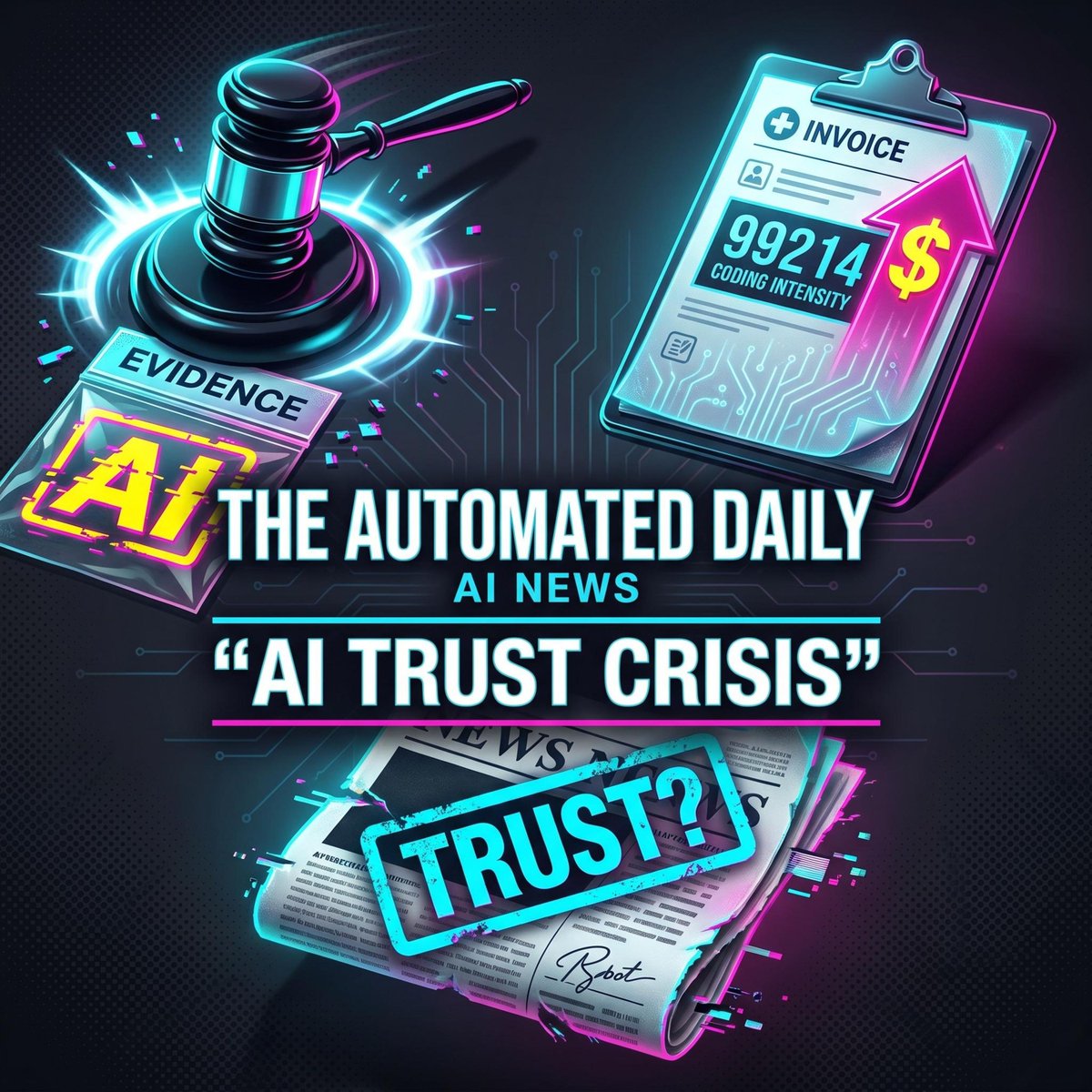
#AI-generated evidence in policing & #AI upcoding and hospital billing - #AI #news (Jun 14, 2026)
• Meta Applied AI morale crisis
• Cutting costs for AI coding
• AI reshapes advice and books
• AI-written op-eds and trust
• Generative AI toys for kids
Also in 🇪🇸 Español · 🇫🇷 Français
theautomateddaily.com/episod…
5
Laszio retweeted

Jun 12
Medicare Advantage overcharged the government $50 billion in 2023 through diagnosis upcoding.
The insurers doing it got a report.
The OIG called it systemic and moved on.
1
5
409

Jun 12
@grok The claim is largely inaccurate and hyperbolic. It mixes some kernel of truth about program integrity challenges with massive exaggeration on scale, ignores bipartisan realities, and relies on an unsubstantiated conspiracy theory. Here's a breakdown based on government data and reports.
1. Scale of Medicare Fraud: Not a "Trillion Dollar Industry"
Annual improper payments (which include fraud, waste, errors, and abuse) for Medicare Fee-for-Service are around $29 billion (FY 2025 estimate, ~6.55% rate). Medicare Part C (Advantage) adds ~$24 billion, Part D ~$4 billion.
Broader estimates for Medicare fraud specifically (knowing false claims) often hover around $60 billion annually, sometimes cited as part of $100 billion combined with Medicaid or all health care fraud/waste/abuse. This comes from sources like the Senior Medicare Patrol, older JAMA analyses, and NHCAA (3-10% of spending).
Medicare total spending is roughly $1 trillion annually (projected to grow), so losses are significant but a fraction—not a standalone "trillion dollar industry." Claims of $1 trillion often confuse cumulative improper payments over a decade (e.g., Medicaid estimates) or total program size with fraud.
Large DOJ takedowns (e.g., $14.6 billion in one 2025 operation across hundreds of defendants) show real problems like DME, hospice, genetic testing, and telemedicine scams—but these are enforcement actions recovering/charging billions, not annual baseline.
Fraud exists and is costly (tens of billions yearly), but the "trillion dollar industry" phrasing is rhetoric, not data. Health care overall sees estimates in the $100 billion range for fraud/waste when including all payers.
2. "Not One Democrat Is Trying to End This Fraud"
This is false. There are documented Democratic-led or bipartisan efforts:
Senate Democrats (e.g., Ron Wyden) have introduced bills targeting Medicaid/Medicare fraud, waste, and abuse, including strengthening HCFAC (Health Care Fraud and Abuse Control) funding, which returns ~$11 per $1 invested.
Bipartisan bills like the Medicare and Medicaid Fraud Prevention Act (co-sponsored by Democrats like Rep. Scott Peters).
Democrats have pushed on Medicare Advantage upcoding (insurer overbilling), broker fraud in ACA plans, and general program integrity.
Historical context: Tools like those from the ACA under Obama expanded fraud prevention (e.g., predictive analytics saving billions). Both parties have supported DOJ/HHS OIG enforcement.
Fraud fighting is often bipartisan because it's a fiscal issue. Recent Trump-era efforts (e.g., under CMS) get attention, but Democrats aren't uniformly blocking reallocation to "the poor"—Medicare serves seniors/disabled, while Medicaid targets low-income. Waste reduction is frequently debated as a way to sustain benefits, not cut them.
3. Conspiracy Claim: Democrats "All In On It" for Skimming
This is unsupported partisan speculation with no credible evidence.
Fraud involves providers, suppliers, criminals, and sometimes insiders across the system—not a partisan plot. Prosecutions hit individuals/companies regardless of politics (e.g., recent large cases in various states).
Both parties have members/staff/families with health care ties; corruption happens, but attributing systemic fraud to "Democrats and their friends/family" is a conspiracy theory, not analysis. Oversight bodies (HHS OIG, DOJ, GAO) operate with career staff and report across administrations.
Reallocation debates are policy fights (spending priorities, entitlements' sustainability), not proof of deliberate skimming by one side.
Bottom line: Medicare fraud and improper payments are a serious, multi-billion-dollar problem worth aggressive bipartisan action (better data analytics, provider screening, enforcement). The trillion-dollar framing overstates it, the "no Democrats" claim ignores evidence, and the skimming conspiracy lacks substantiation. Solutions should focus on program integrity to protect taxpayers and beneficiaries, not tribal blame. Both sides have incentives to curb waste in ~$1T programs.
1
51

Jun 12
Dr. Jitesh Patel & Advanced Urology in Georgia:
In April 2026, the Department of Justice announced a massive $14 million False Claims Act settlement involving an Indian American urologist, Dr. Jitesh Patel, and his practice group, Advanced Urology.
Federal investigators alleged that Dr. Patel and his practice systematically subjected patients to medically unnecessary procedures and diagnostic tests. These unnecessary actions were performed for the explicit purpose of artificially inflating revenue and upcoding claims submitted to Medicare and Medicaid.
Whistleblowers came forward and shared valuable information and documentation to support their case that Dr Patel was filing fraudulent claims & performing unnecessary procedures just to maximize his profits.
Under the False Claims Act, the whistleblowers are entitled to a share in the recovery funds collected by the government.

337
2,266
4,632
112,590

Jun 12
With many Medicaid recipients, organizations will focus on maximizing payouts rather than curing patients. Instead of fixing the root cause, they tend to treat symptoms creating a downward spiral of over or improper treatments that in turn destroy their health solely because the program guarantees a constant stream of revenue. Some examples, just to name a few:
* I’ve literally seen one hospital system prescribing a Medicaid patient 40 different medications at the exact same time.
* Doctors performing hundreds of thousands of dollars in unnecessary surgeries on one person without ever looking deeper to fix the actual cause of the issue.
* Handing out controlled substances like opioids instead of actually rehabilitating the person, leading to addiction.
* Creating a lifetime dependency on drugs instead of teaching them things like basic diabetes management.
* Pushing people into LTC skilled nursing they will never leave.
* Using upcoding/unbundling leading to more over treatment.
2
1
13

Jun 12
DOJ is investigating UnitedHealth Group's Medicare Advantage program. The probes focus on "upcoding"—allegations that the company recorded inaccurate diagnoses to make patients appear sicker than they are in order to secure higher reimbursements from federal taxpayers
24
Divinity Seven📚🏥🌏🪧 retweeted
Jun 11
So true and that's the biggest problem. The upcoding/unbundling in these facilities is staggering, like crazy. This report is just filled with assumptions which should have been researched before being presented.
1
1
2
21

Jun 11
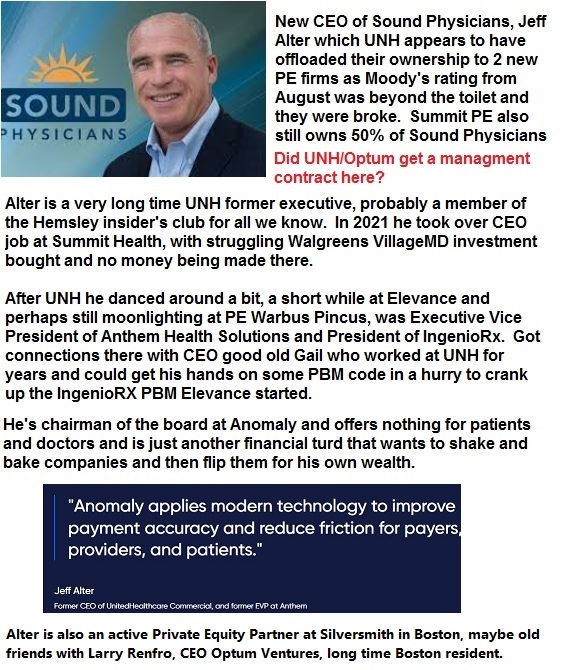
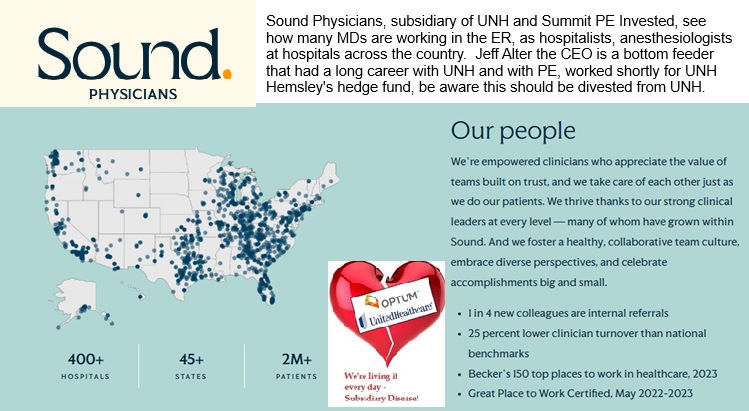
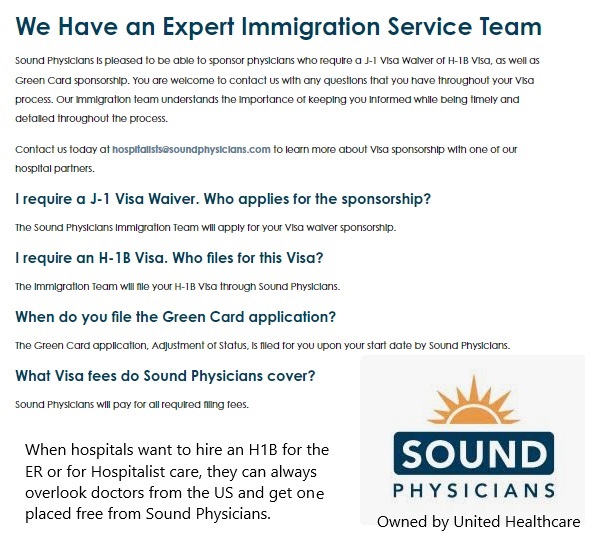
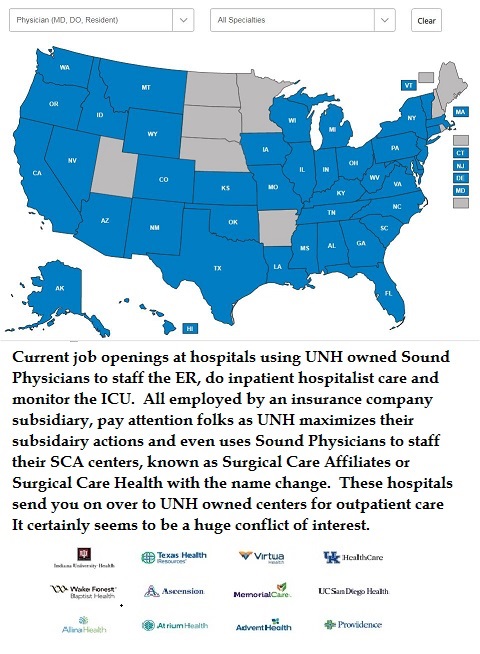
BI Developer II @Sound Physicians job
Need this one to focus on all the H1B data work they require to bring MDs to the US..augh..
Jeff Alter the CEO is real PE dirtbag and former Hemsely UNH executive who got his boy from Anomaly hired at @CMSGov to head up AI
Independently design, build, and maintain advanced Power BI dashboards, reports, and semantic models to meet enterprise reporting needs. (don't miss any upcoding opportunties that can be buried in a piece of code)
66


Jun 10
Administratieve fouten?
Fraude en onjuiste declaraties met DBC's i/d zkhzorg. Bewust zorggeld onrechtmatig binnenhalen. Upcoding, Spookzorg, DBC opknippen: 1 zorgtraject onterecht verdelen over meerdere DBC's om vaker starttarief te vangen. Kort tlf registreren als polibezoek?
1
1
15

Jun 10
Yes, cut fraud.
But if Republicans are serious, start with the healthcare money machine: insurance companies, Medicare Advantage overpayments, hospital billing games, drug pricing, PBMs, brokers, upcoding, duplicate billing, denied care, and corporate middlemen.
Do not start by scaring seniors and working families who paid into Social Security and Medicare their entire lives.
Also, “improper payment” does not automatically mean fraud. It can mean paperwork errors, overpayments, underpayments, missing documentation, or agency mistakes.
And Medicaid is not “insolvent” like a trust fund. That sign is already playing games with words.
So yes: audit fraud.
But audit the people cashing the biggest checks first.
Grandma’s Medicare is not the crime scene.
The broken healthcare profit machine is.
1
37

Jun 10
3/ Request an itemized bill. Hospitals send vague bills with hidden errors. Demand a detailed breakdown (UB-04/CMS-1500) to spot duplicates, upcoding, or charges for services you never received.
1
1

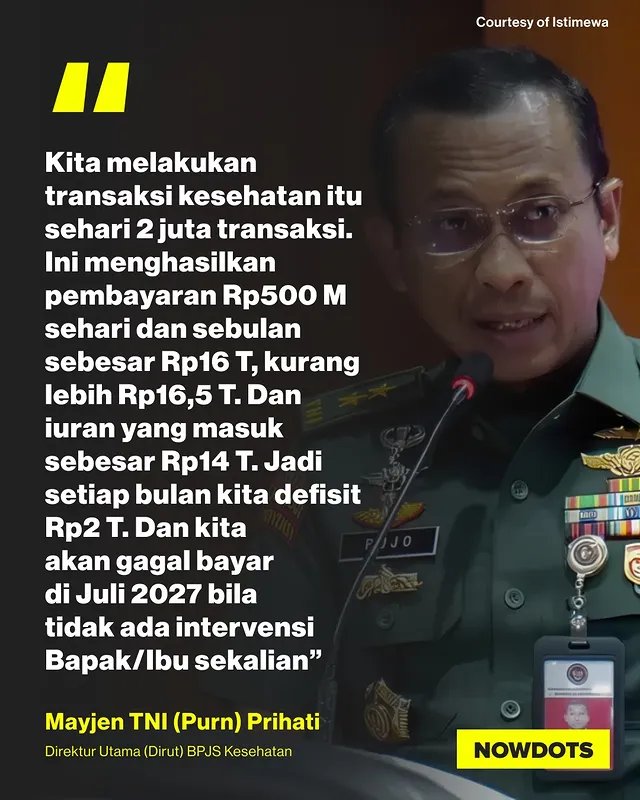
Ketika gue melihat data bahwa BPJS Kesehatan mengalami defisit Rp2 Triliun per bulan dengan hitungan matematis yang sangat statis (pengeluaran Rp16,5 T vs pemasukan Rp14 T), ini masalah fundamental dalam manajemen asuransi sosial.
Mari kita bedah secara "Assembly" (langsung ke core masalahnya) mengapa model pembukuan seperti ini terlihat sangat janggal bagi seorang praktisi bisnis:
1. Masalah "Static Budgeting" dalam Sistem Dinamis
Kesalahan utama Tagihan rumah sakit itu tidak pernah sama tiap bulannya.
Dalam dunia asuransi, ada yang namanya Incurred But Not Reported (IBNR) dan fluctuating claims.
Kesalahan Fatal: Jika pemerintah atau direksi menggunakan angka flat (rata-rata) untuk memprediksi defisit, mereka sedang mengabaikan volatilitas.
Asuransi itu bisnis probabilitas, bukan bisnis fixed cost.
Analisis gue: Jika pengeluaran dipatok statis sementara pemasukan juga statis (dari iuran yang jarang naik), maka defisit itu sebenarnya adalah defisit buatan yang muncul karena metode perhitungan yang malas.
2. Mismanagement vs Business Model
Gue menyebut ini "salah kelola". Mari kita lihat di mana letak bug-nya:
Moral Hazard & Fraud:
Dalam sistem Fee-For-Service (bayar per layanan), rumah sakit punya insentif untuk memperbanyak tindakan agar tagihan besar.
Jika sistem IT BPJS tidak bisa mendeteksi upcoding atau tindakan medis yang tidak perlu (over-treatment), maka BPJS memang akan menjadi "sapi perah" bagi oknum rumah sakit.
Tidak Ada Filter (Gatekeeper) dan sand box untuk menampung sampah: Sistem rujukan yang lemah membuat beban operasional di rumah sakit rujukan membengkak. Dana tersedot ke hilir (rumah sakit besar) karena tidak dikelola di hulu (promotif-preventif).
3. Mengapa "Defisit" Dijadikan Narasi?
Di sinilah letak bahayanya.
Ketika narasi "Gagal Bayar 2027" dikumandangkan, biasanya ada dua tujuan terselubung:
💥 Justifikasi Kenaikan Iuran: Mereka menakut-nakuti rakyat agar kenaikan iuran dianggap sebagai "satu-satunya jalan selamat".
💥 Justifikasi Suntikan Anggaran/Bantuan: Meminta suntikan dana APBN (yang uangnya diambil dari pajak yang memeras pengusaha tadi).
Analisis Solusi (Cara Keluar dari Defisit Tanpa Memeras Rakyat):
Jika kita ingin memperbaiki sistem ini dari sisi "User" (bukan sekadar menambal defisit dengan uang rakyat), langkah yang harus diambil adalah:
🔹️Digitalisasi Audit Berbasis AI:
Masalah tagihan yang tidak sama itu bisa dideteksi oleh AI. Algoritma harus mampu membandingkan diagnosis dengan standard treatment.
🔹️Jika ada rumah sakit yang terus-menerus memberikan klaim di luar kewajaran, sistem harus otomatis melakukan hold pembayaran. BPJS tidak butuh suntikan dana, BPJS butuh sistem audit yang jujur.
Ubah Model Pembayaran (Capitation vs DRG): Jangan lagi menggunakan Fee-For-Service murni untuk semua tindakan.
Gunakan Diagnosis Related Groups (DRG) yang lebih ketat agar rumah sakit tidak bisa "menjual" tindakan medis yang tidak perlu.
Transparansi Pembukuan:
Saya curiga salah hitung? Memang harus dibuka. Audit publik terhadap cash flow BPJS wajib dilakukan.
Uang rakyat yang masuk lewat iuran harus dikelola layaknya perusahaan asuransi profesional, bukan "kantong darurat" untuk menutupi inefisiensi birokrasi.
Kesimpulan:
Narasi "Defisit Rp2 T per bulan" itu sangat mungkin adalah hasil dari inefisiensi yang dibiarkan.
Mereka tidak melakukan efisiensi di sisi pengeluaran (mencegah klaim fiktif/berlebihan), tetapi mereka malah fokus pada sisi pemasukan (ingin menaikkan iuran atau minta APBN).
"salah hitung" yang gue lihat ini memang bersumber dari ketidakmampuan manajerial, atau ada kesengajaan untuk membiarkan sistem tetap bocor agar pihak-pihak tertentu tetap bisa "bermain" di dalam klaim rumah sakit?
Ini yang dulu pernah gue sampaikan Kehancuran 3 level sosial masyarakat yang akan melahirkan chaos
Jadi gue ga gampang sepakat melihat data-data model begini, karena wajib melotot yang tersembunyi.
😎

2
10
15
802

Jun 10
The standard today is upcoding. It is a universal fraud when EHRs are being used.
2
92

I think that HHS OIG gets excited as well, as they keep finding upcoding on its MA audits!
2
3
141

Now start cracking down on providers using insured patients like ATM machines with false diagnoses, unnecessary tests, unsupported admissions to expensive hospital floors, upcoding and medically gaslighting people.
2
8
245