
Vibia Africa Table Lamp >>
Sculptural Conical Form Meets Wireless Portability
1

Vibia Sabina. I would love to hear about her travels with Hadrian.
1
29

Jun 14
YESS. No one writes forbidden love like Na yoonhee. That post already applies to Su-a and Euihyeon(yes their dynamic is romantic but it is in that thin line too yk SEE MY VISION)now that works MORE on Leonides and Vibia
1
11

Jun 12
📌 Il #commercio tra burocrazia, prospettive, opportunità e rischi: se ne è parlato nel Tempio di Vibia Sabina e Adriano, sede della @camcomroma
Le parole di V. Giammaria, S. Celli, A. Aurigemma e L. Tagliavanti
Via @Corriere
roma.corriere.it/notizie/cro…
18
Hedwig Wood retweeted

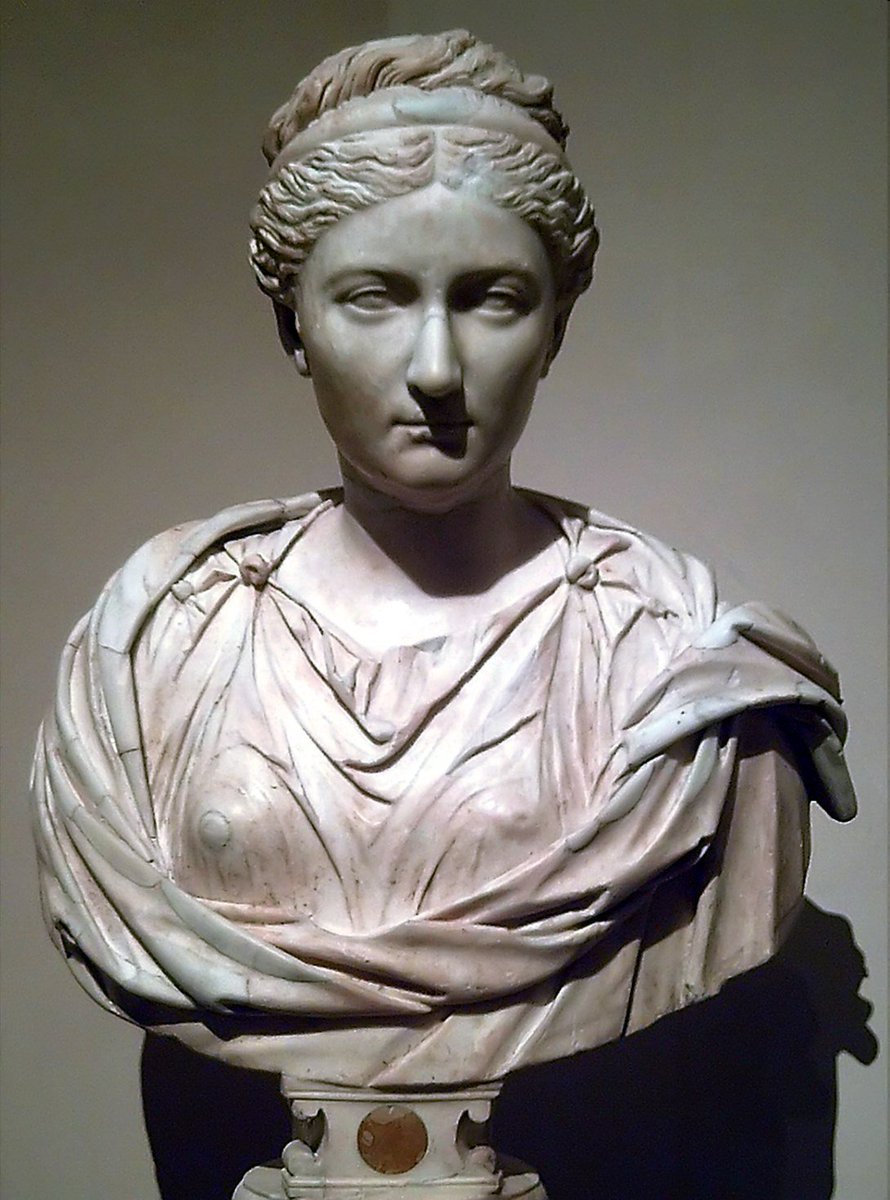
Vibia Sabina married Hadrian around 100 AD and by all accounts he couldn't stand her.
He said she was moody. She said he was cruel. Ancient sources claim he wanted to divorce her but couldn't — she was Trajan's grand-niece, and you don't dump the previous emperor's family without consequences. So they stayed married for 37 years, traveling the entire Roman world together in what had to be one of history's most awkward road trips.
She was in Egypt when Hadrian's young companion Antinous drowned in the Nile. Hadrian was devastated — wept openly, named a city after him, built temples, minted coins with his face. Meanwhile Sabina stood there as the actual empress, watching her husband publicly grieve someone else on an imperial scale.
She outlived Antinous by about 6 years. Then she died too, and rumors immediately spread that Hadrian had her poisoned to get her out of the way before naming his heir.
Rome's response? They made her a goddess anyway.
Her face is on coins from Britain to Syria. Marble portraits of her exist in museums across the world. She traveled more than almost any Roman woman in history, endured one of antiquity's most documented bad marriages, and still ended up immortalized in stone everywhere Hadrian's empire reached.
Vibia Sabina didn't need the marriage to work. She just needed to outlast it. Almost.
3
11
79
3,220

📍-1
DOMANI 11 giugno, alle ore 11.00, ti aspettiamo nella Sala del Tempio di Vibia Sabina e Adriano, in Piazza di Pietra, per l’Assemblea Pubblica Confesercenti d’Area.

3

Jun 9
A thousand years from now, no one will remember your name or your struggles. Your “important” life is merely a blink in the eye of a dying sun.
— Friedrich Nietzsche
Reflecting on what I read about Hadrian’s wife, Vibia Sabina, alongside Nietzsche’s sobering words, left me deep in thought.
Here was a woman who achieved immortality in stone carvings and on Roman coins without ever enjoying a successful or fulfilling marriage. It seems she did not need marital happiness — only the endurance of the relationship itself.
As long as she remained the emperor’s consort, her image would endure on monuments and currency. In the end, she met a suspicious death.
To me, it was a shared life in which she experienced a kind of daily dying, culminating in a final, murky end. The question lingers: Was the promise of being etched into history truly worth enduring such a hollow existence?
Many people craft their own spiritual torment. Their partnership becomes a battlefield, a theater of conflict that drags on until a tragic conclusion. Hadrian lacked the courage to divorce; Sabina remained, chasing the name and status the role conferred.
In truth, such unions are often little more than public displays — carefully arranged shop windows that appear respectable and enviable from the outside, yet are rotten within. Fear of societal judgment drives decisions and choices, even when it means remaining in a relationship that contradicts one’s deepest will.
Those who impose such coercion and pressure rarely, if ever, share in the resulting pain and silent suffering. With selfish indifference, they create conditions that force others into painful compromises, then wash their hands of the consequences. What the trapped couple endures afterward — how deeply they drown in resentment, how much quiet agony they carry — matters not to them.
Standing firm against those who presume to decide your happiness through indirect collective pressure is among the most essential acts of self-respect. It is the courage to say no to a cold, joyless life filled with hidden torment.
Neither your rights nor your happiness will be handed to you. You must claim both — resolutely and without apology.
To have been Emperor and Empress of Rome, yet to have spent a lifetime in emotional conflict and icy detachment, is a profound failure of personal wisdom and reason.
The story of Vibia Sabina and Emperor Hadrian, when placed beside that of Cleopatra VII and Mark Antony, offers a striking contrast in how power, legacy, and personal relationships intersect — and what price is paid for immortality.
Sabina’s union with Hadrian was a cold, formal marriage of political necessity. She gained the title of Empress and eternal representation on coins and monuments, yet endured a joyless, emotionally barren life marked by daily alienation, rumored tensions, and a suspicious death. Hadrian reportedly lacked the courage (or political will) to divorce her, while Sabina remained for the status and name. Their relationship was a public façade: impressive from the outside, hollow and decaying within. Legacy was preserved through imperial duty, but at the devastating cost of personal happiness and inner peace.
— Par.
#Iran

Vibia Sabina married Hadrian around 100 AD and by all accounts he couldn't stand her.
He said she was moody. She said he was cruel. Ancient sources claim he wanted to divorce her but couldn't — she was Trajan's grand-niece, and you don't dump the previous emperor's family without consequences. So they stayed married for 37 years, traveling the entire Roman world together in what had to be one of history's most awkward road trips.
She was in Egypt when Hadrian's young companion Antinous drowned in the Nile. Hadrian was devastated — wept openly, named a city after him, built temples, minted coins with his face. Meanwhile Sabina stood there as the actual empress, watching her husband publicly grieve someone else on an imperial scale.
She outlived Antinous by about 6 years. Then she died too, and rumors immediately spread that Hadrian had her poisoned to get her out of the way before naming his heir.
Rome's response? They made her a goddess anyway.
Her face is on coins from Britain to Syria. Marble portraits of her exist in museums across the world. She traveled more than almost any Roman woman in history, endured one of antiquity's most documented bad marriages, and still ended up immortalized in stone everywhere Hadrian's empire reached.
Vibia Sabina didn't need the marriage to work. She just needed to outlast it. Almost.
1
452
やま@家垢 retweeted

Jun 8
//
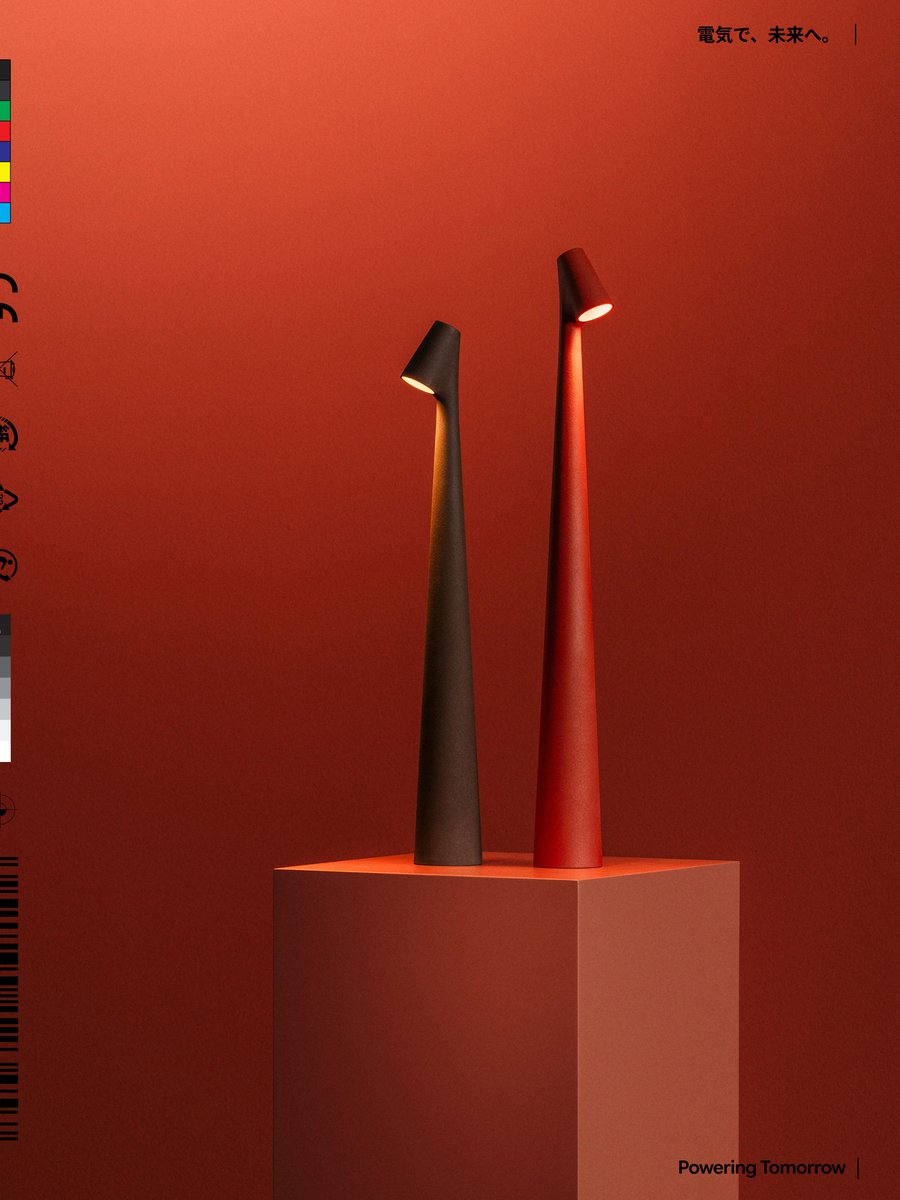
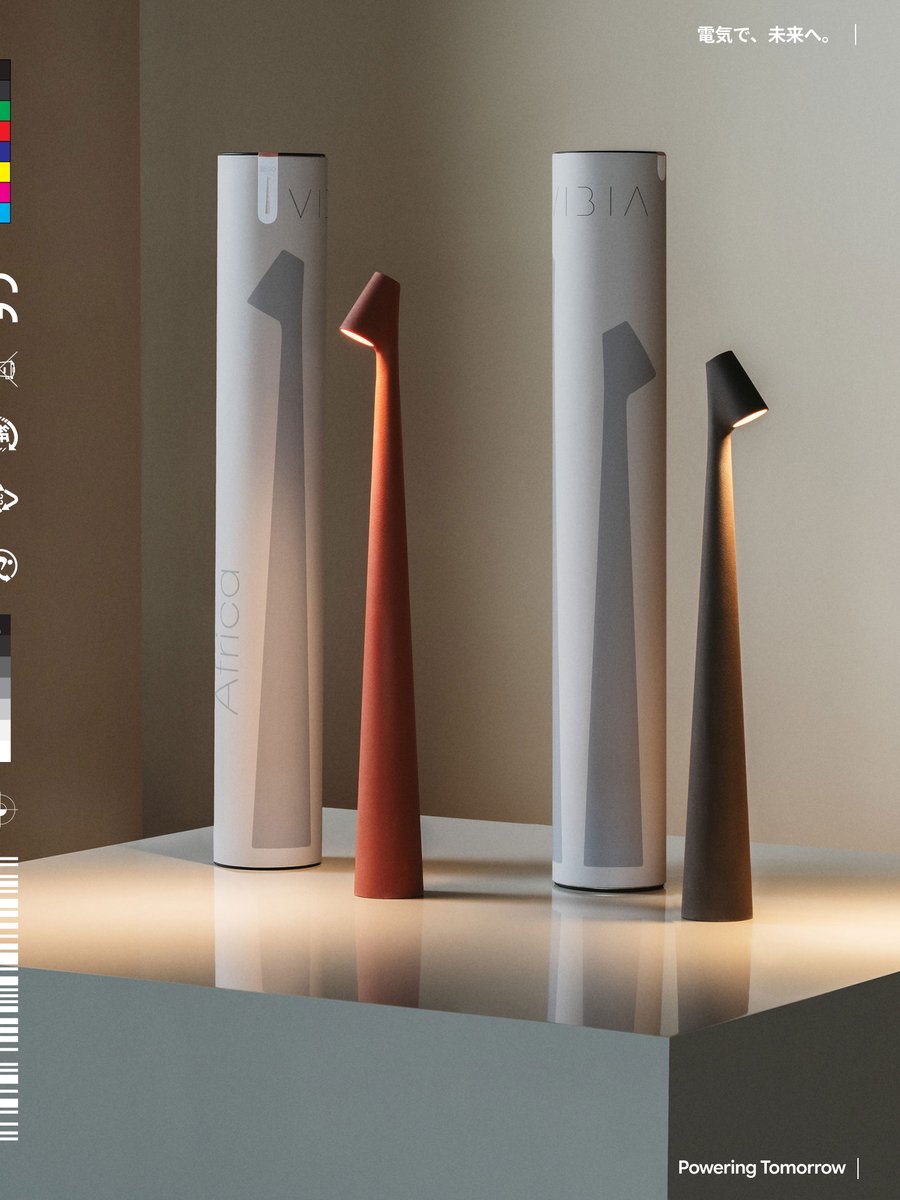
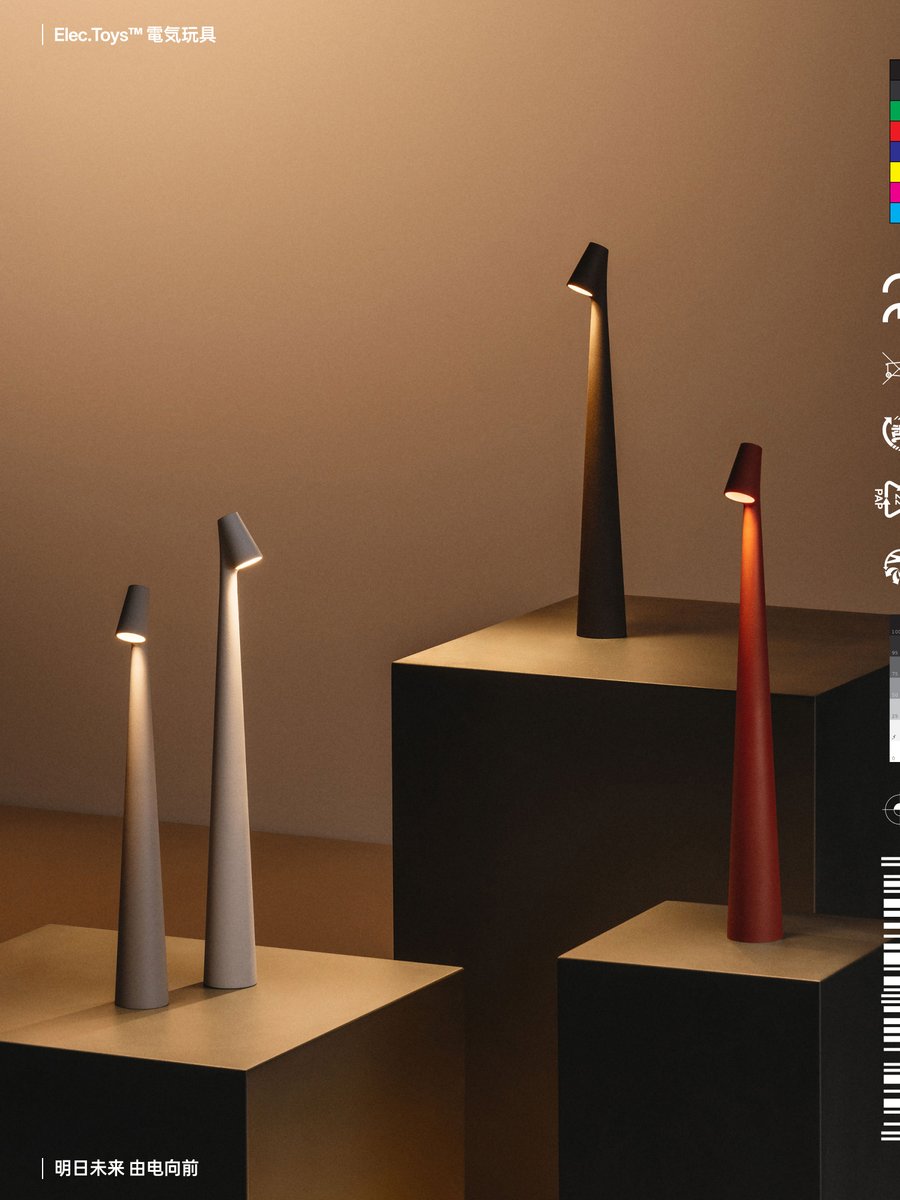
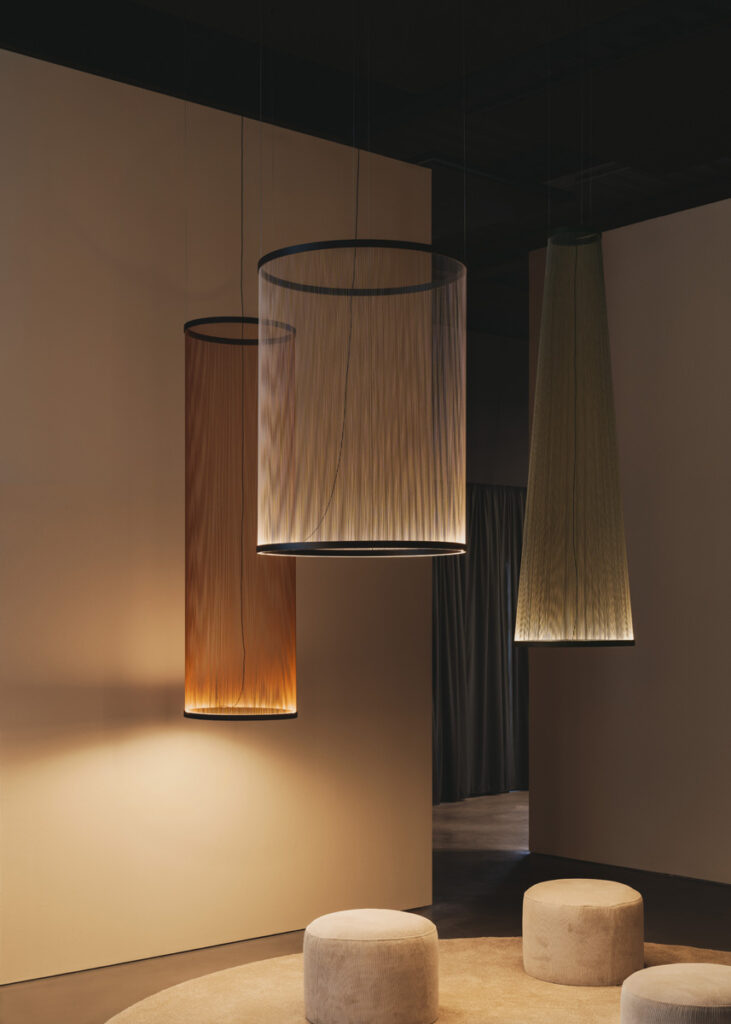
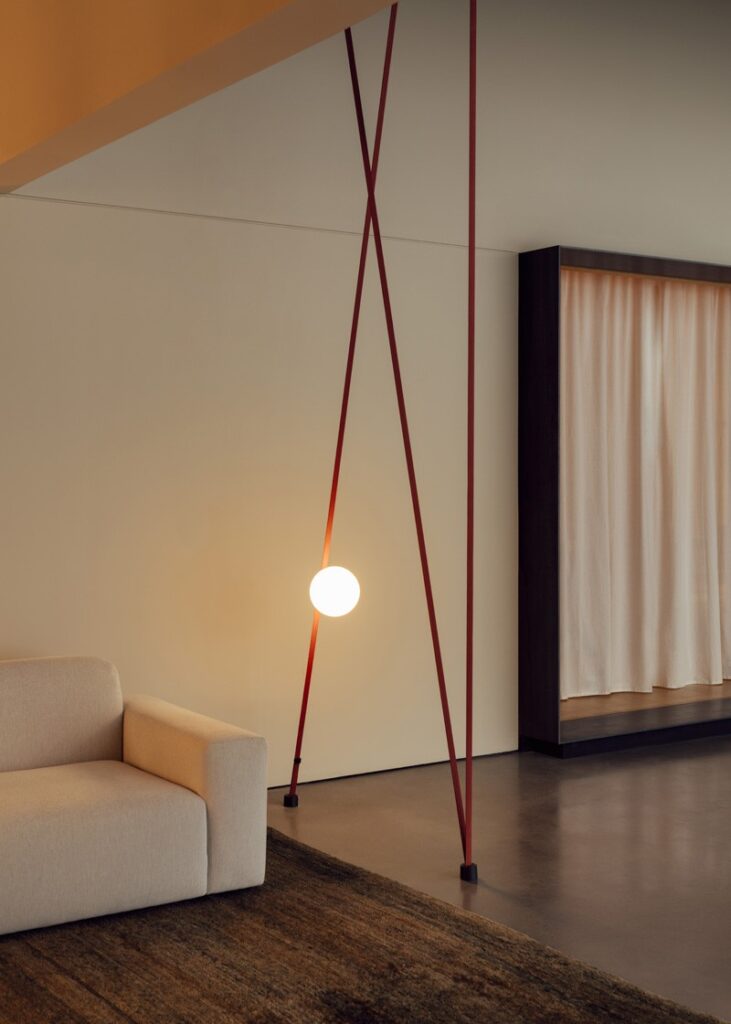
📢YAMAGIWAが独占取り扱いを開始したスペインの照明ブランド「VIBIA(ヴィビア)」
\\
ちょっと独特な雰囲気がある。なんとなくスペイン感😊
1
1
4
421
Citizens' Dawn ✝️🐂 retweeted

She walked into the arena knowing she would not walk out. Vibia Perpetua was just a young noblewoman in Roman Carthage—educated, privileged, and newly a mother—when she made a choice that would cost her everything. Around 203 CE, under the rule of Septimius Severus, converting to Christianity was seen not just as rebellion, but as a threat to the state itself. Perpetua was arrested alongside a small group of believers, including her pregnant servant, Felicity.
What followed is one of the most intimate—and unsettling—records to survive from the ancient world. While imprisoned, Perpetua kept a diary. Not a legend written centuries later. Not a story shaped by others. Her own words. She described the darkness of the cell, the fear, the pressure—and the visits from her father, who begged her to renounce her faith. He pleaded as a parent, as a citizen, as a man desperate to save his daughter. He even brought her infant son to her, hoping it would break her resolve.
It didn’t.
Perpetua refused—not coldly, but with a clarity that feels almost impossible to understand. She believed she could not deny what she had become. And in a world where women were expected to obey, yield, and survive quietly, that refusal was its own kind of rebellion.
The story grows even more striking. Felicity, heavily pregnant in prison, feared she would be spared execution—Roman law forbade the killing of pregnant women. According to the account, she prayed to give birth early so she could die alongside the others. She did. Days before the execution.
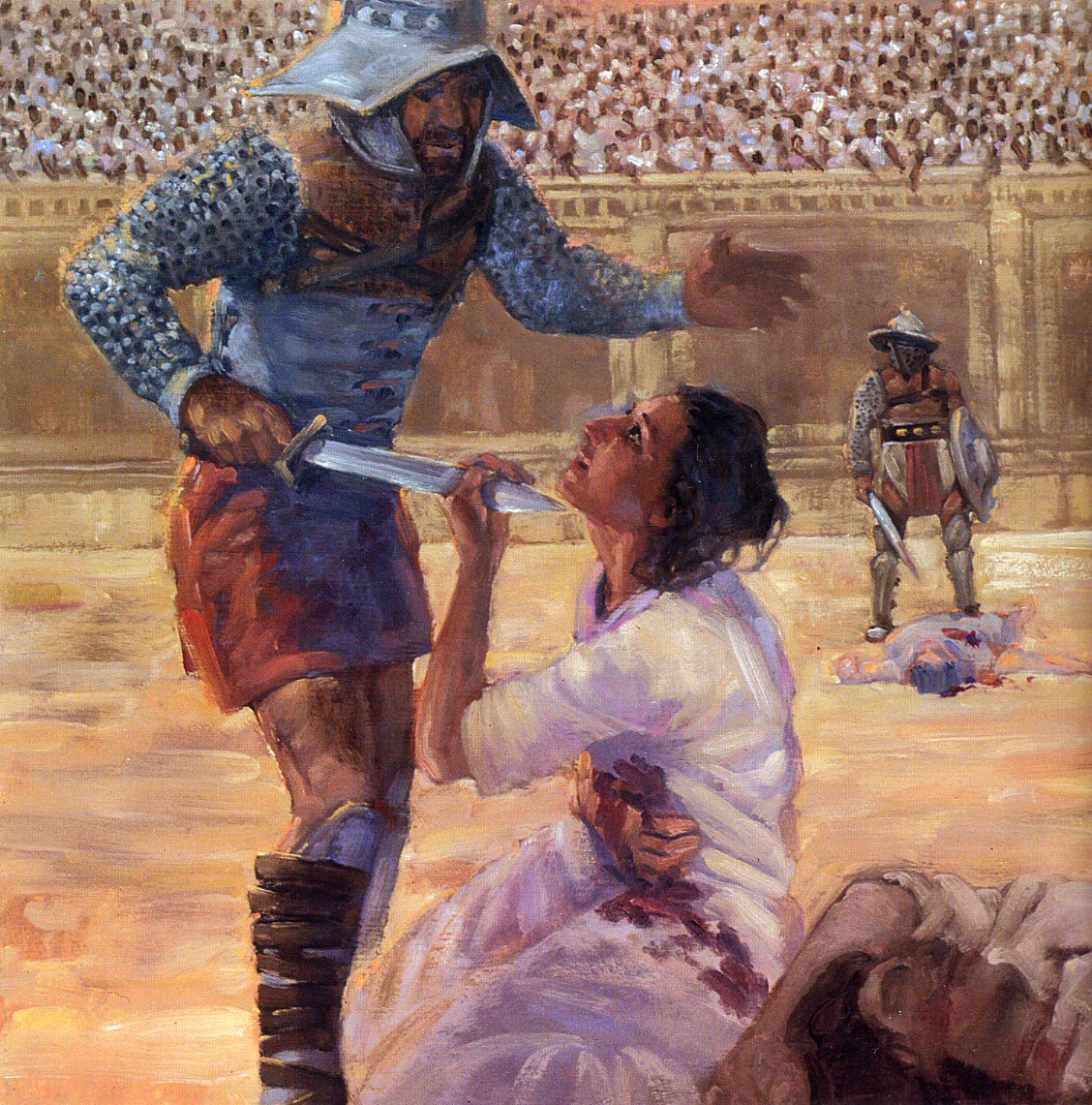
When the day came, the women were sent into the arena. The crowd expected fear, spectacle, submission. Instead, witnesses described something else entirely. Calm. Even defiance. Perpetua is said to have guided the trembling hand of the young gladiator sent to kill her—steadying him when he hesitated.
It’s a moment that has echoed for centuries—not because of violence, but because of control. In the final seconds of her life, she refused to be reduced to a victim.
Her diary, preserved in what became known as The Passion of Perpetua and Felicity, is one of the earliest surviving texts written by a Christian woman. But beyond its religious significance, it reveals something raw and human: fear, love, conviction, and a will that would not bend—even under unimaginable pressure.
© Women In World History
#archaeohistories
113
628
3,015
181,003
📍 Giovedì 11 giugno, alle ore 11.00, ti aspettiamo nella Sala del Tempio di Vibia Sabina e Adriano, in Piazza di Pietra, per l’Assemblea Pubblica Confesercenti d’Area.

9