
9h
4. Aprende arquitectura (nivel PRO)
Aquí te vuelves senior:
✅ MVVM
✅ Clean Architecture
✅ Separación de capas
Stack clave:
- ViewModel
- Retrofit (APIs)
- Room (DB)
- Hilt (DI)
💡 IA tip: Genera un proyecto Android con Clean Architecture
1
7
9h
2. Dómina Android moderno
Olvídate del Android antiguo 👇
✅ Jetpack Compose (UI moderna)
✅ Navigation
✅ ViewModel (gestión de estado)
IA tip: Crea una pantalla en Compose con login validación
1
14

🚀 Koin 4.2.2 is here!
This maintenance release fixes CoreResolverV2 regressions from 4.2.0, including resolver, ViewModel scope, and Ktor request-scope fixes.
Also included:
- tvOS support
- R8/ProGuard guidance
- Faster "bind()"/"binds()"
github.com/InsertKoinIO/koin…
#AndroidDev
1
75
Morv0w retweeted

Jun 11
Benelli M4
Viewmodel anims by Altron!
I set up a whole pipeline for unreal-standard IK rigs with vertex bone controls being workable as roblox-compatible FK rigs, which has worked great
You can still see the navmesh/cover visualizer as well here lol
#robloxdev #roblox
22
25
532
25,419

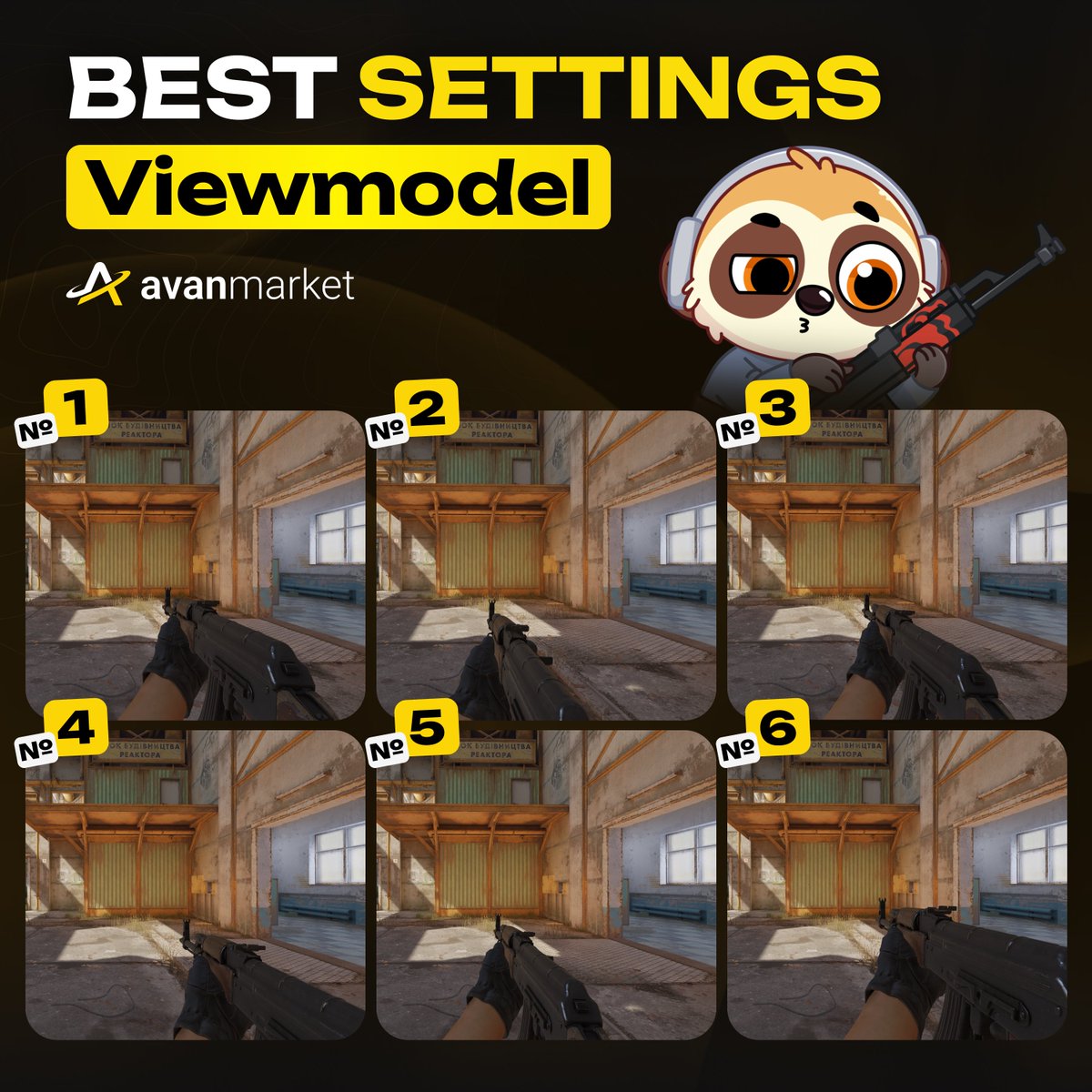
Setting up the perfect hand position in CS2 😎
We’re showing 5 of the best options with console commands, so everyone can find the setting that suits them best.
1️⃣ Default
Settings ➜ Game ➜ Item ➜ Viewmodel position ➜ Default
2️⃣ viewmodel_fov 54; viewmodel_offset_x -2; viewmodel_offset_y -2; viewmodel_offset_z -2
3️⃣ viewmodel_fov 64; viewmodel_offset_x 1.5; viewmodel_offset_y 2.0; viewmodel_offset_z -2
4️⃣ viewmodel_fov 54; viewmodel_offset_x 2.5; viewmodel_offset_y -2.0; viewmodel_offset_z -2.0
5️⃣ viewmodel_fov 65; viewmodel_offset_x -0.5; viewmodel_offset_y 1; viewmodel_offset_z -2
6️⃣ viewmodel_fov 54; viewmodel_offset_x 2.0; viewmodel_offset_y -2.0; viewmodel_offset_z 0
Test all the options in-game and let us know which viewmodel turned out to be the best 👇
Info: @TSpirit_Academy
23


Finished this GMod port for @markostrikes on Discord recently
Model’s called Melody ✨
Also added viewmodel hands support for her too.
you can always check us out on: kaidocorp.carrd.co
#GMod #SourceEngine #garrysmod #Gamemods #GameModding
3
145

Siempre pechiando aqui es mi basural de clips tenia buena viewmodel ahi wuajaja
1
58

MVVM ViewModelのViewに対する責務は
・Viewからの入力を受け付けて処理を進める。
(ViewModel単体処理するとはかぎらない)
・Viewの状態を制御する。
qiita.com/vivinko/items/01bf…
9
The MastHERmind: FF7 for DbD retweeted

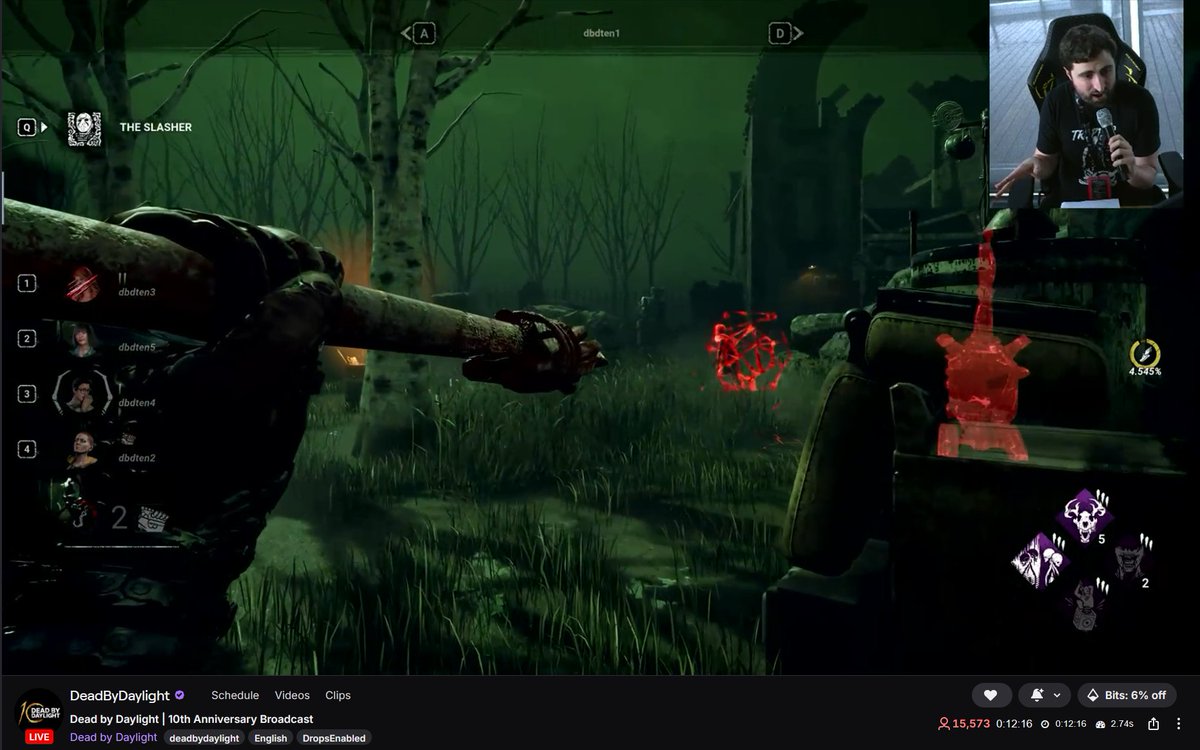
they didnt change spear viewmodel oh bhvr when i get you....
2
1
200
11,390


Jun 14
"Inline callbacks in Composables are killing my performance."
This is a widespread misconception.
Lambdas can allocate, but the cost is often vastly overstated.
Non-capturing lambdas are cheap, and capturing lambdas only become interesting when they are recreated often enough to matter. More importantly, recent versions of Compose handle this case much better than old advice suggests.
Historically, an inline callback such as onClick = { viewModel .select(id) } would often create a new lambda instance during recomposition.
The concern was not the allocation itself, but the fact that a new lambda instance could make parameter comparisons fail, preventing child composables from being skipped even when nothing meaningful had changed.
With strong skipping enabled, the Compose compiler automatically remembers many lambdas passed to composable parameters.
An inline callback like onClick = { viewModel .select(id) } can be treated as if it had been wrapped in remember{}, using the values it captures as keys.
As long as those captured values remain the same, the callback keeps a stable identity across recompositions, making it much easier for Compose to skip work that doesn't need to happen.
In most apps, lambda allocations are nowhere near the top bottleneck. Don't rewrite clean, readable code based on a vague fear of allocations if you haven't measured first.

3
2
16
1,413

Jun 14
The concept is epic and my project has viewmodel shadows. But my project does it by placing the torso of the player behind the viewmodel itself so that it’s synced with the viewmodel animations. It exists purely to cast shadows and block light that would be shining from behind
3
41

"highlight of the year" ruined by left hand viewmodel.

121
BaconSawl retweeted

21 Jun 2024
6
7
51
2,029


Jun 14
ソニックのスピンアタック音を思いついたので電動ドリルを引っ張り出して録音したけどうまくいかないしそもそも音いらない
悪手すぎる
迷走中
設定UIとViewmodelはもう作っちゃったし
リファクタ同時にやったから直すのに消さなきゃ
1
23

Jun 14
1
35
Jun 14
25