
Gay rights, Trans rights, your view on the educational system and its downfall into Indoctrinating children into liberal based viewpoints like gender studies and race.
3

10. مساعد بحث احترافي
حط هالكلام في Claude:
“I need a deep analysis of: [topic].
Don't summarize immediately.
First investigate:
• the most important facts
• expert opinions
• conflicting viewpoints
• recent developments
• potential risks
• future trends
Then create a comprehensive report with actionable insights and recommendations.”
1
3

« Let 3 experts discuss »
To avoid a biased answer
Artificial intelligence compares different viewpoints and comes up with a strong conclusion for you
1
3

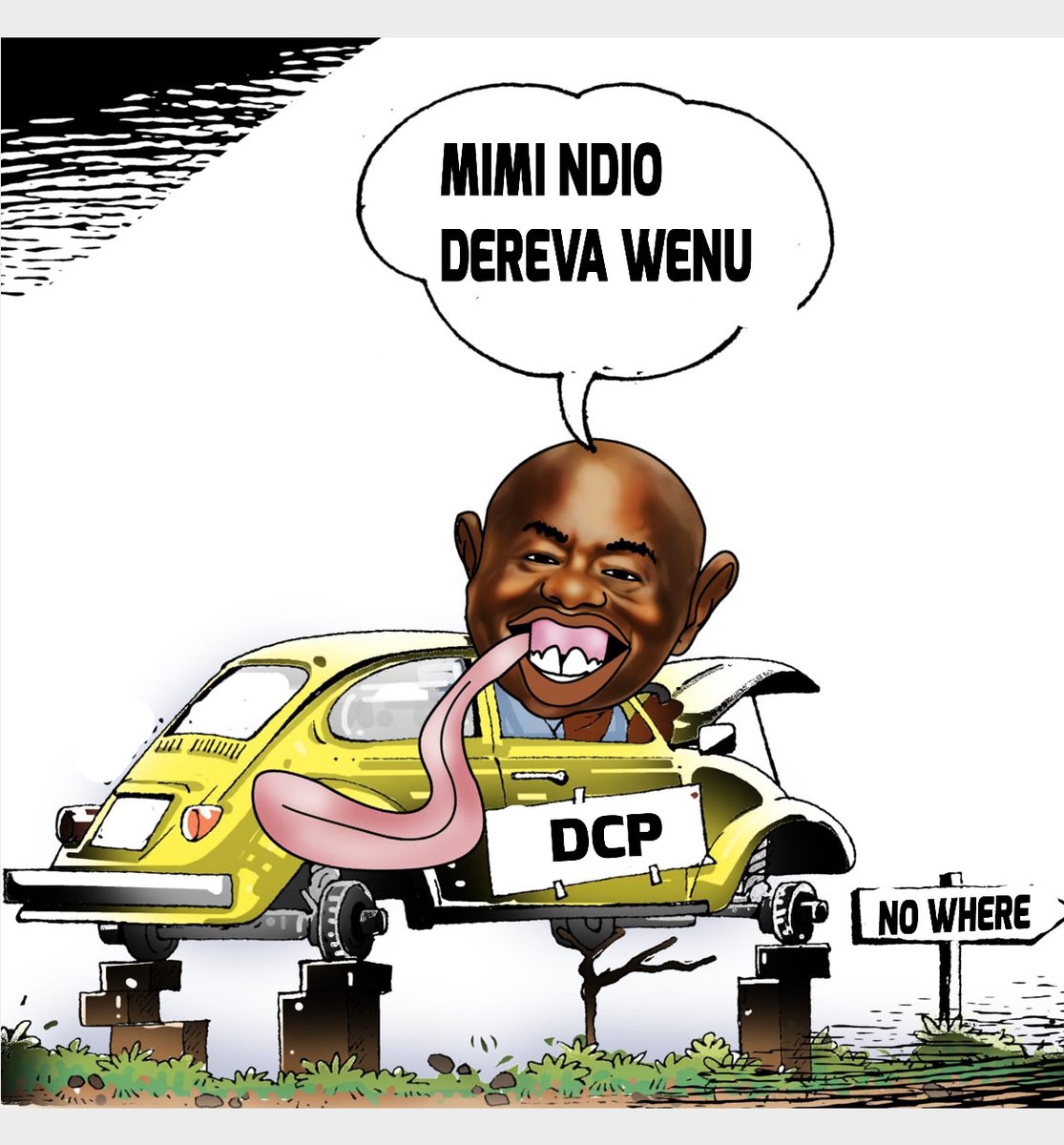
Gachagua’s Pursuit of Power and Wealth Could Undermine Opposition Unity
As Kenya moves closer to the 2027 General Election, many citizens are looking to the opposition to provide a credible alternative to the government. However, the biggest threat to opposition unity may not come from its political rivals, but from internal ambitions driven by the pursuit of power and personal interests.
A growing concern among political observers is that Rigathi Gachagua’s political approach appears increasingly centered on personal influence, control, and political relevance rather than building a broad-based national movement. While every politician seeks leadership, successful opposition coalitions require compromise, patience, and the willingness to place collective goals above individual ambitions.
One of the challenges facing the opposition is the perception that Gachagua wants to be the dominant voice and principal beneficiary of any coalition arrangement. Such a position naturally creates tension among other opposition leaders who also command significant political support and expect to be treated as equal partners. When coalition politics become a contest of egos, unity becomes difficult to sustain.
Questions have also been raised about the role of resources and political bargaining in opposition politics. Critics argue that an excessive focus on political rewards, positions, and influence risks distracting leaders from the issues that matter most to ordinary Kenyans, including the cost of living, unemployment, healthcare, and economic opportunities. Voters are more likely to support a coalition that is united around solutions than one perceived to be negotiating over power.
Furthermore, opposition coalitions succeed when they attract support from diverse regions and communities. A leader who is viewed as prioritizing personal political interests may struggle to inspire confidence beyond his core support base. National leadership requires the ability to build trust across the country and accommodate differing viewpoints.
Ultimately, the opposition’s success will depend on whether its leaders can subordinate personal ambitions to a common national agenda. If internal competition for power and influence continues to overshadow the broader mission of offering Kenyans a compelling alternative, the opposition risks remaining divided and ineffective.
For many Kenyans, the lesson is simple: no coalition can succeed if individual interests consistently come before the collective good. Unity requires sacrifice, and without it, even the strongest opposition alliance may fail to make meaningful political headway.
3

There are a few viewpoints and some of them overlap. The director was (maybe still is being?) sued by an actress from the first film for sex pestery reasons. Then you have the first film where Art basically draws out and tortures women but 'quickly' kills men. Which paints >>
1
58

We’re able to offer criticism, hear opposing viewpoints, and respond with intelligence, grace, and thoughtful rebuttals instead of immediate hostility. It’s a reminder that most people are far more reasonable than the culture wars would have us believe.
1

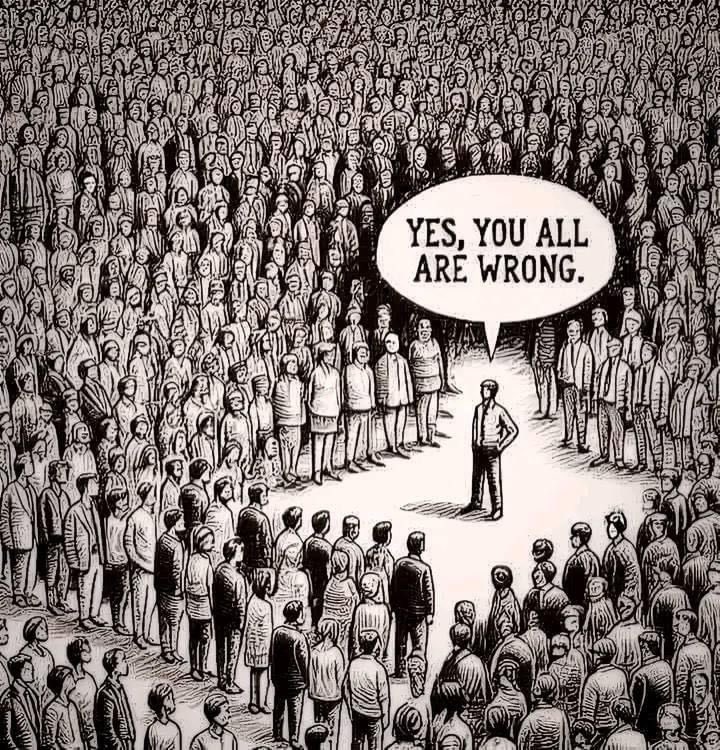
There's elements of Horseshoe Theory in the Uma fanbase where both extremes in debates ultimately want the same thing:
1) To decide for everyone what is "correct"
2) To paint everyone who disagrees as an enemy
when there's multiple valid interpretations for different viewpoints

3


22m
Well before I do that, can I ask what you classify as immoral? Because due to our polar opposite viewpoints it might be impossible for us to agree or come to a fair conclusion
1
7

26m
yes, this is unfortunate... and i think it's partly because some viewers *do* approach the series through a shipper or fan lens, so they assume that other people are doing the same thing. or neutral viewers see lots of those shipper-first viewpoints and think everyone does that
1
1
8

That is remarkably forward of you, I must admit, but admirable. Seeing things from other viewpoints is important, especially in my line of work as a detective.
( Caitlyn had some tension but that is let go as she opens her eyes. )
Likewise, Leona.
23

Somaliland maintains its own institutions, leadership structures, and political aspirations, which are supported by many of its citizens. A significant number of Somalilanders believe that decisions regarding their future should reflect the will and preferences of the people of Somaliland.
We express support for President Abdirahman Mohamed Abdullahi (Irro) and his efforts to advance Somaliland's interests while promoting stability and security. Disregarding or minimizing the perspectives of Somalilanders may contribute to increased political and social divisions.
Respect for differing political viewpoints remains essential, and many supporters of Somaliland's cause maintain that their historical experiences and democratic expressions deserve acknowledgment and thoughtful consideration. It would be more constructive for all parties to address the challenges within their own jurisdictions while engaging in dialogue about the affairs of others with mutual respect and understanding.
1
19
TXHCgal retweeted

Well I guess I am thankful I live in a country where people have different viewpoints..no matter how delusional some are.
1
2
315
Youre the one going around social media telling people "tourists" or whatever inane thing you want call people who express their opinion and viewpoints about anime characters. They don't need to "cater" to anyone but Im free to voice my opinion about it.
5
WhiteBread retweeted

Jun 14
For those of you seeing this from either side: my parents and sister do not share my viewpoints. I care about them, so I ask that you do not assume they are guilty by association. Even if some of you wish to ruin my life, I ask that you keep my family out of this for their sake.
255
45
1,964
82,645

Raising a hue and cry of three Kerala VCs attending a meeting addressed by Mohan Bhagwat, RSS chief is inappropriate and without understanding the perspective. Just by attending a meeting doesn't mean they are subscribing to their ideology. These three individuals are primarily academicians. We read various books authored by individuals of different hues, religion, culture and even of those whom we dislike because of their ideologies irrespective of their standing. Similarly hearing is another form of reading as gaining knowledge is primarily a process of engaging with diverse viewpoints and ideas. Academic leaders, in particular, are expected to remain open to different perspectives, interact with people across ideological spectrums, and encourage intellectual inquiry. Attending a lecture or meeting should not automatically be construed as endorsement of the speaker's beliefs. Rather, it reflects a willingness to listen, understand, and critically evaluate ideas, which is fundamental to education and scholarship.
8

@Stanford This is a disgrace. Why do you tolerate this behavior? It would be highly unlikely that these entitled brats didn’t show this intolerance for other viewpoints and general disrespect toward people who disagreed with them while on your campus for four years.

We really need to address the fact that our most coveted universities are giving their seats to ingrates who hate their country and are radical communists It's not a handful of disruptors causing a problem. It seems like at least half the students are boycotting.
8

Hard to say that when so much of this app is nonstop leftist content and threats against the president are made daily to the tune of millions of likes. Regardless of your political stance the app rewards divisive and controversial viewpoints which very much includes leftists.
5

With your handle... You can disagree with other citizens' viewpoints, but that is the most UnAmerican fucking thing you could post.

Send over the barbarians from here & we have a deal. That includes ALL libtards.
2

I won’t lie, I do see it, but I also still think she’s making a big deal out of nothing. Two sides have its viewpoints
39