

Nanami is here! She's doing a show wirh Diana in Paris in a month, and I'm literally next door that weekend for a Visual Kei festival. If the times work out, I'll go to the show.
#STARDOM

今井日出男@いまいぷぅ😘💛 retweeted

♡o。 。o♡o。 。o♡o。 。o♡
𝗡𝗘𝗪 𝗩𝗜𝗦𝗨𝗔𝗟 & 𝗖𝗢𝗦𝗧𝗨𝗠𝗘
♡o。 。o♡o。 。o♡o。 。o♡
💜裕木真生-Yuki Mai-💜
𝑴𝒆𝒎𝒃𝒆𝒓 𝑪𝒐𝒍𝒐𝒓 ▶︎▶︎ Purple
𝑪𝒉𝒆𝒄𝒌 ▶︎▶︎ (@TOT_maimai)
#オケトー
♡o。 。o♡o。 。o♡o。 。o♡


1
59
303
7,459

my hope retweeted

1h
menurut gue visual james itu bener-bener pantes untuk selalu dibicarakan dan diviralkan sama banyak orang, karena liat aja seindah ini loh fitur wajah dia
gue beneran sampe kehabisan kata-kata buat mendeskripsikan seberapa cakep visualnya james chao ini 😭🤎


2
12
89
464
ベル retweeted

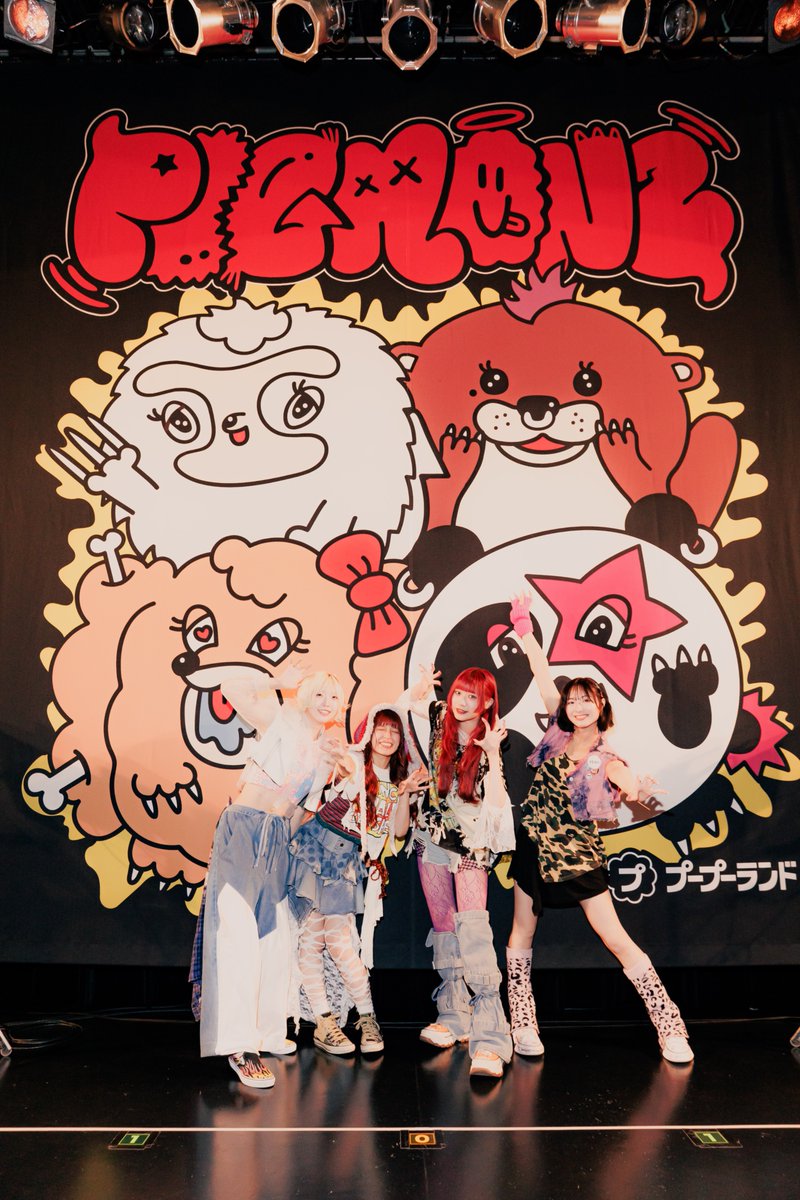
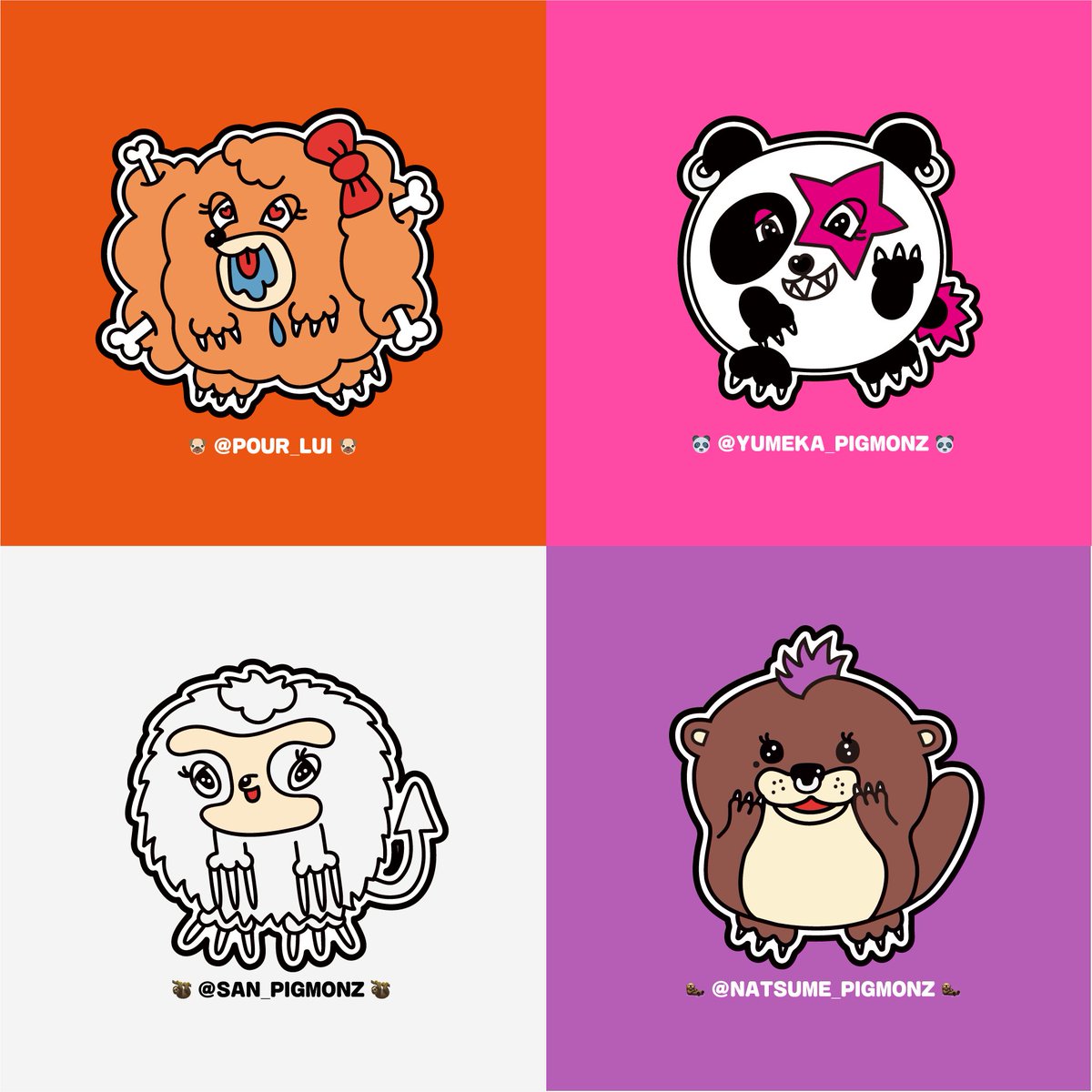
⚡️⚡️MONSTER ILLUST VISUAL⚡️⚡️
昨日のステージバックドロップで登場したモンスターイラスト!!!!
🐶 プー・ルイ @POUR_LUI
🐼 ユメカ @YUMEKA_PIGMONZ
🦥 サン @SAN_PIGMONZ
🦦 ナツメ @NATSUME_PIGMONZ
📼新体制お披露目ライブ
アーカイブ公開中!
youtube.com/live/umlK_PGsuO0
🎤 #POWERFULPIGMONZTOUR
新体制初の全国ワンマンツアー開催!
🎫pigmonz.com/contents/395751
🎤 #プープーランドフェス2026
🗓️8/16(日)📍WWWX
PIGGSと2マンライブ!
🎫pigmonz.com/schedules/111393
ちぇっくよろモン🧌🔥
#PIGMONZ #うらどる
7
60
321

Askin my man to send a video, showing how to put n take off a belt…, IM A VISUAL LEARNERR


┈┈┈┈┈┈༺🕯️༻┈┈┈┈┈┈
『#すべての美しいモンスター』
𝐀 𝐕𝐢𝐬𝐮𝐚𝐥 𝐃𝐢𝐚𝐫𝐲 & 𝐒𝐡𝐨𝐨𝐭𝐢𝐧𝐠 𝐃𝐢𝐚𝐫𝐲
┈┈┈┈┈┈┈┈┈┈┈┈┈┈┈┈┈
#エスドラ 第2弾作品『すべての美しいモンスター』より、オフショット・場面写真と、「ハッピーバースデーの歌 撮影裏Making」を公開🧟🥀
お見逃しなく👀🔍✨
オフショットはこちらから(Instagram📸):instagram.com/p/DZjw76Cj1aa/…
メイキングはこちらから(TikTok🎶):vt.tiktok.com/ZSQxxuQQU/
4
67
159
5,582

Subdit Jatanras Ditreskrimum Polda Metro Jaya menggerebek dua lokasi bertaruh berkedok game arcade di wilayah Jakarta Barat dan Jakarta Utara. Dalam operasi itu, polisi mengamankan 69 orang serta menyita ratusan mesin permainan yang diduga digunakan untuk praktik bertaruh.
Kasubdit Jatanras Polda Metro Jaya AKBP Abdul Rahim mengatakan penggerebekan dilakukan pada Selasa (10/6) malam sekitar pukul 21.45 WIB di dua lokasi berbeda. Operasi tersebut dipimpin Kanit 2 Jatanras PMJ AKP Reza Arif Hadafi. Lokasi pertama berada di Dissney Time Zone di Jalan Jembatan 3 Raya, Penjaringan, Jakarta Utara. Dari lokasi itu, polisi menyita 76 unit mesin bertaruh.
Sementara lokasi kedua berada di Sky Time Zone di Jalan Taman Surya Boulevard, Kalideres, Jakarta Barat. Polisi mengamankan 58 unit mesin perjudian dari tempat tersebut. Abdul Rahim menjelaskan, pertaruhan pakai mesin roulette, naga putar, bola angin, sampai tembak burung.
Dalam praktiknya, pemain disebut melakukan deposit secara tunai maupun transfer yang kemudian dikonversi menjadi voucher. Voucher itu lalu ditukar menjadi koin untuk memainkan mesin.
Catatan redaksi: Konten menampilkan beberapa visual yang telah diblur, mengikuti kondisi aset asli dari sumber yang memang sudah diblur.
source :instagram.com/kumparancom
kumparan.com/kumparannews/27…
1






Elon Musk’s humanitarian efforts primarily come through his companies (Tesla, SpaceX/Starlink, Neuralink, xAI) and the Musk Foundation, rather than traditional large-scale personal philanthropy like building hospitals or orphanages.
Musk Foundation & Direct Philanthropy
• Musk Foundation: Focuses on renewable energy, human space exploration, pediatric research, science/engineering education, and safe AI development. It has received billions in Tesla stock donations (e.g., ~$5.7B in 2021, total assets over $14B by late 2024). Annual grants have grown (e.g., $474M in 2024), but often go to Musk-affiliated causes like schools or local Texas projects near SpaceX sites.
• Key donations include: $55M to St. Jude Children’s Research Hospital, $100M for carbon removal (XPRIZE), support for Flint, MI (water filters/laptops), Brownsville, TX community projects, and disaster relief orgs like Team Rubicon and GiveDirectly.
• Signed the Giving Pledge (2012) to donate most of his wealth to causes.
Tesla & Environmental/Sustainable Energy Impact
• Tesla has accelerated the shift to electric vehicles and renewable energy, with customer vehicles reportedly avoiding ~20 million metric tons of CO₂e emissions in some years. Musk has advocated for sustainable transport and opened Tesla patents to competitors.
• Deployed Powerwall batteries and solar for disaster relief (e.g., Puerto Rico after hurricanes).
• $100M XPRIZE for carbon removal tech.
SpaceX & Starlink – Connectivity & Disaster Response
• Starlink: Provides satellite internet in remote, disaster-hit, or conflict zones. Used extensively in Ukraine for civilians, hospitals, schools, and infrastructure (humanitarian defense). Partnerships with US State Department for global disaster preparedness. Deployed in hurricanes, typhoons, Ebola outbreaks, and more.
• SpaceX advances human space exploration (potential long-term multi-planetary backup for humanity).
– Medical Breakthroughs for Disabilities
*Neuralink (founded by Musk) develops brain-computer interfaces aimed at helping people with neurological conditions. As of 2026:
• Paralysis/ALS/Quadriplegia: Multiple human trials (PRIME study). Patients have controlled computers, phones, robotic arms, and played games using thoughts alone. Some regained greater independence.
• Vision restoration (“Blindsight”): Upcoming trials to stimulate the visual cortex for people with severe vision impairment or blindness, potentially allowing basic sight.
• Hearing/Speech: Aims to restore hearing by brain stimulation and help severe speech impairment (e.g., from ALS/stroke).
• Early results show promise for restoring autonomy, though it’s still experimental with risks and ongoing development.
Other Efforts
• Support for pediatric research, education (e.g., Ad Astra school), and AI safety (via xAI and donations).
• Past: Relief for Haiti earthquake, various education/XPRIZE initiatives.
Musk’s companies have driven tangible progress in EVs, global internet access, and neurotech, potentially benefiting millions indirectly.
**One of his most notable contributions is the $44 billion purchase of Twitter / X.
Musk has said he bought it to preserve it as a free speech platform rather than one heavily curated by one side. Supporters credit him with reducing censorship and restoring accounts that were previously banned.
Many feel that someone should not have that much money and they actually feel they have the right to tell him how to spend his hard earned money as well. In most free societies, no one has a legal claim to someone else’s private earnings just because they’re successful. Philanthropy, taxes, and voluntary giving are the usual mechanisms for redistribution. Musk has donated billions via the Musk Foundation and pledged most of his wealth eventually, while arguing that his companies’ progress (sustainable energy, multi-planetary life, etc.) is itself a form of long-term contribution.

an_n🌸 retweeted

ay WOW ang hot🔥🔥🔥🔥grabeng visual yan at sa bebeh ko lng tong lahat uwoo 😍🔥🔥🔥 #STEVEN

7
20
90

original visual from Thailand
Jun 11

มาอวด FACE CARD คลิป/รูป เมนที่เห็นแล้วจึ้งกัน🩵
2
532
745
13,485
Maria retweeted

No wonder bakit nag top 1 ang micro drama na The Chambersmaid, ang cute nila Gelo at Alexa visual and facecard talaga nila .At ang tangkad ni Gelo !
1
9
22
405