
12 Oct 2025
dissidia nt dont ever come back especially with that materia desing., that goddess wdesign was so SO DOG SHIT
1
2
366


4 Jan 2024
Bem vidos a Wdesign🩵🤍
Transformando imaginação em design!
Pedidos via dm✅
Pagos ✅
1
15
2,187

29 Dec 2023
Não sei se já compartilhei isso antes, mas esse é o gameplay do primeiro jogo que fiz em 2009 usando Flash e ActionScript2.0. Era um advergame para a agência em que eu trabalhava, chamada WDesign (Por isso InWaders com W) 🚀🛸
#flashplayer #flashgame #indiegame #gaming #old
3
1
40
1,309

26 Nov 2023
Current AGI GPTs are capable of various tasks, including breaking down ambiguous goals into detailed task components. Here's an example of such a breakdown:
### Task: Design State Transition Diagram for WiFi Router LED Indicator
**Index:** P1-TDesign
**Process:** Design Phase
**Step:** SDesign
**Task:** Create a state transition diagram to represent the behavior of the LED indicator on a wireless router based on WiFi connectivity status.
**SubTask: Define States and Transitions**
- **Work Index:** WDesign.1
- **Input:** Requirements for LED behavior based on WiFi connectivity.
- **Prompt:** Define all the states that the router's LED indicator can be in, such as 'Connected (LED ON)' and 'Disconnected (LED OFF),' and the transitions between these states depending on whether the WiFi is connected or disconnected.
- **Output:** List of states and conditions for transitions.
- **Status:** NotYet
- **Dependencies:** None
- **Time (s):** 900-1800
**SubTask: Draft State Transition Diagram**
- **Work Index:** WDesign.2
- **Input:** List of states and conditions from WDesign.1.
- **Prompt:** Using the defined states and transitions, create a draft of the state transition diagram that visually represents the functioning of the router's LED indicator in relation to the WiFi connection status.
- **Output:** Draft state transition diagram.
- **Status:** NotYet
- **Dependencies:** WDesign.1
- **Time (s):** 1800-2700
**SubTask: Finalize State Transition Diagram**
- **Work Index:** WDesign.3
- **Input:** Draft state transition diagram from WDesign.2.
- **Prompt:** Refine the draft diagram based on any feedback or additional requirements, ensuring clarity and accuracy in representing the router's LED behavior.
- **Output:** Final state transition diagram.
- **Status:** NotYet
- **Dependencies:** WDesign.2
- **Time (s):** 900-1800
This work breakdown helps systematically design the state transition diagram for a wireless router's LED indicator. It involves defining states and transitions, drafting the diagram, and then finalizing it to ensure a clear and accurate representation of the LED's behavior in response to WiFi connectivity.
11
6,583
22 Nov 2023
Bem vindos à WDesign🩵🤍
Pedidos Pagos via DM🖌️
Venha personalizar seu perfil e criar sua comunicação em forma de arte🎨
7
7
15
1,543




28 Oct 2022
I would like to give credit where needed for these amazing designs. Renderings and Architecture by: WDesign.
2

6 Oct 2022
This thread is saved to your Notion database.
Tags: [Wdesign]




10 Nov 2021
📢📢 Evento en honor a Martín, en granturismo sport plataforma PS4/ps5 sábado 13 a las 23:30 15 plazas limitadas. Grandes premios patrocinados por ktm castrol racemax y wdesign. Además sorteos durante el directo y descuentos en tiendas.
Más información en Instagram @hrtgtsport

4
11

30 Jun 2021
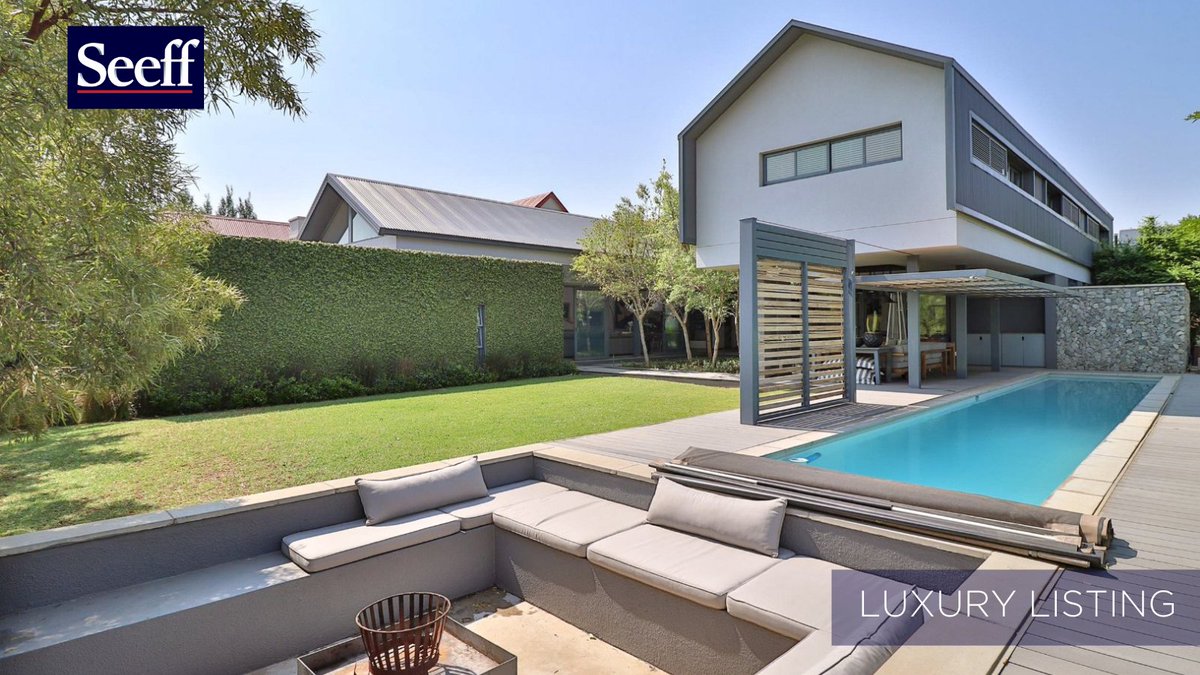
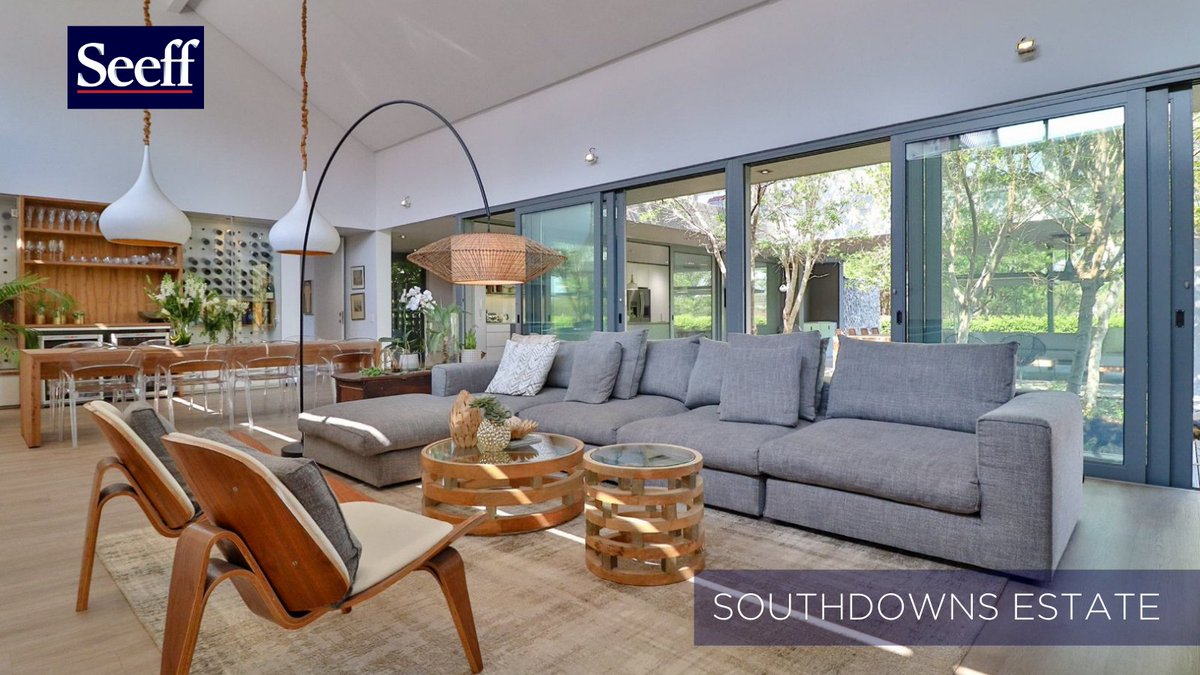
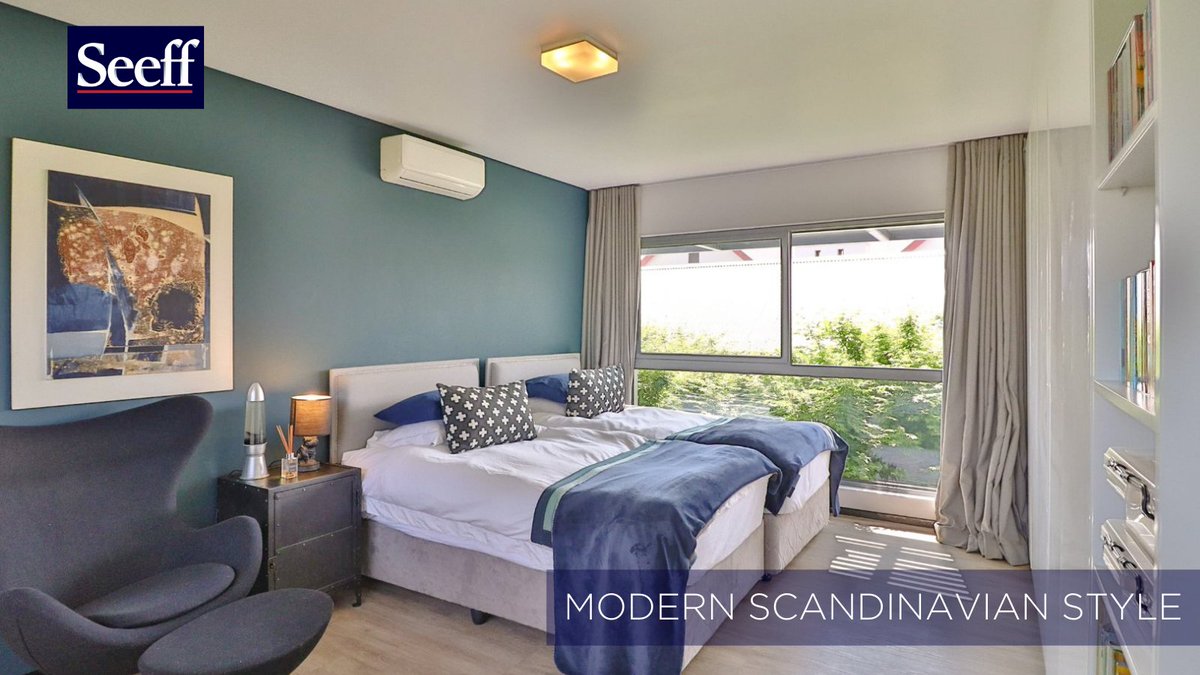
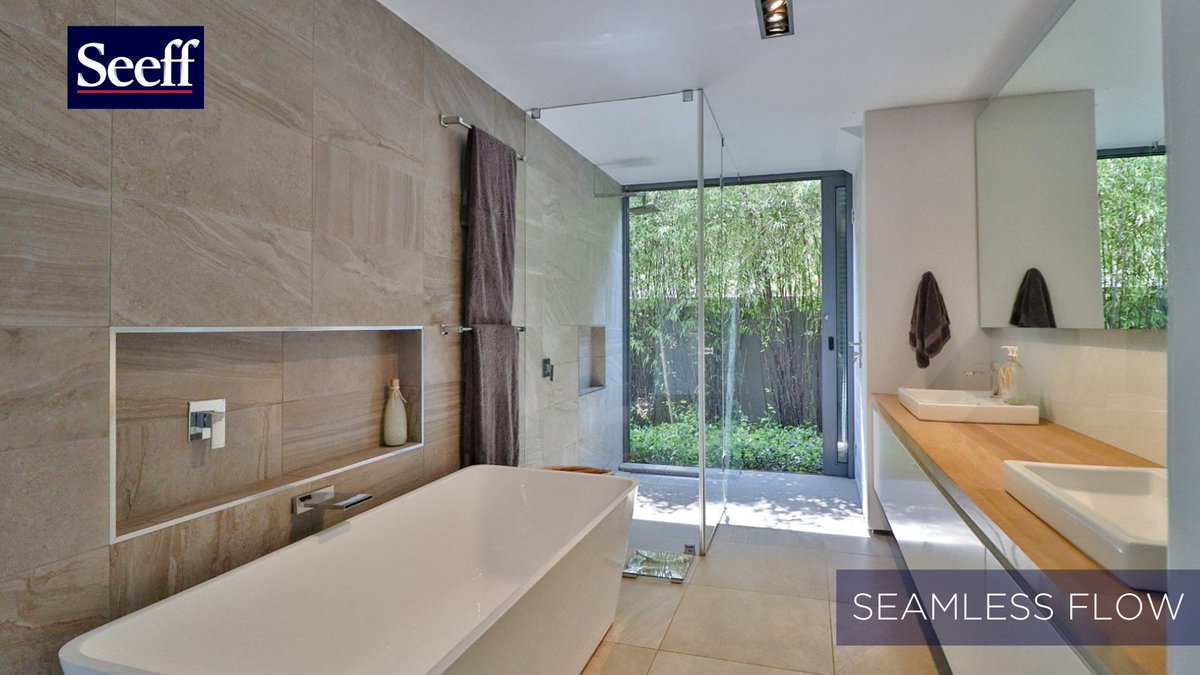
Your dream home!
WDesign Architects designed this immaculate four-bedroom all-on-suit family home, using the seamless flow from inside to outside.
For more properties, view our website today: hubs.la/H0QLWNN0
#seeff #centurion #forsale #seeffproperties #johannesburg
1


17 Jan 2021
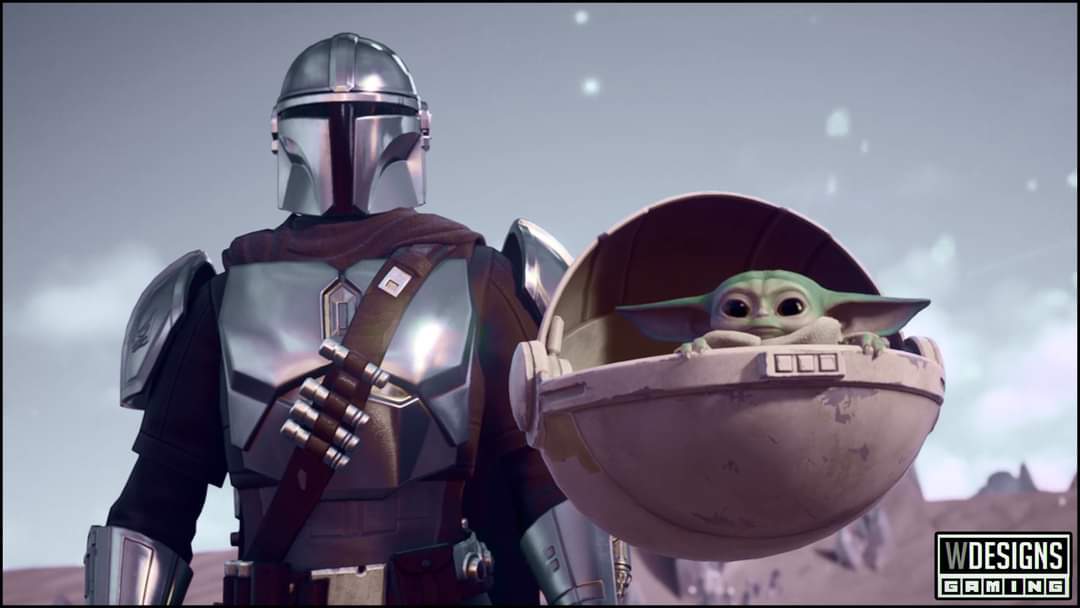
WDESIGNS LIVE TEST STREAM! 📺🎮
Fortnite a fun game to test out the connections! 🔌
Tune in and check this non-commentary event that's happening at twitch.tv/wdesigns92 or tune in to the WDesign Live Network! waynedesigns.co.uk/wdesigns-…
2
3

30 Dec 2020
oq a monika faz na wdesign nas horas vagas
4

28 Dec 2020
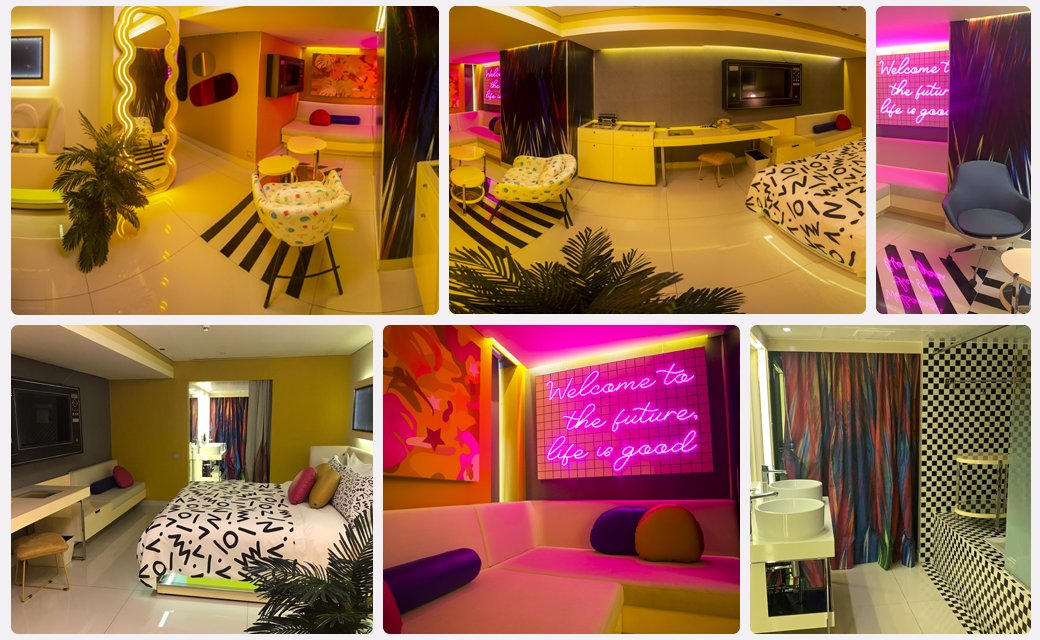
W Hotels y Comex traen para ti la WW84 Suite. Diseñada por Penélope de la Madrid, la habitación incluye elementos de la nueva película La Mujer Maravilla 1994, en cines seleccionados desde el 17 de diciembre. #MujerMaravilla1984 #wmexicocity #wdesign #abakainteriores
13
19
354