
Ubuntu keeps getting better with every release — rock-solid stability, a massive community, and enough flexibility to fit any workflow.
1

1m
amazing
The real value isn't just access to multiple models—it's having one workflow, one interface, and one credit system
4

What's the coolest thing you're building right now? 🚀
Whether it's:
🧠 An AI tool
⚡ A SaaS product
📱 A mobile app
🌐 A web platform
🤖 An automation workflow
💻 A developer tool
I’d love to hear about it!
Drop your project in the comments and let's discover what the community is creating. 👇🔥
#Founders #Startups #AI #SaaS #TechBuilders #Entrepreneurs #BuildInPublic #IndieHackers
1
1
2

millionaire-in-my-mind retweeted

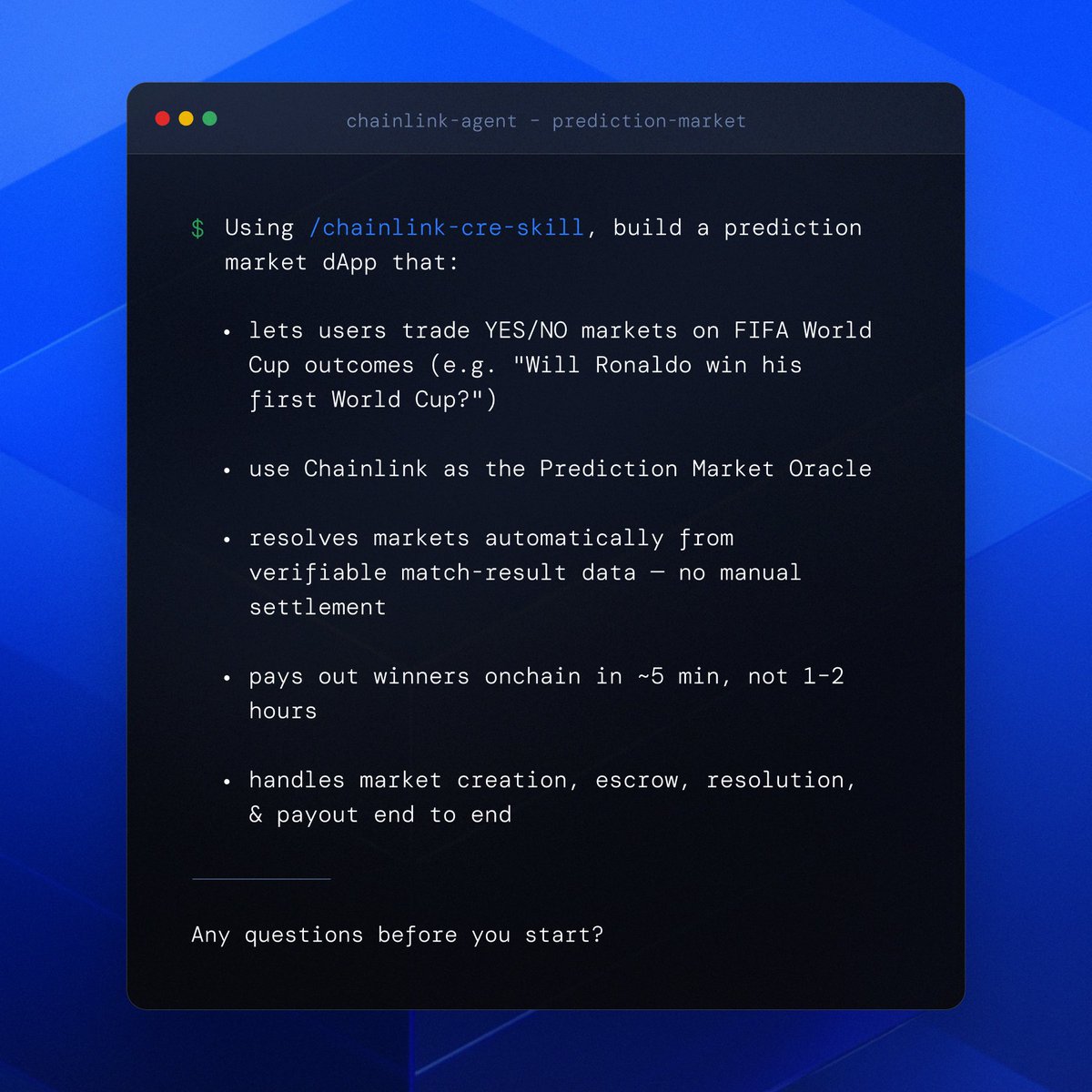
With Chainlink, building an onchain @FIFAWorldCup prediction market is only a single prompt away.
One workflow. Verified data. Automated settlement.
Now possible via Chainlink Developer Agent Skills 🤖🏗️
20
48
338
12,011

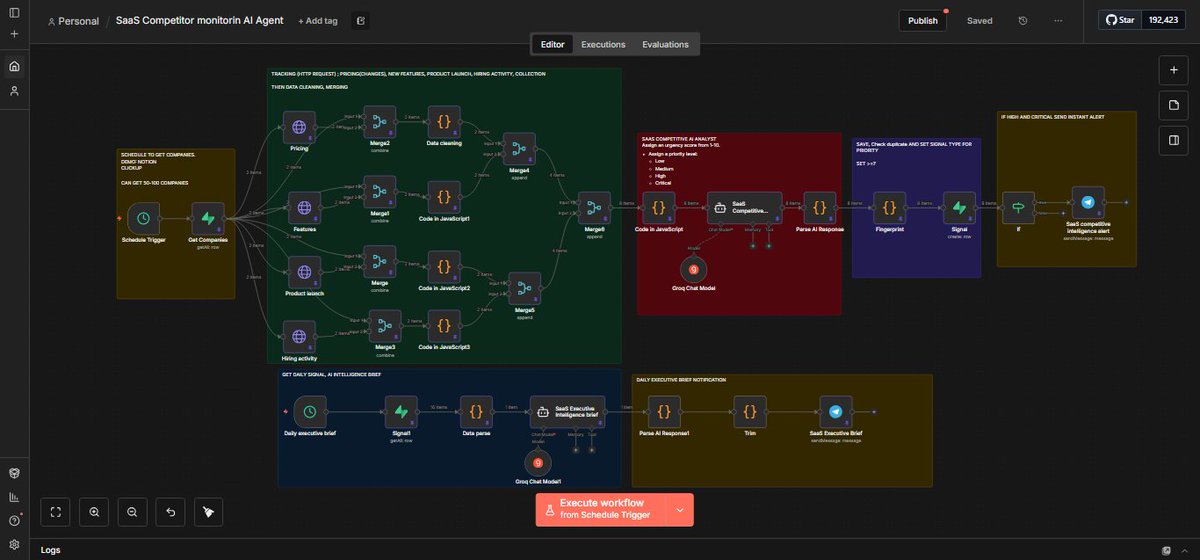
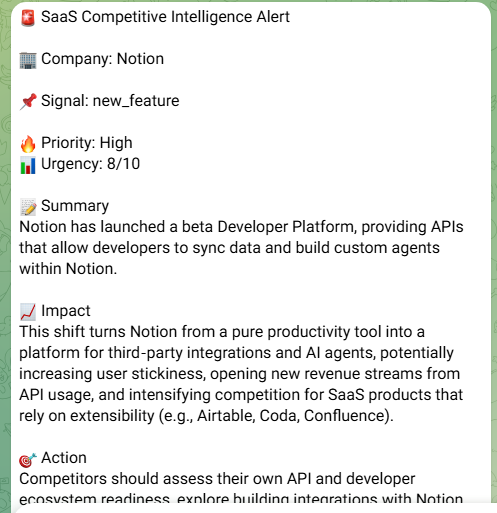
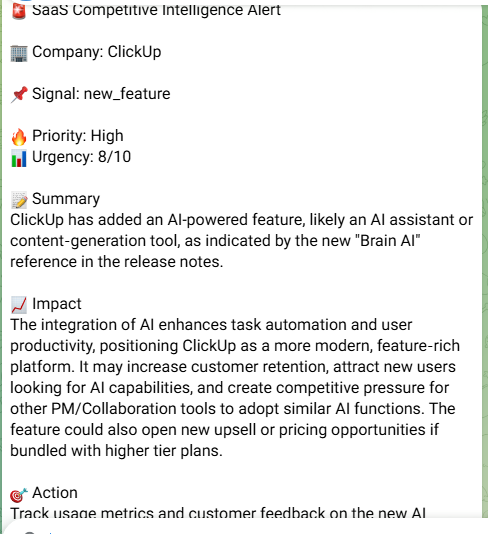
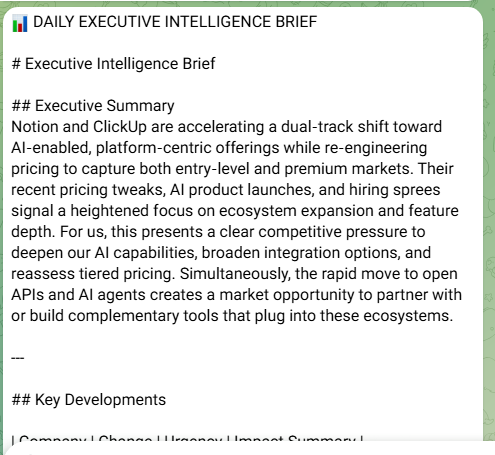
Instead of manually checking competitor websites, the workflow gathers signals, analyzes them, stores them in a database, and delivers insights automatically.
50-100 competitors signal can be check automatically
@n8n @supabase

#n8n AI-powered competitive intelligence SaaS platform (MVP)that automatically monitors competitor pricing changes, feature releases, product launches, and hiring activity, then generates executive intelligence briefs and real-time alerts.#AI #SaaS
@skill_afrika @omoalhajaabiola

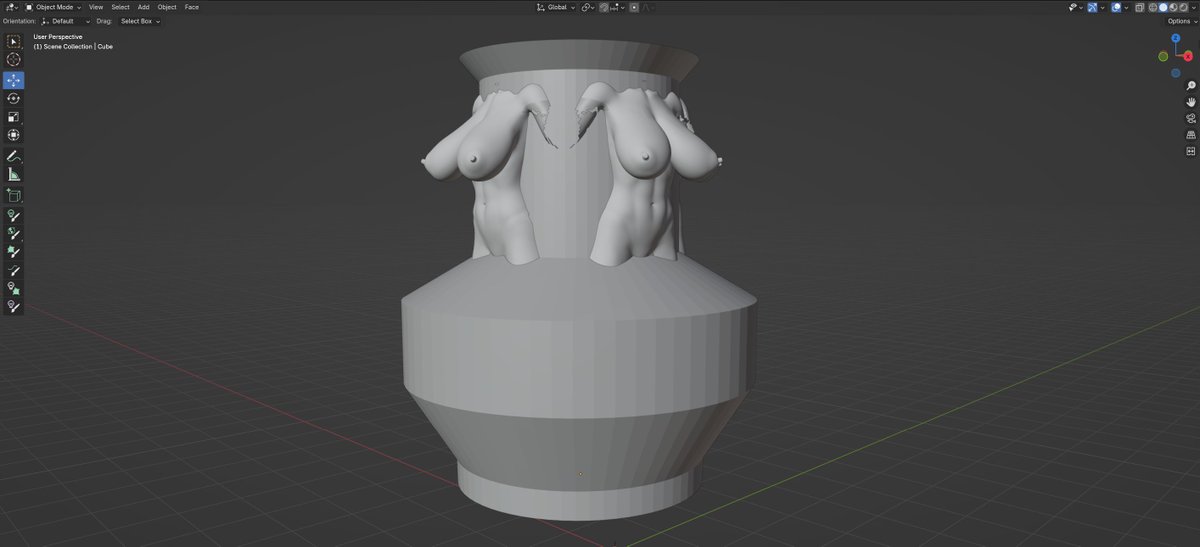
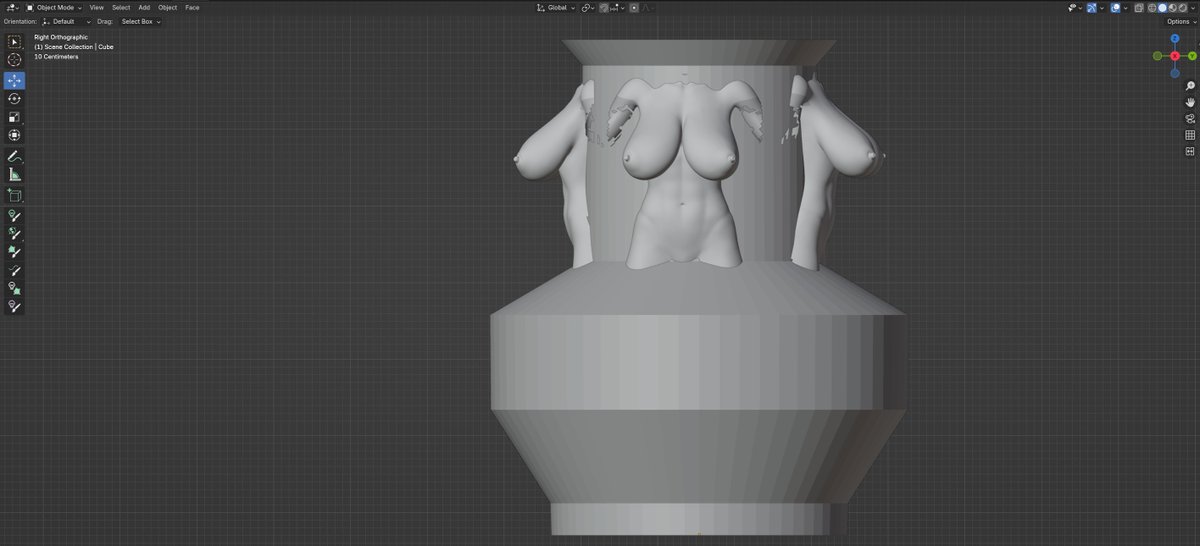
Work-In-Progress of an erotic vase. Building a workflow with Daz3D and Blender. Next step will be sculpt, cleanup and maybe a pattern to give it a more elegant finish.
#3dartist #nsfwart #nsfw #blender3d #ArtistOnTwitter #digitalartㅤㅤㅤㅤ #daz3d
21

Sunday vibes are real with @perx_trade and @NomismaNetwork taking our workflow to the next level today.
2
Michael Modenov retweeted

10h
AIが自分でAIを複数召喚して仕事させる、これはチートやろww
Claude Codeで試す方法:
①Opus 4.8に設定
②/effort → ultracode
③「workflow」とプロンプトに書く
AIが指示書を自作→複数のAIに手分け→検証→報告まで全自動
人間の出番なさすぎやろww
17
57
729
65,111

🌐 How do we make advanced AI models safer against cyber threats? By bringing in the experts.
Mercor is looking for part-time, remote Cybersecurity Software Engineers based in the US to help evaluate and strengthen how advanced AI models handle specialized security topics.
The best part? No prior AI/ML experience is required—you will be fully trained on the workflow. This is an incredible opportunity to apply your technical engineering and security background to the cutting edge of AI safety.
💵 Rate: $60 - $90 / hr
📍 Location: Remote (United States)
💼 Type: Part-time
What you’ll do:
Write expert-level prompts across specialized cybersecurity topics.
Evaluate, annotate, and grade model responses for technical accuracy, helpfulness, and safety.
Apply structured guidelines to ensure responsible handling of dual-use information.
What they are looking for:
A BS/MS in Computer Science (or related field) OR 5 years of professional SWE experience at a reputable tech company/startup.
Strong foundational understanding of cybersecurity concepts and modern software systems.
Excellent technical reasoning and English writing skills.
👉 Learn more and apply here: t.mercor.com/oTzaS
📢 Disclaimer: Since I am part of Mercor's referral program I currently work at Mercor as a contractor, I’m happy to share these direct pipelines with my network! Feel free to drop a comment or DM if you have any questions.
#Cybersecurity #SoftwareEngineering #AISafety #TechJobs #RemoteWork #PartTimeJobs
6

5m
Prompting for code is easy. Navigating a real terminal is where agents die.
Cohere's 30B focus on Terminal-Bench is the benchmark shift we need.
Stop testing on static snippets. Test on the actual workflow.

If you agree that you would be clueless as to what is going wrong and where then that means you don't know how to use existing debugging tools.
And I say 'debugging tools' not 'debugging skills' because using such things are not difficult to use. A lot of people simply don't know they exist, or never got in the habit of using them, or don't know how to be effective with such tools. Often because no one simply told them when learning that, yes, this is important and fundamental.
The better retort to my assertion from someone fond of Rust would be that they have many years and deep fluency with existing debugging tools. It's just that they prefer the workflow of Rust better. Which can be a fair take, and in some problem domains I could see why.
But I've been bringing this up periodically for a while now and the interactions tend to always go this way. Where responses tend to reveal that people fond of Rust generally don't realize the significance of existing debug tooling and never learned how to be fluent with it. Or often don't even know if exists.
OS's today being able to reliably have programs hit a segfault, or some other fault, then halt the program, freeze its state and allow you to inspect every call stack and everything in memory on every thread. That was one of the greatest advents of tooling in programmer historyh. Once upon a time the system could easily just BSOD and reboot for trivial errors.
To see a segfault as now delivering you to the land of being clueless and "Good Luck!" means there is a whole chapter missing on software development and its history.
2

7m
独立游戏开发者AI工具周预算实测——按"每周$"排序 🧰
(我亲测7天,真实账单,不含订阅折扣)
💸 入门级($0-10/周)
✅ Gemini CLI / Antigravity — $0,免费层够solo用,长上下文真香
✅ Copilot Pro — $2.5/周($10/月摊),补全够日常
✅ OpenAI Whisper API — $0.4/周,字幕外包杀手
💼 主力级($10-25/周)
✅ Cursor Pro — $4.7/周($20/月摊),Design Mode 3.7真改workflow
✅ Claude Sonnet 4.5 API — $3-8/周,agent任务首选($0.08/task)
✅ ElevenLabs Creator — $5.5/周($22/月摊),20个NPC配音够用
🎨 美术辅助($5-15/周)
✅ Midjourney Basic — $2.3/周($10/月摊),胶囊图试色
✅ Krea / Flux — 按次付费,平均$3/周
🏎️ 重度玩家($50 /周)
✅ Cursor Ultra $200/月 = $46/周,多agent并行
✅ Claude Max 20x $200/月 = $46/周,30小时agent任务
🎯 我的实测最优配比($16/周):
Cursor Pro Claude API ElevenLabs Whisper Midjourney
数据告诉我的两件事:
1. 加$20到$60之间,体验提升<20%(边际不划算)
2. 加$60到$200之间,体验提升80%(如果你真在做长任务)
省钱的关键不是"用最便宜的",
是"分清自己在哪个段位"。
关注 @hui1231123 获取每周独立游戏AI开发实测账单 👆
12

The John the Ripper workflow is three commands. I put them on a page that fills itself in.
1
2
平凡な投資家。 retweeted

Jun 12
【速報】
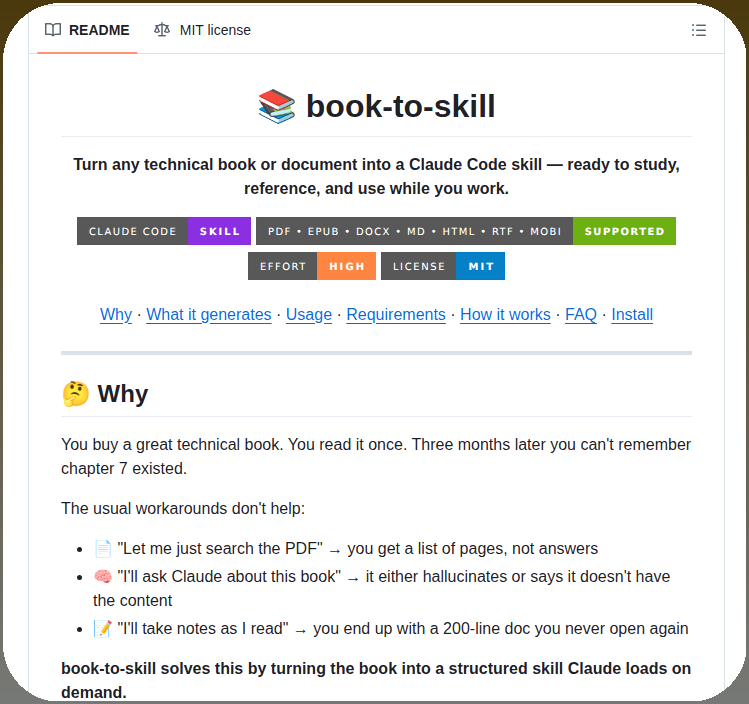
技術書をClaude Code Skillに変換するツールが出てた😳
これは見逃したらダメなやつ。
今まで:
「本を読んで、自分で要点を覚える」
これから:
「本の概念、workflow、patternsをSkillとしてClaudeに渡す」
この発想が普通にヤバい。
・technical bookを入れる
・key conceptsを抽出する
・workflowを整理する
・patternsを再利用可能なAI skillsに変える
つまり、
「静的な知識」から
「Claudeが実際に使える手順」へ変換するってこと。
しかも重要なのがここ👇
本って読んだだけだと忘れるじゃん?
でもSkill化すると、Claudeが作業中にその知識を呼び出せる。
もう
「読んだけど使えない」は普通に損すぎる。
これは小手先の要約ツールじゃない。
知識をAIの作業手順に変えるための仕組み。
Claude Skillsをどう作るかを先に理解すると、このBook to Skillの価値がかなり見えやすくなる。
この下の記事を読むと理解が一気に深まる。マジでおすすめ👇😻

10
128
1,209
230,229
りょうせいちゃん🐯Claude教 retweeted

Fableは消えてしまったけど、Claude CodeはDynamic Workflowの火力がやばすぎて全然強い。
Dynamic Workflowは実装初日から超ヘビーなデータ分析・整理の作業を100時間かけて完了してくれた(品質にやや欠陥はあったが、それは後にFableが瞬殺する)
/effortで【ultracode】選んで/workflowで発動するで
みんなやってみて
(環境変数でDynamic WorkflowsをONにする必要あったかも)
May 31

Claude Codeの新機能Dynamic Workflow、まだ1日しか使ってないけど、金払えば誰でも使える機能としては強すぎて草
まだChatGPTとチャット画面でお喋りしてる人が使ったら泡吹くぞ。強火すぎる。
effort設定をultracodeにする時のエフェクトもかっこよくて好き
Opus4.8になって最も大きな飛躍はオーケストレーションの上手さなのかもしれない(使い込まないと分からんけど)
2
11
239
44,491

