Brianッ retweeted
✨ Zircuit Finance Korea Meetup 🇰🇷
Join us for the @Zircuit Finance Korea Meetup, co-hosted with Xangle.
This meetup will explore how Zircuit is expanding the onchain yield market through security-first infrastructure and innovative capital allocation strategies.
Whether you are a DeFi user, builder, or simply curious about the future of onchain finance, this will be a great opportunity to learn, connect, and meet the Zircuit community in Korea.
Food and drinks will be provided, with plenty of time for networking.
📍 Near Jamsil, Seoul
🗓 Thursday, July 9
⏰ 19:00–22:00
🎤 Session: Zircuit Finance with @martinetlee
RSVP here 👇
luma.com/ZircuitFinanceKorea

3
3
7
361

WWOWOWOWOWO… Xangle, this ENTIRE page of doodles!?!! I love it, and it looks like you had a lot of fun drawing them too..! ;w;
❤️💙

1
2
28

Jun 13
LUME functions as the core asset across the network, used for staking, service execution, and governance. (Xangle) 20% of all transaction fees are burned permanently, creating deflationary pressure, while inflation adjusts dynamically between 5–20% based on staking participation
1
7

Been on the @babylonlabs_io TBV testnet for some days now and the one thing that keeps standing out is how clean the collateral mechanics are.
Your $BTC never leaves Bitcoin. Borrow on Aave v4 on top of it. Check every vault condition in real time on the Xangle explorer.
Most lending protocols ask you to trust them. This one just shows you
3
433


the café has been talking about Spacecoin for a while.
now there's a proper report to point people to.
Xangle covered everything.
no excuses not to read it.

1
5
294

May 30
ive always thought she should look like jangle or xangle from fnaf world


2
41

May 28
Xangleより、KaiaのRWA戦略に関する記事が公開されています。
RWA市場は300億ドル規模まで拡大する一方で、
DeFi上で実際に活用されている資産は、まだ全体の一部に限られています。
KaiaとKIPは、アジアの実体経済に紐づく資産をオンチェーンへ接続し、
発行・流通・活用がつながるオンチェーン資本市場の構築を進めています。
詳細はこちら👇
15
40
4,393

May 27
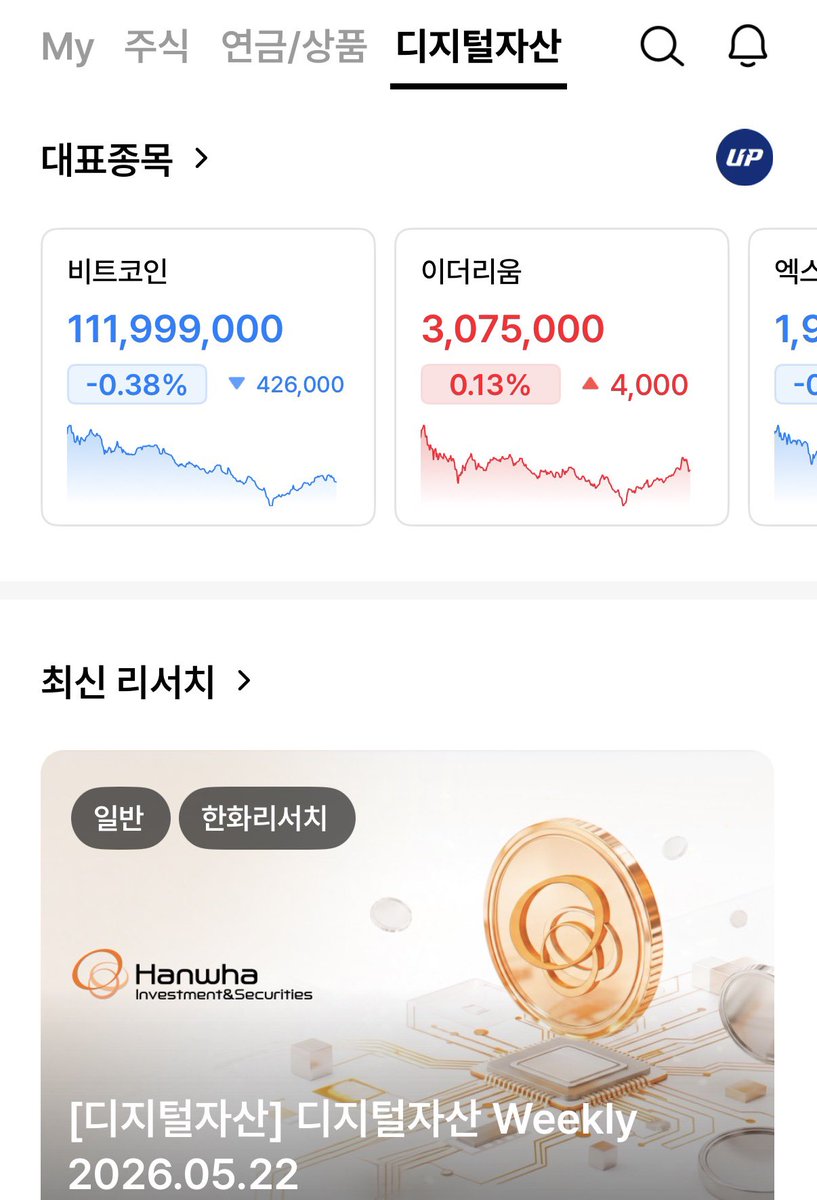
🚨한화투자증권 MTS 리뉴얼 소식
오늘 한화투자증권이 MTS를 전면 개편하면서 '디지털자산 홈'을 신설
🔹쟁글(Xangle) 연계
🔹디지털자산 뉴스·시세·리서치 제공
🔹가상자산을 관심종목 등록 → 주식과 통합 관리
✔️이제 하나의 앱에서 주식 코인까지 편하게 관리할 수 있게 됨.
2
1
13
333

May 27
Xangle’s digital asset information infrastructure is now integrated into Hanwha Securities’ MTS platform📈
Hanwha Securities officially announced the launch of a new digital asset section within its revamped mobile trading app, featuring Xangle's digital asset news, market data, and research content.
Following NAVER, Xangle content is now distributed across one of Korea’s tier-1 brokerage investor platforms as well.
We’ll continue expanding the official information layer connecting Web3 projects with Korean investors🇰🇷
3
7
21
2,488

May 22
Give me some drawing ideas for the Apple Trio (and Xangle), I still got a large backlog of ideas but I wanna know what yall want to see #Lolbit #fivenightsatfrickbears

3
18
136
1,918

May 21
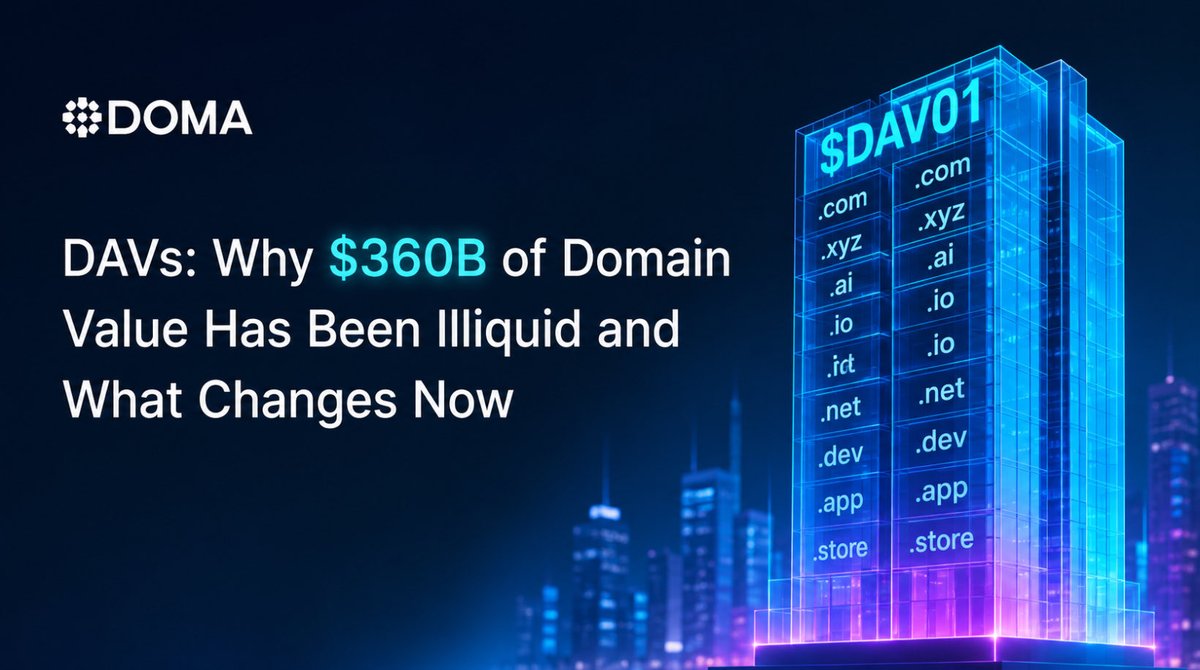
$360B worth of domain value has existed for decades…
but most of it has been trapped in an illiquid market.
Doma’s DAVs could change that entirely. 🧵👇
For years, domains have been one of the internet’s most valuable asset classes.
But unlike stocks, crypto, or even real estate:
➜ domains are hard to price
➜ hard to trade
➜ and even harder to unlock liquidity from
That’s the core problem DAVs are solving.
1️⃣ The Problem: Domains Are Valuable, But Frozen
The domain market is estimated to be worth over $360B, yet most portfolios sit idle for years between sales. (Metaverse Post)
Why?
• No efficient financial infrastructure
• Fragmented marketplaces
• Limited buyer pools
• Long settlement cycles
• High brokerage friction
Even premium domains behave more like illiquid real estate than internet-native assets. (Domavest)
2️⃣ What DAVs Actually Are
DAV = Domain Asset Vehicle.
Instead of treating domains as isolated assets, DAVs bundle entire portfolios into a single tokenized structure.
That means:
➜ portfolios become investable
➜ ownership becomes divisible
➜ liquidity becomes possible without selling the domains outright
This is a major shift in how internet assets can function financially.
3️⃣ Why This Matters
Traditional domain ownership has always faced a scaling problem.
A portfolio may contain millions in value, but owners usually need to:
• wait years for buyers
• sell individual names manually
• or liquidate valuable assets entirely
DAVs introduce a middle layer:
access liquidity while still retaining portfolio exposure. (Metaverse Post)
That’s the key innovation.
4️⃣ DomainFi Is Becoming Real Infrastructure
This isn’t just “put domains onchain.”
It’s the financialization of internet identity.
Doma is positioning domains as:
• collateral
• yield-bearing assets
• fractional investments
• programmable internet property
And unlike many RWAs, domains are already digital-native assets. (Xangle)
5️⃣ The Bigger Picture
Most tokenization narratives focus on:
• treasuries
• private credit
• real estate
But those markets already have mature liquidity systems.
Domains don’t.
That’s why DAVs feel important:
they aren’t just improving distribution —
they may fundamentally create a new market structure. (Blockhead)
6️⃣ Final Thoughts
The internet has always had valuable digital property.
What’s been missing is the infrastructure layer that makes those assets liquid, composable, and scalable.
DAVs could become one of the first real examples of DomainFi moving from narrative → financial primitive.
And if that happens, domains stop being “just names.”
@domaprotocol
May 20

Everyone talks about trading domains.
Doma is turning it into a competitive system. 🧠🏆
With Quests now live, Doma is evolving from a marketplace into a full onchain engagement layer where activity, consistency, and community participation actually matter.
Here’s why this update is bigger than it looks 👇
1️⃣ More Than Just Trading
Doma Quests introduce a gamified progression system:
• Complete tasks
• Earn points
• Climb leaderboards
• Unlock rewards
• Compete with the community
This changes user behavior from passive speculation → active participation.
Instead of just holding domains, users now have reasons to engage daily.
2️⃣ Engagement Becomes Reputation
The interesting part is not only the rewards.
It’s the creation of an onchain reputation layer.
Users who consistently participate:
• build visibility
• gain status
• strengthen ecosystem presence
• position themselves early for future incentives
In Web3, attention is valuable.
Doma is starting to quantify it.
3️⃣ Leaderboards Create Network Effects
Leaderboards are simple but powerful.
They create:
• competition
• social proof
• recurring activity
• community retention
We’ve already seen this model work across gaming and crypto ecosystems where quests and seasonal rankings dramatically increase user engagement. (PlayToEarn)
Doma is applying the same mechanics to DomainFi.
4️⃣ The Bigger Vision
This feels like part of a much larger strategy.
Domains are no longer just digital assets:
• they become identities
• social signals
• competitive assets
• ecosystem credentials
Quests push users to interact with the ecosystem consistently, which strengthens both liquidity and community culture at the same time.
5️⃣ Why It Matters
Most protocols struggle with one problem:
“How do we keep users engaged after the initial hype?”
Doma’s answer:
Gamify participation without overcomplicating the experience.
Simple actions visible progression social competition = sticky ecosystem design.
The projects that win long term are usually the ones that turn users into communities.
Doma seems to understand that ver
@domaprotocol
8
19
712