
Hosted across five atmospheric, acoustically rich churches, this year’s theme explores music inspired by cities, landscapes and traditions.
1
3

🔙 | Kendall and Katelyn reenacting the iconic airport scene on Instagram Live, followed by Kendall performing 'Worldwide' acoustically 🤍🌍
3
84

I barely remembered your ass 2 months later, my bad lmfao. Also post a clip of Manon singing acoustically, a-capella. Quickly.
1
1
32
♡tay♡ retweeted

Jun 10
finally playing everything i didn’t say acoustically and all you can hear is my battle with the mini fridge 😭😭😭

532
1,823
14,414
232,478

i feel so privileged having heard both why and looking at me live acoustically
25

 t ♡
t ♡
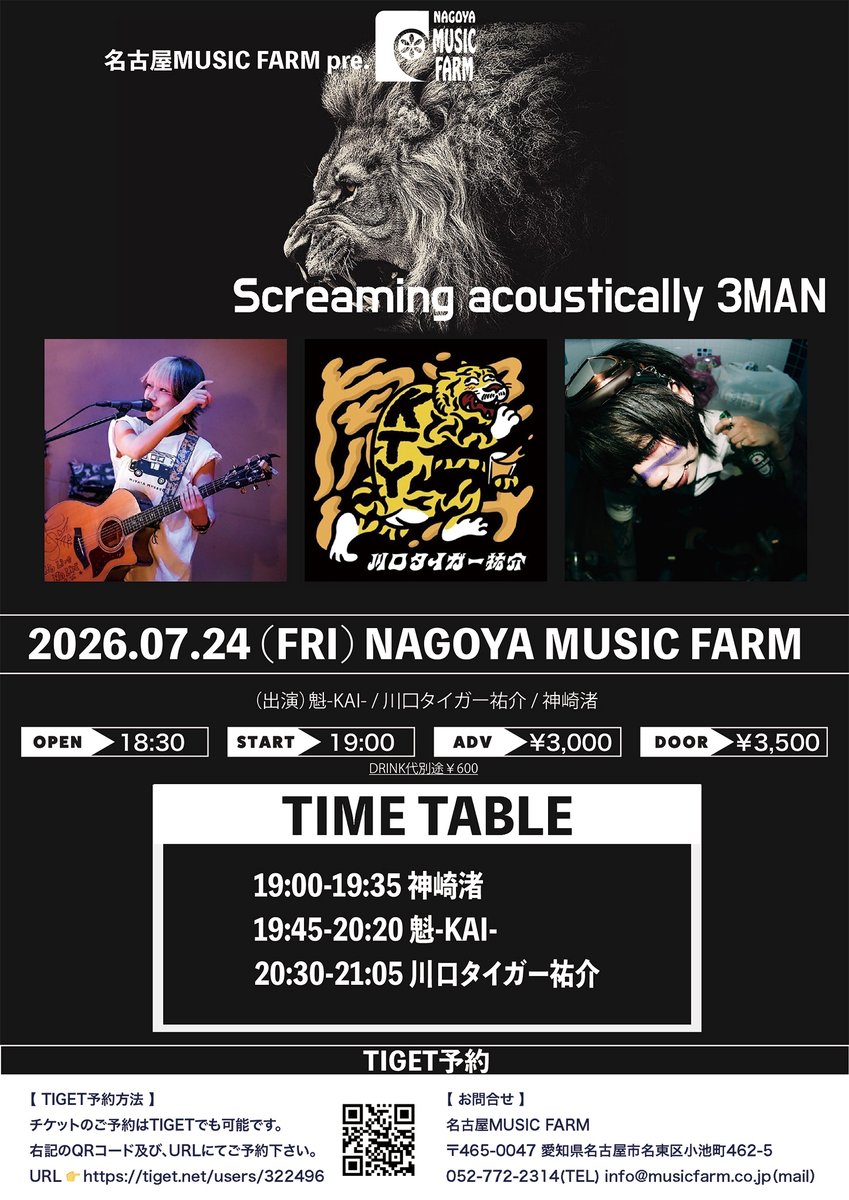
最高の3マンここに!
2026年7月24日(金)
タイトル:名古屋MUSIC FARM pre.「Screaming acoustically 3MAN」
OPEN / START:18:30 / 19:00
ADV / DOOR ¥3,000 / ¥3,500(D別¥600)
(チケット)
TIGET URL:tiget.net/events/498840
(出演)
魁-KAI-
川口タイガー祐介
神崎渚
194

Might even be able to do it acoustically, with spintronics, phononics, piezoelectrics, ...?
31

Hypothesis -May 5th, 2026
Resonant Hydraulic City (RHC)
A gravity-fed, acoustically regulated urban system where water flow provides energy, cooling, signaling, and structural health feedback.
1. Core Energy Spine — Gravity Water (No Turbines Required)
Design
City is built on tiered elevation (3–9 major levels).
Water enters at the highest point via:
mountain catchment
seasonal reservoirs
controlled flood plains
Power Generation
Instead of relying only on turbines:
Pressure differentials drive:
low-RPM micro-turbines (long lifespan)
hydraulic ram pumps (no electricity required)
piezo-hydraulic hybrids embedded in flow constrictions
Result:
Energy production is distributed, not centralized—failure in one zone does not collapse the system.
2. Acoustic Regulation Layer — “Listening City”
What “Acoustic” Actually Means (Practically)
Not sound-as-power.
Sound-as-control and diagnostics.
Functions
Resonant chambers placed at:
junctions
load-bearing vaults
water redistribution nodes
These chambers:
Amplify standing waves created by flowing water
Shift frequency when:
pressure changes
cracks form
sediment builds up
flow becomes turbulent
Sensors
Modern equivalent:
hydrophones
accelerometers
MEMS vibration sensors
The city hears itself.
No constant digital surveillance—just physical feedback.
3. Water as Cooling, Clock, and Regulator
Thermal Regulation
Open water channels stone = passive evaporative cooling
Underground cisterns stabilize temperature year-round (≈ 55–65°F / 13–18°C)
Timekeeping
Flow rates serve as natural clocks
seasonal adjustment is automatic
drought and abundance are physically felt, not abstracted
This enforces behavioral synchronization with environment, not policy.
4. Structural Intelligence — Stone, Geometry, Water
Materials
Stone, geopolymer concrete, ceramic composites
Compression-dominant geometry (arches, vaults, domes)
Intelligence Without Computers
When load shifts:
resonance changes
water pitch shifts
audible or measurable frequency alerts maintenance crews
This is pre-failure detection, not post-collapse response.
5. Civic Layout — Distributed, Not Hierarchical
Zoning
Each district contains:
water intake
energy moderation
waste processing
acoustic node
No single “capital core.” Power is local, redundant, and visible.
This mirrors what we see hinted in:
Mohenjo-daro drainage systems
Roman hydraulic zoning
Persian qanat cities
6. Waste = Signal, Not Refuse
Organic Waste
Enters anaerobic digesters
Produces:
methane for peak demand
warm water for winter circulation
Sediment & Flow Changes
Treated as diagnostic data
Increased particulates = upstream erosion or misuse
The city responds, not legislates first
7. What Makes It “Smart” (By Modern Definition)
Feature
Modern Smart City
Acoustic-Hydraulic City
Sensors
Digital, opaque
Physical audible
Energy
Central grid
Gravity-distributed
Failure Mode
Cascading
Isolated
Maintenance
Reactive
Predictive
Citizen Awareness
Abstract
Sensory
8. Why This Is Realistic Now
All required tech exists:
MEMS sensors
Micro-hydraulics
Acoustic diagnostics (used in dams & pipelines)
Passive cooling architecture
Distributed control systems
What doesn’t exist yet is integration at city scale—which is a political and planning problem, not a scientific one.
Final Hypothesis Summary
An acoustic–hydrologically powered smart city is:
A gravity-fed urban organism where water provides energy, cooling, timing, and feedback; sound provides diagnostics and regulation; and structure itself participates in intelligence—reducing reliance on fragile centralized systems.
It is quiet, durable, legible, and resilient.
27
Sergio Ríos O. retweeted

Apr 18
'Once More' - OUT NOW!
The 13-track album of acoustically reworked classics has been released on vinyl for the first time.
Order now @ spandauballetstore.com
The gold 2LP limited & numbered release is also part of Record Store Day in Germany, Austria & Switzerland. #oncemore

9
48
2,033

Its literally acoustically designed for sound and is one of if not the loudest stadium in the world fuckface.
1
100

since no one asked, here are my favorite songs from “you seem pretty sad for a girl so in love” to play acoustically:
•the cure
•stupid song
•what’s wrong with me
•purple
•expectations
•begged
•maggots for brains
25

Paul Allen, the Microsoft founder who owned the Hawks & built the stadium, wanted it open because he believed football should be played outside no matter the weather. It can get very rainy & cold & windy here, late fall.
It's also designed acoustically to be LOUD when fans yell.
2
45

Jun 15
I cant lie, my mind tried this "acoustically" and
You might be on to something here
3
2,090