
4 invasive plants strongly suppress weedy rice seedlings via allelopathy, with minimal effect on cultivated rice
Eco-friendly weedy rice control potential!
ukm.my/jsm/english_journals/…
#agriculture #biotech #research #CEBAR
35

Planting Evergreen trees to shade them out works well because Evergreen‘s are shade tolerant when they’re young and then they grow taller and shade out the tree of heaven trees and aren’t as affected by the allelopathy. Also, Evergreen provide shade all year out. Whereas broadleaf trees can get out competed in the spring by tree of heaven.
6


We grow fall rye. It has strong Allelopathy, where it chokes out any other plants/weeds, or limits their growth. We grow spring wheat and durum here as well. I’m surprised you guys don’t grow rye there. It’s hardier that winter wheat even for survival. Your winters are volatile
1
2
30

Jun 10
Even worse is biological littering, it's self-replicating and persists indefinitely... Eg eucalyptus (native only to Australia) & pines (native only to the northern hemisphere aside from south Sumatra/Java) are naturalizing all across the Andes countries, Brazil, NZ, having been planted as tree farms etc.
They provide little habitat to native species, suppress native plants via allelopathy, and are generally a recognizable, visible blight of human carelessness across the landscape.
It's especially rampant in Chile, where pines are sprouting up in naturalized forests outside of the massive plantations. In Andean Argentina pines are a jarring immersion breaker where you would expect to see unspoilt nature. Eucalyptus with their spindly weak branches and exfoliating bark is also everywhere in Chile, Peru, Br etc.
And the longer it goes on the more people will see them as just "always having been there" and the deeper into the wild they will spread. At least in NZ there is a strong conservation impulse and funding to prevent the spread of invasive species into wild spaces. I'm not even sure Latam realizes it's a problem. Most of this all happened in the last 60 years btw like most terrible things- within a generation the landscapes of these countries may have been marred forever

1
3
86

Jun 5
Commercial crop seeds (esp F₁ hybrids) lose vigor & potential traits in subsequent generation. They harbor microbes that can affect their productivity when replanted.
Reason why replanted seeds are prone to pests attacks that reduces yield & farmers spend a lot of money buying pesticides, loading our food with carcinogenic substances.
But if you buy new seeds, better yield, reduced pest, genetic purity & well treated seeds.
This is basic biology that was taught in secondary school during genetics.
You don't have deep knowledge about the stuff you're talking about, but you're quick to quote & throw jabs. You can ask questions & I'll be happy to share knowledge.
You believe a seed can destróy a soil? How?
The highest a seed would do is Allelopathy & it's mainly from weed seed trying to grow & overshadowed crop plants.
Chief you can't be daft, ignorant & still be loud... The odds are really stacked against you here Baba.
Good morning sir.

Purveyor of GMO gospel. Nature gave us seeds from the harvest itself. You and Bill Gates said NO, buy every seed to be planted. You guys have made organic harvest seeds to be unplantable while using your GMO seeds to modify the soil, making it unhealthy for organic seeds.
4
1
3
997

#الأليلوباثي (#Allelopathy) أو #التأثير_الأليلوباثي هو #ظاهرة_بيئية تتمثل في قدرة بعض #النباتات على إفراز #مواد_كيميائية تؤثر في #نمو أو #إنبات أو بقاء مخلوقات حية أخرى مجاورة لها، وقد يكون هذا التأثير سلبياً (#تثبيط_النمو) أو إيجابياً (#تحفيز_النمو).
كيف يحدث الأليلوباثي؟
تنتج النباتات #مركبات_كيميائية تُعرف بـ #المواد_الأليلوكيميائية (#Allelochemicals)، وتصل إلى #البيئة المحيطة بعدة طرق، منها:
1- إفرازها من الجذور مباشرة إلى التربة.
2- غسلها من الأوراق بواسطة #الأمطار أو #الندى.
3- تطايرها في #الهواء على شكل #مركبات_طيارة.
4- تحلل بقايا النبات في التربة بعد سقوط #الأوراق أو #موت_النبات.
ما تأثيرها؟
قد تؤدي هذه المواد إلى:
1- منع أو تأخير #إنبات_البذور.
2- تقليل نمو #الجذور أو #المجموع_الخضري.
3- التأثير على #امتصاص_الماء و #العناصر_الغذائية.
4- تغيير نشاط المخلوقات الحية الدقيقة في #التربة.
#الأهمية_البيئية:
يسهم الأليلوباثي في:
1- تنظيم توزيع النباتات في #المجتمع_النباتي.
2- التأثير في #التنوع_الحيوي النباتي.
3- نجاح بعض الأنواع في التكيف على الموائل الطبيعية مثل: بعض #النباتات_البرية_الصحراوية قد تُظهر تأثيرات أليلوباثية تساعدها على تقليل المنافسة على الماء والغذاء.
4- إمكانية استخدام بعض النباتات أو مستخلصاتها كمبيدات حيوية طبيعية للأعشاب الضارة ( #مكافحة_حيوية).
#البيئة_النباتية
3
4
320

allelopathy, I know rye is the cover crop of choice for you guys but direct drilling into a cereal cover isn't something I would do
I assume that you get a payment for it?
1
2
477

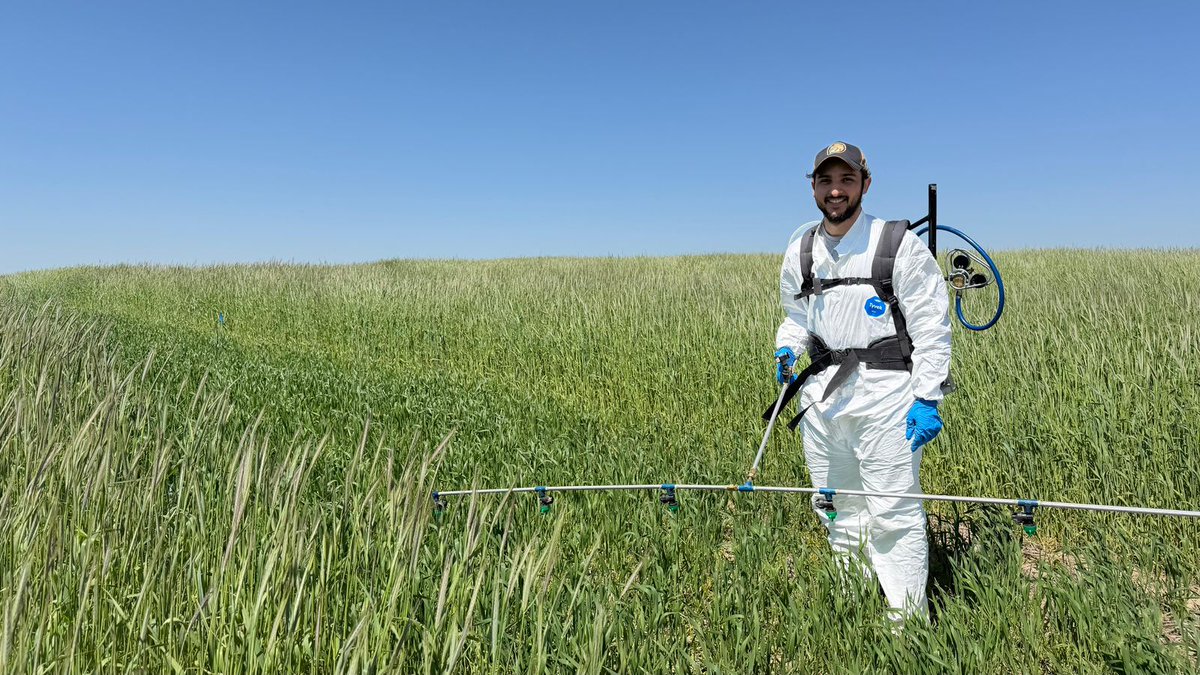
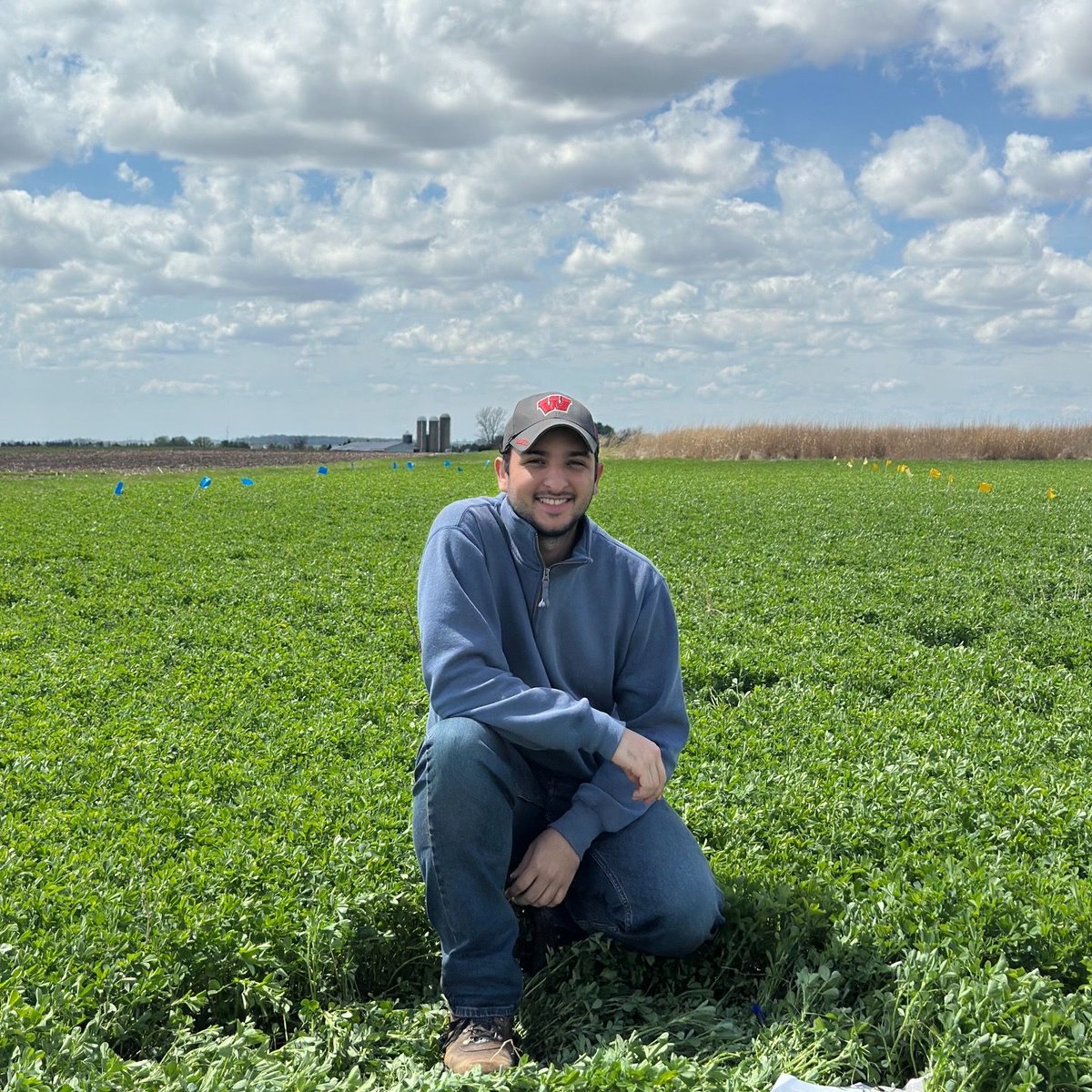

May 16
Plants have been practicing allelopathy, chemical suppression of fellow plants around them, for millions of years with no conscious input. A proven genetic strategy.
Remember that the next time a female judge lets a murderer back on the streets only to kill some white woman.
1
2
432


May 14
بالفعل، هذه الظاهرة تُعرف علمياً بـ الأللوباثيا (Allelopathy) أو التضاد البيوكيميائي.
تفرز بعض النباتات مواد كيميائية حيوية من جذورها أو أوراقها تمنع نمو الأنواع الأخرى المحيطة بها أو تعيق إنبات بذورها.
1
1
2
167

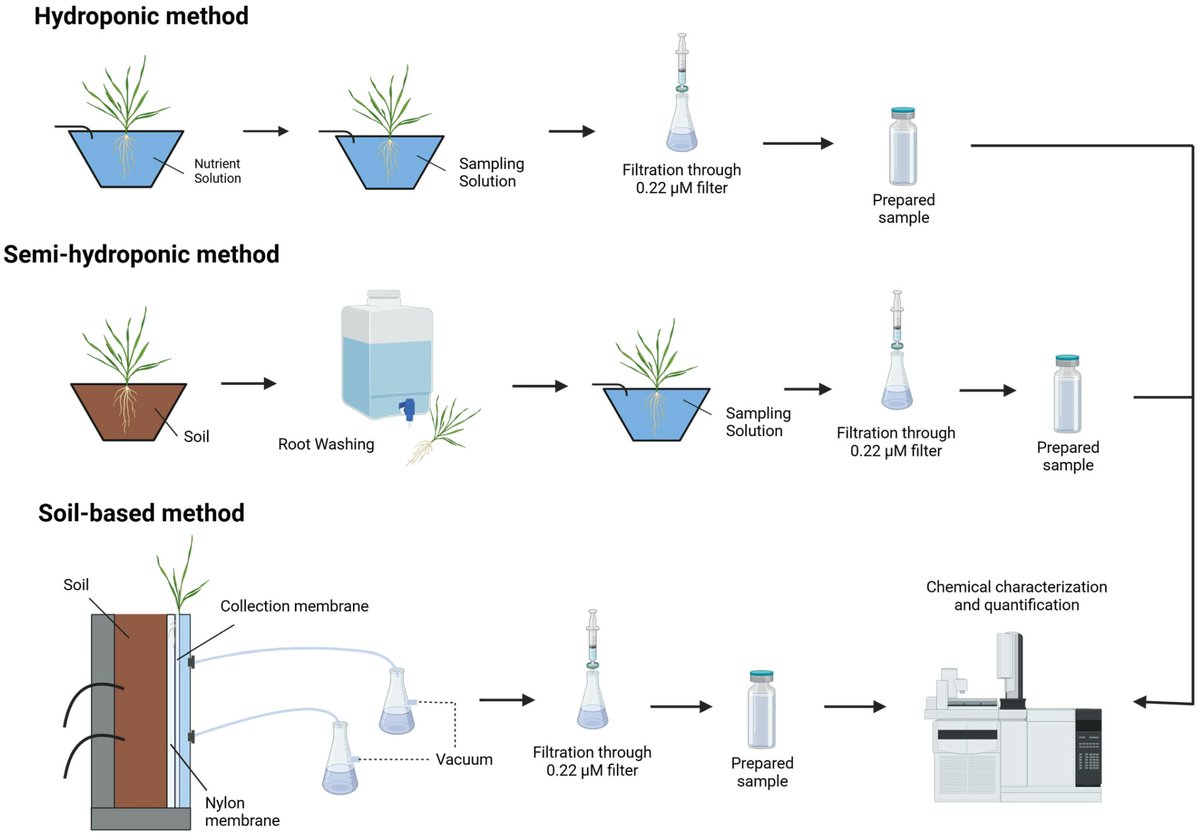
🚩 Review Article Recommendation
Unveiling the Multifaceted Roles of Root Exudates: Chemical Interactions, Allelopathy, and Agricultural Applications
🔸Link:
brnw.ch/21x27vU
📖Learn more: brnw.ch/21x27vT
#Agronomy #PlantScience
2
152

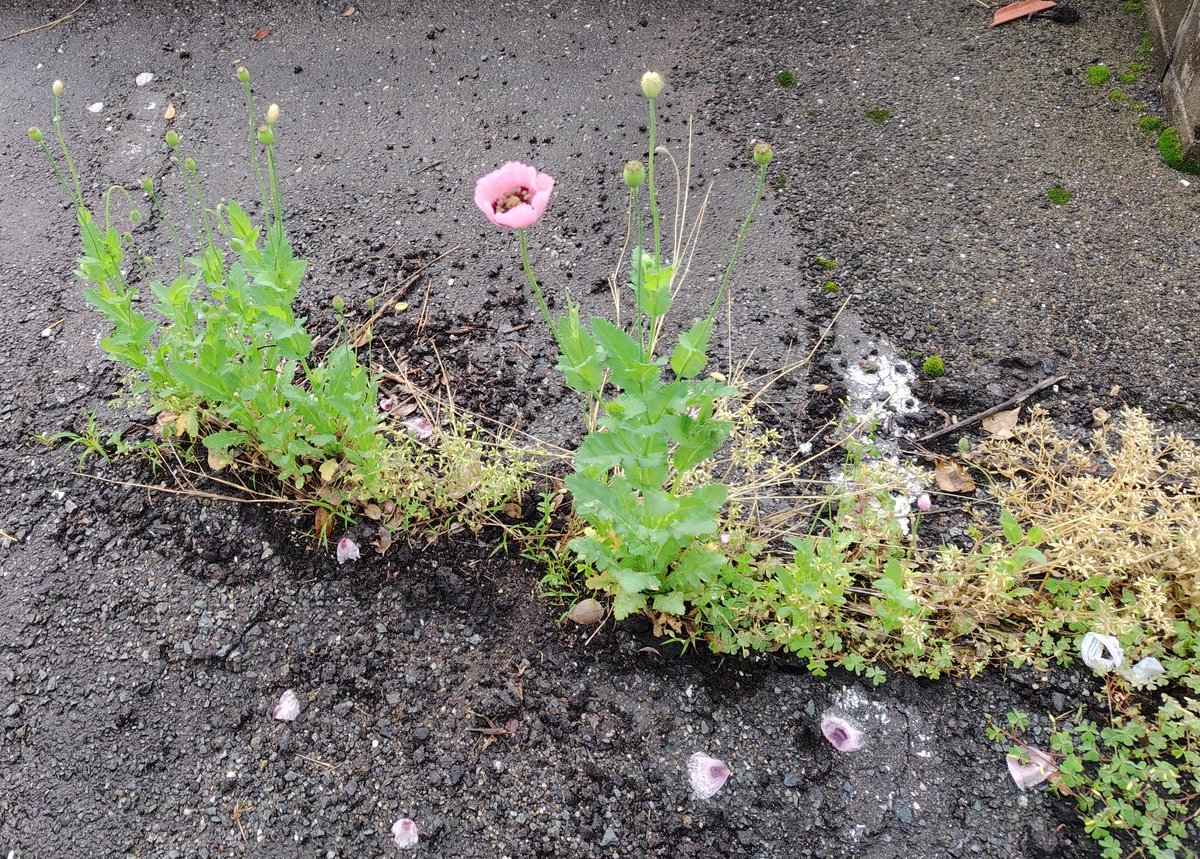
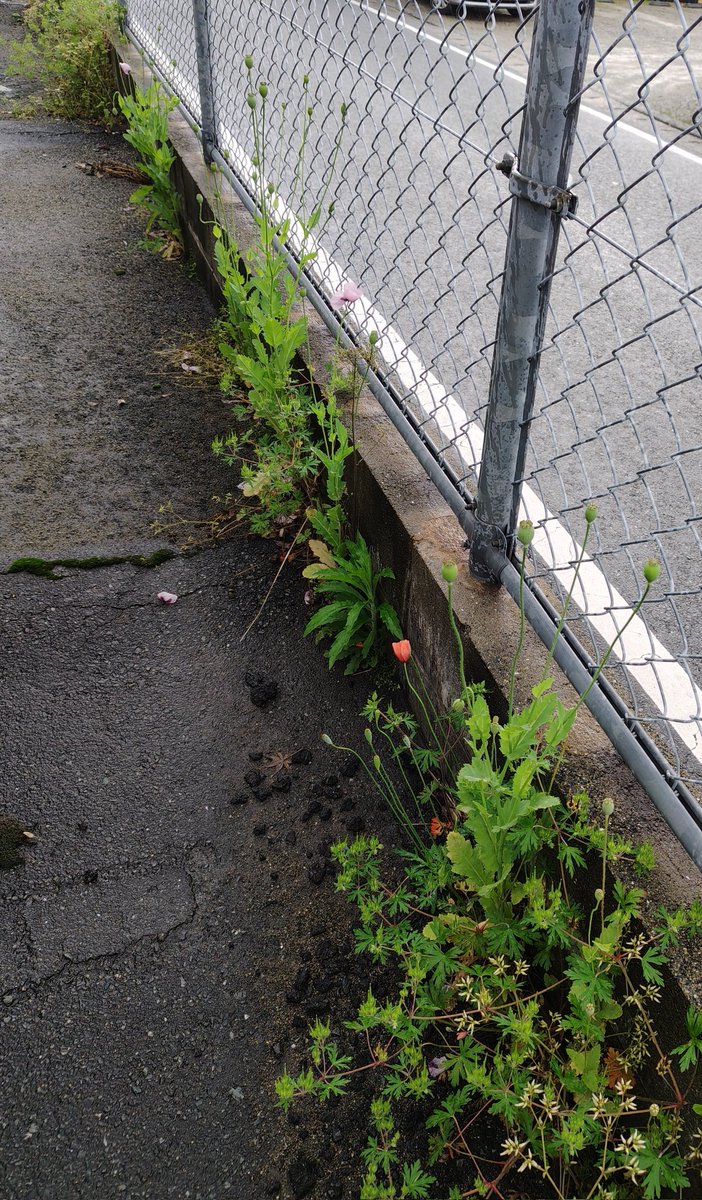
アツミゲシじゃないけど、ナガミヒナゲシも最近異様なくらいあちこちに生えてる気がする
Allelopathyってすごい(›´-`‹ )
Apr 30

おはようございます。
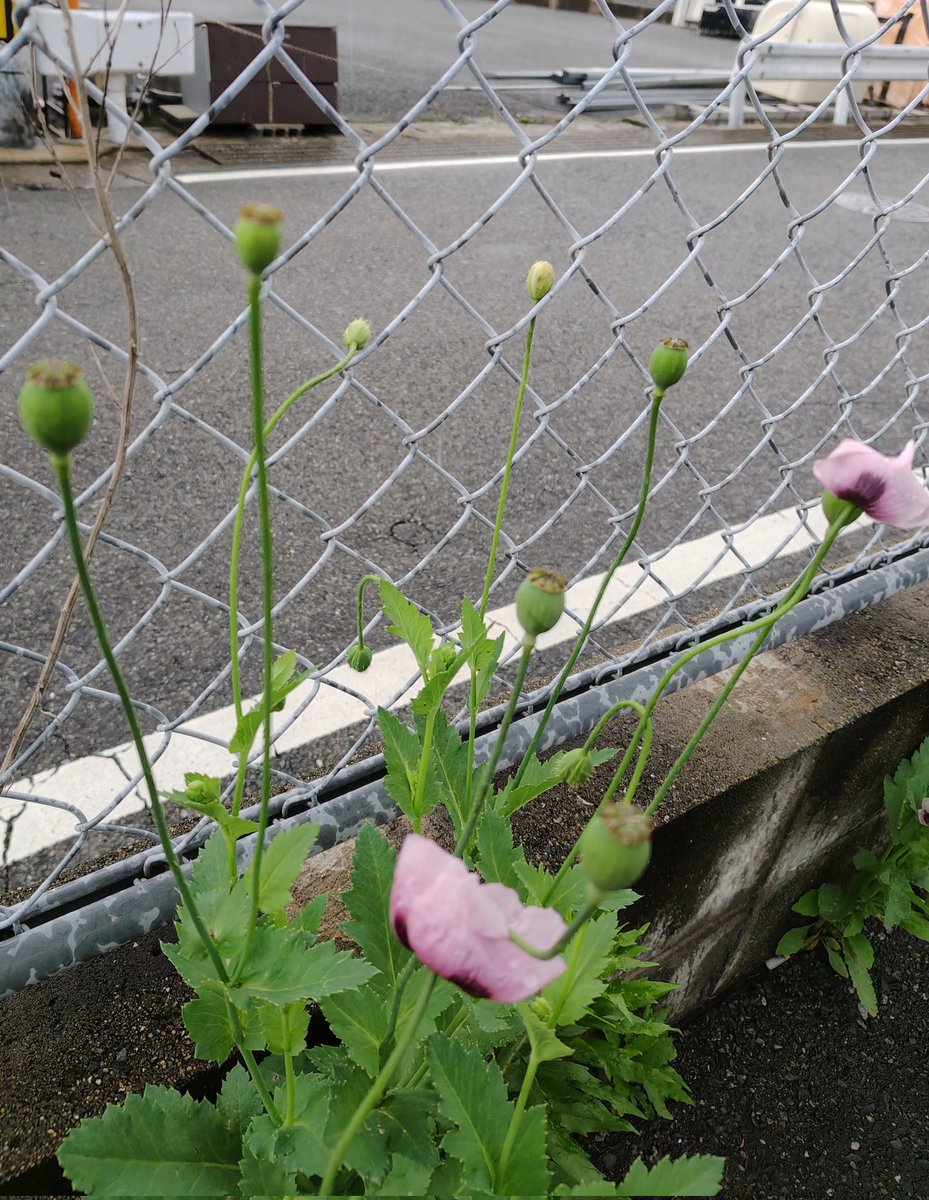
注意喚起です。
会社に警察が来て、お宅の駐車場にケシの花が咲いてるって通報が来たとのこと。
うちだけじゃなくこの近辺に種が飛んだのか、あちこちに生えていますとのこと。
これ、アヘンやモルヒネなど麻薬の元です。
とはいっても届出たら問題ないので警察や保健所に→
3
3,940

Apr 30
I don’t think I’ll ever ever shake the sense of betrayal connecting the dots that most of the students who fed me left-wing ideas—that made class mobility ultimately much harder—were from a significantly higher social class themselves.
I am not sure @robkhenderson’s argument of “elite beliefs” (them being able to afford these beliefs through their own social and economic resources) goes far enough. Perhaps we should phrase them as “ideological class deterrents” that actively keep others from absorbing the real knowledge it would take to rise to their level and become competitors:
The memetic equivalent to deterrent allelochemicals used by plants.
Allelochemicals are biochemical compounds released by plants, microorganisms, or fungi into the environment that either inhibit or promote the growth, survival, and reproduction of other organisms. Often considered a form of chemical competition (allelopathy).
Apr 29

My entire college experience was truly about meeting ppl with leftist politics who loved the idea of class struggle as an aesthetic but were horrified to learn my dad had a ninth grade education and I was in the same class as them
30
75
653
32,419

■【Weeds-74】Long-headed poppy (Papaver dubium) — A story of astonishing adaptation and spread (5)
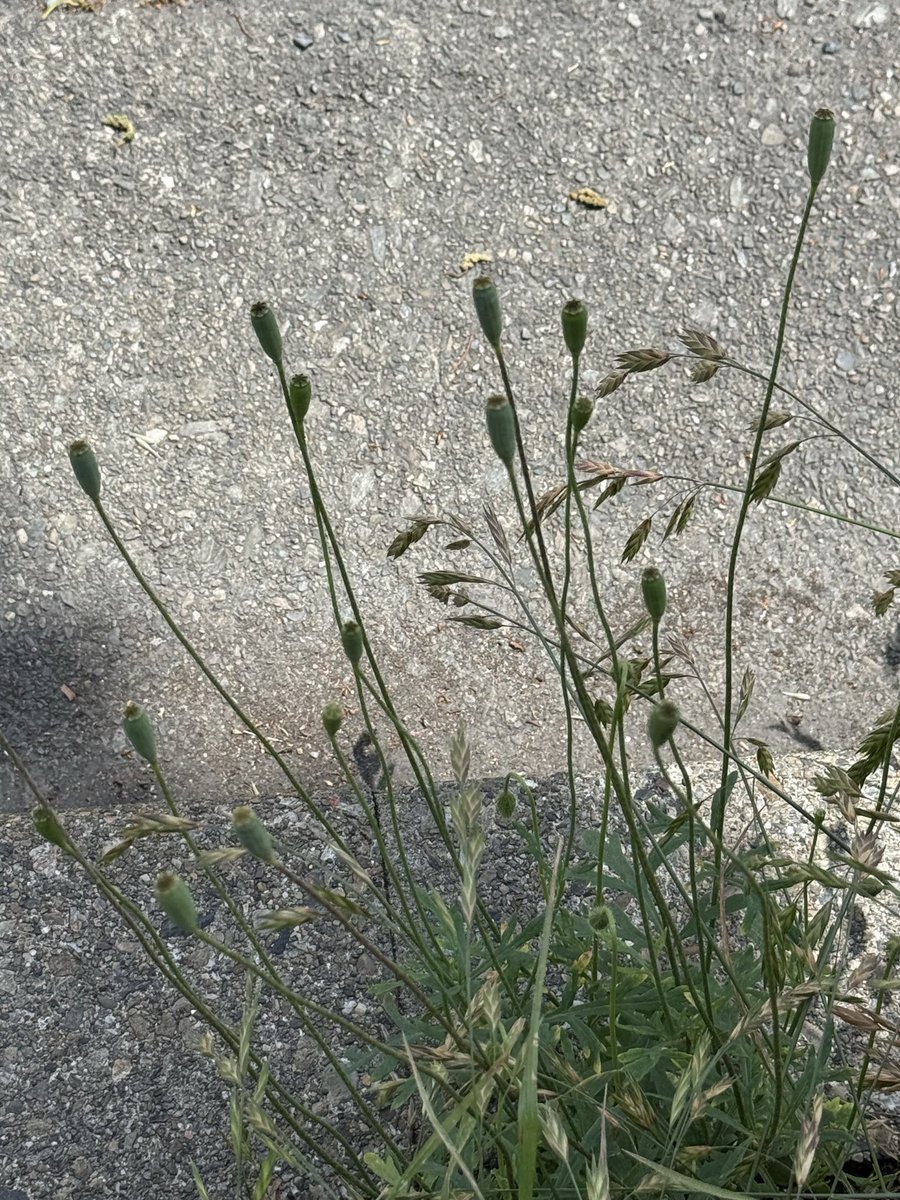
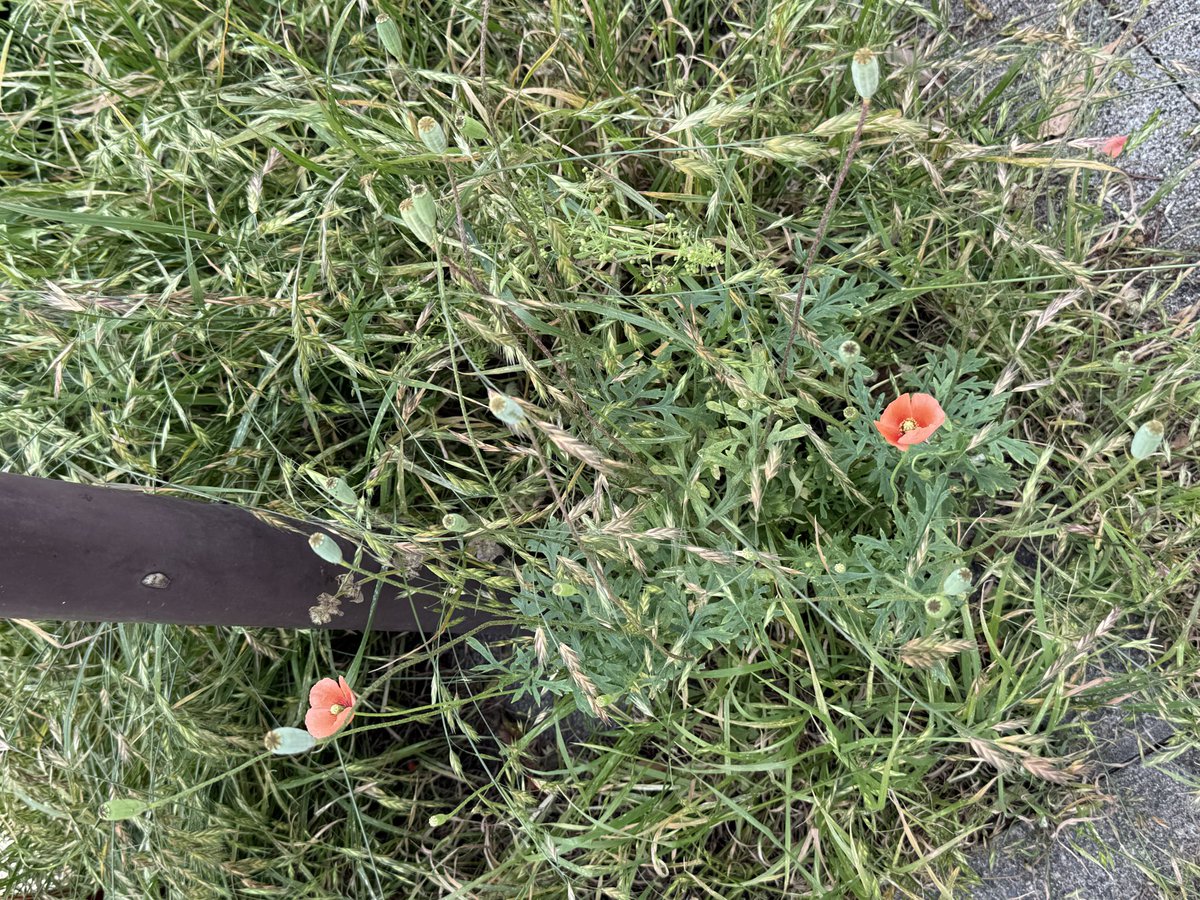
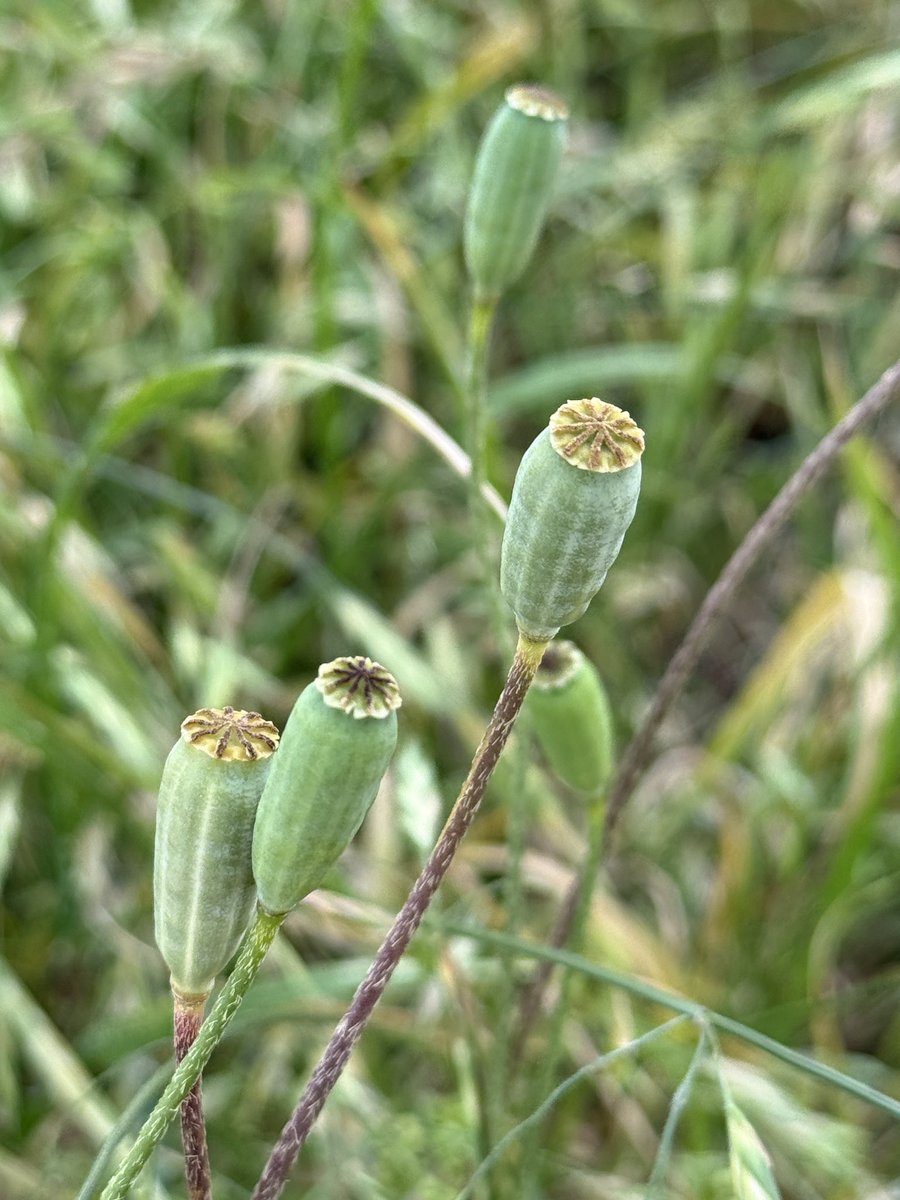
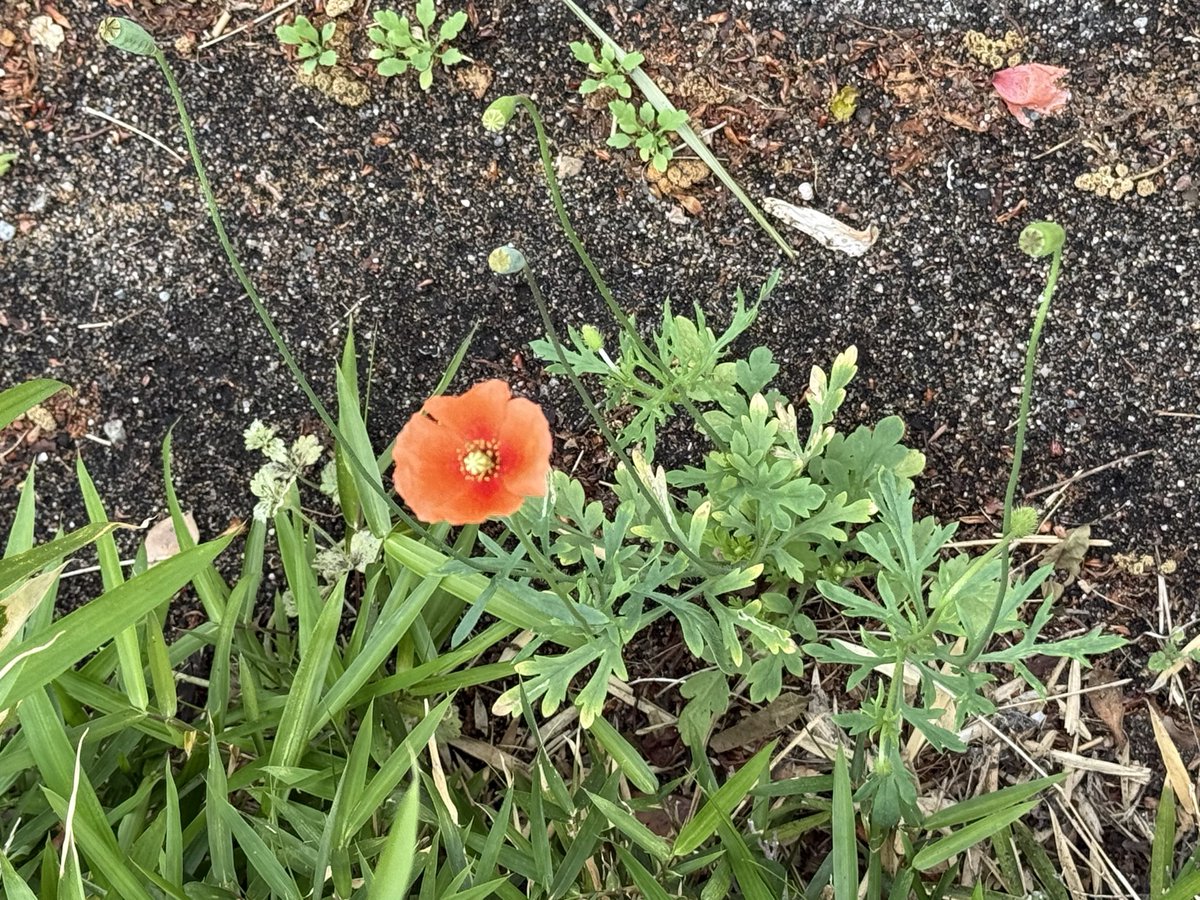
■ This is the third example of the long-headed poppy in Gunma Prefecture—beautiful, yet a plant to be handled with caution and often recommended for removal. Photographed on April 28 (the first bloom this year was observed on April 1). This time, it was found in a planting bed near the east exit of Takasaki Station. At first glance, it looks like there are only 2–3 flowers, but most have already turned into seed pods. Dozens of flower stalks each bear a capsule. Each capsule contains around 1,600 seeds. In the photo, the oval tubes with lids are individual seed pods.
——————
■ 【Reference】Summary from a 2025 series:
■ A member of the poppy family; has spread rapidly across Japan since the 1960s.
■ Each capsule contains about 1,600 seeds, enabling wide dispersal.
■ A single orange flower with four petals grows on a long stalk.
■ The entire plant contains toxic substances; skin contact may cause irritation.
■ It exhibits allelopathy, releasing chemicals that inhibit the growth of surrounding plants.
■ The entire plant contains toxic substances; skin contact may cause irritation.
■ It is recommended to wear rubber gloves, remove the plant before seeds disperse, and dispose of it as burnable waste (disposal methods may vary by municipality, so please check locally).
■■ Original Japanese text below: 日本語
x.com/kurita88/status/204973…
#LongHeadedPoppy #Weeds #Toxicity
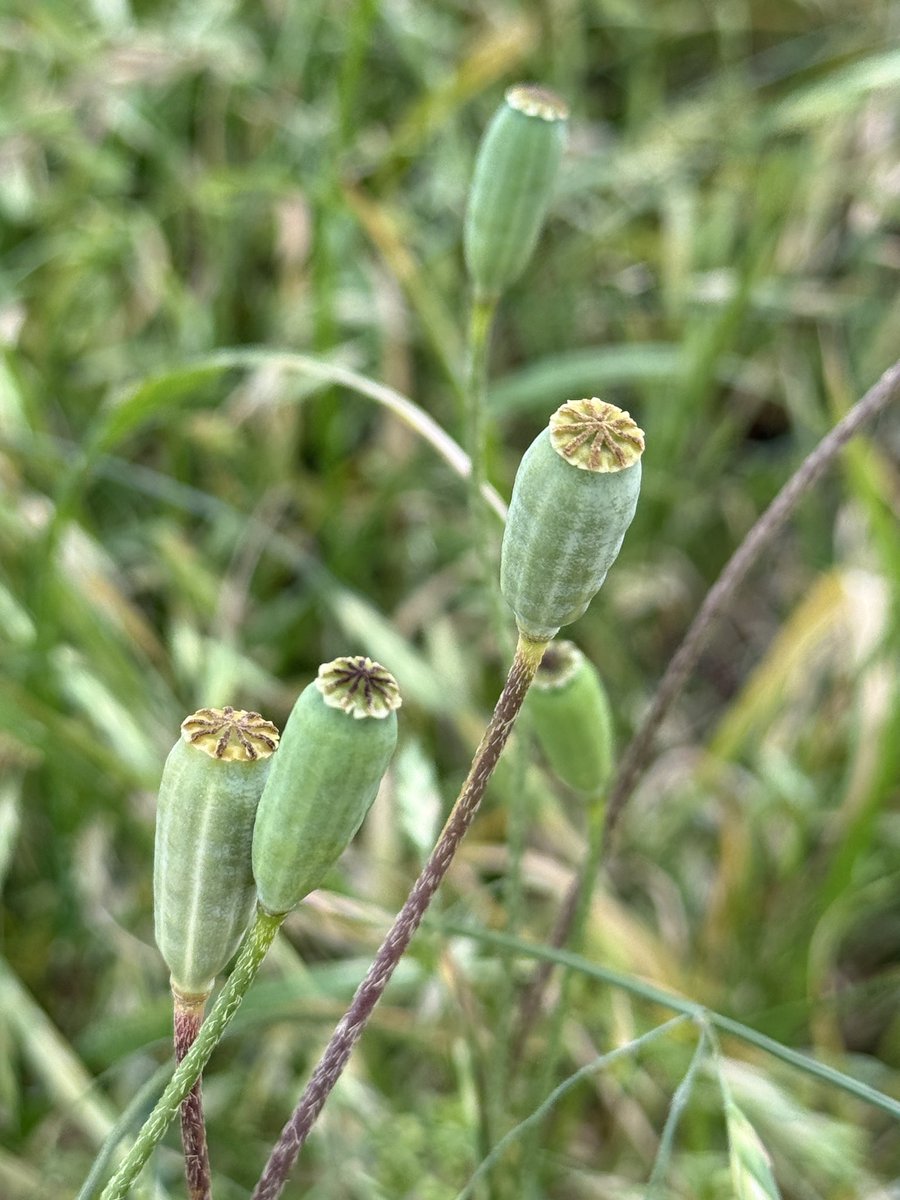
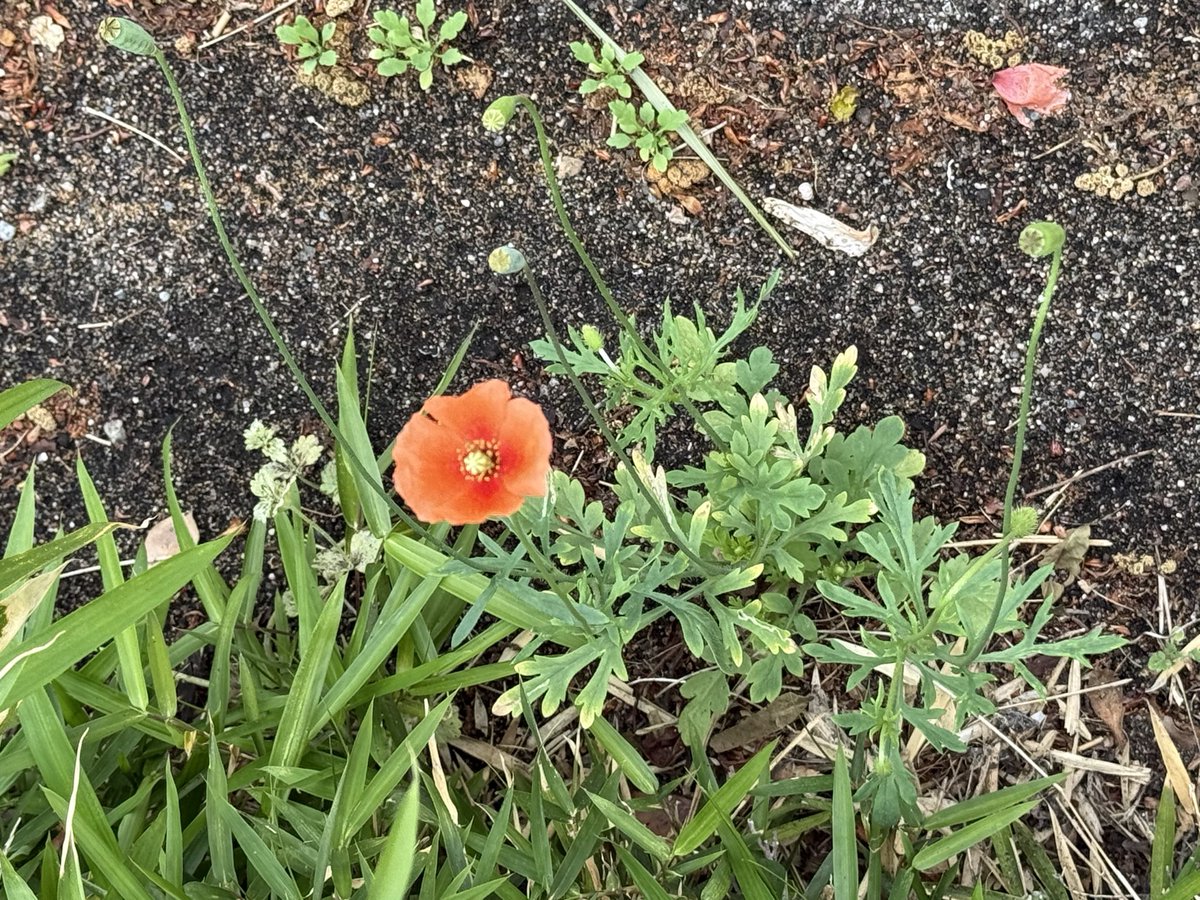

■【雑草-74】ナガミヒナゲシ----恐るべき適応と拡散の物語(5)
■ 美しいけれども要注意植物で駆除が勧められるナガミヒナゲシの群馬県での3例目の紹介です。撮影は4月28日(今年の最初の開花例は4月1日)。今回は高崎駅の東口の駅前の植え込みです。一見すると2-3個の花に見えますが、大半の花はすでに実になっています。数十本の花茎の上にそれぞれ実がついています。個々の実に約1600個もの種子が含まれています。写真で、蓋のついた楕円形の筒が一つの実です。
--------------------
■ 【参考】以下は2005年の連載からの要約です。
■ ケシ科植物。1960年台から日本で急速に拡散。
■ 実には約1600個もの種子を含み広範囲に拡散。
■ 長い花茎に4枚花弁でオレンジ色の花が一個つく。
■ 全草に有毒成分あり、皮膚接触でかぶれる可能性。
■ 化学物質を出して周囲の植物の成長を抑えるアレロパシーという性質がある。
■ 全草に有毒成分あり、皮膚接触でかぶれる可能性。
■ ゴム手袋をして種が飛散する前に抜き取り、焼却ゴミなどして処分することが勧めらる(処分法は各自治体ごとに少し違うので要確認)。
#ナガミヒナゲシ #雑草 #毒性
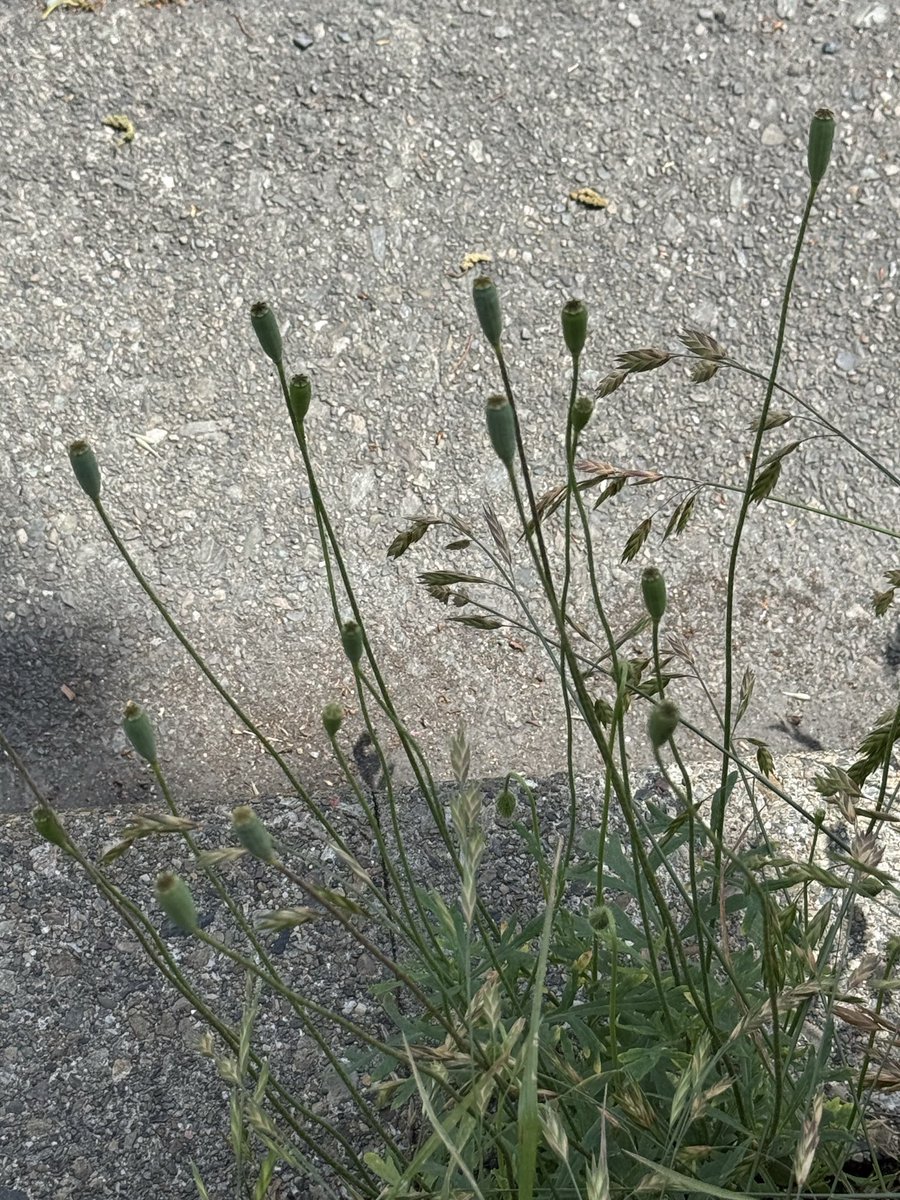
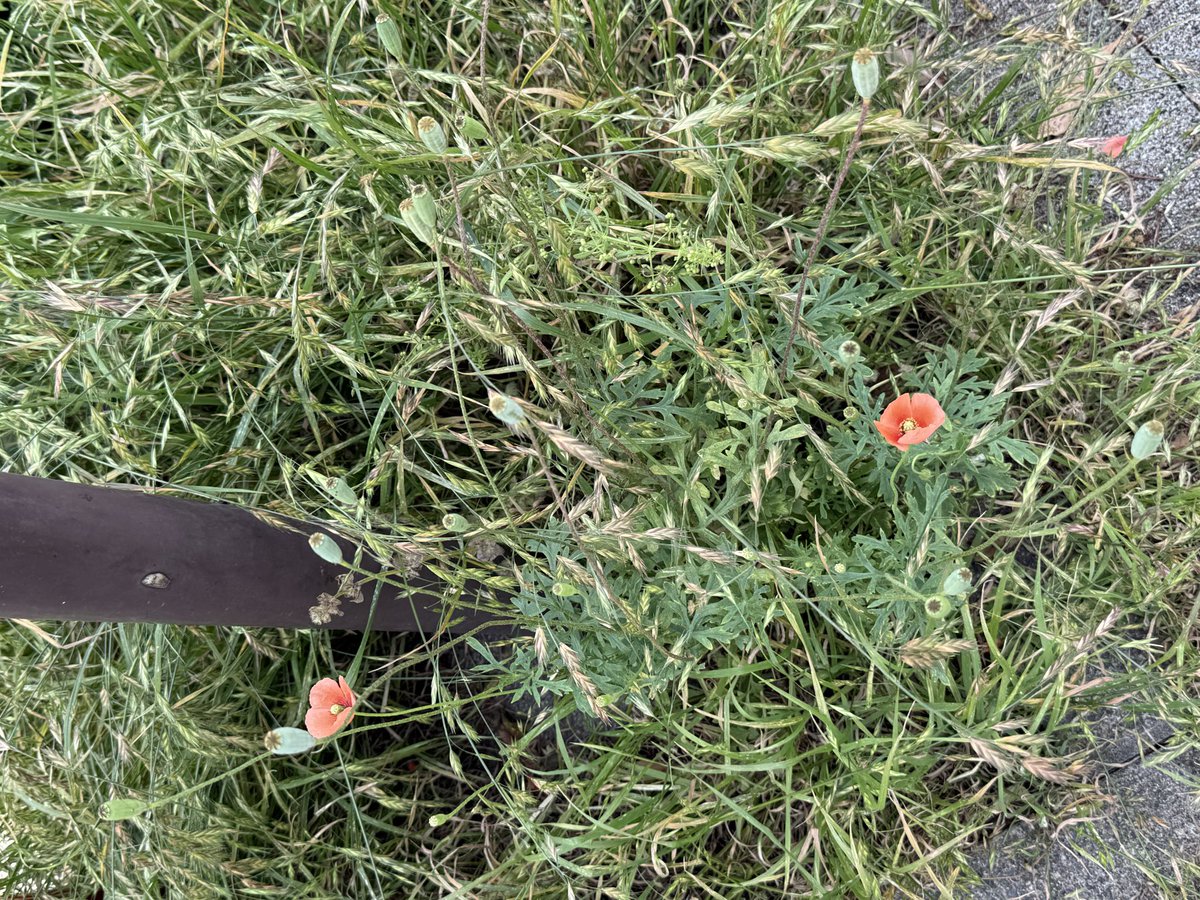
1
14
901
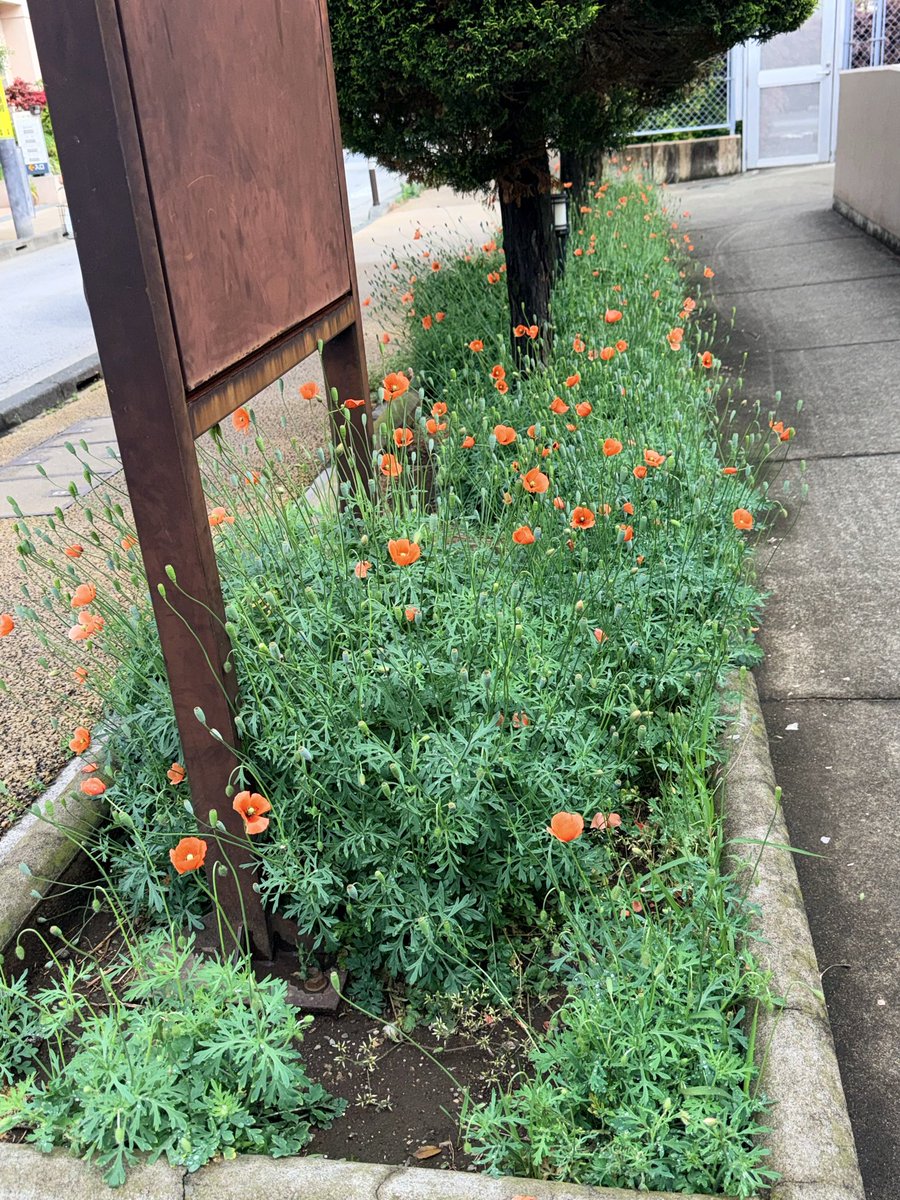
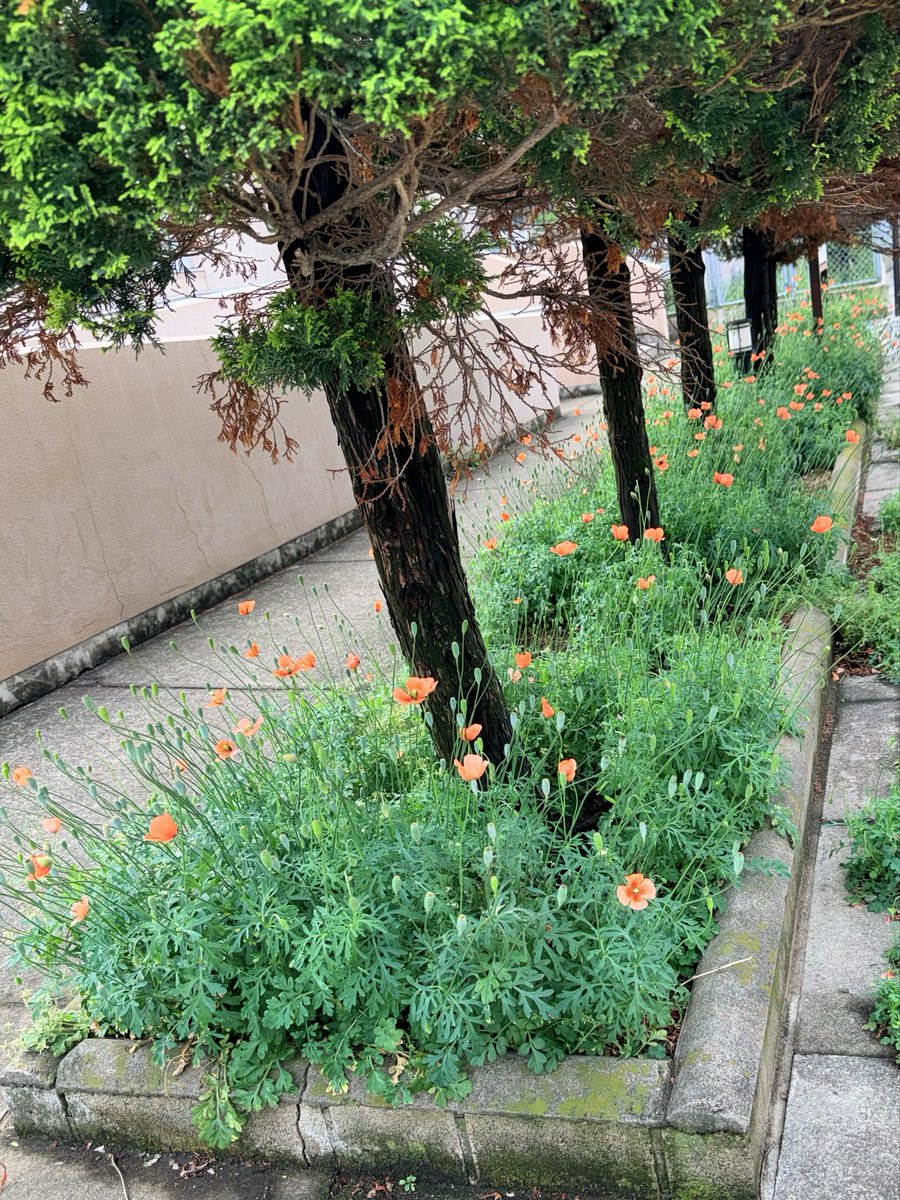
■【Weed-79】Nagami-hinageshi (Papaveraceae) — The Story of Terrifying Adaptation and Spread (4)
■ Beautiful, but a plant requiring caution: Nagami-hinageshi of the poppy family, whose removal is recommended by many local governments.
■ Here I introduce the second example I have found in Tokyo, and the first example in Bunkyo Ward. Photographed on April 24. I estimate that this week and next week will be the peak flowering period in the Tokyo metropolitan area.
■ In front of a certain apartment complex, it has densely colonized a strip beneath a planting bed approximately 5–6 meters long and a little over 1 meter wide.
■ Because it forms such a beautiful colony, some people might mistakenly think it was intentionally cultivated and feel soothed by the sight. However, I believe it has spread there on its own. There are likely several hundred flowers and buds.
■ Through a property known as allelopathy, it releases special chemical substances from its roots and leaves that suppress the growth of surrounding plants. This helps explain its remarkable reproductive power.
■ Over the past one to two weeks, I have found more than 10 spreading spots in Bunkyo Ward alone.
■ The entire plant contains toxic compounds collectively called alkaloids, which may cause skin irritation. Environmental departments of local governments recommend wearing gloves when removing it.
■【Reference】Below is a summary from earlier posts in this series.
■ A member of the poppy family. It spread rapidly across Japan from the 1960s onward.
■ Each seed capsule contains around 1,600 seeds, allowing wide dispersal.
■ A single orange flower with four petals blooms on a long flower stalk.
■ Contains toxic components and may cause dermatitis through skin contact.
■ Wear rubber gloves and remove it before the seeds disperse, then dispose of it as burnable waste, etc. (disposal methods vary slightly by municipality, so please check local rules).
■■ Original Japanese text below:
x.com/kurita88/status/204751…
#NagamiHinageshi #Weeds #ToxicPlant
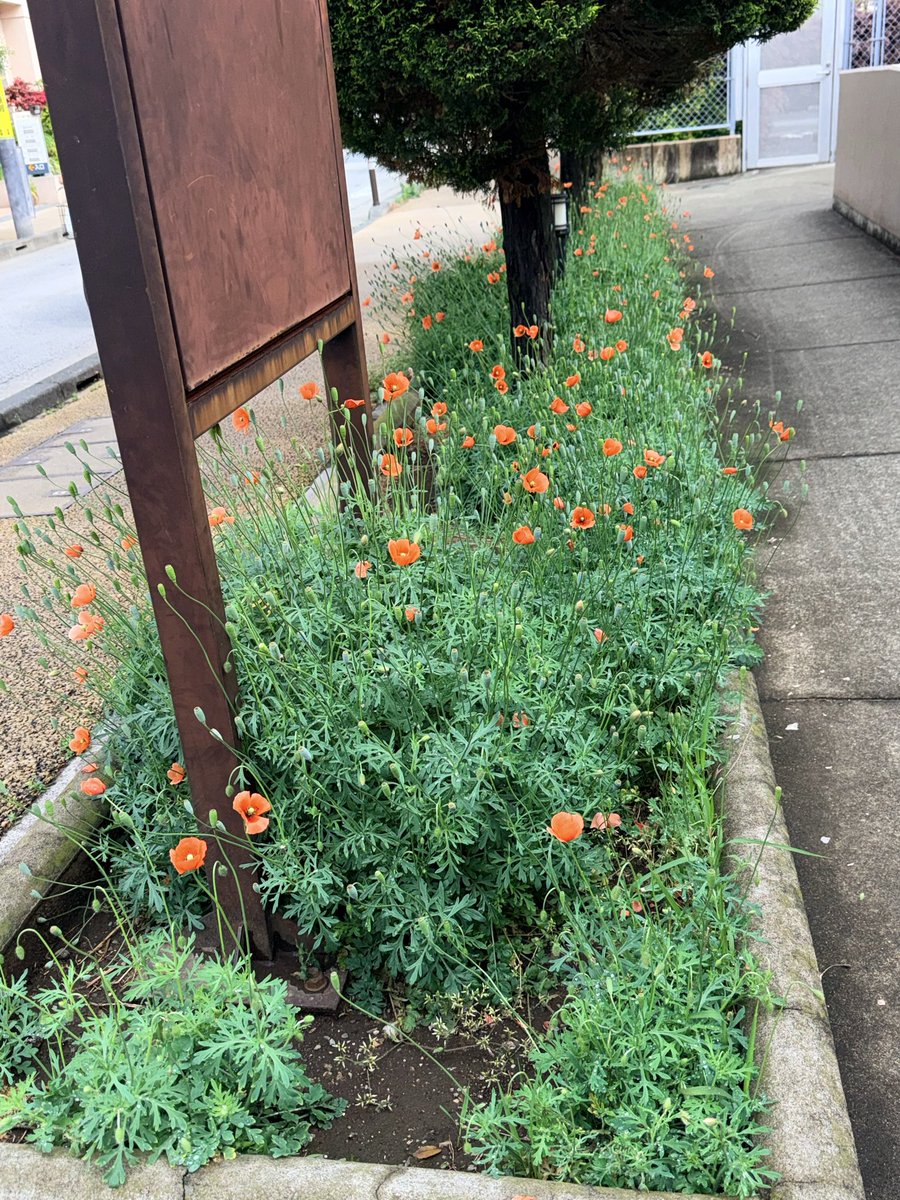
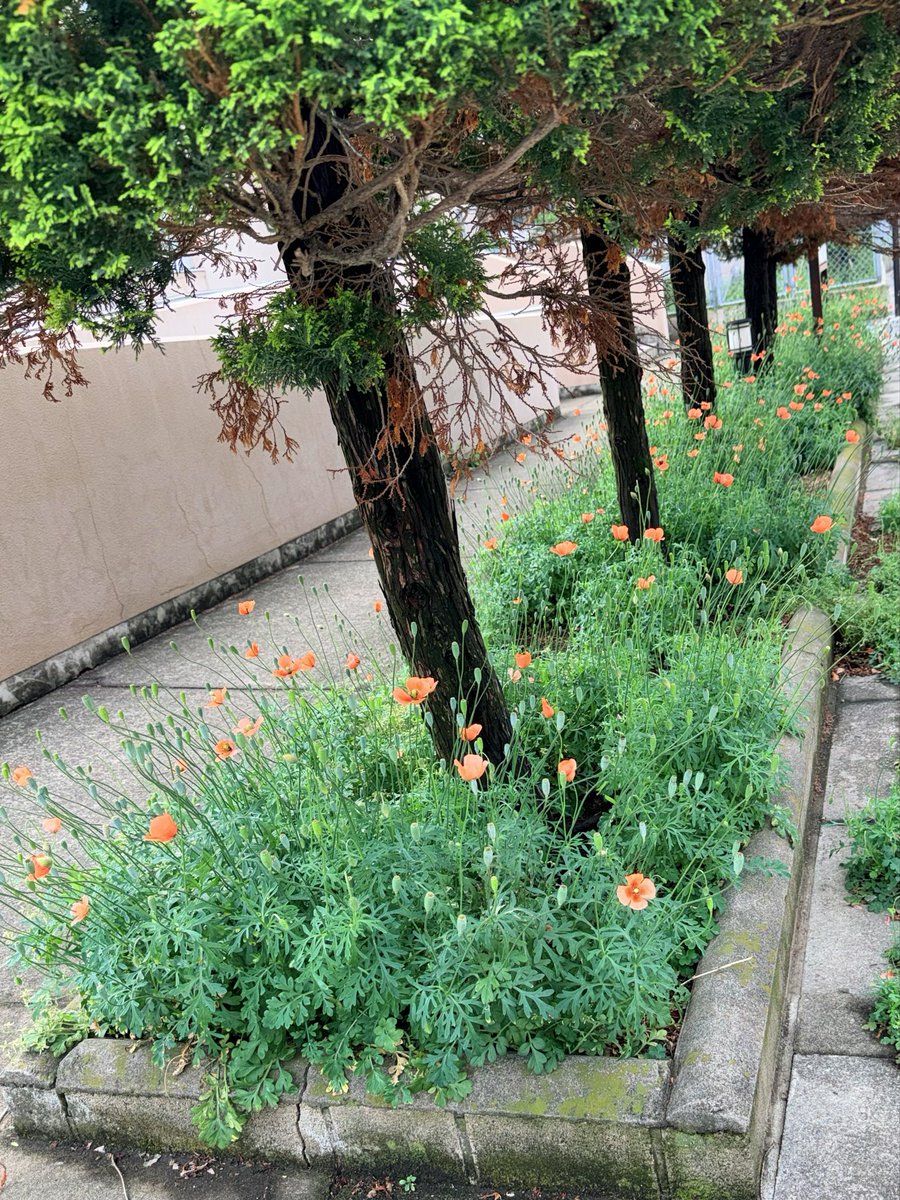
■【雑草-79】ナガミヒナゲシ----恐るべき適応と拡散の物語(4)
■ 美しいけれども要注意植物であり、各自治体が駆除が勧めているのがケシ科のナガミヒナゲシ。
■ その東京都での2例目、文京区での一例目を紹介します。撮影は4月24日。首都圏では今週、来週が開花のピークと推測します。
■ とある集合住宅の前の植え込みの下の長さ5-6m、幅1m余のスペースの一面に繁茂しています。美しい群落なので、意図的に栽培していると勘違いして、癒される人もいるかもしれませんが、実は勝手に繁茂していると推測します。花と蕾で数百個はあります。
■ アレロパシーと呼ぶ性質により、根や葉から特殊な化学物質を放出し、周囲の植物の成長を抑制しています。繁殖力の凄さが理解できるでしょう。
■ ここ1、2週間、文京区に、10箇所以上の繁殖スポットを見つけています。
■ 全草にアルカロイドと総称される毒性があり、皮膚がかぶれます。自治体の環境課では手袋をして駆除することを勧めています。
■ 【参考】以下は過去の連載からの要約です。
■ ケシ科植物。1960年台から日本で急速に拡散。
■ 実には約1600個もの種子を含み広範囲に拡散。
■ 長い花茎に4枚花弁でオレンジ色の花が一個つく。
■ 有毒成分あり、皮膚接触でかぶれる可能性。
■ ゴム手袋をして種が飛散する前に抜き取り、焼却ゴミなどとして処分する(処分法は各自治体ごとに少し違うので要確認)。
#ナガミヒナゲシ #雑草 #毒性
1
25
603
■【Weeds-69】Long-headed Poppy — A Story of Remarkable Adaptation and Spread (3)
■ Here is the second example from Gunma Prefecture of the beautiful yet caution-worthy long-headed poppy (Papaver dubium / often confused with invasive poppy species), a plant for which removal is often recommended. Photo taken on April 19 (the first flowering example I observed this year was April 1). This time, it is a colony growing in a small vacant strip beside an outdoor vending machine. In this tiny plot alone, there are about 50 flowers. There are at least four times as many buds (over 250 total). Each individual flower can scatter more than 1,600 seeds. In total: 1,600 × 250 = more than 400,000 seeds. This is the first reason for its extraordinary reproductive power.
■ The second reason is its use of a trait called allelopathy. This means it releases special chemical substances (allelochemicals) from its roots and leaves, suppressing the growth of surrounding plants. You can understand how formidable its spreading ability is.
■ On April 19, from a car window, I confirmed flowering examples of this plant at more than 10 roadside locations in Gunma Prefecture.
■ The entire plant contains toxic compounds broadly called alkaloids, and skin irritation may occur. Environmental departments in various prefectures recommend removing it while wearing gloves.
■ 【Reference】Below is a summary from a 2005 series.
■ A member of the poppy family. It spread rapidly across Japan from the 1960s onward.
■ Each fruit contains around 1,600 seeds and spreads widely.
■ A single orange flower with four petals blooms atop a long flower stalk.
■ The whole plant contains toxic substances and may cause dermatitis on skin contact.
■ It is recommended to wear rubber gloves, pull it out before seeds disperse, and dispose of it as burnable waste or according to local municipal rules (methods differ slightly by municipality, so confirmation is advised).
■■ Original Japanese text below:
x.com/kurita88/status/204730…
#LongHeadedPoppy #Weeds #ToxicPlan
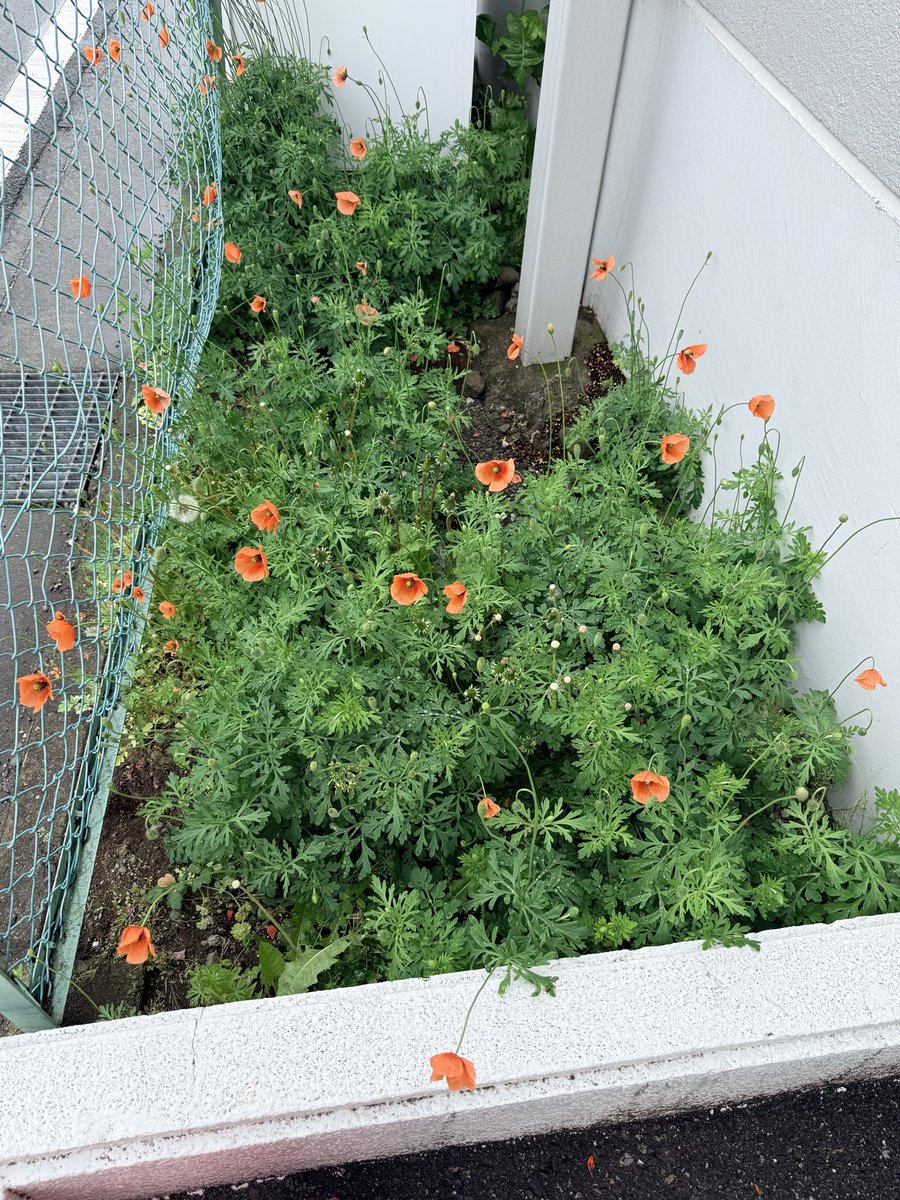
■【雑草-69】ナガミヒナゲシ----恐るべき適応と拡散の物語(3)
■ 美しいけれども要注意植物で駆除が勧められるナガミヒナゲシの群馬県での2例目の紹介です。撮影は4月19日(今年の最初の開花例は4月1日)。今回は屋外の自動販売機の横の小さな空き地の群落の映像です。この小さな区画だけで、花は約50個。蕾はその4倍はあります(計250以上)。個々の花からは1600個以上の種子が散ります。合計で1600x250=40万個以上の種子ができます。これが繁殖力が強い第一の理由。
■ 第二の理由は、アレロパシーと呼ぶ性質を発揮するため。これは根や葉から特殊な化学物質(アレロケミカル)を放出し、周囲の植物の成長を抑制する戦略をいいます。繁殖力の凄さが理解できるでしょう。
■ 4月19日は、車の窓から、群馬県の10箇所以上の路傍で、この花の開花例を確認しました。
■ 全草にアルカロイドと総称される毒性があり、皮膚がかぶれます。各県の環境課では手袋をして駆除することを勧めています。
■ 【参考】以下は2005年の連載からの要約です。
■ ケシ科植物。1960年台から日本で急速に拡散。
■ 実には約1600個もの種子を含み広範囲に拡散。
■ 長い花茎に4枚花弁でオレンジ色の花が一個つく。■ 全草に有毒成分あり、皮膚接触でかぶれる可能性。
■ ゴム手袋をして種が飛散する前に抜き取り、焼却ゴミなどして処分することが勧めらる(処分法は各自治体ごとに少し違うので要確認)。
#ナガミヒナゲシ #雑草 #毒性
2
18
666