


Jan 25
I hear it’s also very quiet inside. But on the outside not so much. Very high pitch sound when handling those on the platform. The Italian air forces visit us at our air base in the Netherlands regularly
1
32


16 Jun 2025
✈️ Aviation enthusiasts, looking for the best blogs to stay updated?
Check out these top aviation blogs for insights, news, and expert opinions on the skies : bloggers.feedspot.com/aviati…
Top Aviation Blogs of 2025 : @AviationWeek , @flightradar24 , @scramble_nl , @alert5 , @aviation24_be , @Boldmethod , @AirlineGeeks , @EXYUaviation , @_shackelfordlaw , @OAG_Aviation , @TheAviationist , @FlyingMagazine , @AVweb , @AirlineReporter , @planeandpilot , @ausaviation , @airwaysmagazine , @simple_flying , @AviationNews_eu , @AINonline , @jetwhine , @avbusinessnews , @Defence_blog , @FearofLanding ...many more
2
111

3 Jun 2025
Is BoldMethod a reputable source for primary training material now that that moron Swayne Martin moved on to the airlines? Or is it still full of questionable and dangerous advice?
2
3
304

11 Apr 2025
Plane strikes routinely occur. Minor aircraft strikes while taxiing, such as wingtip strikes or minor contact with obstacles, are relatively common and often involve minor damage, but can be serious if not handled correctly. Aviation Safety Magazine found an average of 50 taxi accidents per year involving pilots striking stationary objects or being knocked over by wind, according to a study. These incidents often occur due to misjudging taxiway alignment, inadequate communication, or rushing through the taxi process, according to Boldmethod.
Examples of Minor Taxi Strikes:
Wingtip Strikes:
A common occurrence, particularly on large aircraft, where the wingtip brushes against another aircraft or structure.
Obstacle Strikes:
Aircraft striking taxiway lights, buildings, or other objects during taxi maneuvers.
Taxiway Deviations:
Aircraft veering off pavement and becoming stuck in mud or grass, according to the Federal Aviation Administration.
Factors Contributing to Minor Taxi Strikes:
Poor Communication:
Lack of clear communication between pilots, ground crews, and air traffic control can lead to misinterpretations and collisions.
Rush and Inattention:
Rushing through the taxi process, especially in complex airport environments, can lead to mistakes.
Improper Taxiing Techniques:
Taxiing too fast, failing to maintain proper clearance, or not anticipating turns can contribute to incidents.
Safety Measures to Prevent Minor Taxi Strikes:
Training and Procedures:
Pilots receive training on taxiing techniques and procedures to minimize the risk of collisions.
Communication and Coordination:
Clear and concise communication between all parties involved is crucial.
Taxiway Lighting and Markings:
Well-maintained taxiway lighting and markings help pilots navigate and avoid obstacles.
Anticollision Aids:
While not universally implemented, some aircraft are equipped with systems to assist pilots in determining wingtip paths while taxiing, according to BEA.Aero.
In Summary: While minor taxi strikes are relatively common, they can have serious consequences if not handled properly. By emphasizing training, communication, and proper taxiing techniques, the aviation industry strives to minimize the risk of these incidents.
3
68

27 Mar 2025
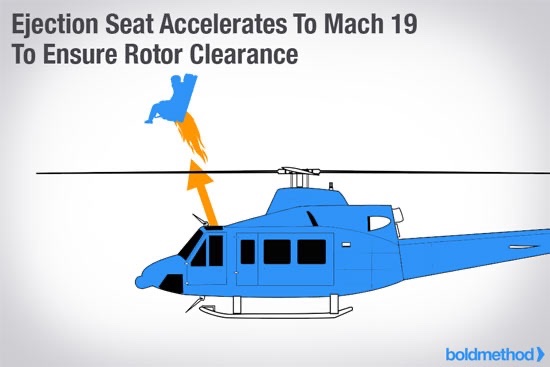
Rotor Floater developed a specialized gear box that slows the helicopter's rotor blade to allow the ejection seat to safely pass through. And to ensure minimum exposure to the blades, the specially designed ejection seat achieves a maximum velocity of Mach 19 - fast enough to pass through the blades in 0.002 seconds. "That speed is a little hard on the pilots, but helicopter pilots are a tough bunch, so we figure they can handle it."
Can you handle Mach 19?✈️
📸 by @Boldmethod
Not an ad
12
3
36
2,542
25 Jan 2025
See this is what I hate about BoldMethod / SkY gOd SwAyNe MaRtIn. Instead of “fly the fucking airplane and land ASAP”, dude thinks you should do a little light reading 🙄
2
9
475

16 Jun 2024
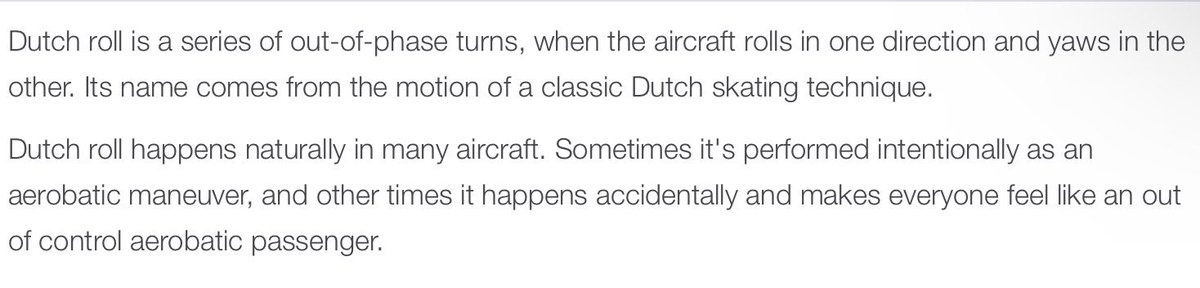
BoldmethodというサイトのDutch rollの説明
難しいですね。
yawが「左右に揺れる」という意味です。スケートから来た言葉なんですね
1
1
3
4,501

14 Mar 2024
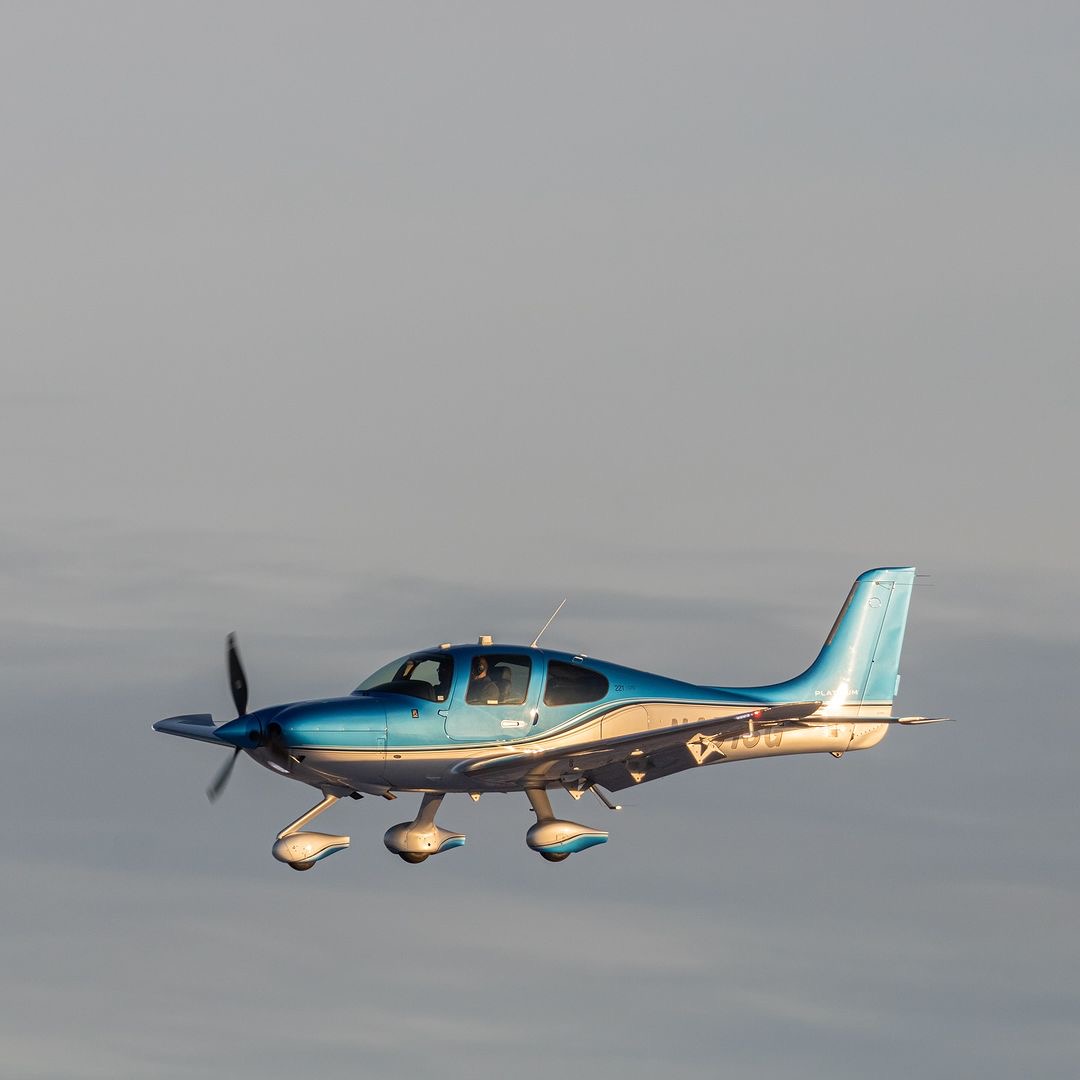
Think you're ready to take to the skies as a private pilot? 🤔👨✈️
Test your knowledge with this quick quiz from @Boldmethod, and see if you're prepared for takeoff!
Take the quiz: bit.ly/49tD4ke
2
157
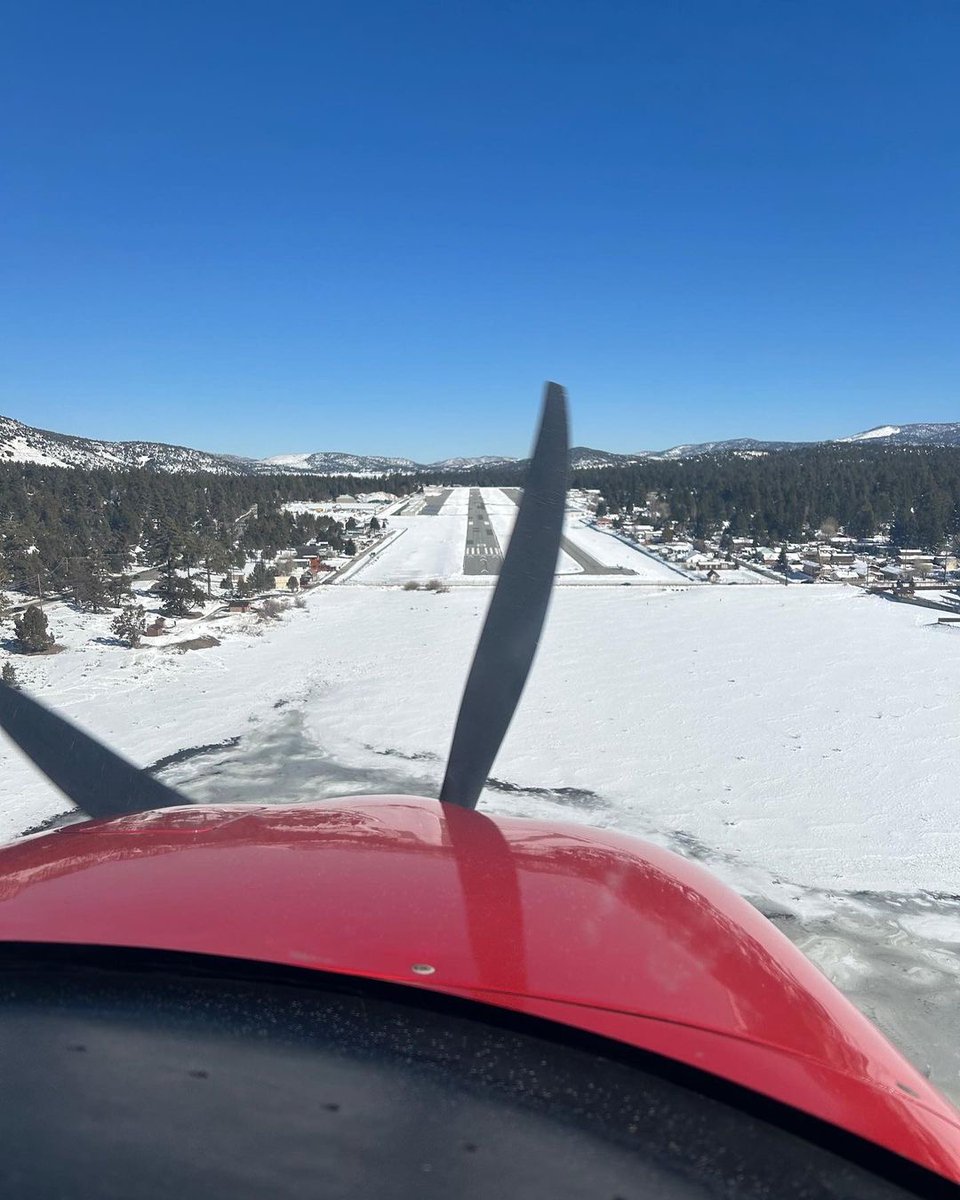
Winter flying 101: Handling icy runways and taxiways 🌨️ ❄️
Navigating icy runways and taxiways requires skill and caution. Stay safe and prepared with the expert tips from our friends at @Boldmethod!
Full article: bit.ly/4bQ7vTr
2
111

10 Dec 2023
這個是因為有
「最大降落重量(Maximum Landing Weight, MLW)」的概念。
最大起飛重量>最大降落重量。
超過飛機降落時的許可最大重量。
車輪會受嚴重影響
➡︎☝️ How Airline Pilots Manage Maximum Landing Weight | Boldmethod
boldmethod.com/learn-to-fly/…
10
4,308
13 Nov 2023
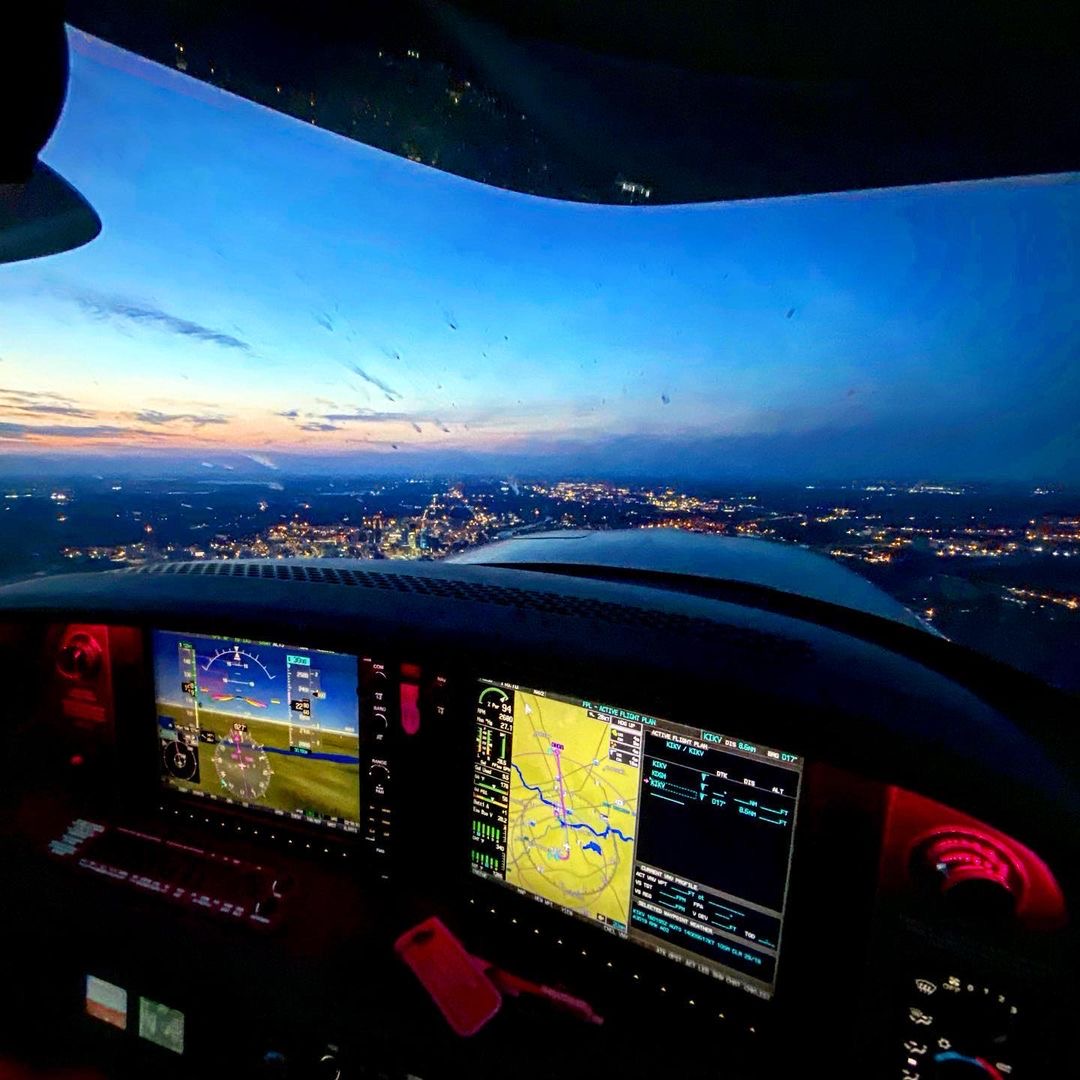
5 common night landing pain points:
🕳️ Black Hole Effect
💡 High Intensity Lights
🌧️ Rain
🛬 Runway Width Illusions
🧭 Locating The Airport
Check out this article from @Boldmethod featured in our COPA Magazine, ‘5 Tips for Safer Night Landings’: bit.ly/467fzuH
2
73

23 Sep 2023
Coffin Corner And Mach Tuck, Explained: Boldmethod Live boldmethod.com/blog/video/20…
1
7
1,794

22 Jun 2023
There's a lot of red tape for pilots wanting to perform maintenance on planes they own/operate. @Boldmethod shares what preventative maintenance certificated pilots can do. boldmethod.com/learn-to-fly/…
If you want to go beyond that list, it might be time to consider becoming an A&P.
2
12

19 May 2023
Here’s a great explainer on STAR’s (Standard Terminal Arrivals) from the guys over at BoldMethod. Easy to digest for anyone.
youtu.be/2OoSiSPmdvI
4
1,589