
Never seen so much cope in a single comment thread. Look at these poor men; mutilated when they were literal babies and now having to live with that reality. Don't research umbilical cord clamping either or you'll really realize how we've been biologically engineered to be cattle
4
Inga Sabule retweeted

On this day every year we remember how the USSR herded thousands of families with children into cattle cars bound for Siberia. Many never returned. 🇱🇻😢
This is why we know what Russia does today in Ukraine and why we will do all a small nation can to help Ukraine win 🇺🇦💪

🕯️ 1941. gada 14. jūnijā Padomju Savienība masu deportācijās no Latvijas izsūtīja vairāk nekā 15 400 iedzīvotāju. Daļu deportēto arestēja un nogādāja ieslodzījuma vietās, pārējos nometināja Sibīrijā un Kazahstānā.
Ārlietu dienestā šodien pieminam 71 deportēto vai nošauto Latvijas diplomātu un viņu ģimenes locekļus.
Brutālā izsūtīšana šķīra ģimenes, salauza cilvēku dzīves un likteņus.
Krievija nav uzņēmusies atbildību par šiem noziegumiem un jau piekto gadu izvērš kara agresiju pret Ukrainu 🇺🇦 un tās tautu.
Krievijai ir jāatbild par noziegumiem pret cilvēci.
3
6
137

You didn’t even get into the prices of everything. In my area, every single item of fencing supplies down to brackets nailed to brace the stretch posts have at least tripled in price. Barb wire & farm equipment keep inflating like cattle prices will never drop again.
1
chimaobi kizito retweeted

Mother cr!es out as she and her son struggle to chase away a Fulani herdsman and his cattle destrøying crops on her farmland in Rivers state.
27
52
76
3,957

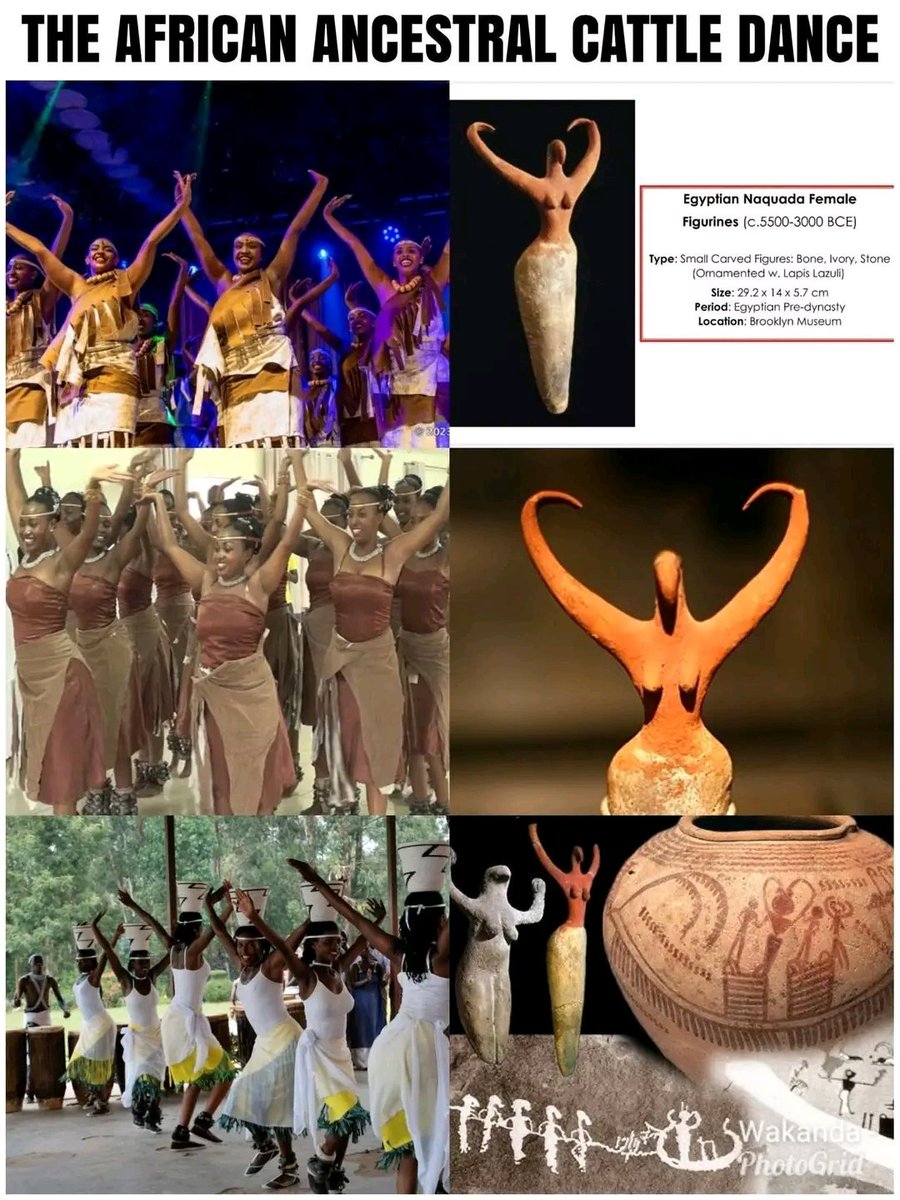
THE AFRICAN ANCESTRAL CATTLE DANCE
Based on archaeological and ethnographic evidence, the traditional dances of Central and East Africa, such as Igishakamba and Amaraba, may represent one of the world's oldest continuous cultural traditions, directly linked to the ancient veneration of cattle (Adetitun-King, n.d.; Nikulikiyinka, 2002, as cited in Nidjergou, 2015). These dances, performed by communities in Uganda, Rwanda, and Burundi, are characterized by elegant, raised-arm movements that deliberately mimic the sweeping horns of the indigenous Ankole-Watusi cattle (Adetitun-King, n.d.; Tamansafari, 2024). For pastoralist societies like the Bahima and Banyarwanda, these cattle are not merely livestock but sacred symbols of wealth, status, and spiritual blessing, with their form and movement deeply inspiring local art and performance (Nzabonimpa, as cited in Adetitun-King, n.d.; Joshua Project, 2025).
A compelling artefact supporting this continuity is a Predynastic Egyptian terracotta figurine from El Ma'marîya, dated to the Naqada IIa period (c. 3500–3400 BCE) and housed in the Brooklyn Museum (07.447.505) (Brooklyn Museum, n.d.; Gallinaro & Vanzetti, 2024). The figurine depicts a woman with her arms raised above her head, hands turned inward—a pose that museum scholars note "might mimic the horns of cattle, important animals in early Egypt" (Brooklyn Museum, n.d.). Archaeological findings confirm that long-horned cattle anatomically similar to the Ankole breed were domesticated and revered in the Nile Valley during this era, depicted on artefacts like the Gerzeh Palette (also known as the "Hathor Palette" or "Cow-Head Palette") (Mironova, 2024; Wikipedia, n.d.). The figurine's specific gesture, therefore, may not be an abstract ritual but a direct representation of a cattle-veneration dance practiced over 5,500 years ago, suggesting a shared cultural heritage across ancient and modern African pastoral societies (Gallinaro & Vanzetti, 2024).
Thus, the dance traditions honoring the Ankole cattle likely constitute an unbroken cultural thread from Predynastic Egypt to present-day East Africa. Among pastoralist groups such as the Dinka of Sudan, dancers "hold their arms up and wide apart, imitating the shape of cattle horns," while the Karamojong of Uganda "leap and frisk in imitation of young cattle" (International Encyclopedia of Dance, 1998, p. 187). In Rwanda, the dance umushagiriro is explicitly described as one in which "women imitate the graceful walk of cows" (Nidjergou, 2015, p. 717). Similarly, the Banyankore of Uganda perform Ekitaguriro, where "the women spread their hands across and above their heads in the representation of the long-horned cattle" (Okurut, 2022).
References
Adetitun-King, A. (n.d.). The oldest dance in the world? The King's Monologue. Retrieved from thekingsmonologue.com
Brooklyn Museum. (n.d.). Female figure [Object 07.447.505]. In Brooklyn Museum Collections. Retrieved [date] from brooklynmuseum.org/objects/4…
Gallinaro, M., & Vanzetti, A. (2024). Body modifications and performative actions: The Predynastic figurines from El Ma'mariya and Naqada. Analecta Archaeologica Ressoviensia, 23, 130-147.
International Encyclopedia of Dance. (1998). East Africa: Pastoralist dances. In International encyclopedia of dance (Vol. 2, p. 187). Oxford University Press.
Joshua Project. (2025). Banyankore in Rwanda. Retrieved from joshuaproject.net/people_gro…
Mironova, A. (2024). Semantics of the images of a cow's head in Egyptian monuments of the Predynastic and Early Dynastic periods. Vostok (Oriens), 2024(6). doi.org/10.31696/s0869190800…
Nidjergou, H. (2015). Danse et reconstruction post-génocidaire au Rwanda. Cahiers d'Études Africaines, 55(220), 713-738. (Cites Nikuliyikinka, 2002)
Okurut, G. (2022, October 25). Ekitaguriro dance basic tutorial [Video]. YouTube. youtube.com/watch?v=K669hPwP…
Tamansafari. (2024, May 27). Horns of wonder: Decoding the Watusi mystique. Taman Safari Bali. Retrieved
1
7
Stoni retweeted

18h
Lakini kulipa 30 heads of cattle plus Goats kwa mtu amedinywa miaka kadhaa for free as dowry, doesn't sit well with me. Let's be honest
205
516
2,746
68,268

Libtards will call him cattle for this then fight tooth and nail in the streets to maintain the right of billionaires to race-alien scab labor wage arbitrage
Jun 10

FYI if you're a leftist this post isn't for you and you still need to be liquidated
7
54
721
11,375
🦚 retweeted

Arab children in holy land of Palestine are being slaughtered like cattle because Hijazi niğğer on the left thought collaborating with Brits would give them united Arabia
At least have some honor and dignity for God's sake

مرحبا عزيز المنغولي عندما كان اجدادك تاكل لحم الخيول وتهرب من البرد في جبال منغولية كان اجدادنا يحولون ايصال الاسلام لك وعندما طردناك من حلب 1916 ذكرناك بهزيمتك 2016 و 2024 هذه حلب ليس اسطنبول اذا كنت تريد حلب تعال وخذها 40سنة تقاتلون الاكراد 22يوم سحقناهم نحن #سوريا
7
13
250
10,880


Why doesn’t Matawalle resign and go find something else to do if it’s only God that is capable of doing his job? Why is he collecting salary and allowances as defense minister when we should be using that money to give God a burnt offering so he can help us end the insecurity?
They should vacate the offices so we use some of the defense budget to buy rams, goats and cattle offer as offering to God to come and get the job done? These people have definitely lost their wretched minds
1
3
FNX retweeted

>believing that 99.98% of humanity are cattle
Jun 12

Ok but Rabbi Mizrachi believes that like 95% of Jews are basically goyim
40
358
4,797

Flesh-eating screwworm detected in U.S. for first time in 60 years, posing threat to cattle industry. USDA officials confirmed the parasite's return in a southern region. #Health #PublicHealth
1

"🥩🐄 Why does some steak have white streaks running through the meat while others don't? In this fascinating breakdown, Dr. Robert Lustig compares *grass-fed beef, corn-fed beef, American beef production, Argentine beef, Italian beef, cattle nutrition, metabolic health, and food quality* to explain what may be happening beneath the surface.
This discussion explores the differences between **grass-fed vs grain-fed beef, metabolic syndrome, insulin resistance, cattle farming, modern agriculture, nutrition, food science, obesity, chronic disease, processed food systems, and metabolic health**. The visible fat patterns in beef can reveal important insights about how animals are raised, what they eat, and how modern food production has evolved over time.
🌱 Grass-fed cattle typically spend more time grazing on pasture, while many conventionally raised cattle are finished on grain-based diets. This has fueled ongoing debates around **beef quality, nutrient density, food sourcing, regenerative agriculture, healthy eating, sustainable farming, animal health, and human health**.
Dr. Lustig connects the concept of **metabolic syndrome, insulin resistance, liver health, obesity, diabetes, nutrition science, food industry practices, and modern diet trends**, raising important questions about the relationship between what animals eat and what ultimately ends up on our plates."
💡 Understanding your food is one of the first steps toward better health.
🎙️ Credit: Dr. Robert Lustig
youtube.com/shorts/E3GepDXTj…
2
Vera_pessimista retweeted

Imagine.
If it happened today, we’d call it ethnic cleansing.
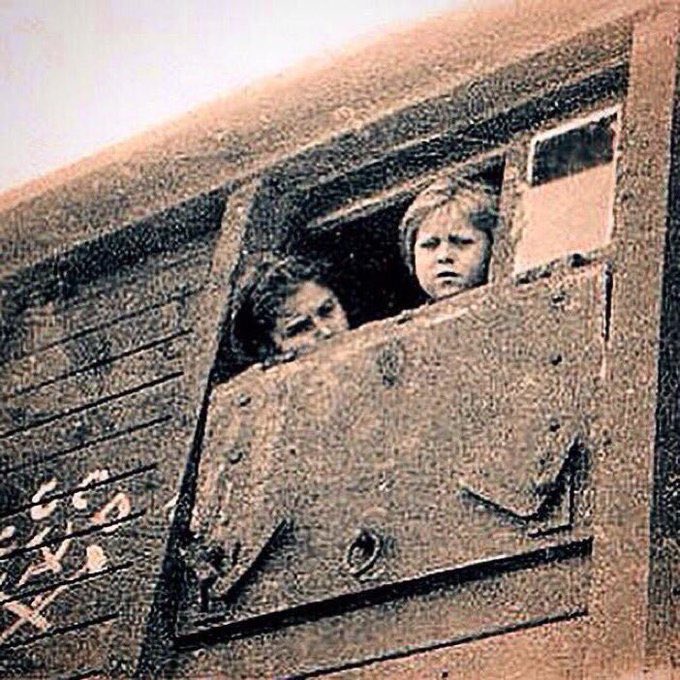
But change the year to 1941, replace buses with cattle cars, and suddenly some people call it “liberation.”
The Baltics never forgot.
That’s why they never trusted Moscow again.

OTD in 1941 Soviets started forcibly deporting 50,000 of the Baltic people we had ‘liberated from fascism’. 60% died. 75% were women & kids
Imagine mass deportations happening today..
5
6
108

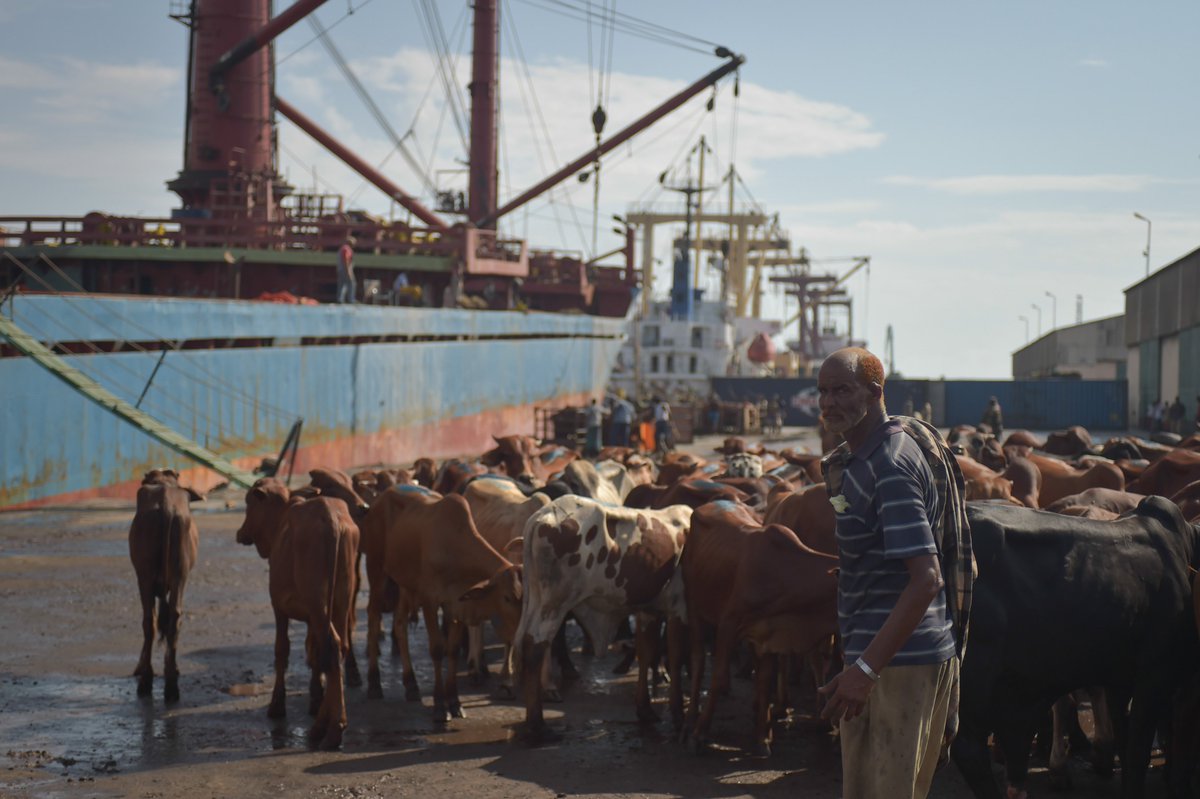
𝗣𝗵𝗼𝘁𝗼 𝗼𝗳 𝘁𝗵𝗲 𝗪𝗲𝗲𝗸 📸 – Pastoralism remains central to Somalia’s economy and to the livelihoods of many rural families - the pastoral and livestock value chain supports an estimated 60% to 65% of the Somali population.
Through @FAOSomalia, the @UN supports efforts to strengthen the agricultural and livestock sectors to help build resilience, sustain incomes and support long-term recovery.
Shown here, a Somali cattle herder tends to cattle as it is readied for export from Mogadishu's port.
14