
28s
Enjoyed this video...here's what Chat GPT said about the flying car safety systems:
Doroni Aerospace says safety is one of the primary design goals for its H1-X personal eVTOL ("flying car"). Rather than relying on a single system, they are building in multiple layers of protection. (Doroni)
Some of the key safety features they have described include:
Whole-Aircraft Ballistic Parachute
If the aircraft experiences a severe emergency, a rocket-deployed parachute can lower the entire vehicle to the ground. This is similar in concept to the systems used on some small aircraft such as the Cirrus SR22. (Doroni)
Multiple Propulsion Systems
The H1-X is planned to use ten independent propulsion units. The idea is that if one motor or propeller fails, the aircraft can still maintain control and land safely rather than depending on a single engine. (Doroni)
Ducted Propellers
The propellers are enclosed inside ducts rather than being exposed. This helps protect people on the ground, reduces the chance of contact with spinning blades, and may offer some protection from debris. (Doroni)
Anti-Collision Systems
Doroni has described a 360-degree obstacle-detection and anti-collision system intended to help the aircraft detect hazards and avoid crashes. (eVTOL News)
Semi-Autonomous Flight and AI Co-Pilot
The company's vision is that flying should be much simpler than operating a traditional aircraft. Features such as self-stabilization, autonomous navigation, and the planned SOUL AI digital co-pilot are intended to reduce pilot error, which is one of the biggest causes of aviation accidents. (FLYING Magazine)
Crash Protection
Doroni says the aircraft will include energy-absorbing structures and airbags to protect occupants in an accident. (Doroni)
Redundant Systems
The company also mentions redundant batteries, avionics, and flight-control systems so that a failure in one component does not immediately become a catastrophic failure. (Doroni)
One thing worth noting: many of these features are part of the company's planned production design. The H1-X is still in development, with customer deliveries currently targeted for around 2028, so the real-world safety record won't be known until the aircraft goes through certification and accumulates flight hours in service. (Doroni)
From a safety-engineering perspective, the ballistic parachute is probably the most reassuring feature. If it works as intended, it provides a last-resort option that traditional helicopters generally do not have. Combined with multiple motors and autonomous flight assistance, Doroni is clearly trying to make the aircraft tolerant of both mechanical failures and human mistakes.
1


RT @lovetocook12345: I’ll say it, the California Elections both Up and Down board were stollen. Arrests will happen after certification. Yo…
25

BA Geography & Rural Devt
MSc Environmental Science policy & mgt
Entrepreneurship in emerging economies - certification
Architecture for beginners - certification
I have two/three more degrees to get then I’m done
Jun 12

Hi women, can you post pictures or talk about your academic achievements? I need some motivation this month.
If you see this tweet, share it so women can see it.
1
6
5
542
Biggest Bird 🦅🦅❤️💯 retweeted

Wizkid songs that are eligible for RIAA Certification 🇺🇸
My love — Eligible for Gold
Malo — Eligible for Gold
Forever be mine — Eligible for Gold
Brown skin girl — Eligible for Platinum
One dance — 15X platinum

4
32
132
1,526

Peut être pas jusqu'à l'échec mais MTU n'a pas été capable de développer une partie du FADEC des TP400 seul alors qu'il en avait la charge. Il a "découvert" les exigences documentaires pour la certification civile un peu tardivement.
4
Ugonna✂️ retweeted

B.A- Philosophy
MBA- Human Resources management in view (2027)
Certification- Chartered institute of personnel management (CIPM).
Will be back to quote this with more achievements in few years time.


Jun 12
Hi women, can you post pictures or talk about your academic achievements? I need some motivation this month.
If you see this tweet, share it so women can see it.
1
11
49
602

BSc: Mass Communications (COOU)
MSc: Mass Communications (UNILAG)
Certification: Brand Management and Marketing Strategy (O2 Academy)
Certification: arpa (Advertising Practitioners Council of Nigeria)

3


Every idea I shared in meetings suddenly became her idea a few days later. If I signed up for a certification course, she enrolled in the same one. If I mentioned a professional goal, she’d announce a nearly identical plan shortly afterward.
At first, I brushed it off. Then it got weirder. When I updated my office workspace, she copied it almost exactly.
When I changed my work schedule, she requested the same schedule. People started joking about it. I laughed too, but honestly, it was becoming uncomfortable.
The final straw came during a company leadership conference. I was scheduled to give a presentation on a project I had spent months developing. The morning of the event, she started telling people that most of the work had actually been inspired by conversations she’d had with me.
2/
1
5
𓃵 retweeted

So I n33d some sort of certification to show I can use Microsoft??
Lmao😆
1
20

Excellent article! Great coverage on a major de‑risking milestone that sharpens the certification path and valuation outlook. Clear, informed, and incredibly useful for new investors trying to understand why Horizon Aircaft stands out. $HOVR
3

A citizen reportedly raised a valid question: after spending ₹58 lakh on a brand-new vehicle, why should the owner bear the burden if government policies suddenly push 100% ethanol fuel adoption while many existing vehicles are not designed or certified to run on it?
When governments promote new fuel standards, who is responsible for ensuring compatibility with vehicles already sold to consumers? If engine damage, performance issues, reduced lifespan, warranty disputes, or other technical problems arise from policy-driven fuel changes, who will compensate the vehicle owner? The manufacturer, the fuel supplier, or the government?
Vehicle buyers make purchasing decisions based on the specifications, fuel compatibility, and warranties available at the time of purchase. It is unreasonable to expect consumers who have invested lakhs of rupees to absorb the risks and costs of policy experiments without clear legal safeguards.
Public policy should come with public accountability. Before introducing or aggressively promoting new fuel mandates, there should be transparent testing, independent certification, clear liability provisions, and a compensation framework for affected consumers.
Questions are not opposition; they are accountability. Citizens deserve clear answers: Who takes responsibility if things go wrong? Who pays for the losses? And what protections exist for vehicle owners who purchased their vehicles in good faith?
#Ethanol #FuelPolicy #ConsumerRights #RoadTransport #Accountability #India

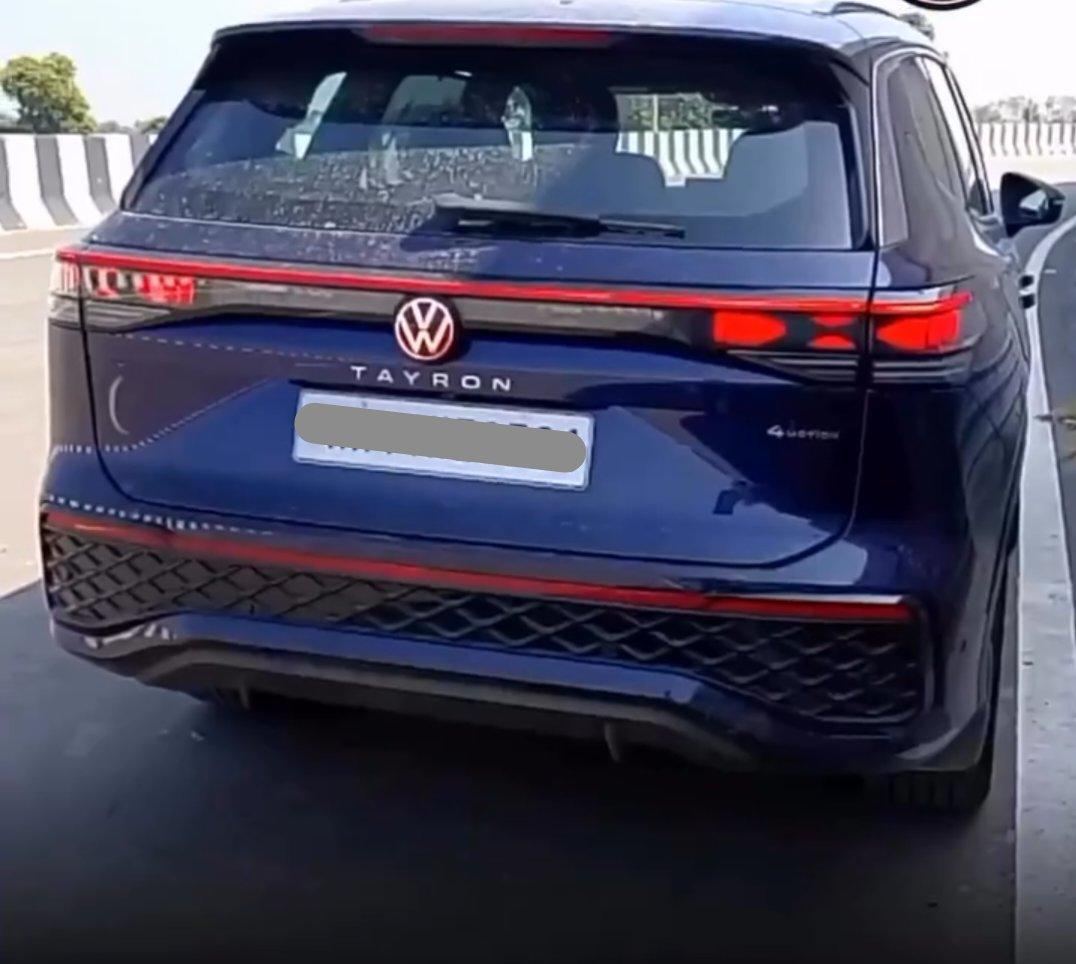
The owner of a Volkswagen Tayron R-Line has asked a question to Mr. Nitin Gadkari.
The car owner says that he purchased the Volkswagen Tayron R-Line, launched in 2026, for around ₹58 lakh.
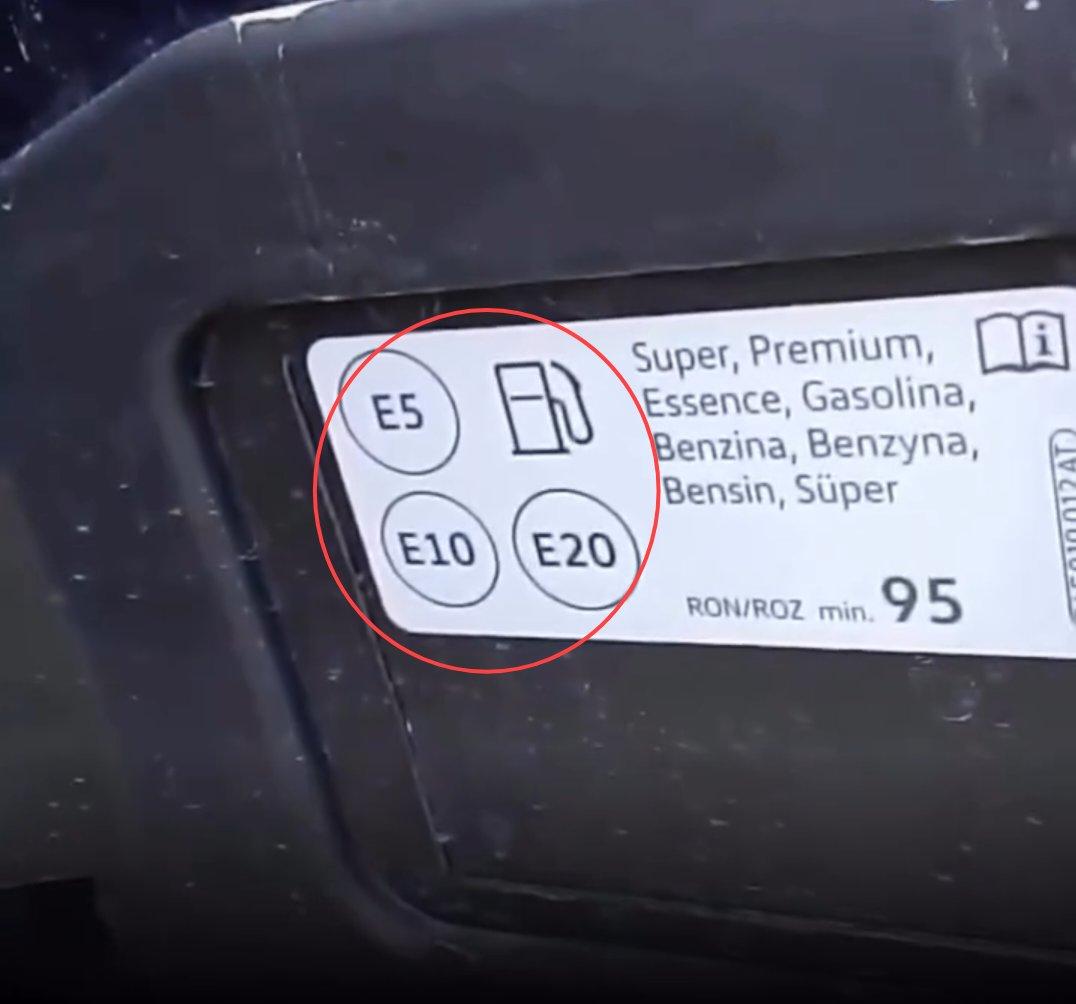
The vehicle's owner’s manual clearly states that it is compatible with E5, E10, and E20 petrol. However, there is now discussion about the possible introduction of E30 fuel.
The owner asks, “Mr. Nitin Gadkari, if E30 fuel is implemented in the future and it causes any technical issues or financial loss to my car, who will take responsibility for it?
Who will compensate for the damage to my ₹58 lakh car?”
11



Dyu know what would literally go a long way in my life? Getting a chance to go back to school and get my Automotive papers and certification.
1
Nyiramwiza Solange retweeted

“Rwanda—a small (…) country that has built one of Africa's most transparent mineral certification systems—is subjected to a moral crusade. This is the classic colonial script: the Global North extracts, the Global South is blamed. @MutabobaJoseph
newtimes.co.rw/article/36457…
2
17
29
631

He won.
You’re a traitor because you refused to believe the certification.
1

What pisses me off is that industrial plants, construction sites, condos, have strict safety rules, fines, certification visits, while some weed smoking punks start an illegal, unauthorized operation and promote it in social media and the police does nothing.
11