
Running an Indian-flagged vessel for a foreign voyage costs about 20% more than running a foreign one.
Indian ships borrow at higher rates, pay tax on crew wages, pay import duty on the vessel itself, and pay GST on domestic legs that a foreign ship sails free of. A foreign charterer also pays a 7.5% withholding tax on freight when renting an Indian ship.
1
69

John Bolitho retweeted

6/x In that case, the shippers will go through a charterer. The charterer will find a suitable ship for the quantity the shippers want to move. So the charterer is an intermediary between the shipowner and the cargo owner.
1
1
9
205
Shiny Jessy 💗 retweeted
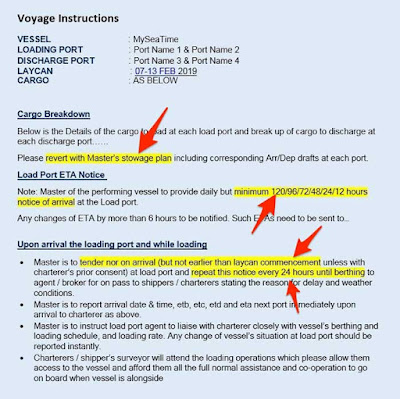
29/x In all these charterparties, conflicts can arise. Take a voyage charter: the charterer often doesn’t care much how long the voyage takes; he pays a fixed price anyway. Such CPs usually specify laycan (Laydays and Cancelling dates).
1
1
6
100
Vicky 🎀 retweeted
31/x If freight rates have meanwhile dropped, that’s good for the charterer. If rates have risen and the charterer still wants the ship, he can still use it at the original lower rate; the carrier cannot refuse. The reverse can also happen:
1
1
9
115
Vicky 🎀 retweeted
28/x Things can get complicated here. Nothing prevents a charterer who has taken a ship on bareboat from then sub-chartering it to another party on a time or voyage charter. Layers and combinations can be almost endless.
1
1
5
118
Rocio💗 retweeted
32/x the ship is ready to load, but the cargo isn’t. In that case, the charterer must pay demurrage to the carrier, compensation for lost time.
1
1
6
485
30/x The charterer may say the ship must be ready to load between 7–12 July. If the ship arrives early, it may have to wait until the layday starts. If the ship arrives after the cancellation date (July 12), the charterer has the right to reject the ship and find another one.
1
1
6
96
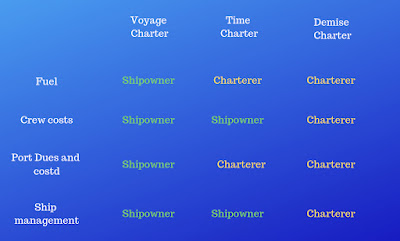
26/x And then Bareboat (or Demise) charter: Here, the charterer leases the ship without crew for a period. The charterer takes full responsibility for operating the ship, paying all costs, appointing the crew, and handling management, operation, and navigation.
1
6
127
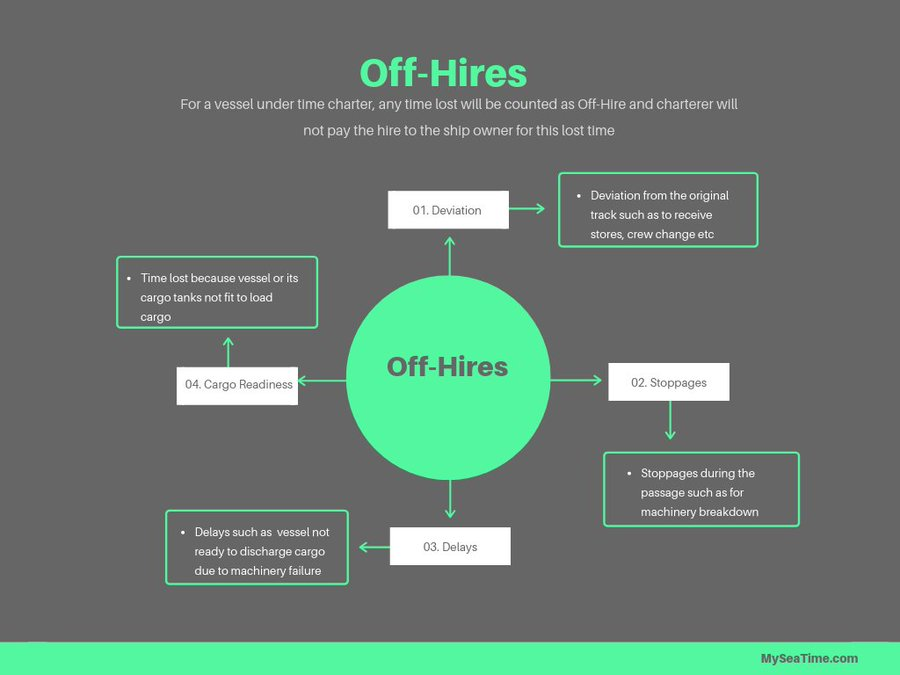
25/x As captain, you must keep the ship ready to load, discharge, and sail. Any interruption of this “standby” readiness is called off-hire. During off-hire (e.g., crew change, technical problems, dirty tanks, blackout…), the charterer does not pay the carrier.
1
6
121
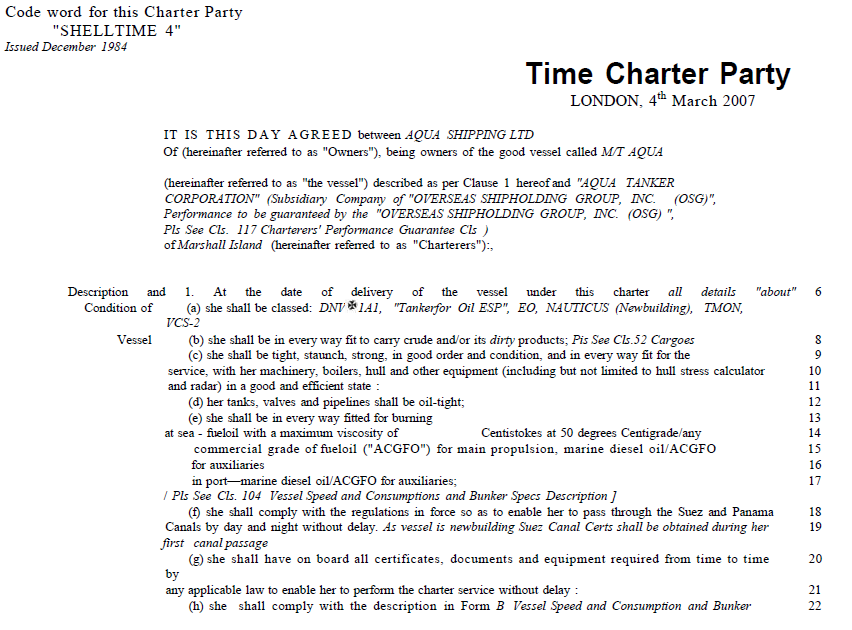
24/x TIME charter: You charter the ship for a period of time (weeks to years). Freight is paid as a daily rate. In this type of CP, the carrier pays crew costs and maintenance. The charterer pays fuel and port costs and also appoints the ship’s agents.
1
3
119
22/x VOYAGE charter: You charter the ship for one voyage. The carrier charters the ship to the charterer to carry an agreed quantity of cargo from port(s) A to port(s) B for a fixed “freight” (lump-sum or per-ton rate). Captain and crew remain employed by the carrier.
1
4
108
20/x Note that in 20/x I spoke of “carrier” and not “shipowner”. That’s because the carrier can also be a demise charterer / disponent owner (not just the actual shipowner). But to explain that, I need to go back to the three types of charterparties: Voyage, Time, and Bareboat.
1
5
117
12/x There are shipbrokers (looking for a ship for a cargo) and cargo brokers (looking for cargo for a ship). Back to the charterparty: it’s a lease/hire contract between the charterer and the shipowner (“owner”). There are three main types of charterparties:
1
9
167
11/x When a broker successfully arranges a charter party between the charterer and the owner, we call it a fixture. The broker earns a commission (a percentage of the agreed freight).

1
9
168
10/x But… as you can see above, the charterer may not always know exactly which ships are available. That’s where the broker comes in, another intermediary between the owner and the charterer.
1
8
167