Jayson O'Neill retweeted
Cheatgrass in Wyoming fires. Agencies claim they’re spraying to deal with it. To date, spraying has been worthless. BLM can blow huge sums. Their latest wonder drug toxic costs $1100/gallon - but cows & sheep lock in cheatgrass doom.
wyofile.com/drought-delivers…
1
4
15
223

Damnit. I was going to light off fireworks in the cheatgrass
2
20
Teawhalem retweeted
The cheatgrass chickens are sure coming home to roost in Wyoming. 20 years ago, in opposing Sage-grouse ESA listing, state officials & BLM used to boast they didn't have a cheatgrass problem like ID, OR, NV, UT did.
1
1
5
111
In the BLM 2015 plans developed to support NOT LISTING Sage-grouse, BLM with USFWS's blessing, largely split "threat" assessment between states with "cheatgrass-fire cycle problems" vs. in Wyoming "oil & gas" problems. And downplayed the ubiquitous cow problem.
1
4
88

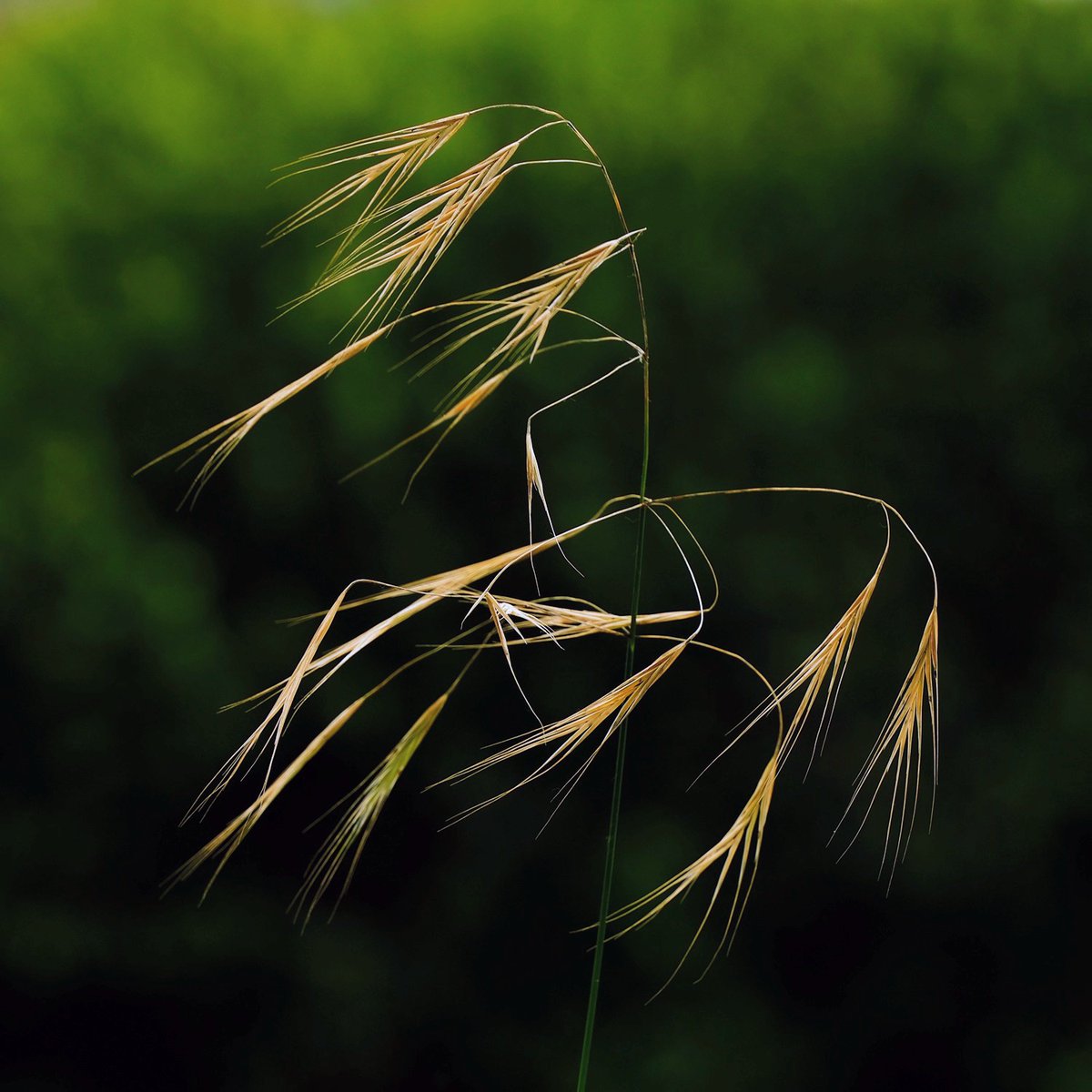

No not really. For our area make sure field doesn’t have cheatgrass. Best following pulse. And to be clear this is the first ultra early for us. Just mean early fall seeding and early spring so we beat heat wins in general for our area.
1
17
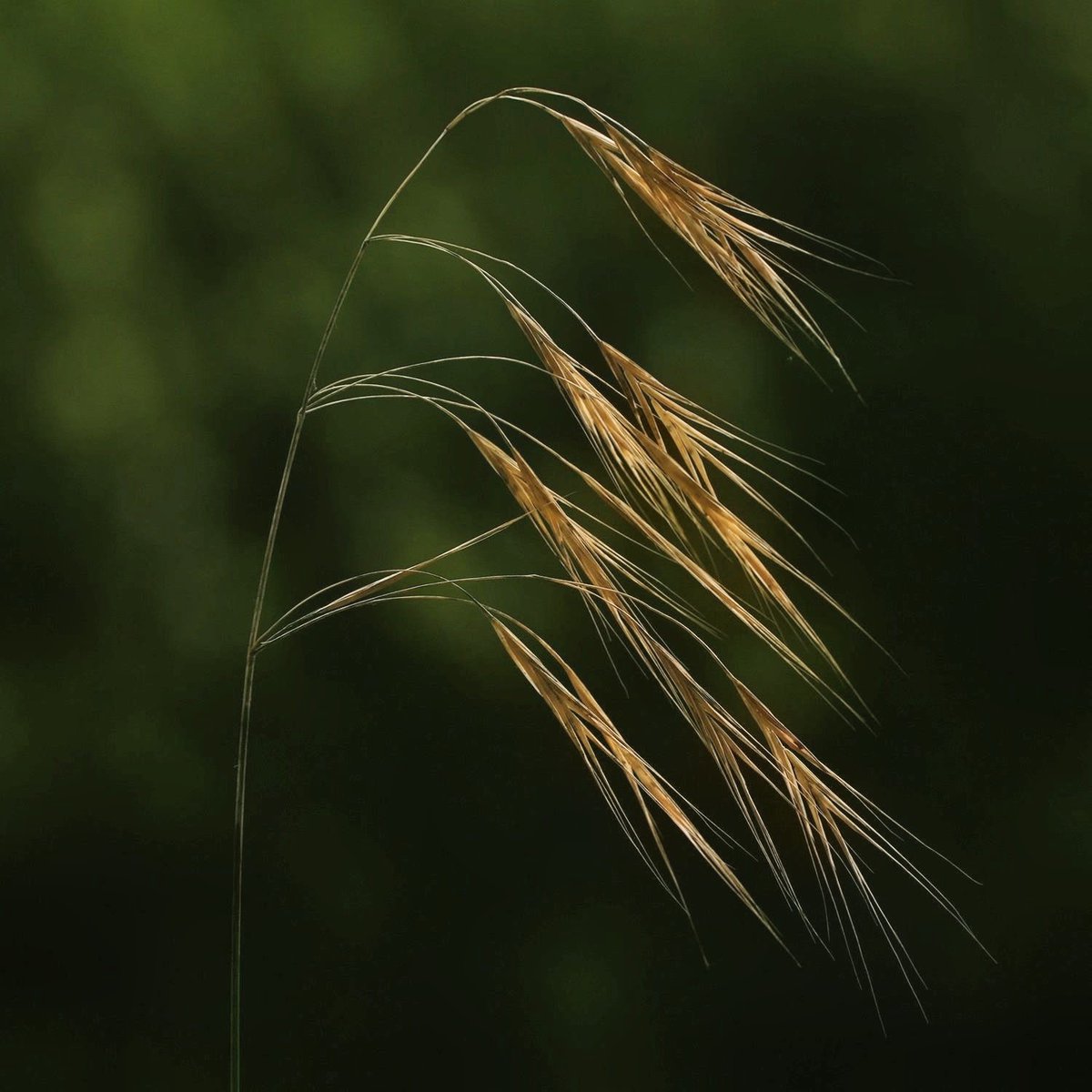

Jun 13
The BOSH has fast-forwarded dense cheatgeas infestations in the very areas where BLM grazing docs say there's low risk of cheatgrass. THis is REAL & its the result of the insane pil and jackpot burning fire managers are addicted to. If you want photos, I have PLENTY of them.
18

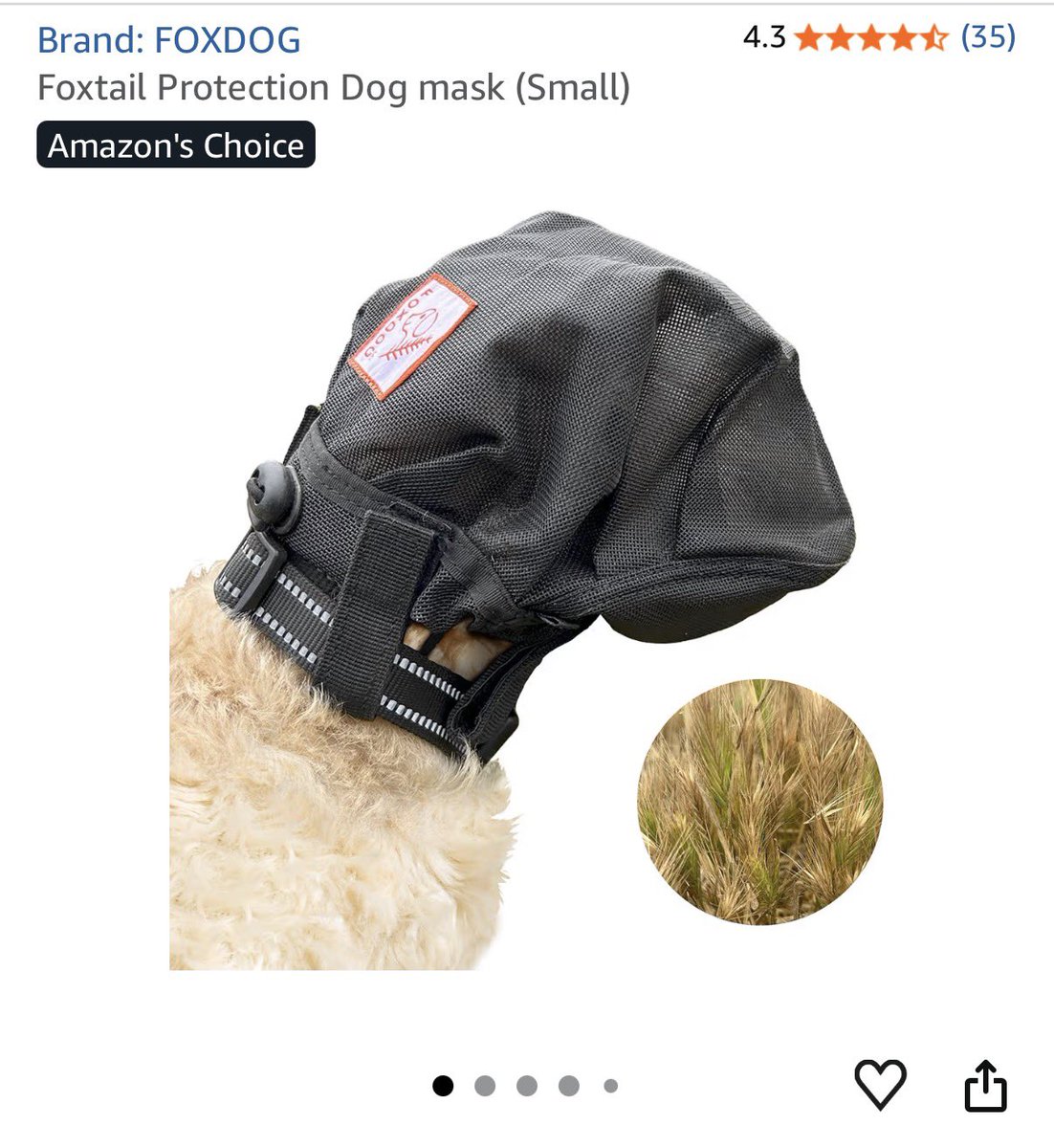
Lesson learned today. Until cheatgrass season is over, Rocket 🚀 will be wearing one of these outdoors. Never knew such a thing existed, Amazon delivery expected tomorrow.
1
6
91
Dad here, high drama today. Rocket’s birthday ended in crisis last night. We have cheatgrass in our backyard and Rocket likes to wade into it. We already had a Vet appointment set to get a foxtail out of his ear, last night things took an ugly turn when he got one in his eye! 1/2
4
11
364

Jun 11
EDUCATION — Boise State Researchers Deploy Sheep Herds to Fight Invasive Cheatgrass on Idaho Rangelands
1
38

Jun 10
."Chronic overgrazing,combined with increasingly Severe Droughts linked to ClimateChange,has accelerated the spread of invasive cheatgrass,heightened WildfireRisk,and triggered renewed ToxicDustStorms.These storms threaten AirQuality,HumanHealth,Watersheds,and Native Ecosystems"
Jun 10

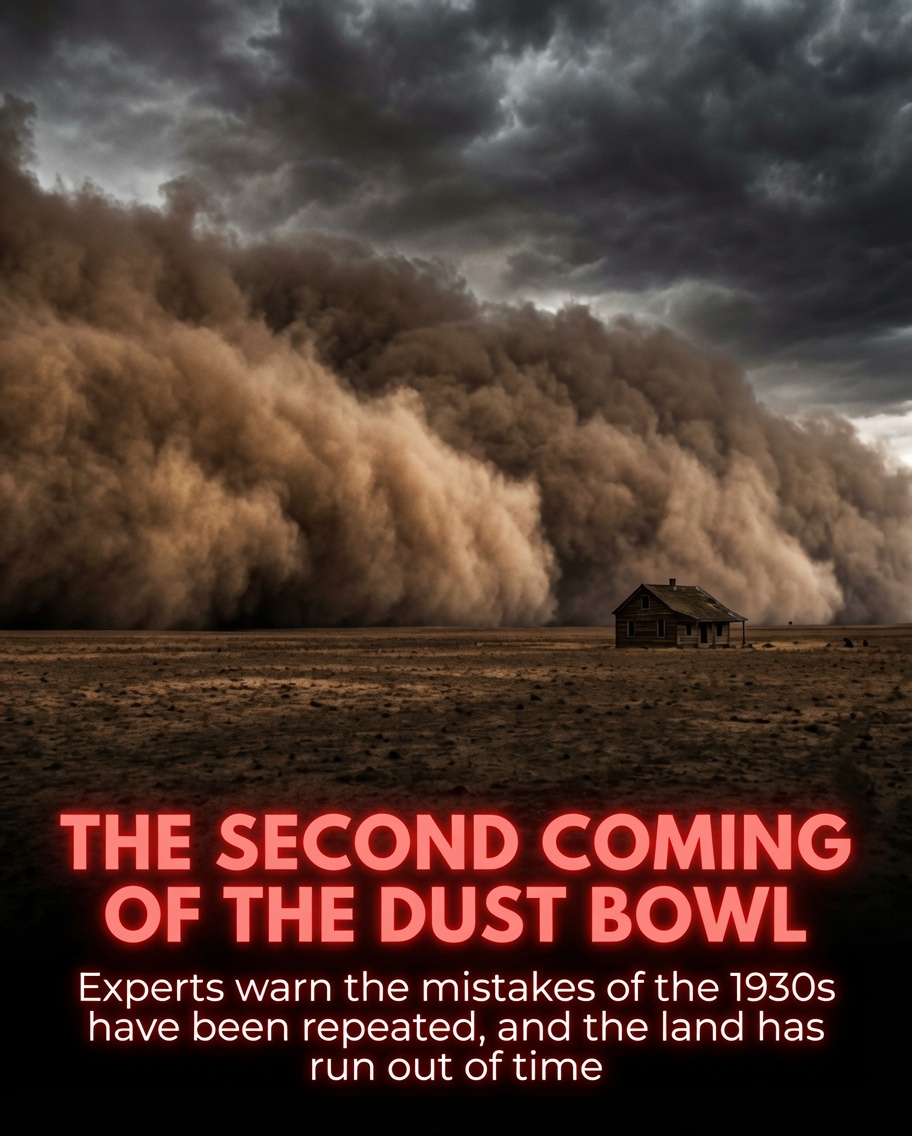
A century after the Dust Bowl devastated the American High Plains, experts warn that the United States is on the brink of a second one, driven largely by the same policy failures that caused the original environmental catastrophe.
Despite the lessons of the 1930s and the passage of the Taylor Grazing Act of 1934, unsustainable livestock grazing on public lands continues to degrade soils across the West. Ranchers are currently authorized to remove up to 50–65% of available forage on many allotments, more than double the 25–30% maximum recommended by range scientists for long-term land health.
This chronic overgrazing, combined with increasingly severe droughts linked to climate change, has accelerated the spread of invasive cheatgrass, heightened wildfire risk, and triggered renewed toxic dust storms. These storms threaten air quality, human health, watersheds, and native ecosystems.
Conservationists argue that temporary executive actions are not enough, as they can be reversed by future administrations. They call for permanent Congressional action, including enforceable limits on livestock numbers, the establishment of ungrazed monitoring areas, and reforms that allow native wildlife and healthy rangelands to coexist with grazing.
Without decisive legislative reform, large areas of the American West risk crossing irreversible thresholds of desertification and permanent soil loss.
[Molvar, E. (2026). The Second Coming of the Dust Bowl. Western Watersheds Project]
4

Jun 10
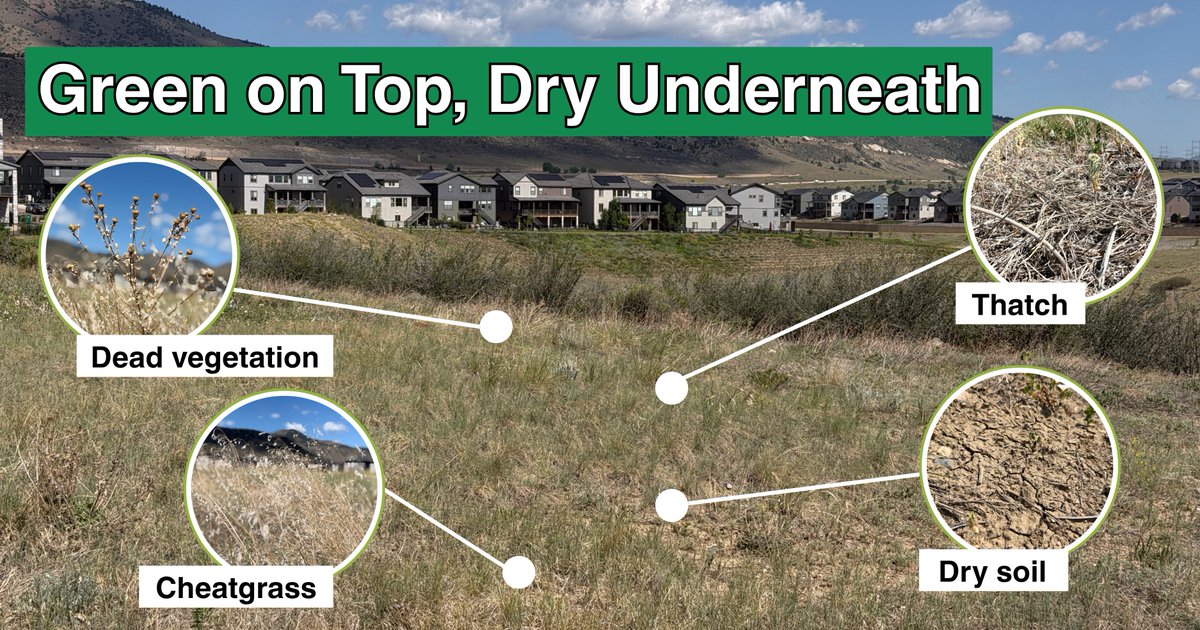
It looks green outside your front door. 🌱
So why are we on our fourth straight day of EXTREME fire danger?
Because firefighters aren’t measuring fire risk by your watered lawn.
We’re looking at the open spaces, parks and natural areas where fires start and spread. And right now? As one of our firefighters put it this week- “it’s crispy out there.” You can hear it when you walk through the grass.
What we’re seeing:
✅Dry, cracked soil
✅Dead vegetation
✅Cured cheatgrass- an invasive species that creates fast-moving fire risk
✅Layers of thatch from last year’s (and years before) dead grass and plants
About half of our district is in what we call the wildland-urban interface, where open space, parks, and neighborhoods meet.
All it takes is one spark in the wrong place.
It may LOOK green. But look closer.
2
567

Jun 10
A century after the Dust Bowl devastated the American High Plains, experts warn that the United States is on the brink of a second one, driven largely by the same policy failures that caused the original environmental catastrophe.
Despite the lessons of the 1930s and the passage of the Taylor Grazing Act of 1934, unsustainable livestock grazing on public lands continues to degrade soils across the West. Ranchers are currently authorized to remove up to 50–65% of available forage on many allotments, more than double the 25–30% maximum recommended by range scientists for long-term land health.
This chronic overgrazing, combined with increasingly severe droughts linked to climate change, has accelerated the spread of invasive cheatgrass, heightened wildfire risk, and triggered renewed toxic dust storms. These storms threaten air quality, human health, watersheds, and native ecosystems.
Conservationists argue that temporary executive actions are not enough, as they can be reversed by future administrations. They call for permanent Congressional action, including enforceable limits on livestock numbers, the establishment of ungrazed monitoring areas, and reforms that allow native wildlife and healthy rangelands to coexist with grazing.
Without decisive legislative reform, large areas of the American West risk crossing irreversible thresholds of desertification and permanent soil loss.
[Molvar, E. (2026). The Second Coming of the Dust Bowl. Western Watersheds Project]
38
325
559
22,202

Jun 9
These ecosystems will have to come to a new balance, unless we can find a way to reduce the competition levels of invasives. Much of the fire increase in the west in recent decades is dominated by cheatgrass invasion, not climate change.
1
1
44