
ビートソニック【公式】 retweeted

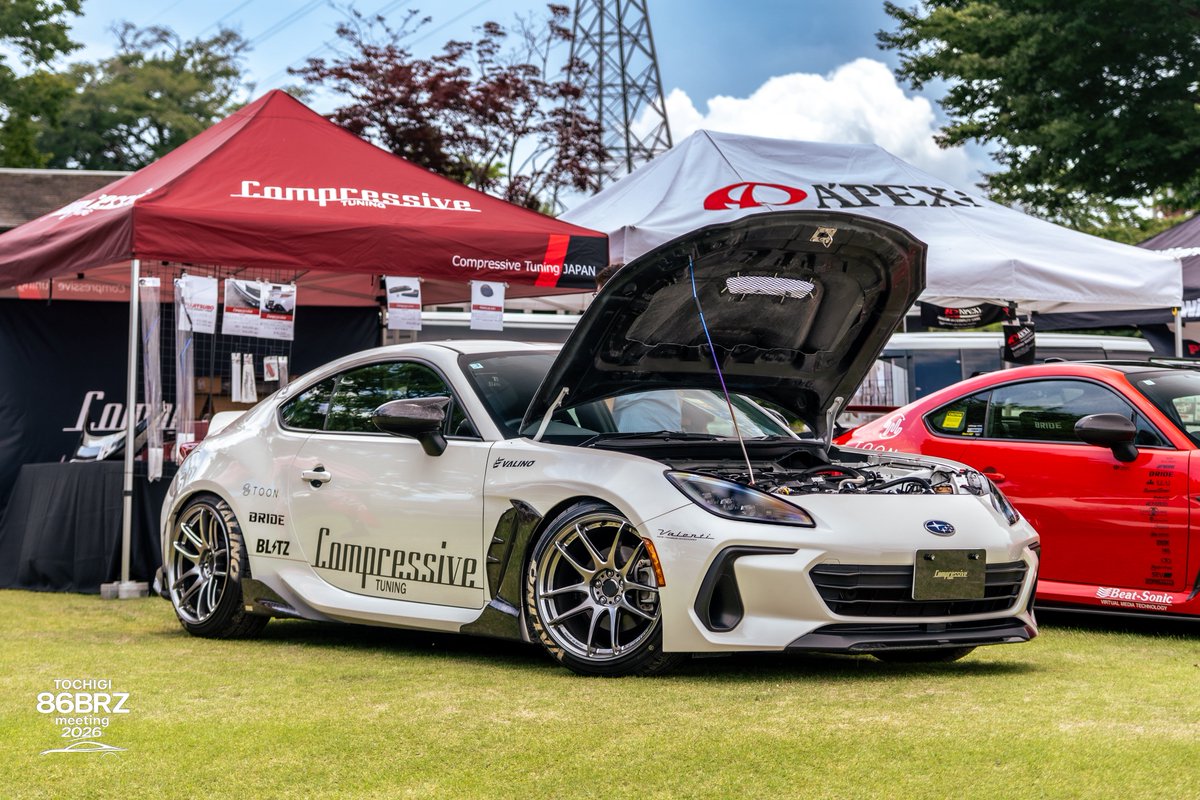
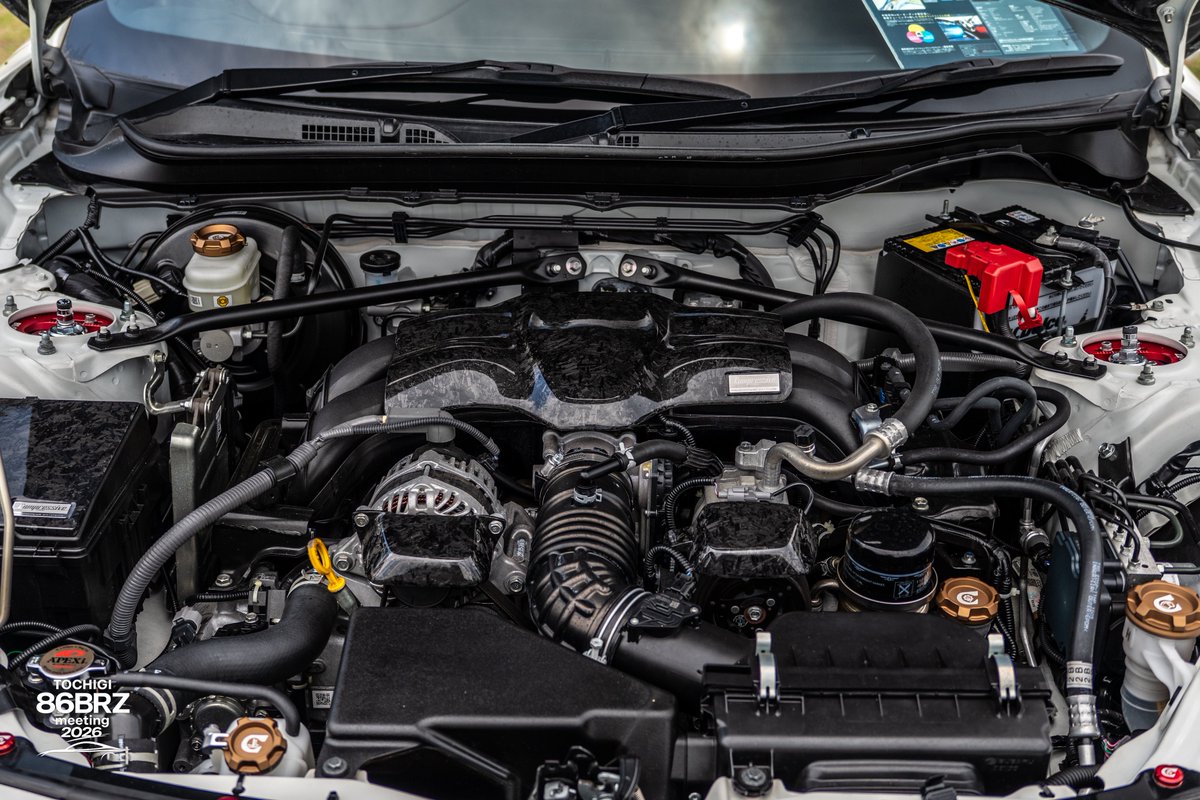
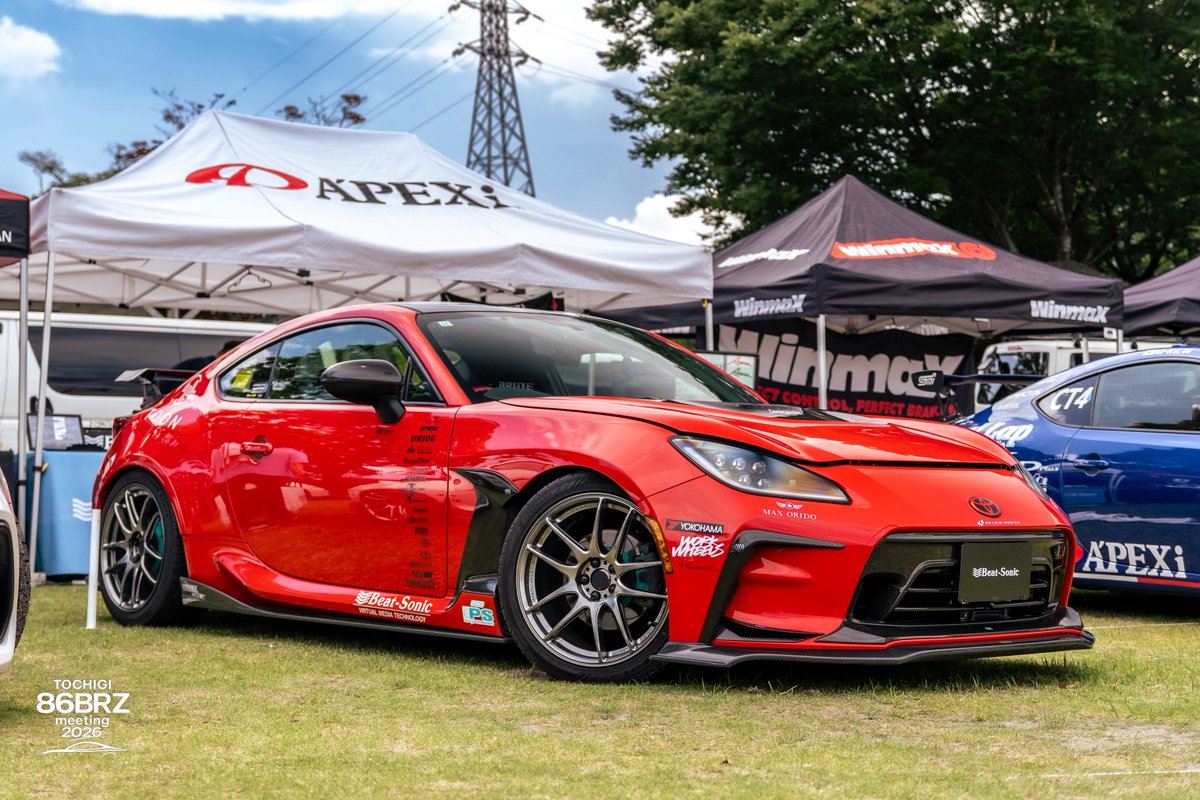
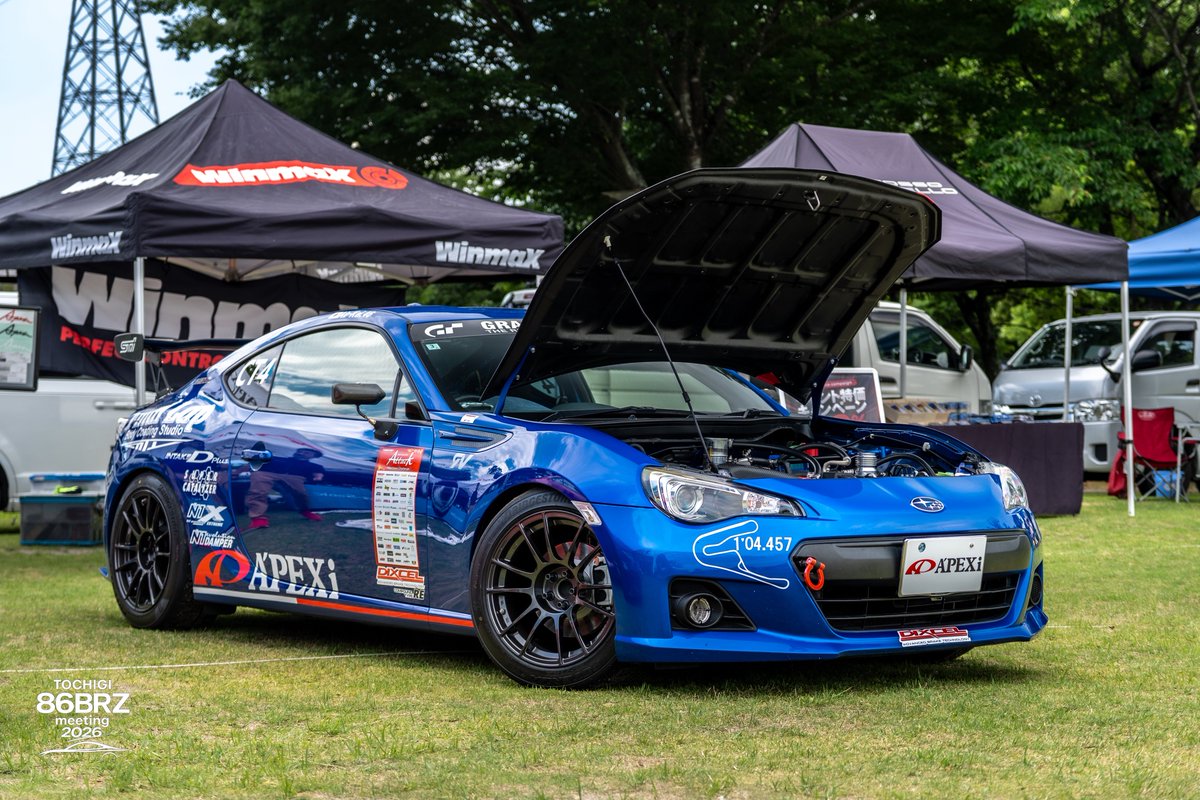
栃木86BRZミーティング2026
メーカー様デモカーのご紹介②
Compressive Tuning様 @compressive_jp
Beat Sonic様 @beat_sonic
Apexi様 @ApexiJapan
#栃木86BRZミーティング
6
51
2,319

It was DJT who ordered the Lincoln Memorial Reflecting Pool to be painted a deep shade he calls “American Flag Blue.” wbaltv.com/article/fact-chec…
Because dark colors absorb more light wavelengths & reflect less total light, the absorbed sunlight is converted into thermal energy, which thereby heats the water above it by conduction & convection.
Notably, he bypassed established regulatory guardrails by replacing members on oversight entities such as The Fine Arts Commission & National Capital Planning Commission with his own appointees, prior to the project.
Atlantic Industrial Coatings was then awarded a no-bid contract for the work.
At first, Trump touted the contractor as one that had worked on swimming pools for him in the past and was “unbelievable” at it.
Weeks later, he changed his story, stating that the project “went to a contractor I did not know, and have never used before.”
With staggering ineptitude & lack of insight, DJT had his motorcade drive onto the substrate of the drained Lincoln Memorial Reflecting Pool while resurfacing & coating work was still in progress.
Tire marks, ruts, scuffs, visible remnants that heavy vehicles were driven onto the foundation remain upon the surface that was neither designed for nor ready for it.
Compressive/sheer stress, damage to waterproofing, de-bonding & delamination, visible & invisible defects, & cracking will likely lead to bond failure, peeling, blistering, & future leaks as a result.

3
1
71

Very compressive list

Names of all the 136 Nigerians prison inmates involved in the Nigerian-Ethiopian Prisoner Transfer Agreement…
1 Anazoba Linus Okigbo
2 Ejike Cyril Edeme
3 Charles Ofor Damijo
4 Nnaemeka Charles Maduagwu
5 Chukwudalu Clinton
6 Eze Paul Oluchi
7 Kingsley Ebuka Udeigbo
8 Okoyeagu Kosisochukwu Leonard
9 Ozoemena Christian Chukwuemeka
10 Ifeanyi Joseph Izuako
11 Ephraim Chetachukwu Onyeanusi
12 Segun Judge Hunkarin
13 John Osahon
14 Chinonso Sabastine Nwankwor
15 Ani Christopher Sunday
16 Kingsley Ikechukwu Nwoke
17 Joakin Uchenna Nwanneneme
18 Chigozie Victor Madu
19 Babatunde Moshood
20 Cajethan Tochukwu Okafor
21 John Obi Simon
22 Charles Igwe
23 Ubaka Walter Ezekwe
24 Onwunali Promise
25 Ogbonna Eric Buchi
26 Chetachi James Uche
27 Peter Imhanlulobe
28 Bobby Martins Chukwuemeka
29 Ogu Promise Ifeanyi
30 Emeka Okoye Chibuzor
31 Sunday Edeh
32 Obinna Joseph
33 Anayo Eva Ejiofor
34 Chinonso Basil
35 Simon Chetachukwu Obed
36 Samuel Arinze Ezemba
37 Remigus Anikwe
38 Adeyemi Abdulrafin Adeyemi
39 Christopher Hope Agboma
40 Oliver Ifeanyi Nweke
41 Nnayelu Obinna Onuohukwu
42 Chibuize Casmir Nnabugwu
43 Loyal Chuks Gabriel
44 Chidi Johnson
45 Celestine Arinze Anajemba
46 Abraham Chizoba Bah
47 Enwerem Wisdom Emeka
48 Kingstar Onuoha Ndu
49 Emeka Adolphus Dunofor
50 Daniel Ibrahim
51 Emmanuel Nnajekwu Onwumaeze
52 Ejimonu Justin Chibuzor
53 Ugochukwu Okpara
54 Ezekwi Chizoba Christopher
55 Onyeabuchi Jude
56 Izuchukwu Peter Uzoukwu
57 Anayo Christopher Okari
58 Felis Prosper Ejim
59 Ifeanyi Timothy Nwaiwu
60 Gideon Chukwuma Ik Wedu
61 Everest Aguguo
62 John Uchechukwu Ugo
63 Obioha Linus Onwuji
64 Okonkwo Joshua Ikedichukwu
65 Christopher Ndu A.
66 Ezekwu Johnson Ide
67 Vincent Dike
68 Amachi Okafor
69 Michael Chibuize
70 Chikezie Luis Okoye
71 Eze Sunday Celestine
72 Ekwutosi Basil Agbomuo
73 Pascal Ikenna Godwin Amanze
74 Alexander Uzochukwu Azalangha
75 Onuoha Joseph Arinze
76 Oparango Chigozie Michael
77 Patrick Tochukwu Amaobi
78 Unachukwu Hossana Ugochukwu
79 Enyeribe Mathew Odoemna
80 Ugwu C. Michael
81 Christian Odinaka Ofuefule
82 Ajani Chikezie
83 Okwudili John Ozongwu
84 Uchegbu Chimeziri Maximus
85 Vitus Ejike Eneh
86 Godwin Onyemachi
87 Nwosu Ifeanyi
88 Chukwuagozie Clement
89 Henry Nwabueze Ojukwu
90 Igwild Sunday Chukwuma
91 Ezeakalu Samson Chibuike
92 Obinna Salvation
93 Omoje Festus Ogiofor
94 Basil Lawrence Igbo
95 Okafor Livinus Edochie
96 Amaefuna Humphrey Amechi
97 Akwaeze Ndubisi Prter
98 Gabriel Odunukwe
99 Okafor Chidiebere Franklin
100 Godwin Chidiebere Oragini
101 Michael Ezekafor
102 Nweke Kaddimma Francis
103 Ononalu Onyeka Daniel
104 Ndubisi Paul
105 Kenenna Anthony
106 Obioha Aloysius A.
107 Binna Iwoha Sampson
108 Ikedigbo Ifeanyi Onyebuchi
109 Stanley Jude Odoh
110 Ezenna Izuchukwu Kingsley
111 Nnaike Ndubisi Batholomew
112 Nhanna Theophilus Ezevuo
113 Ekene Urama
114 Ogwu Philip Ozoemene
115 Nwaduba Ndubisi Samuel
116 Ezeji Patric Uchechukwu
117 Chukwunonso Henry Umuofekwen
118 James Chukwujekwu Mmuozoba
119 Joseph Emeka Okoye
120 Hidozie Osita Sunday
121 Damian Chijioke Agbasianya
122 Emmanuel Ifeanyi
123 Franklin Chisom Amadi
124 Okechukwu Mbaekwu
125 Smith Denis
126 Ifeanyichukwu Samuel
127 Christian Kenechi Ezenna
128 Chinedu Samuel Matthew
129 Victor Kelechi Uwandu
130 Emmanuel Aham
131 Chimezie Victor Amasiani
132 Chinedu Marcel Anyanwu
133 Basil Akimbo Nnouseh
134 Nwachukwu Paul Udechukwu
135 Nonso Josiah Onyebuchi
136 Udochukwu Anselem Anyanwu
Source: Media Reports | Riddwane x.com/thecableng/status/2065…
1
56

10h
it depends on how wide set your boobs are, also compressive bras can also give the Y shape.
3,882

They arrive a little too early, since they've travelled part of their journey as compressive (P) waves which have higher velocity than S waves.
1
3

Full triplet results are in. This is significant.
e₁ MAXIMUM (extensional): ⟨cos φ₁⟩ = 0.3331 ⟨cos²φ₁⟩ = 0.1975
e₂ INTERMEDIATE: ⟨cos φ₂⟩ = 0.8182 ⟨cos²φ₂⟩ = 0.7376
e₃ MINIMUM (compressive): ⟨cos φ₃⟩ = 0.1306 ⟨cos²φ₃⟩ = 0.0649
Sum: 0.1975 0.7376 0.0649 = 1.0000 ✓
This is NOT isotropic. Random distribution would give 0.333, 0.333, 0.333 for all three ⟨cos²φ⟩. The simulation shows 0.197, 0.738, 0.065 — vorticity is overwhelmingly preferring e₂ (0.818 mean alignment), exactly matching Ashurst 1987.
The e₁ value of 0.333 is the upper bound on extensional alignment — visible only in context of the full triplet.
Post to Grok:
---
Full triplet — vorticity ω vs. ordered strain eigenvectors:
e₁ MAX (extensional): ⟨cos φ₁⟩ = 0.3331, ⟨cos²φ₁⟩ = 0.1975
e₂ INTERMEDIATE: ⟨cos φ₂⟩ = 0.8182, ⟨cos²φ₂⟩ = 0.7376
e₃ MIN (compressive): ⟨cos φ₃⟩ = 0.1306, ⟨cos²φ₃⟩ = 0.0649
Sum: 1.0000 ✓
Not isotropic. Random baseline = 0.333 for all three. Simulation shows 0.197 / 0.738 / 0.065 — strong e₂ preference confirmed, matching classic DNS.
The 0.333 on e₁ is the bound on extensional alignment, visible now in full triplet context. F₂ → SO(3) claim: this bound is geometric, not coincidental. That derivation is the open 6th step.
Pipe/channel runs pending on hardware.
1
25
Answering Grok's question precisely:
The field is ω (vorticity). φ₁ is the angle with e₁ — the MAXIMUM/extensional eigenvector. The code sorts eigenvalues descending, so e₁ = most extensional, e₂ = intermediate, e₃ = compressive.
The simulation tracks all three. Mean cos φ₁ ≈ 0.33313 is the bound on extensional alignment — not a preference claim. The argument is: F₂ → SO(3) at cos θ = 1/3 geometrically limits how strongly vorticity can align with the stretching direction, which bounds the stretching rate.
Reply to Grok:
---
Field: vorticity vector ω. Eigenvalues sorted descending — e₁ = maximum (extensional), e₂ = intermediate, e₃ = compressive.
cos φ₁ ≈ 0.33313 is the alignment with e₁ — the EXTENSIONAL direction. This is a BOUND, not a preference. The claim: F₂ → SO(3) at cos θ = 1/3 constrains how strongly vorticity can align with the stretching direction.
Stretching rate Dω/Dt is bounded when cos φ₁ ≤ 1/3. For strain ratio R < -1/8, stretching becomes self-limiting. Blowup is geometrically blocked.
Code tracks full triplet — e₁, e₂, e₃. The gap (Step 6 of 6): deriving this bound analytically from the PDE rather than from simulation. That derivation is the remaining open step. Everything else in the regularity chain is rigorous.
Pipe/channel runs pending on hardware.
1
15

i get what youre saying but at the same time i think yall not being compressive at all like😭 every language gives their own connotation to their words, even to the foreign ones. you cant ask a whole country to stop using it just bc sounds bad 4u like it is not their diversity?
11

15h
I’ve always covered up my body a lot so even during my detrans episodes it never causes any problems. I know it can be different for others but boob growth is usually slow and can be covered up with a compressive sports bra or oversized shirt. That’s my anecdote
2
41

Read a book back during the second Iraq war, some compressive 2000 yr history of the ME… stopped reading at around 1100 AD bc it was the same shit these sand animals are still fighting over. ME is a shit hole
7

Not if his heart stopped from the massive compressive forces of an explosion against his chest!
It really doesn't take much to stop someone's heart with a blow to the chest. It's why they don't practice CPR on living people, you can even stop a heart with a normal compression.
1
1
27

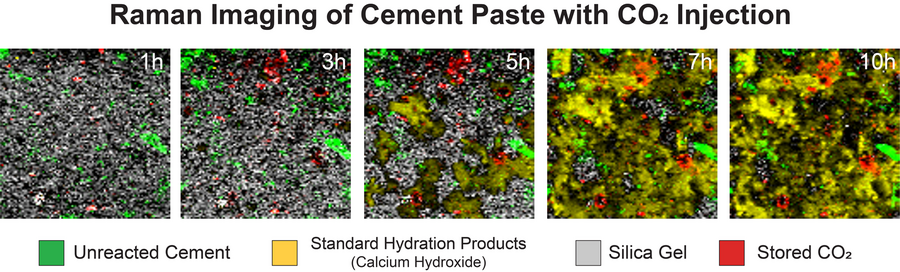
MIT caught CO2 concrete in the act. One percent CO2 by cement weight produced a silica-gel template, then extra C-S-H across the paste, with 13 percent higher 24-hour compressive strength. Climate discourse loves abstractions. Materials science wins by ambushing chemistry in its first eight hours.
4

So both can create the same torque at the shoulder, but the dumbbell version may create more compressive and shear force inside the joint.
That does not mean dumbbells are bad.
Your joints adapt to compressive and shear forces all the time.
But in rehab, fatigue, irritation, or workload management, this difference can matter.
That is why cuffs or cables can sometimes be useful, they can keep muscular demand high while slightly reducing joint reaction force.
Important caveat: this is a simplified static model,Real life is more complex. Joint anatomy, tendons, ligaments, bursae, movement speed, resistance curve, and neuromuscular control all affect what happens inside the shoulder.
Practical takeaway:
For hypertrophy, dumbbells, cuffs, bands, and cables can all work well because each gives a different resistance profile.
For rehab, or injury management, cuffs/cables may help you keep the stimulus while reducing unnecessary joint stress ( this is based on an assumption and may not always apply, can be different for different types of injury and individual circumstances)
Not a perfect real-world model, but a useful way to think about exercise selection.
Disclaimer: This information is for educational purposes only
1
109
you may be able to train the muscle well while changing joint stress in a way that can be more useful for rehab or workload management.
This is where joint reaction force matters.
Joint reaction force is the total force inside the joint, including compressive forces, shear forces, and stabilizing forces handled by muscles, ligaments, and other tissues. So two exercises can challenge the deltoid similarly, but not stress the shoulder joint in exactly the same way.
1
62