
`type AgentOS = { orchestrator: Tool; memory: Context; flow: ControlFlow; }`
分かります。単にチャットで正解を求めるだけだと、いつまでもプロンプト調整の沼から抜け出せない。これからはタスクを完結させる「仕組み」を設計する視点が重要。
20

Jun 12
Though "type safety" part doesn't seem to be relevant with AI at all. Or at least under-utilized yet.
9
Jun 12
I don't think it's completely lost yet. At least "reduce the amount of code" part.
Languages could still continue reducing amount of code, because symbols are tokens, and tokens cost money.
1
18

Jun 10
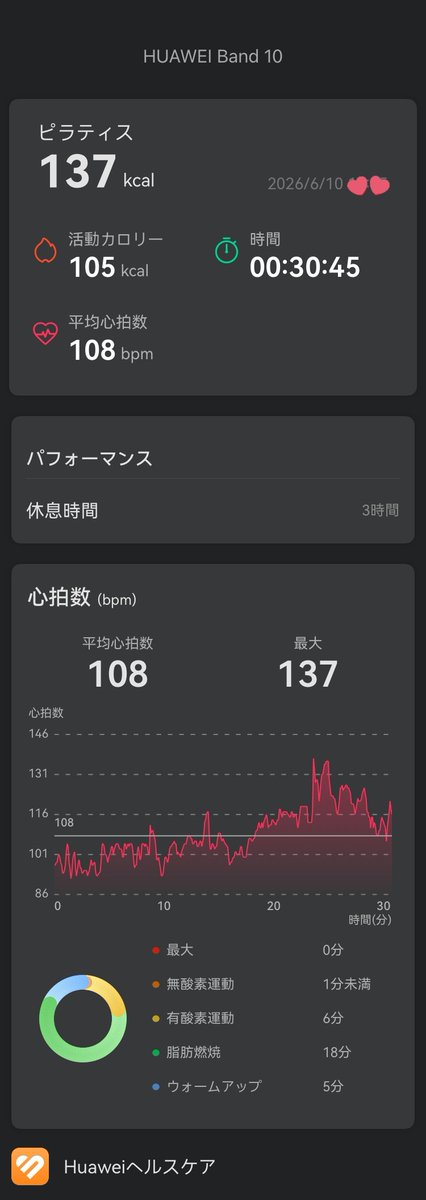
2026/6/10 Wt. 1.7kg
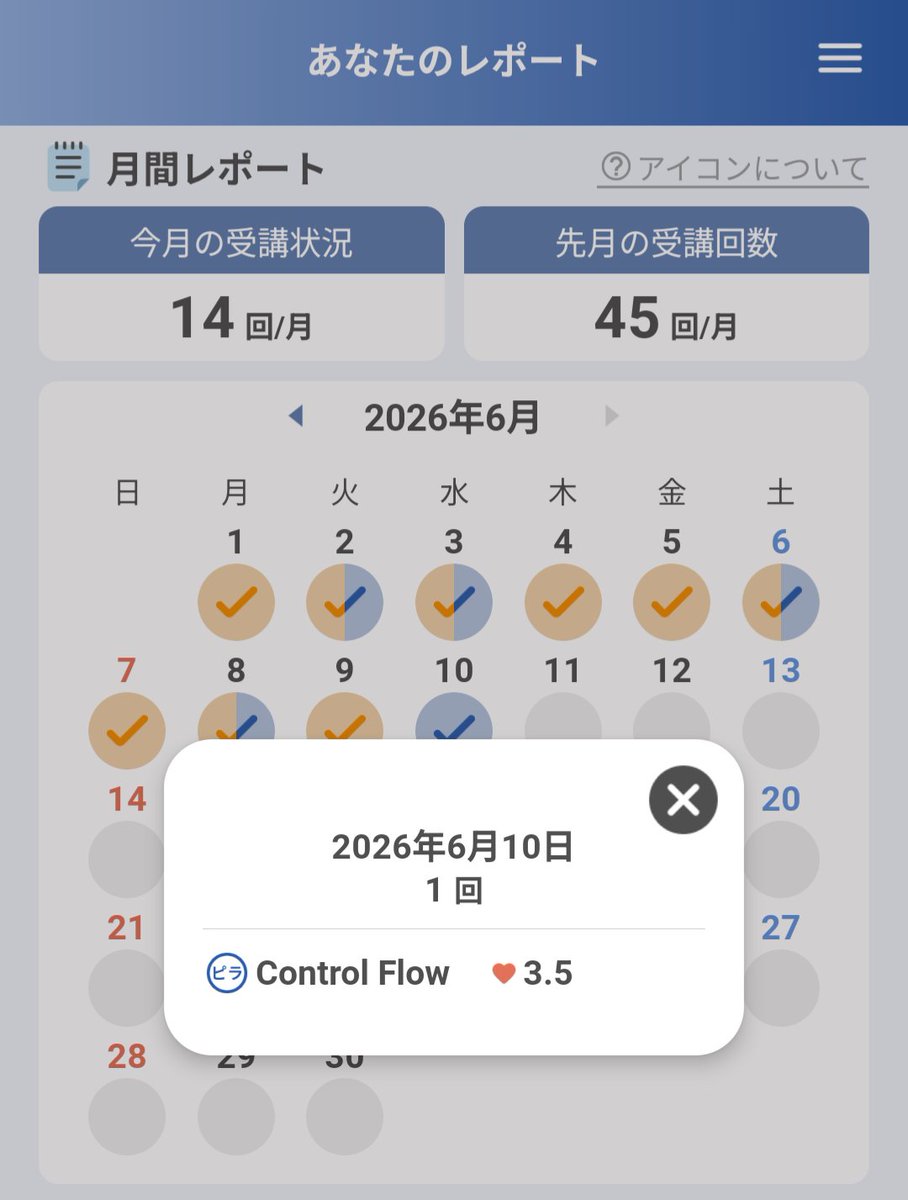
#ControlFlow 15th
#Rintosull
137kcal #Huawei #Band10
211st #マシンピラティス
1台🈳
16分前に予約してお昼休みに #リントスル
今日は行かない予定だったけど昨日行けなかった分
その代わりKFC🍔🍟ながら食べ🏃🏻♀️
頑張った!私!
一通りできるようになってきた🧜♀️
#ホットヨガLAVA
1
21
1,021
Jun 2
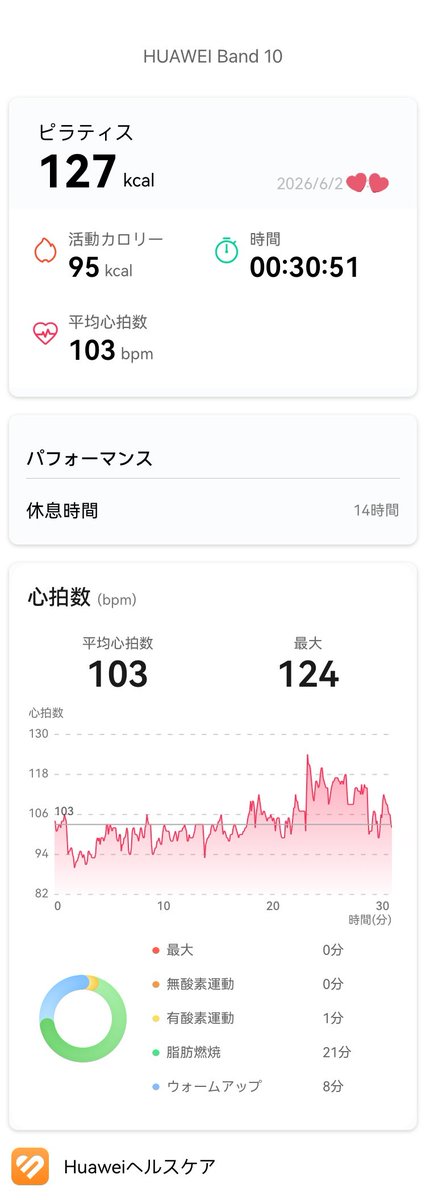
2026/6/2-2 Wt. 0.4kg
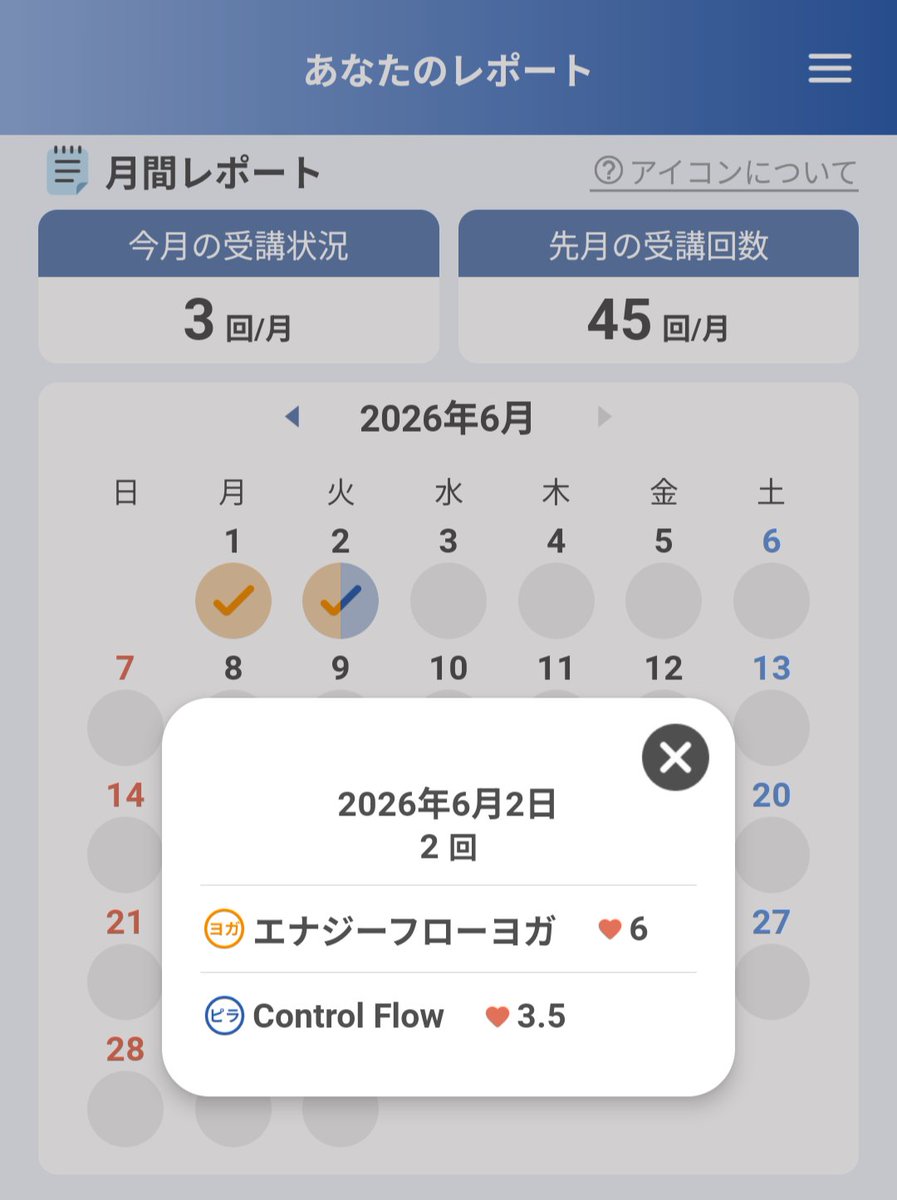
#ControlFlow 14th
#Rintosull
127kcal #Huawei #Band10
207th #マシンピラティス
4台🈳
今日のお昼頃に10番目のC待、2時間前に上がった
☂️降りそうだったから?
平日は当日予約でいいのかも
側屈が綺麗にできたかな😊
からの最後の💪🏻きつーい💦
#リントスル
#ホットヨガLAVA
27
1,105

May 29
Yes, all controlflow is literally encoded as components of natural transformations (limits, Kleisli, representable, adjunctions).
1
3
103

May 21
In mining, small frictions compound fast.
When sites get hot, power prices move fast, and devices start to fail, a lot of teams are still stuck taking manual actions across thousands of machines with different models and firmware.
That's how you end up in reaction mode.
Braiins Manager gives teams the operational layer to automate workflows, connect energy-market decisions, and keep fleets stable under pressure.
And the latest updates push that further:
🔸 Cooling controls for Braiins OS.
🔸 Simpler rack assignment.
🔸 Improved curtailment via Controlflow.
🔸 Better temp visibility.
That is where good software earns its place, and where the value of the Braiins stack becomes clear.
1
4
21
4,173

May 11
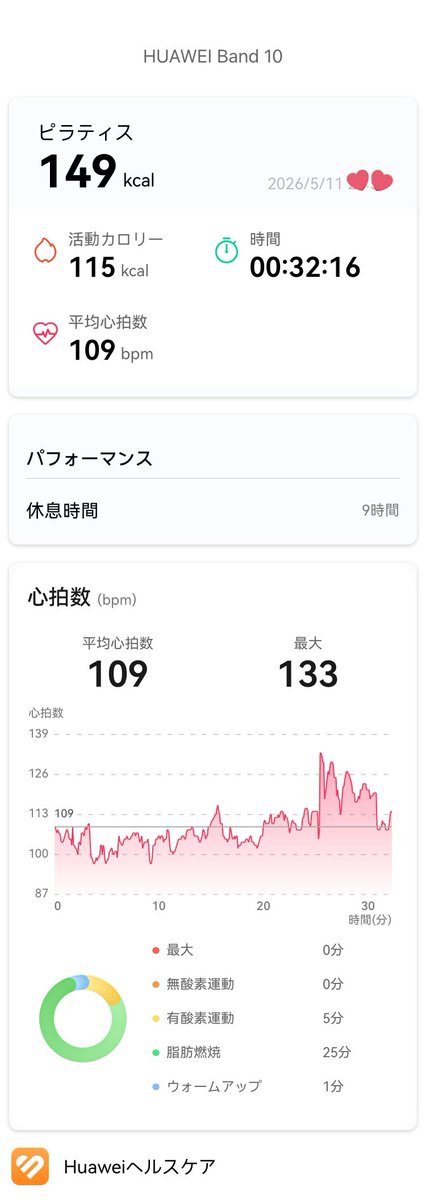
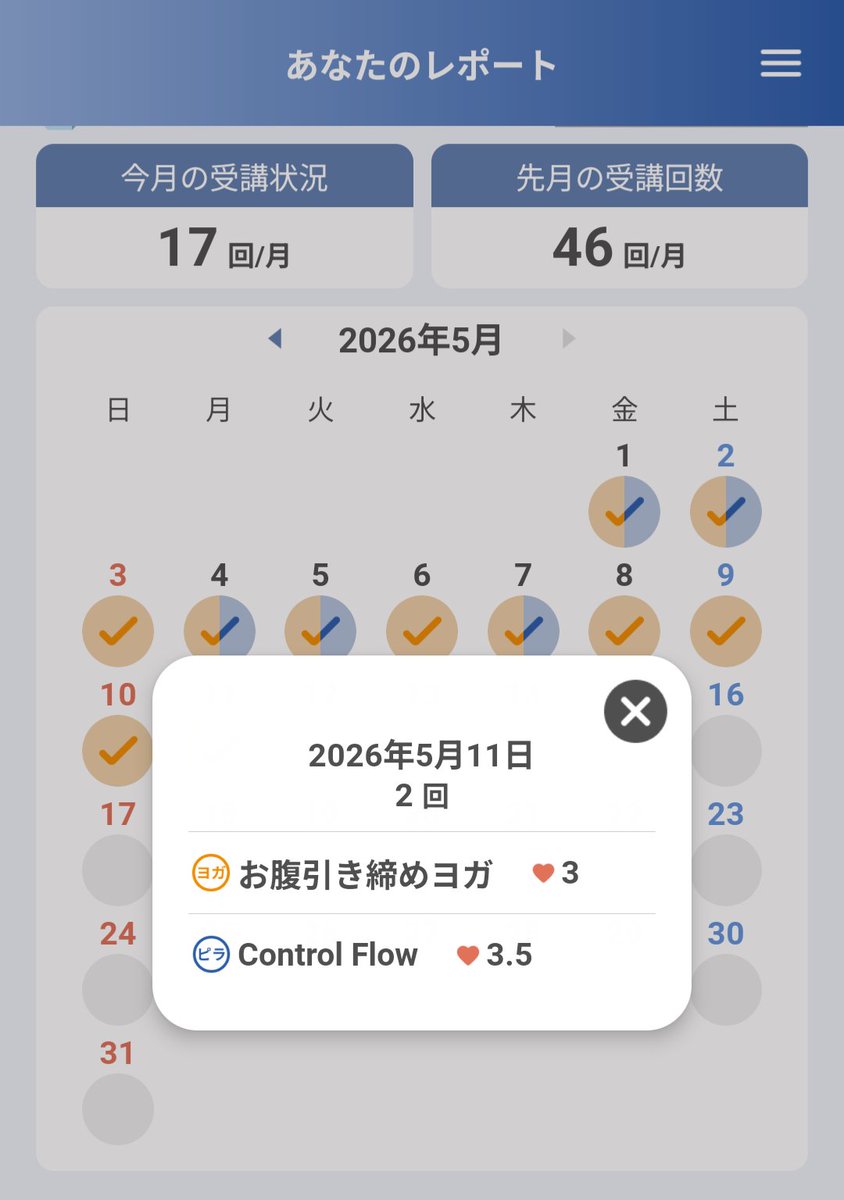
2026/5/11-2 Wt. 1.6kg
#ControlFlow 13rd
#Rintosull
149kcal #Huawei #Band10
199th #マシンピラティス
4台🈳
C待にならないから、🧘🏻♀️が終わってから予約して向かえるまだ新しい店舗、助かる〜
今日は絶好調で、前回と違って全体的に今までで一番できた
やっぱり🪞重要👍🏻
#リントスル
#ホットヨガLAVA
30
1,059

May 7
5.7 #ControlFlow #ShapeupCore 初受講ピラティス2本。初めて仙骨の下にボール敷いたり、ヘッドスタンド立てたり、いろんな使い方があるのね😅2つ目のレッスンは、お腹がはち切れそうなほど腹筋をイジメ、痛すぎて途中で挫折。昨日の筋肉痛も引きずってるか(笑)30分レッスンを甘く見ていた😵
6
212
May 2
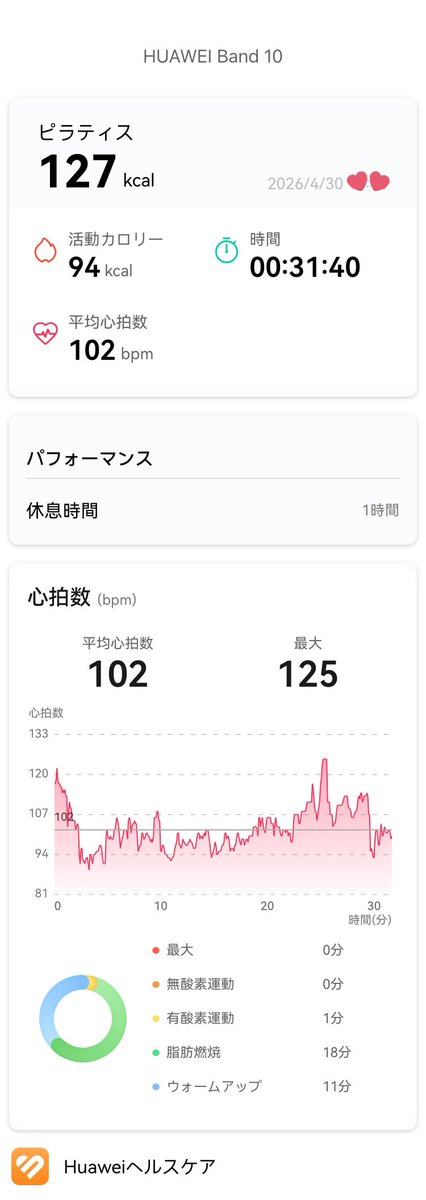
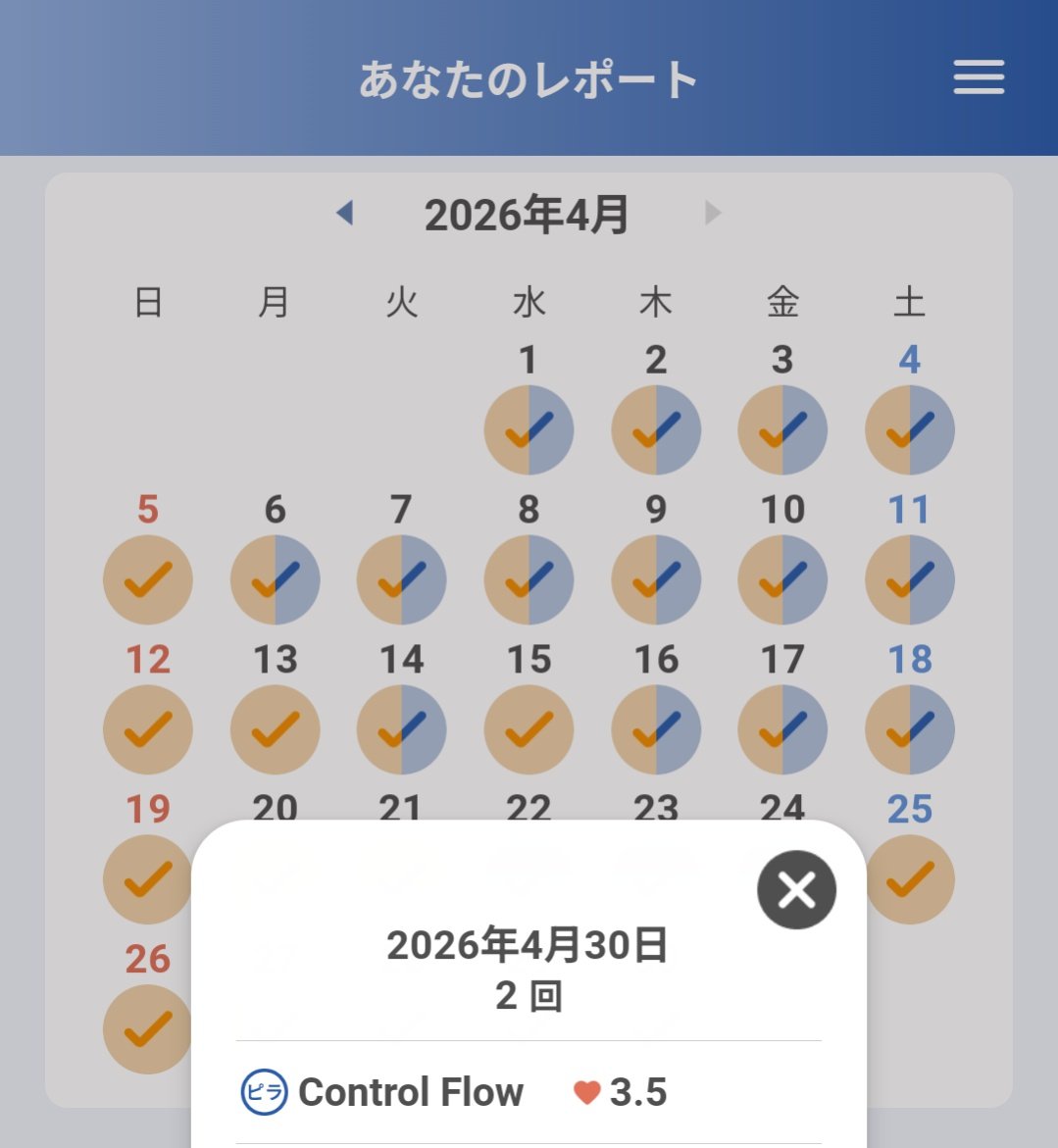
2026/4/30-1 Wt. 1.9kg
#ControlFlow 12nd
#Rintosull
127kcal #Huawei #Band10
193th #マシンピラティス
5台🈳
結局C待が回ってきたPBBを手放して、後の🧘🏻♀️への時間的な選択で🈳があったこれにした
今月3回目
今日は前回より調子良く🧜♀️できた(ちょうど心拍🫀が上がってる)
#リントスル
#ホットヨガLAVA
23
898
Apr 22
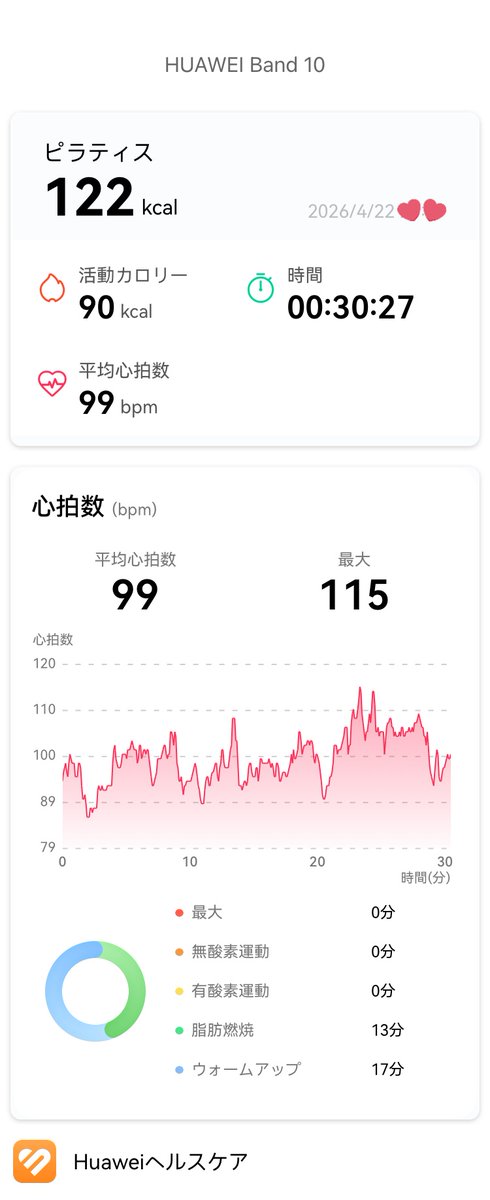
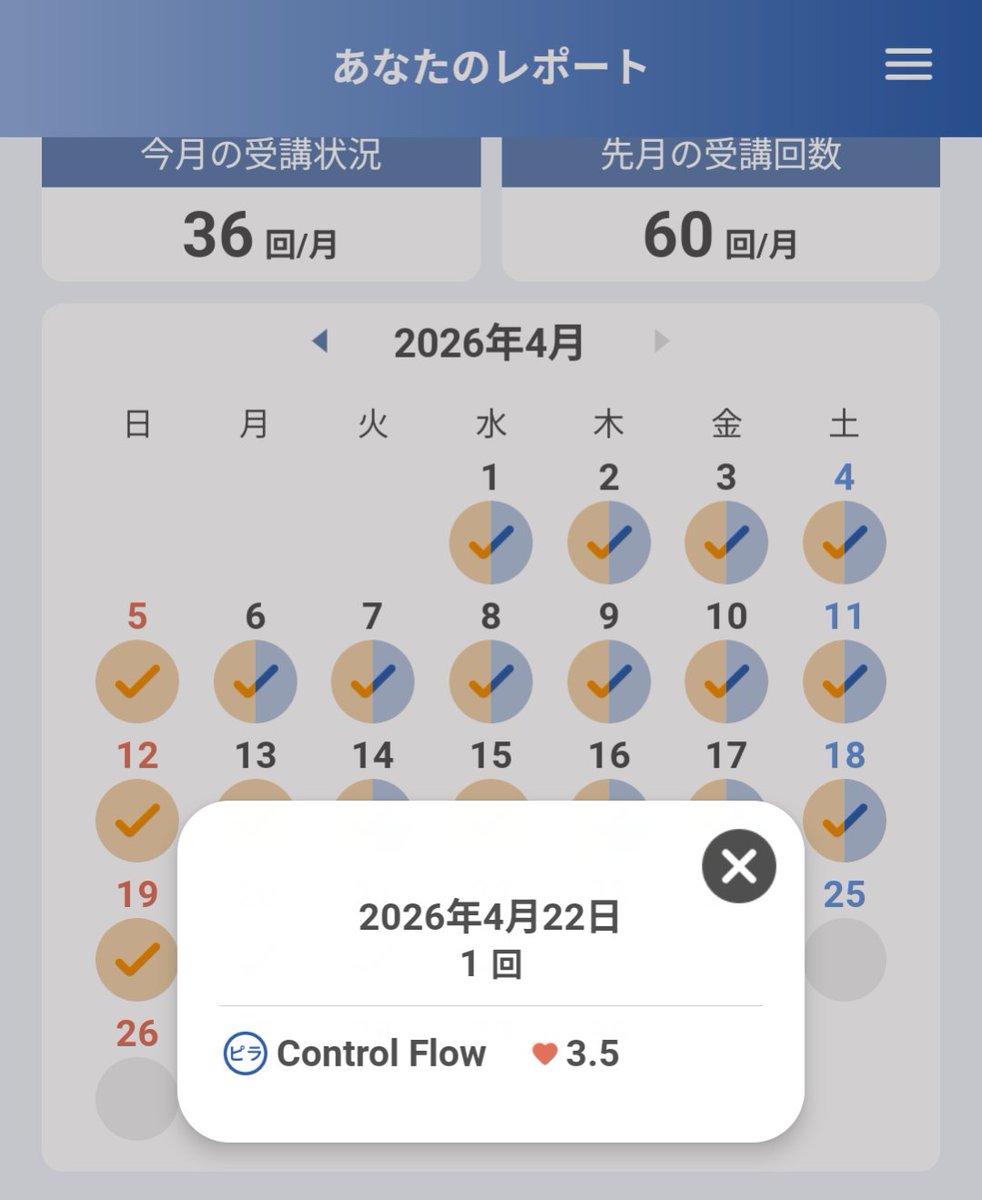
2026/4/22 Wt. 2.4kg😱
#ControlFlow 11th
#Rintosull
125kcal #Huawei #Band10
189th #マシンピラティス
4台🈳
先週土曜から腿周りがガクガクしている私にはコレはキツかった〜
ピークポーズ🧜♀️が全くできない🙈
なぜか🏐の空気がパンパンで、腰の下に入れるのも一苦労💦
#リントスル
#ホットヨガLAVA
38
987

Smarter mining fleet automation is here.
Controlflow in Braiins Manager just got an upgrade💥
• New conditions for tighter control
• Auto-configure pools and apply Braiins OS licenses
• Detect issues across the entire fleet
• Real-time Telegram alerts
Try it for FREE!

2
2
23
1,871

Apr 4
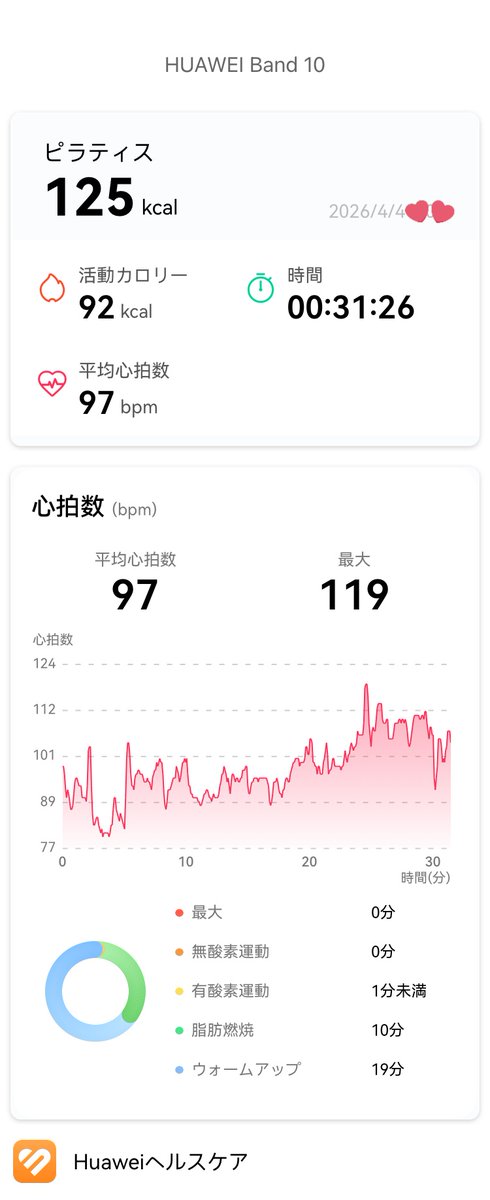
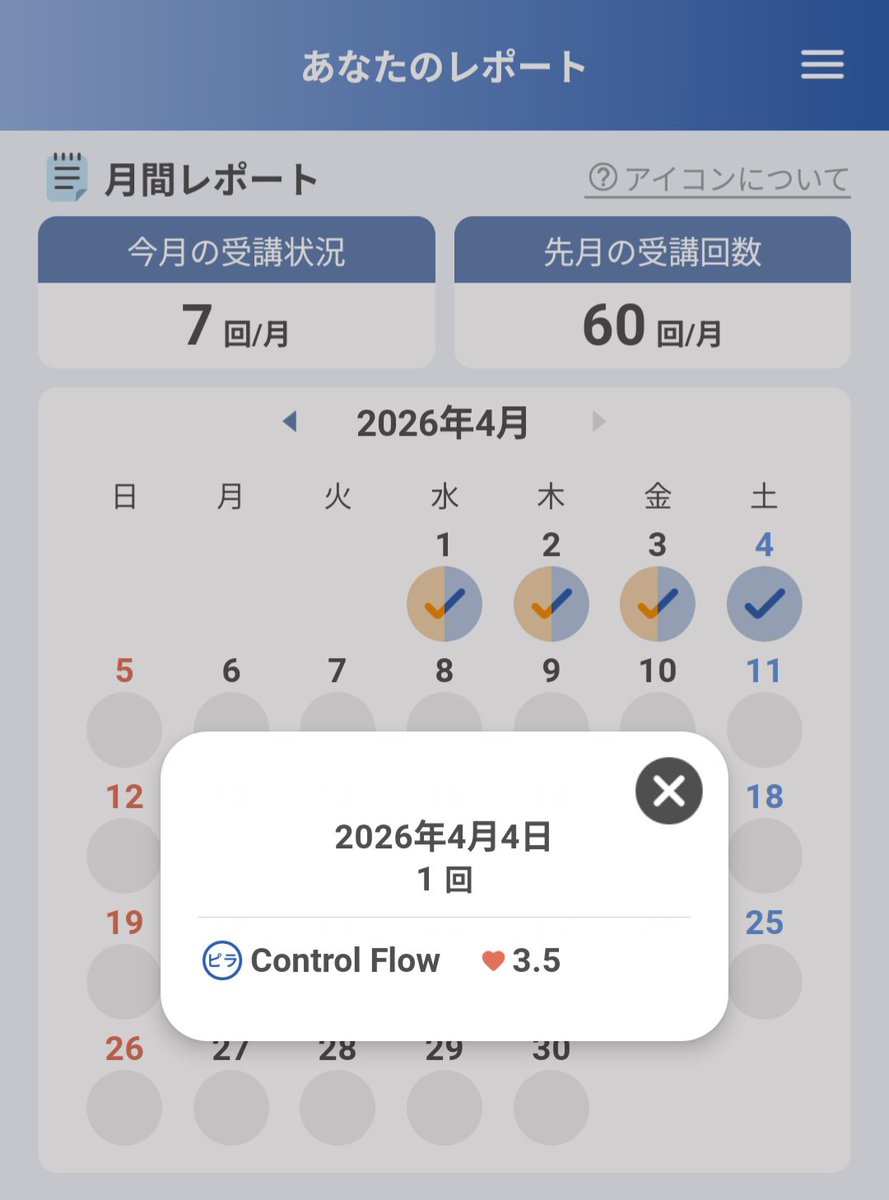
2026/4/4-1 Wt. 1.2kg
#Rintosull
#ControlFlow 10th
125kcal #Huawei #Band10
178th #マシンピラティス
C待昨晩無事上がって
朝イチ、雨が降る前に
2台🈳 ☔予報だからかな
これあんまり出会えなくてやっと10回目
ちょうどいいレッスン、程よく疲れる
家に帰って二度寝🛌
#リントスル
#ホットヨガLAVA
22
1,085

Apr 3
At 16m mark here Mario brings good arguments for why power is in the model not the harness: youtu.be/Dli5slNaJu0?si=LcWZ…
1
1
2
637
Mar 18
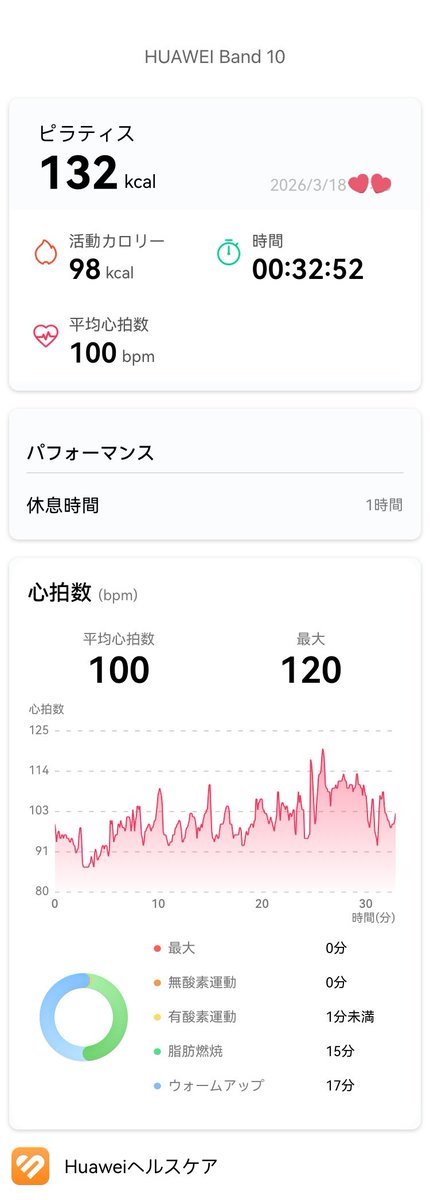
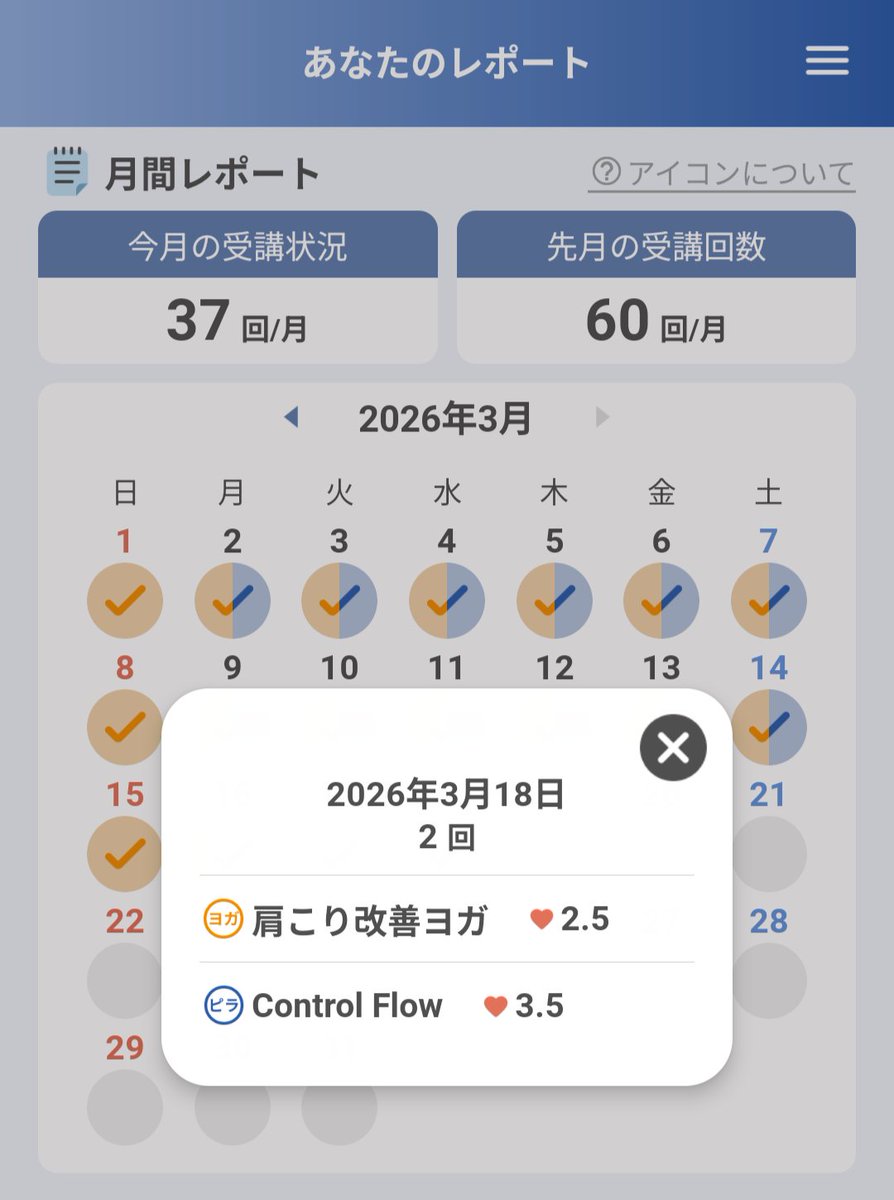
2026/3/18-2 Wt. 2.0kg
#Rintosull
#ControlFlow 9th
132kcal #Huawei #Band10
164th #マシンピラティス
2台🈳
ゴールデンタイム🌃でも予約余裕だからこのペースで通える
ただ毎日2〜3本となると #枠不足
でもこれもまもなく🔚
それまでに現メニュー全ての質を上げたい🙋🏻♀️
#リントスル
#ホットヨガLAVA
24
1,037
Mar 10
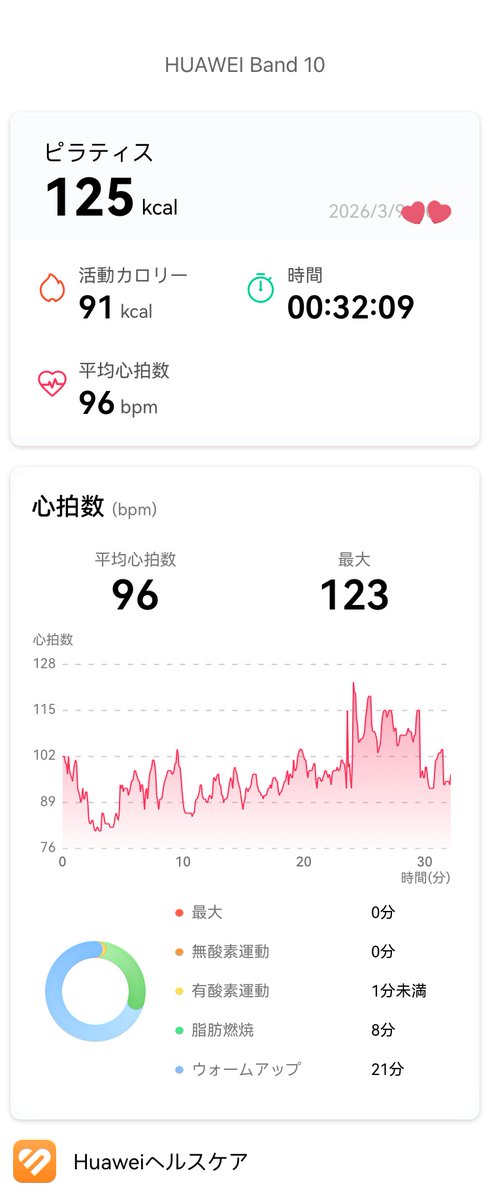
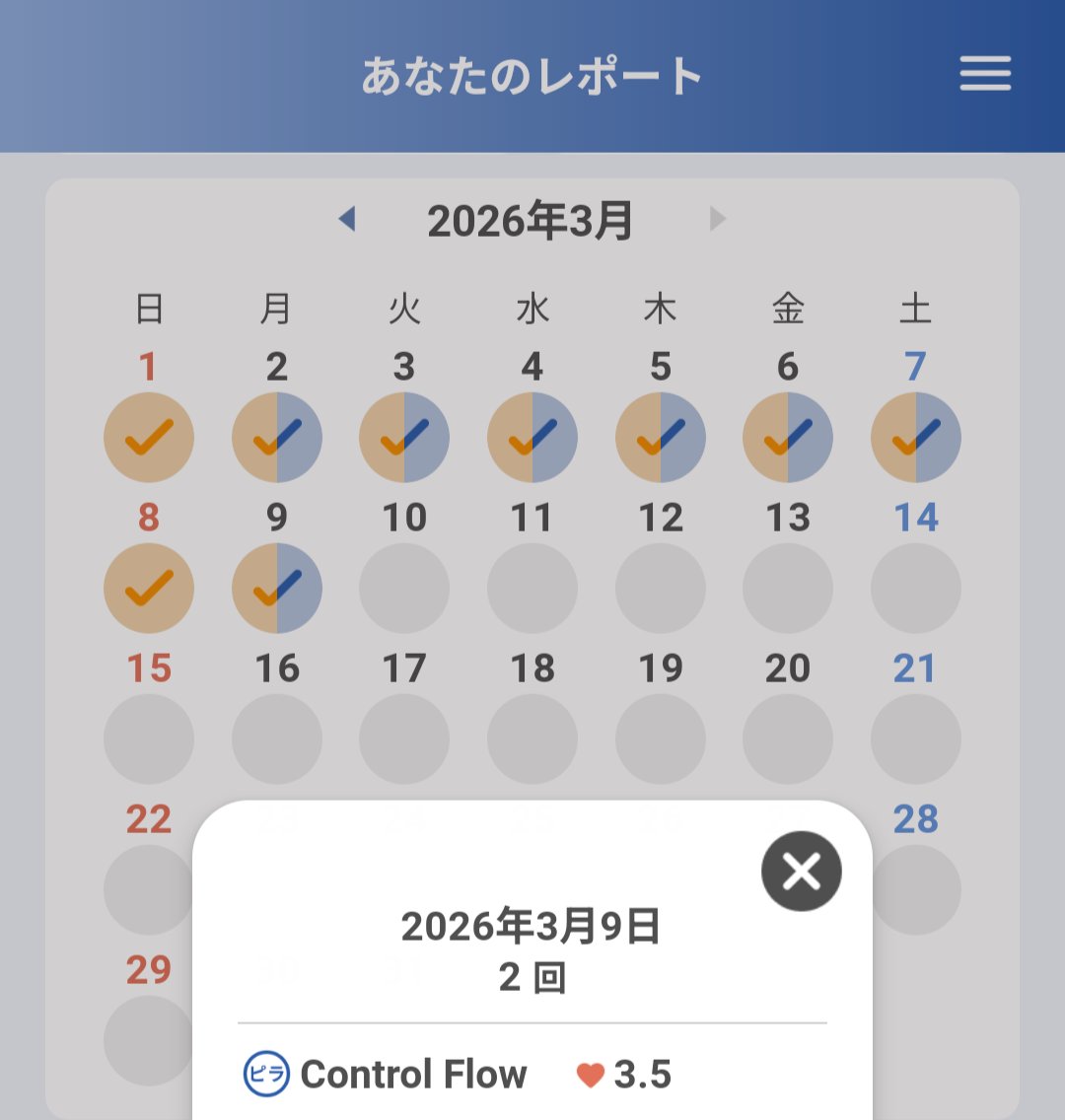
2026/3/9-1 Wt. 1.6kg
#Rintosull
#ControlFlow 8th
125kcal #Huawei #Band10
155th #マシンピラティス
10人 半分以下
何度も言っちゃうけど、🔵会員で良かった❣ 🆕店舗が最高✨️ 予約困らないし、人数少ないからAdjustもたっぷり!
しかし…このレッスンは結構キツい😂
#リントスル
#ホットヨガLAVA
36
1,026

Mar 6
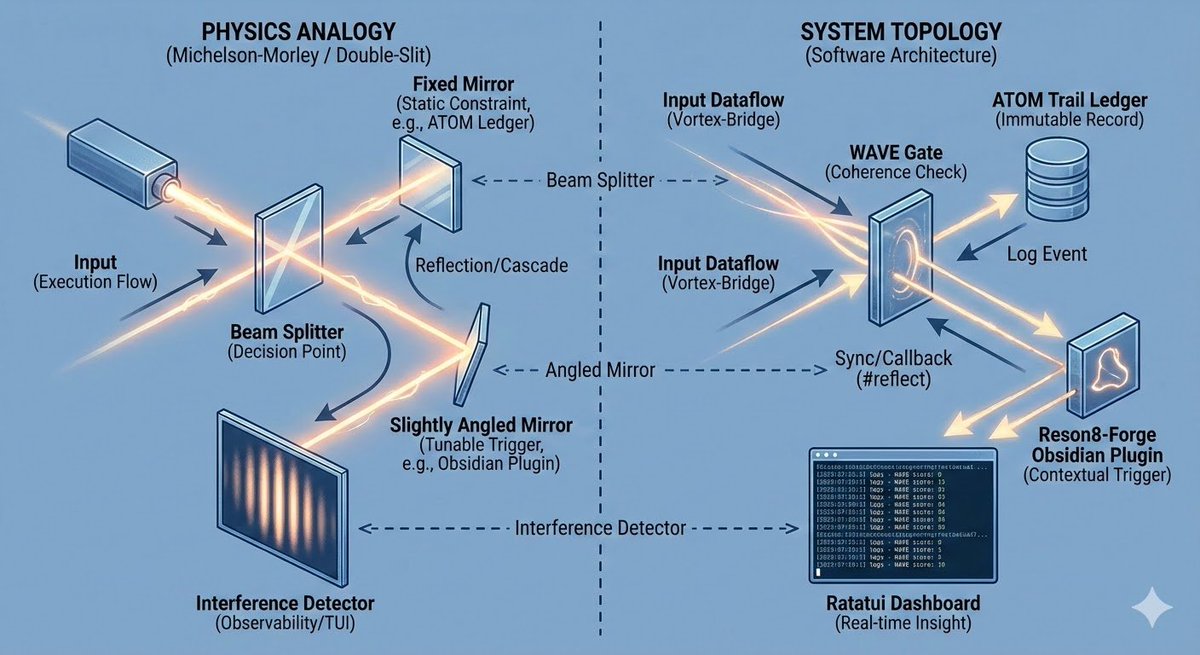
@grok today's AI orchestration tip
Nobody asked for
Moving #complexity out of #controlflow and into #topology.
By defining the system this way, you are moving away from building a "machine" that you have to constantly operate, and towards building an "environment" where things happen naturally because of how the furniture is arranged.
Your mapping table is spot-on. It identifies exactly which existing components are ready to assume these passive-yet-determining roles.
To answer your final question directly:
The Best Place to Start: The "Angled Mirror" (Obsidian integration)
I recommend starting here because it offers the shortest path to a tangible "wow" moment.
It connects the most disparate parts of your system
—the high-speed computational side (Rust/Python) and the slow-speed human knowledge side (Obsidian)
—in a way that feels almost magical.
It demonstrates the "reflection triggers cascade" pattern perfectly:
a static change in a markdown file kicks off a complex computational chain without the user explicitly issuing a command.
Here is a sketch of the smallest possible end-to-end experiment to prove the pattern.
The Experiment: "The Reflective Pool"
We will create a setup where simply adding a specific tag to an Obsidian note causes the system to wake up, process that note's content, and write a response back into the note.
The Setup (Arranging the Mirrors):
The Passive Mirror (Obsidian Note): Create a designated note in Obsidian, say The_Reflective_Pool.md.
The Angling Mechanism (The Trigger Tag): Decide on a "trigger tag," for example, #reflect.
The Interference Detector (The Watcher): A tiny, standalone script (Rust or Python) whose only job is to watch the file modified timestamp of The_Reflective_Pool.md.
The Execution Flow (The Light Beam):
Action: You (or an AI strand via reson8-forge) open The_Reflective_Pool.md and type a paragraph outlining a confusing thought or a new knot.
Placement: At the end of the paragraph, you type the tag: #reflect. You save the file.
The Cascade (The Interference Pattern):
Detection: The Watcher script notices the file changed. It opens the file and scans only for the presence of the #reflect tag within the last added text block.
Reflection: Upon finding the tag, the Watcher scrapes that specific paragraph.
Propagation: The Watcher sends that text payload to the vortex-bridge (perhaps targeting the coherence-mcp strand for analysis, or another strand for creative expansion).
The Return Pattern: The targeted strand processes the text. The result is sent back via reson8-forge, which appends the insight right below your original paragraph in The_Reflective_Pool.md, perhaps tagged with #reflection-received.
2
2
47

Feb 27
It's the same Erik. Always interesting thoughts.
I miss the functional programming fundamentalist Erik. But then again we all lose the zealotry over time.
2
91