
Pg. 2 her boss is not in cahootz at all & is going to speak to her. I told her a new CSSW is needed after what she's done to me. I left the rest up to her boss. As long as I don't have to deal with her now and have a new CSSW I'm very happy with that.
1
1
4
73
Hi everyone and everypaw! Great news today. Things will be taken care of and soon I'll get a better CSS worker. Community Support Services worker CSSW acronym for easier reference & especially when I'm typing. They are very important after a stroke and two MVAs as well too. Pg 1
1
1
4
23

May 25
China’s securities index CSI CSSW is poised to open up 0.6% after authorities tightened rules on unlawful outbound investment flows.
8
1,312

May 25
China’s securities index CSI CSSW is poised to open up 0.6% after authorities tightened rules on unlawful outbound investment flows.
3
2
16
12,254

Apr 25
منظمات وجمعيات ومؤسسات مرتبطة بحزب الإصلاح الإخواني سيشملها التصنيف الامريكي من بينها:-
جمعية الوصول الإنساني SSW (المعروفة سابقاً بجمعية الإصلاح)
جامعة الإيمان
منظمة وقف أويس القرني
جمعية الحكمة اليمانية
جمعية الإحسان
جمعية رحمة
جمعية CSSW
مؤسسة الرافة
#الاصلاح_تنظيم_ارهابي

17
36
106
2,445

有栖山にはCSSがわからぬ。 有栖山は、インターネット老人である。html2.0を書き、KENTWEBとCGIで遊んで暮して来た。 けれども時代の進化に対しては、人一倍に鈍感であった。 …
まじCSSwぁんあいんだよ@@
2
182

Mar 1
You’re lying, @Columbia!
List of organizations comprising Columbia University Apartheid Divest (CUAD):
1. AAPI Interboard
2. African Students Association
3. African Studies Working Group
4. Alianza
5. Asian American Alliance
6. AZINE Asian / American Arts & Zine Collective
7. Barnard Columbia Urban Review
8. BCAC: Barnard Columbia Abolitionist Collective
9. Black Law Students Association at Columbia Law (BLSA)
10. Black Student Organization
11. BOSS: Barnard Organization of Soul and Solidarity
12. Caribbean Students Association
13. CLS Human Rights Association (HRA)
14. Club Bangla
15. Columbia Asian Pacific American Medical Student Association (APAMSA)
16. Columbia Care Access Project (CCAP)
17. Columbia Chicanx Caucus
18. Columbia Humanitarian Organization for Migration and Emergencies (HOME)
19. Columbia Law and Political Economy (LPE)
20. Columbia Law Parole Advocacy Project (PAP)
21. Columbia Law Restorative Justice Collective
22. Columbia Law School Empowering Women of Color (EWOC)
23. Columbia Law Students for Palestine
24. Columbia Middle Eastern Law Association
25. Columbia National Lawyers Guild
26. Columbia Policy Institute
27. Columbia Queer and Asian
28. Columbia Social Workers for Palestine
29. Columbia South Asian Feminisms Alliance (SAFA)
30. Columbia University Asian Pacific American Heritage Month (CU APAHM)
31. Columbia University Black Pre-Professional Society
32. Columbia University Students for Human Rights (CUSHR)
33. Columbia VSA (Vietnamese Students Association)
34. Columbia’s New York Small Claims Advisory Service (NY SCAS)
35. CQA: Columbia Queer Alliance
36. CSER SAB: Center for the Study of Ethnicity and Race Student Advisory Board
37. CSSW Queer Caucus
38. CU Afghan Student Alliance
39. CU Amnesty International
40. CURA Collective
41. Dar: the Palestine Student Union
42. Global Learning Exchange
43. Graduate Muslim Student Association
44. GSAS Queer Graduate Collective
45. HEP: Housing Equity Project
46. Hifi Snock Uptown
47. Journal for Criminal Justice
48. JVP: Jewish Voice for Peace
49. Latinx Law Students Association (LaLSA)
50. Law School Coalition for a Free Palestine
51. Mariachi Leones de Columbia
52. Masaha
53. Mixed Heritage Society
54. Mujeres
55. Muslim Law Students Association (MLSA)
56. Muslim Students Association
57. Native American Council
58. Native American Law Students Association (NALSA)
59. Pakistani Students Association
60. Payments for Placements Caucus at Columbia School of Social Work
61. Poetry Slam
62. Proud Colors
63. Raw Elementz
64. Reproductive Justice Collective
65. RightsViews (Human Rights Graduate Journal)
66. Sabor
67. School of Social Work Abolition Caucus
68. Sexual and Reproductive Health Action Group at Mailman School of Public Health
(SHAG)
69. SIPA Palestine Working Group
70. SJP: Students for Justice in Palestine
71. South Asian Law Students Association (SALSA)
72. SSA Somali Student Association
73. Student Organization of Latines (SOL)
74. Student Worker Solidarity
75. Student Workers of Columbia
76. Students for Free Tibet
77. Students for Sanctuary
78. Sunrise Columbia
79. Take Back The Night
80. The Columbia Review
81. Turath: CU Arab students Association
82. Union Theological Seminary (UTS) Students for a Free Palestine
83. VP&S Black and Latinx Student Organization
84. VP&S Equity and Justice Fellowship
85. VP&S Global Health Organization
86. VP&S Muslim Students Association
87. WBAR Radio
88. White Coats 4 Black Lives
89. YDSA: Young Democratic Socialists of America
The names @AccuracyInMedia has been able to independently confirm as leaders of hatred and antisemitism at Columbia University are listed in my next post below.
Mar 1

The group that calls itself “CUAD" is not a recognized student group, or affiliated in any way with the University. There is no evidence that anyone currently in control of their account is a current Columbia student, staff, or faculty member. They are illegally using the Columbia name.

ALT A blue background that includes the Columbia University logo.
85
764
2,659
222,296

26 Dec 2025
Speaking of replaceable:
I used AI to create a syllbabus for each of the three courses you've taught at Columbia: SOCW T660A, SOCW T660B, and SOCW T7302.
enjoy.
-----
SOCW T660A — Human Behavior and the Social Environment A
Draft Syllabus (Full Semester / 14 Weeks)
Instructor (section example): Anthony R. Zenkus, LCSW
Points: 3 (typical for HBSE-A)
Prerequisites: None (core course in many plans of study)
Meeting: 1x/week, 2 hours (time/location TBD)
Course format: Seminar structured discussion applied case exercises (no clinical “how-to” skills lab)
Course description
HBSE-A provides a foundation for self-reflective social work practice by examining how biological, psychological, social, cultural, historical, political, and economic factors shape development across the life course—using a person-in-environment lens and “sociological imagination.”
In the year-long sequence described in CSSW materials, the course is grounded in a Developmental Life Course Perspective (DLCP) and emphasizes critical analysis of concepts that underlie assumptions of “normality,” “deviance,” citizenship, and identity across development.
HBSE-A focus (this semester): childhood → adolescence, with continuous attention to structural inequality, identity, and context.
Learning outcomes
By the end of the semester, students will be able to:
Use the Developmental Life Course Perspective to describe how development is shaped by timing, transitions, relationships, and social context.
Analyze development through person-in-environment, integrating biological, psychological, family, community, and policy factors.
Apply theories of childhood and adolescence to a client vignette or contemporary social problem in a way that demonstrates critical thinking.
Identify how inequality and social stratification influence risk/protection and opportunity across development.
Required & recommended texts
Required (recommended by historical core syllabus materials; confirm current section requirements):
Austrian, S. G. (Ed.). Developmental Theories Through the Life Cycle.
Fadiman, A. The Spirit Catches You and You Fall Down.
Recommended (no purchase required):
Elder, G. (Life Course Perspective overview articles/chapters)
Bronfenbrenner (Ecological Systems)
Garcia Coll et al. (Integrative model for minority child development)
Shonkoff et al. (Toxic stress/brain development)
(Weekly readings will also include journal articles and short media.)
Course requirements & grading
1) Participation & professional engagement — 20%
Preparedness, respectful discussion, evidence-based reasoning, and reflective practice.
2) Weekly reading accountability — 20%
Short reading responses (250–400 words) or “3 questions/3 claims” memos most weeks.
3) HBSE Lecture reflection — 10%
Attend two lectures outside the classroom arranged/approved by the instructor and submit one integrative reflection.
4) Case or Social Problem Analysis Paper (DLCP application) — 40%
8–10 pages. Apply DLCP to (a) a client vignette from provided materials, field placement (fully de-identified), or (b) a social problem affecting development.
5) Proficiency exam requirement — Required (Pass/No Pass)
All students must pass a proficiency exam on core concepts/theories (typically 90% , retakes permitted) as described in core HBSE guidance. This is a course requirement and may be required for progression even if it does not materially change the letter grade.
Key course policies
Attendance: More than 1 unexcused absence may lower the participation grade; more than 2 may require remediation.
Late work: 5% per day unless arranged in advance.
Confidentiality: Field-related examples must be fully de-identified.
Accessibility: Students are encouraged to use CSSW/Columbia accommodations; communicate early.
Generative AI: Allowed for brainstorming/outlining if disclosed; not allowed for writing final submissions without explicit permission. Cite any AI assistance.
Weekly schedule (14 weeks)
(Exact dates added by instructor; readings may be swapped to reflect current events and cohort interests.)
Week 1 — Course orientation; DLCP person-in-environment
Concepts: sociological imagination, timing/transition, agency/structure
Due: baseline reflection (your “developmental assumptions” memo)
Week 2 — Theories as tools (and limits): what counts as “normal”?
|
Psychoanalytic → behavioral → cognitive → socio-cultural traditions
Due: Reading response #1
Week 3 — Risk, protection, resilience; adversity across development
Developmental psychopathology; ACEs as a population lens (strengths/limits)
Due: Reading response #2
Week 4 — Prenatal development, infancy, attachment, caregiving
Attachment across cultures; caregiving constraints and structural stressors
In-class: attachment case vignette mapping
Due: Reading response #3
Week 5 — Early childhood: brain development, language, emotion regulation
Executive function; play; caregiver mental health and family supports
Due: Reading response #4
Week 6 — Maltreatment, family violence, and child development (trauma lens)
Trauma exposure, developmental impacts, protective relationships
Due: Topic proposal for Case/Social Problem Paper
Week 7 — Family systems, kinship networks, and “the social construction” of family
How policy defines family (benefits, child welfare, immigration)
Due: Reading response #5
Week 8 — Middle childhood: school, peers, bullying, disability & inclusion
School as developmental ecology; special education as a social system
Due: Paper outline (1–2 pages)
Week 9 — Culture, race/ethnicity, and identity development
Identity formation; bias and discrimination as developmental stressors
Due: Reading response #6
Week 10 — Adolescence I: puberty, brain development, risk-taking
Decision-making, peer influence, identity exploration
In-class: “risk vs. resilience” developmental formulation
Due: Reading response #7
Week 11 — Adolescence II: mental health, self-harm, suicide, and help-seeking
Stigma and access; social media as context
Due: HBSE lecture plan (choose 2 lectures/events)
Week 12 — Inequality, racism, neighborhood effects, and developmental opportunity
Chronic stress; intergenerational pathways; institutional trust
Due: Case/Social Problem Analysis Paper
Week 13 — Immigration, acculturation, and developmental transitions
Family role shifts; identity and belonging; systems navigation
Due: HBSE Lecture Reflection
Week 14 — Integration and synthesis
Student mini-presentations (5–7 minutes) of key insights from papers
Due: Proficiency exam completion status check-in
-----
SOCW T660B — Topics in Human Behavior and the Social Environment
Intensive Topic: Trauma and Its Impact
Draft Syllabus
Instructor (historically taught): Anthony Zenkus
Typical points: 1.5 (HBSE-B intensive in many study plans)
Format note: CSSW HBSE-B is often delivered as an intensive elective; if your section is 7 weeks, treat Weeks 1–7 below as the “core,” and Weeks 8–14 as “expanded/optional” modules.
Course description
HBSE-B intensives build on HBSE-A and deepen students’ sociological imagination by examining how privilege, oppression, discrimination, and social justice themes shape developmental trajectories.
This Trauma and Its Impact section centers trauma as both:
an individual/family developmental experience, and
a structural experience shaped by poverty, racism, gender-based violence, and systems response.
Learning outcomes (aligned to CSSW HBSE-B outcomes)
Students will be able to:
Identify how risk and protection apply across developmental trajectories.
Analyze how social/political/historical/racial/biological/economic factors shape human behavior
Demonstrate critical thinking about power and privilege using research applied to a case or social problem
Discuss current research relevant to trauma and developmental pathways.
Required materials
No single textbook required (unless instructor specifies).
Weekly readings will include: trauma theory, developmental trauma, community violence, racial trauma, intimate partner violence, sexual assault/human trafficking, and trauma-informed systems.
(Instructor may also incorporate applied training materials consistent with his professional role in victim services and education.)
Assignments & grading
1) Participation & professional engagement — 25%
Prepared discussion, respectful challenge, and application to real-world systems.
2) Weekly reflection notes — 20%
6–8 short submissions (250–400 words): “What I learned / what I’m wrestling with / how this changes practice or policy thinking.”
3) Trauma-informed case formulation — 25%
5–7 pages: select a vignette (provided or de-identified) and create a trauma-informed developmental formulation (risk/protection, culture, systems, ethics).
4) Final integrative project — 30% (choose one)
A. Mini literature review (8–10 pages) on a trauma topic implications for social work
B. Program/policy brief (6–8 pages) proposing a trauma-informed response in a setting (school, shelter, hospital, juvenile justice, etc.)
C. Training module outline (slides narrative) for a professional audience
Course policies (highlights)
Trauma-informed classroom norms: opt-out of graphic detail; content warnings; grounding practices.
Confidentiality and mandatory reporting: discuss case material in ways that protect privacy and align with current law/policy.
Weekly schedule (14 weeks)
Week 1 — Defining trauma: event, experience, effects
Concepts: acute vs. chronic; complex trauma; developmental timing
Due: Reflection #1 (your definition what it misses)
Week 2 — Neurobiology of trauma and stress
Stress response, learning/memory, regulation, dissociation (intro level)
In-class: “window of tolerance” mapping exercise
Week 3 — Developmental trauma in childhood
Attachment disruption, emotion regulation, behavior, school functioning
Due: Topic selection for case formulation
Week 4 — Adolescence and trauma: identity, risk behavior, help-seeking
Self-harm risk pathways; substance use as coping (bridge to SUD work)
Due: Reflection #2
Week 5 — Family violence, sexual assault, and coercive control
Interpersonal trauma; safety planning as a system issue
Instructor lens often draws from victim services and family violence expertise
Week 6 — Community violence, structural racism, and “racial trauma”
Trauma exposure as patterned by policy and place
Due: Case formulation outline
Week 7 — Systems responses: child welfare, schools, healthcare, courts
Trauma-informed vs. trauma-inducing systems
Due: Reflection #3
Week 8 — Evidence-based and evidence-informed trauma treatments (overview)
TF-CBT, EMDR, CPT, narrative approaches, somatic/skills-based supports
Skill focus: “common factors” and stabilization
Week 9 — Working with caregivers and families in trauma contexts
Intergenerational trauma; caregiver support; engagement barriers
Due: Draft case formulation (optional feedback)
Week 10 — Vicarious trauma, moral injury, and professional resilience
Self-of-practitioner; supervision; organizational responsibility
Due: Reflection #4
Week 11 — Trauma, identity, and culture
Cultural humility; avoiding pathologizing; strengths and meaning-making
Week 12 — Trauma and social policy
What “trauma-informed policy” could look like (schools, policing, housing)
Due: Final project proposal
Week 13 — Student project workshops
Peer feedback, research-to-practice translation
Week 14 — Final presentations & integration
Due: Final integrative project
-----
SOCW T7302 — Social Work Practice in Alcohol and Substance Use
Draft Syllabus (Full Semester / 14 Weeks)
Instructor (as requested): Anthony R. Zenkus, LCSW (draft template)
Points: 3
Prerequisite: T7100 required (per SIS listing)
Meeting: 1x/week, 1h50m (time/location TBD)
Course description
This course prepares social work students to provide evidence-informed, culturally responsive, and ethically sound services for clients affected by alcohol and other substance use. Content emphasizes:
Screening, assessment, and biopsychosocial formulation
Harm reduction and recovery-oriented practice
Motivational interviewing and other core clinical approaches
Treatment planning across levels of care
Co-occurring mental health, trauma, and family/system impacts
Policy and system contexts that shape risk, access, and outcomes
Course learning outcomes
By the end of the semester, students will be able to:
Conduct basic SUD screening and integrate results into a biopsychosocial assessment.
Explain major theoretical models of addiction (biopsychosocial, learning, developmental, social determinants).
Demonstrate beginning competence in motivational interviewing microskills applied to substance use.
Build a staged, client-centered treatment plan that addresses safety, withdrawal risk, and recovery supports.
Critically analyze how stigma, racism, poverty, and criminalization shape substance use trajectories and care.
Required materials
A course packet of articles/chapters (posted on CourseWorks).
Recommended reference texts (choose 1 if you want a “desk book”):
A social work–oriented SUD practice text
An MI manual/reference
Current clinical guidelines (instructor will link)
Assignments & grading
1) Participation & preparedness — 20%
Includes discussion leadership once during the term.
2) Weekly practice reflections — 15%
8 submissions (250–400 words) responding to a prompt (skills ethics systems).
3) Motivational Interviewing skills demonstration — 20%
Role-play (recorded or live) 2–3 page self-critique using MI concepts.
4) Integrated Case Assessment & Treatment Plan — 30%
8–10 pages: screening summary, biopsychosocial, risk assessment, ASAM-informed level-of-care reasoning (conceptual), goals, interventions, referral plan, relapse prevention.
5) Policy/program brief — 15%
3–4 pages: choose one policy issue (e.g., naloxone access, housing, parity, diversion) and analyze practice implications.
Practice-centered course policies
Confidentiality: Any field-based examples must be fully de-identified.
Role safety: Students can opt out of role-play scenarios that are personally activating; alternative assignments provided.
Professional writing: Use person-first language and avoid stigmatizing terms.
Weekly schedule (14 weeks)
Week 1 — Social work’s role in SUD: ethics, stigma, and frameworks
Harm reduction vs. abstinence debates; recovery orientation
Due: Reflection #1 (stigma audit)
Week 2 — Substances and effects: overview neurobiology of addiction
Reinforcement, tolerance/withdrawal, craving, learning
In-class: “myth vs. evidence” exercise
Week 3 — Screening, brief intervention, and referral basics
SBIRT concepts; common tools; engagement strategies
Due: pick case vignette for term work
Week 4 — Assessment & formulation
Biopsychosocial trauma-informed lens; readiness; risk/safety
Due: Reflection #2
Week 5 — Stages of change Motivational Interviewing foundations
Core MI spirit; OARS; change talk
In-class: dyad practice
Week 6 — MI in action: ambivalence, sustain talk, and discord
Due: MI role-play plan transcript snippet (optional)
Week 7 — Treatment planning across levels of care
Outpatient, IOP, residential, detox (overview); referral collaboration
Due: Reflection #3
Week 8 — Evidence-informed interventions for SUD
CBT/relapse prevention; coping skills; cue exposure principles
In-class: triggers → skills map
Week 9 — Medications and recovery supports (overview for social workers)
MOUD, alcohol-use medications (high-level); adherence, stigma, systems barriers
Due: MI skills demonstration (live or recorded)
Week 10 — Co-occurring disorders and trauma SUD
Integrated care principles; suicide risk considerations (overview)
Due: Reflection #4
Week 11 — Families, parenting, and child welfare intersections
Family systems, IPV considerations, mandated reporting decision points
Due: Case paper outline
Week 12 — Special populations and equity
Adolescents, older adults, LGBTQ , justice-involved, homelessness
Due: Policy/program brief draft (optional feedback)
Week 13 — Documentation, ethics, and interprofessional practice
Boundaries, confidentiality frameworks (students must verify current rules)
Due: Final case paper
Week 14 — Integration: student presentations and course synthesis
Due: Policy/program brief final
Course wrap: “what I will do differently in practice”
1
15
922

22 Dec 2025
Devotional: Are You Ready for the Testing?
But when they deliver you up, take no thought how or what ye shall speak: for it shall be given you in that same hour what ye shall speak. Matthew 10:19 (m.egwwritings.org/en/book/19…)
The servants of Christ are to prepare no set speech to present when brought to trial for their faith. Their preparation is to be made day by day, in treasuring up in their hearts the precious truths of God’s Word, in feeding upon the teaching of Christ, and through prayer strengthening their faith; then, when brought into trial, the Holy Spirit will bring to their remembrance the very truths that will reach the hearts of those who shall come to hear.
God will flash the knowledge obtained by diligent searching of the Scriptures, into their memory at the very time when it is needed. CSSW 40, 41 (m.egwwritings.org/en/book/21…)
You are now to get ready for the time of trial. Now you are to know whether your feet are planted on the Eternal Rock. You must have an individual experience, and not depend upon others for your light. When you are brought to the test, how do you know that you will not be alone, with no earthly friend at your side?
Will you then be able to realize that Christ is your support? Will you be able to recall the promise, “Lo, I am with you alway, even to the end of the world”?
There will be invisible ones all about you bent upon your destruction. Satan and his agents will seek in every way to make you waver from your steadfastness to God and His truth. But if you have an eye single to His glory, you need not take thought as to how you shall witness for His truth. RH, April 26, 1892 (m.egwwritings.org/en/book/82…).
Young men and women, are you growing up to the full stature of men and women in Christ, so that when the crisis comes, you cannot be separated from the Source of your strength?
If we would stand during the time of test, we must now, in the time of peace, be gaining a living experience in the things of God. We must now learn to understand what are the deep movings of the Spirit of God. Christ must be our all and in all, the Alpha and Omega, the first and the last, the beginning and the end. RH, May 3, 1892 (m.egwwritings.org/en/book/82…)
1
1
5
51

6 Dec 2025
2020
by PM
pac0m0ren0.bandcamp.com/albu…
enjoy . . .
9w4c-ws5d
nsp4-cd2c
wqf4-wdwx
cgdh-cccp
su4j-wws2
pler-cwcc
rs6w-cssw
hhcb-wq3s
hchl-ctdl
hsc4-x2xe
44hh-ecm3
qcch-3w8s
fsss-cxbl
w44c-cpsj
cesc-wrcy
p744-cdlr
8ls4-wd5d
2sqh-cc2c
hxsu-whww
hcjd-h5cs
hsbc-jrsd
44xc-yshc
4ccq-blpw

3
124

21 Nov 2025
We are so proud of @ColumbiaSSW Lecturer Emerita Amy Werman for hosting a Shabbat gathering for first year CSSW students. We will always be here for our students—nothing will change that for us.
14
384
20 Nov 2025
China CSI CSSW Securities Index Set to Gain Nearly 2% After CICC Announces Rival Takeovers
2
6,794

13 Nov 2025
Meet Paul Evans!
We’re proud to share that Paul Evans (CSSW, CSRT) is listed on the PCA Waterproofing Design Specialist Register (WDS), a mark of excellence in the design and delivery of below-ground waterproofing solutions.
#PreservationTreatments #DeltaCavityDrainMembranes

2
50

7 Oct 2025
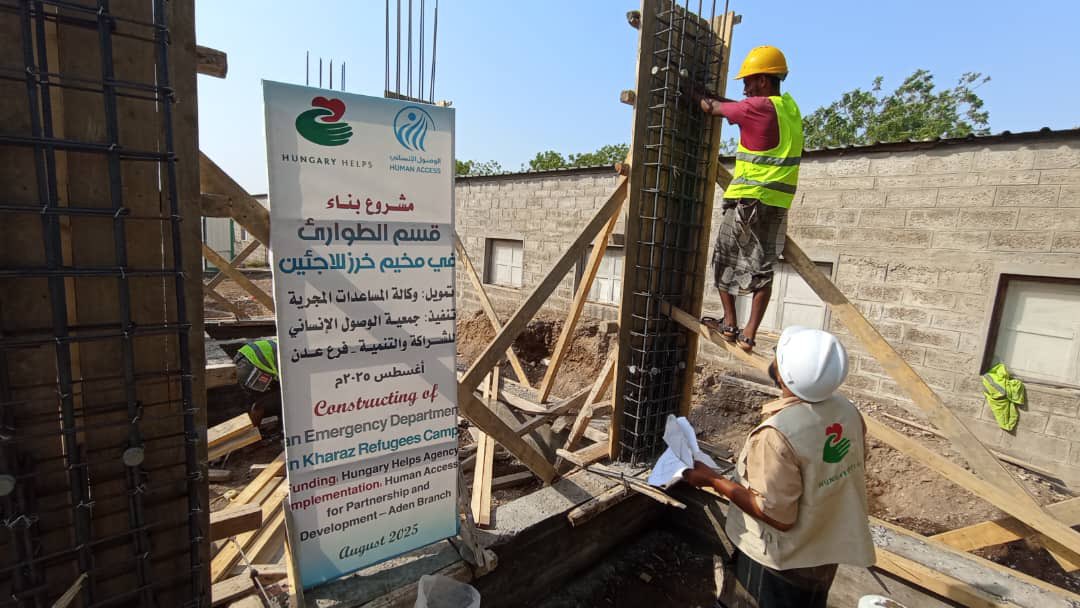
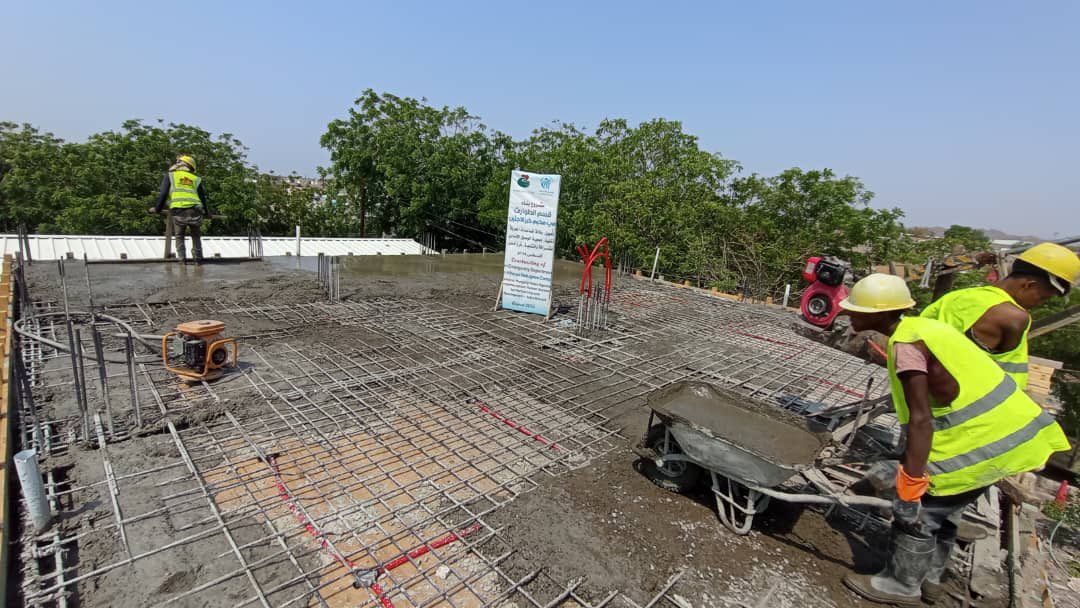
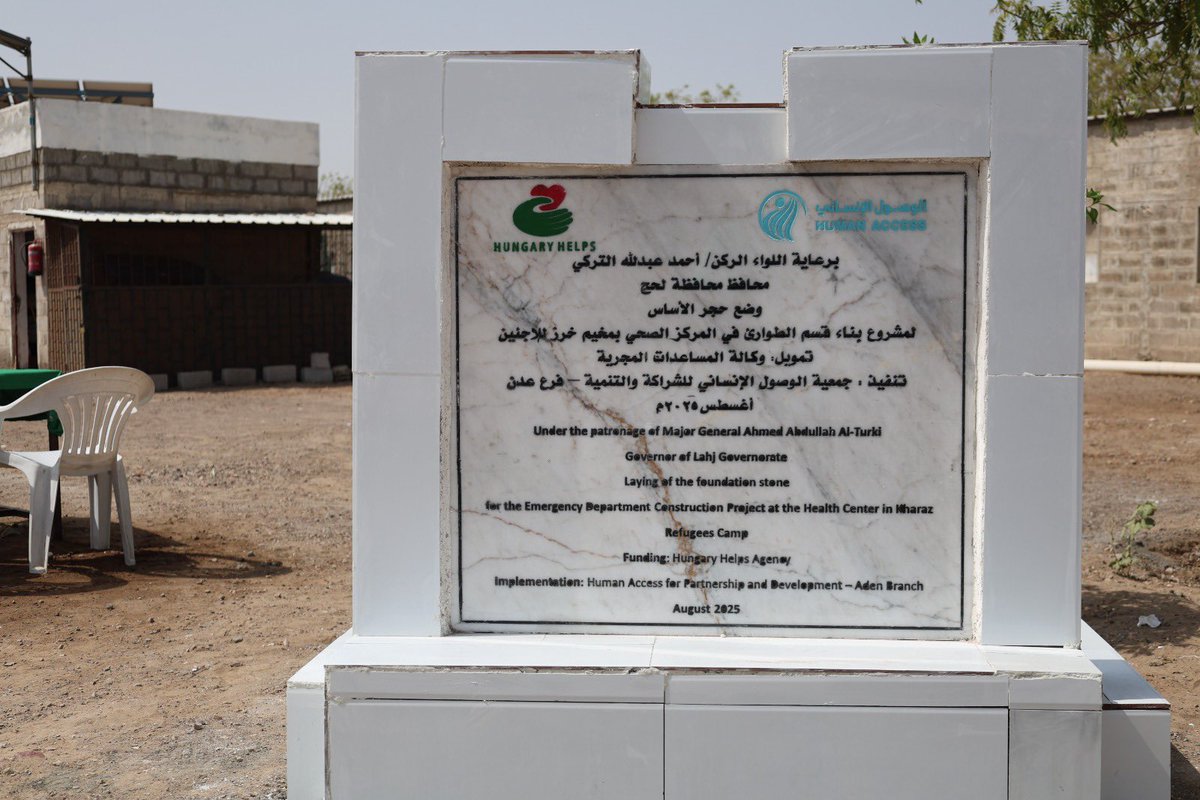
🏥 Another life-saving step in Yemen! 🇾🇪✨
Together with Human Access, we’ve begun building an emergency ward at Kharaz refugee camp to bring fast, safe care to thousands. 🤝❤️
Building on our 2021 maternity center with CSSW, we’re ready to save even more lives. 🌍💪
1
2
203

2 Oct 2025
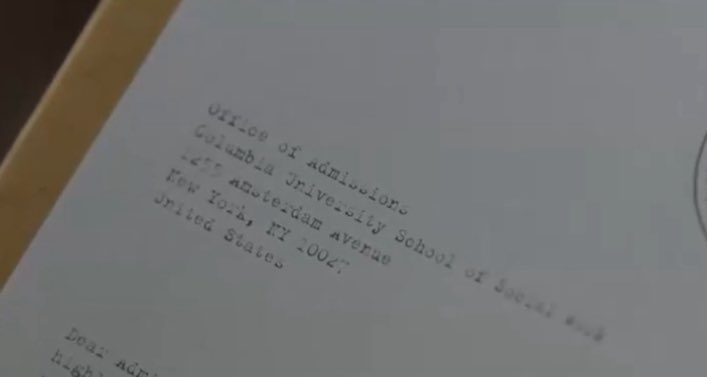
OMG! THIS IS- EYE- I JUST REALIZED AFTER MY NTH TIME OF REWATCHING EP8 😳 Chayada is admitted to Columbia University School of Social Work?!!!! AND YA GIRL IS LITERALLY IN COLUMBIA SCHOOL OF SOCIAL WORK?????????? RIGHT NOW?????? ((online program tho)) BUT???? WHAT A COINCIDENCE!??!?!!? THIS IS SO FUNNY OMG????
((so if Chayada really went to NYC to further her studies, she’s my CSSW senior 🤣🤣🤣 and please let me know how you survived, cuz im dying here girl 😩😩))
#KhemjiraTheSeries
17
427
29 Sep 2025
CSI CSSW Securities Index Rises More Than 3% in China
3
3
9,770

22 Aug 2025
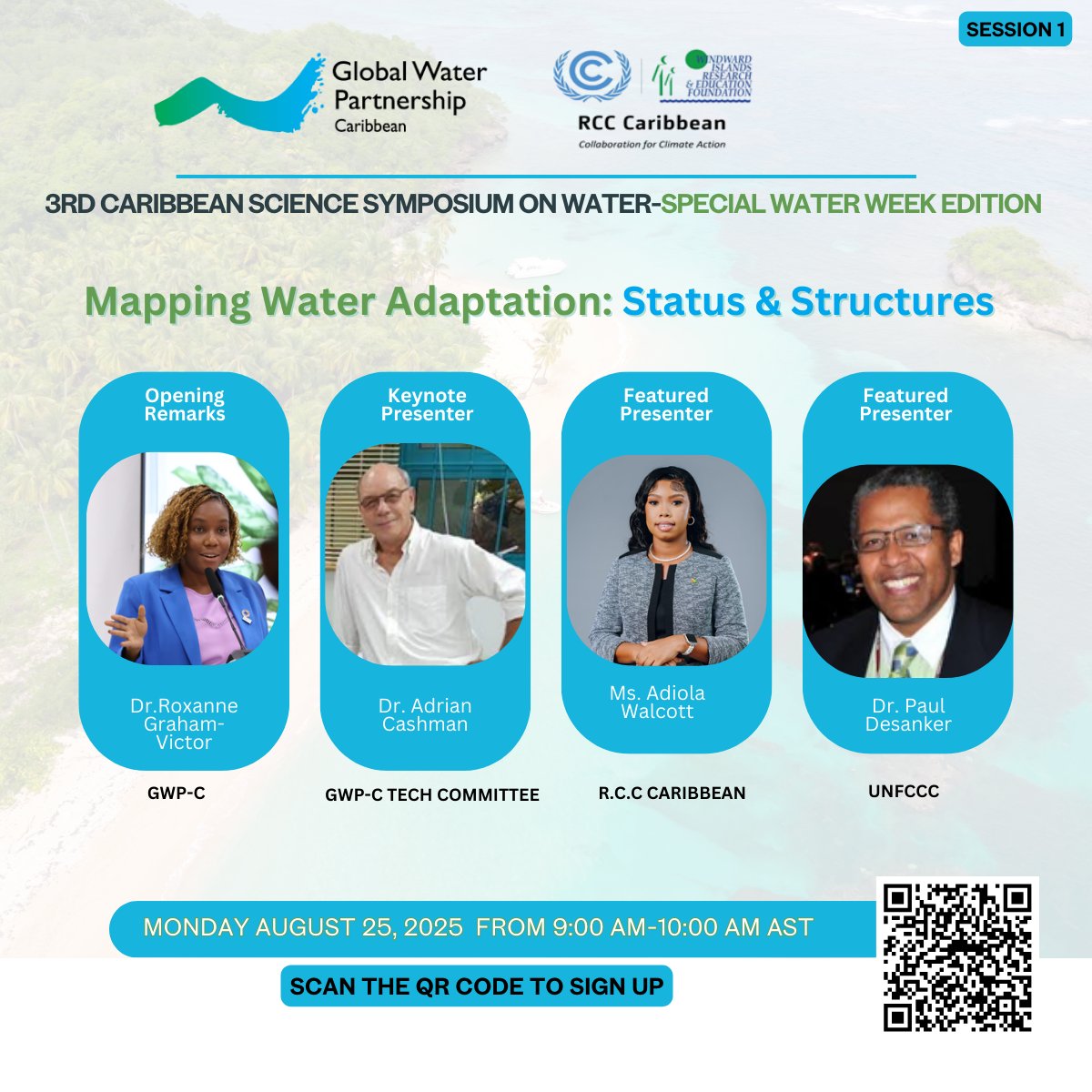
🌊 Kick off CSSW 2025 – Special Water Week Edition with Session 1: Mapping Water Adaptation by Status & Structures 💧
Speakers: Dr. Roxanne Graham-Victor, Adrian Cashman, Adiola Walcott & Dr. Paul Desanker.
🔗 Register: us02web.zoom.us/meeting/regi…
1
1
54
14 Aug 2025
Join our 3rd #CSSW- a special edition on August 25 and 26 virtually.
Register now:us02web.zoom.us/meeting/regi…

3
3
86
30 Jun 2025
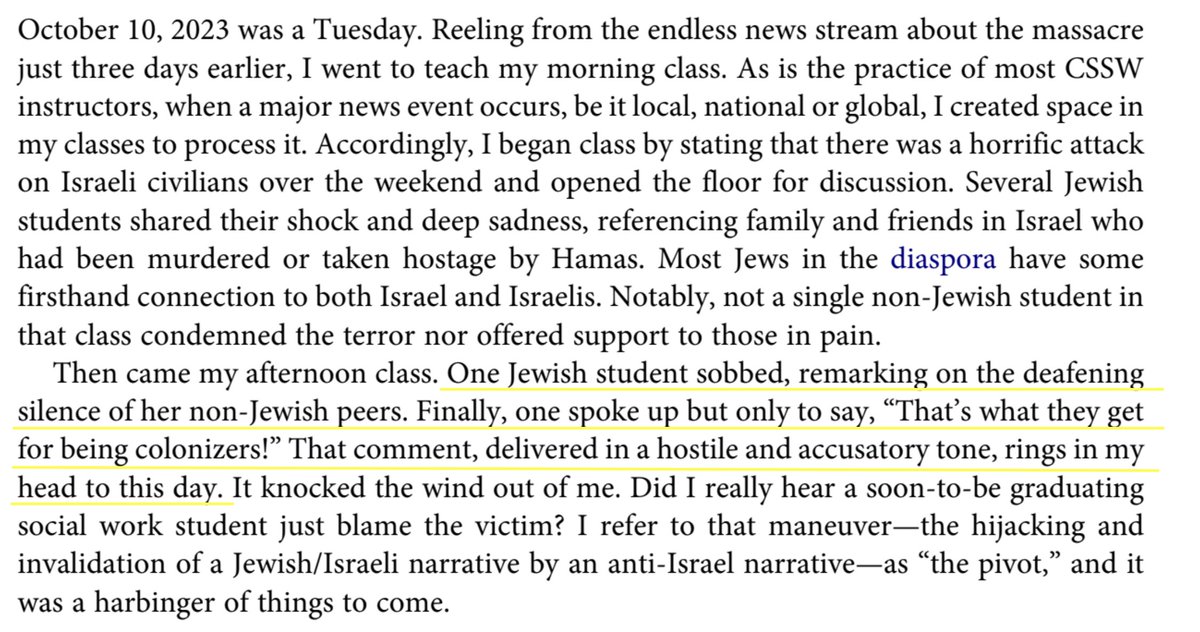
She painfully details what is was like in CSSW classrooms on the first raw and emotional days following the Oct. 7th attack. "That's what they get for being colonizers!" one student remarked in her class.
1
6
155

20 May 2025
A little advice for President Shipman from a CSSW postgrad: don't call the cops on the people you are supposed to be serving.
20 May 2025

the columbia college class of 2025 is booing through the president's speech
180