


ppl need to pull their heads out of the sand and look at this topic objectively
a project paying creators to post is not engaging in charity and the creators accepting those jobs are not just selling tweets
it is a transfer of value
but that value cannot just be "i posted for you and my post got some views and engagement"
if that's all projects wanted, they can just pay the biggest CT accounts for the views and engagement. no need to work with smaller creators
to make it clear for those that don't know how to think deeper on this topic. the differentiation is what you bring as a creator beyond distribution
• can you explain the product better than the team can?
• does your message resonate with the right audience?
• can you help translate the protocol into something ppl understand?
• can you make ppl curious to try it?
posting is just the surface of the brief. the actual job is of a creator is turning the attention YOU can generate into trust, trust into usage and usage into revenue
after all, projects don't survive on views and impressions. they need users and their expectation of creators is to create this value for them
if you're a creator that does this regularly, projects will keep returning to you. if you're just selling views and engagement then it's more likely you'll get cut out
it's not rocket science

What if creators got paid based on actual performance metrics?
This is what I mean by real performance:
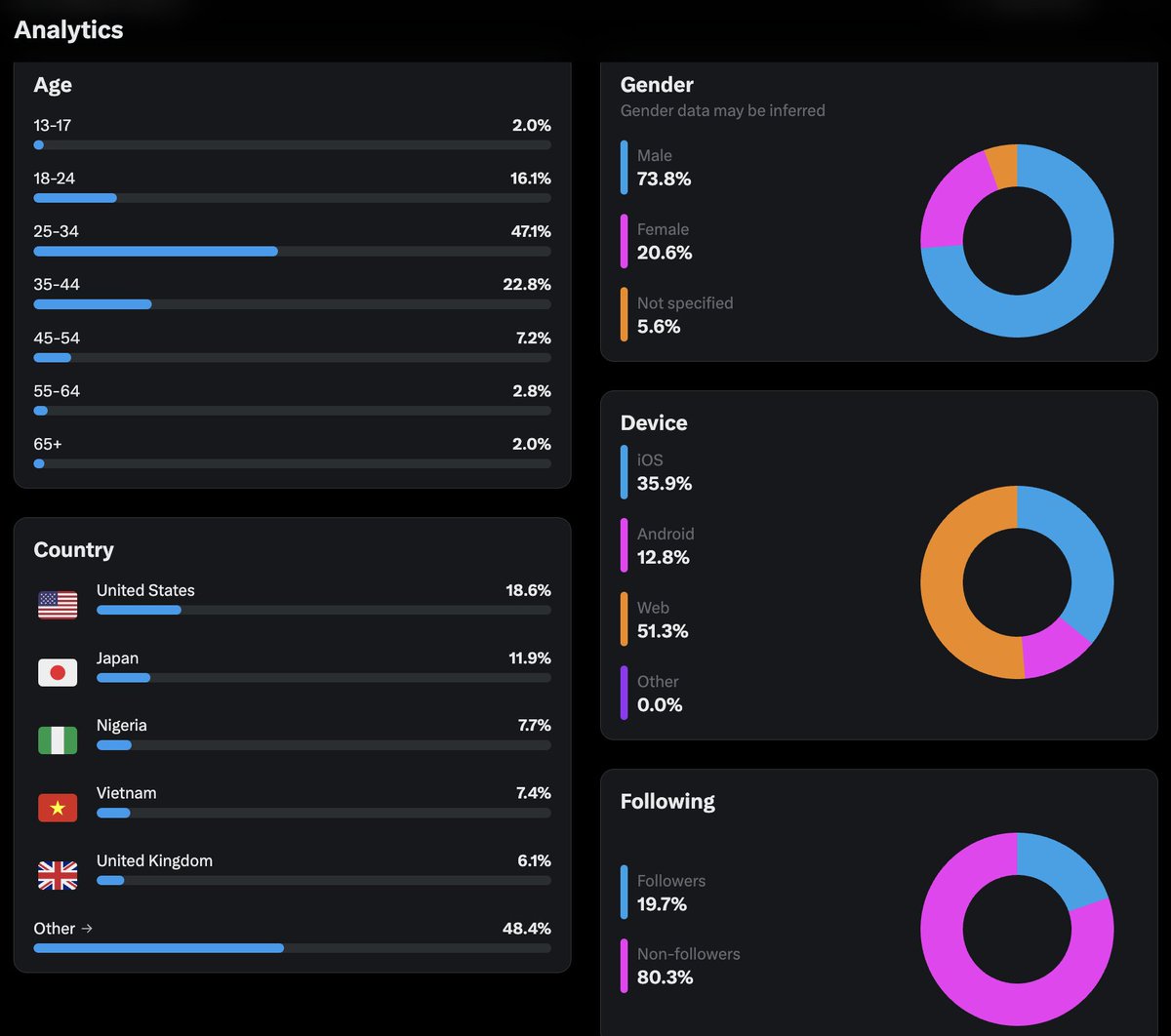
You can literally establish a baseline around engagement views, score audience quality (verified users, demographics), and then increase compensation based on performance outside the CT bubble.
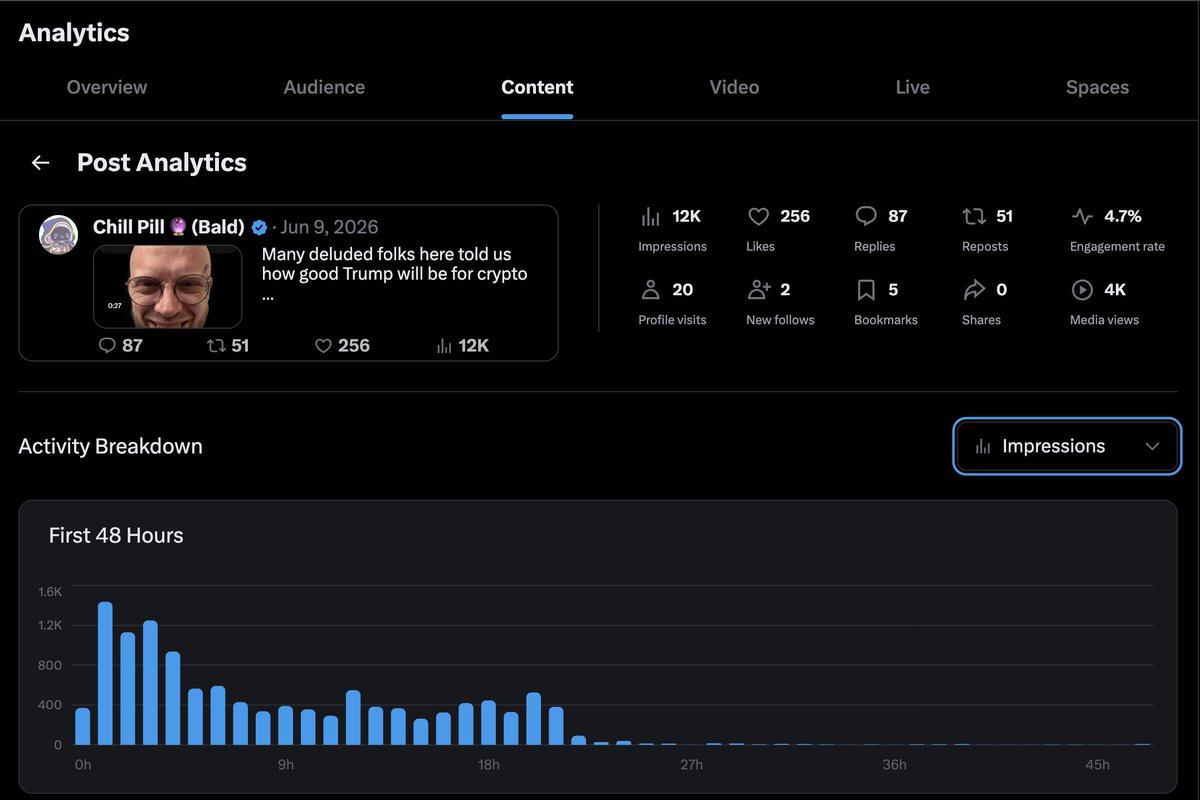
X already gives you a full analytics suite on every post.
The tools are there.
The problem is most people have no idea how to look under the hood and that’s insane because it takes 2 minutes to send a snapshot of post performance.
Make this standard practice for creators.
Brands get more confidence because they know they’re paying for something real.
The solution is not going back to ref links, Layer 3s, or all the other nonsense we’ve already seen fail.
And the reason why is pretty simple.
Whenever financial incentives exist, people will abuse whatever system is in place.
The only way to fight that is dynamic boundaries based on performance metrics that can’t be counterfeited.
You even have time-based engagement and view analytics.
It becomes incredibly easy to spot inorganic activity or botting.
So again, the tools are already there.
Why aren’t they being used?
Is it because a large part of Web3 projects don’t actually care about substance and just want vanity metrics so they can go to exchanges or investors and “show progress” on the social side too?
Is that one of the reasons why almost no project seems to have a real community?
Food for thought
เอ็นเค~ retweeted

เคยพาภรรยาไปตรวจครั้งแรกก็ให้ยาและห้ามกินทุกสิ่งที่อยาก แต่ก็ไม่หาย
ไปครั้งที่ 2 ส่องกล้อง เสร็จปุ๊ปเรียกไป CT Scan ทันที ..เฮ้ย แปลกๆ
แล้วหมอก็เรียกผัวเมียมาคุยพร้อมกัน
ก่อนจะขอคุยกับสามีคนไข้เป็นการส่วนตัว (เอาล่ะสิ!) ... สรุปมะเร็งกระเพาะอาหารระยะ 4 "หมอให้ไม่เกิน 6เดือน !!!" แม่งวิ้งในหัวจนทุกวันนี้
แค่จุดเริ่มต้น กุพาภรรยามาตรวจกรดไหลย้อน... แจ็กพอร์ตเกิ๊น
.
ใครมีอาการ กรดไหลย้อนเรื้อรัง ส่องกล้องและตรวจให้ละเอียดนะครับ อาจไม่ได้ร้ายแรงแบบที่ภรรยาผมเป็น แต่ถ้าตรวจเจอเชื้อ H. pylori (เอช ไพโลไร) ได้ในช่วงแรกสามารถฆ่าเชื้อและลดความเสี่ยงในการเป็นมะเร็งกระเพาะอาหารได้

เมื่อวานแฟนไปหาหมอส่องกล้องในลำคอ เหยื่อกรดไหลย้อนโดนไปหลายดอกเลย เผื่อจะเป็นของชอบใครอยู่

30
5,170
2,687
724,768

ct pareille quand y’avait makala à Lyon #wow insupportable les gens sont obligés de faire d manières et faire savoir à tt le monde qu’ils connaissent pas donc méprisent ça y est

1
1
14
580


General Psycute base.eth retweeted

Gm CT, what are your plans for today?

2
1
3
8

Bahati 🇨🇩🐆 retweeted

Mais depuis tout ce temps vous pensiez que ct quoi ? La sorcellerie ?
Jun 12

Aujourd’hui, je suis CONVAINCU que le phénomène KULUNA est PROFONDÉMENT lié à la POLITIQUE.
3
89
421
13,630


Most of CT is sleeping on this.
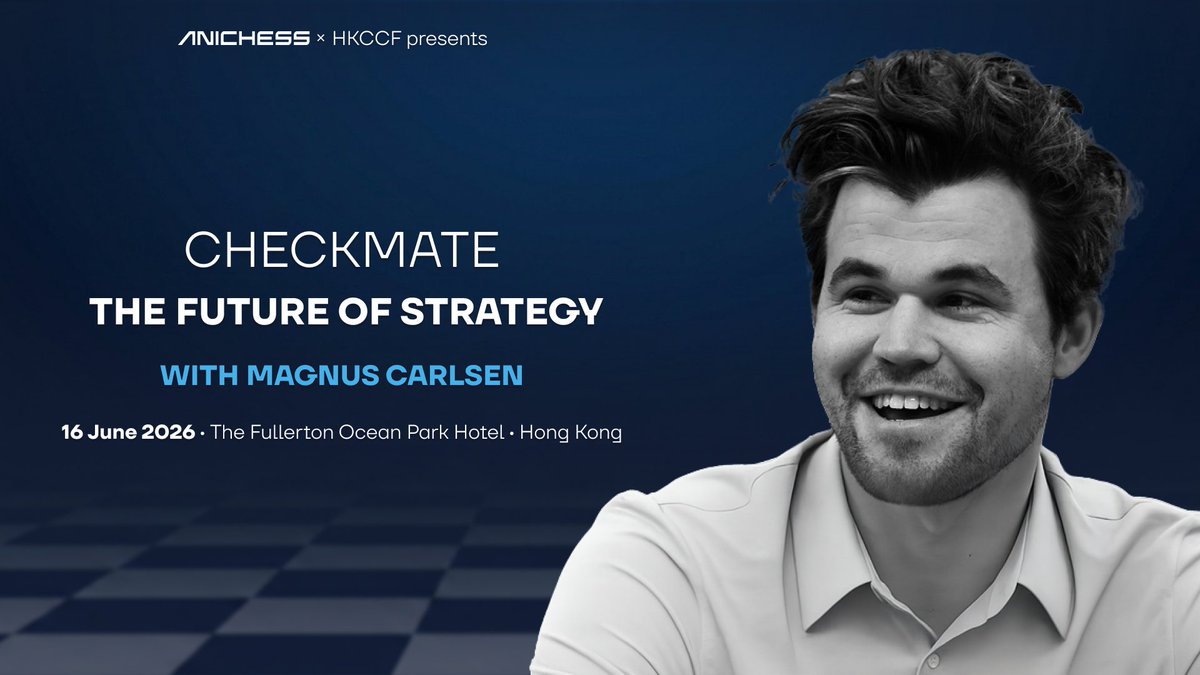
Magnus Carlsen, FIDE, JP Morgan Private Bank, Standard Chartered Private Bank, and Save the Children are all attached to the June 16 Anichess event.
Not many crypto-native ecosystems can bring those names into the same room.
Mark this one on your calendar and tell me: which name surprised you most?
@AnichessGame @jesusislord
Jun 4

On 16 June, you can take on @MagnusCarlsen . From anywhere in the world.
The greatest player alive comes to Hong Kong for Checkmate the Future of Strategy. You can't beat him at chess, so we built a game where you can. Two ways to face him:
→ Win the Road to Magnus qualifier and take him on at Anichess, from anywhere.
→ Or be in the room in Hong Kong, a ticket gets you the night, and the top tier a guaranteed game against him in the simul.
Everything, and tickets, below.
2

L’#Australia porta il contropiede al Mondiale: due tiri e due gol, alla #Turchia di Montella il 71% di possesso
I turchi protagonisti di passa a me e passa a te, gli australiani con tre passaggi vanno in porta. Brera scrive l'elogio del ct australiano #Popovic. Se salta #Allegri, Adl può prendere lui
ilnapolista.it/2026/06/laust…

4
First Son Of Owerri🗽𓃵 retweeted

Gm CT from the First son
Happy Sunday and stay healthy
I love you ❤️

158
10
181
4,974