
Dear Destroyer, I was making a LARGER point about modern English reconstructing terms as to make the original Bible sound fantastical or silly. What are the original meaning of morning star; daimon; diabolos; ewa; #christ; "head and feet"; etc. Best. @ladybabylon666 @LH66623
1
1
3

Daemon (ausgesprochen dee-mon, vom griechischen δαίμων) ist etwas viel Neutraleres: ein Geist oder eine innere Stimme, die einen Menschen begleitet und lenkt. Bei den alten Griechen war das nichts Böses – Sokrates hatte angeblich seinen persönlichen Daimon, der ihm sagte, was er nicht tun sollte. Eher wie ein innerer Kompass.
1
11
Hikari retweeted

Daimon Masaru (Marcus Damon) from Data Squad (savers)
And Reina Sakuya from Beatbreak 💥
#digimon #デジモン

ALT Fanart illustration depicting two characters from Digimon anime series, a male protagonist Daimon Masaru (Marcus Damon) from Data Squad (savers), and female support Reina Sakuya from Beatbreak, standing together in cool poses
3
166
509
6,565


Acho que assumido sim. Ele falava abertamente que batia altos papos com o 'daimon'. Era pego falando sozinho e nem ligava.
1
1
15
彭城矯介 retweeted

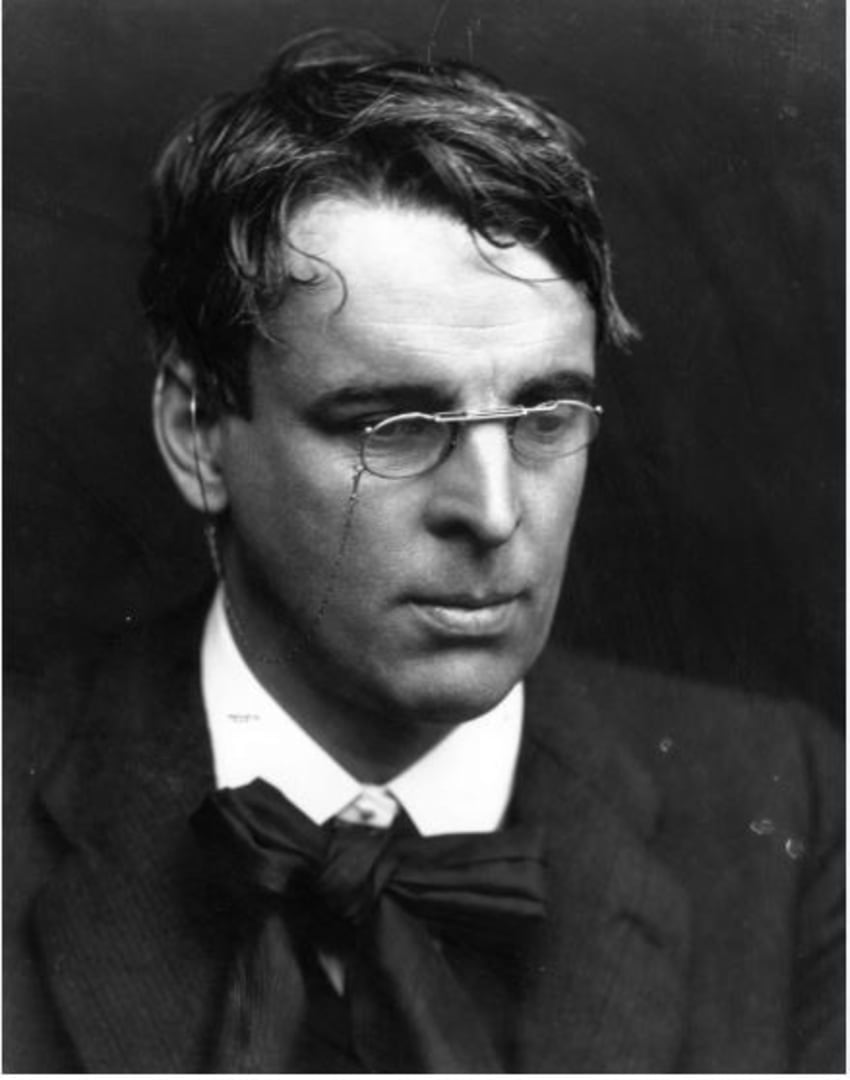
"The Daimon comes not as like to like but seeking its own opposite, for man and Daimon feed the hunger in one another's hearts."
W. B. Yeats, Per Amica Silentia Lunae
3
18
547
Ἅιδης 🖤 retweeted

12h
ตัวเอกของเรื่องคือ Daimon Michiko ศัลยแพทย์ฟรีแลนซ์ผู้โด่งดัง
จนหลายคนแซวว่าไม่ใช่ Daimon แต่เป็น "Demon" มากกว่า เพราะไม่ว่าโรงพยาบาลไหนก็ไม่มีใครรับมือ Daimon Michiko ได้
ไม่สนตำแหน่ง
ไม่สนเส้นสาย
ไม่สนระบบอาวุโส
ไม่สนว่าใครจะเป็นศาสตราจารย์หรือผู้อำนวยการ
สนใจเพียงอย่างเดียวว่า
"คนไข้จะรอดหรือไม่"
ในขณะที่แพทย์จำนวนมากกำลังแข่งขันกันเพื่ออำนาจและความก้าวหน้าในอาชีพ Daimon Michiko กลับเลือกยืนอยู่นอกระบบ และใช้เพียงฝีมือของตัวเอง
รับบทแสดงโดย Ryoko Yonekura อดีตนางแบบระดับแถวหน้าของญี่ปุ่น ผู้สร้างให้ Daimon Michiko กลายเป็นหนึ่งในตัวละครหญิงที่ทรงอิทธิพลและเป็นที่จดจำมากที่สุดในประวัติศาสตร์ซีรีส์ญี่ปุ่น
#รีวิวNetflix #รีวิวซีรีย์

1
1
1
102

6h
The most destructive force a person can carry is unused creative energy.
Unused creative energy doesn’t disappear into thin air. It alchemises into poison.
Nietzsche called it ressentiment. When the creative force that cannot move forward, it moves inward, then outward as poison. He was watching artists who never made the work. The pattern has not changed.
When creative energy finds the wrong outlet, it turns destructive.
A person who should be writing starts overthinking. A person who should be building starts criticizing everyone else’s work. A person who should be making art starts becoming bitter toward people who are visible.
Seneca noticed it first in his students.
The ones who read everything and wrote nothing became the most sophisticated critics of people who wrote. He said they were mistaking the map for the destination and then blaming the destination for being far.
Jung called it the shadow.
The parts of the self that are denied expression don’t go dark quietly, they go sideways. The inner spirit that demands expression. He believed the creative daimon, when ignored, becomes a tyrant.
Daimon is the inner spirit, guiding force, or hidden genius inside a person.
The person who refuses to serve it consciously begins to be ruled by it unconsciously.
The bitterness, the envy, the paralysis are all different manifestations of the daimon.
“A musician must make music, an artist must paint, a poet must write, if he is to be ultimately at peace with himself. What a man can be, he must be.”
— Abraham Maslow
6
30
2,120

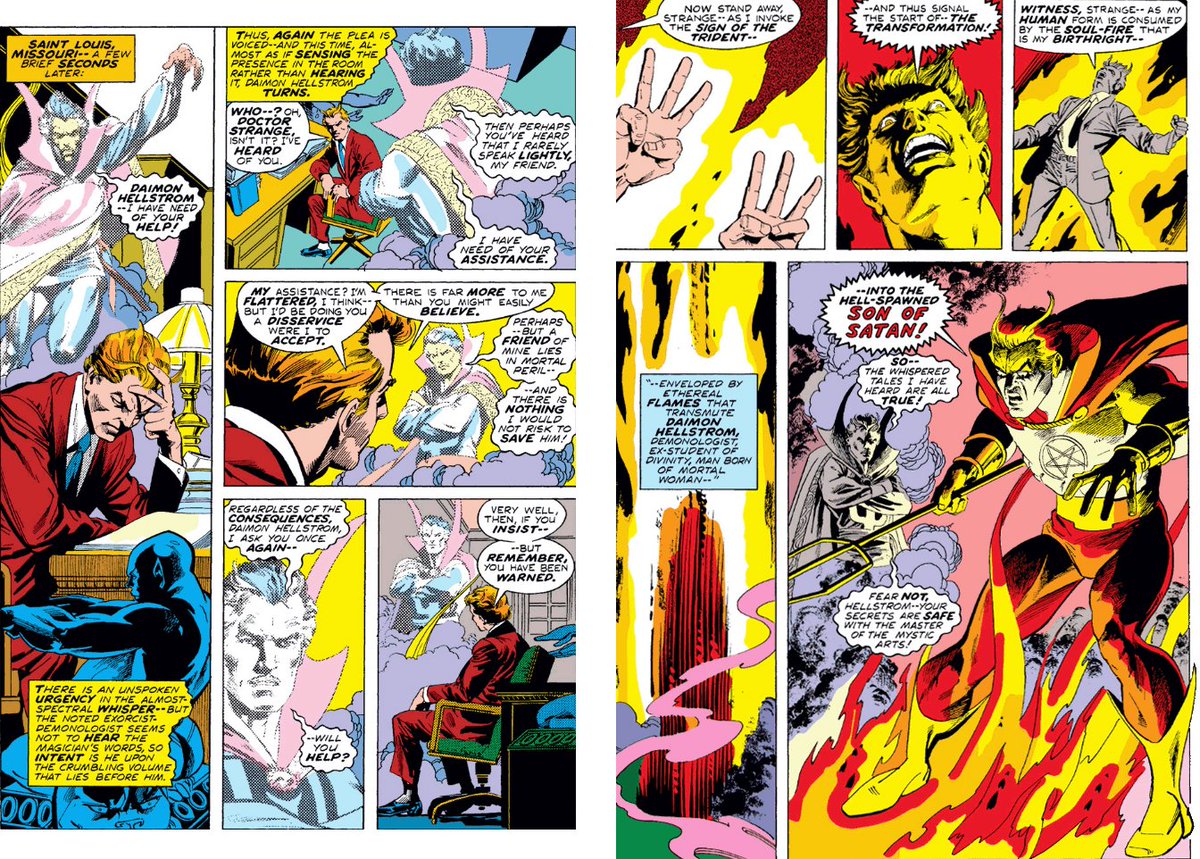
Daimon Hellstrom begins his association with the Defenders when the Hulk is targeted by an acolyte of Satannish. 1974 story by Len Wein, Gil Kane and Klaus Janson.
Read more:
peerlesspower.blogspot.com/2…
#defenders #marvel #comicbooks #comics #marvelcomics

3
56

💚loveMT💜❤️BB and got❤️7🤟HALO retweeted
11h
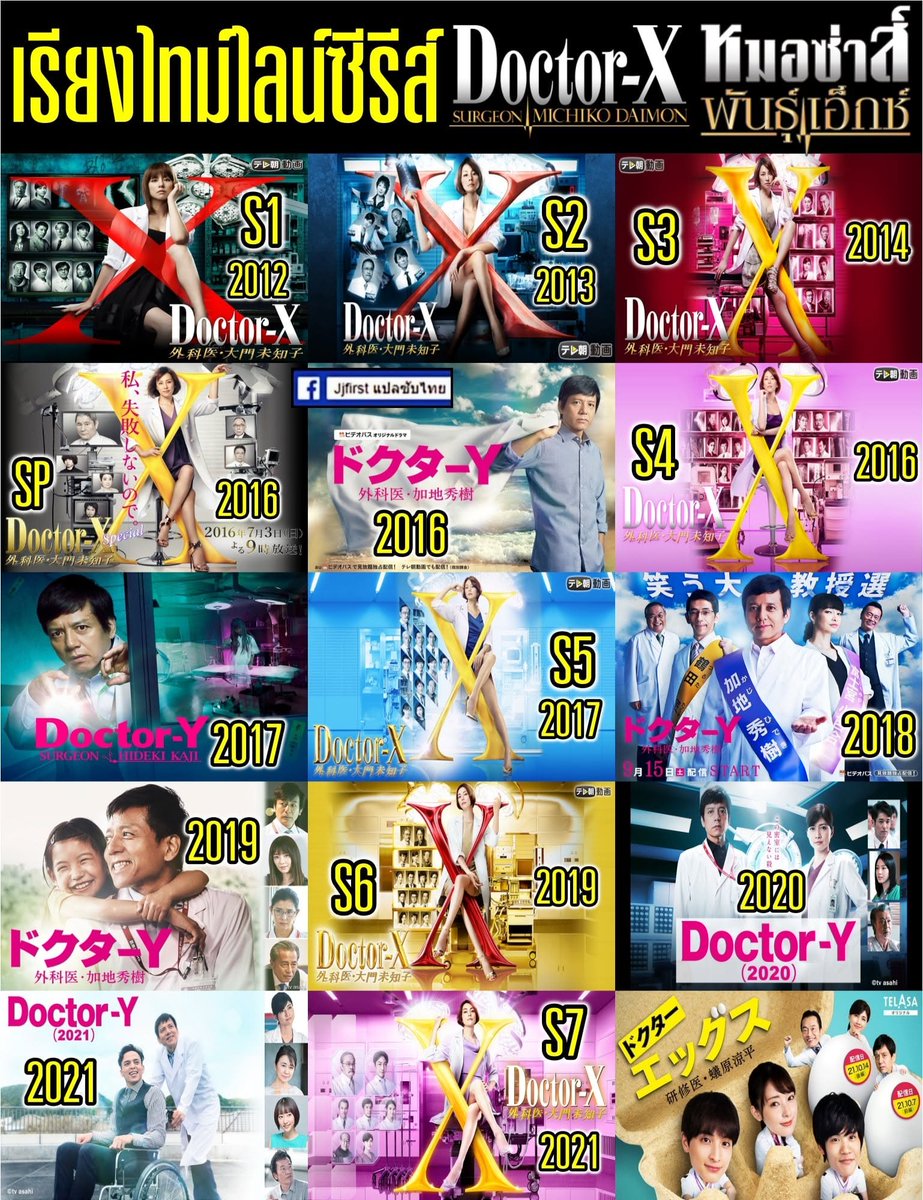
ซีรีส์ #Doctor-X: Surgeon Michiko Daimon (ドクターX ~外科医・大門未知子~) มีทั้งหมด 7 ซีซัน ออกอากาศตั้งแต่ปี 2012 ถึง 2021 รวมทั้งหมด 69 ตอน และมีตอนพิเศษอีก 1 ตอน
#รีวิวNetflix #รีวิวซีรีย์
1
1
137
💚loveMT💜❤️BB and got❤️7🤟HALO retweeted
12h
ประโยคที่กลายเป็นตำนาน ของ Daimon Michiko
"私、失敗しないので"
(Watashi, shippai shinai node)
แปลว่า ฉันไม่พลาดหรอก
รวมประโยคที่เราจะได้ยินบ่อย ๆ พร้อมคำแปล ในซีรีส์ Doctor-X ที่จำได้ คือ
私,失敗しないので
メロンです
フリーランスです!
お金貸して~
私がオペしないとあの人死ぬんだよ。
くわばら、くわばら
メロンです。
請求書です。
#รีวิวNetflix #รีวิวซีรีย์

1
1
1
174


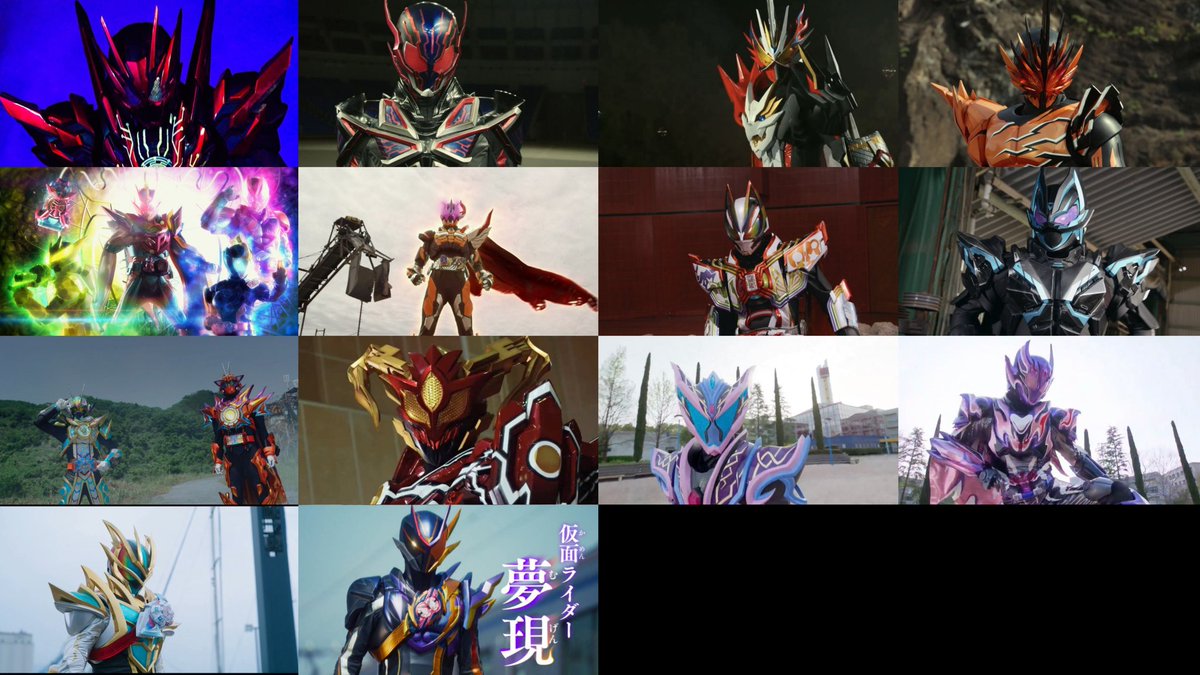
// Reiwa Kamen Rider Movie Form & Villain Kamen Rider Of Movie //
- Kamen Rider Zero-One Hell Rising Hopper
> Kamen Rider Eden
- Kamen Rider Saber Emotional Dragon
> Kamen Rider Flachion
- Kamen Rider Igarashi
> Kamen Rider Daimon
1
16
97
1,825
Have you been reading the original Greek text of the Bible? The weird English translations just went fairy tale / fantasy. Angel just means messenger. A daimon was "inspiration"; a drakon was a person. A Centaur was a male teacher who raped boys.
1
1
17

【💿️遂に今週!6/17ニューアルバム発売になります🎸】
皆様是非手にとってみてね🤗
✨️ユニオン様のピックアップありがたい!
diskunion.net/portal/ct/news…
発売当日はユニオン店頭にご挨拶にいくぞ!
DaimonOrchestra20thAnniversary!!!
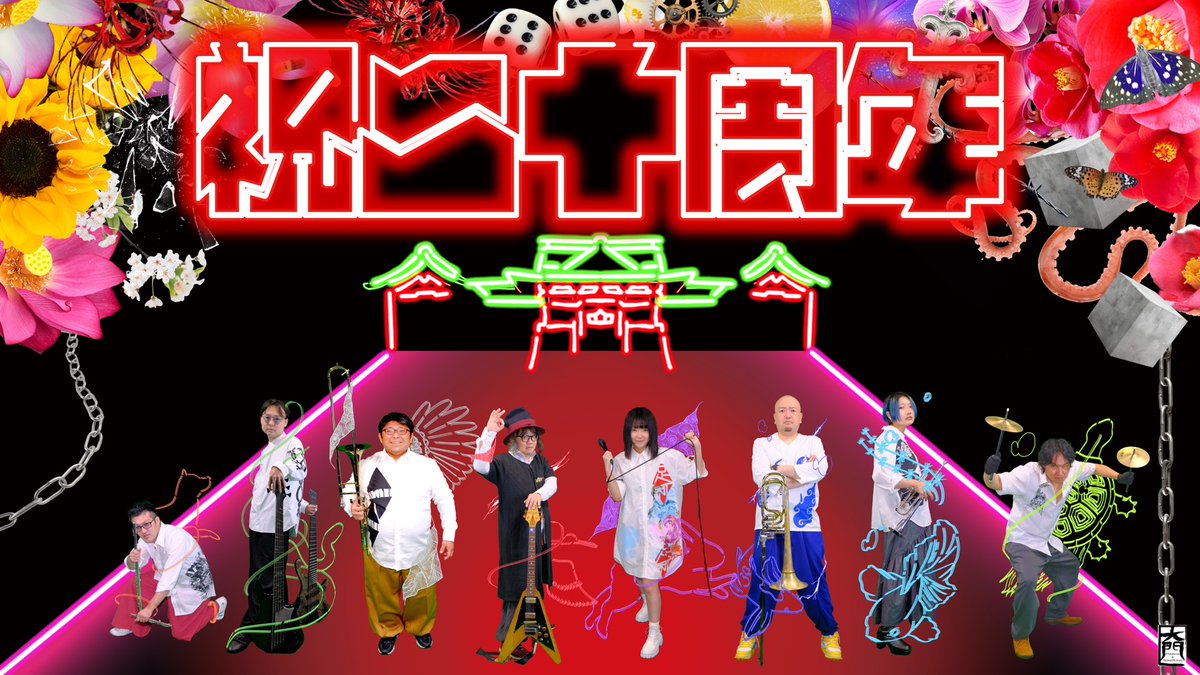
栃木足利を拠点に活動するプログレッシブポップバンドDaimonOrchestra。
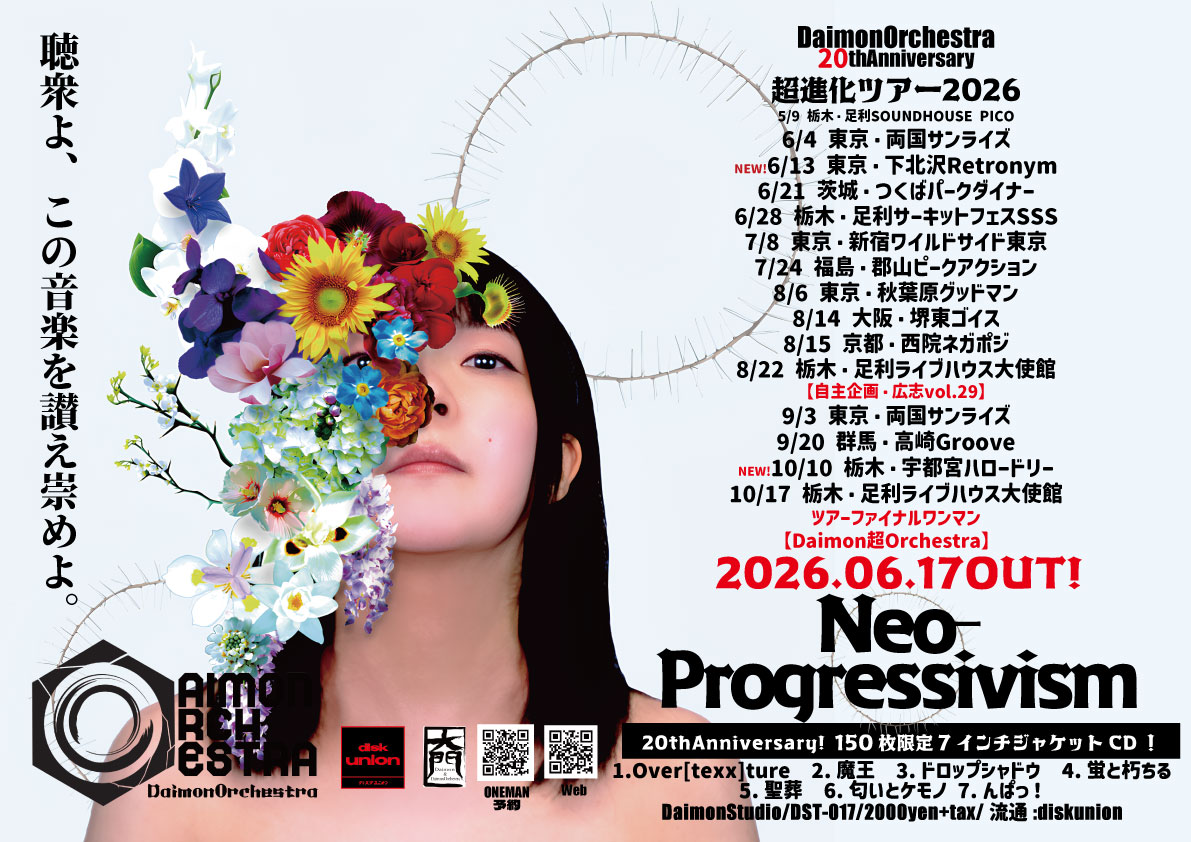
ディスクユニオンの流通により2026年6月17日よりニューアルバム「Neo-Progressivism」を全国リリース!
2006年の複数大門より結成20周年を記念して前作の自主製作盤も合わせた2作同時リリース・7インチジャケットCD!
2026年6月4日よりbandcampにて先行ダウンロード開始!
daimonorchestra.bandcamp.com…
・リリースツアー「超進化ツアー2026」5/9よりスタート!
10/17には地元足利にて総勢14名によるツアーファイナル「Daimon超Orchestra」を開催する。
eplus.jp/sf/detail/451188000…
・アルバムについて
「Neo-Progressivism」
diskunion.net/portal/ct/deta…
※リンク内レビューあり。
1、Over[texx]ture
2、魔王
3、ドロップシャドウ
4、蛍と朽ちる
5、聖葬
6、匂いとケモノ
7、んぱっ!
DaimonStudio/DST-017/2000yen tax
MV
・ドロップシャドウ
youtu.be/5aPRR-OlVp8?si=ERoR…
・匂いとケモノ
youtu.be/OmF3gdncAT0?si=5l9r…
2024年より追加された現メンバー8人にて制作されたオルタナティブブラスロックアルバム。
ブラス4管(Flute、Trumpet、Trombone、BassTrombone)による圧倒的なアンサンブルとPOP且つ、複雑で美しく構築された楽曲による今の全てを昇華したバンドサウンドを体験して欲しい。
サポートに赤羽あつみ、清水亮太、他。
こちらは前作。
「数字と文學」
diskunion.net/portal/ct/deta…
※リンク内レビューあり。
1、a)不思議な音の奴隷
b)カベルネ・フラン
2、左利きのテュール
3、カルトリベンジャー
4、キシロカイン
5、ムジカント!ver2.06
6、水滴
7、淫らざるリープ
DaimonStudio/DST-016/2000yen
MV
・キシロカイン
youtu.be/gGVOJLUgjZE?si=P3Wk…
ベース交代後の初音源。クラシカルな導入から始まり、ロック、ラテン、ファンク、ラップ、オルタナ、エレクトロニカ、ジャズを軸に変拍子、プログレ的カタルシスを加えたDaimonらしい”面白い”を追求した作品!
サポートに赤羽あつみ、他。
・バンドプロフィール
JapaneseProgressivePopBand!!! 足利発、Daimonは2002年に結成されたスリーピースバンド。 DaimonOrchestraはそこから派生した2006年に結成された大所帯バンドである。 『音楽三大要素の遵守』『あらゆるジャンルへのアプローチ』『おもしろいことが前提』を 標榜し、Okazimaを中心に結成された超インディー音楽集団である。HardcoreAttitude. いずれもライブには定評があり、Daimonでは殺伐とした緊張感とフリーキーな展開で見る者を釘付けにし、Orchestraでは和やかな雰囲気の中での緊張感あるアンサンブルやダンス、お祭り的な賑わいで見るものを楽しませている 。 NY公演や台湾公演も経験した。
・SNS
lit.link/daimonband
instagram.com/daimon_daimono…
x.com/DaimonStudio
facebook.com/daimonorche



【大本営発表・拡散命令】
・お知らせ①
DaimonOrchestra20周年記念アルバムリリース!
ディスクユニオン様の協力により2026年6月17日より全国リリース!
【Neo-Progressivism】
今回も150枚限定7inchジャケットCD。
前作も流通に乗せ、二枚同時リリースとなりました!
※特典あり!ぜひご予約を。
ダウンロード、サブスクはお待ちを。
・MVリード曲
ドロップシャドウ
Video : ザッキー @shinozacky666
Artwork:Kouta Matsui @mckoudeluxe
Directed :Okazima Satoshi @okazin
@DaimonStudio
youtu.be/5aPRR-OlVp8
「Neo-Progressivism」
※ユニオンのリンクから作品詳細が見れます。
diskunion.net/portal/ct/deta…
1、Over[texx]ture
2、魔王
3、ドロップシャドウ
4、蛍と朽ちる
5、聖葬
6、匂いとケモノ
7、んぱっ!
DaimonStudio/DST-017/2000yen tax
・匂いとケモノMV
youtu.be/OmF3gdncAT0?si=B5CB…
※こちらは前作。
「数字と文學」
diskunion.net/portal/ct/deta…
1、a)不思議な音の奴隷
b)カベルネ・フラン
2、左利きのテュール
3、カルトリベンジャー
4、キシロカイン
5、ムジカント!ver2.06
6、水滴
7、淫らざるリープ
DaimonStudio/DST-016/2000yen
・キシロカインMV
youtu.be/gGVOJLUgjZE?si=i6TC…
・作品レビュー
片岡フグリ @kataokafuguri
あび子(烏龍街) @KEMONOKEMONO
レビューいただきました!こちらではフグリさんのを掲載。
--------------------------------------
極めて真っ当なゲーム音楽である。
と言うと語弊しかないが、DaimonOrchestraの新譜をはじめて聴いて抱いた「気持ちいい」という感情は、「ステージクリア!」としか言いようがなかった。
ジャンルとしてはアルバムタイトルの通り「プログレ」ということになるのだろう。
たぶんこれを読んでいる人の方が詳しいので、あまり適当なことは言わないでおくが、「展開の多い音楽」というイメージはそこまでズレてはいないはずだ。
本作の流れるような構成と巧みな演奏には、縦スクロールシューティングのガチ勢が、まるで舞うように弾幕を避けているような快感がある。
難しいことをやっているはずなのに、プレイはあくまで滑らかで、なにより美しい。
先ほどの定義を流用すれば、「プログレ」ということになるのだろうか。
でも、やっぱりなんかしっくりこない。
このアルバムの特異性は、ひとみのボーカルにあると思う。
彼女の歌声は、さながらプレイヤーを励まし、ときに叱咤する妖精のようだ。
ヘッドフォンで聴くと、その声は左右を行き来し、張り上げたり囁いたり、自由自在に飛び回りながら様々な表情を見せる。
このボーカルがあることで、本作はただ「演奏がすごい」だけの作品にはなっていない。
白眉は、最終曲「んぱっ!」になるだろう。
発明といっていいブレイクのコールアンドレスポンスは、相当考え抜かれたであろう本作を、高尚さから身体性へと引き戻す。
何より、めっちゃ楽しそうなバンドの顔が浮かぶ。
DaimonOrchestraのライブは何度か観ているが、なんとも言えない緩さと、それと相反する鉄壁の演奏には「一緒に遊ぼうぜ!」という開かれた感覚がある。
本作の気持ち良さに痺れたなら、ぜひ彼らのライブへ足を運んでみてほしい。
できるなら、地元足利で。
大きな空が広がる駅前と、すぐ近くの川辺を歩いてみれば、本作を貫く爽快な開放感のヒントを感じるはずだ。
片岡フグリ
(歌手,PHETISH/TOKYO,ELEPH/ANT)
daimonband.com
6
6
749