
Jun 13
New Report Maps Australia’s Real Power in AI
A new independent report from the Tech Policy Design Institute says Australia is in a stronger AI position than many people think. It introduces the “AI Agency Tool,” built with input from more than 250 experts, to assess 103 AI capabilities. The idea is to focus less on “AI sovereignty” and more on “AI agency,” meaning Australia can access, control, and use AI for national benefit.
The report says Australia has very high strength in areas like medical and geospatial data, data centres and cloud infrastructure, critical minerals, and even global influence over AI norms. But it also warns of gaps in regulation, public-sector computing investment, and inclusive AI models. With agencies under pressure over AI transparency, the government now requires every Commonwealth agency to appoint a Chief AI Officer by 30 June 2026.
#AIAgency #AustraliaAI #TechPolicy #AIStandards #DataResources #PublicSectorAI #RenewableEnergy

9
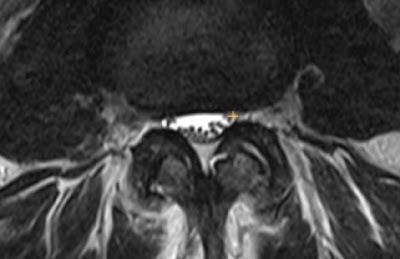
The RSNA Lumbar Degenerative Imaging Spine Classification (LumbarDISC) Dataset doi.org/10.1148/ryai.250480 #DataResources #spine #ML
2
4
368
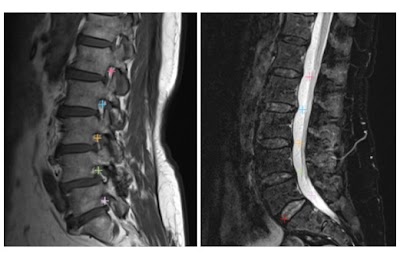
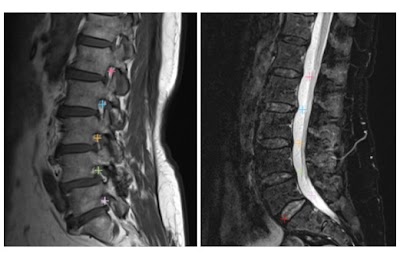
The LumbarDISC dataset: multisequence, multiplanar adult MRI lumbar spine data from 8 institutions, with image level annotations doi.org/10.1148/ryai.250480 #DataResources #MSKRad #AI
2
5
396
Introducing the LumbarDISC Dataset, the largest publicly available adult MRI lumbar spine dataset for degenerative disease doi.org/10.1148/ryai.250480 #DataResources #spine #MachineLearning
3
6
540
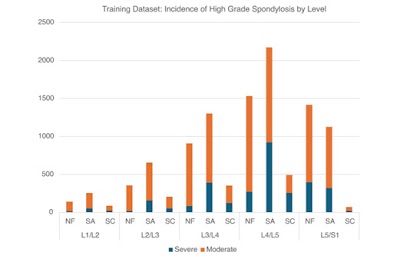
The RSNA Lumbar Degenerative Imaging Spine Classification (LumbarDISC) Dataset doi.org/10.1148/ryai.250480 #DataResources #dataset #MSKRad
6
11
877
The RSNA Lumbar Degenerative Imaging Spine Classification (LumbarDISC) Dataset doi.org/10.1148/ryai.250480 #DataResources #dataset #AI
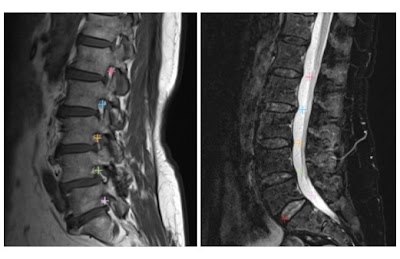
2
6
402
The LumbarDISC dataset: multisequence, multiplanar adult MRI lumbar spine data from 8 institutions, with image level annotations doi.org/10.1148/ryai.250480 #DataResources #MedicalImaging #MachineLearning
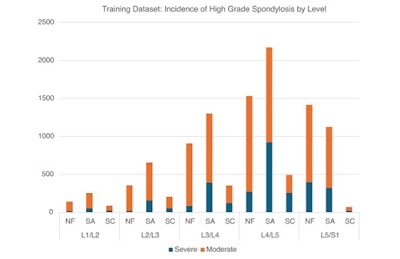
1
3
293
The LumbarDISC dataset: multisequence, multiplanar adult MRI lumbar spine data from 8 institutions, with image level annotations doi.org/10.1148/ryai.250480 #DataResources #spine #MachineLearning
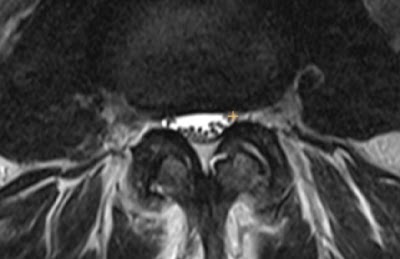
2
289
The RSNA Lumbar Degenerative Imaging Spine Classification (LumbarDISC) Dataset doi.org/10.1148/ryai.250480 #DataResources #spine #MSKRad
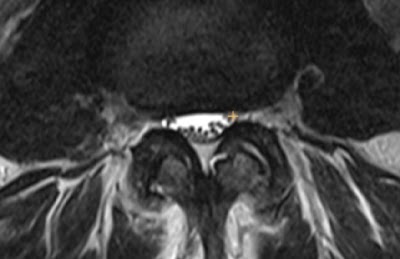
1
3
219
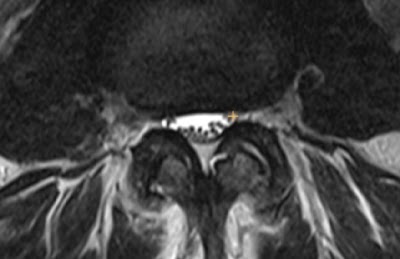
The LumbarDISC dataset: multisequence, multiplanar adult MRI lumbar spine data from 8 institutions, with image level annotations doi.org/10.1148/ryai.250480 #DataResources #MedicalImaging #ML
2
206
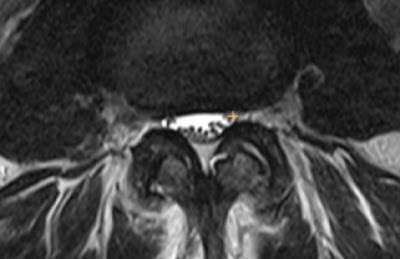
Introducing the LumbarDISC Dataset, the largest publicly available adult MRI lumbar spine dataset for degenerative disease doi.org/10.1148/ryai.250480 #DataResources #spine #AI
2
7
474
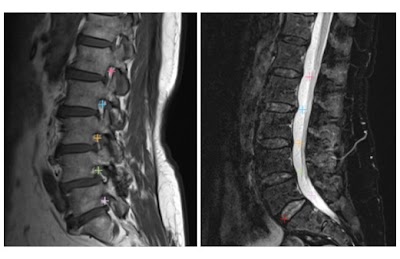
The LumbarDISC dataset: multisequence, multiplanar adult MRI lumbar spine data from 8 institutions, with image level annotations doi.org/10.1148/ryai.250480 #DataResources #MedicalImaging #spine
2
6
493
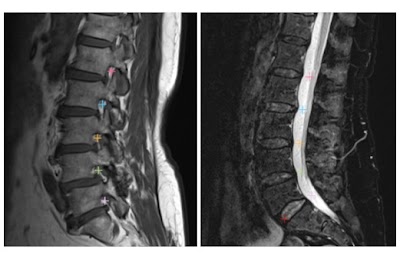
Introducing the LumbarDISC Dataset, the largest publicly available adult MRI lumbar spine dataset for degenerative disease doi.org/10.1148/ryai.250480 #DataResources #dataset #MachineLearning
3
3
264


14 Nov 2025
analysis tells you what happened—storytelling helps you explain why it matters.
data without narrative is just noise. learning to bridge that gap. #25DaysofDatawithWiDA #DataResources #WomenInData
2
26

19 Aug 2024
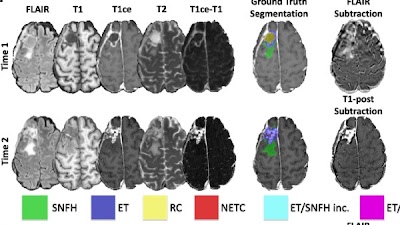
The University of California San Francisco Adult Longitudinal Post-Treatment Diffuse Glioma (UCSF-ALPTDG) #MRI Dataset doi.org/10.1148/ryai.230182 @DrDreMDPhD @RadRudie @NeuroDx #BrainCancer #DataResources #ML
3
430

19 Aug 2024
Is Humanity the Ultimate Data Resource?
As we move further into the age of artificial intelligence, it's fascinating to consider that the real world data required to train these large language models is running out. AI systems rely heavily on vast amounts of data to learn, adapt, and improve. But what happens when the available data is no longer sufficient?
Interestingly, AI might need humans for more than just preserving a lifeform and feeling good about it! We may actually be one of the greatest resources AI has.
Consider this: The estimated data storage capacity of the human brain is around 2.5 petabytes per person. With a current global population of approximately 8.2 billion people, the combined data storage capacity of all human brains on Earth would be around 20.5 billion petabytes—or 20.5 million exabytes.
That's an astounding amount of potential data, knowledge, and creativity locked within each of us.
Perhaps in the future, AI won't just seek to interact with humans for companionship or survival but to tap into this vast reservoir of human potential. Our collective experiences, emotions, and ideas could be the very fuel that drives AI's continuous evolution.
In this light, humans aren't just valuable for what we create or produce but for the untapped data we inherently possess. This makes us a resource that even the most advanced AI may seek to preserve, engage with, and learn from. What about all creatures that have brains?
Could this be the beginning of a great relationship? 🤖💡 #AI #FutureOfAI #HumanBrain #DataResources
1
1
1,688
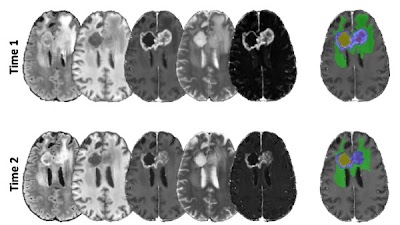
Dataset of multimodal 3D #MRI of diffuse #gliomas at two consecutive posttreatment timepoints doi.org/10.1148/ryai.230182 @RadRudie @UCSFimaging @UCSF_Ci2 #cancer #OncoRad #DataResources
1
3
376
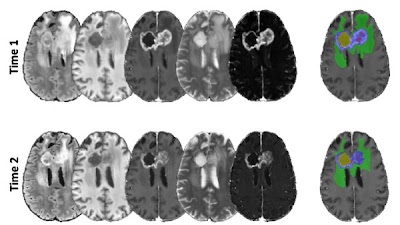
Release of the @UCSFimaging ALPTDG #MRI dataset of high-risk patients with diffuse #glioma doi.org/10.1148/ryai.230182 @MonganMD @MeyerVillanueva @RadsUcsf #cancer #DataResources #AI
1
4
408
29 Jul 2024
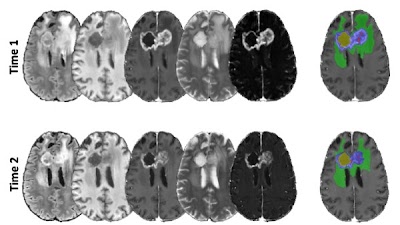
The University of California San Francisco Adult Longitudinal Post-Treatment Diffuse Glioma (UCSF-ALPTDG) #MRI Dataset doi.org/10.1148/ryai.230182 @ecalabr @MeyerVillanueva @RadsUcsf #cancer #glioma #DataResources
1
1
7
476