
Jun 10
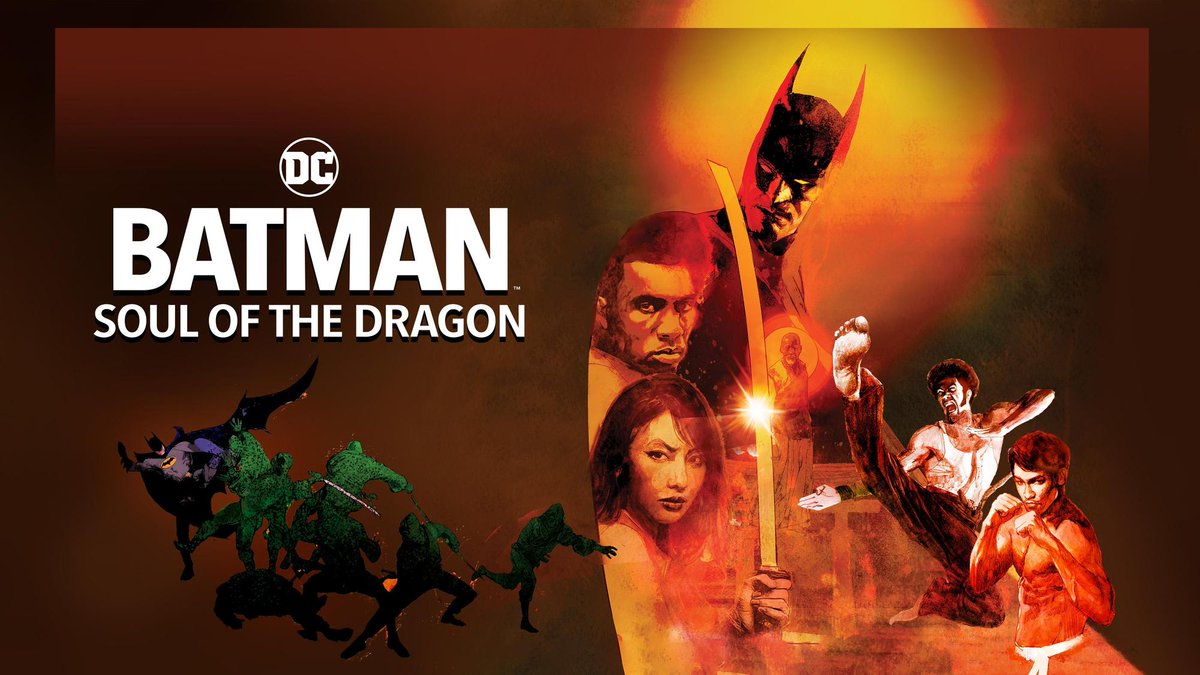
🥋🦇 Batman: Soul of the Dragon (2021) mixes DC heroes with old-school kung fu energy, 70s style action, and nonstop martial arts battles. 🔥🐉
#BatmanSoulOfTheDragon #Batman #DCAnimation #OldSchoolKungFu #MartialArts #MovieNight 🦇🐉🥋🎬🔥
1
1
198
Safari Rhymes retweeted

11 Jul 2023
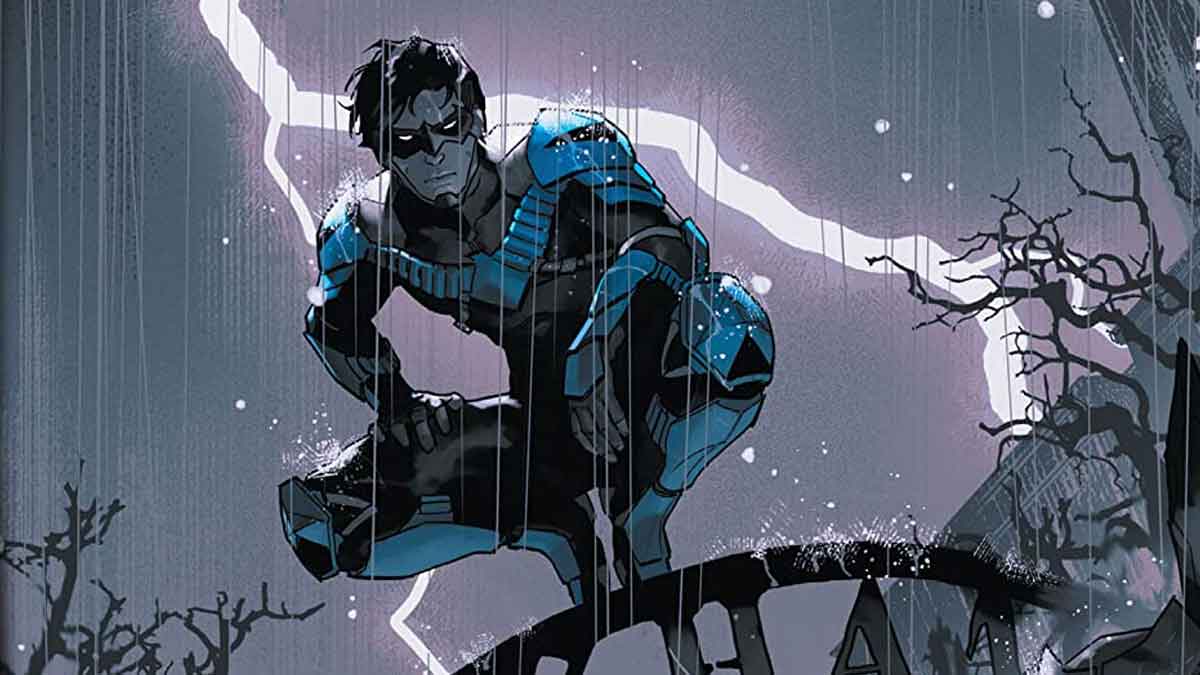
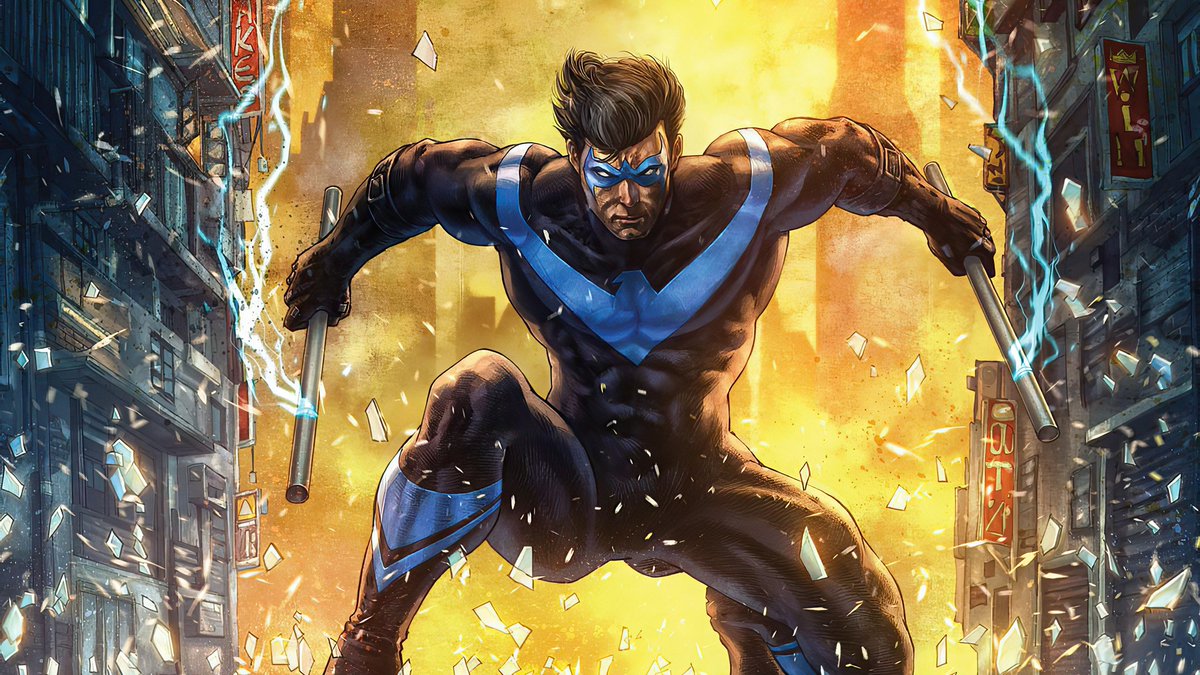
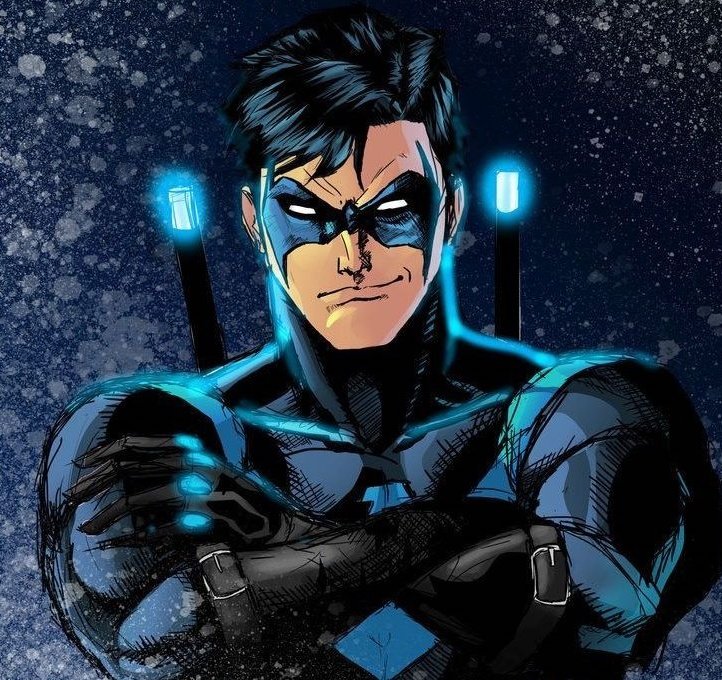
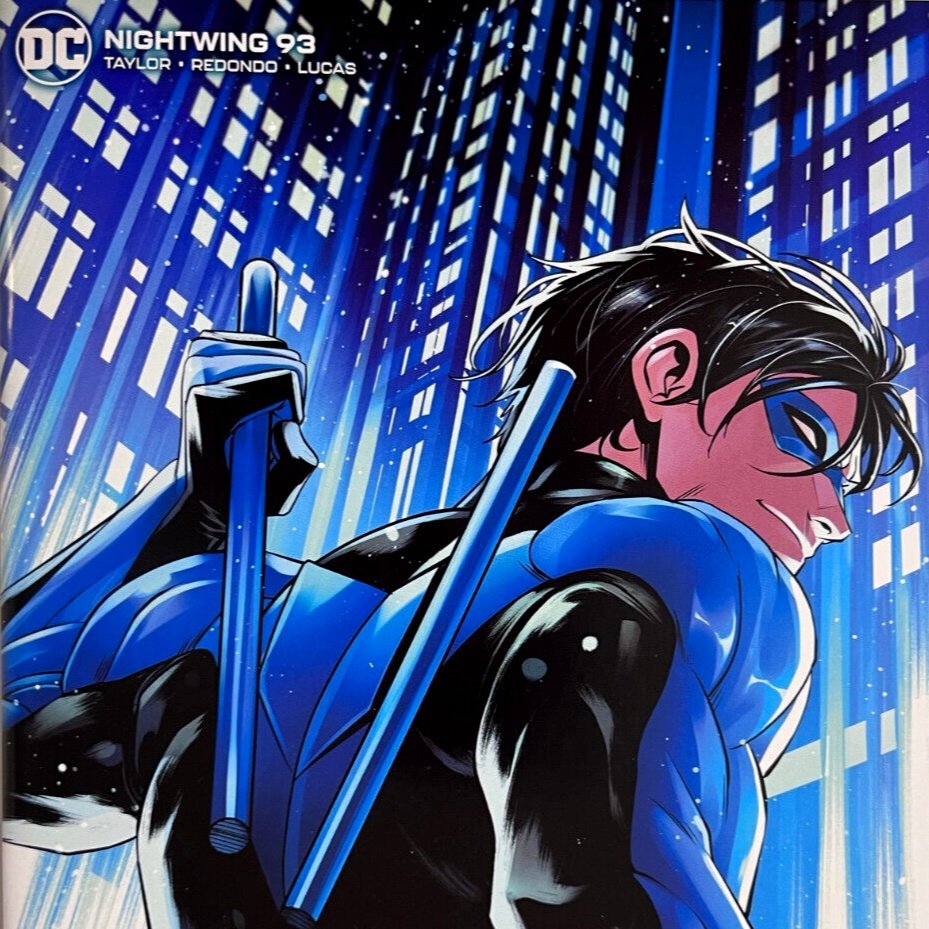
A Nightwing solo movie is long overdue #dccomics #dcstudios #dcu #dcau #DCanimation #TheBatman #Batman #Batfam #theBatfamily #Nightwing #robin #GothamKnights
4
5
422

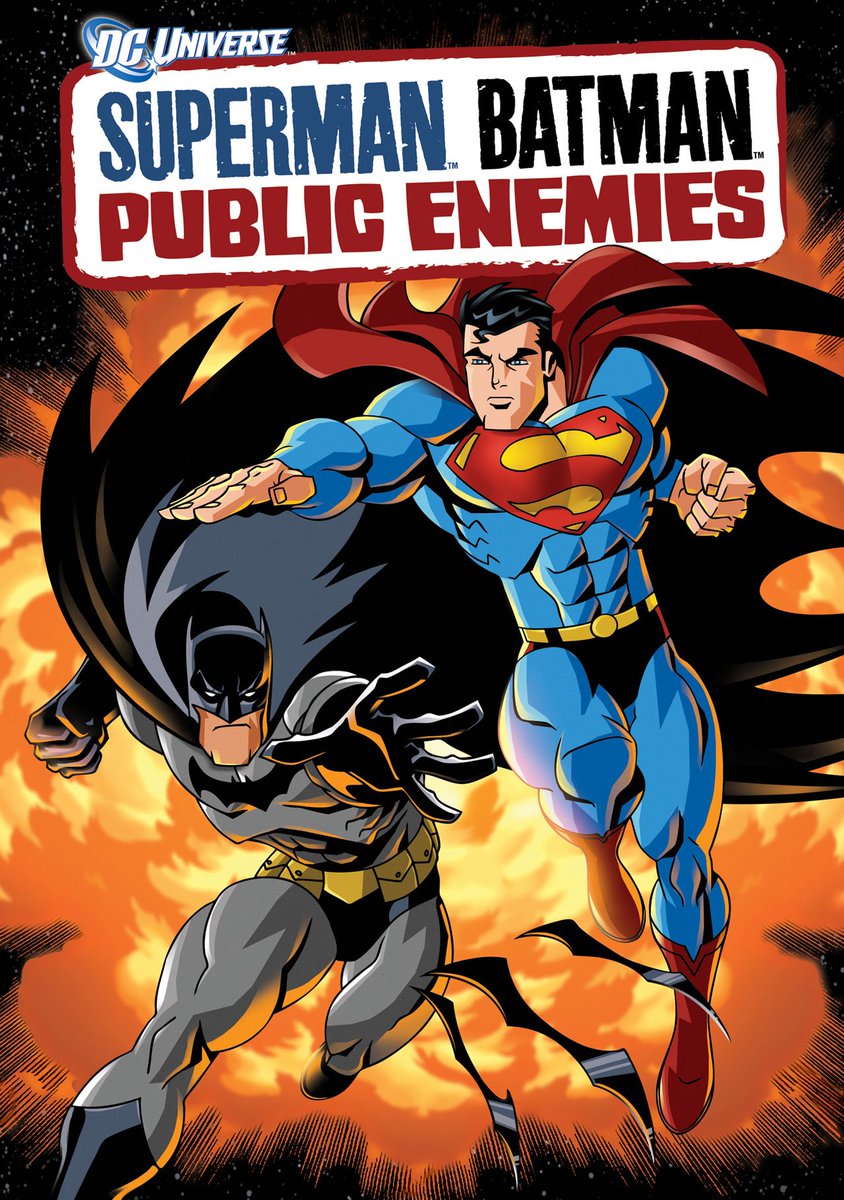
Viendo ahora mismo 'Superman/Batman: Enemigos Públicos'. Ya era hora de ver nuevamente un poco de ese universo animado. #Superman #Batman #DCAnimated #DCAnimation
63

May 17
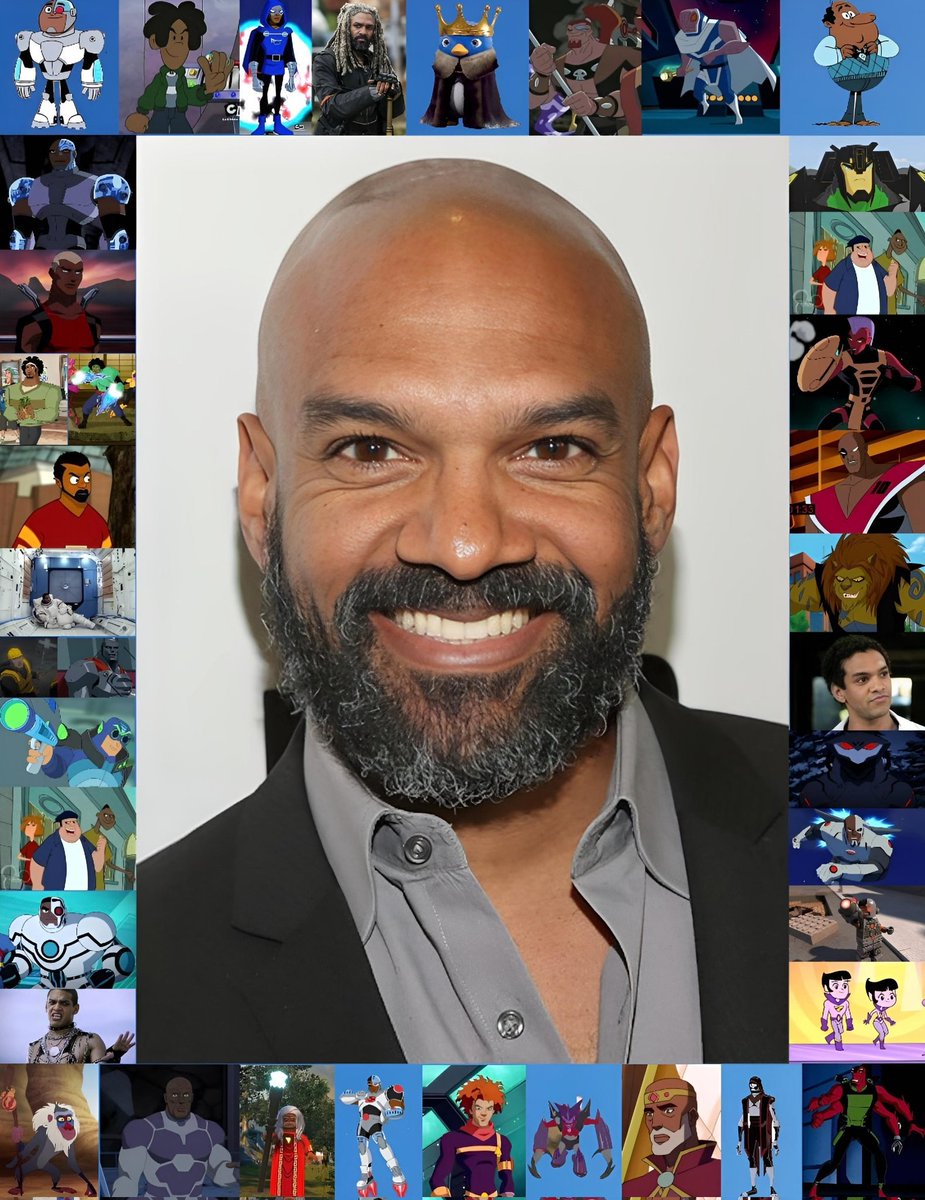
Happy 54th Birthday to Khary Payton! 🎉
From Cyborg and Aqualad to countless iconic animated heroes and villains, Khary Payton has delivered some of the most unforgettable voice performances in animation history. 🌟🎙️
Wishing the incredible actor and voice legend an amazing birthday and many more years of greatness! 🎂✨
#KharyPayton #HappyBirthday #Cyborg #TeenTitans #VoiceActor #DCAnimation
1
3
16
416

May 15
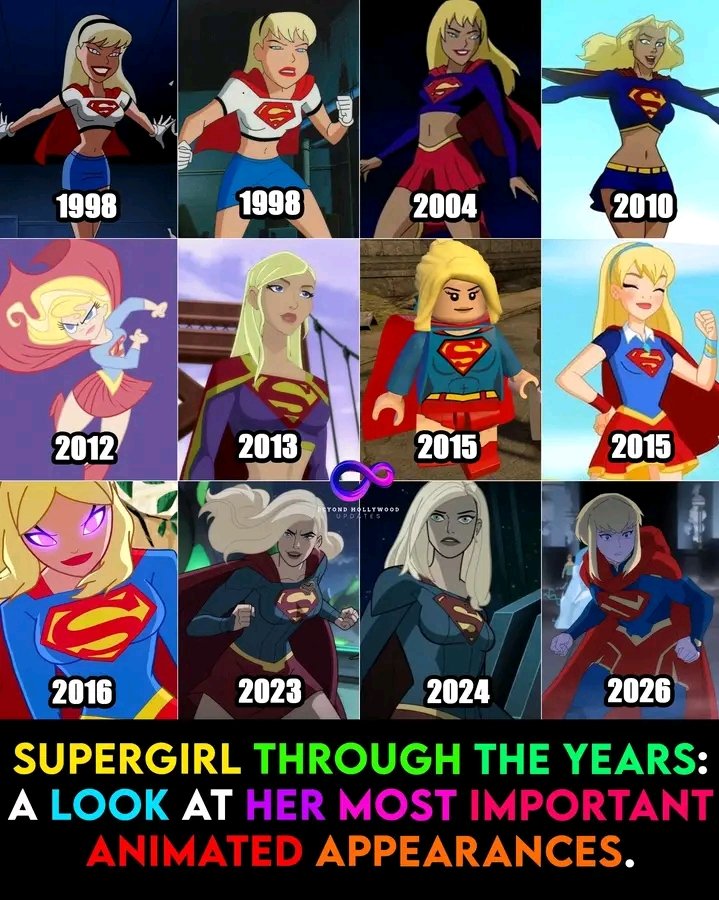
Supergirl’s animated history isn’t just long — it’s a story of constant reinvention. From her 1998 debut in Superman: The Animated Series to her emotionally complex role in My Adventures with Superman, Kara Zor-El has grown far beyond being “just Superman’s cousin.”
Her early DCAU version, voiced by Nicholle Tom, introduced her as a young hero learning the ropes, full of curiosity but still searching for where she belonged. That foundation carried into Justice League Unlimited, where her decision to join the Legion of Super-Heroes became one of her most defining moments — a quiet but powerful step toward independence.
In the 2010s, animation started experimenting more with her identity. Films like Superman/Batman: Apocalypse and Superman: Unbound explored her trauma and strength, while lighter takes like Super Best Friends Forever and DC Super Hero Girls showed her rebellious, funny, and energetic side. It proved something important: Supergirl could work in almost any tone.
The 2020s pushed her even further. In Legion of Super-Heroes (2023), she took center stage as a hero trying to rebuild herself in the future. Then My Adventures with Superman gave audiences one of the most unique versions yet — a Kara shaped by Brainiac, carrying pain, power, and confusion before slowly finding her place through connection and trust.
That evolution is what makes Supergirl special. Across every version, she’s dealing with the same core truth: she survived Krypton, but survival isn’t the same as belonging. Every story asks a version of the same question — who is Kara Zor-El when she’s not living in Superman’s shadow?
Animation has answered that question in different ways for nearly three decades, and that’s why Supergirl remains one of DC’s most compelling heroes. She’s not defined by one version — she’s defined by growth.
#Supergirl #KaraZorEl #DCAnimation #Superman #JusticeLeague #MyAdventuresWithSuperman #DCAU #AnimationHistory #DCComics #HeroJourney
3
73

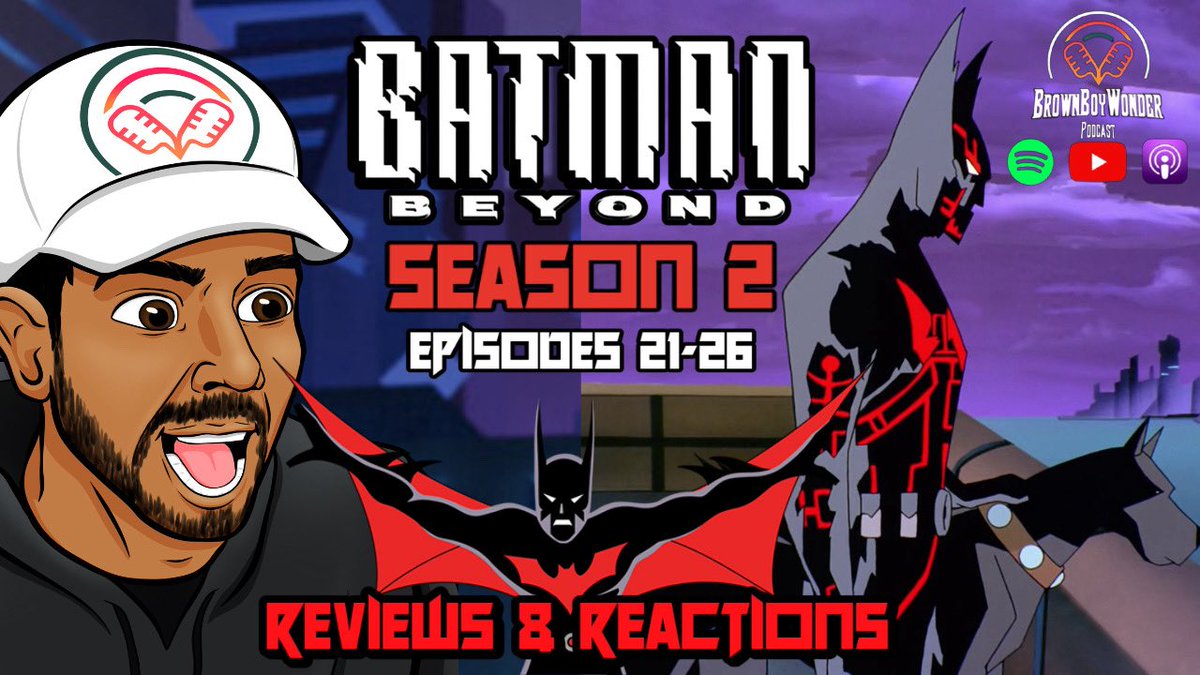
🦇 Season 2 goes out strong.
➡️ podcasts.apple.com/us/podcas…
The BrownBoyWonder Podcast wraps up Batman Beyond – Season 2 (Episodes 21–26) with full reviews & reactions 🔥
🎧 Now streaming on Spotify, Apple Podcasts, and YouTube!
#BatmanBeyond #DCAnimation #rewatch #reaction
3
135

Apr 12
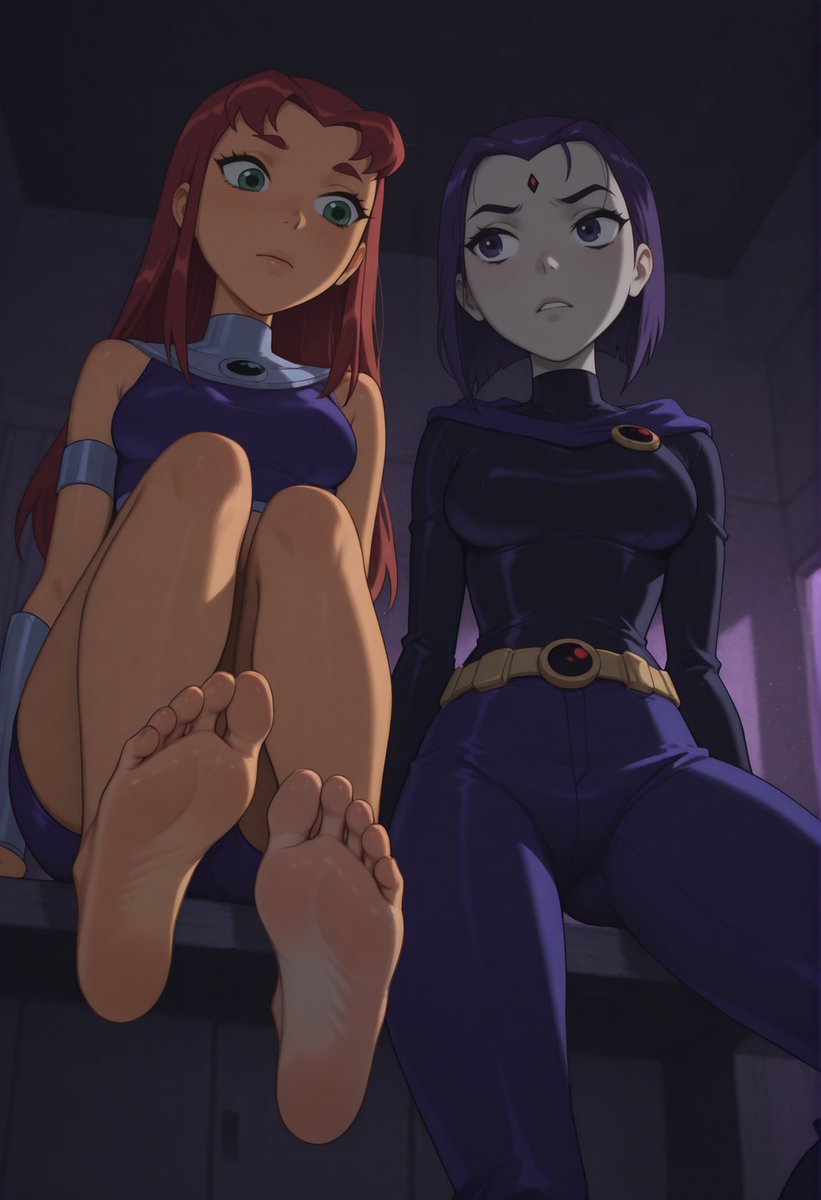
Raven (25) x Starfire (24) — shadow meets starlight. 🌑✨
#TeenTitans #Raven #Starfire #DCAnimation #PowerDuo
1
22
3,462
🦇 Season 2 keeps hitting.
NEW EPISODE!
Batman Beyond – Season 2 (Episodes 6–10) with quick reviews & reactions.
➡️ open.spotify.com/episode/404…
🎧 Available now on Spotify, Apple Podcasts, and YouTube!
#BatmanBeyond #DCAnimation #NeoGotham #Season2 #RewatchSeries
1
2
46
🦇 Season 2 Gotham
➡️ open.spotify.com/episode/3Ya…
The BrownBoyWonder Podcast covers Batman Beyond – Season 2 (Episodes 1–5) with fresh reviews & reactions.
🎧 Now streaming on Spotify, Apple Podcasts, and YouTube!
#BatmanBeyond #podcast #DCAnimation #rewatch
2
121
Mar 10
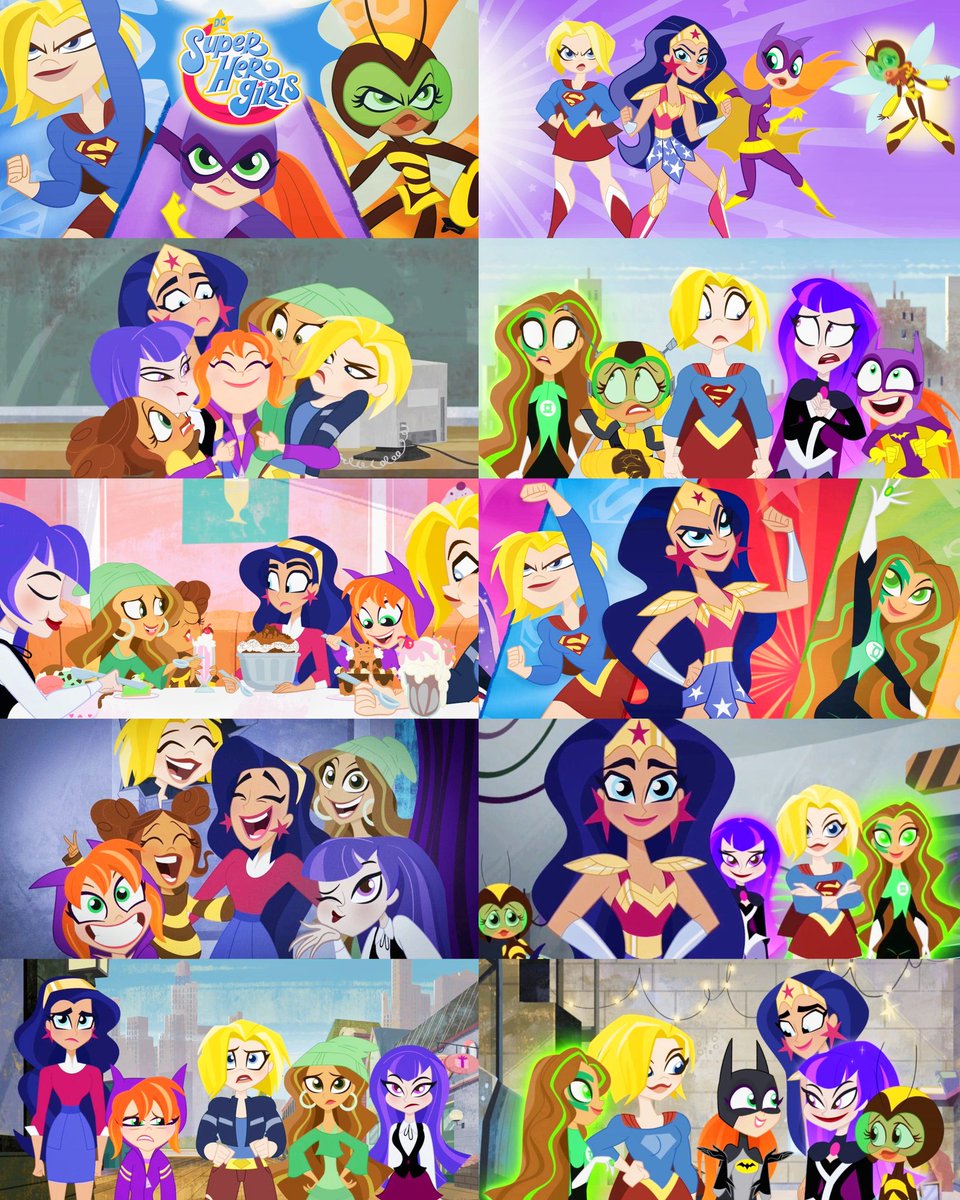
7 years ago today, DC Super Hero Girls premiered on Cartoon Network. 🦸♀️✨
The series followed young heroes like Wonder Woman, Supergirl, Batgirl, Bumblebee, and Zatanna as they balanced high school life with saving the day.
#DCSuperHeroGirls #CartoonNetwork #DCAnimation #DC
2
5
343

Mar 6
That how I feel so unfair for Lex 😭 the cinematic verse did him bad but he’s still good in comic, good in DCAnimation yet they still sideline him when it comes to merch!!
I hope DCU future with Nick’s talent and beauty will bring justice to Lex 😭🙏
4
21
246

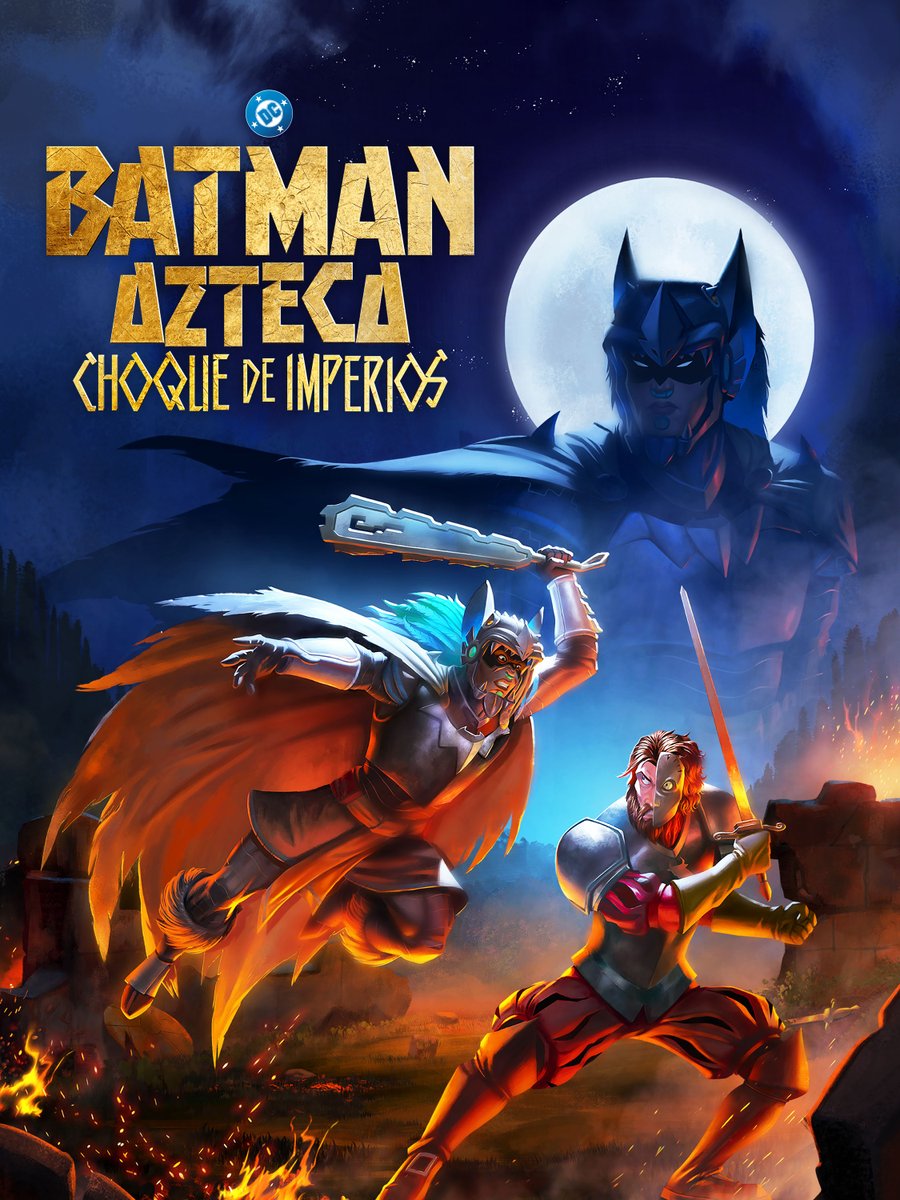
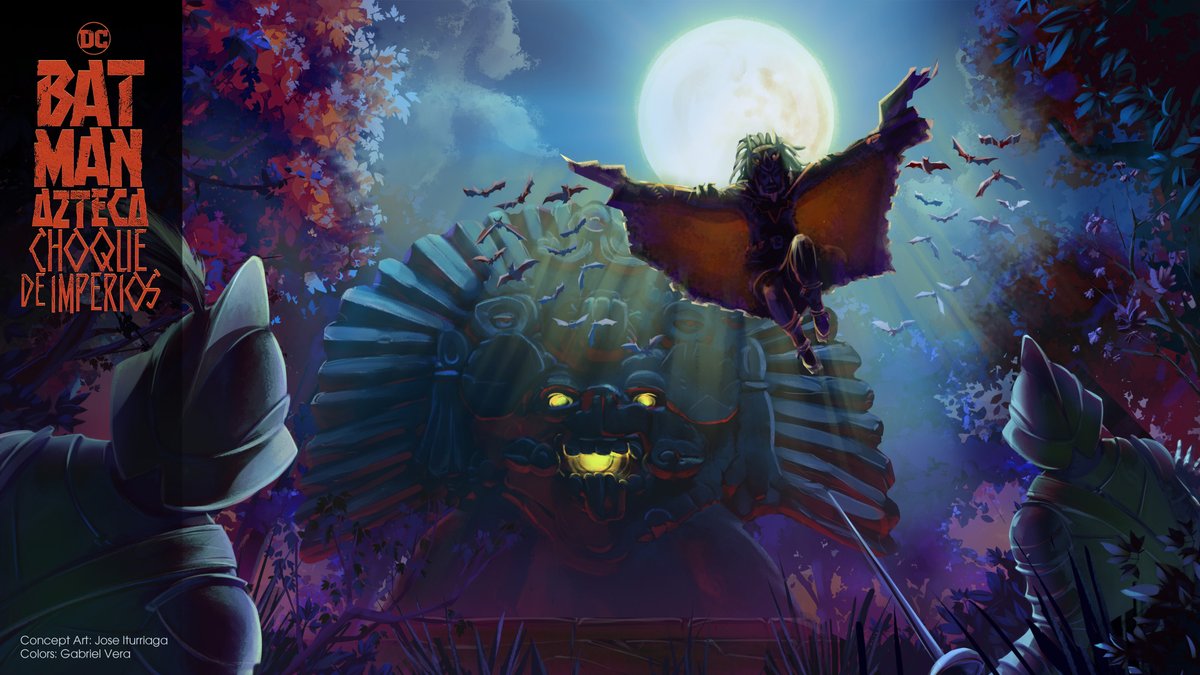
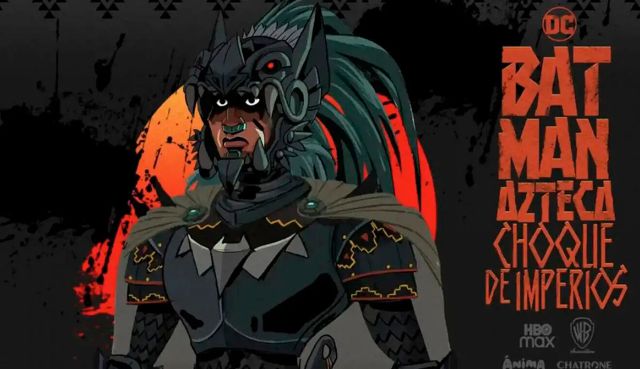
Finalizamos con la ultima película animada de DC, Batman Azteca una versión del personaje algo distinta en la época de la masacre y conquista Española.
Acá todo el analisis 👇👇👇
youtu.be/VzlptzqzADg
#Podcast #reseña #Batman #BatmanAzteca #DCmovie #DCanimation
2
3
59
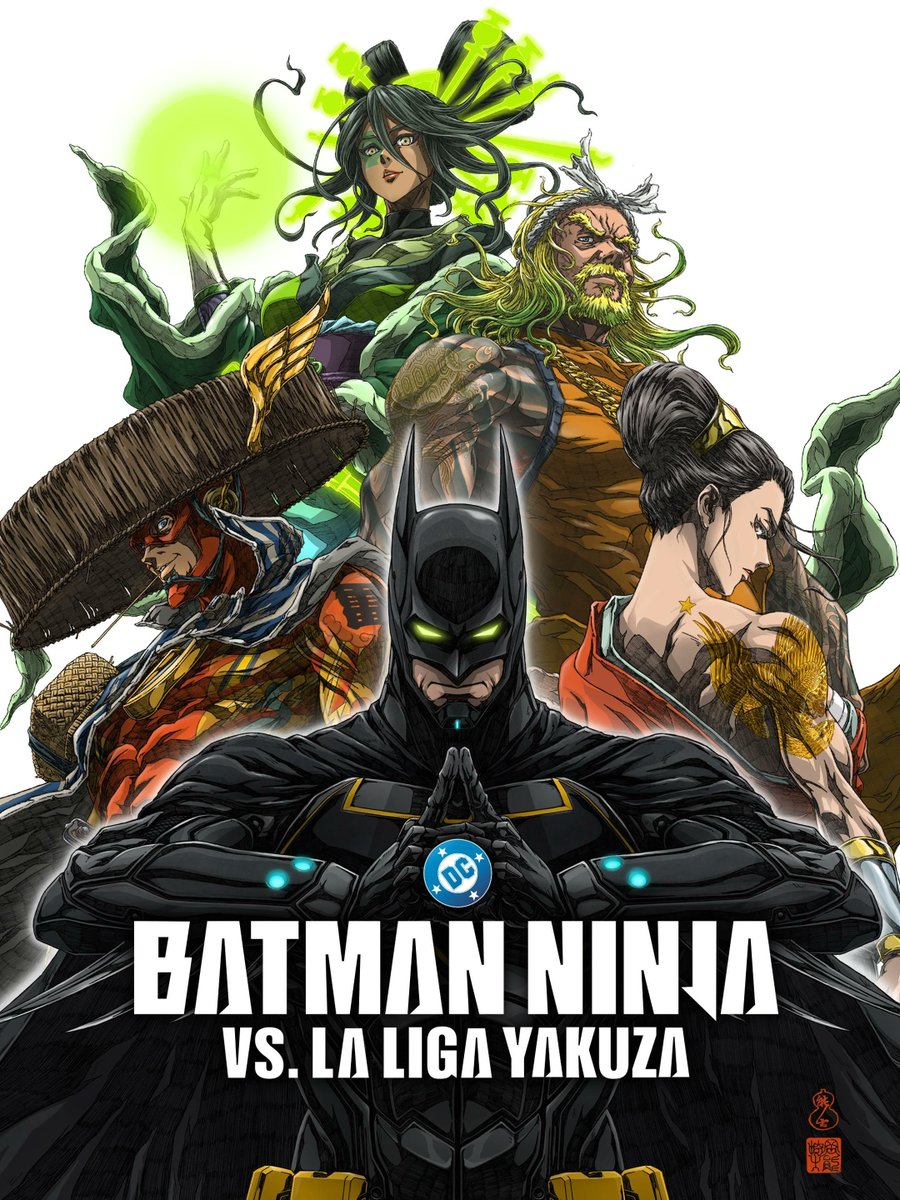
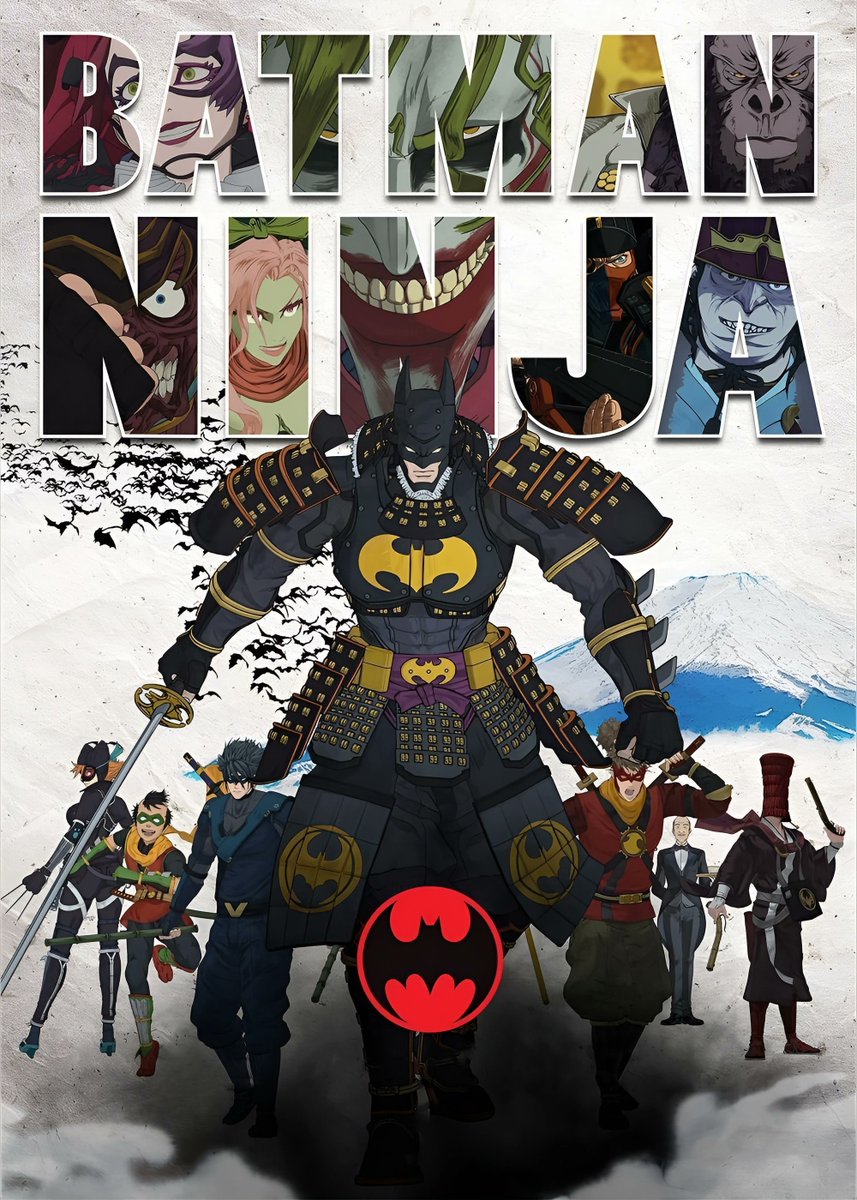
Batman Ninja Vs La liga Yakuza es la continuación directa de Batman Ninja y acá te comentamos todo, desde la trama hasta los personajes re inventados.
Acá todo el analisis 👇👇👇
youtu.be/VzlptzqzADg
#Anime #Podcast #Batman #Batmanninja #animacion #DCmovie #DCanimation

1
2
4
60
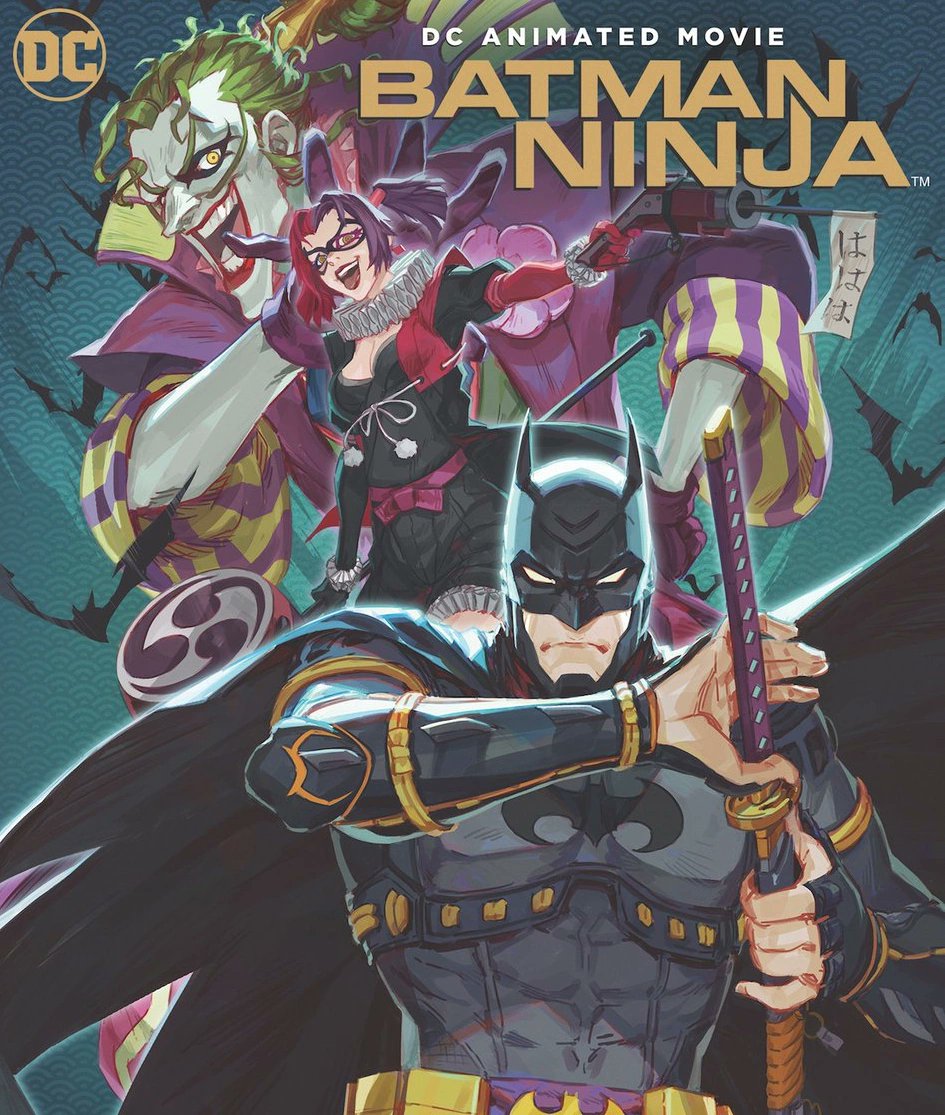
Continuamos analizando las películas animadas de Batman que proponen cosas nuevas, arriesgándose al fracaso rotundo. Como Batman Ninja
Acá todo el analisis 👇👇👇
youtu.be/VzlptzqzADg
#Anime #manga #Podcast #reseña #Batman #Batmanninja #animacion #DCmovie #DCanimation
1
2
3
51
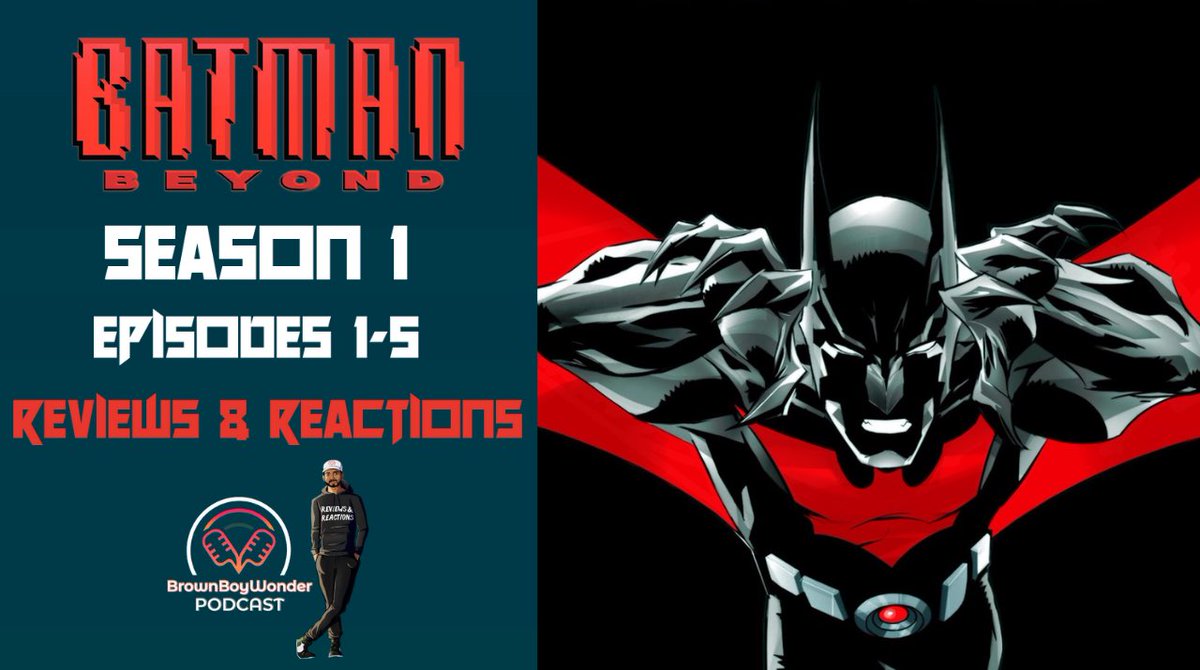
🦇 Welcome to Neo-Gotham.
We kick off Batman Beyond – Season 1 (Episodes 1–5) with full reviews & reactions.
🎧 Available now on Spotify, Apple Podcasts, and YouTube!
#BatmanBeyond #DCAnimation #NeoGotham #Batman
1
1
3
113

Jan 28
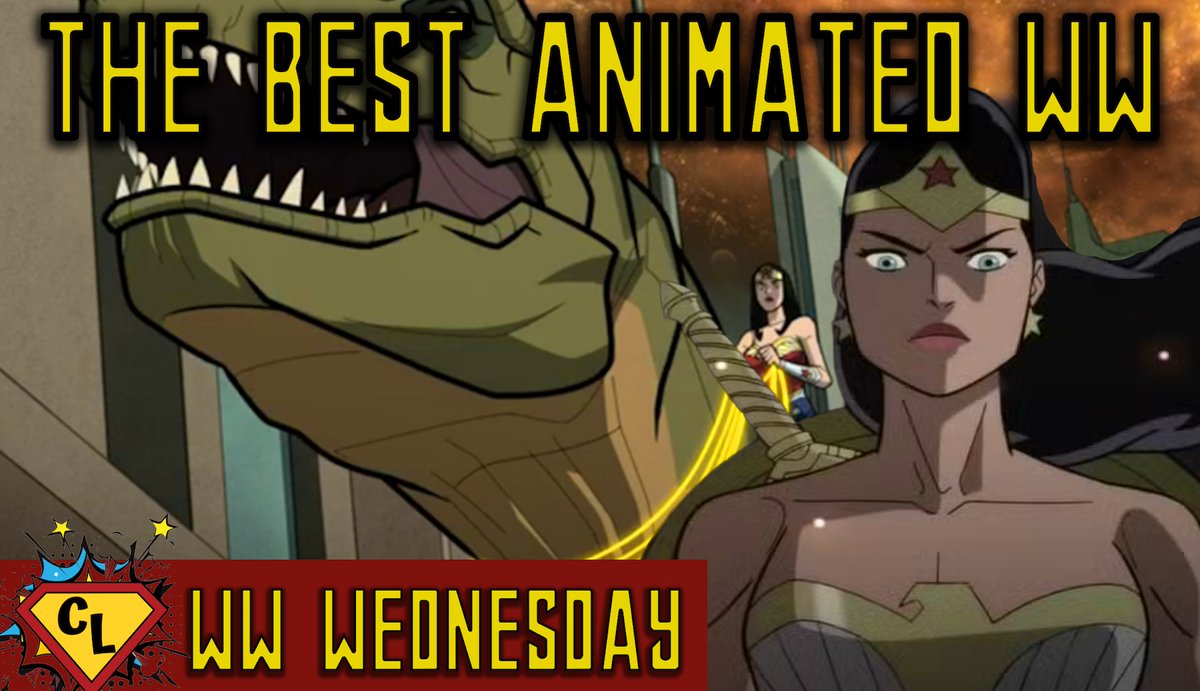
This week on Wonder Woman Wednesday, I discuss why the TomorrowVerse Wonder Woman was the best animated of the character, featuring the talent of @spacekicker @jim_krieg @megfitz89 and Stana Katic
Check it out: youtu.be/n7lXDUpUMLc
#WonderWoman #DCAnimation
1
5
611

First off, you might be wondering just which Green Lantern we’re talking about in the article’s title. Well, any of the Green Lanterns assigned to Sector 2814 (which as we all know, is where Earth is located). #GreenLantern #DCAnimation #Haljordan
animesuperhero.com/editorial…
1
2
198

Jan 18
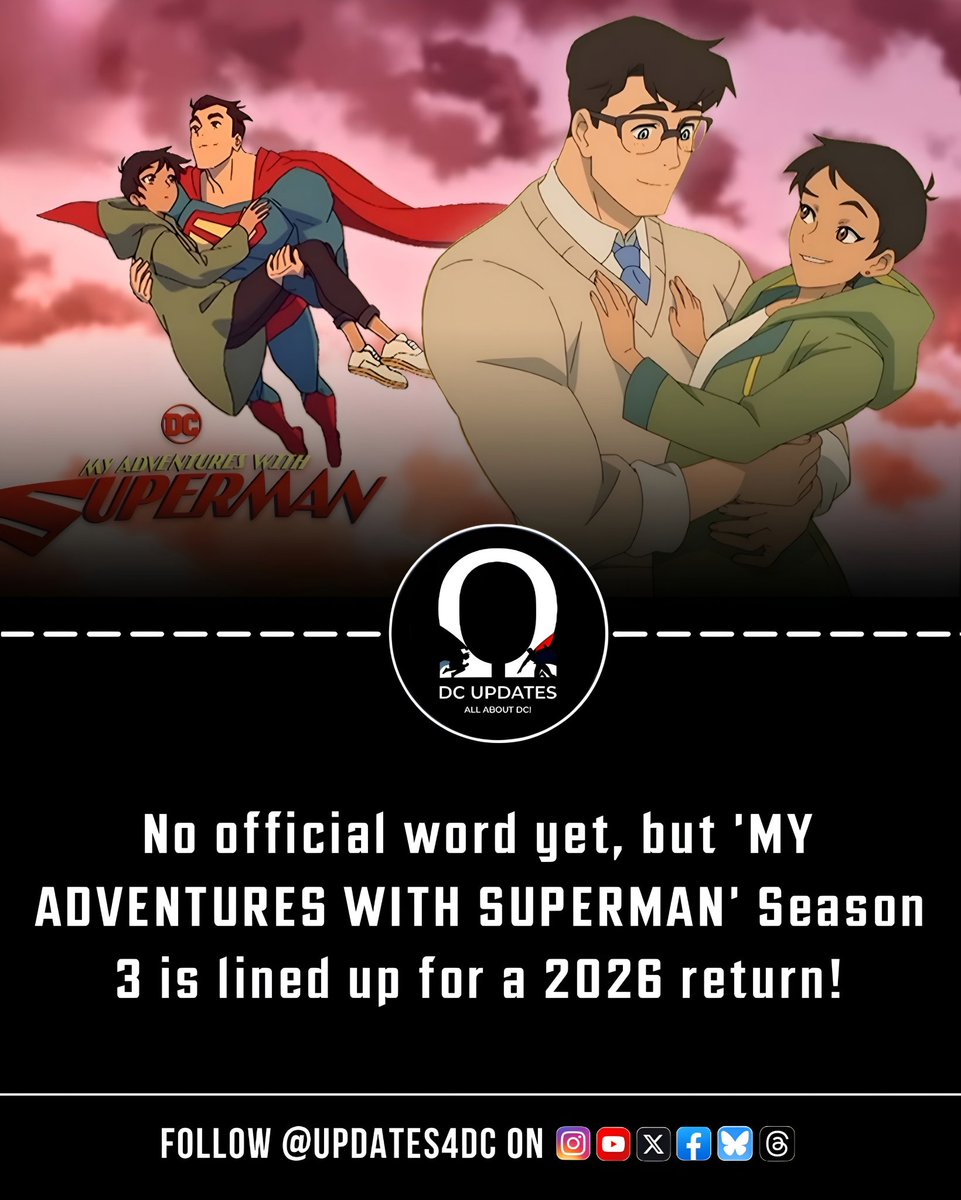
No official word yet, but My Adventures with Superman season 3 is lined up for a 2026 return.
#MyAdventuresWithSuperman #DCAnimation #Superman
1
8
640
Jan 16
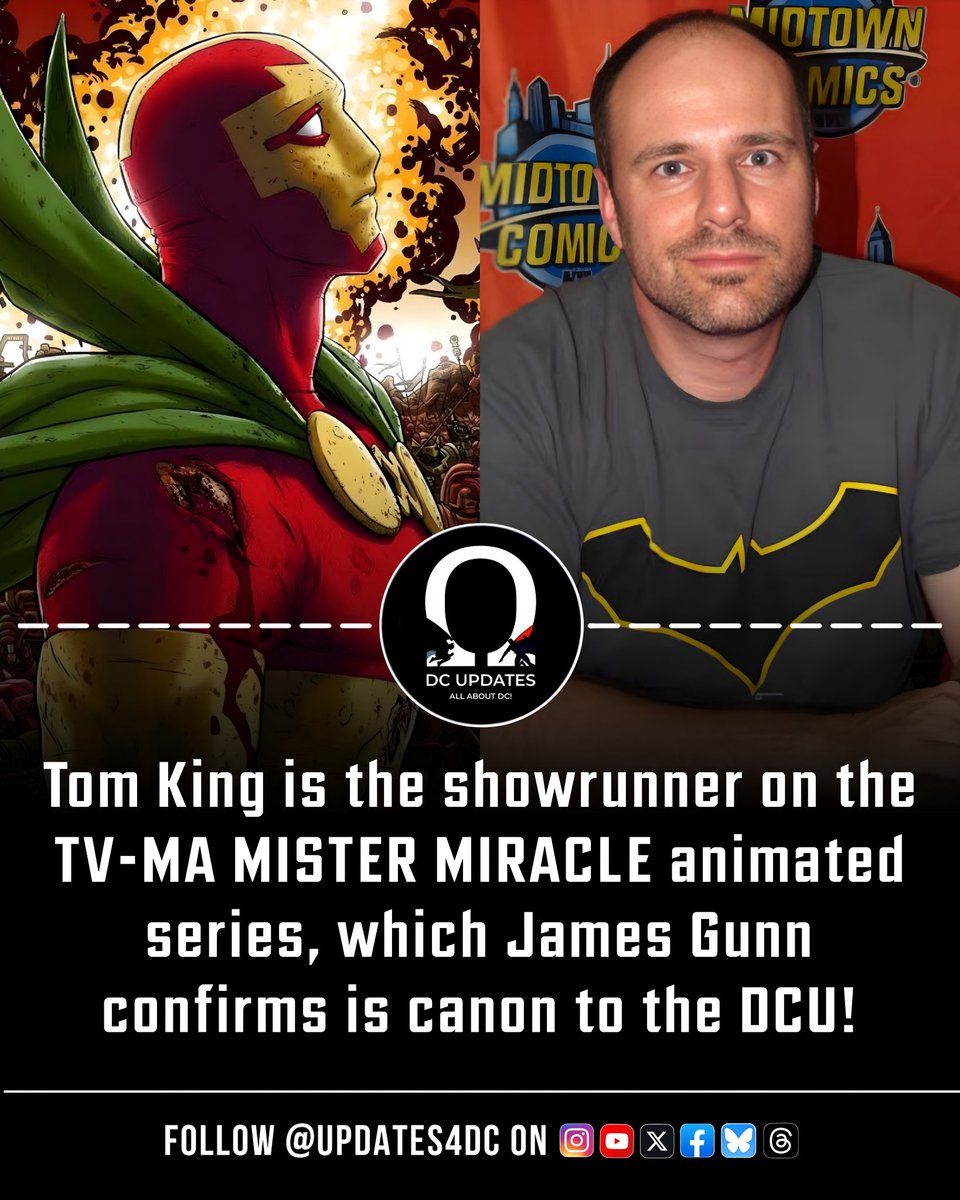
Tom King is the showrunner on the TV-MA Mister Miracle animated series, which James Gunn confirms is canon to the DCU.
#MisterMiracle #DCU #DCAnimation #JamesGunn
1
4
250
Jan 16
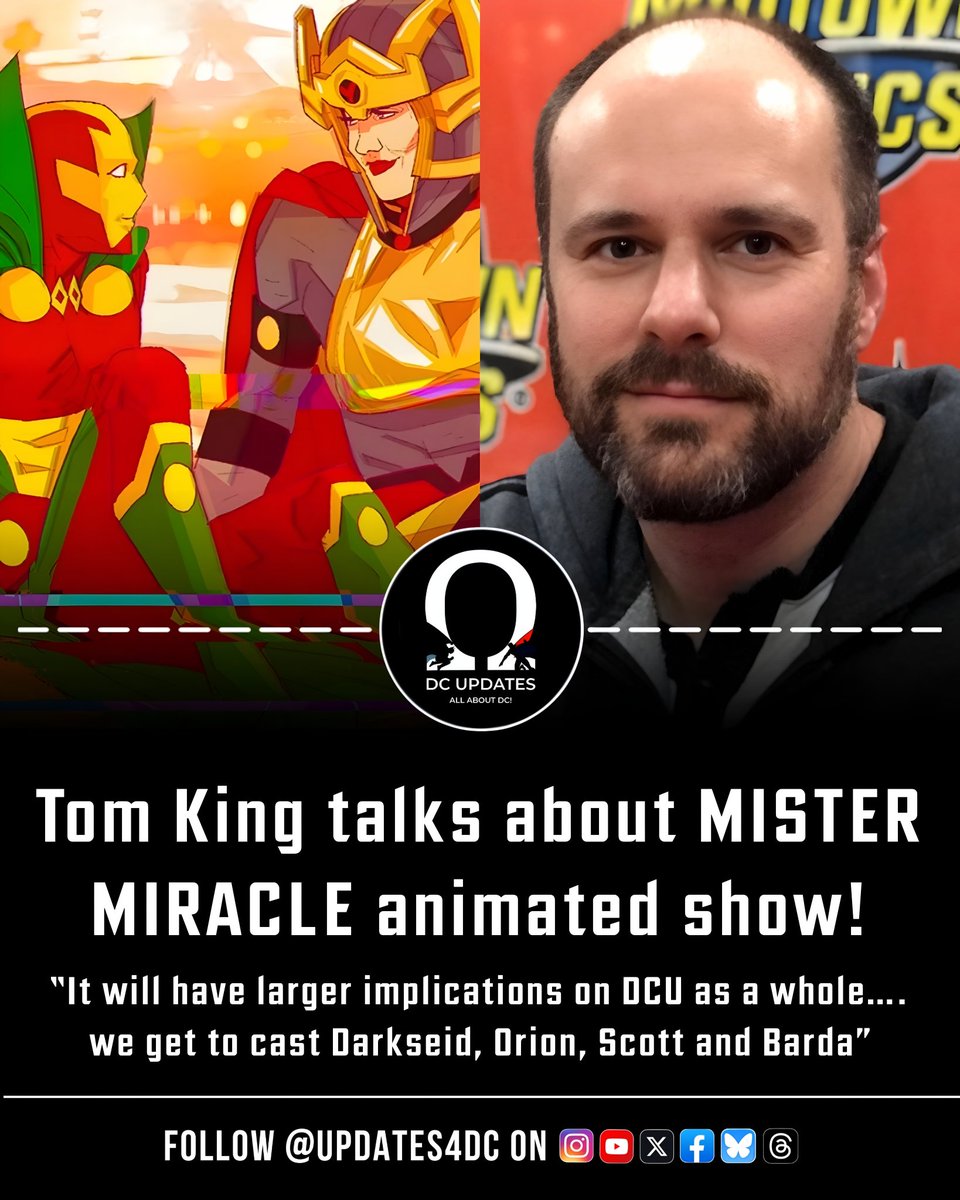
Tom King talks about the Mister Miracle animated show:
“It will have larger implications on the DCU as a whole… we get to cast Darkseid, Orion, Scott and Barda.”
#MisterMiracle #DCU #DCAnimation #TomKing
2
4
258