Shyam Sunder Gupta retweeted

Using 7 lt and 5 lt jug, find the least number of decanting to divide milk in a 12 lt jug into two equal parts.
For detailed graphical solution,refer
"Creative Puzzles to Ignite your mind" published by Springer and featured in The Guardian (UK).
amazon.com/Creative-Puzzles-…
12

That is so tacky! Was decanting them into different generic bottles or into bowls and providing utensils to difficult? 😬🙄🤣🤣
113

An aerator. Adds oxygen to Red Wine as you pour it through it.
No decanting, no open bottles to let them breathe. We own 4!!!!
Very thoughtful gift
1
2
22

hi i am new exol from feb 2026. i have been looking for an anonymous question site. thanks for this. i love chanyeol and su… — My favorite Junmyeon song is Decanting, but his first mini album is also very special to me.
From Chanyeol I really like Up… alterspring.org/@ninionpoint…
1
137

Like when Jesus asks the possessed gentile man his name and he replied “legion” bc that was the name of the many demons who missed him, than Jesus heals him and they entire the swine run into the sea and drown.
Fr other questions, Was Jesus in a culture war in his day? You had Greeks, Roman’s, saduceees who were the Greco Roman Jews who had control of the temple leadership and Sanhedrin, than you had the Paris’sees who Paul was a Pharisee and was a student under Gamliel a Pharisees himself. You had Jesus at the young age of 12 who was seen in the temple courtyard, teaching elder men, Old Testament, prophecy, and law. so it was All these groups who were competing for and sharing political religious and societal narratives of the people. Just like we’re experiencing today both in Israel and America except today in America we’re bringing in the Muslims and Islam and it’s the fastest growing religion in the United States.
next question, after all the disciples and apostles were murdered who became the leadership of the church and why is it? There’s no New Testament writings in original Aramaic or Hebrew why is it all written in Greek? The disciples and apostle Paul were all Hebrew Aramaic speaking men. Greek thought and culture doesn’t sit right with me when Jesus was a Hebraic Jew from the line of king David. He would have never spoken Greek or partaken in Greek culture or ideology. There a book called the Greek Jesus vs the Hebrew Yeshua by Nehemiah Gordon a former Orthodox Jew converted and he gives best explanation of cultural linguistics and dynamics discussing Hebrew Yeshua. Theres even a YouTube video of his lecture. One of the most decanting studies I ever came across 20 years ago
1
37

Want to know why Thune is immune to pressure
South Dakota has established itself as one of the leading U.S. trust jurisdictions, often ranked at or near the top in comparisons for dynasty trusts and overall trust-friendliness. This status stems from decades of deliberate legislative changes making its trust laws among the most progressive and flexible in the country.
nationaladvisors.com
Key Advantages of South Dakota Trust LawSouth Dakota offers several features that attract both domestic and international clients:Perpetual (dynasty) trusts: It abolished the rule against perpetuities, allowing trusts to last indefinitely (or for very long periods) without forced termination and asset distribution. This enables multi-generational wealth preservation and helps avoid repeated federal estate/generation-skipping transfer taxes.
macpas.com
Strong asset protection: Self-settled asset protection trusts (DAPTs) are permitted, shielding assets from creditors, ex-spouses, lawsuits, etc., after a short period (often 2 years in some structures).
Privacy protections: Court records involving trusts are automatically and perpetually sealed from the public—stronger than in most states.
goosmannlaw.com
Flexibility: Directed trusts (separating investment and administrative duties), decanting (modifying irrevocable trusts), non-judicial settlement agreements, and grantor control options.
Tax advantages: No state income tax, capital gains tax, or inheritance/estate tax on trusts (for properly structured non-resident trusts). This can save significant money compared to high-tax states.
rsmus.com
Other features: Community property trusts, special purpose entities, and strong protections for trustees.
10

Cuál les gusta?
1. Silk-Rose-Taste-Beauty
2. Espresso-Peony
3. Moss Green-Desert Sand
4. Black in black-Mountain
Heather-Decanting-Funkie Friday-Moonscape
ELIJAN CON SABIDURÍA POR FAVOR ES PARA MI TRABAJO

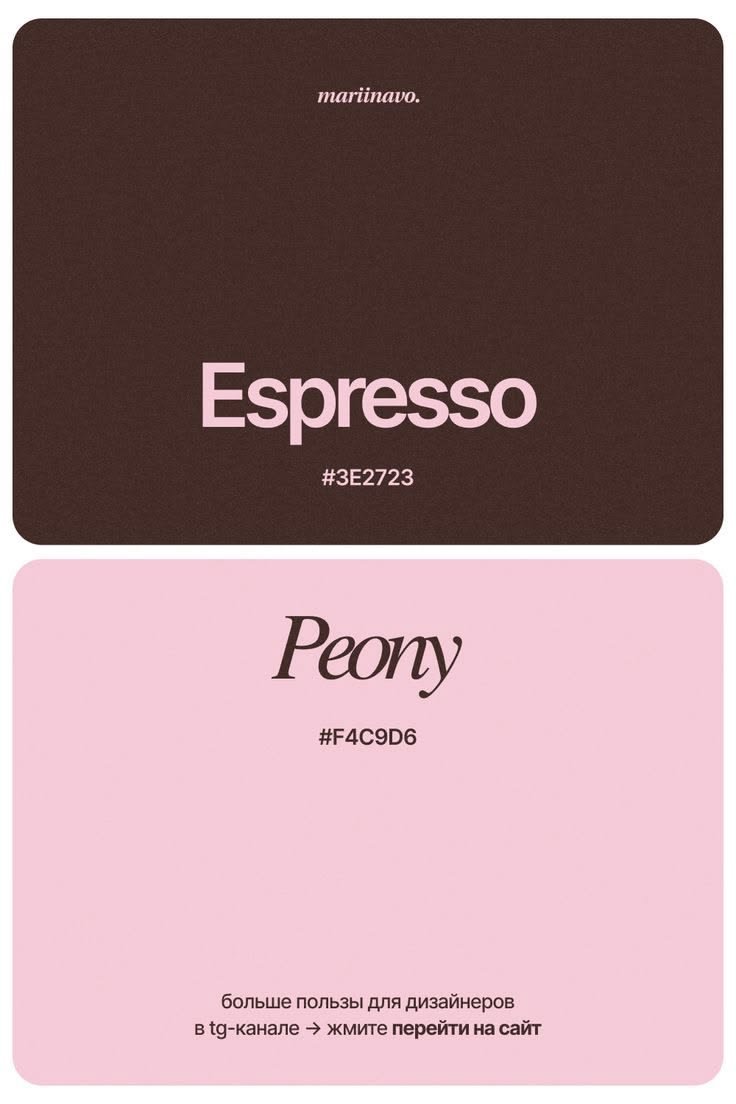
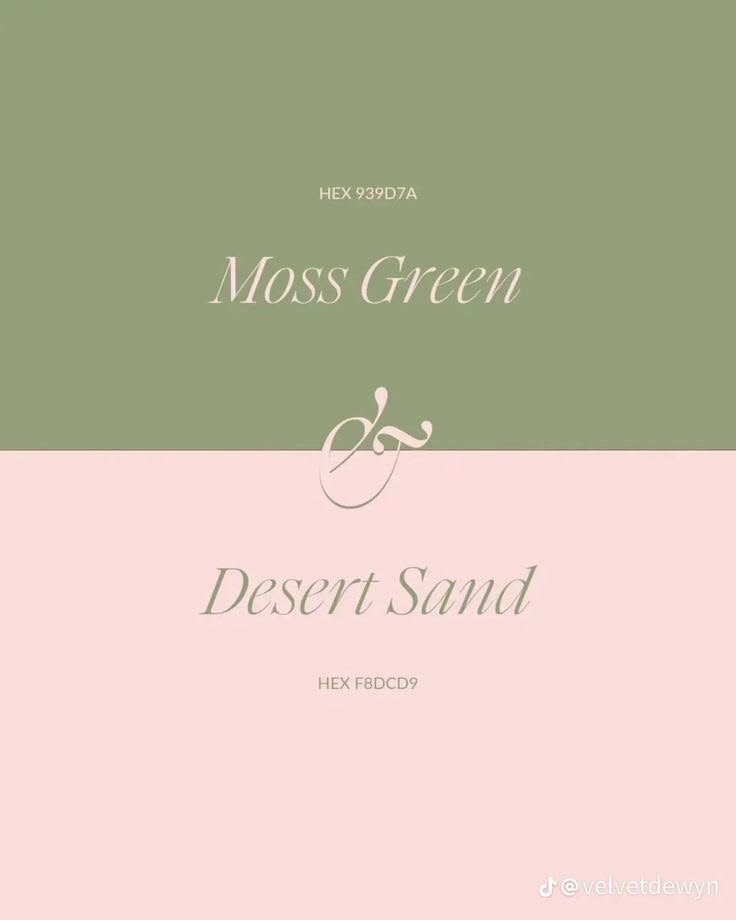

2
2
65
The Overlord retweeted

Jun 13
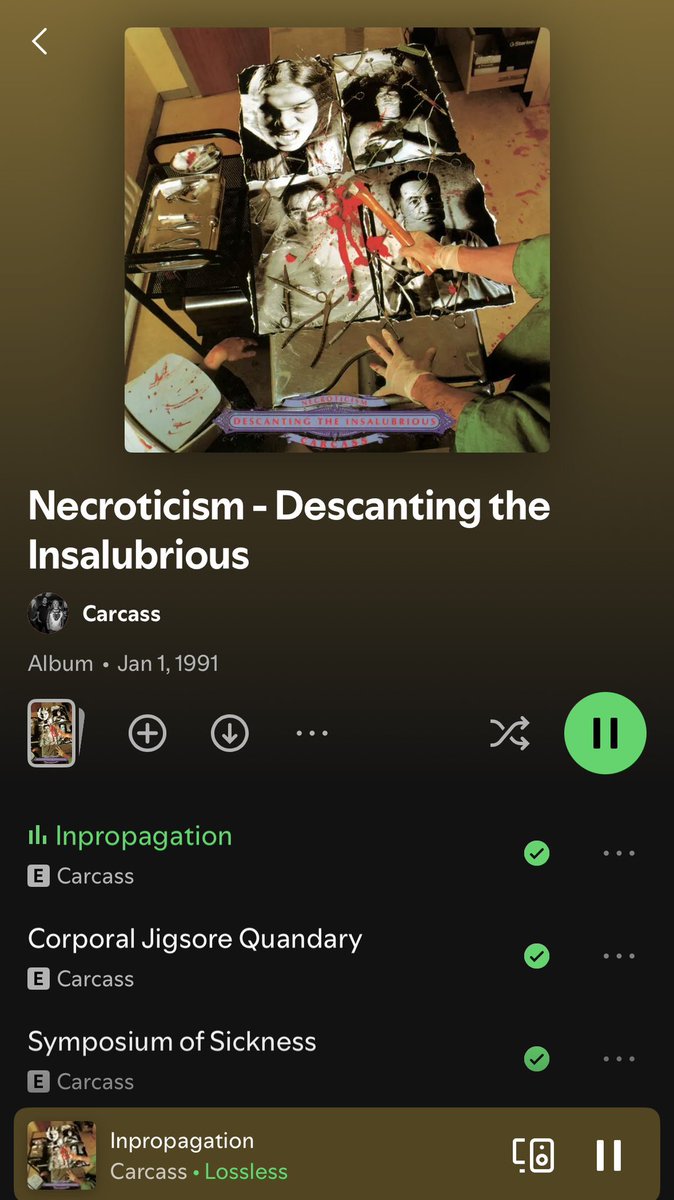
Now listening to Carcass: Necroticism Decanting The Insalubrious
This was the beginning of Carcass changing their sound as they went from Goregrind to Death Metal with some technical aspects to it.
It’s still an amazing album even if they downgraded their heaviness.
4
5
50
1,243

Jun 13
He is.
He started following everyone who has a decanting voice on foreigners and their shenanigans. His view is to be clairvoyant on what South Africans fighting this immigration issue will be. Framing us as a problem to his utopian of living with illegals in his South Africa.
2
26

Jun 13
There’s always ways around holding back a trust fund Generally, a trustee cannot unilaterally change the age at which a beneficiary is supposed to receive their trust fund. A trustee's primary legal duty is to follow the exact instructions written in the trust document. They cannot rewrite the terms simply because they think a beneficiary is too young or irresponsible to handle the money. [1, 2, 3, 4, 5]
However, whether—and how—the distribution age can be altered depends entirely on the type of trust and the specific terms written in the document: [1, 2, 3, 4]
1. Revocable Trusts
If the trust is a revocable (living) trust, the person who created the trust (the grantor/settlor) can change the age requirement at any time while they are still alive and mentally competent. If the trustee is also the grantor, they can alter the age. Otherwise, the trustee has no power to make this change.
2. Irrevocable Trusts
Once the grantor passes away, a revocable trust typically becomes irrevocable, and its terms are set in stone. However, there are a few legal mechanisms that might allow for an age change under specific circumstances: •
The Trust Document Allows It: Some trusts include special provisions (such as a "power of appointment" or a "trust protector" role) that explicitly give someone the authority to modify the age limit or move the funds to a new trust.
•Trust Decanting: Depending on state laws (such as in states with flexible decanting statutes) and the exact language of the trust, a trustee may be able to "decant" the trust, which involves transferring the assets from the existing trust into a new one with different distribution terms.
•Court Approval or Beneficiary Consent: If all beneficiaries agree, or if circumstances have drastically changed in a way the original creator of the trust didn't foresee, you can petition a probate court to modify the trust's terms.
10

Jun 13
Morning Sheila, yes fairly chilled, breakfast out, baking sourdough and decanting my Rhubarb, apple and elderflower wine. It’s a sunny day too. Have a good one 💚
1
1
16

Audible is a proper PITA if you want to listen on an MP3 player.
Decanting all of Struck Off And Die onto an MP3 file this morning.
I still have a lot of these on tape take off Radio 4 when originally broadcast.

26

Still no public statements from @SDoughtyMP on the dire state of 🏠🔥remediation in his @cardiffcouncil Bay ravaged constituency. Constituents run ragged by belligerent developers backed by former @WelshLabour Govt. Decanting residents now a growing concern.
@LauraMcAllister




2
5
2
163

Jun 12
Decanting wine is literally done to let air get to it. So I would not do this. Just cork it up. Or drink it (better).
23

Jun 12
...but decanting?
Interesting (not in a good way) that they are buying US stock back.
1
82

Jun 12
yo why has there never been a mention of bob barters slow as hell decanting in the summer sweep up?
1
84