
1. The Flattery Leak: Praising a professor's past paper without showing immediate, high-density data matching your own past execution is just a competence leak with better grammar.
1
2

Source is the 13th Density
When reached, no more "separation" exists such as having separate bodies
We are Stars from the Source
The United States Flag is the only flag that shows the truth about who & what Humans are and where we All come from
Stars & Stripes Forever = Us, Source, representing our True Nature as Immortal
All Stars from the Same Star
#WWG1WGA

3
12
52
1,517
Julia🍃🦉🍃🚜 retweeted

Fife Swallow Central. There’s such good numbers of chicks and such a high density of nests it warrants a case study. Thankfully this particular colony are afforded added protection from targeted control of Magpies that decimated nests in previous years!
1
1
5
225


pixel count is what it sounds like, the actual number of pixels on the screen. The density is how big each pixel is, physically

i've been to dozens of American small towns that are similar. Commercial downtown surrounded by low-density sprawl, everyone has to drive everywhere. Fine if you like it, but people want better options than this

why would you not connect the northeast corridor?
it is one of only two places in the entire country with the population density and daily commuter miles to make passenger rail remotely financially viable and this would be slower than the Acela
you missed the other one also
1
kmzak retweeted

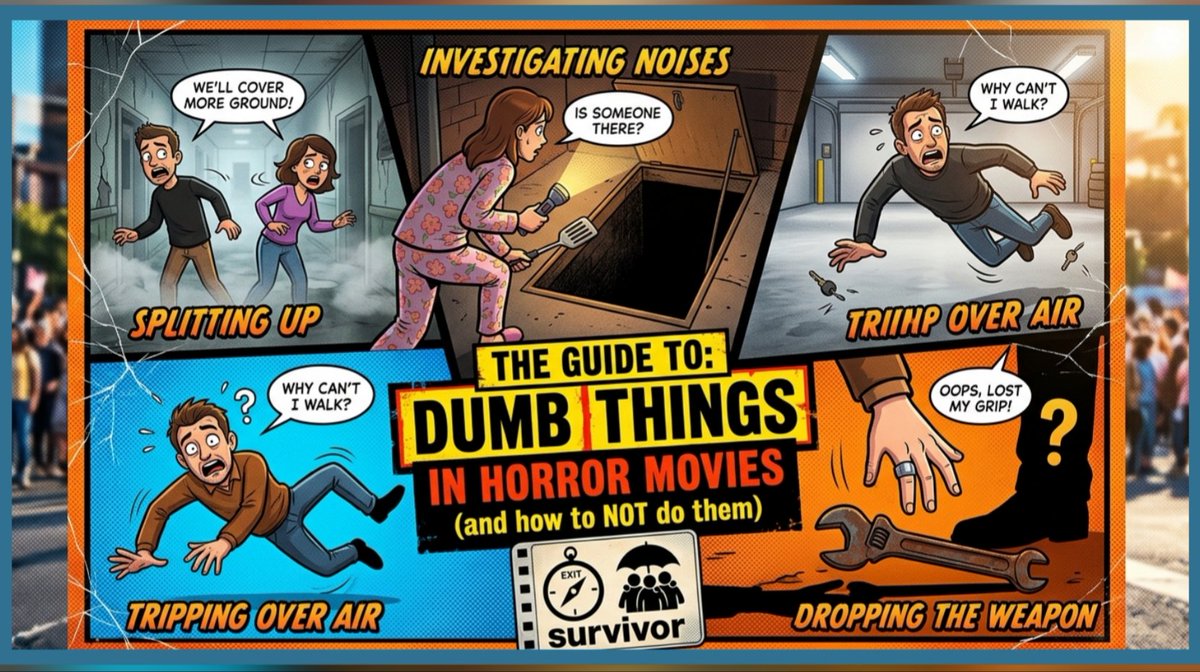
Horror movie protagonists lose 95% of their bone density and motor skills the exact second a villain shows up.
Bro tripped on grass and decided his legs were no longer operational.
If you actually want to survive a horror movie, please read the guide on the previous post and stop doing these 5 dumb things:

We’ve been watching horror movies for over half a century, and yet, movie characters still possess the survival instincts of a concussed moth.
If you want to survive a horror film, it’s simple: stop doing these 5 unbelievably dumb things.
1. The "Hello?" to an Empty, Pitch-Black Room
Ah, yes. The lights just went out, the generator blew, and a sound resembling bones snapping just came from the basement. What’s the logical move? Walk slowly toward the darkness and whisper, “Hello? Is anyone there?”
Breaking news: The 7-foot demon wearing a mask made of human sk!n is not going to reply, "Oh, hey Kevin! Yeah, I'm just in the pantry looking for the Doritos!" If you have to ask if someone is there, assume it’s the villain and walk out the front door.
2. Investigating Weird Noises in the Backyard Alone
You’re home alone. It’s 2:00 AM. You hear a violent scratching sound outside by the shed. Instead of locking the deadbolt and calling the authorities, you grab a plastic spatula, put on flip-flops, and walk outside in your pajamas.
Why are we investigating? What is the best-case scenario here? Leave the backyard to the supernatural forces and stay inside.
3. Splitting Up to "Cover More Ground"
You are being hunted by an immortal entity. You have strength in numbers. So, what is the group's brilliant tactical strategy?
“Okay, let’s split up! Daphne and I will check the abandoned asylum's torture chamber, Fred will check the foggy woods, and Scooby, go look in the meat locker.”
Congratulations, you’ve just converted a manageable group survival situation into a sequential, one-by-one buffet for the
villain. Stay. Together.
4. Tripping Over Literally Nothing
The villain is walking. Not running. Walking. A casual, leisurely, Sunday-stroll pace.
Meanwhile, the protagonist is sprinting for their absolute life—and then, it happens. They trip over a perfectly flat, carpeted floor. Not only do they fall, but they suddenly lose all motor functions. Instead of scrambling back up, they choose to crawl backwards on their elbows while hyperventilating. Stand up! Your legs work!
5. Dropping the Weapon / Not Finishing the Job
You did it. You hit the villain over the head with a heavy frying pan. He falls to the ground, completely unconscious.
What does a normal person do? Hit him ten more times to be absolutely sure. What does a horror movie character do? Drop the weapon right next to the villain's hand, gasp, turn their back, and run away. Predictably, two seconds later, the camera pans down and the villain is gone.
The Golden Rule of Horror Survival:
If the house is built on an ancient burial ground, the walls are bl**ding, or the local gas station attendant warns you to "never go up that hill"... LEAVE.
What is the absolute dumbest horror movie trope that drives you insane?
13
11
1,088

Want a leaner body? It starts with what’s on your plate, not extreme diets.
Food quality matters more than restriction.
Foods that support a lean body include:
Fatty fish for protein and omega-3 fats that support fat metabolism
Eggs for high-quality protein and satiety
Leafy greens for fiber and low-calorie nutrient density
Beans and lentils for steady energy and gut health
Avocados for healthy fats that support fullness
Nuts and seeds for balanced nutrition and appetite control
Berries for antioxidants and low sugar impact
Citrus fruits for vitamin C and metabolism support
Ginger and turmeric for inflammation balance
These anti-inflammatory foods help support better digestion, steadier energy, improved recovery, and healthier body composition over time.
Now contrast that with inflammatory choices:
Sugary drinks
Ultra-processed snacks
Fried foods
Excess refined carbohydrates
These can promote fat storage, energy crashes, and metabolic

Food to eat for a lean body:
> Tuna
> Cucumber
> Argual
> Walnuts
> Greek yoghurt
> Salmon
4

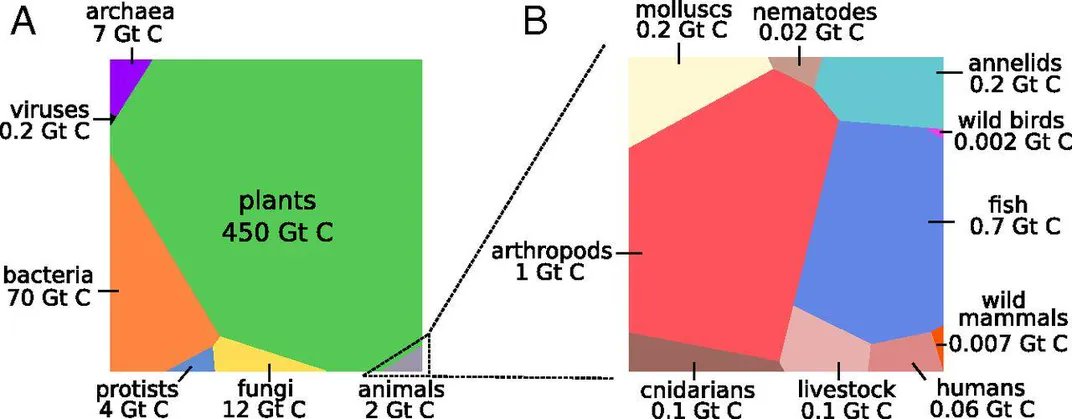
Humans are not overpopulated. Wr could fit every human on earth in the state of Texas with the population density of NYC.
Humans and live stock make us less biomass than fish and bugs.
All animals make up less biomass than bacteria.
3

Dumb people... This cannot be water for sure.... This partition seen in bottle is definitely due to the density difference between petrol and ethanol
3

Then explain how do cave animals losing their vision without natural selection?
Natural selection favors traits that increase an organism's chances of survival and reproduction. In the case of cave animals, mutations that led to smaller, less developed eyes or even complete loss of vision were more likely to survive and reproduce, as they allowed the animal to conserve energy and resources that would otherwise be used for eyesight.
Then explain how Yahweh created domestic animals when Göbeklitepe explains it.
Around Göbekli Tepe which is 11,500 to 12,000 years old are animal traps and corrals made from rocks showing a transition to domestication of animals like cows and sheep.
Recent archaeological discoveries and aerial surveys across the Upper Mesopotamian plains—including the wider Şanlıurfa plateau where Göbekli Tepe is located—have revealed massive, interconnected networks of prehistoric stone structures often called "desert kites."
Researchers have recently identified hundreds of desert kites—massive prehistoric stone hunting traps—near Göbeklitepe in the Şanlıurfa region of southeastern Turkey. These structures are crucial for understanding how the people who built monumental sites like Göbekli Tepe sustained large populations through sophisticated mass-hunting strategies.
Desert kites are massive, prehistoric stone structures primarily found across the arid landscapes of the Middle East, Central Asia, and the Caucasus. Built by early hunter-gatherers, they consist of long, low stone walls (often several kilometers long) that converge into a central enclosure. These walls acted as giant funnels to herd and trap large grazing animals, like gazelles, into pits
These are some of the earliest large-scale human monuments. Dating estimates range from as early as 7,000 to 9,000 years ago, pushing their origins into the Pre-Pottery Neolithic period.
Constructing these massive "mega-traps" required significant coordination, complex communal planning, and a deep understanding of animal migration, proving that ancient societies were highly organized well before the advent of agricultural cities.
Archaeologists have even discovered ancient, to-scale petroglyphs (rock carvings) in the region that depict the precise layouts of these kites, potentially making them some of the oldest architectural blueprints and maps in human history.
These finds, along with faunal and environmental studies, document that monumental transition period perfectly:
Mass-Hunting "Kites": These vast stone structures (some stretching hundreds of meters) were used by Pre-Pottery Neolithic hunters to funnel, trap, and slaughter herds of wild game.
"Storage on the hoof"
If all the animals trapped in such large numbers are slaughtered without a way to store that much meat, keeping many alive in corrals would be a way to store meat.
Keeping animals alive in stone corrals effectively turned the landscape into a living refrigerator, allowing humans to harvest fresh meat exactly when needed.
Keeping wild animals (like sheep, goats, or wild cattle) alive in confined spaces forced them to adapt to the presence of humans. Humans likely slaughtered the most aggressive males first for food, accidentally selecting for tamer, more docile traits.
Over generations, this forced proximity and controlled culling naturally triggered the biological and behavioral changes that define domestication.
But the ancient Northwest America coast even had a substantially higher population density than the region surrounding Göbekli Tepe. The Northwest Coast supported dense, sedentary hunter-gatherer societies.
8
! Jack Von Pyroscythe ! retweeted

the 2026 knicks are a reminder that density works. put enough furious short kings in one arena and eventually one of them defeats a seven-foot alien
1
53
1,173
9,088
Leanne retweeted

Interesting short video about SB79 new California housing law that will allow higher density building within 1/2 mile of public transit stations
What are your thoughts ? Do live / own property in one of these zones ?
Maybe an opportunity for those looking to move and can redevelop and sell their property for big money etc?
Parking is going to get fun !
2
3
8
559
Dr Antonie Kotzé retweeted

Jun 10
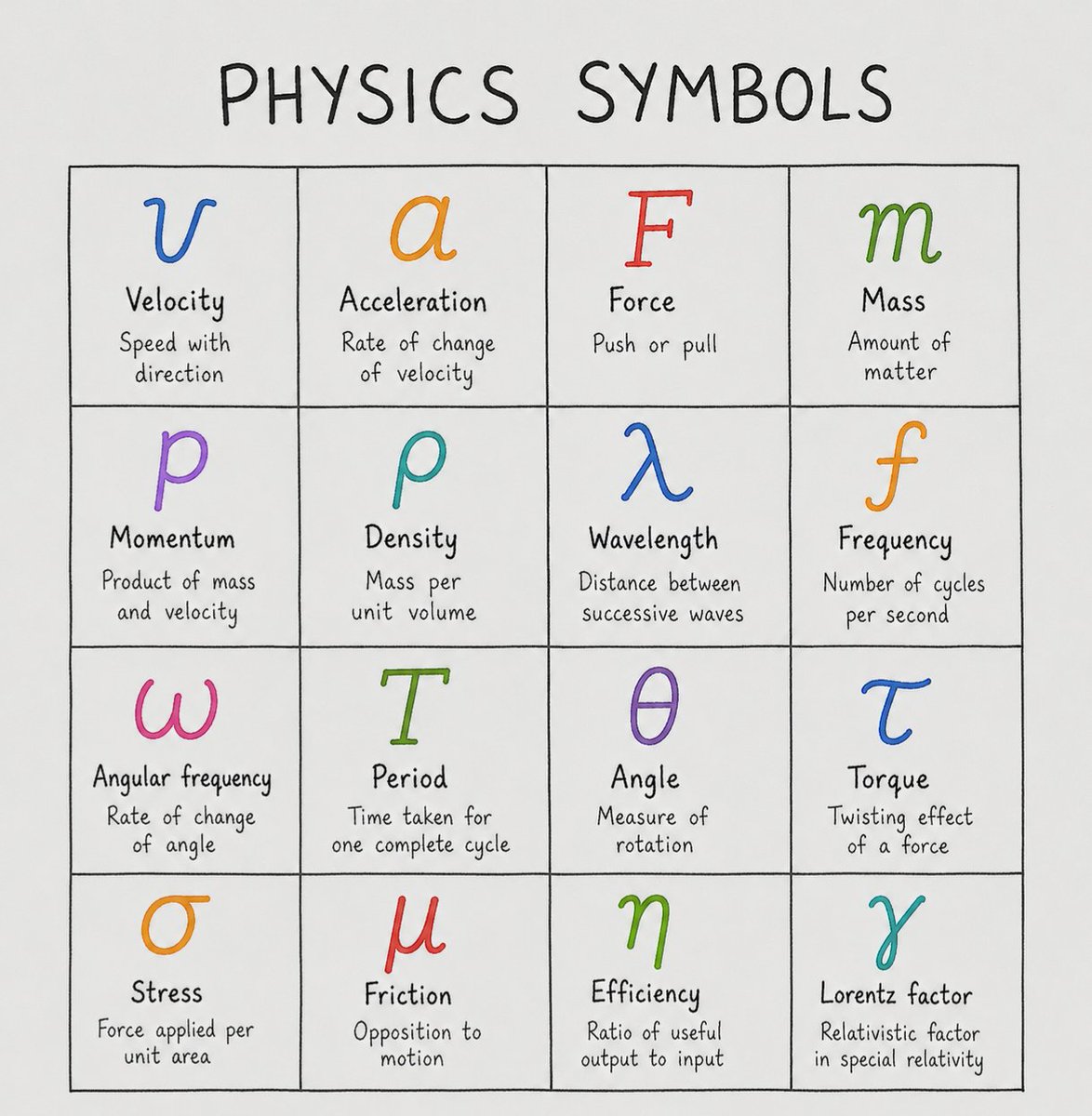
Physics starts with a language of symbols.
From λ for wavelength to ρ for density, these symbols appear across mechanics, waves, electricity, and modern physics. Learning what they represent makes equations far easier to understand and remember.
4
74
322
6,529
wrukwiony retweeted

10h
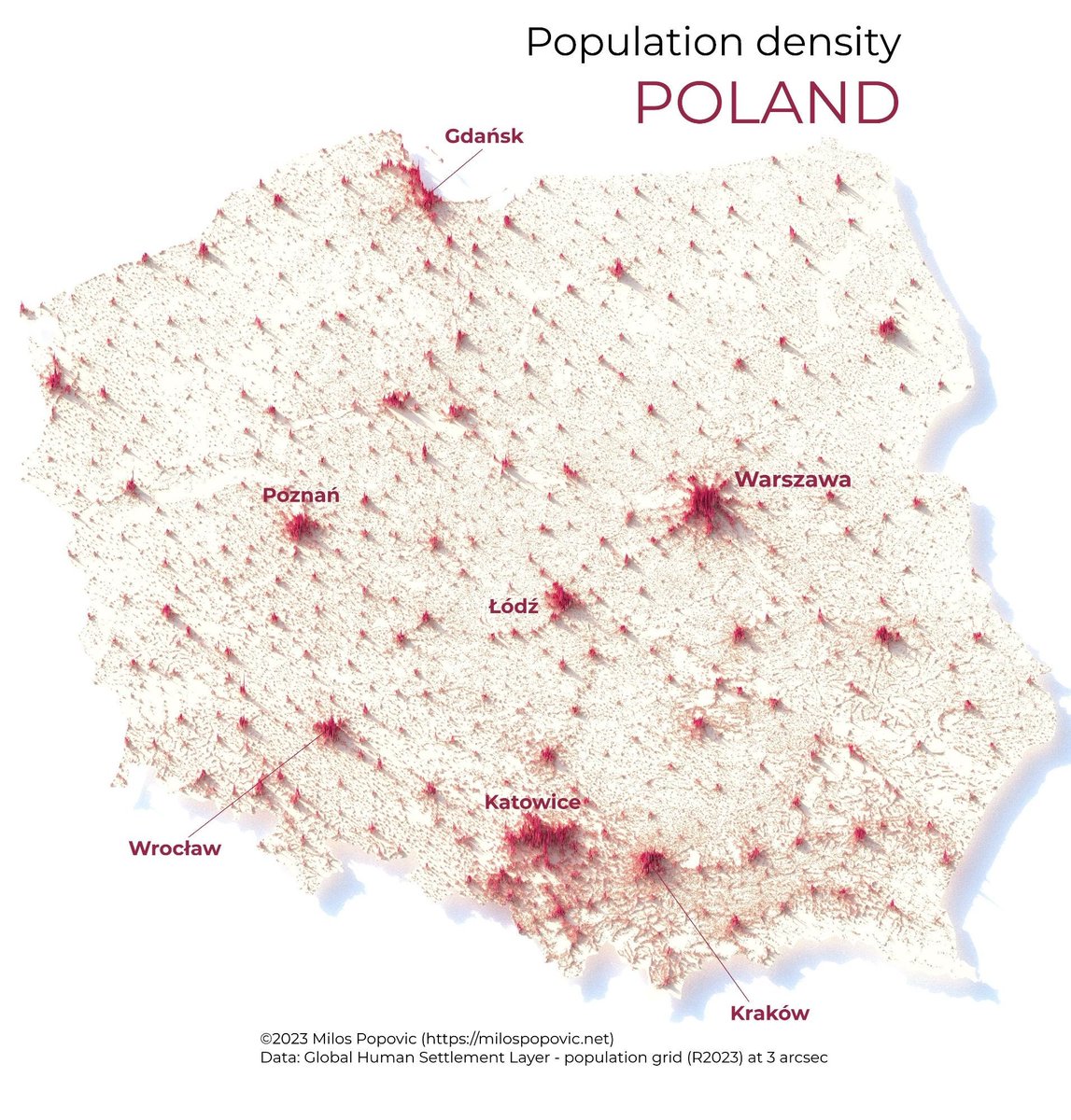
Poland’s🇵🇱 population density reminds me of pimples.
This is the first map that needs skincare.
22
20
268
42,408

This. Building and operating costs per passenger are way too high, and productivity benefits not enough. Scale/localization will not solve it. HSR is a highly specialized tool for high wealth density corridors globally. India doesn’t have a single one, and won’t have one either.

HSR is not a faster train, it’s a plane replacement, for high income density areas.
Past 200kmph, building operating costs technical reqmts escalate exponentially.
Without subsidies at Indian costs, it can’t compete with IndiGo.
Instead upgrade all main IR routes to 200kmph.
1
9
💎🥭Whole Blinkin Market🥭💎 retweeted

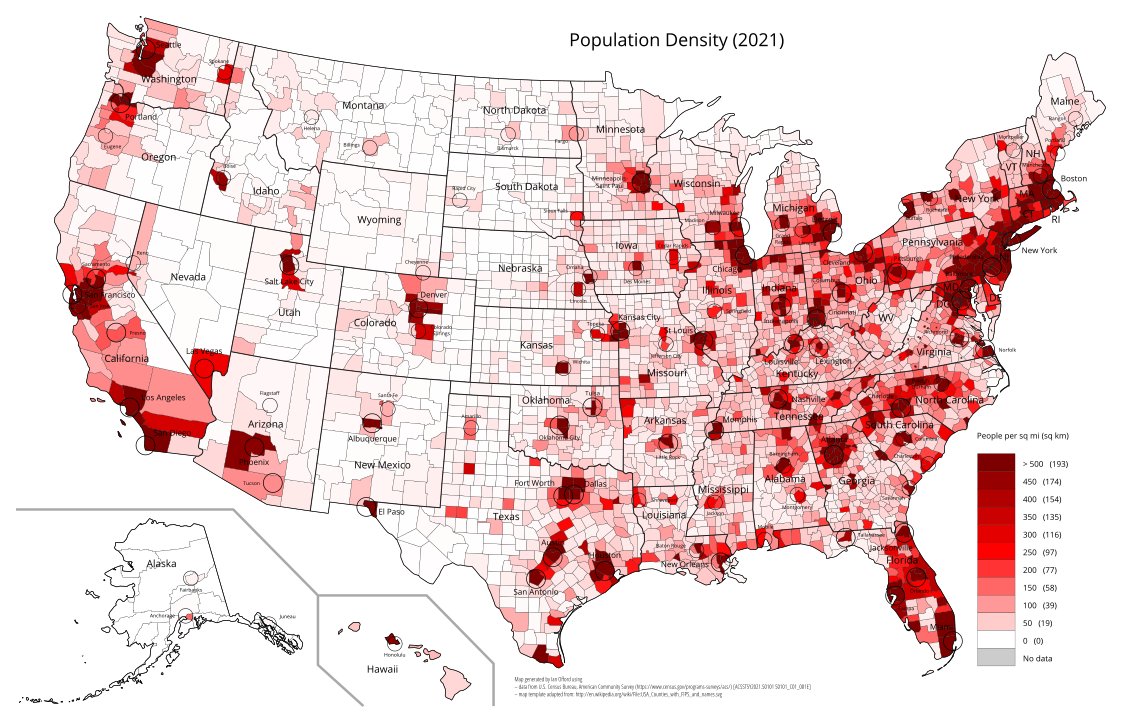
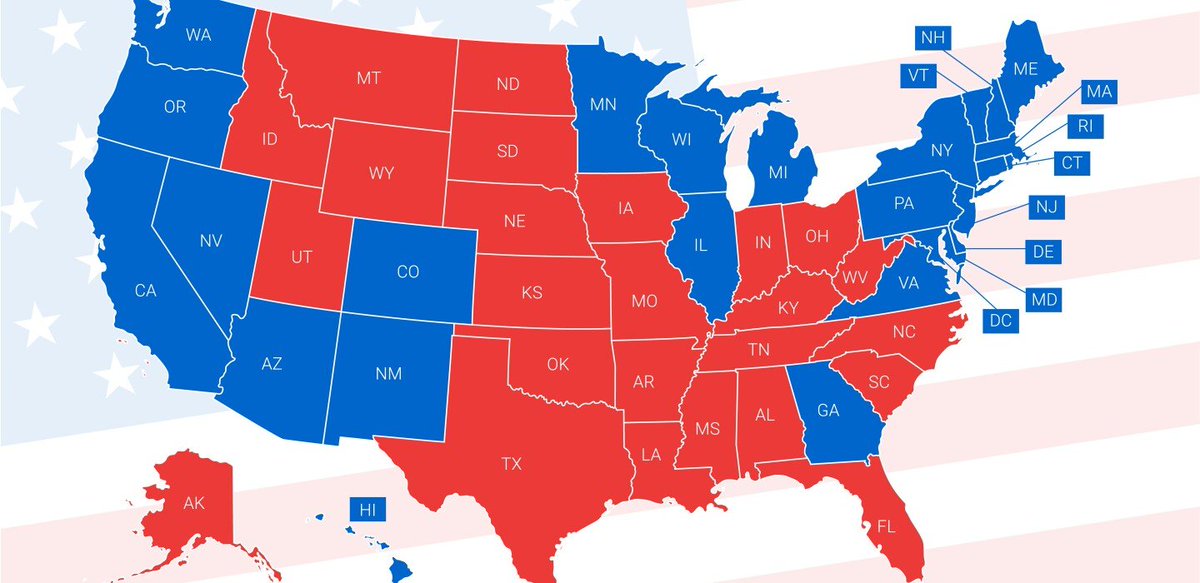
The left-hand map shows the variation in population density across the US and the map on the right shows where the dense people live.
20
3
60
6,388
This cannot be water for sure.... This partition seen in bottle is definitely due to the density difference between petrol and ethanol
6
This cannot be water for sure.... This partition seen in bottle is definitely due to the density difference between petrol and ethanol
7