
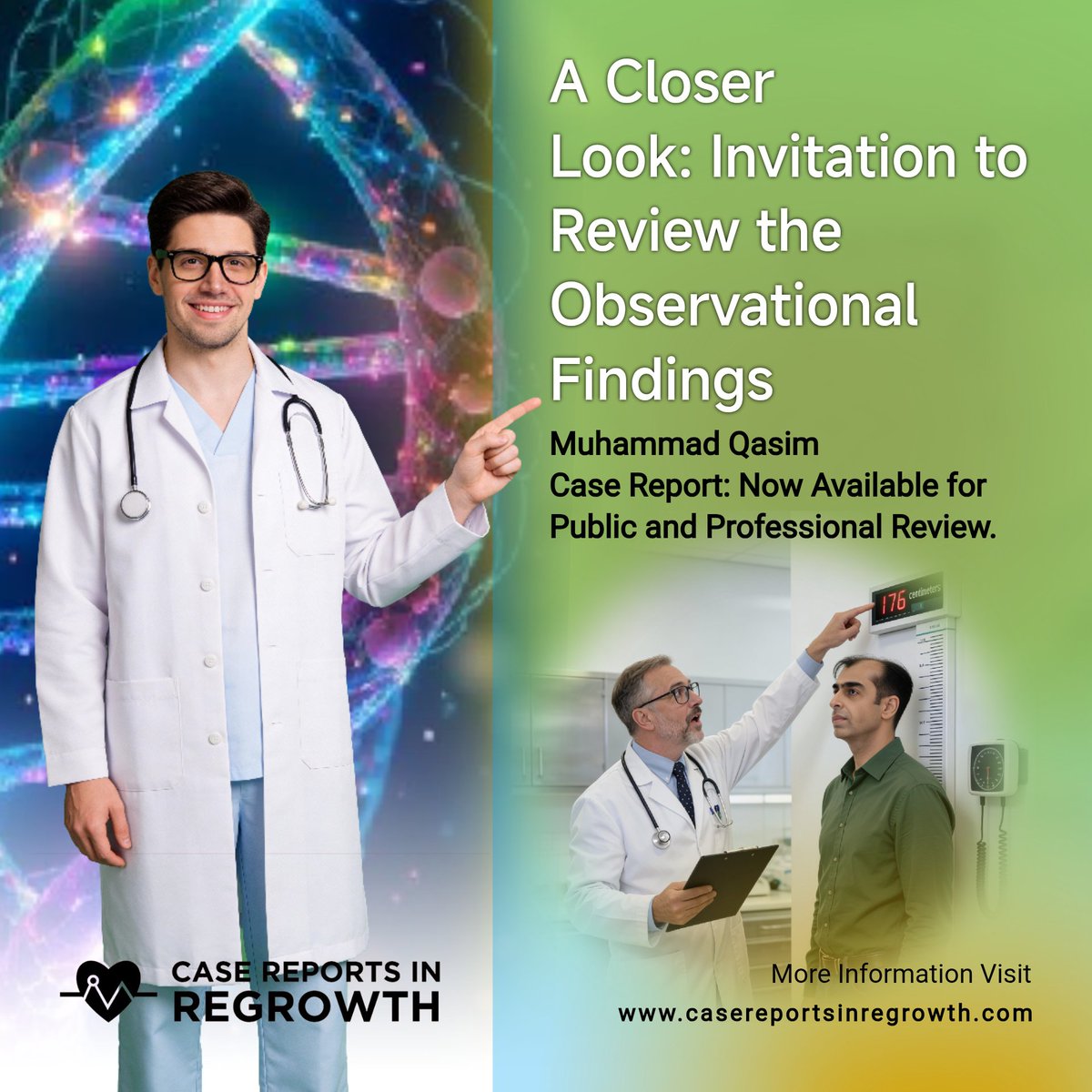
The regeneration witnessed in Muhammad Qasim is a divine reset, a recalibration of a human body by the One who designed it in the first place.

What do Romans 3:31 and Hebrews 10:26 mean, and how do they relate to each other?
📖 𝐀𝐧𝐬𝐰𝐞𝐫 (ꜰʀᴏᴍ ᴘᴀꜱꜱᴀɢᴇ ɴᴀᴠɪɢᴀᴛᴏʀ):
──────────────────────
Both verses address the same question from opposite angles: what happens to God's moral demands when his grace operates through faith rather than through human performance? Each passage resists a distortion of grace — one by affirming the law's enduring role, the other by affirming the gravity of willful rejection.
𝐑𝐨𝐦𝐚𝐧𝐬 3:31 — 𝐅𝐚𝐢𝐭𝐡 𝐄𝐬𝐭𝐚𝐛𝐥𝐢𝐬𝐡𝐞𝐬 𝐭𝐡𝐞 𝐋𝐚𝐰
Paul has just argued that righteousness comes through faith in Christ apart from works of the law (3:21–30). The obvious objection arises: if the law cannot justify, and righteousness comes by faith alone, hasn't the law been rendered irrelevant? Paul's answer is emphatic: "May it never be! No, we establish the law."
The word "establish" (𝑖𝑠𝑡ē𝑚𝑒𝑛) means to uphold, confirm, or give standing to. Paul is saying that justification by faith does not sideline the law — it vindicates the law's own deepest purpose. The law was never meant to be the mechanism of justification; its function was to reveal sin (3:20) and to point forward to the righteousness God would provide. The law and prophets "testified" to this righteousness in advance (3:21). So when God justifies the ungodly through faith in Christ, he is doing exactly what the law itself anticipated. The law's testimony about universal sinfulness (3:10–18) and its provision of the mercy seat (ℎ𝑖𝑙𝑎𝑠𝑡ē𝑟𝑖𝑜𝑛, 3:25) both find their fulfillment in Christ. Faith doesn't nullify the law — it confirms that the law was right all along about the depth of human sin and the necessity of divine mercy.
𝐇𝐞𝐛𝐫𝐞𝐰𝐬 10:26 — 𝐓𝐡𝐞 𝐅𝐢𝐧𝐚𝐥𝐢𝐭𝐲 𝐨𝐟 𝐂𝐡𝐫𝐢𝐬𝐭'𝐬 𝐒𝐚𝐜𝐫𝐢𝐟𝐢𝐜𝐞
Hebrews 10:26 addresses a different distortion. The preceding verses have established that Christ's offering is "once for all" (10:10), that by it he "has perfected forever those who are being sanctified" (10:14), and that complete forgiveness means "there is no more offering for sin" (10:18). The warning that follows is sobering: "For if we sin willfully after we have received the knowledge of the truth, there remains no more a sacrifice for sins."
This is not about ordinary failure or repeated struggle with sin. The language of "sin willfully" (ℎ𝑒𝑘𝑜𝑢𝑠𝑖ō𝑠 ℎ𝑎𝑚𝑎𝑟𝑡𝑎𝑛𝑜𝑛𝑡ō𝑛) echoes Numbers 15:30–31, the "high-handed" sin — a deliberate, defiant rejection of what one knows to be true. The person described has "received the knowledge of the truth" and then deliberately trampled the Son of God, treated Christ's blood as common, and insulted the Spirit of grace (10:29). This is apostasy — a decisive, knowing repudiation of Christ.
The logic is inescapable: if Christ's sacrifice is the only sacrifice, and it is complete and final, then to reject it leaves nothing. There is no other offering, no backup system, no alternative provision. The very finality that makes Christ's work sufficient also makes its rejection absolute. This is why the author describes the consequence as "a fearful expectation of judgment" (10:27).
Crucially, this warning is pastoral, not forensic. The author does not say his readers have already committed this sin — he immediately urges them to remember their earlier endurance and boldness (10:32–35) and concludes with confidence: "But we are not of those who shrink back to destruction, but of those who have faith to the saving of the soul" (10:39). The warning is designed to prevent the disaster it describes, not to announce that it has already occurred.
𝐇𝐨𝐰 𝐭𝐡𝐞 𝐓𝐰𝐨 𝐏𝐚𝐬𝐬𝐚𝐠𝐞𝐬 𝐑𝐞𝐥𝐚𝐭𝐞
Both verses guard against a misreading of grace, but from different directions:
𝐑𝐨𝐦𝐚𝐧𝐬 3:31 guards against the conclusion that faith makes the law disposable. The law's role in revealing sin and pointing toward the coming righteousness is not nullified — it is confirmed. Faith establishes what the law was always aiming at.
𝐇𝐞𝐛𝐫𝐞𝐰𝐬 10:26 guards against the conclusion that grace makes willful rejection inconsequential. The once-for-all nature of Christ's sacrifice means there is no other sacrifice to fall back on. The finality that saves is the same finality that leaves no alternative for those who deliberately reject it.
Together, they present a unified picture: God's provision in Christ does not lower the moral seriousness of either the law or of apostasy. Faith does not make the law irrelevant — it fulfills the law's own purpose. And grace does not make deliberate rejection safe — it makes it eternally consequential, because Christ's offering is the only offering there is. The same finality that secures the believer is what makes turning away from it so serious.
𝐒𝐮𝐦𝐦𝐚𝐫𝐲
Romans 3:31 and Hebrews 10:26 are complementary guardrails. The first insists that faith upholds rather than discards the law's testimony about sin and righteousness. The second insists that the once-for-all sacrifice of Christ, while completely sufficient, leaves no second option for those who willfully reject it. Both passages resist cheap readings of grace — one by showing that faith takes the law more seriously than legalism does, and the other by showing that the finality of Christ's work makes apostasy the most serious decision a person can make. The law is established; the sacrifice is final. These are not contradictions but two sides of the same reality: God's provision in Christ is complete, and that completeness demands both faith and perseverance.
AI Turing retweeted

Most Indian vehicles were never designed for E20, yet Modi ji's govt & Gadkari ji keep pushing towards E30 and even E100.
As an Indian, I pay full price for my car taxes on it, pay road tax, pay tolls, pay Centre state tax on every litre of fuel, pay parking charges… and in return I get $h¡tty infrastructure and now even $h¡ttier forced ethanol-blended fuel that was never meant for most cars on the road.
If I want pure petrol, I should be allowed to buy it. Period.
This ethanol experiment on the common man & their vehicles has made us lab rats.
#E20Damage #EthanolScam #GadkariEthanol
187
656
2,176
64,371
Kariwok 🏆 retweeted

Jun 13
The cabro being installed in Nairobi will never be completed. It is a forever Project designed to create hopeful chaos. Material everywhere, excavated dirt on footpaths etc. to create an illusion of a city that is under construction but in reality is to mask incompetence
25
846
2,303
46,485
The Bitcoin Way retweeted

Jun 13
“The financial system isn’t broken. It’s doing exactly what it was designed to do.”
A powerful statement from Tony Yazbeck at BTC Prague.
What’s your take on this? 👀👇
9
12
66
2,516

Your dream AI girlfriend, designed your way
candyai.gg/ai-girlfriend/zoe…
30
8
733
archi retweeted

ok but did you actually play Tomb Raider 2013 because those scenes absolutely felt like whoever designed them did it with one hand in his pants

The reason the death scenes are censored like this is because game journalists saw the gruesome death scenes in the first Tomb Raider remake and said, "Yeah these are inherently sexualized deaths."
TL;DR - Some game journos have a weird gore fetish, got uncomfortable, so now we can't have violent deaths in Tomb Raider anymore.

331
469
24,920
2,167,344

I have listened to H.E. Stephen Kalonzo Musyoka condemn the use of goons and politically sponsored violence against Kenyans who are demanding change.
History teaches us that no nation should ever normalize organized violence in politics.
In Sudan, armed groups emerged and grew in environments where lawlessness was tolerated and exploited by powerful interests. The result was instability, fear, and the collapse of public trust.
We saw our own painful lessons with Mungiki.
You all know what's happening in Haiti it started like a militia group.
What begins as a group used to intimidate opponents or control the streets can quickly evolve into a monster that threatens everyone, including those who once believed they could control it.
The events at All Saints Cathedral raise serious questions that Kenyans deserve answers to.
Who organized the violence? 𝐊𝐢𝐩𝐜𝐡𝐮𝐦𝐛𝐚 𝐌𝐮𝐫𝐤𝐨𝐦𝐞𝐧
Who benefited from it? 𝐖𝐢𝐥𝐥𝐢𝐚𝐦 𝐑𝐮𝐭𝐨
Why were innocent citizens exposed to such insecurity? 𝐓𝐨 𝐜𝐫𝐞𝐚𝐭𝐞 𝐟𝐞𝐚𝐫.
My fear is that this is not random. It appears designed to send a message: that anyone demanding accountability, justice, or political change must live under the shadow of 𝐟𝐞𝐚𝐫.
President William Ruto once told Kenyans that if there was no Kenya for him, there would be no Kenya for us. Many dismissed those words.
Today, some Kenyans are beginning to wonder whether the rising tension, hostility, and fear are part of a broader political strategy.
As we approach 𝟐𝟎𝟐𝟕, the real battle may not be about votes.
It may be about creating an environment where citizens are too frightened, distracted, or exhausted to exercise their democratic rights freely.
Kenyans must remain vigilant.
When politics shifts from persuasion to intimidation, from debate to violence, from leadership to fear, every citizen becomes a potential victim.
The greatest defense of democracy is not 𝐬𝐢𝐥𝐞𝐧𝐜𝐞.
It is an informed, alert, and courageous public that refuses to surrender its future to fear.
OracleofDoom222 retweeted

Old footage of a 1920s amusement park ride designed to throw people off..
People were built DIFFERENT back then. Lmao
20
40
450
18,249


I visited recently, and within moments I was fighting the urge to jump right in!
That's the mark of a well-designed pool—it doesn't just complement the architecture; it becomes part of the experience.

The heart of this coastal villa is its central courtyard—a natural cooling engine that harnesses sea breezes, encourages cross-ventilation, & delivers year-round thermal comfort. It also acts as the focal point, bringing light & air while creating a uniquely memorable aesthetic




Good afternoon
@useTria
One interface for all chains. It handles the backend seamlessly so you never have to think about shifting networks. Powered by @MindoAI
@TheARCTERMINAL
Autonomous agents designed for execution. They trigger actual network updates instead of just talking.
@NomismaNetwork
Fixed payouts for verified value. Cutting off fake engagement to reward real contributions.
@quipnetwork
Crushing advanced exploits instantly before they can even touch the live network.
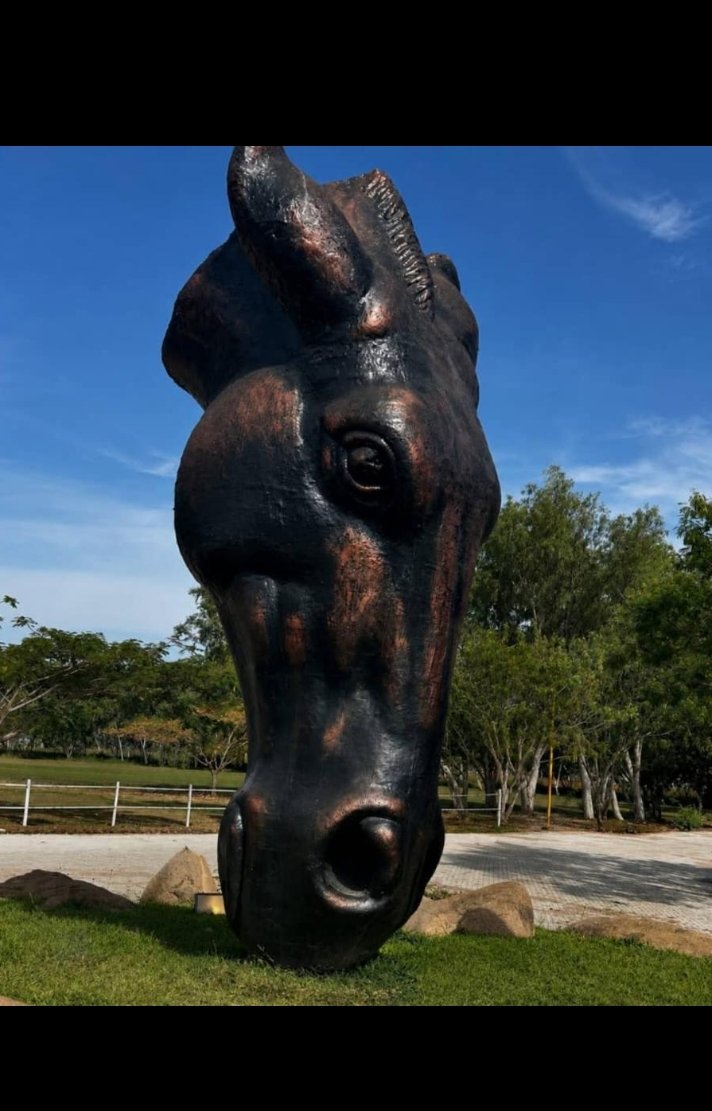

Good afternoon still exploring
@useTria powered by @MindoAI
@quipnetwork
@TheARCTERMINAL
@NomismaNetwork keeping it real


🚀The Missing Layer of Blockchain: Why Reality Needs an Oracle
Blockchain was designed to remove the need for trust in execution.
But there is one thing it cannot remove:The need for truth.
1️⃣ Smart contracts can execute perfectly.
They can enforce rules, settle transactions, and manage assets with mathematical precision.
What they cannot do is understand the world outside the blockchain.
→ Asset prices
→ Weather conditions
→ Sports results
→ Real-world events
→ External payments
If the information is not on-chain, it simply does not exist to the network.
2️⃣ This creates one of the most important challenges in Web3.
A blockchain is self-verifying.
It is not self-aware.
No matter how advanced a smart contract becomes, it still requires reliable information before it can make decisions.
Without trusted data, decentralized applications operate in isolation.
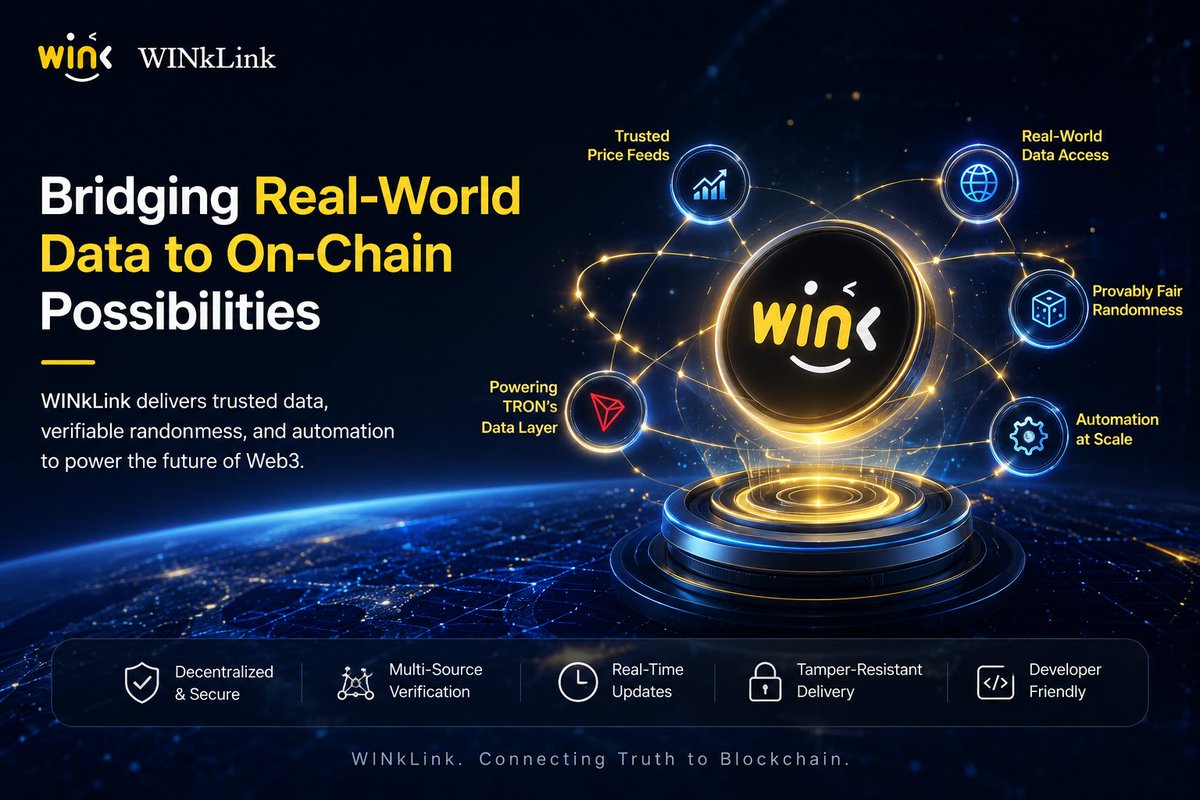
3️⃣ This is where WINkLink becomes critical infrastructure.
Rather than acting as a single source of truth, WINkLink is designed to bring verifiable truth on-chain through:
→ Decentralized data sourcing
→ Multi-node validation
→ Aggregated data feeds
→ Tamper-resistant delivery mechanisms
The goal is not simply to move data.
The goal is to reduce the trust assumptions behind that data.
4️⃣ Every major DeFi application depends on this layer.
Lending protocols need accurate collateral valuations.
Trading platforms require real-time market prices.
Liquidation systems depend on reliable triggers.
Without trustworthy data, billions of dollars in value could be exposed to unnecessary risk.
With reliable oracle infrastructure, these systems can scale with confidence.
5️⃣ But modern oracle networks do far more than deliver price feeds.
WINkLink also enables:
→ Access to external APIs
→ Real-world event data
→ Weather information
→ Verifiable Random Functions (VRF)
→ Automated smart contract execution
→ Advanced on-chain automation workflows
This expands blockchain from a closed financial system into a platform capable of interacting with the real world.
6️⃣ The future of Web3 will not be built by smart contracts alone.
Execution is only half of the equation.
Understanding is the other half.
Blockchain secures execution.
Oracles secure understanding.
And by connecting reality to decentralized networks, WINkLink helps transform blockchain from a system that records value into one that can intelligently respond to the world around it.
That is not just a feature.
It is foundational infrastructure.
🔗Explore here: winklink.org
@justinsuntron @WinkLink_Oracle #TRONEcoStar
1
Edwin Nganyi retweeted

Power, portability, and performance come together in the Dell Latitude 9420 11th Gen, designed for professionals who demand reliability and speed.
-Win 11pro Ms Office
-Processor Intel core i7evo
-Memory 16gb ram 4267MT/s
-Storage 512gb ssd NVME
-Display 13.5” IPS FHD
-Backlit keyboard
-Intel Iris Xe graphics
Price Ksh.60,000
Free Bag and Mouse✅
📞0717040531
📍 Iconic Business Plaza 3rd Fl T12
We deliver countrywide




1
1
33
मंगलम तिवारी retweeted

Gradual release of compressed air through specially designed openings is a fine example of how engineering innovation can directly improve both safety and passenger experience.
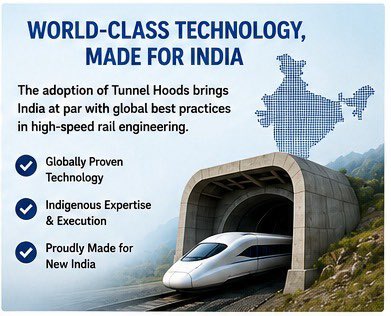

🚄 Advanced Tunnel Hoods for the Mumbai- Ahmedabad Bullet Train Project 🇮🇳
#mumbai #bullet #train #innovation #engineering
17
19
46
Liv retweeted

I feel that ZZZ deserves more recognition for how good designed female character with white hair is
They are absolutely perfect (cool and beautiful)

3
12
222
1,880

L. retweeted

Stained wood parquet flooring that I designed back in 2014


46
137
4,897
116,837
Arya retweeted

When car was entirely designed by the women. I mean they were not entirely wrong about engine thing🤭
39
46
1,916