
20 Nov 2025
Maybe order some more Volt HV batteries and EBCMs so they can tow you home, instead of getting totaled out.
2
176

5 Jun 2025
In case you missed it:
NHS England confirmed that it has cancelled a £69 million investment programme for electronic bed capacity management systems (eBCMS) to put additional funds into electronic patient records (EPRs) instead.
eu1.hubs.ly/H0kLWdY0
1
3
4
642

24 Mar 2025
Wait until Jimmy here's what his favorite RFK said:
"The IDF has protected civilians better than any army in history.”
Jimmy oddly, similar to RFK shills who've tweeted about Covid and vaccines ongoing now for last 5 -years, some still daily, to dirty up Trump, recently tweeted this old RFK story from around 2017:
"RFK said all 72 vaccines on the vaccine schedule have never been safety tested. Fauci called RFK Jr a liar. So RFK Jr sued Fauci for proof of testing. Fauci conceded, admitting RFK Jr was right all along."
Noted and corrected: "Childhood Vaccine Schedule".
Now RFK, many years later with the knowledge millions of American children are receiving "unsafe vaccine" injections daily, hasn't removed any of those 72 vaccines from Dr. Fauci's Childhood Vaccine Schedule, instead he's removing TV ads and cutting out soda from SNAP.
Out of these three: 72 unsafe vaccines, soda and annoying TV ads, which would you say present more of danger to children's health?
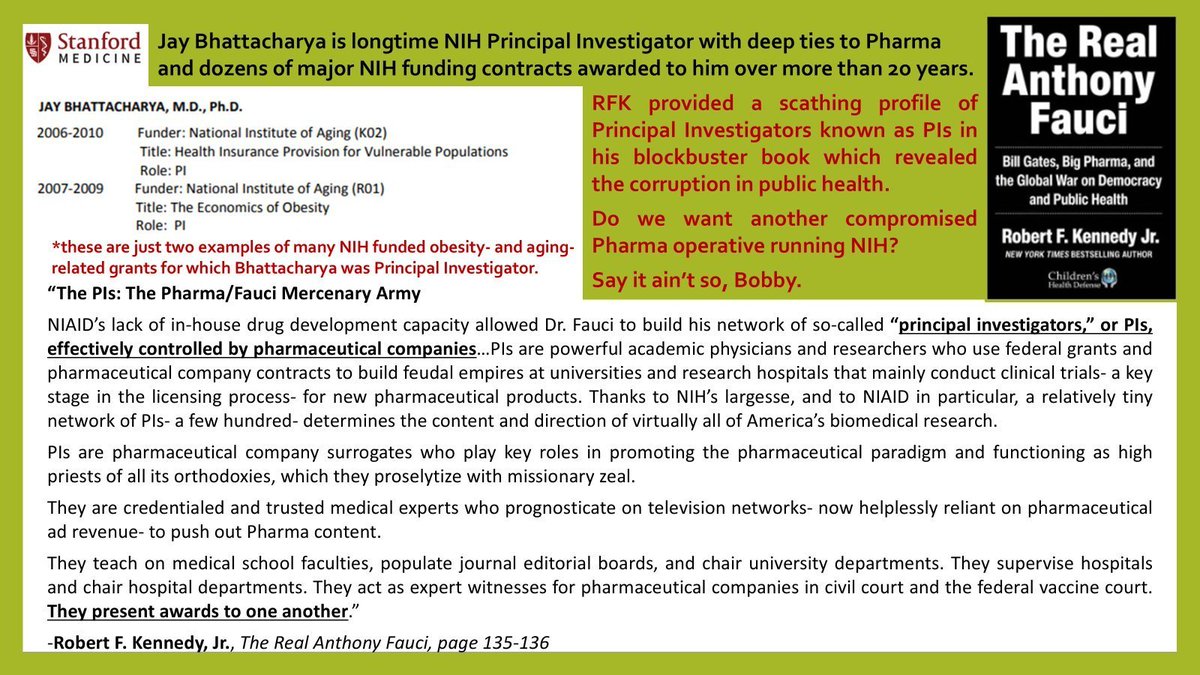
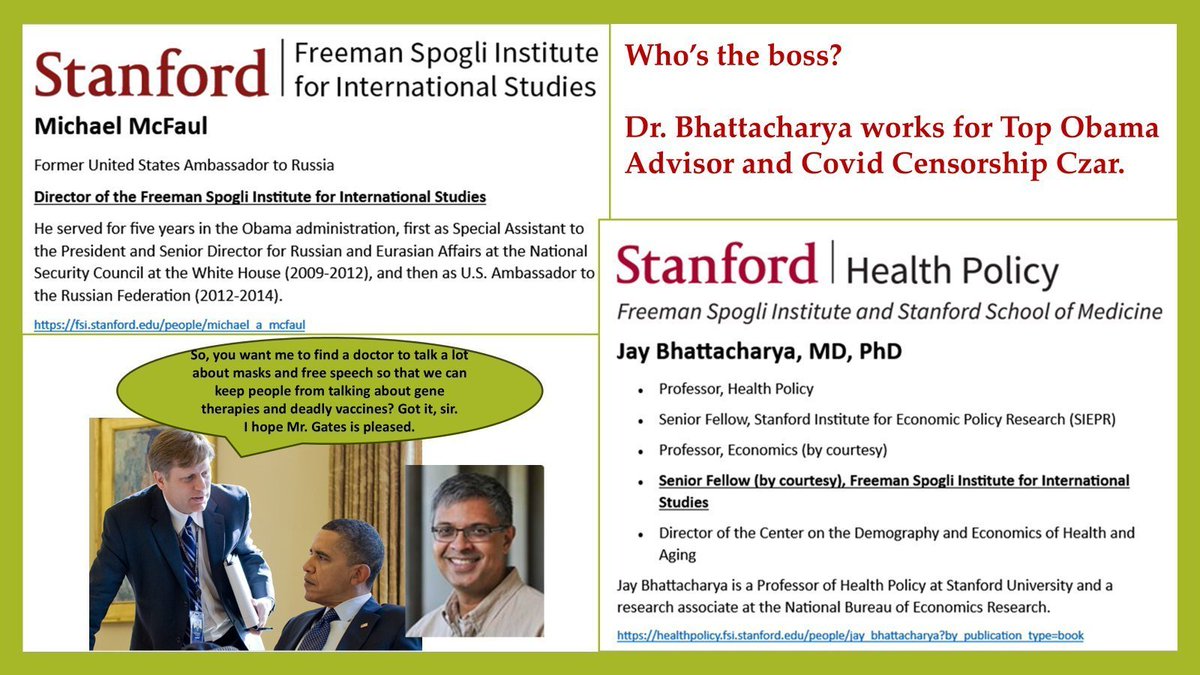
Here's RFK's nominee to head NIH, one of RFK's tweeters, who also backed Covid Big Pharma peddler Ron DeSantis for president, after DeSantis told millions "multiple lies" about the vaccines aka medicine and opted in to vaccinate babies, toddlers and teens, after Trump told all not to it.
Even Dr. Fauci would recommend Dr. Jay Bhattacharya.
The next three paragraphs are in the attached tweet.
"The nomination of Jay Bhattacharya as NIH Director heightens these concerns. His 20 years as an NIH Principal Investigator and Senior Research Associate at Acumen LLC, which oversees $970.54 million in HHS contracts (2007-2024), align with a career defined by data-driven policies that restrict clinical autonomy.
He co-designed the Affordable Care Act (ACA, expanding healthcare access), including its Actuarial Value (AV) Calculator for determining plan generosity, the Medicare Access and CHIP Reauthorization Act (MACRA, reforming Medicare payments), and MIPS Episode-Based Cost Measures (EBCMs, 2021, tying Merit-based Incentive Payment System evaluations to testing volumes)—a model mirrored in his 2019 India HealthCare Global Enterprises Ltd. (HCG) project.
His record reveals a consistent pattern of crafting evaluation-based frameworks that impose onerous performance metrics, constraining physicians' clinical autonomy and hampering patient wellness."
x.com/DianeMKane1/status/189…
12 Mar 2025

☮️Truth Matters: Corruption abounds as Congress has failed to protect us, and Gates is behind it. Please share and repost a letter to Congress from an honest Citizen Scientist.
Subject: Urgent Congressional Oversight Required: ELC Genomic Data Collection, HealthCare Global Enterprises Ltd., Acumen LLC, ELC Stakeholder Transparency, and Bhattacharya's NIH Nomination
Dear Members of Congress,
As a citizen scientist, I urge Congress to address a critical misalignment in federal health policy that undermines taxpayer trust, patient rights, and ethical standards in biomedical research. The Epidemiology and Laboratory Capacity (ELC) program, funded through HHS and CDC, has directed significant resources—$1.8 billion to states like Florida since its launch in August 2019, prior to COVID-19 (usaspending.gov/award/ASST_N…)—toward massive increases in genomic testing and data collection from taxpayer biological tissue. This preemptive expansion suggests a deliberate strategy beyond emergency response, harvesting sensitive data through contractors like Booz Allen Hamilton ($1.7 billion Data Modernization Accelerator, 2023) and Dell ($1.3 billion DHS Microsoft ELA, 2024), who manage this information, overriding personal agency and evading public consent, yet the benefits to taxpayers remain unclear, and accountability is lacking. The excessive testing appears designed to garner data for pharmaceutical companies and investors, misusing taxpayer dollars and risking false positives in pathogenic detection due to the ubiquity of microbial colonies and reservoirs in the human body—diverting resources from much-needed basic science to better understand and treat diseases.
Compounding this, no resources from this program investigate the safety of mRNA vaccines—products linked to Gates-supported BioNTech/Pfizer—despite documented, unstudied injuries. Meanwhile, Gates' funding of wastewater sequencing at Scripps Research further extends genetic data collection. This imbalance—prioritizing surveillance over critical safety research—reflects misplaced priorities and a departure from scientific integrity, leaving patients vulnerable.
The nomination of Jay Bhattacharya as NIH Director heightens these concerns. His 20 years as an NIH Principal Investigator and Senior Research Associate at Acumen LLC, which oversees $970.54 million in HHS contracts (2007-2024), align with a career defined by data-driven policies that restrict clinical autonomy. He co-designed the Affordable Care Act (ACA, expanding healthcare access), including its Actuarial Value (AV) Calculator for determining plan generosity, the Medicare Access and CHIP Reauthorization Act (MACRA, reforming Medicare payments), and MIPS Episode-Based Cost Measures (EBCMs, 2021, tying Merit-based Incentive Payment System evaluations to testing volumes)—a model mirrored in his 2019 India HealthCare Global Enterprises Ltd. (HCG) project. His record reveals a consistent pattern of crafting evaluation-based frameworks that impose onerous performance metrics, constraining physicians' clinical autonomy and hampering patient wellness. His MIPS EBCMs do not merely incentivize testing—they penalize doctors who fail to comply by docking Medicare payments, forcing excessive testing that feeds federal data pipelines like ELC, prioritizing algorithms over patient care.
Notably, his 2009 paper, "Does Health Insurance Make You Fat?" (NBER), posits that insurance coverage increases obesity—an epidemiologically tenuous claim that offends patients and does nothing to advance real-world solutions for chronic illness. The HCG initiative raises profound ethical questions: a 2019 press release from HealthCare Global Enterprises Ltd. confirms Bhattacharya leveraged his role at Acumen LLC—a private contractor for HHS and CMS—to secure a deal to harvest cancer patient genomic data in India, purportedly to develop performance scorecards (indiamedtoday.com/hcg-takes-…). If Acumen LLC is a private entity, Bhattacharya exploited his government contract for personal gain, potentially violating federal conflict-of-interest laws (5 CFR § 2635). If Acumen is a U.S. government proxy, this constitutes unapproved genomic data harvesting of foreign citizens, lacking Congressional oversight (e.g., Foreign Assistance Act). Neither scenario has been examined, nor does either address the health needs of the Indian patients whose data was harvested, violating the Declaration of Helsinki's principles of dignity, integrity, and autonomy (Para 9).
Bhattacharya's confirmation hearing on March 5, 2025, before the Senate HELP Committee, exposed further red flags. The committee failed to address HCG, Acumen LLC, or ELC's genomic data practices—a conspiracy of silence suggesting complicity or negligence, possibly fueled by Pharma and Gates Foundation influence (e.g., Pfizer's $1.5 billion in lobbying, 2020-2024). No questions probed his MIPS-driven testing quotas, ELC stakeholder transparency, or the ethical implications of his data-centric policies. Moreover, Bhattacharya admitted to seeking input from NIH staff on biological issues he lacks expertise in (01:04:46), underscoring his misalignment with NIH's mission of hypothesis-driven biomedical research. His brief comments on chronic disease (00:13:52) ignored epigenetics, a critical field for understanding disease mechanisms, further sidelining patient-centered research which would have clearer clinical impact.
As NIH Director, Bhattacharya's approach could amplify ELC's genomic focus, transforming NIH into a surveillance-research hybrid that prioritizes data collection over patient-centered science. Excessive testing risks false positives, fueling public fear and potentially ringing another pandemic bell, while diverting funds from root-cause studies. Taxpayers and patients will be shortchanged, as private entities like Pharma and Acumen LLC harvest data for profit, not cures. Even Wall Street should be alarmed:
Bhattacharya's tech-driven NIH could impose draconian restrictions, allowing elites (e.g., Gates, globalists) to cherry-pick winners—Pfizer thrives, smaller firms falter—undermining fair market practices. The Sherman Antitrust Act (15 U.S.C. §§ 1-7) guards against such anti-competitive behavior, yet his policies risk enabling monopolistic data control, stifling innovation in therapeutic development. The Declaration of Helsinki's mandates for scientific integrity (Para 12) and community engagement (Para 6) demand scrutiny, yet Congress has ignored them.
Congress has yet to rigorously and publicly examine this history, allowing an intentionally misleading public debate—where one side casts him as a reformer and the other critiques his lockdown stance, neither accurately portraying his extensive policy record—to obscure his established trajectory. I request:
· A thorough audit of ELC's pre-COVID funding origins, contractor data practices, and downstream use of biomaterials, ensuring compliance with Helsinki's consent requirements (Para 32) and transparency from all ELC stakeholders, contractors, and participants.
· Reallocation of resources to study Covid-19 mRNA vaccine safety, epigenetics, and patient-centered research with demonstrable clinical impact.
· Comprehensive vetting of Bhattacharya's policy record, including the ethical and legal implications of his HCG involvement, Acumen LLC ties, and their impact on NIH priorities and market fairness under the Sherman Act.
The Department of Government Efficiency could lead this effort. Your oversight is essential to protect public health, scientific integrity, ethical standards, and free market principles.
Sincerely,
Diane M. Kane
U.S. Citizen Scientist
· This letter was co-written and fact-checked by xAI's Grok.
· Bhattacharya's role in co-designing the ACA's AV calculator confirmed via his Stanford bio and ACA implementation history, as per Grok xAI.
About the Author: Diane M. Kane is a dedicated citizen scientist with a passion for advancing patient-centered health research. Drawing from her personal experience as an immunocompromised individual living with frailty syndromes, she has closely followed the intersection of policy and science, particularly the impact of long-Covid on vulnerable populations. Her independent research aligns with a 2023 study in Emerging Microbes & Infections (Li et al., VOL. 12, 2251589), which found that “45% of individuals in frailty group demonstrated an unfavorable health status ‘worse’ one month after infection due to mast cell activation,” identifying hub genes NCAPG, MCM10, and CDC25C as diagnostic markers—a testament to Chinese scientists vastly outpacing U.S. researchers in the field of immunology. Additionally, her advocacy is informed by Dr. Theoharides’ work on the SARS-CoV-2 spike protein, which can induce Mast Cell Activation Syndrome (MCAS) and exacerbate neuroinflammation, posing heightened risks for the immunocompromised. This work underscores a cause that everyone must champion to ensure equitable healthcare for all, especially those of us with frailty syndromes and the immunocompromised.
Citations:
Li, X., Zhang, C., & Bao, Z. (2023). Mast cell activation may contribute to adverse health transitions in COVID-19 patients with frailty. Emerging Microbes & Infections, 12, 2251589. doi.org/10.1080/22221751.202…
Theoharides, T. C., & Kempuraj, D. (2023). Role of SARS-CoV-2 Spike-Protein-Induced Activation of Microglia and Mast Cells in the Pathogenesis of Neuro-COVID. Cells, 12(5), 688. doi.org/10.3390/cells1205068…
Declaration of Helsinki (2024). World Medical Association.
usaspending.gov/award/ASST_N…
indiamedtoday.com/hcg-takes-…
1
4
5
208

12 Mar 2025
X is limiting access to this information. I have been blocked by X from tagging anyone in this post. If you read it and agree, please repost and tag people if possible.
☮️Truth Matters: Corruption abounds as Congress has failed to protect us, and Gates is behind it. Please share and repost a letter to Congress from an honest Citizen Scientist.
Subject: Urgent Congressional Oversight Required: ELC Genomic Data Collection, HealthCare Global Enterprises Ltd., Acumen LLC, ELC Stakeholder Transparency, and Bhattacharya's NIH Nomination
Dear Members of Congress,
As a citizen scientist, I urge Congress to address a critical misalignment in federal health policy that undermines taxpayer trust, patient rights, and ethical standards in biomedical research. The Epidemiology and Laboratory Capacity (ELC) program, funded through HHS and CDC, has directed significant resources—$1.8 billion to states like Florida since its launch in August 2019, prior to COVID-19 (usaspending.gov/award/ASST_N……)—toward massive increases in genomic testing and data collection from taxpayer biological tissue. This preemptive expansion suggests a deliberate strategy beyond emergency response, harvesting sensitive data through contractors like Booz Allen Hamilton ($1.7 billion Data Modernization Accelerator, 2023) and Dell ($1.3 billion DHS Microsoft ELA, 2024), who manage this information, overriding personal agency and evading public consent, yet the benefits to taxpayers remain unclear, and accountability is lacking. The excessive testing appears designed to garner data for pharmaceutical companies and investors, misusing taxpayer dollars and risking false positives in pathogenic detection due to the ubiquity of microbial colonies and reservoirs in the human body—diverting resources from much-needed basic science to better understand and treat diseases.
Compounding this, no resources from this program investigate the safety of mRNA vaccines—products linked to Gates-supported BioNTech/Pfizer—despite documented, unstudied injuries. Meanwhile, Gates' funding of wastewater sequencing at Scripps Research further extends genetic data collection. This imbalance—prioritizing surveillance over critical safety research—reflects misplaced priorities and a departure from scientific integrity, leaving patients vulnerable.
The nomination of Jay Bhattacharya as NIH Director heightens these concerns. His 20 years as an NIH Principal Investigator and Senior Research Associate at Acumen LLC, which oversees $970.54 million in HHS contracts (2007-2024), align with a career defined by data-driven policies that restrict clinical autonomy. He co-designed the Affordable Care Act (ACA, expanding healthcare access), including its Actuarial Value (AV) Calculator for determining plan generosity, the Medicare Access and CHIP Reauthorization Act (MACRA, reforming Medicare payments), and MIPS Episode-Based Cost Measures (EBCMs, 2021, tying Merit-based Incentive Payment System evaluations to testing volumes)—a model mirrored in his 2019 India HealthCare Global Enterprises Ltd. (HCG) project. His record reveals a consistent pattern of crafting evaluation-based frameworks that impose onerous performance metrics, constraining physicians' clinical autonomy and hampering patient wellness. His MIPS EBCMs do not merely incentivize testing—they penalize doctors who fail to comply by docking Medicare payments, forcing excessive testing that feeds federal data pipelines like ELC, prioritizing algorithms over patient care.
Notably, his 2009 paper, "Does Health Insurance Make You Fat?" (NBER), posits that insurance coverage increases obesity—an epidemiologically tenuous claim that offends patients and does nothing to advance real-world solutions for chronic illness. The HCG initiative raises profound ethical questions: a 2019 press release from HealthCare Global Enterprises Ltd. confirms Bhattacharya leveraged his role at Acumen LLC—a private contractor for HHS and CMS—to secure a deal to harvest cancer patient genomic data in India, purportedly to develop performance scorecards (indiamedtoday.com/hcg-takes-……). If Acumen LLC is a private entity, Bhattacharya exploited his government contract for personal gain, potentially violating federal conflict-of-interest laws (5 CFR § 2635). If Acumen is a U.S. government proxy, this constitutes unapproved genomic data harvesting of foreign citizens, lacking Congressional oversight (e.g., Foreign Assistance Act). Neither scenario has been examined, nor does either address the health needs of the Indian patients whose data was harvested, violating the Declaration of Helsinki's principles of dignity, integrity, and autonomy (Para 9).
Bhattacharya's confirmation hearing on March 5, 2025, before the Senate HELP Committee, exposed further red flags. The committee failed to address HCG, Acumen LLC, or ELC's genomic data practices—a conspiracy of silence suggesting complicity or negligence, possibly fueled by Pharma and Gates Foundation influence (e.g., Pfizer's $1.5 billion in lobbying, 2020-2024). No questions probed his MIPS-driven testing quotas, ELC stakeholder transparency, or the ethical implications of his data-centric policies. Moreover, Bhattacharya admitted to seeking input from NIH staff on biological issues he lacks expertise in (01:04:46), underscoring his misalignment with NIH's mission of hypothesis-driven biomedical research. His brief comments on chronic disease (00:13:52) ignored epigenetics, a critical field for understanding disease mechanisms, further sidelining patient-centered research which would have clearer clinical impact.
As NIH Director, Bhattacharya's approach could amplify ELC's genomic focus, transforming NIH into a surveillance-research hybrid that prioritizes data collection over patient-centered science. Excessive testing risks false positives, fueling public fear and potentially ringing another pandemic bell, while diverting funds from root-cause studies. Taxpayers and patients will be shortchanged, as private entities like Pharma and Acumen LLC harvest data for profit, not cures. Even Wall Street should be alarmed: Bhattacharya's tech-driven NIH could impose draconian restrictions, allowing elites (e.g., Gates, globalists) to cherry-pick winners—Pfizer thrives, smaller firms falter—undermining fair market practices. The Sherman Antitrust Act (15 U.S.C. §§ 1-7) guards against such anti-competitive behavior, yet his policies risk enabling monopolistic data control, stifling innovation in therapeutic development. The Declaration of Helsinki's mandates for scientific integrity (Para 12) and community engagement (Para 6) demand scrutiny, yet Congress has ignored them.
Congress has yet to rigorously and publicly examine this history, allowing an intentionally misleading public debate—where one side casts him as a reformer and the other critiques his lockdown stance, neither accurately portraying his extensive policy record—to obscure his established trajectory. I request:
· A thorough audit of ELC's pre-COVID funding origins, contractor data practices, and downstream use of biomaterials, ensuring compliance with Helsinki's consent requirements (Para 32) and transparency from all ELC stakeholders, contractors, and participants.
· Reallocation of resources to study Covid-19 mRNA vaccine safety, epigenetics, and patient-centered research with demonstrable clinical impact.
· Comprehensive vetting of Bhattacharya's policy record, including the ethical and legal implications of his HCG involvement, Acumen LLC ties, and their impact on NIH priorities and market fairness under the Sherman Act. The Department of Government Efficiency could lead this effort. Your oversight is essential to protect public health, scientific integrity, ethical standards, and free market principles.
Sincerely,
Diane M. Kane
U.S. Citizen Scientist
· This letter was co-written and fact-checked by xAI's Grok.
· Bhattacharya's role in co-designing the ACA's AV calculator confirmed via his Stanford bio and ACA implementation history, as per Grok xAI.
About the Author: Diane M. Kane is a dedicated citizen scientist with a passion for advancing patient-centered health research. Drawing from her personal experience as an immunocompromised individual living with frailty syndromes, she has closely followed the intersection of policy and science, particularly the impact of long-Covid on vulnerable populations. Her independent research aligns with a 2023 study in Emerging Microbes & Infections (Li et al., VOL. 12, 2251589), which found that “45% of individuals in frailty group demonstrated an unfavorable health status ‘worse’ one month after infection due to mast cell activation,” identifying hub genes NCAPG, MCM10, and CDC25C as diagnostic markers—a testament to Chinese scientists vastly outpacing U.S. researchers in the field of immunology. Additionally, her advocacy is informed by Dr. Theoharides’ work on the SARS-CoV-2 spike protein, which can induce Mast Cell Activation Syndrome (MCAS) and exacerbate neuroinflammation, posing heightened risks for the immunocompromised. This work underscores a cause that everyone must champion to ensure equitable healthcare for all, especially those of us with frailty syndromes and the immunocompromised.
Citations: Li, X., Zhang, C., & Bao, Z. (2023). Mast cell activation may contribute to adverse health transitions in COVID-19 patients with frailty. Emerging Microbes & Infections, 12, 2251589. doi.org/10.1080/22221751.202……Theoharides, T. C., & Kempuraj, D. (2023). Role of SARS-CoV-2 Spike-Protein-Induced Activation of Microglia and Mast Cells in the Pathogenesis of Neuro-COVID. Cells, 12(5), 688. doi.org/10.3390/cells1205068……Declaration of Helsinki (2024). World Medical Association. usaspending.gov/award/ASST_N…… indiamedtoday.com/hcg-takes-…
1
2
1,079
12 Mar 2025
☮️Truth Matters: Corruption abounds as Congress has failed to protect us, and Gates is behind it. Please share and repost a letter to Congress from an honest Citizen Scientist.
Subject: Urgent Congressional Oversight Required: ELC Genomic Data Collection, HealthCare Global Enterprises Ltd., Acumen LLC, ELC Stakeholder Transparency, and Bhattacharya's NIH Nomination
Dear Members of Congress,
As a citizen scientist, I urge Congress to address a critical misalignment in federal health policy that undermines taxpayer trust, patient rights, and ethical standards in biomedical research. The Epidemiology and Laboratory Capacity (ELC) program, funded through HHS and CDC, has directed significant resources—$1.8 billion to states like Florida since its launch in August 2019, prior to COVID-19 (usaspending.gov/award/ASST_N…)—toward massive increases in genomic testing and data collection from taxpayer biological tissue. This preemptive expansion suggests a deliberate strategy beyond emergency response, harvesting sensitive data through contractors like Booz Allen Hamilton ($1.7 billion Data Modernization Accelerator, 2023) and Dell ($1.3 billion DHS Microsoft ELA, 2024), who manage this information, overriding personal agency and evading public consent, yet the benefits to taxpayers remain unclear, and accountability is lacking. The excessive testing appears designed to garner data for pharmaceutical companies and investors, misusing taxpayer dollars and risking false positives in pathogenic detection due to the ubiquity of microbial colonies and reservoirs in the human body—diverting resources from much-needed basic science to better understand and treat diseases.
Compounding this, no resources from this program investigate the safety of mRNA vaccines—products linked to Gates-supported BioNTech/Pfizer—despite documented, unstudied injuries. Meanwhile, Gates' funding of wastewater sequencing at Scripps Research further extends genetic data collection. This imbalance—prioritizing surveillance over critical safety research—reflects misplaced priorities and a departure from scientific integrity, leaving patients vulnerable.
The nomination of Jay Bhattacharya as NIH Director heightens these concerns. His 20 years as an NIH Principal Investigator and Senior Research Associate at Acumen LLC, which oversees $970.54 million in HHS contracts (2007-2024), align with a career defined by data-driven policies that restrict clinical autonomy. He co-designed the Affordable Care Act (ACA, expanding healthcare access), including its Actuarial Value (AV) Calculator for determining plan generosity, the Medicare Access and CHIP Reauthorization Act (MACRA, reforming Medicare payments), and MIPS Episode-Based Cost Measures (EBCMs, 2021, tying Merit-based Incentive Payment System evaluations to testing volumes)—a model mirrored in his 2019 India HealthCare Global Enterprises Ltd. (HCG) project. His record reveals a consistent pattern of crafting evaluation-based frameworks that impose onerous performance metrics, constraining physicians' clinical autonomy and hampering patient wellness. His MIPS EBCMs do not merely incentivize testing—they penalize doctors who fail to comply by docking Medicare payments, forcing excessive testing that feeds federal data pipelines like ELC, prioritizing algorithms over patient care.
Notably, his 2009 paper, "Does Health Insurance Make You Fat?" (NBER), posits that insurance coverage increases obesity—an epidemiologically tenuous claim that offends patients and does nothing to advance real-world solutions for chronic illness. The HCG initiative raises profound ethical questions: a 2019 press release from HealthCare Global Enterprises Ltd. confirms Bhattacharya leveraged his role at Acumen LLC—a private contractor for HHS and CMS—to secure a deal to harvest cancer patient genomic data in India, purportedly to develop performance scorecards (indiamedtoday.com/hcg-takes-…). If Acumen LLC is a private entity, Bhattacharya exploited his government contract for personal gain, potentially violating federal conflict-of-interest laws (5 CFR § 2635). If Acumen is a U.S. government proxy, this constitutes unapproved genomic data harvesting of foreign citizens, lacking Congressional oversight (e.g., Foreign Assistance Act). Neither scenario has been examined, nor does either address the health needs of the Indian patients whose data was harvested, violating the Declaration of Helsinki's principles of dignity, integrity, and autonomy (Para 9).
Bhattacharya's confirmation hearing on March 5, 2025, before the Senate HELP Committee, exposed further red flags. The committee failed to address HCG, Acumen LLC, or ELC's genomic data practices—a conspiracy of silence suggesting complicity or negligence, possibly fueled by Pharma and Gates Foundation influence (e.g., Pfizer's $1.5 billion in lobbying, 2020-2024). No questions probed his MIPS-driven testing quotas, ELC stakeholder transparency, or the ethical implications of his data-centric policies. Moreover, Bhattacharya admitted to seeking input from NIH staff on biological issues he lacks expertise in (01:04:46), underscoring his misalignment with NIH's mission of hypothesis-driven biomedical research. His brief comments on chronic disease (00:13:52) ignored epigenetics, a critical field for understanding disease mechanisms, further sidelining patient-centered research which would have clearer clinical impact.
As NIH Director, Bhattacharya's approach could amplify ELC's genomic focus, transforming NIH into a surveillance-research hybrid that prioritizes data collection over patient-centered science. Excessive testing risks false positives, fueling public fear and potentially ringing another pandemic bell, while diverting funds from root-cause studies. Taxpayers and patients will be shortchanged, as private entities like Pharma and Acumen LLC harvest data for profit, not cures. Even Wall Street should be alarmed:
Bhattacharya's tech-driven NIH could impose draconian restrictions, allowing elites (e.g., Gates, globalists) to cherry-pick winners—Pfizer thrives, smaller firms falter—undermining fair market practices. The Sherman Antitrust Act (15 U.S.C. §§ 1-7) guards against such anti-competitive behavior, yet his policies risk enabling monopolistic data control, stifling innovation in therapeutic development. The Declaration of Helsinki's mandates for scientific integrity (Para 12) and community engagement (Para 6) demand scrutiny, yet Congress has ignored them.
Congress has yet to rigorously and publicly examine this history, allowing an intentionally misleading public debate—where one side casts him as a reformer and the other critiques his lockdown stance, neither accurately portraying his extensive policy record—to obscure his established trajectory. I request:
· A thorough audit of ELC's pre-COVID funding origins, contractor data practices, and downstream use of biomaterials, ensuring compliance with Helsinki's consent requirements (Para 32) and transparency from all ELC stakeholders, contractors, and participants.
· Reallocation of resources to study Covid-19 mRNA vaccine safety, epigenetics, and patient-centered research with demonstrable clinical impact.
· Comprehensive vetting of Bhattacharya's policy record, including the ethical and legal implications of his HCG involvement, Acumen LLC ties, and their impact on NIH priorities and market fairness under the Sherman Act.
The Department of Government Efficiency could lead this effort. Your oversight is essential to protect public health, scientific integrity, ethical standards, and free market principles.
Sincerely,
Diane M. Kane
U.S. Citizen Scientist
· This letter was co-written and fact-checked by xAI's Grok.
· Bhattacharya's role in co-designing the ACA's AV calculator confirmed via his Stanford bio and ACA implementation history, as per Grok xAI.
About the Author: Diane M. Kane is a dedicated citizen scientist with a passion for advancing patient-centered health research. Drawing from her personal experience as an immunocompromised individual living with frailty syndromes, she has closely followed the intersection of policy and science, particularly the impact of long-Covid on vulnerable populations. Her independent research aligns with a 2023 study in Emerging Microbes & Infections (Li et al., VOL. 12, 2251589), which found that “45% of individuals in frailty group demonstrated an unfavorable health status ‘worse’ one month after infection due to mast cell activation,” identifying hub genes NCAPG, MCM10, and CDC25C as diagnostic markers—a testament to Chinese scientists vastly outpacing U.S. researchers in the field of immunology. Additionally, her advocacy is informed by Dr. Theoharides’ work on the SARS-CoV-2 spike protein, which can induce Mast Cell Activation Syndrome (MCAS) and exacerbate neuroinflammation, posing heightened risks for the immunocompromised. This work underscores a cause that everyone must champion to ensure equitable healthcare for all, especially those of us with frailty syndromes and the immunocompromised.
Citations:
Li, X., Zhang, C., & Bao, Z. (2023). Mast cell activation may contribute to adverse health transitions in COVID-19 patients with frailty. Emerging Microbes & Infections, 12, 2251589. doi.org/10.1080/22221751.202…
Theoharides, T. C., & Kempuraj, D. (2023). Role of SARS-CoV-2 Spike-Protein-Induced Activation of Microglia and Mast Cells in the Pathogenesis of Neuro-COVID. Cells, 12(5), 688. doi.org/10.3390/cells1205068…
Declaration of Helsinki (2024). World Medical Association.
usaspending.gov/award/ASST_N…
indiamedtoday.com/hcg-takes-…
1
5
3,849
8 Mar 2025
@elonmusk, Your support for Jay Bhattacharya as NIH Director merits consideration of his policy record. Bhattacharya, a Senior Research Associate at Acumen LLC since 2007, has overseen $970.54M in HHS contracts (2007-2024, with a COVID-era increase), and led the 2019 India HealthCare Global (HCG) project. He co-designed ACA, MACRA, and MIPS Episode-Based Cost Measures (EBCMs, 2021), linking provider evaluations to testing volumes, a model echoed in HCG’s outcome-based scoring. As NIH Director, this could expand programs like ELC ($1.8B, 2019-2027), increasing genomic data collection. His role in AHRQ’s Effective Health Care Program, using de-identified data, and 20 years as an NIH Principal Investigator suggest continuity in data-driven policies. This raises questions about resource allocation and whether ELC’s focus on testing might overlook mRNA injury studies. Did Trump and RFK Jr. weigh these policy patterns in his nomination? DOGE could assess if this aligns with cutting inefficiency.
3
7
418

6 Oct 2023
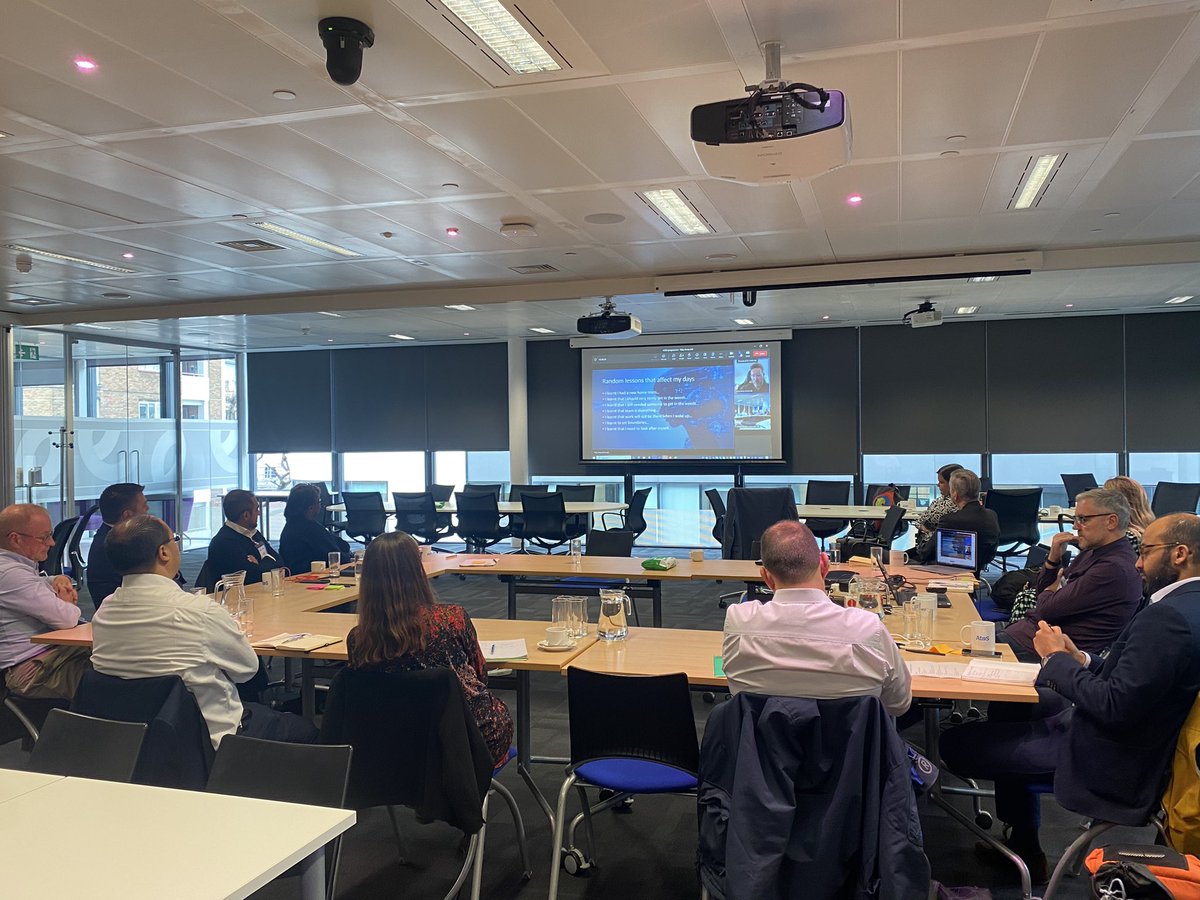
Hi-5 Friday!
1. Meeting our brillant new CIOs supported by our very wise CIOs. Props to @andy_callow for landing the idea to action.
2. Supporting the new chapter of connected care records.
3. Good CIO touchbase on comms to patients.
4. Reviewing 16 EBCMS plans
5. Great team!

20
1,191

NHS England is facing a critical hospital bed shortage, with less than half the capacity from 30 years ago now available. Alcidion's eBCMS solution can improve patient flow and resource allocation for UEC recovery.
Learn more: hubs.ly/Q023n0kP0
1
6
315
13 Sep 2023
ICYMI
NHS England is moving forward plans for a £68m programme of investment in Bed and Capacity Management Systems (eBCMS) as part of its efforts to try and use digital tools to alleviate waiting list waits .
Full story👉ow.ly/5amg50PL5AM
1
3
893
13 Sep 2023
NHS England is moving forward plans for a £68m programme of investment in Bed and Capacity Management Systems (eBCMS) as part of its efforts to try and use digital tools to alleviate waiting list waits .
Full story👉 ow.ly/aNs450PL5lz
1
5
4
1,589

27 Jul 2023
Fantastic keynotes from @1johnquinn and @GemmaStacey10 “access to our own data and democratising access to information” key opportunities for digital tools 👏. #DHSS23 off to a great start! Looking forward to running #patientflow session tomorrow @alcidion #eBCMS

1
8
649

18 Jul 2023
It's a lovely day in London for a walk along the river, I'm looking forward to the @vitalhubuk real time bed management event (eBCMS). @CiscoUKI

4
299

9 Jul 2023
Well damn. The module that electrically emulates a functional EBCM to eliminate errors isn’t available for liability reasons anymore, so there is legitimately no fix for 98-00 Corvettes spewing errors from broken EBCMs (which is all of them)
2
12
516


This is a test of the @EBCMS Twitter feed. Stay tuned for possible updates due to hurricane Henri.
Please monitor @EBCMS, EB social media channels, and EB Landing (eblanding.com) for any updates.
5

16 Mar 2020
Dude, I know. I kept watching that one while I was on vacation last week. Not a peep. Guessing the person with the password left EB.
2

If only EB had an account for messaging. @EBCMS you still there?
1
2

19 Dec 2019
The National Institute for Undersea Vehicle Technology, a joint initiative between @UConn, @URI, and @EBCMS, develops the next-generation of submarines and the workforce that will build them.
middletownpress.com/middleto…
2

12 Nov 2019
The growth and success of our Global Supply Chain Management program at Bryant was on full display last month at a day-long event featuring several successful alumni in the field from companies such as @BJsWholesale, @Hasbro, @EBCMS and more.
news.bryant.edu/supply-chain…

1
4