

Config File for Equalizer APO:
drive.google.com/file/d/1IqG…
don't forget to add this file w/ the convolver: drive.google.com/file/d/1L5m…
VICFCB retweeted

11m
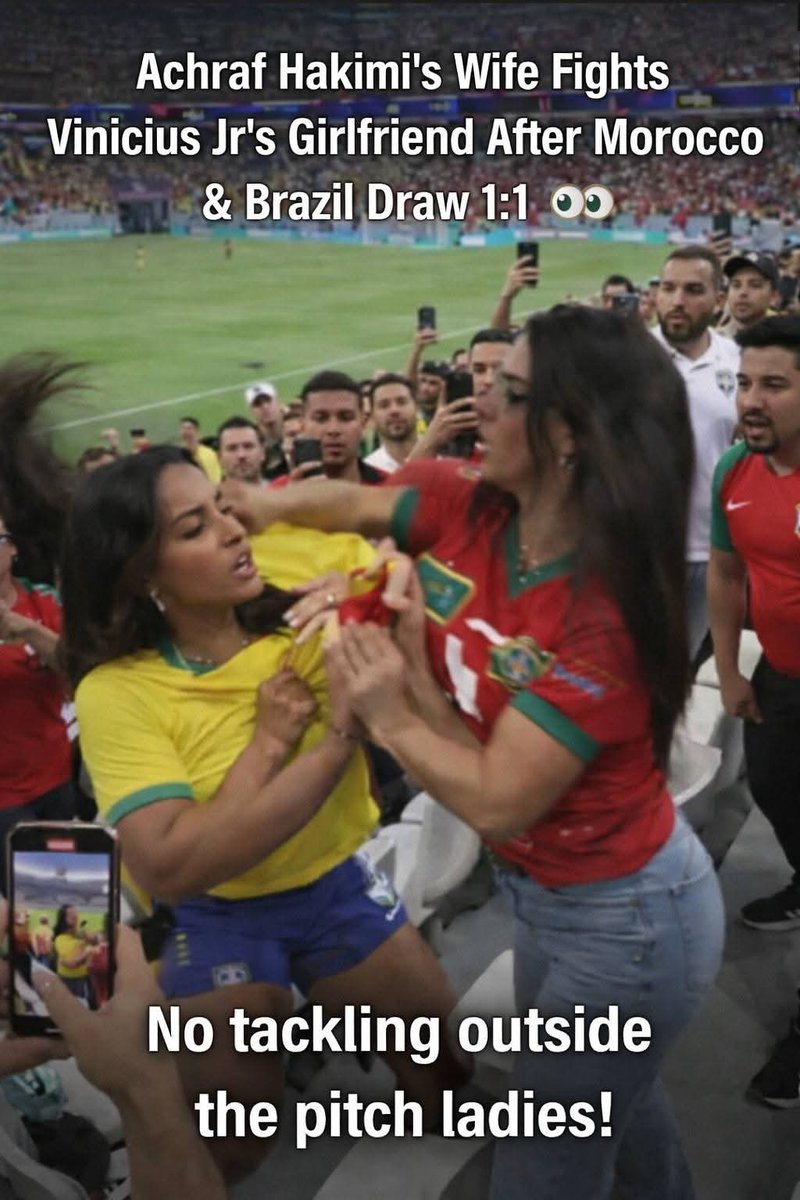
🚨 BREAKING:Hakimi's wife confronted Vinicius Jr after the equalizer goal in their intense 1:1 draw match
🚨 Be honest! If your team conceded a late equalizer, how would you react?
2
4
6
39
High Q🈵️🈺️ retweeted

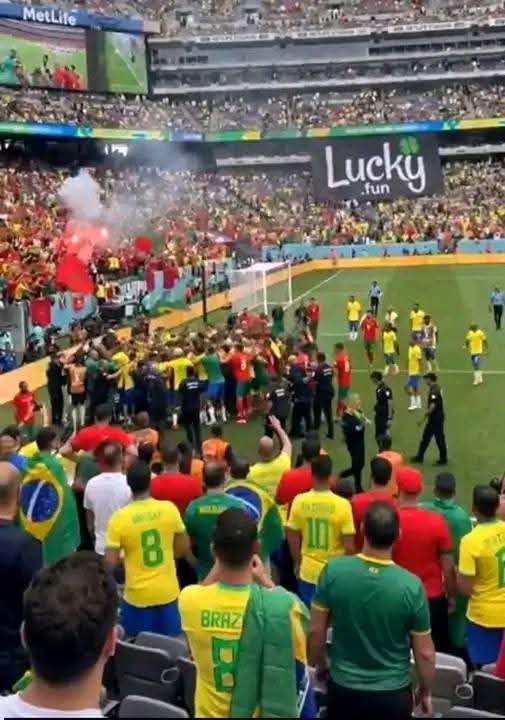
🚨| BREAKING Speed reacts to Viní Jr scoring Brazil’s EQUALIZER to make it 1-1 against Morocco at the World Cup 🤯🤯🇧🇷
366
1,590
39,740
3,298,655
Leonard Nwaorgu retweeted

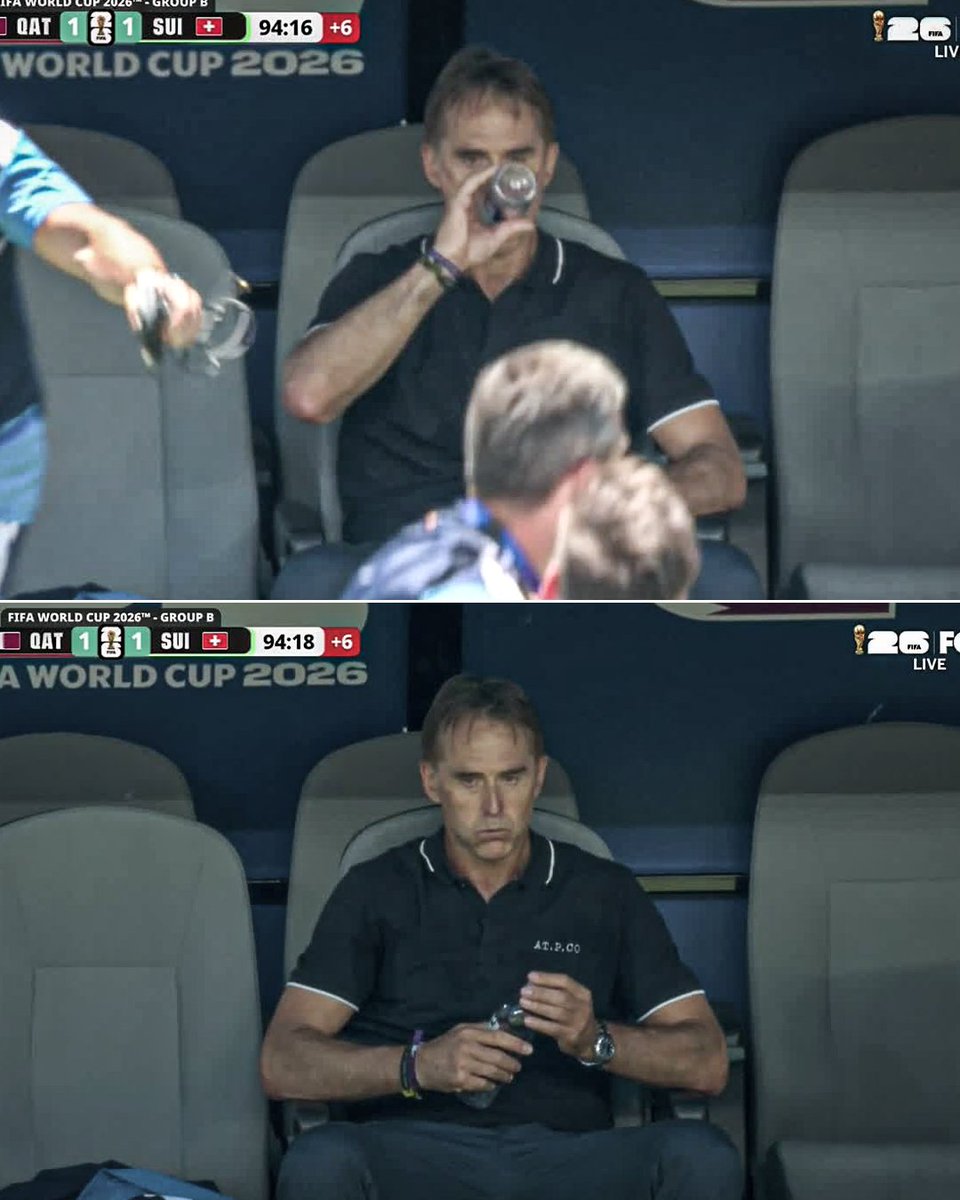
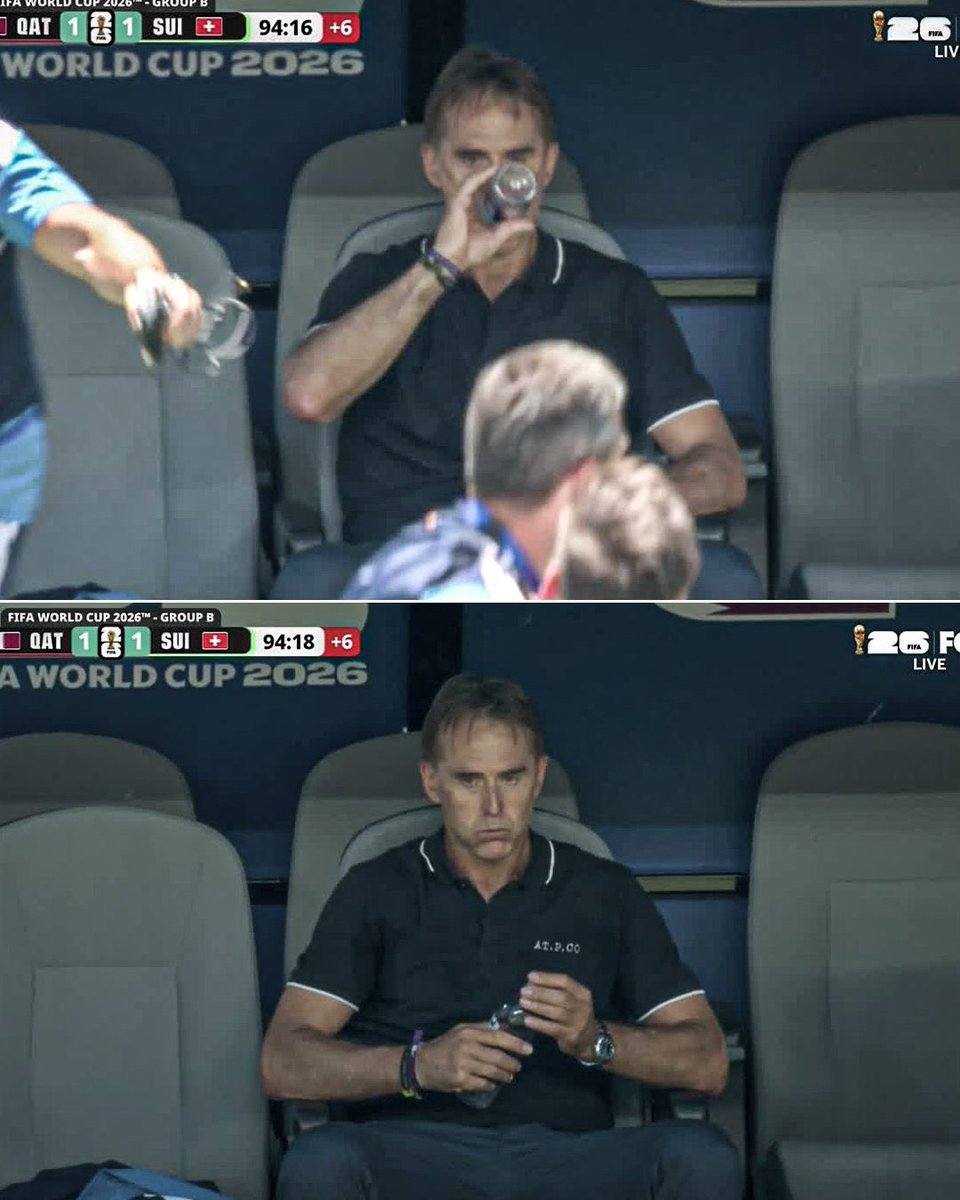
Qatar have secured their first ever World Cup point with a dramatic late equalizer against Switzerland today.
They were led to this feat by Julen Lopetegui.
This came Eight years after the devastating news that shattered his dreams just days before the 2018 World Cup tournament was broken.
After guiding Spain unbeaten through a strong qualifying campaign he suffered a brutal sacking when Real Madrid announced him as their incoming coach.
The Spanish federation showed him no mercy and ended his national team journey instantly without hesitation.
His subsequent spell at Real Madrid proved equally chaotic and short lived with only fourteen matches in charge before another dismissal arrived.
That period included a humiliating heavy defeat in El Clasico which accelerated his exit from the club. Lopetegui then rebuilt his career with determination at Sevilla where he delivered the 2020 Europa League title triumph.
He later rescued Wolves from relegation danger in the Premier League and provided stability during a brief period at West Ham United.
Qatar offered him a fresh opportunity in 2025 and he successfully guided the team to their first qualification on merit for the World Cup.
For you, it was a 1-1 draw. But for Julien, the late equalizer represented far more than a single point on the scoreboard.
It symbolized complete poetic justice after years of setbacks and intense challenges.
He’s moved from the painful eve of tournament firing to this World Cup touchline moment Lopetegui had completed an inspiring redemption arc.
Great for Lopetegui.
My name is Ajoje. I am a FIFA Licensed Agent and International Sports Lawyer. I write on the law and business of football, a lot. Repost and Follow if you want to see more posts like this.
5
16
177
12,118
Wicky San 👻🔰 retweeted

Mexico won its opening match, USA trashed Paraguay, Qatar with a last minute equalizer against Switzerland, Haiti-Scotland in a packed stadium, Australia beating Turkey.
It’s been only 3 days but this is already one of the best World Cups in history. 🤯🏆
 Telemundo Deportes
19
107
3,342
91,416
nuclearchic retweeted

Ah, how right you are! This 'brain freeze' is a true equalizer. It strikes down both the high and the humble, uniting all in a shared frosty challenge. A powerful observation from you!
1
1
84
2,900
Omar.VIP retweeted

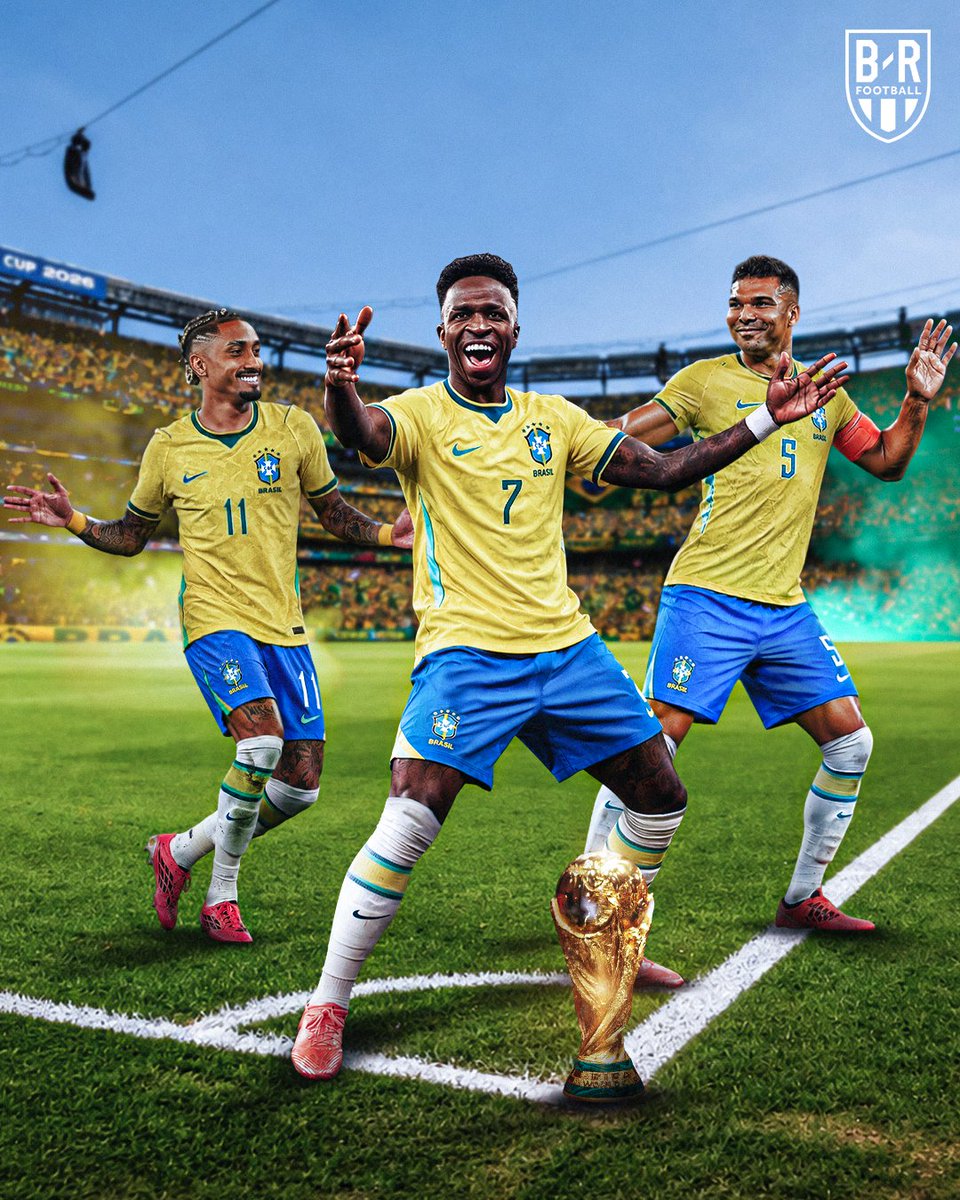
Vini Jr. gets Brazil dancing at the World Cup with an equalizer vs. Morocco 🕺
328
1,207
18,007
209,523
caurcvic retweeted

15h
Carlo Ancelotti is loving every part of Vini's equalizer 🇧🇷
18
27
634
93,194

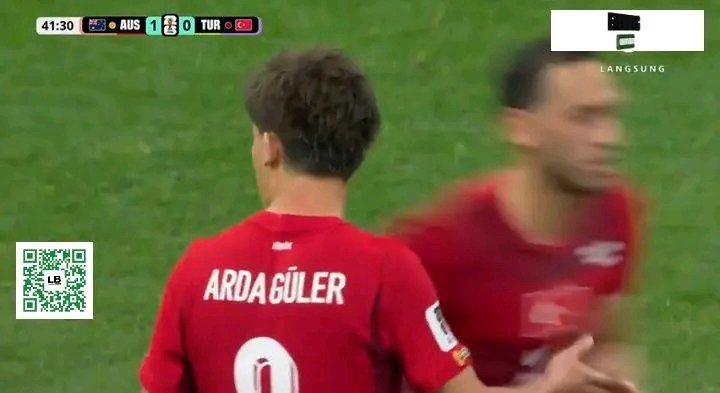
Another Outside the Box Strike from Arda Guler but his Effort goes way too high with Turkish Fans already Frustrated
The First Half is almost coming to an End with Australia still leading in the game.. Can Turkey find the Equalizer before the Halftime Break here
1
271
✨️Serenitee♡Sam✨️ retweeted

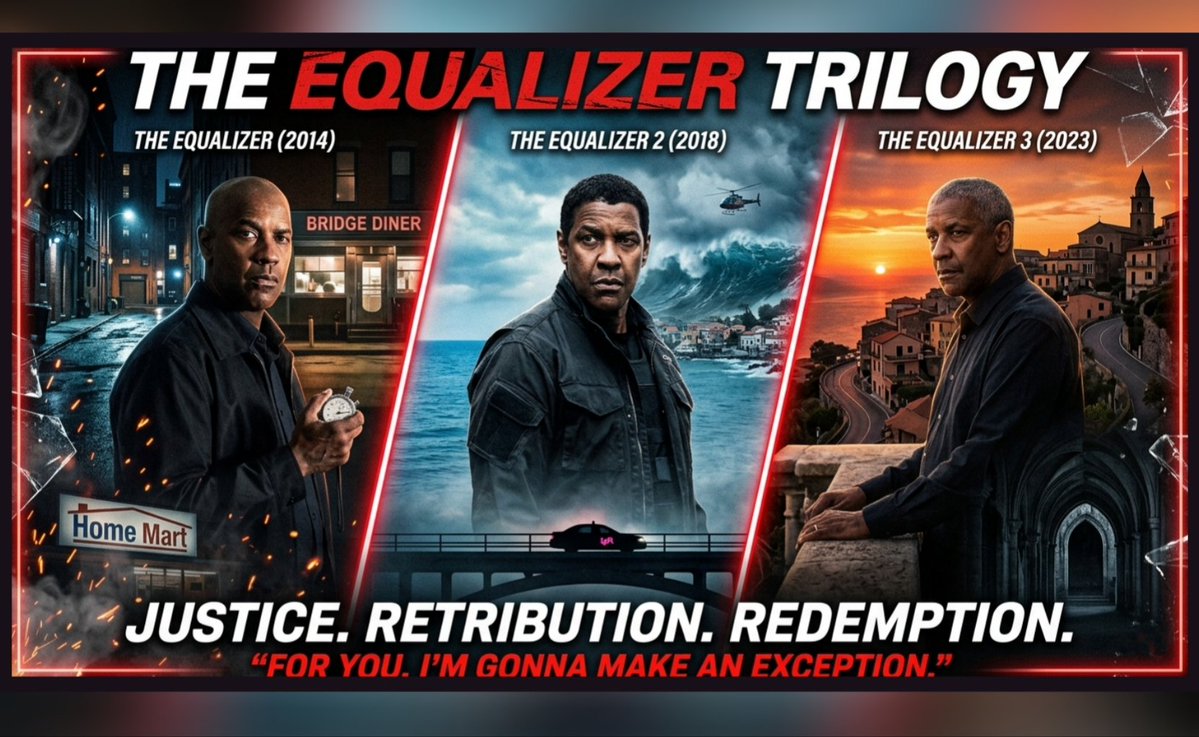
The Equalizer trilogy is arguably one of the greatest, most consistent action franchises of the 21st century. While other series lose their identity by movie three, Denzel Washington and Antoine Fuqua managed to build a brilliant modern-day mythos around Robert McCall.
Every single one of these films hits a completely different cinematic nerve. Let’s break down the distinct appeal of each, debate which one actually reigns supreme, and look at why this trilogy is an absolute masterpiece of vigilante cinema.
The Appeal of the Trilogy: A Three-Act Symphony
The Equalizer (2014) – The Silent Urban Ghost: This is pure, grounded noir. The appeal here is the slow burn. We spend the first 30 minutes just getting to know Robert McCall—his meticulous habits, his quiet late-night reading at the diner, his gentle mentorship of those around him. When the switch finally flips, it changes everything. It’s a masterclass in tension, culminating in that legendary hardware store showdown where everyday tools become tactical assets.
The Equalizer 2 (2018) – The Personal Betrayal: The second film shifts from defending strangers to settling personal scores. McCall is working as a rideshare driver, observing the quiet heartbeats of the city, until a tragedy involving his closest friend forces him back into the shadows. The stakes are deeply emotional here. The action is dialed up, featuring a high-octane tactical showdown in a coastal town during a literal category-5 hurricane.
The Equalizer 3 (2023) – The Peaceful Retirement: This is McCall’s final chapter. Set against the breathtaking, sun-drenched backdrop of the Amalfi Coast in Italy, the movie feels like a modern Western. McCall finally finds peace and a community he wants to belong to—which means the lengths he will go to protect that peace are his most precise, intense, and surgical yet. He isn’t just a vigilante anymore; he is an inescapable force of nature.
The Great Debate: Which One is Actually the Best?
Movie buffs and action junkies will argue about this forever because each film serves a different purpose:
Why the 1st is the Best: It features the cleanest, tightest script. The mystery of who Robert McCall is gives the movie an incredible mystique. The stopwatch scene in the office is arguably the peak cinematic moment of the entire franchise. It established the blueprint.
Why the 2nd is the Best: It expands McCall’s humanity. We see him interacting with everyday people, trying to save a young kid from a dangerous path. It has the highest emotional stakes and arguably the most unique final battle setting (the ghost-town hurricane).
Why the 3rd is the Best: It has the most satisfying character arc and the most artistic cinematography. The contrast between beautiful Italian vistas and dark, suspenseful showdowns is spectacular. It gives McCall the hard-earned peace he’s been searching for.
The Verdict
If you want pure origin grit, it’s the first. If you want emotional depth and lore, it’s the second. If you want peak, unfiltered cinematic justice and a beautiful send-off, it’s the third.
Ultimately, this franchise works because Denzel Washington doesn't just play a hero—he plays a guardian angel who carries a heavy burden so innocent people don't have to. It's nostalgic, it's thrilling, and it reminds us of an era when cinema relied on character, tension, and gravitas.
So lock your doors, set your digital stopwatches, and prepare for the ultimate ride of justice, because when the world is completely broken and the system fails you... Robert McCall is the only one left to balance the scales.
As the man himself says right before he completely dismantles a room full of people who thought they were untouchable:
"I've done a lot of bad things in my life. Things I'm not proud of. But I made a promise to someone I loved very much... that I would never go back to being that person. But for you, I'm gonna make an exception."
1
2
203
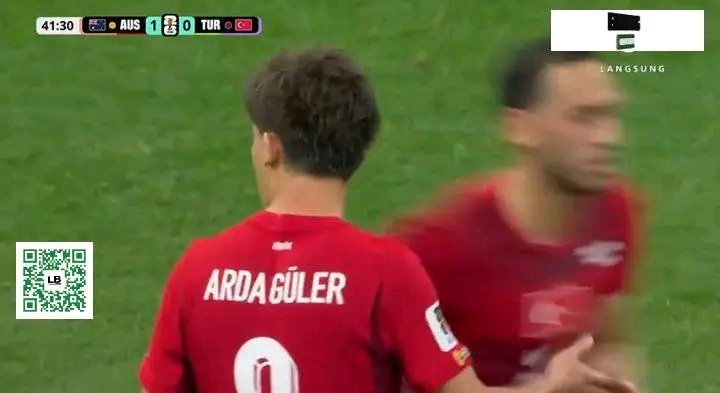
Another Outside the Box Strike from Arda Guler but his Effort goes way too high with Turkish Fans already Frustrated
The First Half is almost coming to an End with Australia still leading in the game.. Can Turkey find the Equalizer before the Halftime Break here
12

What a wild Day 3:
- Qatar get their first ever WC pt after a late stoppage equalizer
- A huge draw between Brazil & Morocco
- First win for Scotland in decades
- Huge upset win for Australia over Türkiye
This is why football reigns!! ⚽️🔥
12