
Japanese researchers in a 2025 PNAS Nexus study used allele-specific CRISPR-Cas9 to excise the surplus chromosome in lab-grown human iPSCs and fibroblasts from patients, restoring typical gene expression and cell function in roughly 30% of treated cells.
1

Punjab’s property tax collection remains below target as FY2025-26 approaches its close, despite revised property valuations and intensified enforcement measures.
The Excise and Taxation Department sealed 362 properties and recovered Rs9.3 million in outstanding dues during the past week, while field staff have been directed to continue recovery operations through June 30. Zone-IV Gujar Khan emerged as the strongest performer, whereas Zone-V continued to underperform despite its concentration of high-value taxable properties.
The situation underscores the persistent challenges in property tax administration, including compliance gaps, valuation issues, and limitations in broadening the effective tax base. The final weeks of the fiscal year will be critical in determining whether enforcement efforts can narrow the revenue shortfall.
#Punjab #PropertyTax
30

The State and Centre is earning VAT and Excise Revenue, It does not care
1

16m
It’s not liquid money retard. He’d have to sell his stocks & get taxed on that as well to pay your dumbass idea of a wealth tax. The fact that you’re in elected office is astonishing. We need to excise people like you from positions of power. You have no understanding whatsoever.
3

Scenes of extremely heavy crowding from the Patliputra Railway station in Bihar's capital Patna due to Excise constable recruitment examination scheduled today.
1
58

PM Anthony Albanese refuses to address Australia's unreasonable tobacco excise tax now the highest in the world which only promotes the illicit black market trade.
Another reason why he and and the Canberra clown show are on the nose.
40
116
806
20,962
POLICE STATION RAJ PARK retweeted

Jun 12
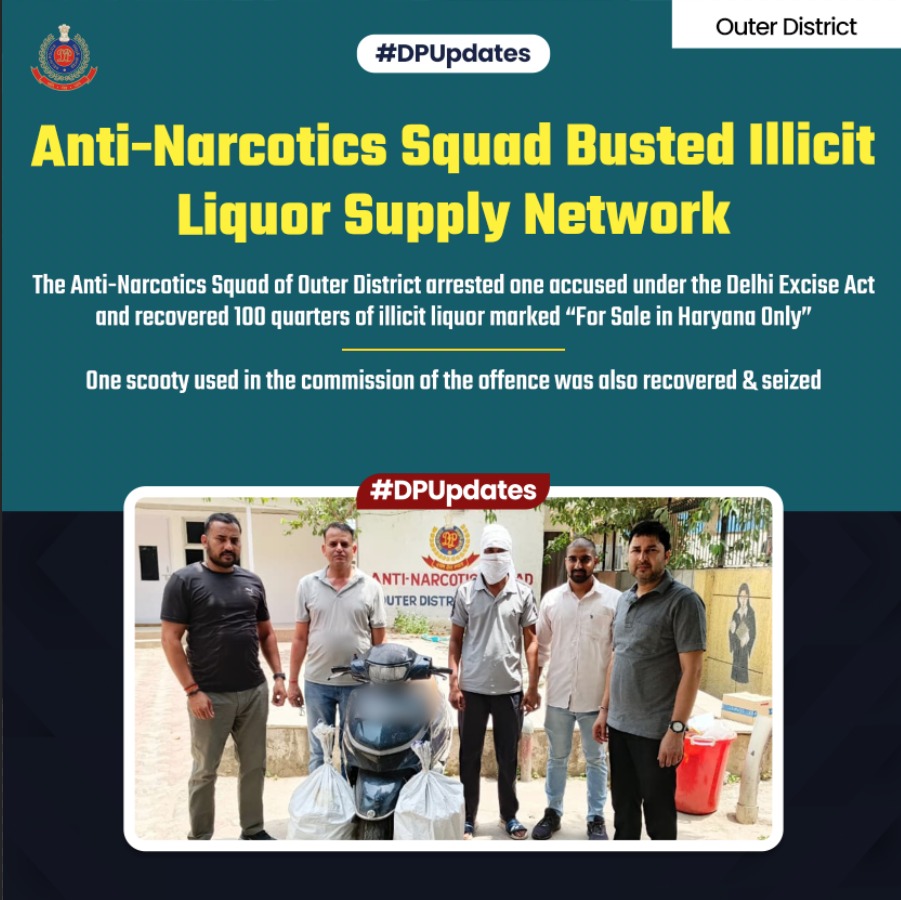
The Anti-Narcotics Squad of Outer District arrested an accused under the Delhi Excise Act. A total of 100 quarters of illicit liquor marked "For Sale in Haryana Only" were recovered and seized. One scooty used in the commission of the crime was also recovered.
बाहरी जिला की एंटी-नारकोटिक्स स्क्वॉड ने दिल्ली आबकारी अधिनियम के तहत एक आरोपी को गिरफ्तार किया। उसके कब्जे से "केवल हरियाणा में बिक्री हेतु" अंकित अवैध शराब के 100 क्वार्टर बरामद कर जब्त किए गए। वारदात में प्रयुक्त एक स्कूटी भी बरामद की गई।
@DPUpdates
#HelloDelhiPolice
#HelloPoliceStation
@DelhiPolice
4
8
87

Her’s a great idea: if you are in public office and earn more than your salary from office apply a 30% excise to all amounts greater than your base salary. @SenWarren
1
12

Corona came increased excise duty for 2yrs..
Blended with ethanol...
Crude went all time low till 60dollars...still paid high price. Where did all go? Ambani? Adani?
2
25

Punjab’s excise and taxation department struggles to meet its FY2025-26 property tax target despite revised valuations and enforcement. Officials seal 362 properties and recover Rs9.3m, with Zone-IV leading as staff remain on recovery duty until June 30.
Read more at:profit.pakistantoday.com.pk/…

163

पटना जंक्शन पर रात भर हज़ारों students की भीड़ रही. Excise Constable परीक्षा के लिए 14 लाख अभ्यर्थी Bihar भर में निकले और ट्रेन नहीं मिली.
Ravi Kumar नाम के एक छात्र ने सुबह ANI को बताया: "14 लाख students हैं और Patliputra से सिर्फ दो ट्रेनें थीं. कितने जा सकते हैं? मेरी first shift की exam छूट गई. अब वापस जा रहा हूं."
जो trains चलीं उनमें लोग दरवाज़ों से लटककर गए. Patliputra station पर रात को पथराव और तोड़फोड़ हुई, पुलिस को बल प्रयोग करना पड़ा.
सरकारी जवाब वही पुराना: "पर्याप्त व्यवस्था थी, anti-social elements ने रैला किया."
14 लाख students की संख्या को सरकार को पहले से पता थी. परीक्षा की तारीख पहले से पता थी. फिर भी ट्रेनें कम पड़ीं.
जब रैली होती है तो logistics perfect होता है. जब exam होता है तो students खुद का रास्ता देखें.
#BiharStudents #ExciseConstableExam
13

@moneyacademyKE
Cellular phones: excise duty becomes 25% of value, charged when the phone is activated (not at import).
Does this mean higher prices for phones effective next month?
1

Afraid not chief. Gas prices in CT tax @$.52 per gallon. Then they tax the excise tax with sales tax. What’s idiotic is the people (voters) put up with it & people like Duff who just want to “rub your nuts” & blame it on Trump.
It doesn’t stop there. All that tax money flows to grocery producers, grocery haulers & retailers. Guess what? That initial tax has now doubled & that cost gets passed on to the consumers (voters).
Now tell me where I have it backwards?
4

RM a buy back in his nufc contract (would effectively be a first refusal at future sale at fixed price). This is nufc’s choice RM cannot force the clause (they can excise their option to buy the player however and this could be used as a “threat”)
87

The International Monetary Fund (IMF) is pressing Nigeria to impose excise duties on telecom services and extend VAT to fuel products, moves that would heap even more financial pressure on an already struggling population.
.
.
Read more: verilynews.com/imf-urges-nig…
3

Streamline News Brief
Sunday, 14 June 2026, 06:00 PM WAT
1. IMF urges Nigeria to introduce telecom tax, VAT on fuel products
The International Monetary Fund (IMF) has advised the Nigerian government to introduce excise duties on telecommunications services and extend Value Added Tax (VAT) to fuel products as part of broader measures to strengthen its revenue.
Source: Nairametrics | nairametrics.com/2026/06/14/…
2. Dismissed civil servants seek Tinubu, Akpabio's intervention in reinstatement battle
They also called on Civil Society Organisations (CSO), labour unions, and well-meaning Nigerians to prevail on the Federal Civil Service Commission (FCSC) to implement a Senate resolution directing their recall and deployment to the Federal Ministries of Environment and Works.
Source: Vanguard News | vanguardngr.com/2026/06/dism…
3. Why Africa's most-funded EV startup is thinking beyond motorcycles
The company still earns most of its revenue from selling electric motorcycles, yet it spends far more time talking about batteries, swap stations and energy infrastructure than motorcycles.
Source: TechCabal | techcabal.com/2026/06/12/why…
#Nigeria #NigerianNews #Streamline #NewsUpdate

7

Ultimately, while the IMF provides these recommendations to stabilize the govt’s balance sheet, the choice to implement them and how to protect the public if they do rests entirely with the Nigerian Federal Govt. Historically, proposals like the 5% telecom excise tax faced heavy resistance from labor unions, consumer advocacy groups, and telecom companies, who warned that the costs would simply be passed down, making internet data and phone calls even more expensive for regular citizens. “The timing of reforms must consider the poverty and food insecurity situation and ensure that the cash transfer system is in place and funded.”Essentially, the IMF is advising that these taxes should only be rolled out after the govt sets up a highly effective social safety net (like direct cash transfers) to protect the most vulnerable citizens from the immediate price spikes.
15

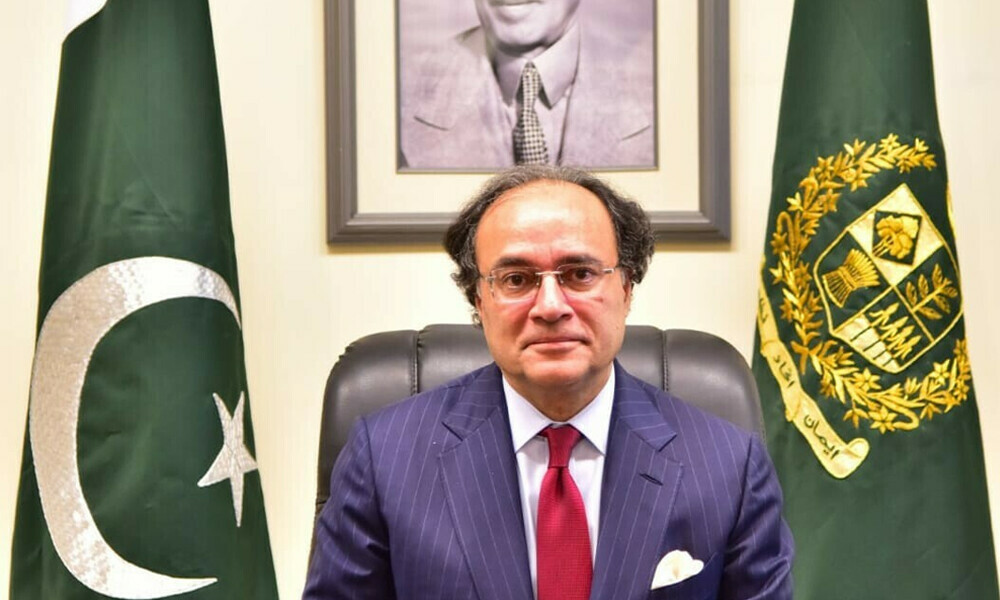
Great relief in the budget. Government has abolished the Federal Excise Duty on business class international air tickets. Poor friendly budget indeed.
8
In its Article IV Consultation report for Nigeria, the IMF recommended introducing specific tax policy changes over the medium term—including extending Value Added Tax (VAT) to fuel products and introducing telecom excise duties (taxes). The IMF looks at Nigeria’s economy through a macroeconomic lens, focusing heavily on a massive underlying vulnerability: the country's critically low tax-to-GDP ratio. Hearing this advice for a country where over 60% of the population lives below the poverty line can feel deeply frustrating and counterintuitive. It raises a major question: why would an international organization push for consumption taxes on essential goods in a country facing severe economic hardship?
1
18

Current Compliance Deadlines (June 2026)Excise Tax Return: Due 16 June 2026.
VAT Return: Due 29 June 2026 (for relevant periods).
Penalty Updates (effective April 2026) also offer a more lenient, simplified structure with incentives for voluntary disclosures.
#UAEVAT #Duedate
vinproglobal.com/uae#service…
3