
Jun 10
I fuck with flashdash on the low but I can't see dashy with men so it stays as a backthought... I also think fluttercord is ok but I cant get myself to love love it. And sunpies fine but my fave pinkie ship is flutterpie and sunset is sciset so Liek
1
154

May 16
Sharpen your pencils.
Our flash competition is coming soon.
Flash Dash - short, sharp and full of spark!
www.thephare/flashdash
#flashfiction #writingcompetition #writers

5
10
303

Mar 21
Part 5: The Eternal Ride – Nationwide Triumph, Village Tears, and the Legacy That Will Never Die**
The victory parade had barely ended when the real journey began.
Arjun stood on the steps of Rashtrapati Bhavan, the new medal heavy on his chest like the weight of every rider who had ever bled. The President had just finished speaking, cameras flashing, nation watching live. But Arjun’s eyes were not on the crowd. They were on the small envelope in his hand — a train ticket to his village in Uttar Pradesh, booked for that same night.
“Raghav saab,” he said quietly to the MP standing beside him, “the law is passed. The medals are pinned. Now I have to go home. Vikram’s family is waiting. They need to touch the helmet. They need to know their son’s blood wrote this new India.”
Chadha nodded, eyes wet. “Then we go together. The whole union. A victory tour that starts in your village and ends at every dark store in the country. Let every rider’s mother hug us. Let every child see what their father fought for.”
By sunrise the next day, a special train — painted orange, named “Dignity Express” — pulled out of Delhi station. Two hundred riders, their families, Raghav Chadha, and a film crew that would broadcast every kilometre live. Arjun carried Vikram’s helmet in a glass case. Priya held newborn Vikram Jr. Riya clutched her drawing of the flying orange bike. Sameer, Meena, and even the redeemed Rajesh were there, scars and all.
The train stopped at every major city. In Mumbai, 20,000 riders greeted them at the station with roses and tears. In Bangalore, tech workers who had once given 1-star ratings now stood with apology banners. In Hyderabad, a hospital named a new ward “Vikram Rider Memorial” for free treatment of injured gig workers. Each stop was a thunder of chants: “Blood on the handlebars… never again!”
But the real heart of the journey was the village.
Chapter 25: The Village That Buried a Son and Gained a Nation
Two days later, the Dignity Express chugged into the dusty station of Arjun’s village. Word had spread. The entire population — 4,200 souls — lined the narrow road from station to Vikram’s hut. Cows had been decorated with marigolds. Children waved tiny orange flags.
Vikram’s mother, a frail woman in a white sari, waited at the door of the mud house. When she saw Arjun step down holding the glass case, she collapsed to her knees.
“Beta… you brought my son home?”
Arjun knelt before her, opened the case, and placed the cracked helmet in her lap. The dried blood was still visible under the streetlight.
“Maa,” he whispered, voice breaking, “your son died so no other mother would have to sit like this. The new law… it’s because of him. Your granddaughters will study medicine. The union has already paid their fees for ten years.”
The old woman touched the blood stain, then touched Arjun’s scarred arm. “You carried him that night. You carried all of us. Now eat. The village has cooked for its heroes.”
That night, under a sky full of stars that once witnessed only poverty, the entire village sat on the ground. Arjun told the full story — every red-light jump, every rain-soaked scream, every threat to Riya. When he reached the part where he head-butted the goon to save his daughter, the villagers roared with pride. Vikram’s wife held her two girls tight, sobbing but smiling.
“Tomorrow,” Arjun announced, “we open the first village branch of the union. No more sons will leave for the city to die in ten minutes. Local deliveries, safe bikes, fair pay — right here.”
The roar that answered shook the mango trees.
Chapter 26: The First IIT Dream – A Daughter Rises
Back in Delhi three weeks later, the union headquarters hosted its proudest day yet.
A seventeen-year-old girl named Priyanka — daughter of a Swiggy rider who had lost both legs in a 2025 crash — stood on stage in a simple salwar suit. She had scored 99.8 percentile in JEE. IIT Delhi had accepted her with full scholarship… plus an extra ₹10 lakh from the union’s new “Blood to Books” fund.
Arjun handed her the cheque himself. “Your father delivered 18 hours a day so you could study instead of riding. Today the nation delivers for you.”
Priyanka’s voice trembled as she spoke to the packed hall of 10,000 riders and families. “Papa used to come home with blood on his knees and say, ‘Beta, study hard so no girl has to see her father bleed.’ Because of uncle Arjun and the revolution, I will become an engineer. I will design safer bikes. I will make sure no timer ever kills another father.”
The standing ovation lasted twelve minutes. Sameer — now union vice-president — hugged her like a sister. Meena wiped tears and whispered to Priya, “Our daughters will never know the fear we lived.”
Chapter 27: The New Threat – Greed Tries Again
Not everyone celebrated.
Six months after the law, a new quick-commerce app — “FlashDash” — launched with 8-minute timers, promising “even faster than before.” They hired desperate migrants, paid cash under the table, and ignored the new regulations.
Arjun got the call at 2 a.m. A young rider in Gurgaon had crashed — same story, wrong-side overtake for 47 seconds. He died instantly. The app’s first message to his widow: “Independent contractor. No liability.”
The rage that had cooled returned like a forest fire.
Arjun called an emergency meeting. “We fought the big companies. Now we fight the new ones who think the law is a joke.”
Within 48 hours, 80,000 riders across India switched off their apps again — a lightning strike. Raghav Chadha stormed the Labour Ministry. The government raided FlashDash offices the same day. The CEO was arrested. The 8-minute timers were banned nationwide.
Arjun stood outside the raided office, live on every channel. “Let this be the last warning. Any company that puts profit over life will meet the same blood on the handlebars — except this time the blood will be on their balance sheets.”
The message was heard. No new app dared repeat the mistake.
**Chapter 28: The Final Ride – A Father, His Son, and Eternity**
March 2036. Eleven years after Vikram died.
Arjun, now 39, stood on a stage in Mumbai with 50,000 riders celebrating the 10th anniversary of the Dignity Act. His hair had a few grey strands. The scars on his arm and knee had faded to silver lines — badges, not wounds.
Beside him stood Vikram Jr., now 10 years old, wearing a junior union badge. Riya, 16, was studying medicine on a union scholarship. The youngest daughter Meena, 8, held a drawing of the family riding together — slowly, safely.
Arjun spoke without notes.
“Eleven years ago I carried my brother’s body through rain because a company said ‘not our responsibility.’ Today every rider has responsibility written into law. We have sent 47,000 children to college. We have saved 12,000 lives through instant insurance. We have turned blood into books, crashes into classrooms, fear into futures.”
He looked straight into the camera, the same way Raghav Chadha once had.
“To every rider still on the road tonight: ride safe. The ten-minute hell is over. You are not contractors. You are the backbone of India. And we — your brothers and sisters — will always have your back.”
The crowd chanted his name until the stadium shook.
That night, back in Delhi, Arjun took his entire family for one final slow ride. No delivery bag. No timer. Just a quiet electric bike through the same streets that once ran with blood.
They stopped at the AIIMS spot. Flowers were already there — fresh ones from strangers who still remembered.
Vikram Jr. asked, “Papa, will I ever have to ride like you did in the old days?”
Arjun lifted his son onto his shoulders. “Never, beta. Because your papa and thousands like him bled so you could ride with dignity. The handlebars are clean now. Keep them that way.”
Priya leaned against him, their daughters smiling in the moonlight. Somewhere in the village, Vikram’s mother lit a diya and whispered thanks to the stars. In IIT hostels, Priyanka and hundreds like her studied late, knowing they owed their lamps to riders who once rode in darkness.
Arjun looked at the city lights and felt the last piece of rage finally melt away.
He had not just survived ten minutes.
He had changed ten million lives.
The Eternal End
1
1,097

Mar 14
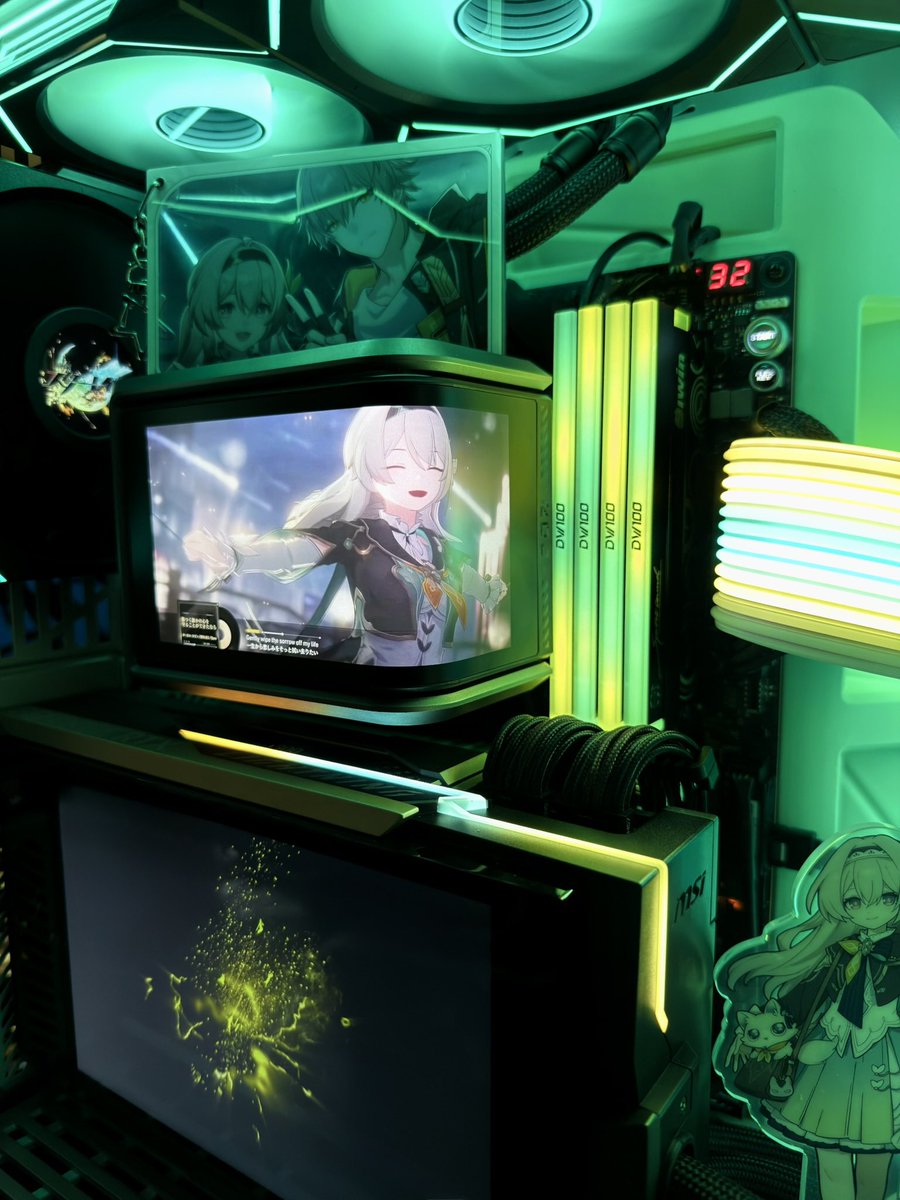
BiwinのDDR5メモリお試し
推奨マザボじゃなくても4枚差し余裕で素晴らしい!
ところでMSI Lighrning Hubの FlashDashがしょっちゅう言うこと聞かないのはどうしたらいいですか…
ドライバ再インストールとか試して諦めて放っといたらいつの間にか直ってるけど、なかなか億劫です😂
2
311

30 Jul 2025
You’ve just given me a business idea!
FLASHDASH. We’ll download the files onto a drive for you and deliver them straight to your door!
2
3
76
3,373


21 Feb 2025
📢 These following tokens have been DELISTED from our services:
- On the main DEX: Imp, Oogwai, Aai, Magog.
- On Aggregator/Bubbles/Heatmap/Lens...: 0xDesaign, Itp, Aai, Ugold, Zke, ZKdx, Zwif, Aizure, Flashdash, Man, Volcano, Hentai, Grlai, Oogwai, Teva, Hyco, Imp, Bzly, Beg, Sainta, Gorilla, Never, Blob, Magog.
🤔 Reason: these projects have either ceased operations, moved to another network, or show no activity in X activities.
#ZKsync #dex #analytics
5
8
43
1,576


30 Aug 2024
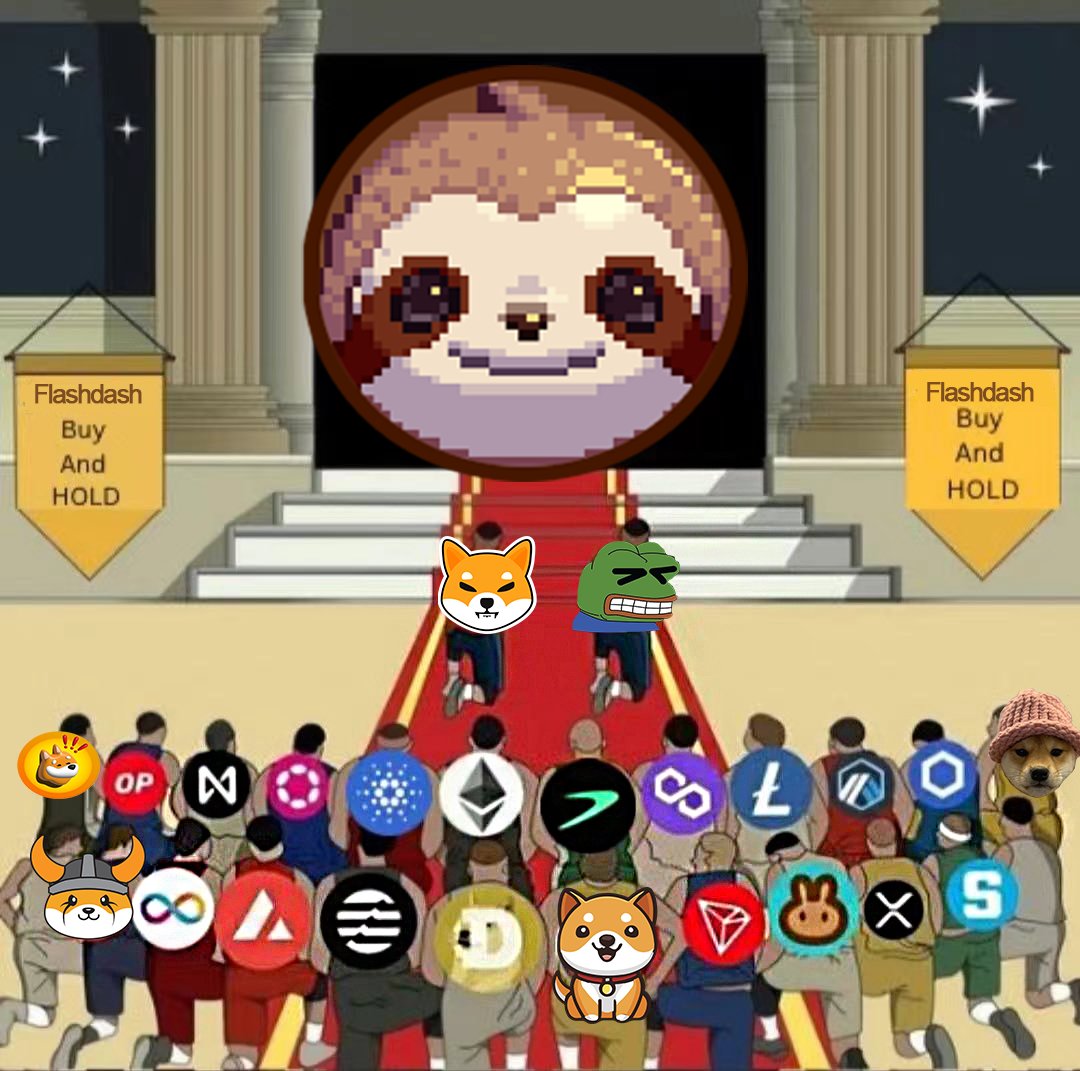
BUY and HOLD💰#Flashdash
🔜🔝💯🚀🔥👀
Everything is set up for 1000x 📈
Flashdash is the biggest and only one bag of #CHADS and #millionaires!
tinyurl.com/yqc4bu86 🚀
#hodl #memecoins #rich #token #CryptoCommunity #altcoins #MemeCoinSeason #Cantstop #crypto #Bullrun2024 #degens #opportunity #coins #whales $pepe $wif $slerf $bonk $doge
1
1
5
267
23 Aug 2024
DON'T MISS 👉#Flashdash
Flashdash is gearing up to skyrocket! 🚀
Look into this one ASAP💰💰💰
Don't be left out 😭
tinyurl.com/yqc4bu86 📈💸
#chance #rich #profit #Crypto #Millionaire #Bullrun #AltcoinSeason #altcoins #MemeCoins #degens #whales #investors
#elonmusk
2
147
14 Aug 2024
It's a great time to invest in #Flashdash before the huge pump 📈 🐂
Flashdash is making big moves right now 😳
it’s gonna blow up and make you rich! 💸💸💸
tinyurl.com/yqc4bu86 🚀
#tothemoon #rich #win #crypto #memecoins #Bullrun #AltcoinSeason #altcoins #degens #whales #investors
1
2
119
9 Aug 2024
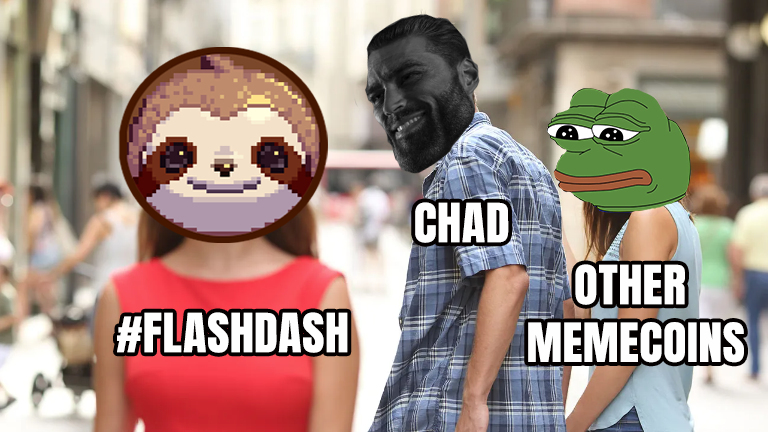
Everyone is with #Flashdash 😍
Flashdash is ready to moon anytime 🌕💸
Don't miss the launch!!! 🤑
tinyurl.com/yqc4bu86 🚀
#hodl #memecoins #rich #token #altcoins #MemeCoinSeason #crypto #Bullrun2024 #degens #opportunity #coins
2
3
102
2 Aug 2024
Memecoin season is upon us, 🚀
and #Flashdash is leading the charge! 📈
Get ready for the ride!
tinyurl.com/yqc4bu86 ❤️🔥
Don't miss out potential gains 🤑🤑🤑
#opportunities #whales #degens #rich #millionaire #Crypto #token #Memes #lowcapgem #cryptogem #hodl #x1000gem #buy
3
96
26 Jul 2024
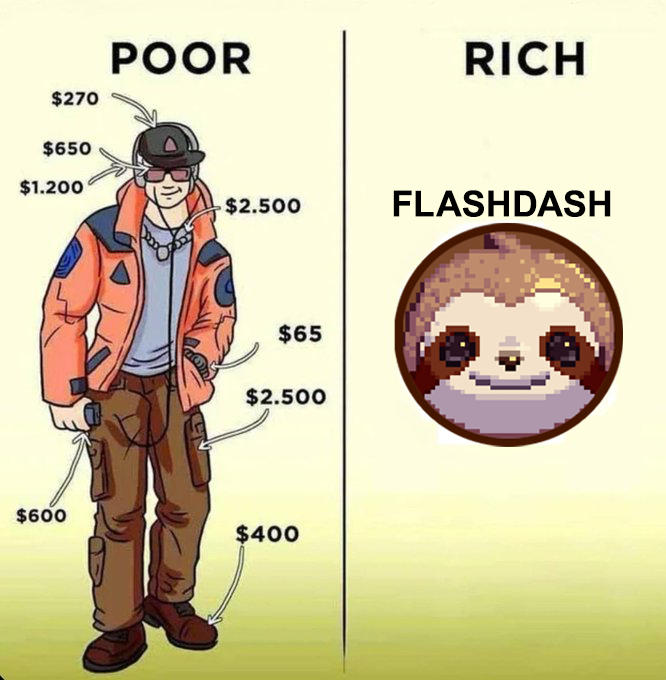
Definitely #Flashdash will go for millions!!! 💸💸💸
Ready to take off at any moment 🔥
Don't miss your lucky chance to get rich! 🤑
tinyurl.com/yqc4bu86 🚀
#hodl #memecoins #rich #token #altcoins #MemeCoinSeason #crypto #Bullrun2024 #degens #opportunity #coins #whales
2
145

19 Jul 2024
Ja das ist sehr schwer wir hatten das damals so als „flashdash“ es war klar keiner wollte was Großes erreichen einfach daddeln ,klar bei jedem Match sein bestes geben aber wir haben nie mehr gewollt
Denke das geht trotzdem noch musst nur die richtigen 4 haben
1
2
173
17 Jul 2024
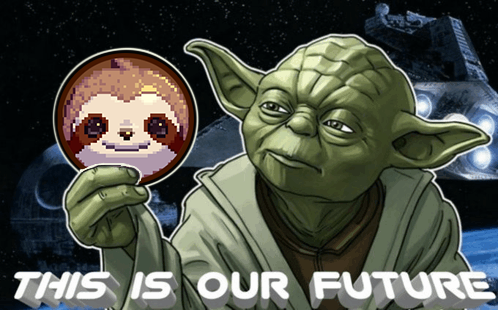
Your future is clear 🔮
You need #Flashdash to get rich 🤑
Get onboard of the top one before it's too late!🚀
tinyurl.com/yqc4bu86
#rich #Bullrun #AltcoinSeason #chads #degens #whales #rich #memecoins #millionaire #Crypto #token #StarWars #StarWarsRebels
1
2
5
134
16 Jul 2024
#FLASHDASH IS ABOUT TO EXPLODE VERY SOON!!🌋
This project is leading the charge 🔥
tinyurl.com/yqc4bu86
#DragonBall #hodl #investors #ready #opportunity #x1000GEM #lowcapgem #memecoins #Bullrun2024 #tothemoon
3
62
15 Jul 2024
#Flashdash is the next #1000xgem2024 💰
The future of memecoins is here 💥
Get ready 🚀
tinyurl.com/yqc4bu86 🌟
#chance #rich #profit #Crypto #Millionaire #Bullrun #AltcoinSeason #altcoins #MemeCoins #degens #whales #investors
1
2
4
121
13 Jul 2024
#Flashdash is your next 1000x target The project gonna fly to the moon🚀 LFG!!!🐂📈 tinyurl.com/yqc4bu86 #crypto #Bullrun #AltcoinSeason #degens #opportunity #coins #whales #memecoins #trump
1
1
3
79
11 Jul 2024
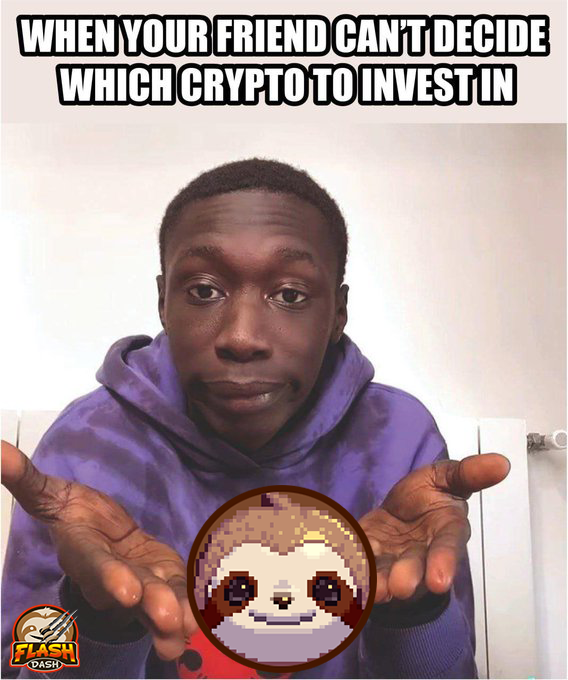
#Flashdash is your best choice,
If you want to be a next billionaire🔥 🚀
Join us and stay bullish on Flashdash 💰💰
tinyurl.com/yqc4bu86 ✨
#opportunities #whales #degens $pepe $bonk $slerf $doge #rich #millionaire #Crypto #token #cryptocurrencynews
2
1
4
167